
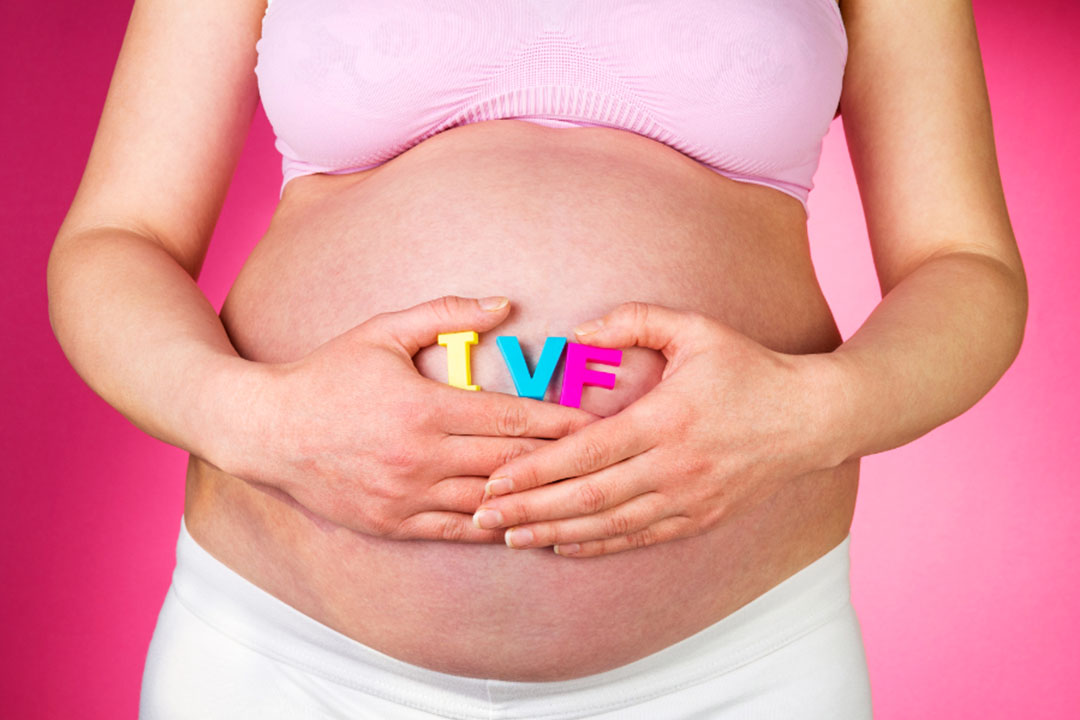
In-vitro fertilization (IVF) has brought hope to millions of couples facing infertility. As its use grows worldwide, many people wonder whether IVF might increase the risk of cancer later in life.
This article examines the scientific evidence on IVF and cancer, explains potential factors that could influence risk, and offers practical advice for couples considering fertility treatment.
What Is IVF and Why Do People Use It?
IVF stands for in-vitro fertilization. It is a set of procedures designed to help individuals or couples conceive when natural methods have not worked. IVF typically involves these steps:
- Ovarian Stimulation: Doctors give hormone injections to stimulate the ovaries. This causes multiple eggs to develop in one cycle instead of the single egg the body usually releases.
- Egg Retrieval: Once the eggs mature, a minor surgical procedure removes them from the ovaries.
- Fertilization: The eggs are fertilized with sperm in a laboratory dish.
- Embryo Transfer: One or more healthy embryos are placed into the uterus, where they may implant and develop into a pregnancy.
Because IVF uses higher-than-normal doses of hormones—such as follicle-stimulating hormone (FSH), luteinizing hormone (LH), estrogen, and progesterone—some experts have raised questions about long-term effects, including cancer risk.
The Hormone–Cancer Connection
Many cancers are sensitive to hormone levels. For example, breast tissue and the lining of the uterus (endometrium) respond directly to estrogen and progesterone. Critics worry that the intense hormonal stimulation during IVF could:
- More hormone exposure over time may theoretically increase the likelihood of hormone-driven cancers.
- High hormone levels might encourage the growth of cells with small DNA errors, leading to cancer over decades.
- Repeated cycles of stimulation and egg retrieval might stress ovarian tissue and increase risk.
However, theory alone does not prove a real-world link. Researchers have therefore conducted large studies and reviews to see whether IVF truly changes cancer rates.
Breast Cancer and IVF
Breast cancer is the most common cancer in women worldwide and is known to be hormone-sensitive. Researchers have studied whether IVF patients face higher breast cancer rates compared to women who did not have fertility treatment.
A 2020 meta-analysis published in The BMJ combined data from 25 studies and found no significant increase in breast cancer risk among women who underwent IVF compared to women with infertility who did not have IVF.
A large Danish cohort study followed over 54,000 women who received IVF for up to 20 years. It found breast cancer rates similar to those in the general population when adjusted for factors like age and family history.
What It Means
Current evidence does not support a meaningful increase in breast cancer risk due to IVF. Women considering IVF should still maintain regular breast screening and report any changes in breast tissue to their doctor.
Ovarian Cancer and IVF
Experts Focus on Ovaries because IVF directly stimulates the ovaries, some early studies suggested a slight increase in ovarian cancer among IVF patients. However, more recent research has clarified the picture:
Women who struggle with infertility often share risk factors for ovarian cancer, such as endometriosis or polycystic ovary syndrome (PCOS). A long-term follow-up study in the Netherlands found no higher ovarian cancer rates in IVF patients once researchers accounted for the cause of infertility.
Another Swedish registry analysis showed no difference in ovarian cancer incidence between women who had IVF and those who had other fertility treatments.
What It Means
The current consensus is that infertility, not the IVF hormones, drives the small elevation in ovarian cancer risk seen in some earlier studies. Women with known ovarian risk factors should discuss their personal story with a specialist. IVF alone, for most patients, does not appear to raise ovarian cancer risk significantly.
Endometrial Cancer and IVF
Endometrial cancer affects the lining of the uterus and is also hormone-sensitive. Researchers have looked for links between fertility drugs and endometrial cancer:
A meta-analysis of six studies found that women who used fertility drugs, including those used in IVF, did not have a higher risk of endometrial cancer than women with infertility who did not use these drugs.
What It Means
Overall, evidence does not support a clear link between IVF hormonal treatments and endometrial cancer. Maintaining a healthy weight and regular gynecological check ups remain key preventive measures.
Factors That Influence Cancer Risk
Even though large studies find no strong association between IVF and cancer, individual risk can vary. Several factors may influence how IVF affects long-term health:
Age at Treatment
Women who seek IVF later in life (in their late 30s or 40s) already face higher baseline cancer risks simply due to age.Number of IVF Cycles
Some studies suggest that undergoing many IVF cycles (more than six or eight) could slightly raise ovarian cancer risk, although the data remain mixed.Health Conditions
Conditions like PCOS or endometriosis may independently raise the risk of certain cancers.Family History
A strong family history of breast, ovarian, or other cancers can increase personal risk, regardless of fertility treatments.Lifestyle Factors
Smoking, alcohol use, obesity, and diet play critical roles in cancer risk. These factors may overlap with fertility treatment decisions.How Researchers Study IVF and Cancer
To understand the possible link between IVF and cancer, researchers use several methods:
- Tracking large groups of women over many years.
- Comparing women with cancer to matched women without cancer, looking back at their IVF exposure.
- Pooling data from multiple studies to increase statistical power and identify patterns.
- Using national IVF and cancer registries to link fertility treatment records with cancer diagnoses.
Each method has strengths and limitations. Cohort studies provide real-world data but can take decades to complete. Meta-analyses rely on the quality of included studies. Together, these methods have consistently found no major increase in cancer risk due to IVF.
Managing Your Health During and After IVF
Though IVF itself appears safe from a cancer standpoint, it remains wise to adopt healthy habits and follow medical advice:
- Choose a fertility clinic that follows the latest research and safety guidelines.
- Keep up with regular mammograms, pelvic exams, and any other cancer screenings recommended by your doctor.
- Aim for a balanced diet rich in fruits, vegetables, whole grains, and lean proteins.
- Exercise regularly at least 150 minutes of moderate activity per week.
- Limit alcohol and avoid smoking to lower overall cancer risk.
Understand Personal Risk Factors
Discuss your family history of cancer and any genetic concerns (such as BRCA mutations) before starting IVF. Continue to see your gynecologist or primary care doctor even after pregnancy or IVF cycles end.
By combining fertility care with general preventive health measures, you maximize both your chance of having a healthy baby and maintaining long-term wellness.
Making a Decision
IVF remains one of the most effective treatments for infertility. While it uses high doses of hormones, the majority of high-quality research shows that IVF does not significantly increase the risk of breast, ovarian, or endometrial cancer when compared to the risk posed by infertility itself.
When you weigh the benefits and potential risks:
- Understand exactly which hormones and medications you will receive.
- Share your complete family and medical history with your doctor.
- In some cases, less intensive fertility treatments or lifestyle interventions may be an option.
- For many couples, the chance to build a family outweighs the small and largely theoretical cancer concerns associated with IVF.
Conclusion
Current evidence shows no strong link between IVF and an increased risk of most cancers. While hormonal stimulation raises theoretical concerns, large studies and reviews have not confirmed meaningful risk increases for breast, ovarian, or endometrial cancer. Infertility itself and underlying health conditions often explains any small changes in cancer rates seen in some studies.
If you plan to undergo IVF, work with a reputable fertility specialist and maintain regular health screenings. Adopt a healthy lifestyle and stay informed about preventive cancer measures.
With careful planning and ongoing medical guidance, you can pursue IVF confidently, knowing that its proven benefits for building families far outweigh the small and unconfirmed risks of cancer.
About Us
AKsigen IVF is a premier center for advanced fertility treatments, with renowned fertility experts on our team. Specializing in IVF, ICSI, egg freezing, and other cutting-edge reproductive technologies, AKsigen IVF is committed to helping couples achieve their dream of parenthood. With personalized care and a patient-first approach, AKsigen IVF provides comprehensive fertility solutions under one roof.



 +91 86556 78747
 info@aksigenivf.com