
Book a Consultation Appointment with Our Experienced PCOS Specialists Today!
of experience in Women's Health
of experience in IVF Treatment
Cases Completed
Success Rate
PCOS (polycystic ovarian syndrome) is a hormonal disorder seen in women of reproductive age.
In this condition, the female ovaries produce more of the male hormones than the female hormones. Women with PCOS may have irregular or prolonged menstrual cycles, abnormal hair growth, acne development, weight fluctuations, and fertility problems.
PCOD (polycystic ovarian disorder) is when the female ovaries contain many partially immature or mature eggs, which later become cysts. PCOS is generally considered to be a severe form of PCOD.
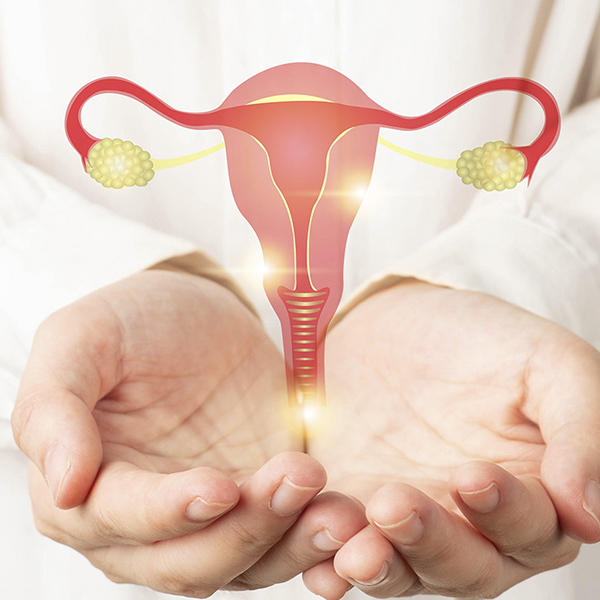
A gynecologist or endocrinologist will assess your symptoms and general medical health to determine if you have PCOS.
If you have symptoms associated with the condition and you have been diagnosed with PCOS, you could be a candidate for treatment if the symptoms are impacting your routine daily life, your fertility, or your long-term general health.
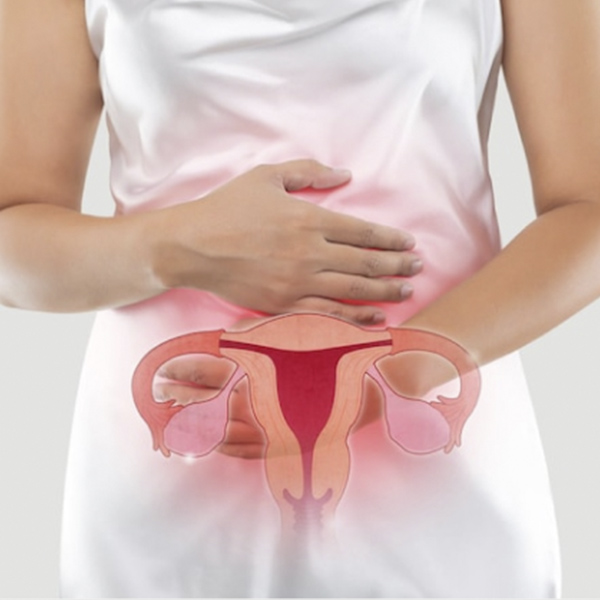
The treatment for PCOS focuses on managing the symptoms, balancing the hormones, and addressing any health concerns due to PCOS. Although there is no cure for PCOS, the treatment will be personalized based on your symptoms and health goals.
Common treatment options include making healthy lifestyle changes and taking prescribed medications like anti-androgens, birth control pills, or insulin-sensitizing agents like metformin. In cases of fertility problems due to PCOS, fertility medications may be prescribed to stimulate ovulation.

Choosing the correct PCOS clinic is important to manage your symptoms effectively and achieve good long-term health.
A good PCOS clinic will have experienced and skilled gynecologists, endocrinologists, fertility specialists, and nutritionists, who will work as a team to create a personalized treatment plan for you.
Consider factors like patient reviews, recommendations and referrals, the reputation of the clinic, and the approach of the medical staff while making your choice.
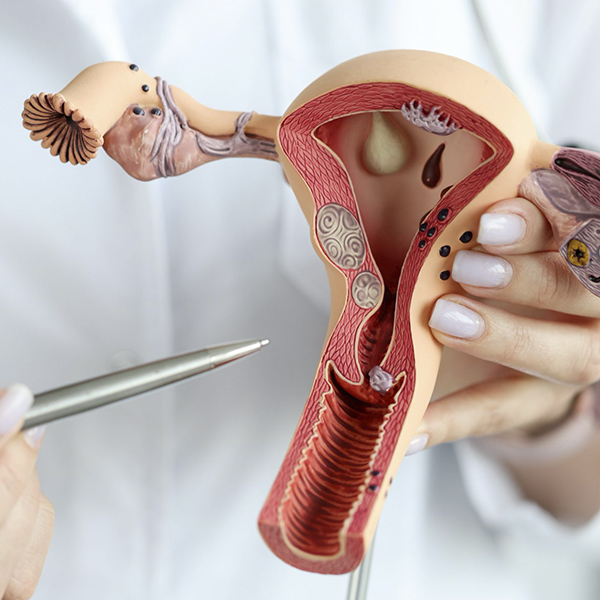
Aksigen IVF has the best PCOS doctors in Mumbai, offering exceptional care and guidance to women suffering from PCOS or PCOD.
Some key reasons for choosing us to undergo PCOS treatment in Mumbai are:
The exact cause of polycystic ovary syndrome (PCOS) is not fully understood. However, several factors are known to contribute to its development:
Polycystic ovary syndrome (PCOS) can cause a variety of symptoms, which may vary in severity from person to person. Common symptoms include:
To diagnose polycystic ovary syndrome (PCOS), a doctor—usually a gynecologist or endocrinologist—will perform a thorough assessment that includes your medical history, menstrual cycle details, and a physical examination to look for signs such as hair loss, excessive facial or body hair, acne, skin tags, or darkened skin.
Additional tests may include:
A PCOS diagnosis is usually confirmed if two or more of the following are present:
Early diagnosis allows for timely management of symptoms and fertility planning.
At Aksigen IVF, you will be thoroughly assessed by top PCOS specialists in Mumbai, and a personalized treatment plan will be created based on your symptoms and future pregnancy plans.
If pregnancy is not currently planned, treatment options may include:
If pregnancy is planned, treatment may include:
Aksigen IVF provides effective PCOS and PCOD treatment in Mumbai, helping relieve symptoms and improve overall quality of life.
Untreated PCOS or PCOD can lead to several health complications, including:
Consult our experienced PCOS specialists at Aksigen IVF in Mumbai to manage your condition and reduce these associated health risks.
The cost of PCOS treatment in Mumbai can vary depending on several factors, including:
Book a consultation with Aksigen IVF, one of the best PCOS centers in Mumbai, to receive affordable, high-quality treatment for PCOD and PCOS and improve your quality of life.
Unfortunately, PCOS cannot be cured completely. However, the symptoms associated with the condition can be managed effectively by appropriate lifestyle changes, use of prescribed medications, and proper medical guidance.
Medicines are not always required but may be recommended to manage symptoms like irregular periods, insulin resistance, or hormonal imbalances. Common medications that may be prescribed include birth control pills, anti-androgens, and metformin.
Yes, PCOS can run in families and genetics may play a role in the development of the condition. If someone in your immediate family has PCOS, you may be at a higher risk of developing it as well. However, environmental and lifestyle factors also play an important role in the development of PCOS.
Yes, untreated PCOS can increase the risk of developing other health problems, like type 2 diabetes, hypertension, high cholesterol, heart diseases, sleep apnea, endometrial cancer risk, etc. due to irregular menstrual periods.
Yes, many women with PCOS can still get pregnant. You will be asked to maintain a healthy body weight, balance your blood sugar levels, and get treated for any other PCOS symptoms by having a healthy lifestyle and taking the prescribed medications. In certain cases, fertility medications alone can help you get pregnant. If the medications do not work, you may be suggested to undergo IVF treatment.


 +91 86556 78747
 info@aksigenivf.com


