Get in Touch with Our Fertility Specialists at Aksigen IVF Today!
of experience in Women's Health
of experience in IVF Treatment
Cases Completed
Success Rate
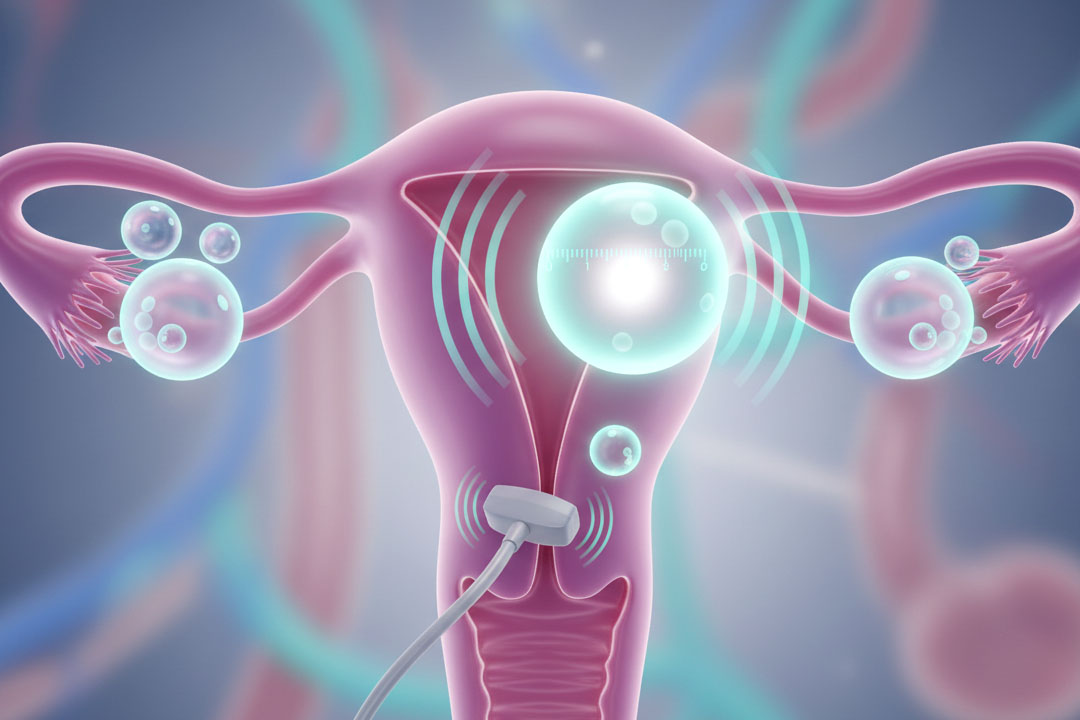
A follicular monitoring test, also called follicular study or follicular tracking, is a series of ultrasound scans performed to track the growth and development of ovarian follicles from the start of a woman’s menstrual cycle till they are ready to release an egg.
Follicles are small fluid-filled sacs in the ovaries containing immature eggs, and by measuring their size and growth over time, doctors can determine when ovulation is likely to happen.

Doctors recommend a follicular monitoring test for several important reasons. It helps confirm whether ovulation is occurring normally, which is essential for couples facing infertility.
The test helps assess ovarian response in women taking ovulation-stimulating medications or undergoing assisted reproductive techniques, like IUI or IVF. It also helps determine the best time to trigger ovulation, plan insemination, or plan intercourse for conceiving.
In case of ovulatory disorders, such as irregular cycles or poor follicular growth, the test provides information that allows doctors to adjust treatment protocols.

During the follicular monitoring test, the woman usually undergoes a baseline ultrasound scan early in her menstrual cycle (usually around day 2 or 3). Afterwards, serial scans are scheduled, either every day, every alternate day, or every few days, depending on the follicular growth.
These scans are usually done via transvaginal ultrasound, as it gives accurate measurements without requiring a full bladder.
The size and number of follicles, along with endometrial thickness, are tracked until one or more follicles reach maturity. Based on this, the fertility specialist can advise on the timing of ovulation or further steps.
Choosing the right center for a follicular monitoring test is important for receiving accurate and timely insights into your ovulation pattern. Look for a clinic with experienced fertility specialists, skilled sonographers, and advanced transvaginal ultrasound technology.
A good center should offer consistent appointment scheduling, clear communication of scan findings, and collaborative fertility services when needed. Transparent pricing for multiple scans, patient comfort, and adherence to standardized monitoring protocols are also important.
The clinic’s reviews, success rates, and overall patient experience can further guide you in selecting a trusted center.

Aksigen IVF is recognized as one of the best centers for follicular monitoring test in Mumbai, combining advanced technology with accurate results. Some key reasons for selecting us include:
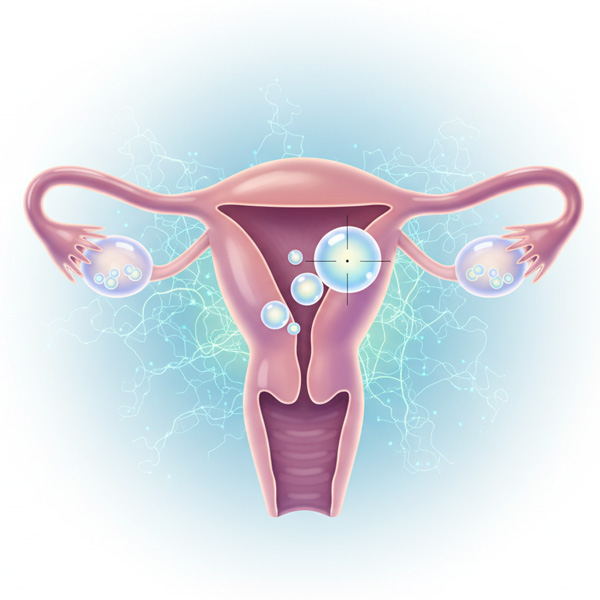
Ovarian follicles are small fluid-filled structures in the ovaries, each containing an immature egg. They are anatomical sacs comprising not just the egg, but also supporting cells that produce hormones like estrogen.
During a menstrual cycle, several follicles begin to grow, but usually only one (the dominant follicle) reaches full maturity and releases its egg (ovulation). After ovulation, the leftover structure forms the corpus luteum, which plays a role in hormone production to support early pregnancy if fertilization occurs.
At Aksigen IVF, our fertility specialists will conduct a thorough evaluation to determine if you are the right candidate for follicular study in Mumbai under our expert care. The test is generally recommended for the following people:
At Aksigen IVF, scans for follicular monitoring in Mumbai are done at different times during the female’s menstrual cycle, including the following:
There are several benefits of undergoing a follicular monitoring test, including the following:
Follicular tracking in Mumbai at Aksigen IVF is done using the following stepwise approach:
The follicular monitoring cost in Mumbai varies based on several important factors, such as:
At Aksigen IVF, we offer transparent pricing without any hidden charges to make the follicular monitoring test affordable for all.
Follicular monitoring is generally safe and non-invasive, but a few minor risks exist, such as:
The follicular monitoring test success rate in Mumbai is not a single percentage, as it is a diagnostic tool, not a type of fertility treatment. Its success is measured by how well it improves the outcomes of other fertility methods.
For example, using follicular monitoring with timed intercourse or Intrauterine Insemination (IUI) can result in an approximate 10 to 20% success rate per cycle, while its success in preparing for In Vitro Fertilization (IVF) can be as high as 40 to 50% and in reputed centers like Aksigen IVF, it can be as high as more than 50%.
This success rate will vary depending on several factors, such as:
At Aksigen IVF, we offer transparent pricing without any hidden charges to make the follicular monitoring test affordable for all.
No, the follicular monitoring test is not painful. Transvaginal ultrasounds may cause slight discomfort for some women, but they are generally quick and safe. The procedure does not involve needles or anesthesia, making it one of the most comfortable fertility evaluation methods.
Yes, a follicular monitoring test can help identify common ovulation issues, such as anovulation, delayed ovulation, thin endometrium, or poor follicle growth. While it does not diagnose every infertility cause, it provides key information that contributes to a complete fertility assessment.
A single transvaginal ultrasound scan usually takes 5 to 10 minutes. It is a quick, outpatient procedure. The doctor or clinician views the ovaries, measures follicle size, and checks the endometrium. After the scan, the doctor provides guidance on the next steps for conception timing or treatment.
Yes, the follicular monitoring test is a completely safe, non-invasive test with no radiation or side effects. Transvaginal ultrasound uses sound waves to capture images, making it suitable for repeated scans within the same menstrual cycle without any risk to the reproductive organs.
Yes, by identifying the exact ovulation window, the follicular monitoring test guides couples on the best days for intercourse. It is especially useful for women with irregular cycles, PCOS, or inconsistent ovulation, helping improve natural conception chances without invasive treatments.
No, some women may need follicular monitoring for just one or two menstrual cycles, while others undergoing fertility treatments may require monthly monitoring. The need depends on the cycle irregularity, medication response, and treatment goals. Your fertility specialist will give you the right advice based on your situation.


 +91 86556 78747
 info@aksigenivf.com


