
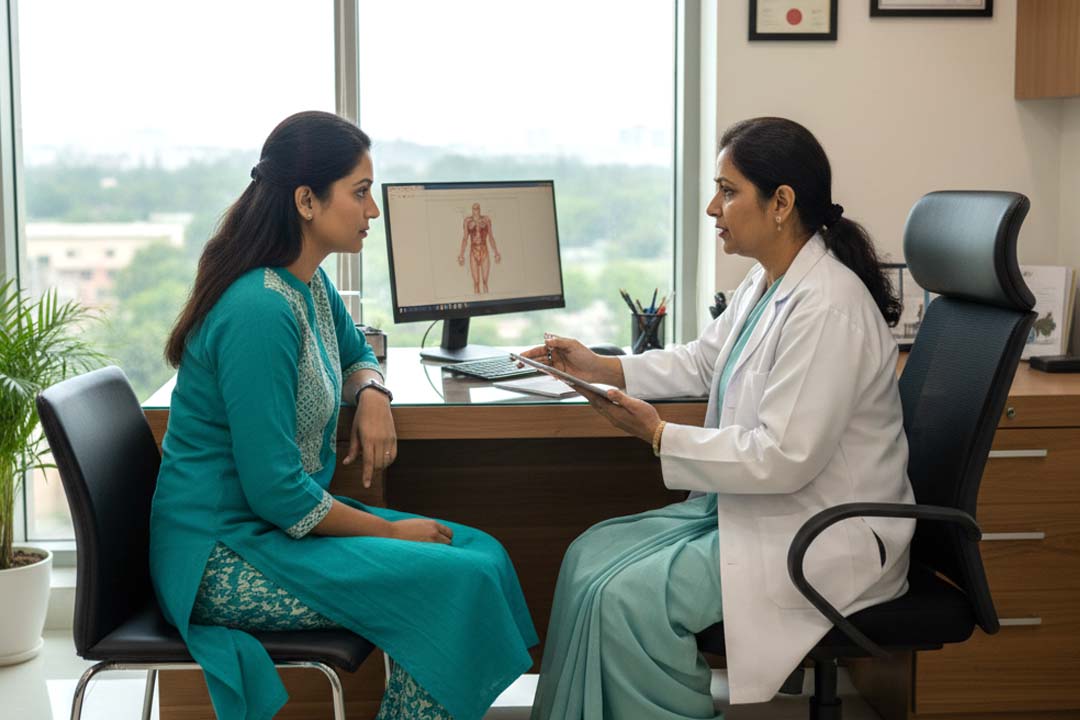
Preparing for in vitro fertilisation (IVF) is both a physical and emotional journey. Many people go into the process with a mix of excitement, hope, and nervousness. IVF involves several stages, medical procedures, and hormone-based medications that can influence how your body feels.
The preparation period plays a major role in how smoothly your cycle goes. In the weeks leading up to IVF, your lifestyle choices, diet, sleep patterns, and stress levels can affect how your body responds to treatment.
Taking practical steps to improve your overall health can support your hormones, help your body cope better with medications, and create a nurturing environment for embryo development. This guide breaks down simple, evidence-based tips to help you get ready for your cycle with confidence.
IVF Preparation Timeline
Preparing your body for IVF does not begin on the day of the first injection. The process typically starts 2–4 weeks earlier, when your doctor may recommend routine medications to regulate your cycle and get your ovaries ready.
A typical IVF cycle includes:
- Preparation phase (2–4 weeks before treatment): Lifestyle changes, vitamins, and cycle-regulating medication.
- Stage 1 (Day 1 of your period): Marks the official start.
- Stage 2 (3–12 days): Ovarian stimulation using fertility injections.
- Stage 3: The “trigger shot” that matures your eggs, followed by egg retrieval exactly 36 hours later.
- Stage 4: Fertilisation of your eggs and beginning progesterone support.
- Stage 5 (<1 week later): Embryo transfer.
- Stage 6 (9–12 days later): Pregnancy blood test.
Since this process is physically demanding, the pre-IVF phase is the best time to nourish your body, balance your hormones, and build resilience.
How Should I Eat Before IVF?
A balanced, Mediterranean-style diet supports hormone health and prepares the body for ovarian stimulation.
Food alone cannot guarantee IVF success, but research has shown that certain dietary patterns help reproductive health. A Mediterranean-inspired diet which is rich in plants, healthy fats, and whole grains offers vitamins, minerals, fibre, and antioxidants that support your reproductive system.
What This Diet Typically Includes:
- Colourful fruits and vegetables
- Lean protein like fish, eggs, and poultry
- Whole grains such as brown rice, quinoa, or millets
- Healthy fats including nuts, seeds, olive oil, and avocado
- Legumes (chickpeas, beans, lentils)
- Low-fat dairy options
What to Reduce:
- Red meat
- Refined sugar
- Highly processed packaged foods
- Excess salt
If your cycle involves a partner providing sperm, similar eating patterns can also support sperm quality. This approach does not require sudden dramatic diet changes, avoid starting extreme diets, cleanses, or cutting out entire food groups unless medically advised. Your body benefits most from steady, nourishing meals.
Should I Exercise Before IVF?
Gentle, consistent movement is helpful, but very intense workouts should be avoided. If you already follow an exercise routine, you can usually continue it with slight modifications. Movement increases blood flow, reduces stress, and supports healthy weight management which are all important during IVF.
Recommended activities:
- Light jogging
- Brisk walking
- Cycling
- Swimming
- Yoga or Pilates
What to avoid:
High-intensity or long-distance activities, especially running more than 15 miles (24 km) per week, may affect the uterine lining and shift blood flow away from the reproductive organs. Strenuous exercise can also disrupt the hormonal balance required for stimulation.
If you are new to exercise, it is best to ask your doctor before starting anything vigorous.
What Chemicals and Products Should I Avoid?
Endocrine-disrupting chemicals (EDCs) can interfere with hormones, reproductive health, and early embryo development.
Many everyday items contain chemicals that may disturb the hormone system. While avoiding every single chemical is impossible, reducing exposure can support overall reproductive wellness.
Common products that may contain EDCs:
- Plastics made with BPA
- Plastic wraps and containers containing phthalates
- Electrical equipment or old paints with polychlorinated biphenyls
- Some non-stick cookware containing PFAS
- Nail polishes with formaldehyde
- Certain cosmetics with parabens or triclosan
Practical swaps:
- Use glass or stainless-steel food containers
- Choose fragrance-free skincare
- Use ceramic or cast-iron pans
- Check product labels for cleaner formulations
Do Any Medications Interfere With IVF?
Some common medicines may impact how fertility drugs work. Make sure to tell your doctor about everything you take, including:
- Sleeping pills
- Allergy tablets
- Painkillers
- Supplements
- Prescription medications
Some drugs can disrupt hormonal medications, while others may require dose adjustments. Never stop a prescribed medication without medical guidance.
Which Supplements Help During IVF?
Prenatal vitamins, folic acid, omega-3 fatty acids, and vitamin D are commonly recommended. Start your prenatal vitamin at least one month before your IVF cycle. Key nutrients include:
- Folic acid: Supports early fetal development and reduces the risk of neural tube defects.
- Omega-3 (fish oil): May help support early embryo development.
- Vitamin D: Low levels have been linked with reproductive challenges. Supplementation may help regulate early developmental processes.
How Much Sleep Should I Get?
Aim for 7–9 hours of sleep each night to support hormone regulation. Sleep is closely linked to reproductive health. Rest allows your body to repair itself and ensures your hormones stay balanced.
Tips for better sleep:
- Keep your bedroom cool.
- Avoid caffeine later in the day.
- Reduce screen time 30–60 minutes before bed.
- Try soft music, warm showers, or diffusing calming scents.
- Stick to a fixed bedtime, preferably around 10–11 p.m.
- Good sleep also helps you cope better emotionally during the cycle.
Can I Have Sex During IVF?
Yes, sexual activity is usually safe, but ejaculation should be avoided 3–4 days before sperm retrieval. If your cycle involves a partner providing sperm, this short period of abstinence helps collect a sample with the highest number of mature sperm. Penetration should remain shallow during stimulation to avoid irritating the cervix.
Is Alcohol Safe Before and During IVF?
Mild social drinking might be acceptable during the early phase, but alcohol should be avoided after embryo transfer. Alcohol can reduce the effectiveness of fertility medication, may affect egg and sperm quality, and can interfere with hormone levels. Once the embryo is transferred, alcohol must be avoided completely.
Managing Common IVF Side Effects
Hormonal injections may temporarily cause bloating, mood sensitivity, headaches, digestive discomfort, or tiredness. Everyone responds differently, so your symptoms may vary. Helpful tips:
- Drink water or electrolyte beverages for bloating.
- Take approved pain relievers if you have cramps or headaches.
- Avoid tampons after egg retrieval.
- Rest whenever your body needs it.
- Use heating pads safely for mild pain.
- Contact your doctor if bleeding becomes heavy or abnormal.
Self-Care Before and During IVF
Taking care of your emotional well-being is as important as physical preparation. Supportive practices include:
- Journal your thoughts
- Meditate or try slow breathing
- Do gentle yoga
- Take warm baths
- Spend time with friends
- Ask for help from your partner or loved ones
- Prioritise rest
IVF can feel overwhelming at times, so creating small pockets of comfort helps build resilience.
Frequently Asked Questions
Yes. Many people in their late 20s and early 30s undergo IVF due to medical, lifestyle, or unexplained fertility reasons. Your age often supports better egg quality, but suitability for IVF depends on your medical evaluation, ovarian reserve, and reproductive history.
The cost varies depending on medication doses, diagnostic tests, and clinic rates. On average, a single IVF cycle in India may range from ₹1,20,000 to ₹2,50,000, but costs can rise based on additional procedures like ICSI or donor treatments.
Most people begin preparing 1–2 months before the cycle by adopting healthier eating habits, taking supplements, and improving sleep. However, even small changes made 2–4 weeks before can still help.
Chronic stress may influence hormones and make the process feel emotionally heavier. While stress alone does not stop IVF from working, relaxation techniques, counselling, or light exercise can make the journey easier.
A moderate, healthy weight may support a smoother cycle, but drastic dieting or aggressive weight loss should be avoided. Any weight-related changes should be slow, sustainable, and guided by your doctor.
Short, non-strenuous travel is usually fine during the preparation and early stimulation phases. However, avoid planning long trips around egg retrieval and embryo transfer.
Most people describe IVF as uncomfortable rather than painful. Stimulation injections may cause mild soreness, retrieval is done under sedation, and embryo transfer is usually quick and not invasive.
No. Light activity is generally safe. Prolonged bed rest is not recommended. Gentle walking and regular daily movements are encouraged unless your doctor advises otherwise.
Conclusion
Preparing your body for IVF is about creating a supportive, balanced environment for treatment. Small daily habits like eating nutritious meals, getting consistent sleep, reducing chemical exposure, staying active, and practising self-care can make a meaningful difference in how your body handles the process. Every person’s IVF journey is unique, and success may require more than one cycle, so be patient with yourself.

About Us
AKsigen IVF is a premier center for advanced fertility treatments, with renowned fertility experts on our team. Specializing in IVF, ICSI, egg freezing, and other cutting-edge reproductive technologies, AKsigen IVF is committed to helping couples achieve their dream of parenthood. With personalized care and a patient-first approach, AKsigen IVF provides comprehensive fertility solutions under one roof.



 +91 86556 78747
 info@aksigenivf.com