
What Is IVF and How Does It Work?
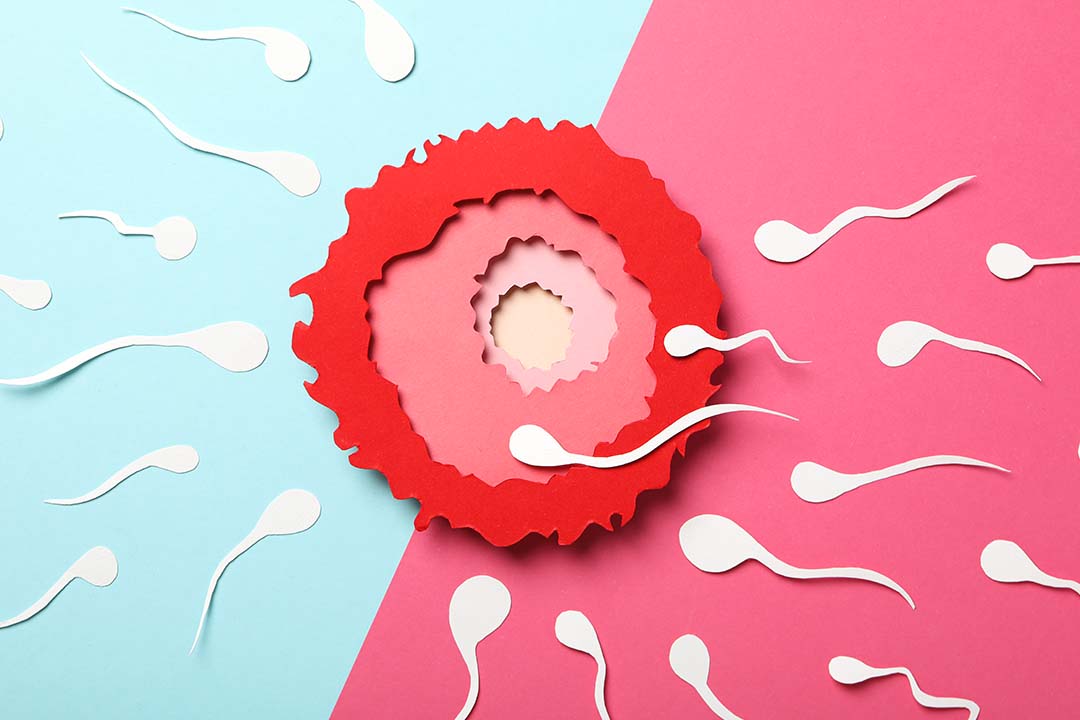
IVF is a type of assisted reproductive technology (ART) in which an egg and sperm are combined outside the body, in a laboratory dish. Once fertilization occurs and embryos form, one or more embryos are transferred into the uterus. If all goes well, one of these embryos will implant in the uterine lining and develop into a pregnancy.
Over the past few decades, IVF techniques have improved dramatically. Advances in laboratory culture systems, embryo freezing, and genetic screening have boosted success rates and safety. IVF offers hope to couples facing a range of fertility challenges, including blocked fallopian tubes, low sperm count, endometriosis, and unexplained infertility.
Debunking Common IVF Myths
Let’s look at some widespread misconceptions about IVF. For each myth, we’ll present the evidence-based fact.
Myth 1: IVF Always Works
Fact: IVF can greatly increase the chances of pregnancy, but it does not guarantee success. Success rates depend on factors such as a woman’s age, egg quality, sperm health, and underlying fertility issues. For women under 35, live birth rates per cycle may range from 40%–50%, while rates drop to around 10%–15% by age 42.Myth 2: IVF Always Leads to Twins or Multiples
Fact: While transferring multiple embryos can raise the chance of twins or triplets, many clinics now recommend single embryo transfer (SET) to minimize risks. SET still achieves excellent pregnancy rates, especially when using high-quality embryos or those selected through genetic testing.Myth 3: Babies Conceived via IVF Are Unhealthy
Fact: Most IVF babies are as healthy as those conceived naturally. Large studies show only a very small increase in the risk of birth defects—on the order of 1%–2% above the general population rate of about 3%–4%.Myth 4: IVF Is the Only Option for Infertility
Fact: IVF is one of many fertility treatments. Your doctor may first try fertility medications, intrauterine insemination (IUI), or surgery to correct structural problems. IVF usually becomes an option when other treatments have not worked or when medical conditions make other approaches unlikely to succeed.Myth 5: IVF Drains Your Egg Reserve
Fact: IVF medications stimulate the ovaries to produce multiple eggs in one cycle. This process does not deplete your overall egg supply. After your cycle, your ovaries return to their pretreatment state.Myth 6: IVF Babies Suffer Developmental Problems
Fact: Studies show that children born through IVF generally develop normally. Some minor differences in birth weight or gestational age may occur, but long-term health and developmental milestones match those of naturally conceived children.Myth 7: IVF Poses Major Health Risks for Women
Fact: Modern IVF protocols are designed for safety. Common side effects include mild bloating, cramping, and occasional mood swings from hormonal medications. Serious complications such as ovarian hyperstimulation syndrome (OHSS) or infection are rare and can be managed effectively.Myth 8: Eating Pineapple or Other “Superfoods” Boosts IVF Success
Fact: No specific food has been proven to improve IVF outcomes. A balanced diet rich in whole grains, lean proteins, healthy fats, fruits, and vegetables does support overall health and may indirectly benefit fertility, but no single fruit or supplement can guarantee IVF success.Myth 9: IVF Never Works on the First Attempt
Fact: Many couples succeed on their first cycle of IVF. Success varies widely, but roughly one in three women under 35 will achieve a live birth on cycle one. If the first cycle doesn’t work, adjustments in medication, embryo culture methods, or genetic testing may improve outcomes in later attempts.Myth 10: Hormonal Stimulation Increases Cancer Risk
Fact: Current research has not found a direct link between IVF medications and increased rates of breast, ovarian, or endometrial cancer. Ongoing large-scale studies continue to monitor long-term safety, and so far results remain reassuring.Myth 11: IVF Causes Cancer
Fact: Extensive studies have not confirmed a higher cancer risk among IVF patients. Some early reports suggested a slight risk, but larger, more controlled research has not supported those findings.Myth 12: A Failed IVF Cycle Means You’ll Never Conceive
Fact: A single failed cycle does not doom future attempts. Many couples conceive after two or three cycles. Clinics often adjust protocols based on previous results and may recommend genetic embryo testing or donor eggs if appropriate.Myth 13: IVF Favors a Specific Gender
Fact: IVF does not control embryo gender unless accompanied by elective genetic testing (PGT-A) for medical reasons. Without testing, the chance of having a boy or girl remains 50-50.Myth 14: Age Doesn’t Matter in IVF
Fact: Age is the single strongest predictor of IVF success. Younger women typically have healthier eggs and higher quality embryos. After age 35, egg quality begins to decline, and by age 40, success rates fall significantly. Many clinics recommend egg freezing for women who wish to delay childbirth.Myth 15: IVF Is Only for Women with Blocked Tubes
Fact: IVF helps with many types of infertility: male factor (low sperm count or motility), unexplained infertility, endometriosis, diminished ovarian reserve, and more. It also serves in surrogacy or egg-donor scenarios.Myth 16: Stress Causes IVF to Fail
Fact: High stress levels can affect overall health but have not been proven to directly cause IVF failure. Emotional support, counseling, and stress-reduction techniques (yoga, meditation) help couples cope, but success depends on biological factors.Myth 17: IVF Is Too Expensive for Most Couples
Fact: IVF can cost between ₹1.5 lakh and ₹2.5 lakh per cycle in India including medications. Many clinics offer financing plans, sliding-scale fees, or package deals for multiple cycles. Some insurance policies now include partial coverage for fertility treatments.Myth 18: IVF is Painful
Fact: Most discomfort comes from hormone injections (mild bruising or soreness) and post-retrieval cramping. Egg retrieval is done under sedation, so pain is minimal. Medical teams offer pain relief and guidance throughout the process.How Much Does IVF Cost in India?
Basic IVF Cycle costs around ₹1.5 lakh–₹2 lakh. Additional services like genetic testing (₹40,000–₹80,000), advanced sperm procedures (₹10,000–₹20,000) may add to the cost.
Many clinics offer packages or discounts for multiple cycles. Financing plans can spread costs over months or years.
What Does Each IVF Step Involve?
The IVF procedure is carefully planned and includes the following steps:
- Ovarian Stimulation: Daily hormone injections for 8–12 days to mature multiple eggs.
- Monitoring: Regular blood tests and ultrasounds to track follicle growth.
- Egg Retrieval: A brief procedure under sedation to collect eggs from the ovaries.
- Fertilization: Eggs meet sperm in the lab; fertilization occurs via conventional mixing or ICSI (injecting a single sperm).
- Embryo Culture: Embryos grow for 3–5 days in controlled conditions.
- Embryo Transfer: One or more embryos are gently placed into the uterus via a thin catheter.
- Luteal Support: Hormone supplements help the uterine lining support implantation.
- Pregnancy Test: Blood test about 10–14 days after transfer to confirm pregnancy.
Do Frozen Embryos Work as Well as Fresh?
Recent studies show that frozen embryo transfers (FET) yield pregnancy rates similar to or in some cases better than fresh transfers. Freezing (vitrification) preserves embryo quality effectively and allows the woman’s body to recover from stimulation before transfer.
What Factors Influence IVF Success?
Some factors can have a significant impact on the success rate, they are as follows:
- Age of the woman
- Egg quality and quantity
- Sperm health
- Embryo quality
- Uterine health
- Clinic expertise
Conclusion
Separating fact from fiction can help you to make confident decisions on your fertility journey. While myths about guaranteed success, natural “cures,” or undue risks often hide the truth, evidence shows that IVF remains a safe, effective option for many couples.
Remember that success rates vary, and several cycles may be needed, but advances in technology continue to improve the results. Accurate information and realistic expectations can navigate IVF with clarity and hope, knowing you’ve made informed choices every step of the way.

About Us
AKsigen IVF is a premier center for advanced fertility treatments, with renowned fertility experts on our team. Specializing in IVF, ICSI, egg freezing, and other cutting-edge reproductive technologies, AKsigen IVF is committed to helping couples achieve their dream of parenthood. With personalized care and a patient-first approach, AKsigen IVF provides comprehensive fertility solutions under one roof.



 +91 86556 78747
 info@aksigenivf.com