
Consult Our Experienced Egg Freezing Specialists Today!
of experience in Women's Health
of experience in IVF Treatment
Cases Completed
Success Rate
Egg freezing, also known as oocyte cryopreservation, is a medical procedure that allows a woman to preserve her fertility by freezing her eggs for future use. It offers women the flexibility to plan pregnancy later in life when they feel ready physically, emotionally, and financially to have a baby.
During the process, mature eggs are retrieved from the ovaries and carefully frozen in liquid nitrogen under strictly controlled laboratory conditions.
These eggs can remain safely stored for several years without losing quality, giving women greater reproductive autonomy and long-term family planning options.

Generally, women in their 20s or early 30s who wish to delay pregnancy due to career goals, personal commitments, higher education, or the absence of a suitable partner are considered good candidates for egg freezing.
It is also recommended for women diagnosed with medical conditions such as endometriosis, autoimmune disorders, or those undergoing cancer treatments that may affect fertility.
Women who maintain a healthy lifestyle, including balanced nutrition, regular exercise, optimal body weight, stress management, and avoidance of smoking or excessive alcohol, tend to produce better-quality eggs, improving future pregnancy outcomes and overall success rates.

The egg freezing process begins with hormonal injections administered over 8 to 12 days to stimulate the ovaries to produce multiple mature eggs in a single cycle. Regular ultrasounds and blood tests are conducted to monitor follicle development and hormone levels.
Once the eggs reach maturity, they are retrieved through a minimally invasive procedure performed under mild sedation. The collected eggs are immediately frozen using vitrification, an advanced rapid-freezing technique that prevents ice crystal formation.
When pregnancy is desired, the eggs are thawed, fertilized through IVF, and the resulting embryo is transferred into the uterus.

Selecting the right egg freezing center plays an important role in the safety, comfort, and success of your fertility preservation journey. A reliable center should have experienced fertility specialists, advanced embryology laboratories, modern vitrification technology, and strict quality control protocols.
Transparency in success rates, individualized patient counseling, and ethical practices are equally important. Before making a decision, seek referrals, review patient testimonials, evaluate the clinic’s infrastructure, and verify the credentials and experience of the fertility experts.
Personalized treatment planning and strong emotional support also significantly enhance the overall experience and outcomes.
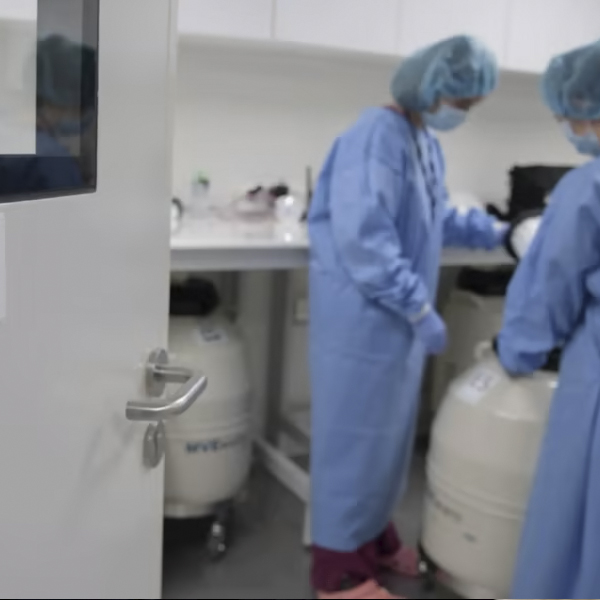
Aksigen IVF is the best egg freezing center in Mumbai, offering a safe and comfortable procedure and optimal storage facilities for frozen eggs.
Some important reasons for choosing us include:
Egg freezing can be considered by women in the following different types of situations:
You will first need to consult a fertility doctor and discuss your wish to freeze your eggs. The doctor will examine you physically, which will also include a pelvic examination. The doctor will take your medical history and ask you about your menstrual cycles.
You will be asked to undergo some blood tests and hormonal testing. A transvaginal ultrasound is usually recommended to do an antral follicle count or AFC, which is a method to check your ovarian reserve (number of eggs remaining in your ovaries) before starting with the procedure.
You will be asked to lead a healthy lifestyle, which includes eating a healthy diet, exercising regularly, maintaining a healthy weight, limiting alcohol consumption, avoiding smoking, getting enough sleep, and taking prescribed vitamin supplements before starting the egg freezing procedure.
The various causes of these blockages may include:
The following steps are involved in the egg freezing procedure:
The duration taken to complete all the steps in the egg freezing procedure is approximately two to three weeks. The frozen eggs can be thawed and used in the future for fertility procedures like IVF whenever a woman wishes to conceive.
Aksigen IVF offers top-quality freezing treatment in Mumbai under the expert care and guidance of experienced fertility doctors and well-trained laboratory staff.
The success rate of egg freezing in Mumbai will vary depending on several factors, such as:
The fertilization success rate of thawed eggs is between 70% to 90%, and live birth rates are between 30% to 50% in reputed fertility clinics like Aksigen IVF, which is regarded as a trusted egg freezing treatment center in Mumbai.
Egg freezing is usually considered to be a safe procedure, but it may be associated with the following risks and side effects:
The egg freezing cost in Mumbai varies from INR 1,25,000 to INR 2,00,000. The egg freezing price in Mumbai will, however, vary depending on the following factors:
Aksigen IVF offers egg freezing at affordable costs. The clinic uses the latest fertility techniques and equipment to ensure successful outcomes.
If you are looking for a safe and reliable egg freezing clinic in Mumbai, you should get in touch with Aksigen IVF to preserve your fertility for a future pregnancy today!
The best age to freeze eggs is usually when a woman is in her 20s or early 30s, when egg quantity and quality are at their best. Freezing eggs at a younger age increases the chances of successful fertilization and pregnancy later in life. However, women above 35 can still consider it after a proper fertility evaluation.
Frozen eggs can be safely stored for many years without significant deterioration in quality. With advanced vitrification techniques, eggs remain stable in liquid nitrogen storage until a woman decides to use them. Many clinics allow storage for 10 years or longer, depending on regulations and individual circumstances.
No, freezing eggs will not guarantee a future pregnancy, but it will improve the chances of pregnancy. Success depends on factors such as age at the time of freezing, egg quality, sperm quality, and overall reproductive health when the eggs are used for IVF in the future.
The recommended number of eggs that should be frozen varies depending on age, ovarian reserve, and egg quality. Generally, freezing 15 to 20 mature eggs improves the likelihood of a future successful pregnancy. Younger women may require fewer eggs, while women above 35 may need multiple cycles to achieve an optimal number.
Yes, you can choose to use your frozen eggs whenever you feel ready to plan a pregnancy, provided you are medically fit to carry a pregnancy at that time. However, before using them, your fertility specialist will evaluate your overall health, uterine condition, and hormone levels to ensure the best possible chances of a successful IVF cycle and healthy pregnancy.
Most women experience mild discomfort rather than significant pain during the egg freezing process. Hormonal injections may cause bloating or mood changes, while the egg retrieval procedure is performed under sedation, making it painless. Some cramping or light spotting may occur afterward, but recovery is usually quick and manageable.


 +91 86556 78747
 info@aksigenivf.com


