Consult our Skilled Fertility Specialists at Aksigen IVF Now!
of experience in Women's Health
of experience in IVF Treatment
Cases Completed
Success Rate
Frozen embryo transfer is a technique used for fertility treatment, usually in association with IVF (in vitro fertilization) or ICSI (intracytoplasmic sperm injection) in which the excess embryos created are frozen or cryopreserved and later thawed and transferred into the woman’s uterus (womb) for a pregnancy.
Although the embryos formed during the IVF or ICSI process can be frozen at any stage of development, studies suggest freezing the embryos on the third or fifth day has several benefits. These frozen embryos can be used later to conceive.
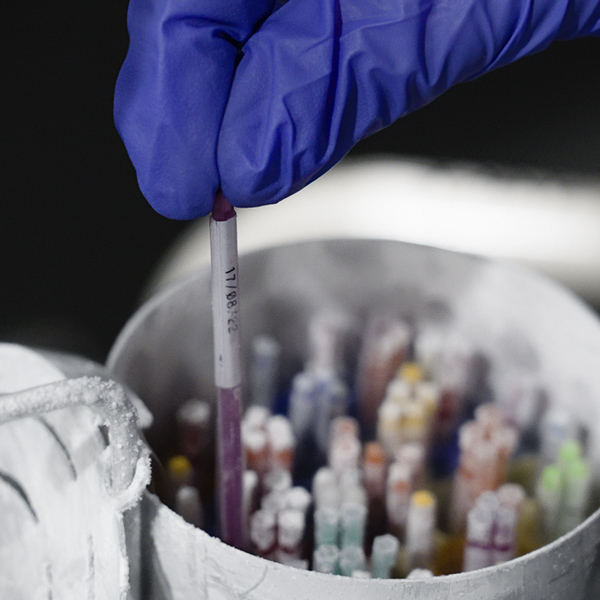
A good candidate for frozen embryo transfer is someone who has undergone an earlier IVF cycle and has viable embryos cryopreserved.
Couples who want to delay pregnancy for personal, professional, or medical reasons may choose to freeze the embryos formed by IVF to conceive in the future. Alternatively, couples who have had a fresh embryo transfer and wish to use the remaining embryos for a future pregnancy may also opt for the procedure.
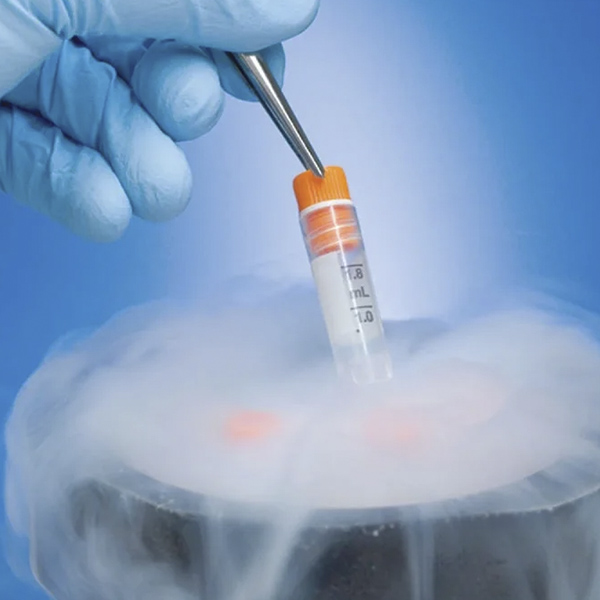
The frozen embryo transfer (FET) procedure involves the following steps:
Choosing the correct center for frozen embryo transfer increases the chances of success. Choose a fertility center with good success rates and equipped with experienced fertility specialists, embryologists, gynecologists, and support staff who use the latest technology and follow strict hygiene and quality protocols.
Consider other factors like personalized treatment approach, patient-centered care, and transparent communication while making your choice. You can also visit the center, consult the specialists, and read patient reviews before choosing the right treatment center.
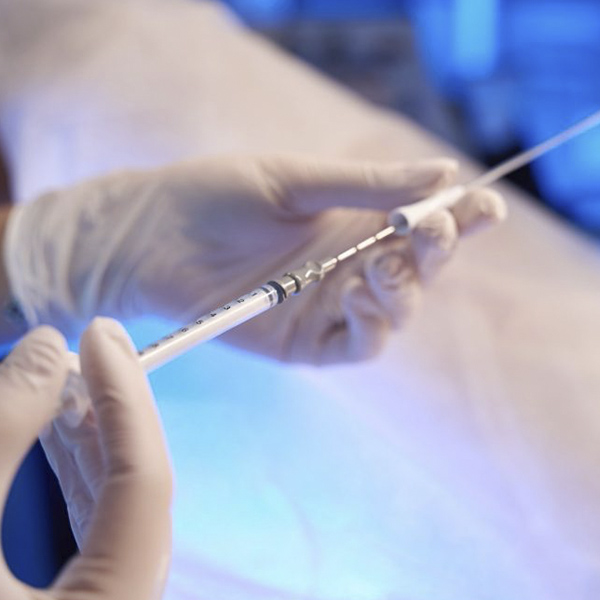
Aksigen IVF is one of the best centers for undergoing frozen embryo transfer procedure in Mumbai, offering comfortable and effective treatment in a well-equipped set-up.
Here are some important reasons for choosing Aksigen IVF for frozen embryo transfer:
Frozen embryo transfer (FET) may be recommended in the following situations:
At Aksigen IVF, our experienced specialists will thoroughly evaluate you and determine if you are the right candidate for undergoing a frozen embryo transfer in Mumbai.
Frozen embryos are typically obtained during an IVF or ICSI cycle. The process involves several steps:
At Aksigen IVF, each step of this procedure is performed with precision and care using advanced technology in a sterile environment, making it one of the top centers for IVF with frozen embryo transfer in Mumbai.
The first step to undergo a frozen embryo transfer is consulting a fertility specialist, who will assess you thoroughly. The specialist will evaluate the woman’s general health and ask about her medical history.
A few diagnostic tests are recommended before undergoing the procedure. This may include blood tests, ultrasound, and hysteroscopy to check the woman’s hormone levels, overall physical health, and uterine health of the woman.
These tests are done to ensure that there are no underlying problems that could interfere with the success of frozen embryo transfer.
Frozen embryo transfer is generally scheduled around the time of a woman’s menstrual cycle. A frozen embryo transfer can be done in any of the following two cycles:
Before undergoing frozen embryo transfer, the embryologist will check the quality of the stored embryos. Only the best-quality embryos will be chosen for transfer.
The following preparatory steps are recommended before a woman undergoes a frozen embryo process Mumbai at Aksigen IVF:
During a frozen embryo transfer, the woman lies on an examination table similar to a pelvic exam. The procedure involves the following steps:
The frozen embryo transfer procedure typically takes 10 to 15 minutes and is generally painless, though mild cramping may occur. Most women can resume normal activities the next day, but strenuous activities should be avoided for a few days.
The success rate of frozen embryo transfer (FET) in Mumbai typically ranges from 50% to 70% per cycle. However, the actual success depends on multiple factors.
Key factors influencing FET success include:
At Aksigen IVF, we provide a painless and highly successful frozen embryo transfer procedure in Mumbai under the care of our experienced fertility specialists and skilled embryologists.
Frozen embryo transfer (FET) is generally safe, but it can be associated with some risks. Common risks include:
Our fertility specialists at Aksigen IVF take all necessary precautions to minimize these risks and ensure a safe and successful frozen embryo transfer procedure in Mumbai.
The cost of frozen embryo transfer (FET) in Mumbai can vary depending on several factors, including:
The frozen embryo transfer cost at Aksigen IVF is reasonable and tailored to individual patient needs and conditions.
Book a consultation with top fertility doctors in Mumbai at Aksigen IVF to undergo a safe and effective frozen embryo transfer procedure.
The actual frozen embryo transfer procedure is quick and takes about 10 to 15 minutes. However, the preparation phase before the procedure may last for 2 to 3 weeks.
The procedure of frozen embryo transfer is minimally invasive and usually not painful, although some women may experience mild cramping and discomfort during the procedure which is similar to a pelvic exam.
No, frozen embryo transfer usually has similar or even higher success rates than fresh embryo transfer. The success rates may, however, vary depending on individual factors and the specific IVF protocols followed.
Modern cryopreservation techniques like vitrification minimize the damage to embryos and the embryos usually maintain their quality after being thawed.
Yes, if you have sufficient frozen embryos available and the doctor determines that your uterus is in a healthy condition for implantation, you can undergo the process of frozen embryo transfer multiple times.




 +91 86556 78747
 info@aksigenivf.com