
Schedule a Consultation with our Experienced Hysteroscopy Specialists Today!
of experience in Women's Health
of experience in IVF Treatment
Cases Completed
Success Rate
Hysteroscopy is a medical procedure performed to look inside a woman’s womb or uterus to check for any problems.
Hysteroscopy treatment is done using a hysteroscope, which is a narrow tube-like device with a light and camera on one end. The tube is passed into the woman’s vagina, through the cervix (neck of the womb) and up into her womb.
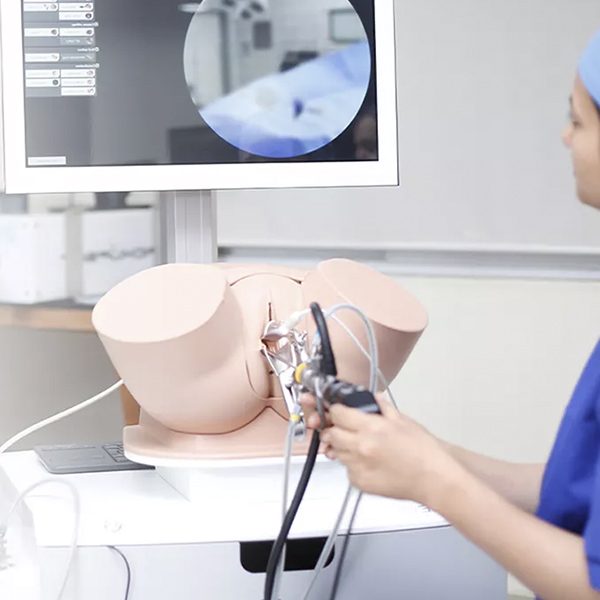
You may be the right candidate for undergoing hysteroscopy if you have symptoms like abnormal uterine bleeding, recurrent miscarriages, abnormal Pap test results, or infertility issues.
Other conditions where a hysteroscopy may be recommended include uterine fibroids, polyps, or adhesions. Women with retained pregnancy tissue or a displaced IUD needing removal may also need to undergo a hysteroscopy.
Your gynecologist will evaluate you thoroughly to determine if you are a good candidate for undergoing hysteroscopy treatment.
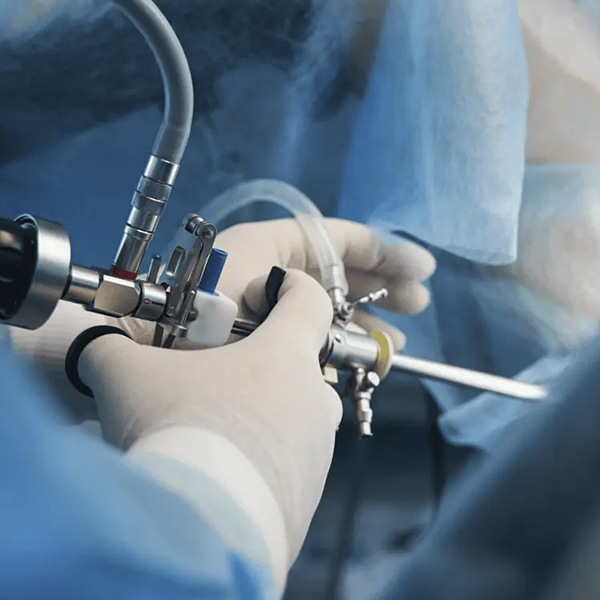
Hysteroscopy procedures can be performed for diagnostic or operative purposes. The procedure involves inserting a hysteroscope gently through the woman’s vagina and cervix into the uterus.
The uterine cavity is then expanded using carbon dioxide gas or a saline solution to get a clear view of the inside. The necessary diagnostic or therapeutic procedure is then carried out.
The procedure may take anywhere between 5 to 45 minutes to complete and most patients can resume routine daily activities one or two days after the procedure.
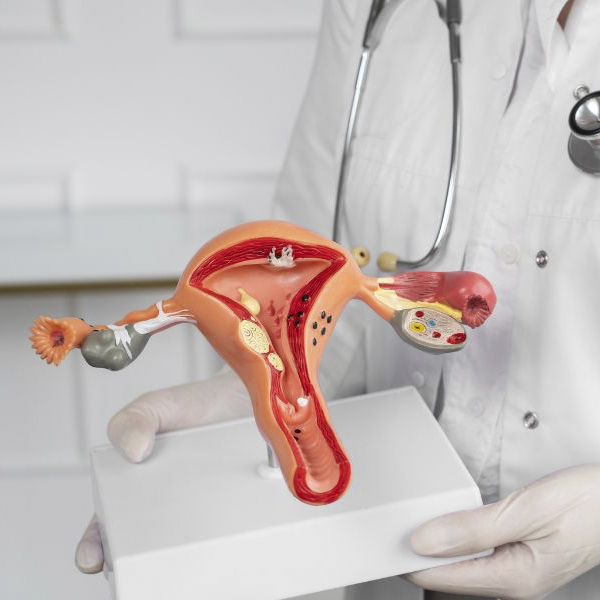
Selecting the right clinic for undergoing hysteroscopy is important for undergoing a safe and effective procedure. Choose a clinic with experienced gynecologists and specialists with a good success rate for hysteroscopy treatments.
Ensure that the clinic is equipped with advanced technology, including the latest imaging systems and high-resolution hysteroscopes, to improve precision and patient safety.
You should also consider factors like the clinic’s reputation, patient reviews, access to personalized treatments, and affordability of the procedure before making your choice.
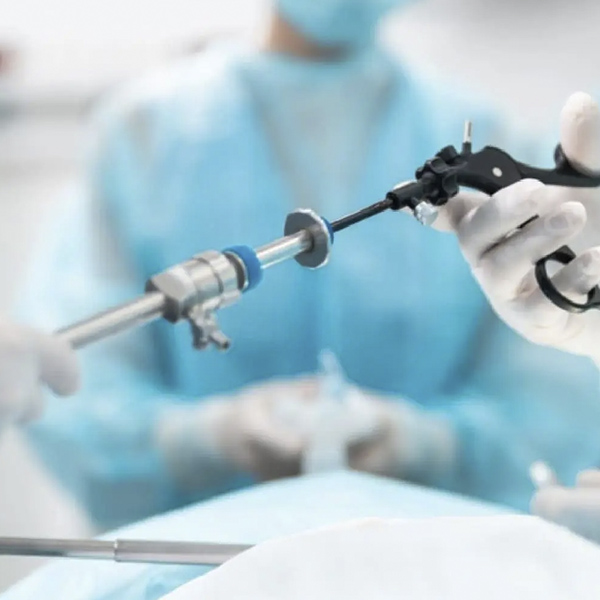
Aksigen IVF is one of the best hysteroscopy clinics in Mumbai, offering top-quality hysteroscopy treatment in Mumbai in a safe and comfortable setting.
Some important reasons for choosing Aksigen IVF for hysteroscopy treatment include:
Hysteroscopy may be recommended for diagnosing or treating various uterine conditions. You may need this procedure in the following cases:
At Aksigen IVF, experienced gynecologists will carefully evaluate your condition to determine whether hysteroscopy is necessary for you.
Hysteroscopy procedures are broadly classified into two types based on their purpose:
1. Diagnostic Hysteroscopy
This procedure is used to diagnose various gynecological conditions, including:
2. Operative Hysteroscopy
This procedure is performed to treat abnormalities detected during diagnostic hysteroscopy. Often, both procedures are done together to avoid a second surgery. Operative hysteroscopy helps in:
Hysteroscopy offers several advantages for diagnosing and treating uterine conditions, including:
Before undergoing hysteroscopy at Aksigen IVF, the following preparatory steps may be involved:
A hysteroscopy procedure may be performed under local, regional, or general anesthesia depending on whether it is diagnostic or operative and the extent of the surgery. The steps involved are as follows:
The duration of a hysteroscopy procedure can range from 5 to 45 minutes depending on the type of treatment being performed. At Aksigen IVF, we provide painless and comfortable hysteroscopy treatment in Mumbai under the guidance of experienced gynecologists for optimal results.
The recovery period after a hysteroscopy depends on the type and purpose of the procedure.
Common mild side effects include cramping, bleeding or spotting, nausea, dizziness, or shoulder pain (if carbon dioxide gas was used). These usually subside within a few days.
Patients can typically go home on the same day and resume daily activities within one to two days. Sexual activity is generally advised to be avoided for at least one week to reduce the risk of infection.
Hysteroscopy is generally a very safe procedure. However, in rare cases, it may lead to complications such as:
At Aksigen IVF, our experienced specialists ensure that the risk of complications is minimal during hysteroscopy treatment in Mumbai.
The cost of hysteroscopy in Mumbai can vary depending on multiple factors, including:
Aksigen IVF offers painless and effective hysteroscopy procedures at an affordable cost in Mumbai. Book an appointment with our experienced specialists to undergo a thorough assessment and top-quality hysteroscopy treatment today!
A diagnostic hysteroscopy usually takes 5 to 15 minutes to complete, whereas an operative hysteroscopy may take 30 to 45 minutes or longer to complete, depending on the type of procedure being performed and the expertise of the doctor performing the procedure.
No, a hysteroscopy procedure is usually scheduled after menstruation but before a woman undergoes ovulation to obtain a clear view of the uterus.
Some common conditions treated by a hysteroscopy include fibroids, polyps, uterine septum, adhesions (Asherman’s syndrome), and retained products of conception.
Yes, many women can successfully conceive after a hysteroscopy, especially if the procedure can help treat issues like adhesions or fibroids.
Yes, a hysteroscopy procedure can help diagnose and correct uterine abnormalities that may lead to infertility problems in women.
Pregnant women, women with an active pelvic infection, or untreated uterine/cervical cancer are not recommended to undergo a hysteroscopy.




 +91 86556 78747
 info@aksigenivf.com