
Book an Appointment With our Experienced Fertility Specialists Today!
of experience in Women's Health
of experience in IVF Treatment
Cases Completed
Success Rate
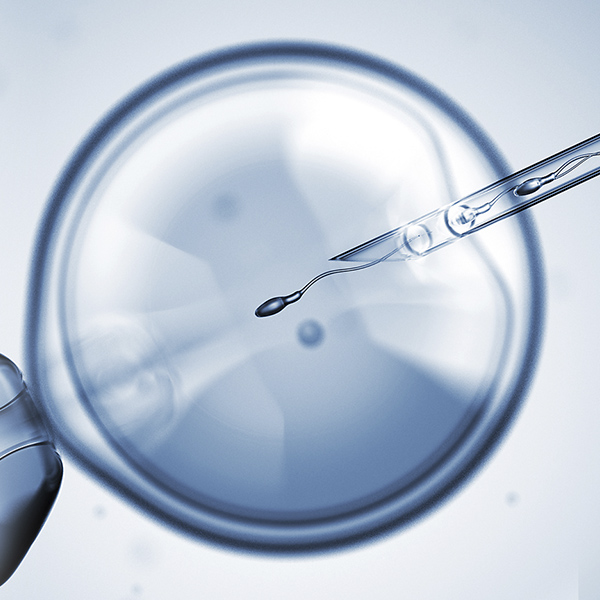
ICSI or intracytoplasmic sperm injection is a fertility treatment involving the injection of a live male sperm into the female egg in a laboratory to make a fertilized egg or embryo. The fertilized egg is then transplanted into the female uterus (womb).
ICSI is a type of IVF (in-vitro fertilization) and is usually recommended in cases of male infertility. Its high success rate makes it a popular fertility treatment option.
Men having serious infertility issues, like low sperm count or poor sperm quality or quantity, are the right candidates for ICSI.
Couples who have been trying to conceive naturally for a year or more without any success or have not had any success with previous IVF attempts are also considered to be good candidates for undergoing ICSI treatment.

The ICSI procedure involves giving fertility medications to the female partner for ovarian stimulation. This is followed by the retrieval of female eggs using a minor surgical procedure.
Healthy sperm is then selected from the male partner or donor’s semen sample and the sperm is directly injected into the female egg in a laboratory using a fine needle. The fertilized egg or embryo is then transferred to the woman’s uterus for implantation.
A pregnancy test is done 9-14 days after embryo transfer.

If you are looking for a safe and comfortable ICSI treatment with an increased chance of success, you need to choose the right ICSI clinic with experienced and skilled fertility doctors.
You can make your choice by asking for referrals and recommendations, as well as checking the online reviews of a particular clinic.

Aksigen IVF is the best ICSI center in Mumbai, providing successful fertility procedures like ICSI under the expert guidance of some of the best ICSI doctors in Mumbai.
Some important reasons for choosing our fertility center for treatment include:
ICSI is mostly recommended in male infertility cases. Your fertility doctor may suggest undergoing ICSI treatment in the following cases:
ICSI may also be recommended in the following cases:
Aksigen IVF has the best ICSI treatment specialist in Mumbai, who will first assess the male and female partners thoroughly during the initial consultation appointment.
The couple will be asked in detail about their medical and sexual histories, as well as the duration for which they have been trying to conceive.
Some diagnostic tests may be recommended before undergoing any fertility treatment. These tests may include the following:
Tests recommended for the couple:
Tests recommended for the male partner:
Tests recommended for the female partner:
Based on the test results and evaluation of the couple, the fertility specialist will suggest fertility treatment methods like ICSI. The doctor will explain the ICSI procedure, its potential risks and benefits, chances of success, and answer all your queries before starting the procedure.
The following steps are involved in the ICSI treatment procedure:
1. Ovarian stimulation and monitoring
The female partner is given injectable fertility medications to stimulate the ovaries to produce multiple mature eggs. The response to the medications will be monitored through ultrasounds and blood tests over the next 10 to 14 days.
Once the eggs reach a mature stage, an injection of hCG (human chorionic gonadotropin) or a similar hormone is given to stimulate ovulation (release of female egg from the ovaries).
2. Egg retrieval
The female eggs are retrieved using a minor surgical procedure called egg collection or retrieval.
This procedure is generally done under local anesthesia. It involves the insertion of a thin needle through the female’s vaginal wall to suction out the eggs from the follicles in the ovaries.
3. Sperm collection
On the same day as the egg retrieval process, the male partner needs to provide a sperm sample through masturbation.
In cases of severe male infertility, the sperm may need to be retrieved surgically.
4. ICSI process
A single healthy sperm is selected and directly injected into each mature egg using a fine needle under a microscope in a laboratory.
This procedure helps bypass many natural barriers to increase the chance of egg fertilization.
5. Embryo culture
After fertilization, the embryo (fertilized egg) is cultured in the lab for 3 to 5 days.
The embryo development will be constantly monitored by the laboratory staff and only the healthiest embryos will be selected for embryo transfer or will be frozen for future use.
6. Embryo transfer
One or more healthy embryos will be transferred into the woman’s uterus using a thin catheter.
This procedure is quick and usually painless. If the embryo successfully implants on the uterine wall, pregnancy will begin.
7. Pregnancy test
Ten to fourteen days after the embryo transfer, a blood test may be performed to check for pregnancy.
Aksigen IVF offers painless, top-quality ICSI treatment in Mumbai with excellent treatment results.
The success rate of ICSI treatment in Mumbai generally varies from 70% to 85%. The success rate will, however, vary depending on the following factors:
Aksigen IVF is the best ICSI center in Mumbai with a high rate of success.
The various risks associated with ICSI treatment include:
The approximate ICSI cost in Mumbai varies from INR 1,00,000 to INR 1,50,000 per treatment cycle. The ICSI treatment cost in Mumbai will, however, vary based on many factors, such as:
Book your consultation appointment with Aksigen IVF to undergo successful fertility treatments, like ICSI treatment, in a safe and pleasant environment with exceptional treatment outcomes.
ICSI is a specialized type of IVF treatment that involves the injection of a single sperm directly into the female egg, while traditional IVF will involve allowing the sperm to fertilize the female egg on its own in a laboratory.
Yes, ICSI is usually recommended after failed IVF procedures, especially if there are problems with sperm quality or problems in fertilization during the previous IVF cycles.
Yes, ICSI is an effective treatment procedure for couples having unexplained infertility, as the procedure involves bypassing the potential unknown barriers to fertilization by injecting the male sperm directly into the female egg.
Yes, ICSI is an effective treatment procedure even while using frozen eggs or sperm. The success rate is almost similar to the success rates using fresh eggs or sperm, provided the frozen eggs or sperm used are of good quality.
The number of embryos transferred during ICSI treatment can vary depending on individual circumstances, but many doctors prefer transferring one or two embryos to increase the chances of success while reducing the risk of multiple pregnancies.


 +91 86556 78747
 info@aksigenivf.com


