
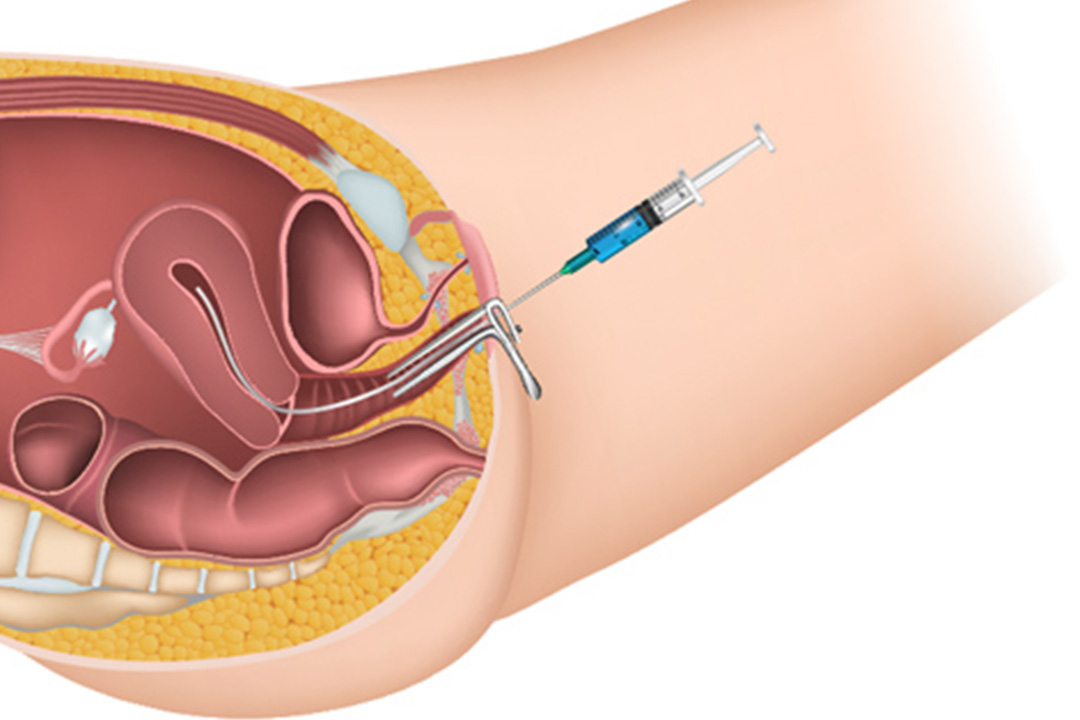
What Is IUI Treatment?
IUI treatment means Intrauterine Insemination, is a fertility treatment that is designed to increase the prospects of conception.
In IUI treatment, sperm is introduced directly into the uterus at the right time when ovulation occurs.
This process increases the probability that the sperm will meet the egg and potentially make it fertilised.
This process is sometimes referred to as a low-tech version of IVF and is normally cheaper.
The procedure is usually proposed in cases where there are only minor problems in fertility, and these can include low sperm count, slow-moving sperm, or unexplained causes.
IUI treatment is also popular among people who use donor sperm or have some ailments, such as cervical mucus problems.
Compared to other fertility treatments, IUI treatment involves less invasive procedures, thus making it appropriate for initial use.
The success levels of IUI treatment are influenced by age, fertility disorders, and the type of sperm that is used.
Who Needs IUI Treatment?
IUI treatment is recommended for the treatment of numerous fertility issues. It is suitable for:
- Unexplained Infertility: A couple that is willingly attempting to achieve conception but is not pregnant after a certain period of time for no apparent reason.
- Mild Male Factor Infertility: Moderate oligospermia or asthenospermia where the sperm count or motility is below the average range but can, to some extent, function in IUI.
- Cervical Mucus Issues: Situations where cervical mucus poses a difficulty in conception by preventing sperm from reaching an egg.
- Single Women Using Donor Sperm: For women who want to conceive through IUI as single mothers by choice or through IUI or IVF with donor sperm, it is allowed.
IUI has its benefits for couples who desire a less invasive method of fertility treatment that is also relatively cheap.
It can enhance the probability of conception since it targets specific problems and decreases strain due to infertility.
It is prudent to seek a consultation with a fertility specialist and to establish whether IUI treatment is suitable for your circumstances for medical as well as personal reasons.
Benefits of IUI Treatment
Benefits of IUI treatment include:
| Benefit | Description |
|---|---|
| Less Invasive Procedure | IUI is categorised under the low-tech treatments for fertility, thus making it less stressful on the body as compared to other treatments like IVF. |
| Affordability | Another advantage of IUI treatment is the affordability of many couples trying to conceive due to infertility issues. |
| Bypasses Cervical Barriers | IUI directly involves the insemination of sperm in the uterus, which helps bypass cervical mucus that may end up affecting natural conception. |
| Improved Sperm Delivery | The technique helps to deliver more motile sperm to the fallopian tubes, thus improving fertility rates. |
| Effective for Mild Infertility | Primarily, IUI is used in mild male factor infertility or idiopathic infertility cases for couples who are unable to conceive naturally. |
| Simplicity | The treatment is less complicated than IVF and provides a clear route to pregnancy. |
| Fewer Medication | IUI entails fewer hormonal drugs as compared to IVF, thus fewer health risks for the patient. |
| Controlled Timing | The process closely corresponds to ovulation, thus increasing the possibility of egg fertilisation. |
| Non-Surgical | Compared to some fertility treatments, IUI is not invasive, and the receptiveness of patients to the treatment is commendable. |
| Emotional Ease | Due to the fact that fewer procedures are involved and the cost is significantly lower, IUI helps to relieve the emotional and financial burden on the couple. |
Age Limit for IUI Treatment
The age limit for IUI treatment is approximately around 40 years of age.
This is because success rates are known to drop dramatically beyond this age, which is attributed to diminished ovarian reserve and poor-quality eggs.
While some clinics may perform IUI for women who are 40 years old and below, they may recommend other treatment processes, such as IVF.
Before going for IUI, any woman who wants to try it should consult a fertility expert depending on her age, ovarian reserve, and hormonal balance.
How to Prepare for IUI Treatment
How to prepare for IUI treatment is crucial to improve its success rate. Here are five key steps:
1. Track Ovulation
Timing is critical and this can be effectively done using the ovulation kits or the ovulation tracking apps.
2. Maintain a Healthy Weight
Losing weight and staying fit can help boost fertility and also improve fertility in response to treatment.
3. Adopt a Healthy Lifestyle
Adopt a healthier lifestyle with a proper diet, exercise, and avoid Alcohol, smoking, and too much caffeine.
4. Discuss Medications
The doctor should be able to guide you on the use of such drugs, especially those that deal with follicles and their interaction with IUI.
5. Manage Stress
Participate in relaxation exercises like yoga, meditation sessions, or therapy so as to be able to handle stress and other emotional issues that may arise during the treatment.
Step-by-Step IUI Treatment Procedure
The IUI treatment procedure consists of the following steps:
1. Preparing the Sperm Sample
The process of IUI starts with preparing the sperm sample.
The collected sample is washed to make healthy and motile sperms more concentrated and, at the same time eliminate debris and non-swimming sperms.
This makes sure that the right quality sperm is used in the process of insemination.
2. Monitoring Ovulation
timed intercourse. When going for IUI treatment, ovulation has to be closely monitored. Hormonal injections or oral medicines can be administered to patients to induce ovulation.
Non-invasive vaginal ultrasounds and blood tests are used to monitor follicle growth and maturity and to predict the best time for conception.
3. The Insemination Process
The sperm that has been prepared is then placed directly into the uterus through the use of a thin catheter.
This is an outpatient procedure that is not very invasive and takes only a few days to heal. The aim is to make the sperm get closer to the egg to maximise the chances of fusion.
Is IUI Treatment Painful?
The IUI treatment as a whole is not generally painful to most people but can be somewhat uncomfortable at times.
The process requires the doctor to insert a thin pipe known as a catheter into the uterus, and this may cause some discomfort.
The pain levels may vary, with some people being more sensitive to it than others, but again, it depends on the ease of the process.
A few of them may have mild cramps or a feeling akin to menstrual cramps before or after the procedure.
All in all, the process is fast, and the majority of patients do not experience any discomfort.
If you have some concerns about the amount of pain and discomfort you may feel, it will be important that you address your concern with your doctor or nurse.
This way, you will get to understand what you are going to experience.
Success Rate of IUI Treatment
- The IUI treatment success rate depends on different factors, and it varies between 10% and 20%.
- They may vary due to many reasons, including the age, health status of a woman, and the quality of sperm when fertility treatments are involved.
- It also goes hand in hand with the age as the under 35 year old women have better chances of success compared to the women above 35 years of age.
- However, it is also important not to lose sight of the fact that the overall state of health of the two partners is interdependent and plays the role of influential factors.
- Therefore, IUI may be superior for patients with low levels of male factor or even unexplained infertility because it has variable rates of success.
Factors Affecting IUI Treatment Success
| Factors | Explanation |
|---|---|
| Age of the Woman | The age of the woman is a key predictor of the likelihood of IUI treatment yielding a positive outcome. |
| Quality of Sperm | The significance of higher sperm quality is that it gives a good chance of getting through the membrane and fertilising the egg. |
| Number of Treatment Cycles | Further cycles may raise the likelihood of pregnancy depending on various factors, such as the woman’s age. |
| Ovarian Reserve | More numbers of healthy eggs in the ovaries are favorable for the treatment. |
| Timing of Ovulation | The odds of sperm and egg coming together are higher when the timing is correct in the period of ovulation. |
Early Signs of Pregnancy After IUI Treatment
Early signs of pregnancy after IUI treatment may include:
| Early Signs | Description |
|---|---|
| Breast Tenderness | Sensitivity or swelling in the breasts is often a first sign of pregnancy. |
| Mild Cramping | Light cramping, similar to menstrual cramps, may occur as the embryo implants. |
| Spotting Due to Implantation | Light spotting or bleeding may happen when the fertilised egg attaches to the uterine lining. |
| Fatigue | Increased tiredness or exhaustion is a common early pregnancy symptom. |
| Mood Swings | Hormonal changes can cause emotional fluctuations during early pregnancy. |
Breast Pain After IUI Treatment: What Does It Mean?
Breast pain after IUI treatment is a common symptom that may be caused by hormonal changes or could indicate early signs of pregnancy.
Post-Intrauterine Insemination or IUI, your body experiences hormonal changes resulting from fertility drugs meant to induce ovulation.
This can lead to breast tenderness, which is an extremely common impact. However, it should be noted that breast pain can also be considered as one of the early signs of pregnancy.
In case you experience pain in the breast after IUI, make sure to take a pregnancy test after 2 weeks to know the cause of the pain.
Implantation After IUI Treatment
- Implantation Timing: Implantation after IUI treatment typically occurs 6 to 12 days post-procedure.
- Mild Spotting: Vaginal bleeding or spotting could be observed, which is a typical implantation sign.
- Cramping: Other minor symptoms include mild cramping as the embryo buries itself into the uterine wall. Hormonal Changes: Other hormones, such as progesterone help in the implantation process, as well as preparing the uterus for pregnancy.
- Early Pregnancy Signs: After implantation, the woman can experience minor signs like fatigue or nausea. When to Test: However, to be safe, it is advised that a pregnancy test should be done after 12 days to determine the outcome.
How to Care After IUI Treatment
| Care Instructions | Details |
|---|---|
| Avoid Strenuous Activities | Avoid too many exercises or activities that may be strenuous to the body. |
| Stay Hydrated | Make sure you are consuming enough water and other fluids in order to keep your body functioning properly. |
| Eat a Balanced Diet | Eat foods that are rich in nutrients and will help to support the implantation process. |
| Get Adequate Rest | Get adequate rest to enable your body to recuperate and build up strength for the next exercise. |
| Avoid Stress | Engage in activities such as meditation to increase the likelihood of success. |
| Follow Your Doctor's Instructions | Always adhere to your doctor’s advice for the best outcomes after the treatment. |
Common Side Effects of IUI Treatment
IUI treatment side effects include:
- Mild Cramping: Bleeding is normally light and accompanied by mild cramping, similar to menstrual pains in some women.
- Spotting: It is normal to experience light spotting or bleeding after the IUI since the cervix may have been irritated during the procedure.
- Bloating: Medications used in the process of IUI to stimulate ovaries may lead to swelling and pain in the abdominal region.
- Ovarian Hyperstimulation Syndrome (OHSS): Some of the severe complications that can result from the overstimulation of the ovaries are Ovarian Hyperstimulation Syndrome (OHSS), characterised by swelling and pain.
- Mood Swings: The emotional fluctuations are also contributed by the hormonal changes as a result of fertility medications.
- Headaches: There are also other factors that may lead to the development of headaches, predominantly in women; these include hormonal changes.
- Breast Tenderness: It is equally common for women to report feelings of breast fullness or breast heaviness from hormonal therapies.
- Fatigue: It is important to note that hormonal treatments, as well as the emotional load that accompanies the process, can lead to the development of fatigue.
- Risk of Multiple Pregnancies: OHSS, particularly when taken in conjunction with ovarian stimulation, augments rates of multiple pregnancies.
- Infection Risk: Nevertheless, it entails a minimal risk of infection since catheter insertion may be done during the procedure.
After IUI Treatment: Is Bed Rest Required?
It is important to know that after IUI treatment, the patient does not need to rest on the bed.
It is important, however, not to engage in intense physical activities such as jogging, jumping, running, swimming, cycling or participating in sports among others, but normal day activities are encouraged.
In earlier times, doctors used to advise bed rest to the patients, however, current studies indicate that moderate mobility does not reduce the likelihood of success.
Just like any other sickness, one has to be attentive to the body's signs as well as follow the doctor’s advice.
It is highly advisable to seek medical advice from your doctor regarding any special instructions, especially after the IUI treatment procedure.
Comparing IUI Treatment Costs in India
The IUI treatment cost in India is:
| Cost | Range |
|---|---|
| Basic Cost | 8000-10000 |
Factors Influencing IUI Treatment Cost:
- Clinic Location: The fee structure depends on the location of the clinic, more specifically, whether it is in a metropolitan or a rural area.
- Doctor Expertise: This means that doctors with more experience may be paid higher salaries for performing specialised tasks.
- Medications: Further hormonal medicines and shots could also mean added expenses.
- Advanced Technology: Clinics with updated techniques and enhanced equipment are likely to charge more.
- Number of Cycles: This would require several cycles, which overall results in higher costs.
Tips for Maximizing IUI Treatment Success
1. Ensure Proper Timing During Ovulation
In the IUI treatment process, the time taken is very critical in determining whether it will or will not be successful. This way, the procedure is likely to be done at the right time when ovulation has taken place, hence improving the aspect of fertilisation. Your doctor will need to assess when you are most fertile to give you the correct dates.2. Follow All Medication Schedules
Any prescribed medication should be taken as advised by the doctor. It applies in cases where the aim is to stimulate the occurrence of the process of ovulation and prepare the environment of the uterus for implantation, which is very important in conception.3. Maintain a Healthy Lifestyle
A healthy diet, physical activity, and management of weight have a direct impact on fertility and should be taken care of to enhance the likelihood of conception with IUI.4. Track Ovulation Accurately
Home testing for ovulation through ovulation kits or ultrasound is useful in planning for the procedure.5. Minimize Stress
Certain practices can help minimise stress, which is inversely associated with fertility, including yoga, meditation or deep breathing exercises.6. Avoid Alcohol and Smoking
Therefore, neither of these habits should be present before and during IUI treatment, as both are known to decrease fertility.7. Get Adequate Rest
Getting proper sleep is important because it establishes the right hormonal balance, which, in turn, contributes to fertility.8. Communicate with Your Doctor
It is important to discuss any issues with your healthcare provider because changes for specific cases can enhance the results.IUI Treatment vs IVF: Which Is Right for You?
| Aspect | IUI Treatment (Intrauterine Insemination) | IVF Treatment (In Vitro Fertilization) |
|---|---|---|
| Procedure | Sperm is directly inserted into the uterus during ovulation to increase the chances of fertilisation. | Eggs are retrieved from ovaries, fertilised in the lab, and then embryos are implanted in the uterus. |
| Cost | Generally more affordable compared to IVF treatment. | IVF treatment is more expensive due to the complexity and multiple steps involved. |
| Success Rate | Success rates are lower than IVF, generally ranging from 5% to 20%, depending on factors like age and fertility issues. | Higher success rate compared to IUI, often between 30% and 40%, depending on the clinic and individual factors. |
| Treatment Duration | IUI typically takes one to two cycles, with treatment spanning a few weeks. | IVF is a longer process, often taking several months, from stimulation to embryo transfer. |
| Complexity | A less complex procedure with minimal medical intervention, ideal for mild fertility issues. | IVF is more complex and may involve hormone injections, egg retrieval, and embryo culture. |
| Suitability | Best suited for couples with unexplained infertility, mild male factor infertility, or ovulation disorders. | IVF is recommended for severe infertility issues, such as blocked fallopian tubes, severe male infertility, or failed IUI attempts. |
Diet and Lifestyle Tips Before and After IUI Treatment
1. Eat Antioxidant-Rich Foods
Increase consumption of foods containing antioxidants like fruits, vegetables, and nuts to enhance general healthy reproductive capacity as well as to avoid oxidative damage on eggs and sperm.
2. Include Omega-3 Fatty Acids
Fish, such as salmon, flax seeds, and walnuts also contain omega-3 fatty acids that are also healthy for hormonal balance as well as increasing fertility.
3. Avoid Alcohol
Alcohol consumption must be avoided before and after the IUI treatment, as it is not good for fertility and the likelihood of pregnancy.
4. Limit Caffeine Intake
Caffeine has an impact on fertility; their high levels of consumption are likely to have adverse effects on fertility. Cut down as much as possible from the intake of products containing caffeine, such as coffee, tea, and sodas, to enhance your chances of passing.
5. Stay Active with Light Exercise
Engage in exercises such as yoga or walking to keep your body fit and your mind healthy as you wait for the IUI procedure to be conducted.

About Us
AKsigen IVF is a premier center for advanced fertility treatments, with renowned fertility experts on our team. Specializing in IVF, ICSI, egg freezing, and other cutting-edge reproductive technologies, AKsigen IVF is committed to helping couples achieve their dream of parenthood. With personalized care and a patient-first approach, AKsigen IVF provides comprehensive fertility solutions under one roof.



 +91 86556 78747
 info@aksigenivf.com