
Reach Out to Our Experienced Fertility Specialists at Aksigen IVF Now!
of experience in Women's Health
of experience in IVF Treatment
Cases Completed
Success Rate
Preimplantation genetic testing is a method used to identify the chromosomal genetic abnormalities in embryos created using IVF or ICSI before transferring the embryo into the woman’s uterus (womb) for a pregnancy to occur.
This test helps prevent the birth of a child having severe genetic disorders, such as Down’s syndrome, thalassemia, sickle cell anemia, etc. These genetic problems could lead to complications like miscarriage and birth defects in the child.

Preimplantation genetic testing is suitable for couples or individuals who are at a high risk of passing on genetic conditions to the child and couples undergoing IVF who want to ensure that embryos are free of specific genetic conditions before transfer to the woman’s uterus.
The procedure can also benefit women with an advanced age, unexplained infertility, and a history of recurrent miscarriages.

In the first step, fertility medications are prescribed for ovarian stimulation to produce multiple eggs. These eggs are retrieved and fertilized in a laboratory using the male sperm and cultured to create embryos.
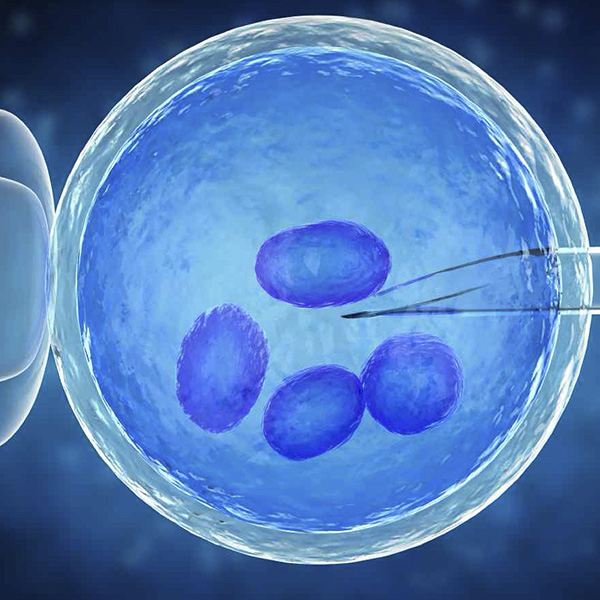
After the embryos reach the blastocyst stage, usually on day 5 or 6, some cells are obtained from the outer layer of the embryo carefully and sent for a biopsy. The cells are tested for chromosomal abnormalities, structural problems, or specific genetic disorders. Embryos without any abnormalities are selected for transfer into the uterus.
Check the clinic’s expertise and success rates in IVF procedures and genetic testing before making your choice. Look for clinics with experienced fertility specialists, comprehensive treatments, a patient-centric approach, and access to advanced technology for embryo biopsy and genetic testing.
Also, consider other factors like the communication and support services offered by the clinic while making your choice. Patient reviews and consultation appointments at the clinic can help assess the clinic’s approach and reliability.
Choosing the right clinic for preimplantation genetic testing is important to ensure accurate testing results and a smooth process.

Aksigen IVF is equipped with skilled fertility specialists, embryologists, and other medical experts to offer precise and smooth preimplantation genetic testing in Mumbai.
The key reasons for choosing us include:
Preimplantation genetic testing is generally recommended in the following cases:
At Aksigen IVF, our skilled fertility specialists will evaluate you and your partner thoroughly to determine if you are the right candidate for the procedure.
Our experienced and trained embryologists and medical staff will ensure safe and accurate preimplantation genetic testing to increase your chances of a successful pregnancy and reduce the chances of the baby being born with genetic abnormalities.
The different types of preimplantation genetic testing include:
Preimplantation genetic testing offers several benefits, including:
The first step is an initial consultation appointment with our experienced fertility specialist at Aksigen IVF.
The specialist will perform a physical and pelvic examination for the female partner and discuss the couple’s medical history, pregnancy history, sexual history, and family history, including any genetic disorders.
Before beginning fertility treatments like IVF or ICSI, the doctor may recommend diagnostic tests to assess the female partner’s general and uterine health and the male partner’s sperm quality and quantity.
Common tests include blood tests, vaginal ultrasound, hysteroscopy, ovarian reserve testing, sonohysterography, infectious disease screening, and semen analysis for the male partner. The doctor will then explain the fertility treatment procedure and the need for preimplantation genetic testing, allowing the couple to discuss any concerns or queries before proceeding.
The steps involved in the IVF or ICSI procedure required before preimplantation genetic testing are as follows:
Preimplantation Genetic Testing Steps:
After results arrive, the following steps complete the fertility treatment:
Our medical staff at Aksigen IVF ensures personalized care and guidance throughout preimplantation genetic testing treatment in Mumbai, including follow-up support based on treatment outcomes.
The success rate of preimplantation genetic testing (PGT) in Mumbai ranges from 95% to 98%, making it highly accurate for most couples. This procedure helps improve the chances of a successful pregnancy by ensuring that only embryos with normal chromosomes are transferred to the woman’s uterus.
However, the overall success of fertility treatments using preimplantation genetic testing depends on several factors, including:
At Aksigen IVF, our fertility specialists and embryologists in Mumbai maintain a high success rate for preimplantation genetic testing, ensuring the best possible outcomes for couples seeking a successful pregnancy.
Preimplantation genetic testing (PGT) is generally safe, but it may be associated with certain risks and limitations:
In addition, the procedure has some limitations and disadvantages:
At Aksigen IVF, our experienced fertility specialists and embryologists guide couples carefully through the procedure to minimize risks and provide support for any emotional strain during preimplantation genetic testing in Mumbai.
The cost of preimplantation genetic testing (PGT) in Mumbai can vary depending on multiple factors, including:
Aksigen IVF provides affordable and accurate preimplantation genetic testing in Mumbai, ensuring expert care by highly skilled fertility doctors and embryologists. Schedule an appointment for a detailed evaluation and take the next step towards a successful pregnancy.
Preimplantation genetic testing is performed on embryos before implantation and prevents the transfer of embryos found with chromosomal or genetic problems into a woman’s uterus, whereas prenatal testing is done during pregnancy to detect genetic disorders in the baby.
No, preimplantation genetic testing is optional and recommended based on a couple’s medical history, age, or specific genetic concerns.
Yes, preimplantation genetic testing can improve success rates by identifying embryos with the best chances of implantation and reducing the risk of miscarriage.
While preimplantation genetic testing reduces the risk of genetic abnormalities, it cannot guarantee a healthy baby, as other factors like uterine environment and non-genetic conditions may affect pregnancy outcomes.
When performed by experienced professionals in reputed clinics like Aksigen IVF, embryo biopsy is generally safe and does not affect embryo viability much.




 +91 86556 78747
 info@aksigenivf.com