Get in Touch with Our Fertility Specialists at Aksigen IVF Today!
of experience in Women's Health
of experience in IVF Treatment
Cases Completed
Success Rate
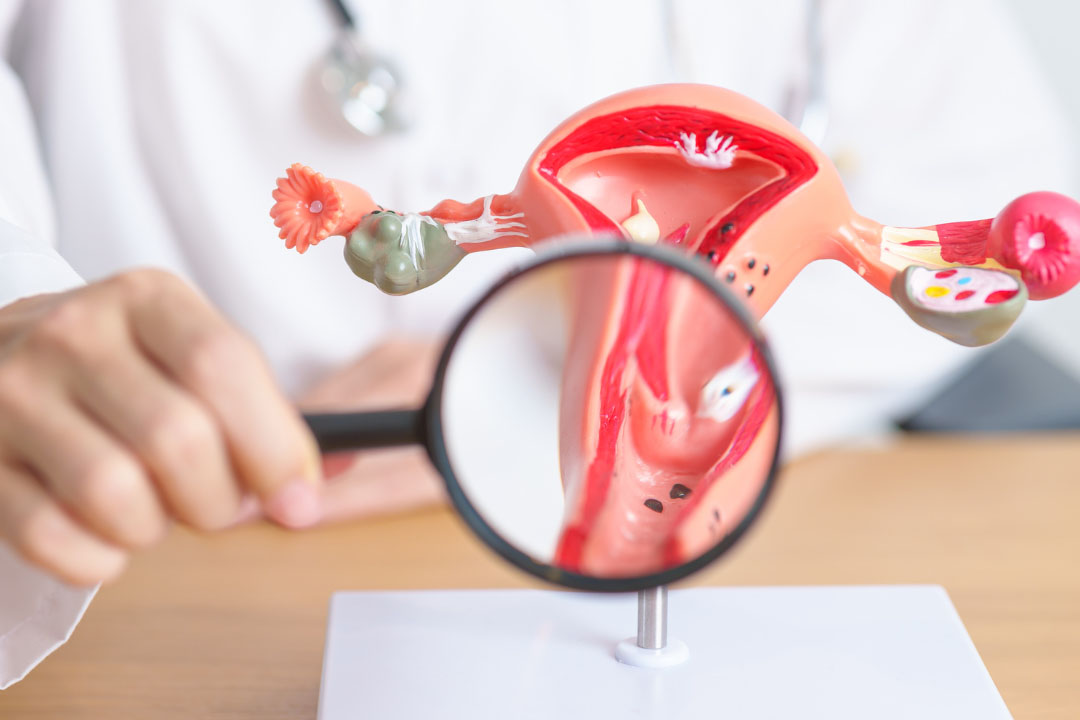
Uterine fibroids, also known as leiomyomas, are common growths made of tissue and muscle that form in or on the wall of the female uterus (womb). These growths are generally benign (non-cancerous) in nature and are recognized as the most common type of noncancerous tumors seen in females.
Not all uterine fibroids cause symptoms, but some may lead to symptoms like heavy or painful menstrual bleeding, frequent urination, back pain, and pain during sex.
Small fibroids usually do not require any treatment, but larger fibroids may need to be treated with medications or surgery.

Timely treatment for uterine fibroids is important to prevent complications such as excessive menstrual bleeding, pelvic pressure, and fertility issues. Untreated fibroids can lead to anemia, urinary frequency, or difficulty in conception.
For women planning pregnancy, managing fibroids early can improve uterine health and implantation chances. Modern treatment options, including medical, surgical, and minimally invasive techniques, help relieve symptoms, preserve fertility, and enhance overall well-being.
At Aksigen IVF, each treatment plan is personalized based on the fibroid type, size, and reproductive goals of the patient.

Treatment for uterine fibroids depends on individual needs, age, and fertility preferences. Available treatment options include medication, non-invasive procedures, uterine fibroid embolization, and surgical interventions, like myomectomy.
Minimally invasive approaches, such as laparoscopic and hysteroscopic surgeries, ensure faster recovery and minimal scarring. For women desiring pregnancy, fertility-preservation techniques are preferred.
The use of advanced imaging and tailored therapies ensures effective uterine fibroid removal while maintaining optimal uterine function and reproductive potential. A thorough evaluation by a qualified gynecologist will help determine the best treatment approach based on individual needs and condition.
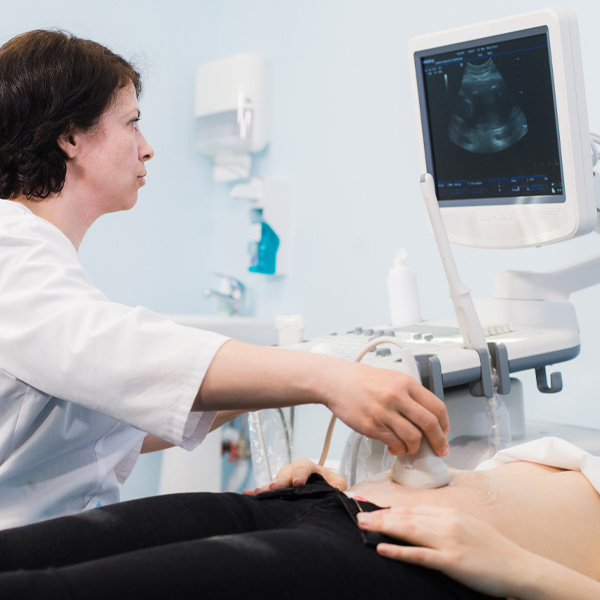
Choosing the right uterine fibroid treatment center is important for effective and safe management of the condition. You should look for a center equipped with advanced imaging systems, minimally invasive surgical technologies, and experienced gynecologists who specialize in reproductive health.
The center should offer a comprehensive range of treatments, ranging from medical management to advanced procedures like uterine fibroid embolization and laparoscopic surgery.
Additionally, you should choose a clinic with a supportive environment that provides personalized care, fertility counseling, and post-treatment follow-up to ensure long-term uterine health and improved quality of life.

Aksigen IVF provides the best uterine fibroids treatment in Mumbai, combining medical expertise with cutting-edge fertility and reproductive health care. Some key reasons for choosing us include:
Uterine fibroids can be classified into different types based on their location and how they attach to the woman’s uterus into the following different types:
The exact cause of uterine fibroids is not known, but they are thought to most commonly occur due to hormonal factors and genetics. Certain factors that are thought to increase the risk of developing uterine fibroids in women include:
The symptoms of uterine fibroids depend on the number, size, and location of the fibroids. While some women remain asymptomatic (especially in cases of small fibroids), others may experience the following symptoms:
At Aksigen IVF, our experienced uterine fibroids doctor Mumbai does a detailed evaluation of the symptoms and the patient’s uterine health to help identify even small fibroids that could interfere with fertility or quality of life, ensuring early and effective management.
The first step for the diagnosis of uterine fibroids involves a physical examination by a gynecologist during the consultation appointment. The doctor will ask about your symptoms and medical history during this appointment and may do a pelvic examination.
To confirm the diagnosis, the following tests may be ordered:
Based on the assessment made and the diagnostic test results, our skilled gynecologist at Aksigen IVF will create a personalized plan for effective uterine fibroid treatment in Mumbai under our expert care.
Treatment for uterine fibroids in Mumbai at Aksigen IVF will vary among different patients depending on the patient’s age, symptoms, fibroid size, and reproductive goals. The various treatments offered may include the following:
1. Medical management
2. Minimally invasive procedures
3. Surgical options
The uterine fibroid treatment cost in Mumbai will vary depending on multiple factors, such as:
Aksigen IVF is the best uterine fibroid clinic in Mumbai, offering top quality uterine fibroids treatment with long-lasting outcomes at an affordable pricing.
Book a consultation appointment with our reproductive health experts to undergo the best uterine fibroids treatment in Mumbai while preserving your uterine health to lead a better quality of life today!
Uterine fibroids can recur after treatment, especially in women with hormonal imbalance or genetic predisposition. Maintaining a healthy lifestyle, regular follow-ups, and medical management help minimize recurrence risk. Some treatments also focus on controlling hormones to prevent fibroid regrowth.
Untreated uterine fibroids can cause heavy bleeding, pelvic pressure, anemia, urinary problems, and infertility. Over time, they may enlarge and worsen symptoms. Early diagnosis and treatment are essential to prevent complications and preserve overall reproductive health.
Minimally invasive fibroid surgeries are relatively painless and ensure faster recovery. Anesthesia and pain management techniques make the procedure comfortable. Mild discomfort may occur for a few days after surgery, but generally resolves quickly with proper care and rest.
Yes, many women conceive successfully after fibroid treatment, especially after fertility-preserving procedures like myomectomy. Doctors usually advise waiting a few months before trying to conceive to allow complete uterine healing and better pregnancy outcomes.
Doctors assess factors like fibroid size, number, location, and symptoms, along with your age and fertility goals. Based on this evaluation, they recommend personalized treatment, which may include medical, minimally invasive, or surgical treatment, to ensure effective relief and long-term reproductive health.
There is no guaranteed way to prevent fibroids, but maintaining a healthy weight, eating a balanced diet, managing stress, and regular checkups can help reduce the risk of uterine fibroid development and promote hormonal balance.




 +91 86556 78747
 info@aksigenivf.com