
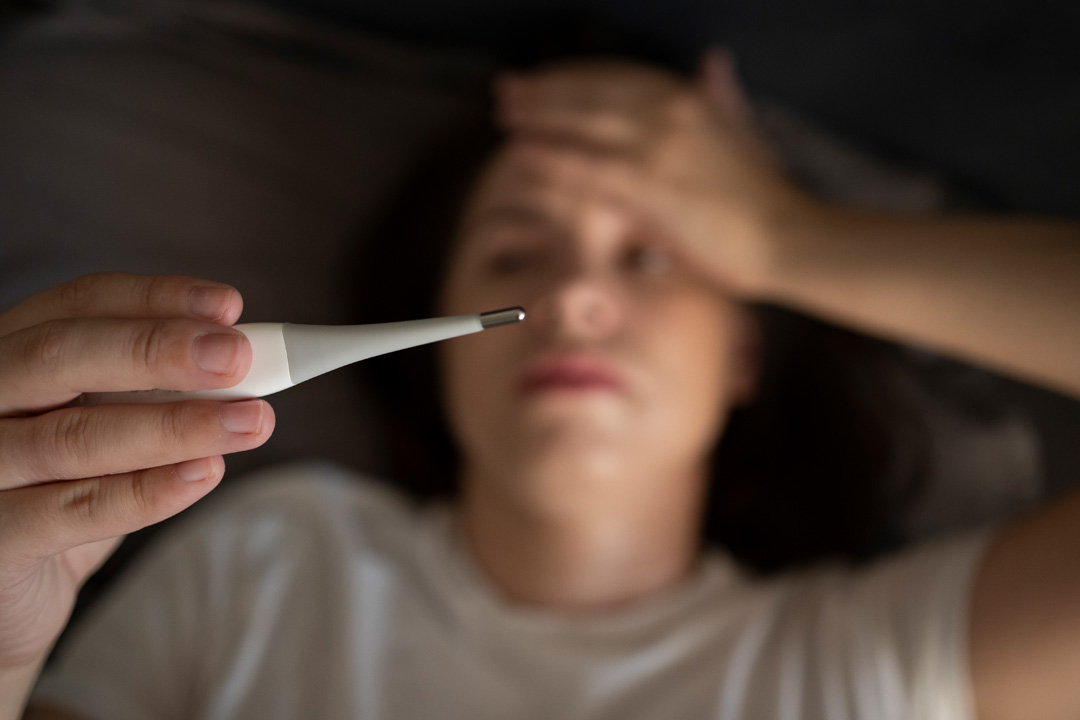
The days following an egg retrieval can bring a mix of relief, curiosity, and uncertainty. Although it is often seen as one of the major steps in an IVF journey, many people are surprised to learn that recovery is usually straightforward and quick.
The body goes through significant hormonal changes leading up to retrieval, and these changes influence how you feel afterward.
It is crucial to understand what happens once the eggs have been collected, how long recovery typically takes, when your period is expected, and how soon embryo transfer can occur.
Whether you are undergoing IVF to build your family now,freezing eggs for the future, or preparing for embryo transfer later in the cycle, having clarity about post-retrieval care helps you support your body during this transition.
This guide explains what to expect after egg retrieval covering symptoms, after-care, diet, recovery timeline, and frequently asked questions.
What Happens After Egg Retrieval?
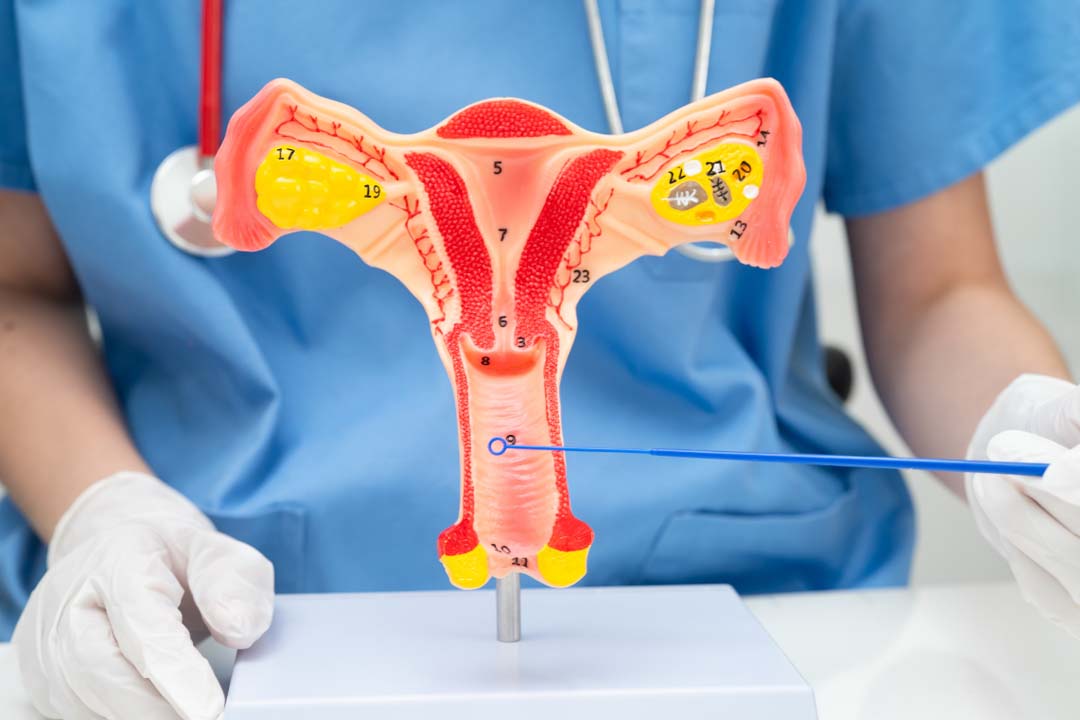
Once the eggs are collected, your body begins winding down from the hormone-stimulated state created during ovarian stimulation. The ovaries, which had enlarged due to developing follicles, start returning to their usual size.
Because the procedure involves gently aspirating fluid from multiple follicles, mild abdominal soreness and bloating are normal. The eggs are taken to the embryology laboratory for fertilization or freezing, while your body focuses on healing the area where follicles were accessed.
Most people feel significantly better within 24–48 hours, though some may need a little more time depending on the number of follicles, baseline health, and individual sensitivity to hormones.
How Long Does Recovery After Egg Retrieval Take?
Most individuals recover enough to return to routine activities within a day or two. However, full comfort meaning no bloating, tenderness, or emotional fluctuations may take anywhere from 3 to 7 days, depending on the intensity of ovarian stimulation.
Recovery may feel longer if:
- Many follicles were developed
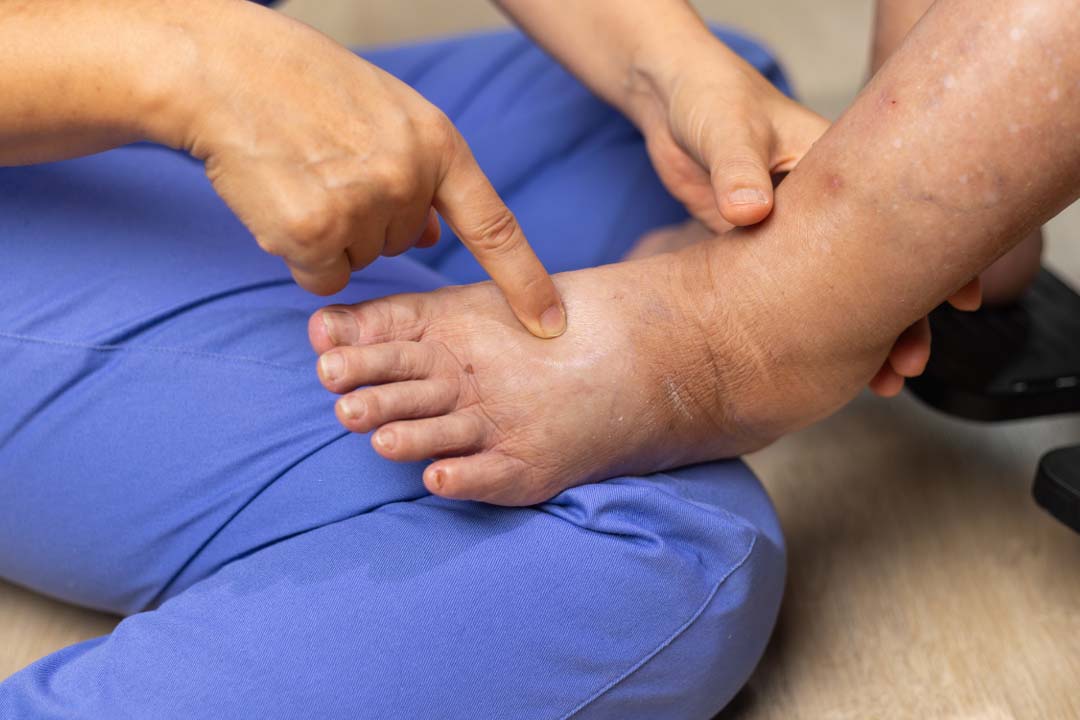
- You are prone to bloating or fluid retention
- Your estradiol levels were high
- You are sensitive to hormone fluctuations
Light chores and desk work are usually fine the next day, but strenuous exercise, heavy lifting, or high-impact activities should be avoided until the ovaries settle down.
Common Side Effects After Egg Retrieval
Most side effects are mild and temporary. They occur because the ovaries were stimulated, enlarged, and accessed with a needle.
- Bloating: This is the most common symptom. It happens due to fluid shifts around the ovaries. Bloating usually improves within a few days.
- Mild Abdominal Pain or Cramping: Cramps may feel like strong menstrual discomfort. This should gradually ease within 24–72 hours.
- Spotting: Light spotting can occur due to the needle entry points in the vaginal lining. Heavy bleeding is uncommon.
- Fatigue: Hormone changes and the effects of anesthesia can leave you unusually tired.
- Nausea: Some people feel queasy for a few hours after the procedure due to anesthesia or bloating.
- Tender Ovaries: Your ovaries may feel heavy or sensitive, especially when bending or walking quickly.
When Are Side Effects Concerning?
Seek medical help if you experience:
- Sudden, sharp abdominal pain
- Difficulty breathing
- Severe bloating that worsens over days
- Vomiting
- Dizziness or fainting
- Rapid weight gain
These could be signs of Ovarian Hyperstimulation Syndrome (OHSS), a rare but serious condition associated with excessive ovarian response.
After Egg Retrieval Care: How to Support Your Body
It is important to take special care after the egg retrieval process. Follow these simple guidelines:
- Rest for the remainder of the day following retrieval. Even if you feel fine, your body has undergone anesthesia and internal procedures.
- Avoid Heavy Exercise. Your ovaries are temporarily enlarged, making them more prone to torsion. Avoid:
- Running
- Jumping
- Weight training
- Intense yoga
- Water, electrolyte drinks, and coconut water help ease bloating and support fluid balance.
- Use Heat Packs. A warm (not hot) heating pad can reduce cramps and abdominal tension. Avoid direct heat for too long.
- Continue Prescribed Medications. Depending on the next phase of treatment, your doctor may prescribe progesterone or other hormones. Follow your schedule carefully.
- Sex can be uncomfortable and risky immediately after retrieval due to ovarian enlargement. Most clinics recommend avoiding it for at least 7–10 days.
Foods to Eat After Egg Retrieval
Food can make a noticeable difference in how you feel post-procedure.
1. Hydrating Foods
These help with bloating:
- Watermelon
- Cucumber
- Coconut water
- Oranges
2. Protein-Rich Meals
Protein supports recovery:
- Eggs
- Paneer
- Dal
- Chicken
- Tofu
3. Anti-Inflammatory Choices
These soothe discomfort:
- Turmeric milk
- Ginger tea
- Warm soups
- Green leafy vegetables
4. High-Fiber Foods
To prevent constipation caused by medications:
- Oats
- Whole grains
- Fruits
- Vegetables
When Do You Get Your Period After Egg Retrieval?
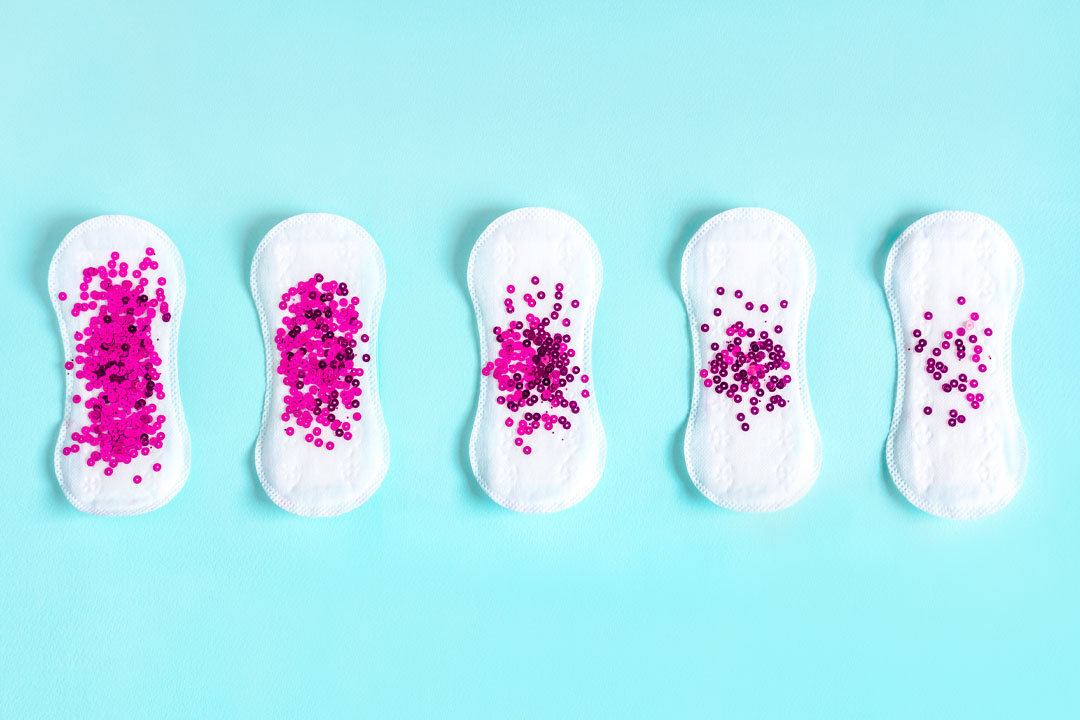
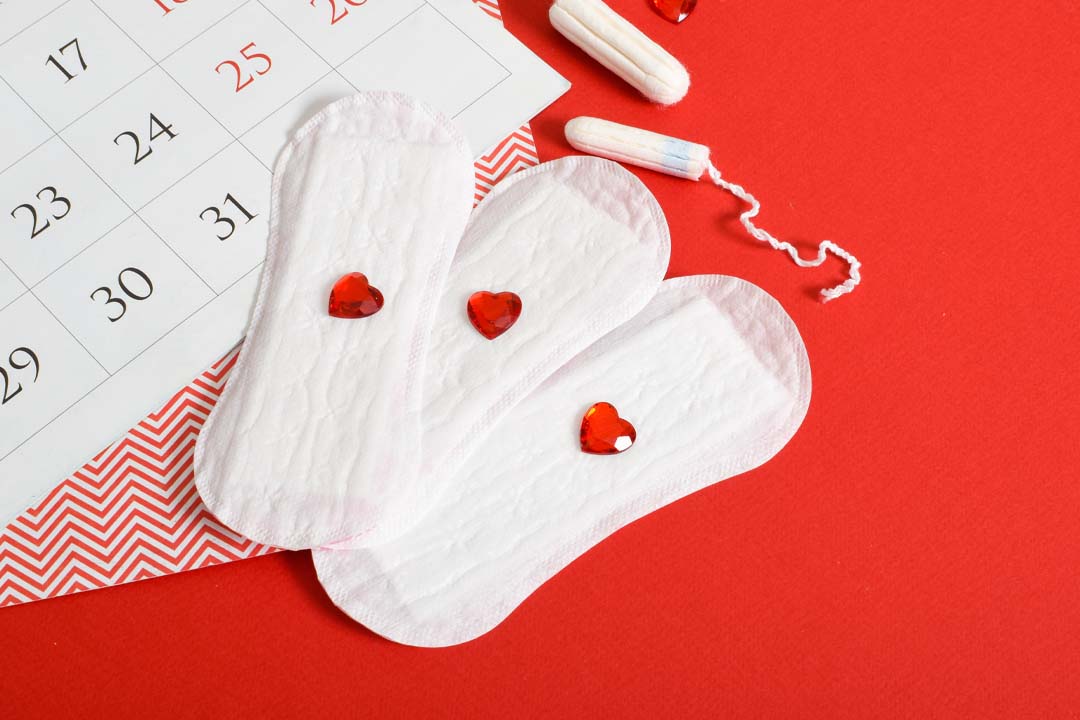
In most cases, your period arrives 10–14 days after egg retrieval. It may differ based on:
- Type of trigger injection used
- Whether you are starting a fresh embryo transfer
- Hormone medications taken after retrieval
A delay beyond 2.5–3 weeks should be discussed with your doctor, especially if accompanied by persistent bloating or discomfort, which could suggest mild OHSS.
How Soon After Egg Retrieval Is Embryo Transfer Done?
The timing depends on the fertility plan.
- For a Fresh Transfer: A fresh embryo transfer typically happens 3–5 days after retrieval, once the embryo reaches the cleavage or blastocyst stage.
- For a Frozen Embryo Transfer (FET): A frozen transfer may be done after 1 menstrual cycle or sometimes 2 cycles, depending on uterine lining preparation. Many clinics prefer FET because it reduces risks like OHSS and allows the body to return to balance before attempting implantation.
Stomach Pain After Egg Retrieval: When Is It Normal?
Mild to moderate abdominal pain is expected because the ovaries are healing.
Normal pain is:
- Dull
- Cramp-like
- Worse when bending or twisting
- Improved with rest and hydration
Pain That Is Not Normal
- Sharp or sudden
- Localized on one side
- Associated with vomiting or fever
- Worsening instead of improving
This could indicate ovarian torsion, infection, or severe OHSS.
Managing Common IVF Side Effects
Hormonal injections may temporarily cause bloating, mood sensitivity, headaches, digestive discomfort, or tiredness. Everyone responds differently, so your symptoms may vary. Helpful tips:
- Drink water or electrolyte beverages for bloating.
- Take approved pain relievers if you have cramps or headaches.
- Avoid tampons after egg retrieval.
- Rest whenever your body needs it.
- Use heating pads safely for mild pain.
- Contact your doctor if bleeding becomes heavy or abnormal.
After Egg Retrieval: Emotional and Mental Well-Being
Hormonal shifts can affect mood. Feeling emotional, irritable, or overwhelmed is common and does not mean something is wrong. You may experience:
- Mood swings
- Anxiety
- Low energy
- Restlessness
Try gentle practices such as reading, journaling, slow walks, or talking to someone supportive.
Can You Go to Work the Day After Egg Retrieval?
Most people can return to normal activities the next day. However, it is wise to take an extra day of rest if:
- You retrieved many eggs
- Your job requires physical exertion
- You feel bloated or fatigued
- You underwent general anesthesia
Sex After Egg Retrieval
Avoid intercourse for about a week or until the doctor confirms your ovaries have reduced in size. Sex too soon may cause:
- Pain
- Spotting
- Risk of ovarian torsion
- Discomfort due to bloating
Frequently Asked Questions
IVF can work well at 30 because ovarian reserve and egg quality are generally favorable at this age. Many people at this age pursue IVF for reasons like hormonal issues, male-factor infertility, blocked tubes, or fertility preservation.
Costs vary across clinics, but the average price for one IVF cycle in India usually ranges from ₹1,20,000 to ₹2,50,000. Additional procedures like ICSI, genetic testing, and freezing may cost extra.
Most people feel fine within 24–48 hours, and complete comfort often returns within a week.
Yes, light walking is recommended. Avoid running, gym workouts, or sudden twisting movements.
You can resume your regular diet immediately, but it is best to prioritize hydrating foods and avoid salty or oily meals for a few days.
Fresh transfers are typically done 3–5 days after retrieval, while frozen embryo transfers happen in the following menstrual cycle.
Yes. Bloating is one of the most common post-retrieval symptoms and usually improves within a few days.
Most periods return 10–14 days after retrieval, depending on medications and your treatment plan.
Short-distance travel is usually fine the next day. Long trips should be avoided until bloating and discomfort settle.
Avoid heavy lifting, high-impact exercise, intercourse, alcohol, and smoking until you have recovered fully.
Conclusion
Life after an egg retrieval is generally manageable with the right information and care. Mild bloating, cramping, spotting, and fatigue are expected and typically fade within a few days.
A mindful approach including resting, staying hydrated, eating nourishing food, and avoiding strenuous activities helps your body recover more comfortably.
Whether you are moving toward embryo transfer or planning a frozen cycle later, understanding what your body needs after retrieval makes the IVF journey feel more in your control and less intimidating.
With proper guidance and realistic expectations, most people find that recovery is smoother and quicker than they anticipated.

About Us
AKsigen IVF is a premier center for advanced fertility treatments, with renowned fertility experts on our team. Specializing in IVF, ICSI, egg freezing, and other cutting-edge reproductive technologies, AKsigen IVF is committed to helping couples achieve their dream of parenthood. With personalized care and a patient-first approach, AKsigen IVF provides comprehensive fertility solutions under one roof.

 +91 86556 78747
 info@aksigenivf.com


