
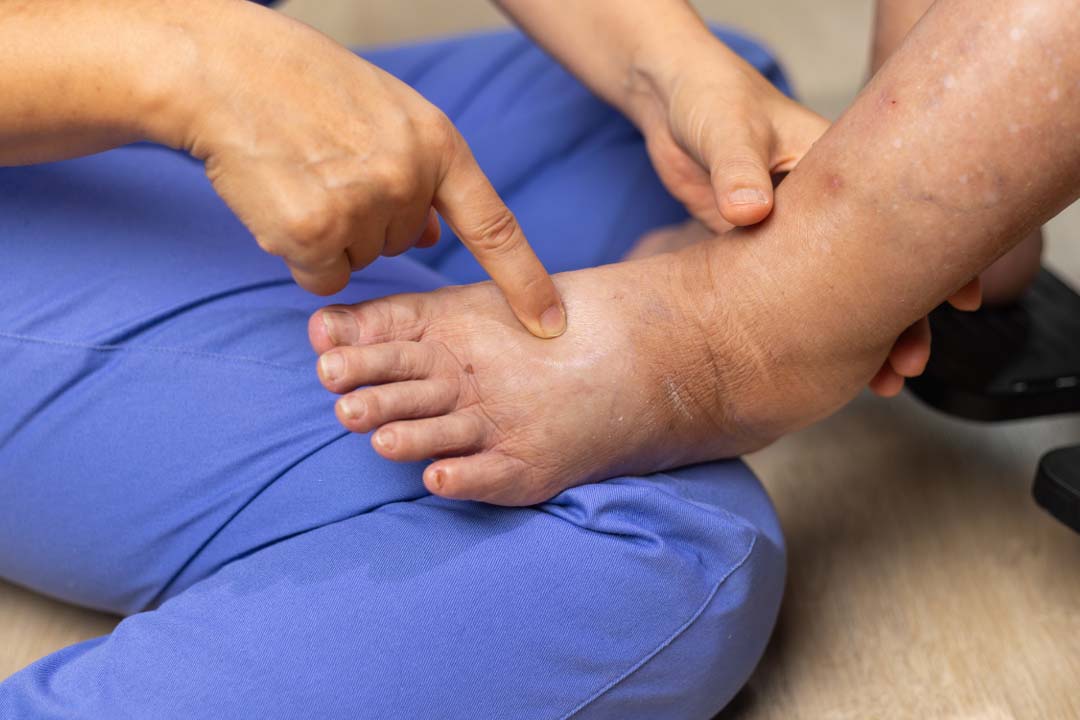
The body undergoes several noticeable and unseen changes throughout pregnancy. While some changes can be thrilling, others can be uncomfortable and troubling. Ankle and foot swelling is a typical worry for pregnant women.
This swelling may begin slowly and frequently gets more noticeable as the pregnancy goes on. Swollen feet can be uncomfortable and occasionally even painful, but they are often harmless. Knowing why this occurs can improve everyday living and reduce worry.
Natural changes in blood circulation, fluid balance and hormone levels frequently cause swelling during pregnancy. The body retains more fluids as it works harder to care for the developing child. Occasionally, this excess fluid accumulates in the lower body, particularly the ankles and feet.
Swelling usually goes down after birth and is a natural feature of pregnancy. However, pregnant women can feel more in control and at ease during their pregnancy if they are aware of the causes, symptoms and treatments for swollen feet.
What Causes Swollen Feet During Pregnancy?
Swollen feet during pregnancy usually occur because the body retains more fluid and experiences changes in blood flow. Pregnancy increases blood volume to support the baby, which leads to extra fluid in the tissues. Hormonal changes also relax blood vessels, making it easier for fluid to leak into surrounding areas.
As pregnancy advances, the growing uterus puts pressure on the veins in the pelvis. This pressure slows the return of blood from the legs back to the heart. When circulation slows, fluid collects in the feet and ankles, causing swelling. Warm weather, standing for long hours, and low physical activity can worsen the condition.
When Do Swollen Feet Start in Pregnancy?
Swollen feet can begin at different times for different women. For many, mild swelling starts in the second trimester. However, swelling becomes more common and noticeable during the third trimester as the baby grows larger and fluid retention increases.
Some women may notice swollen feet early in pregnancy. Early swelling often relates to hormonal changes and increased blood volume rather than pressure from the uterus. While early swelling is usually not a concern, sudden or severe swelling should always be discussed with a healthcare provider.
Swollen Feet During Pregnancy in the Third Trimester
The third trimester is when swelling tends to peak. At this stage, the body carries the highest amount of fluid. The uterus also reaches its largest size, which puts significant pressure on blood vessels that carry blood from the legs.
Swollen feet during the third trimester often worsen by the end of the day. Prolonged standing, sitting without movement, or exposure to heat can make swelling more uncomfortable. Elevating the feet and resting can help reduce the swelling temporarily.
Is Swollen Feet an Early Sign of Pregnancy?
Swollen feet are not usually one of the earliest signs of pregnancy. Common early signs include missed periods, nausea, fatigue, and breast tenderness. However, some women experience mild swelling early due to hormonal shifts and increased blood flow.
If swelling appears very early and is sudden or severe, it may not be related to pregnancy alone. In such cases, it is important to seek medical advice to rule out other conditions.
Are Swollen Feet Painful?
Swollen feet during pregnancy are not always painful. However, when swelling becomes excessive, it can cause discomfort, pressure, and aching. Tight skin, reduced flexibility, and irritation around joints can contribute to pain.
Painful swelling may also result from standing too long, poor footwear, or dehydration. Gentle movement, supportive shoes, and regular rest breaks can help reduce pain. Severe pain should never be ignored and should be evaluated by a healthcare professional.
Why Do Some Women Have More Swelling than Others?
Not all pregnant women experience swelling in the same way. Several factors influence how much swelling occurs. These include body weight, activity level, weather conditions, and genetic tendencies.
Women carrying twins or multiple babies often experience more swelling due to increased pressure and fluid retention. Long work hours that involve standing or sitting can also increase the risk. Proper hydration and balanced nutrition play an important role in managing swelling.
Is Walking Good for Swollen Feet During Pregnancy?
Walking is generally good for swollen feet during pregnancy when done in moderation. Gentle walking improves blood circulation and helps move fluid back toward the heart. It also prevents stiffness and supports overall health.
However, walking for long periods without rest can worsen swelling. Short walks combined with frequent breaks work best. Wearing comfortable shoes and avoiding uneven surfaces can make walking safer and more effective.
Treatment Options for Swollen Feet During Pregnancy
Most cases of swollen feet during pregnancy do not require medical treatment. Home care and lifestyle adjustments are usually enough.
Support stockings can improve circulation and prevent fluid buildup. Cold water foot soaks may offer temporary relief. Gentle foot massages can also help move fluid upward.
Medical treatment becomes necessary if swelling is sudden, severe, or accompanied by symptoms such as headache, vision changes or high blood pressure. These symptoms could indicate a more serious condition and require immediate attention.
How to Cure Swollen Feet During Pregnancy Naturally?
There is no instant cure for swollen feet during pregnancy, but natural methods can significantly reduce discomfort. Regular movement, proper rest, and mindful nutrition are key.
Foot elevation several times a day helps control swelling. Wearing loose clothing improves circulation. Avoiding hot showers and excessive heat exposure prevents further fluid expansion.
Consistency matters. When healthy habits become part of daily routine, swelling often becomes easier to manage.
Can Swollen Feet During Pregnancy be Prevented?
Swelling cannot always be prevented, but it can often be minimized. Maintaining a healthy activity level and avoiding extreme positions help keep circulation active.
Eating balanced meals, staying hydrated, and getting enough rest support the body’s natural ability to manage fluids. Listening to the body and responding early to signs of discomfort helps prevent swelling from becoming severe.
When Should Swollen Feet be a Concern?
Even while swelling is often natural, there are several warning signs that should not be disregarded. A dangerous condition may be indicated by sudden swelling in the hands, feet, or face. A blood clot may be caused by swelling in one leg that is accompanied by excruciating pain, redness, or warmth.
A medical checkup is also necessary for persistent swelling that does not go down with rest. Always follow your gut and get help if anything does not seem right.
Frequently Asked Questions
Most women notice swelling during the second trimester, with symptoms becoming more noticeable in the third trimester.
Swelling is often uncomfortable but not painful. Pain may occur if swelling becomes severe or lasts for long periods.
Swollen feet are not a typical early pregnancy sign but mild swelling can occur due to hormonal changes.
Yes, gentle walking improves circulation and can reduce swelling when done in moderation.
Taking short breaks, elevating the feet when possible, staying hydrated, and wearing supportive footwear can help manage swelling at work.
Swollen feet alone do not harm the baby. However, swelling with other symptoms should be evaluated by a healthcare provider.
Swelling usually resolves after delivery. During pregnancy, consistent self care helps manage symptoms but does not eliminate them entirely.
Conclusion
Pregnancy-related foot swelling is a frequent and often normal occurrence. It might ease discomfort and anxiety to know why swelling occurs and how to treat it. Comfort and mobility can be greatly improved by little everyday routines.
Even though the majority of swelling is harmless, being aware of warning signals guarantees immediate medical care when necessary. Swollen feet can be a manageable aspect of pregnancy rather than a cause of anxiety with the correct strategy.

About Us
AKsigen IVF is a premier center for advanced fertility treatments, with renowned fertility experts on our team. Specializing in IVF, ICSI, egg freezing, and other cutting-edge reproductive technologies, AKsigen IVF is committed to helping couples achieve their dream of parenthood. With personalized care and a patient-first approach, AKsigen IVF provides comprehensive fertility solutions under one roof.



 +91 86556 78747
 info@aksigenivf.com


