

Finishing an embryo transfer often feels like crossing a long finish line. After weeks of injections, scans and lab work finally give way to a ten-minute procedure that places your embryo inside the uterus. The relief is real, yet it quickly gives way to a new doubt: will a bumpy taxi ride, a short flight, or even an hour on the highway spoil our chances?
The good news is that most fertility specialists agree that everyday movement and even moderate travel do not shake an embryo loose. That said, the first two weeks carry a lot of emotion, and a little planning goes a long way toward protecting both your comfort and peace of mind.
This guide walks through the medical facts, the practical travel tips, and the common limits that help many couples balance real life with those crucial first days of potential pregnancy.
What Happens in the Hours After Transfer?
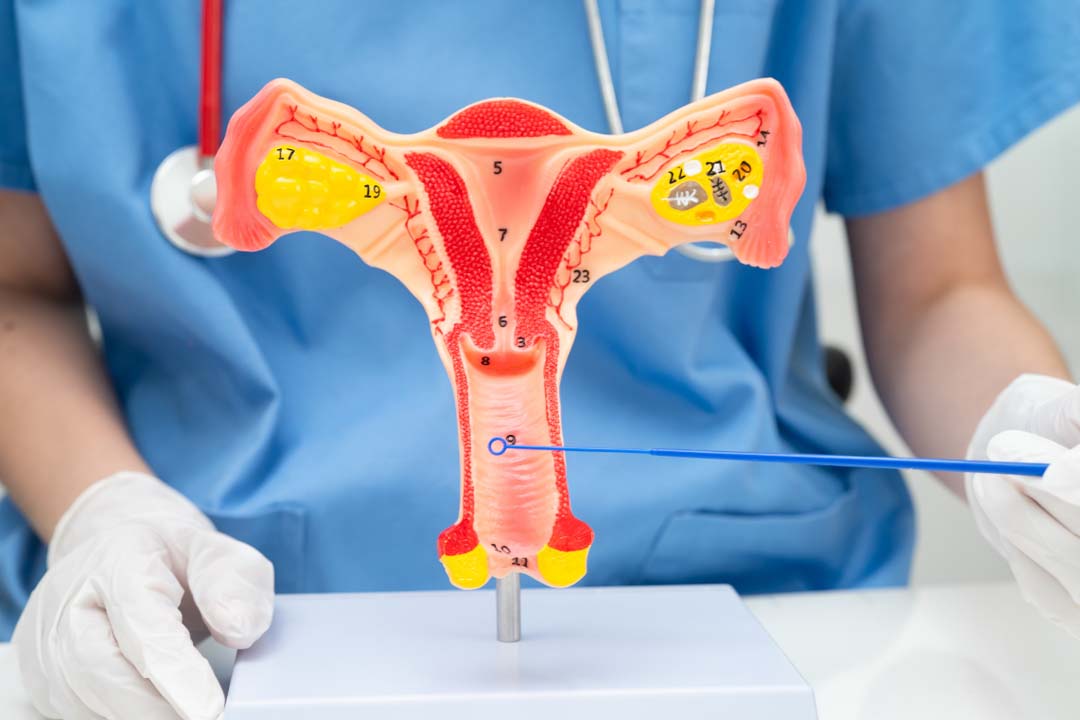
An embryo transfer uses a slim catheter to release the embryo a few millimetres beyond the cervical canal. The uterus is a closed, muscular space; once the embryo is placed, it cannot “fall out.”
Mild cramping, bloating, or a pulling sensation are normal as progesterone relaxes the uterine lining. Doctors typically ask patients to lie down for 20–60 minutes so the cervix settles and to let vital signs be checked. After that, light walking is safe, and you are usually discharged within three hours.
Do I Need Strict Bed Rest After Embryo Transfer?
No, extended bed rest has never shown a clear benefit for implantation and may even lower success by reducing blood flow and increasing stress. Clinical studies now favour gentle activity (walking around the house, standing to make a snack) over staying flat on your back all day. Strenuous workouts and heavy lifting remain off-limits, but regular movement helps circulation and mood.
How Soon Can I Resume Normal Movement?
Most clinics allow routine errands the next day as long as you avoid jarring motions. Short trips to work, the grocery store or a friend’s house are fine but marathon shopping, hot-yoga classes and moving furniture are not. The key is to keep your heart rate modest and avoid sharp pelvic pressure for about a week.
Is Travelling by Car Okay After Embryo Distance?
Even though a car ride lets you control stops and temperature, aim to keep the first post-transfer journey under three hours. For longer drives:
- Break every 90 minutes to stretch, walk and use the restroom.
- Seat-belt placement matters, lap belt under the abdomen, shoulder belt between the breasts.
- Pack water and protein snacks to stabilise blood sugar and decrease nausea.
- Bring a small pillow for lower-back support; progesterone can loosen ligaments and make seats feel harder than usual.
These steps also cut the minor risk of deep-vein thrombosis (DVT), which rises with prolonged sitting.
Is Flying After Embryo Transfer Safe?
Current evidence shows that short- or medium-haul flights do not reduce IVF success rates. Pressurised cabins maintain oxygen levels well within the range the embryo already experiences. What matters more is your own circulation and stress level.
Smart flying tips:
- Choose direct routes when possible to shorten total seat time.
- Stretch calves and flex ankles every 30 minutes; aisle seats make this easier.
- Stay hydrated, aim for 250 ml of water each hour in the air.
- Wear loose clothing and compression socks if advised by your doctor.
- Carry medications in hand luggage along with a brief letter stating you have undergone a medical procedure (helpful at security).
Deep-Vein Thrombosis DVT on long flights
Long immobility can thicken blood and form clots, especially when estrogen levels are still high from ovarian stimulation. While the absolute risk is low, prevention is simple: move, hydrate, and, in higher-risk cases, ask about a prophylactic dose of low-dose aspirin or heparin.
Activities to Avoid For two weeks
Even though movement is allowed and often recommended, it is better to be careful, for instance:
- High-impact cardio
- Heavy weights
- Contact sports
- Saunas
- Hot Tubs
- Very Hot Baths
- Heavy household chores like vacuuming, mopping, lifting buckets
Sexual intercourse may trigger uterine contractions; most clinics advise waiting until after the pregnancy test. Gentle yoga (no inversions), slow walks and breathing exercises are encouraged to keep stress hormones balanced.
What Foods Should be Avoided?
Apart from the physical aspects, it is also important to focus on nutrition. Some tips include:
- Prioritise protein and fibre like boiled eggs, hummus wraps, nuts and fresh fruit travel well.
- Limit caffeine to 200 mg a day (about one normal coffee).
- Avoid alcohol entirely as there is no safe amount at this stage.
- Skip raw fish and unpasteurised dairy to lower food-borne infection risk.
- Carry a refillable water bottle; dehydration can cause cramps or dizziness.
Managing stress and fatigue
Travel logistics can spike cortisol, which indirectly influences reproductive hormones. Techniques that help:
- Plan extra time for check-in and security so you are not rushing.
- Use guided meditation apps during waits or flights.
- Share the load, let your partner handle luggage and bookings.
- Have a back-up plan (nearby clinic contacts, travel insurance) to ease “what-if” worries.
When a Pregnancy Test Turns Positive: Travel by Trimester
Weeks 4–12: the cautious phase
Morning sickness, bloating and fatigue peak here. Short trips are workable; long vacations can wait. Keep copies of early scan results and your doctor’s emergency number.
Weeks 13–28
Energy returns and miscarriage risk falls. Most airlines clear healthy passengers to fly until week 28 without paperwork. Continue the hydration-movement routine on flights and keep prenatal vitamins packed in carry-on luggage.
Weeks 29–36
Cabin pressure is still safe, but comfort dwindles. Airlines often need a fit-to-fly letter after week 28 and refuse boarding after week 36. Road trips should include hourly pit stops, and seat-belt placement becomes even more important.
Beyond week 36
Stay close to home if possible; spontaneous labour or blood-pressure spikes are harder to manage on the road.
When Should You Delay a Trip After Embryo Transfer?
Postpone travel if you experience heavy bleeding, severe cramps, fainting, or rapid ovarian enlargement. These signs may indicate ovarian hyper-stimulation syndrome (OHSS) or early pregnancy complications. Always clear new plans with your care team first.
Frequently Asked Questions
You can, but having someone else behind the wheel lets you relax and keeps post-procedure cramping from distracting you on the road.
Safety levels are similar; the crucial factor is total sitting time. Stretch and hydrate either way.
If your doctor labels you low-risk and the flight is under five hours, many patients keep their plans. Make sure you can access medical care at your destination and buy travel insurance that covers pregnancy-related issues.
No. Airplanes are pressurised to replicate 1800–2400 m altitude, a range well tolerated by both mother and early embryo.
Mild cramps or light spotting can happen and usually settle with rest. Heavy bleeding or severe pain warrants immediate medical attention.
Conclusion
Travel after embryo transfer is less about the mode of transport and more about how you travel: stay hydrated, move gently, and keep stress low. Cars, trains and planes themselves do not disrupt implantation; the uterus is built to hold an embryo firmly in place.
Clear every itinerary with your clinician, listen to your body, and remember that a calm mind and steady routine do more for early pregnancy than perfect stillness ever will. Safe travels and may the two-week wait pass swiftly and smoothly.

About Us
AKsigen IVF is a premier center for advanced fertility treatments, with renowned fertility experts on our team. Specializing in IVF, ICSI, egg freezing, and other cutting-edge reproductive technologies, AKsigen IVF is committed to helping couples achieve their dream of parenthood. With personalized care and a patient-first approach, AKsigen IVF provides comprehensive fertility solutions under one roof.

 +91 86556 78747
 info@aksigenivf.com


