

Fertility depends on a delicate balance of hormones that tell the ovaries or testes when to get ready for conception. Among these messengers is prolactin, a hormone best known for prompting milk production after childbirth.
In people who aren’t pregnant or nursing, prolactin should stay low. When it rises without a normal reason, the state is called hyperprolactinemia. It can quietly affect other reproductive hormones and make pregnancy harder to achieve.
The tricky part is that high prolactin doesn’t always announce itself; cycles may change only slightly or libido may dip without obvious warning. Understanding why the hormone climbs, how it blocks the usual rhythm of ovulation or sperm production, and what can be done to bring it down can save months or even years of frustration for couples hoping to build a family.
What is Prolactin?
Prolactin is made in the pituitary gland, a tiny structure at the base of the brain that serves as the body’s master hormone switchboard. Its day-to-day job in nonpregnant adults is minimal, but it rises in short bursts during sleep, stress, or vigorous exercise.
Normally, the brain chemical dopamine keeps the hormone in check. Problems arise when that brake fails, either because the gland makes too much prolactin on its own or because dopamine can’t reach it effectively.
How High Prolactin Disrupts the Hormone Balance?
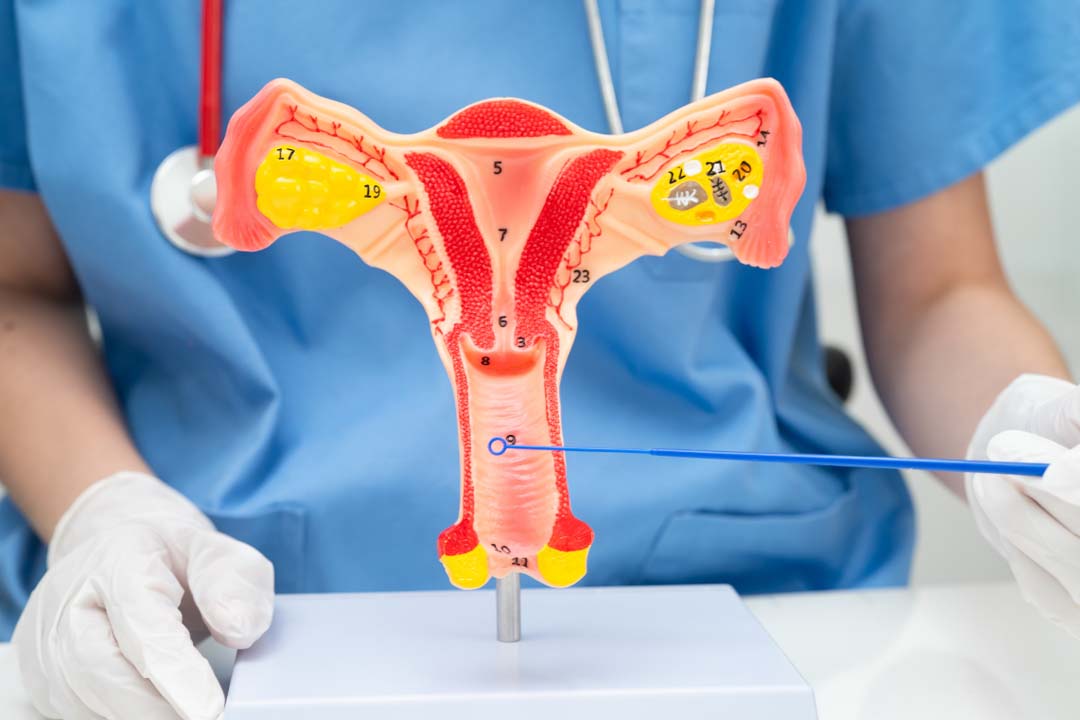
Even a moderate spike in prolactin can set off a chain reaction. In women, it lowers the release of gonadotropin-releasing hormone (GnRH) from the brain, which in turn reduces luteinising hormone (LH) and follicle-stimulating hormone (FSH).
With less LH and FSH, the ovaries struggle to mature an egg, estrogen falls, and ovulation may never occur that month. In men, the same cascade cuts testosterone production and slows or halts sperm formation. Because every link is connected, fertility declines on several fronts at once.
Ovulation and Menstrual Changes – What’s the Link?
High prolactin disturbs the signals that tell an egg to ripen and release, so periods become irregular or disappear.
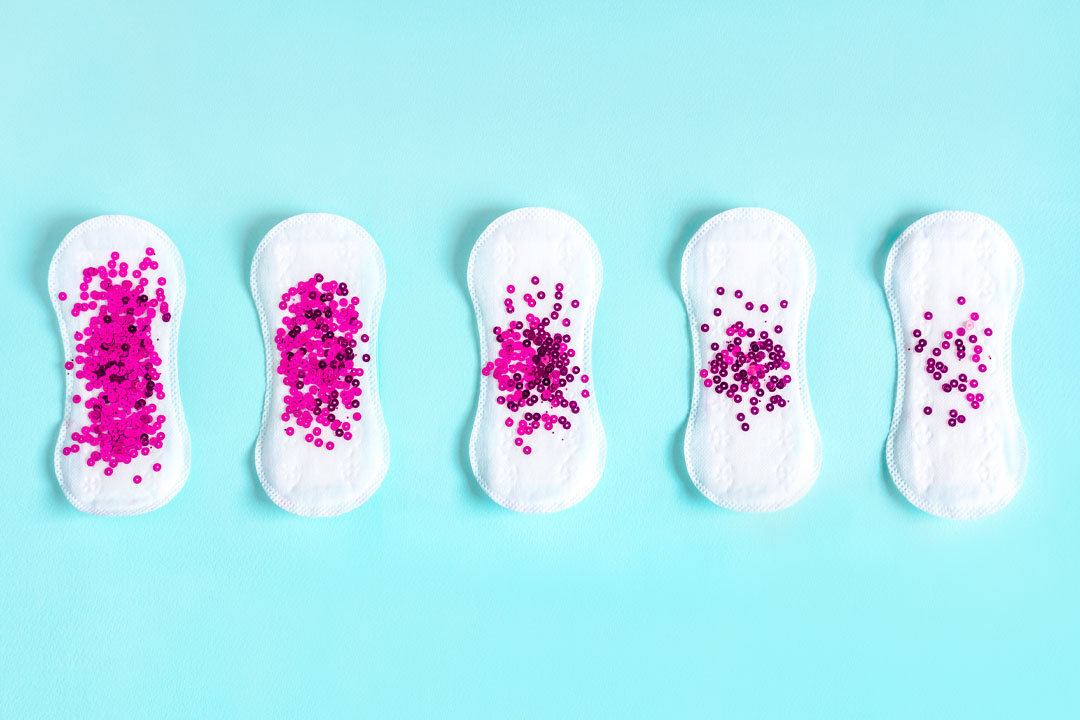
When prolactin blocks GnRH, follicle growth in the ovaries stalls. Some cycles lengthen to 40 or 50 days; others skip entirely, causing missed periods. Lower estrogen also thins the uterine lining, reducing the chance that an embryo can implant even if an egg sneaks through. Spotting, premenstrual breast tenderness, and mood swings often change too, making the pattern hard to predict.
What is the Impact of Prolactin on Male Reproductive Health?
Elevated prolactin doesn’t spare men. Reduced testosterone leads to low libido and weaker erections, while the testes may produce fewer and sometimes no sperm cells. Some men notice milky nipple discharge or swelling in breast tissue, but many have no outward symptoms and discover the problem only after a semen analysis shows a steep drop in sperm count.
Why Do Prolactin Levels Rise?
Small benign tumors, medications, thyroid issues, and even everyday habits can push prolactin above normal. Common reasons include:
- Pituitary adenomas (prolactinomas): These non-cancerous growths make excess hormones around the clock.
- Thyroid underactivity: Low thyroid hormone prompts the brain to ramp up prolactin production.
- Drugs that interfere with dopamine: Certain antidepressants, antipsychotics, blood-pressure tablets, and anti-nausea medicines can lift levels within days.
- Stress and intense exercise: Heavy workouts or chronic stress may cause brief spikes that compound over time.
- Herbal products: Fenugreek, fennel seed, and red clover contain plant estrogens that nudge prolactin higher.
- Chest wall irritation: Tight sports bras, surgical scars, or shingles can trick the body into thinking lactation is needed.
Often, no single culprit is found, a scenario doctors call idiopathic hyperprolactinemia. In many of these cases, levels eventually settle on their own, though monitoring remains important.
Spotting the Signs Early
Because the symptoms can be subtle, couples trying to conceive should watch for:
- Menstrual cycles that jump from regular to erratic.
- Breast milk leakage when not pregnant or nursing.
- Unexplained headaches or vision changes (possible sign of a large pituitary growth).
- Loss of sexual desire in either partner.
- Erectile issues or reduced morning erections in men.
These hints don’t confirm high prolactin, but they warrant a chat with a healthcare provider who can order a simple blood test.
Testing and Diagnosis
Single fasting prolactin test. Blood is drawn after an overnight fast and at least 30 minutes of rest to avoid stress-induced spikes.
- Repeat testing if borderline: Levels between normal and very high may need confirmation on a different day.
- Thyroid panel: An underactive thyroid is ruled out because treating it often solves the problem.
- Medication review: Any prescription or supplement is checked for prolactin-raising effects.
- Pituitary MRI: If prolactin remains high without another reason or if levels exceed the lab’s upper threshold, imaging looks for small adenomas.
Treatment Paths for Prolactin Imbalance
Treatment options for prolactin imbalance include changes in lifestyle along with medications, for instance:
- Address the trigger: Switching a medication, easing training intensity, or loosening restrictive clothing can lower prolactin within weeks.
- Correct thyroid function: Thyroid hormone replacement restores balance, often bringing prolactin down in tandem.
- Dopamine agonists: These pills mimic dopamine, suppressing prolactin production and shrinking most prolactinomas. Treatment starts with a tiny dose to reduce side effects like nausea or lightheadedness.
- Surgery: Rarely, a large adenoma that fails to respond to tablets or causes vision problems is removed through minimally invasive pituitary surgery.
- Ongoing monitoring: Once levels normalise, repeat blood tests every few months ensure stability, especially before and during pregnancy.
Fertility Planning After Prolactin Normalisation
When prolactin is back in range, ovulation often resumes within a couple of months, and sperm counts climb gradually over three to six months. Couples may try naturally first, although age, overall reproductive health, and how long prolactin was high all influence success. If conception doesn’t occur after six to twelve well-timed cycles, assisted options such as ovulation-inducing tablets, intrauterine insemination (IUI), or in-vitro fertilisation (IVF) can be added to the plan. Importantly, many people with previous hyperprolactinemia go on to have healthy pregnancies without extra interventions once hormone balance is restored.
Long-Term Outlook and Emotional Well-Being
Living with hormonal swings can be emotionally draining. Anxiety about delayed parenthood, body changes, or sexual difficulties often partners the physical symptoms. Support groups, counselling, or simply sharing concerns with friends and family can lighten that burden and keep motivation high during treatment. Most individuals see prolactin levels fall and stay low with consistent care, and their mood usually lifts as cycles stabilize and fertility returns.
Frequently Asked Questions
Not necessarily. For many women under 35, prolactin-lowering medicine alone restores natural ovulation. IVF is considered only if regular cycles don’t return or other fertility factors are present.
Doctors often suggest waiting until prolactin is in the normal range on two checks, typically eight to twelve weeks apart.
Levels rise normally during pregnancy and breastfeeding, then drop. If an underlying adenoma exists, your doctor will re-test a few months after weaning to confirm stability.
Yes. The dosage may differ, but works for both sexes to reduce prolactin and improve sperm production. Consult your doctor.
No single food fixes the issue, but balanced meals, moderate caffeine, and managing stress can support overall hormone health.
Conclusion
High prolactin sneaks into the reproductive system, silencing the hormones that drive ovulation and sperm growth. Though the effects on fertility can be significant, they are also reversible for most people once the cause is found and corrected.
Regular check-ups, targeted medication, and attention to overall hormonal health give couples a strong chance to move from waiting to welcoming a child. With early testing and the right support, hyperprolactinemia is an obstacle but rarely a roadblock on the journey to parenthood.

About Us
AKsigen IVF is a premier center for advanced fertility treatments, with renowned fertility experts on our team. Specializing in IVF, ICSI, egg freezing, and other cutting-edge reproductive technologies, AKsigen IVF is committed to helping couples achieve their dream of parenthood. With personalized care and a patient-first approach, AKsigen IVF provides comprehensive fertility solutions under one roof.




 +91 86556 78747
 info@aksigenivf.com


