

Few fertility tests spark as much worry as the hysterosalpingogram (HSG). If you visit any online forum, you will find questions like “Is the HSG test painful?” or “How bad are the cramps afterward?” Those concerns are valid.
An HSG does involve placing contrast dye inside the uterus and fallopian tubes, so some degree of discomfort is expected.
Yet the procedure is also a powerful tool as it helps your care team see whether your tubes are open, whether the uterine cavity is normal, and whether a little “flush” could even boost your chances of conceiving naturally.
This article breaks down everything you need to know like how the test works, what the pain really feels like, how long it lasts, the possible side effects, and practical ways to stay comfortable before, during, and after the appointment.
What Is an HSG Test?
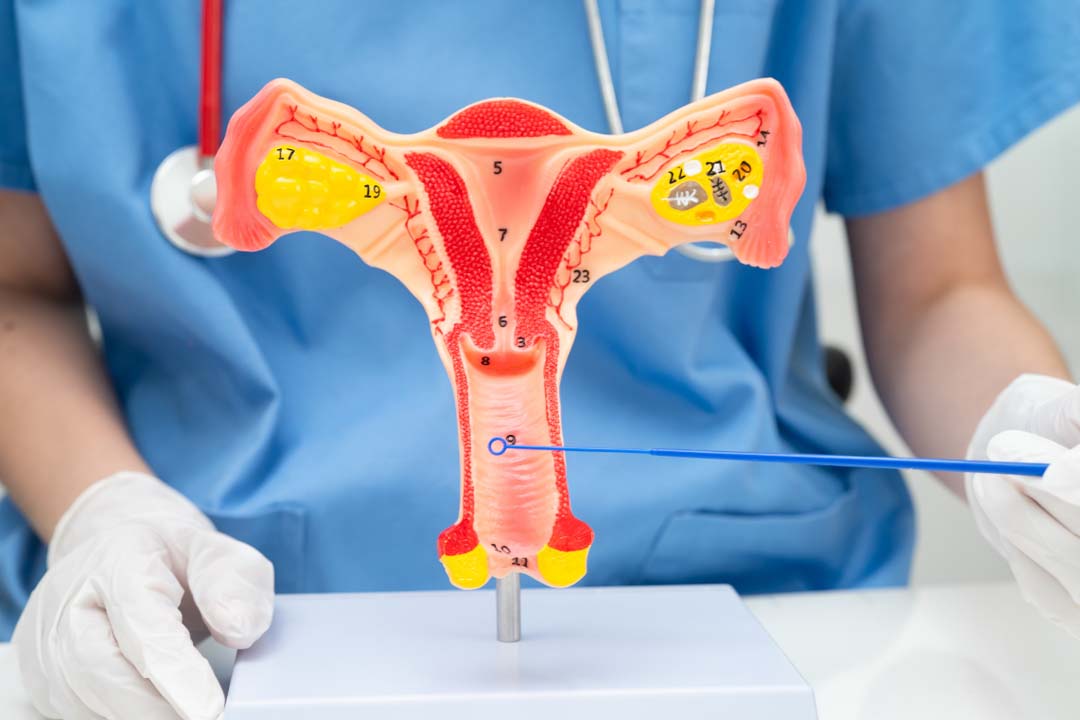
An HSG, or hysterosalpingogram, is a special X‑ray that shows the inside of your uterus and fallopian tubes.
A thin catheter passes through the cervix, a small amount of contrast dye flows in, and live X‑ray images track the dye’s path.
If the dye spills freely through the tubes, they are likely open but if it stops abruptly, a blockage may be present.
The test usually takes ten to fifteen minutes from start to finish and is done in an outpatient radiology suite.
Is an HSG Painful?
Short answer: most people feel cramping similar to period pain; a smaller group experience sharper, but brief, discomfort.
Why Is There Some Discomfort?
The uterus is a muscular organ that reacts to being touched or stretched. As the dye enters and slightly distends the cavity, uterine muscles contract, resulting in cramps.
Pain intensity depends on individual pain threshold, the skill of the person performing the test, the amount of dye required, and whether the tubes are open (blocked tubes often mean higher pressure and stronger cramps).
HSG Pain vs. Labor Pain: How Do They Compare?
If you have never given birth, it is natural to wonder whether the cramping resembles labor contractions. Labor pain is typically far stronger, lasts much longer, and builds in waves over many hours.
HSG cramps, in contrast, peak quickly, stay at their worst for under a minute, then fade as soon as the dye stops flowing. Think of it as one or two intense periods‑like cramps rather than the drawn‑out surges of childbirth.
Is the HSG Test More Painful Than IVF Procedures?
Many people considering in‑vitro fertilisation (IVF) want to know which step hurts more. Egg retrieval under sedation is usually painless during the procedure itself; mild soreness appears later. Embryo transfer feels similar to a Pap smear.
In most cases, the brief cramp of an HSG is more noticeable than either IVF step, but it lasts a much shorter time than the aches some feel after egg retrieval.
Why Might You Feel Pain a Week After HSG?
Ideally, discomfort fades within a few hours. Lingering cramps or pelvic heaviness a week later may point to:
- Residual uterine sensitivity: some people simply take longer to settle.
- Low‑grade infection: uncommon but possible; watch for fever or foul discharge.
- New pregnancy: occasionally, the test helps clear minor blockages, and ovulation plus conception follow soon after. Early pregnancy cramps can mimic post‑HSG twinges.
If cramps persist past 48 hours or worsen, call your healthcare provider.
Common Side Effects of an HSG Test
Location, lab time, cost, and control differ the most.
| Side Effect | What It Feels Like | How Long It Lasts | What Helps |
|---|---|---|---|
| Spotting or light bleeding | Pink or brown discharge | 1–2 days | Use a liner; avoid tampons for 24 h |
| Cramping | Mild to moderate period‑like | Minutes to a few hours | OTC pain relief, heat pad |
| Lower‑back ache | Dull throbbing across sacrum | Same day | Gentle stretching, warm shower |
| Nausea or dizziness | Wooziness right after dye | Minutes | Deep breathing, sipping water |
| Allergic reaction (rare) | Rash, itching, swelling | Immediate | Inform staff for counter measures |
| Infection (rare) | Fever, heavy bleeding, foul discharge | Days later | Prompt antibiotics |
Practical Tips to Reduce HSG Pain
Some tips which can be followed to help with the pain can be as follows:
Pre‑medicate smartly
Take an NSAID such as ibuprofen (400–600 mg) about 45 minutes before the test, unless advised otherwise. This blunts prostaglandin‑driven cramps.
Schedule during the follicular phase
Having the test between day 6 and day 11 of your cycle means the cervix is naturally softer, making catheter insertion easier and lowering cramp intensity.
Practice slow breathing
Deep, slow inhalations through the nose and longer exhalations through the mouth activate the vagus nerve and loosen pelvic floor muscles, reducing perceived pain.
Ask for a gentle technique
A smaller catheter or water‑soluble contrast can be less irritating. Don’t hesitate to request these if you are anxious.
Use heat afterwards
A warm water bottle or microwavable heat pack across the lower abdomen relaxes uterine muscles and eases residual cramps.
Stay hydrated
Drink plenty of water to flush the dye from your system and reduce bloating sensations.
Plan downtime
Give yourself permission to rest for the remainder of the day; avoid strenuous workouts for 24 hours.
When Should You Call the Doctor?
It is important to look-out for signs and symptoms which might be abnormal, for example:
- Fever over 100.4 °F (38 °C)
- Heavy bleeding soaking more than one pad per hour
- Severe, escalating pelvic pain unrelieved by medication
- Foul‑smelling vaginal discharge
- Rash or itching that spreads beyond the pelvic area
These could signal infection or allergic reaction and need prompt assessment.
Frequently Asked Questions
Sometimes. The dye can flush minor mucus plugs or debris, increasing the chance of pregnancy in the next three cycles.
No. The cramps are a natural response; once the dye exits, the uterus relaxes and returns to normal.
Yes, if you feel up to it. Many people resume normal tasks within an hour. If you have a physically demanding job, consider taking the rest of the day off.
Labor contractions are longer, stronger, and repetitive. HSG cramps are brief and usually milder.
Skip sexual intercourse, swimming, and tampon use for 24 hours to reduce infection risk.
Everyone’s pain receptors are different. A relaxed cervix, open tubes, and gentle technique can make the test feel like mild pressure rather than pain.
Light sedation is possible but uncommon because the risks and cost outweigh the few seconds of discomfort for most patients.
Tell the radiology team in advance. They can use a non‑iodine contrast agent.
In most cases, yes. Some clinicians even encourage intercourse in the same cycle. Follow your provider’s guidance.
Not necessarily. Depending on blockage location and your overall fertility profile, options such as laparoscopic surgery or tubal cannulation may restore natural fertility. Discuss all pathways with your specialist.
Conclusion
The hysterosalpingogram may not be anyone’s idea of fun, but it doesn’t have to be a scary journey. Most people describe the sensation as a quick, intense cramp and nothing more.
Understanding what causes the pain, preparing with simple strategies like timed medication and deep breathing, and knowing which red flags to watch for can transform the experience from frightening to manageable.
Remember, this brief test can deliver crucial answers about your reproductive health and even boost your odds of conceiving.
Equip yourself with knowledge, communicate openly with your care team, and you’ll move through the HSG with confidence and perhaps a step closer to your family‑building goals.

About Us
AKsigen IVF is a premier center for advanced fertility treatments, with renowned fertility experts on our team. Specializing in IVF, ICSI, egg freezing, and other cutting-edge reproductive technologies, AKsigen IVF is committed to helping couples achieve their dream of parenthood. With personalized care and a patient-first approach, AKsigen IVF provides comprehensive fertility solutions under one roof.


 +91 86556 78747
 info@aksigenivf.com


