
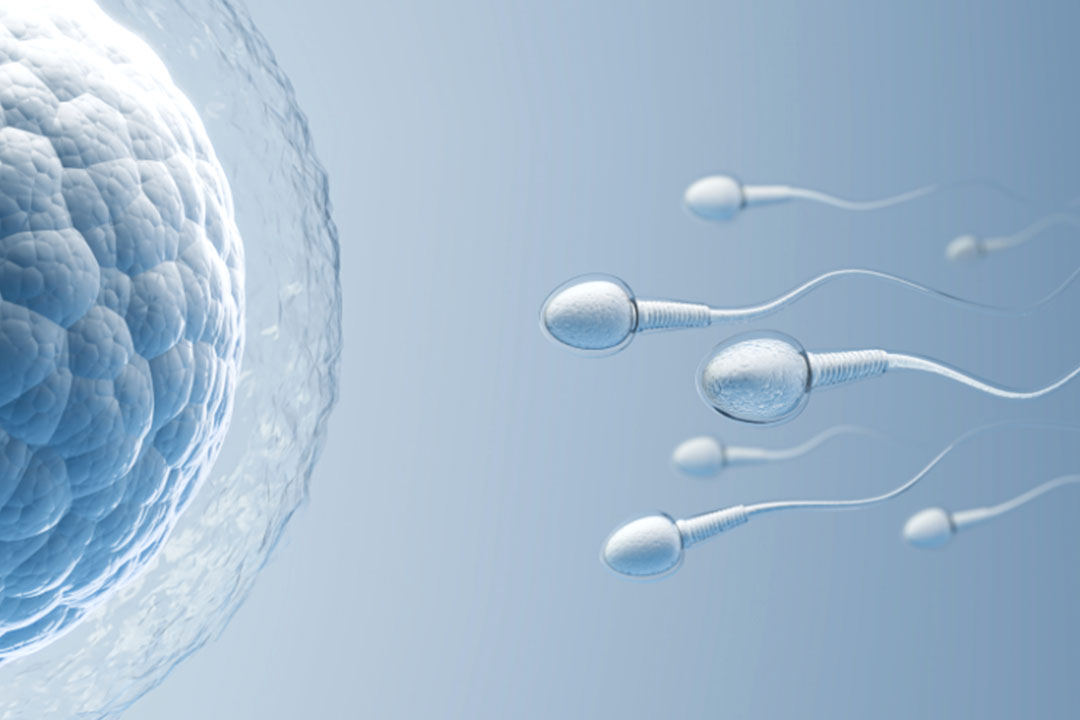
What Is the IUI Success Rate?
Per-cycle success rate: Most studies report that each IUI cycle carries a roughly 10–20% chance of resulting in pregnancy for women under 35 years old As a rule of thumb:
- Under 35: ~13–20% per cycle
- 35–40: ~8–12% per cycle
- Over 40: ~3–9% per cycle
Performing multiple cycles raises overall chances. For women under 40, more than half will conceive within six IUI cycles. Even if conception does not occur in the first six attempts, about half of those women will conceive in the next six cycles.
Day-by-Day IUI Success Symptoms
After an IUI procedure, you may look for early signs of implantation and pregnancy. Many women track their symptoms day by day:
- Days 1–2: Mild cramping or twinges as the uterus responds to the procedure.
- Days 3–5: Spotting or light pink discharge can signal implantation.
- Days 6–9: Breast tenderness, increased fatigue, and mood swings may appear.
- Days 10–14: Nausea, bloating, and frequent urination become more noticeable.
- Day 14+: A home pregnancy test may show a positive result if implantation has succeeded.
Keep in mind that these symptoms overlap with menstrual cycle changes and medication side effects. Only a blood test can confirm pregnancy.
IUI Procedure Success Rate vs. Cumulative Rate
When talking about “procedure success rate,” we usually mean the likelihood of pregnancy from a single IUI cycle is about 10–20% for younger women. But the cumulative success rate over multiple cycles often matters more to patients:
- 1 cycle: ~10–20% success
- 2 cycles: ~18–34% cumulative
- 3 cycles: ~25–45% cumulative
- 6 cycles: ~50–60% cumulative
Most clinics recommend trying three to six cycles before considering more invasive treatments like IVF.
IUI Success Rates by Age
Age remains one of the strongest predictors of IUI outcomes:
| Age Group | Per-Cycle Success | 6-Cycle Cumulative |
| Under 35 | 13–20% | ~60% |
| 35-37 | 10–15% | ~45% |
| 38-40 | 8–12% | ~35% |
| Above 40 | 3–9% | ~20% |
Keys to a Successful IUI
While some factors like age are beyond control, you can influence several aspects of an IUI cycle:
- Coordinating insemination 12–24 hours before ovulation optimizes sperm-egg interaction.
- Using ovulation-inducing agents (clomiphene citrate, letrozole, or low-dose gonadotropins) can boost follicle development in anovulatory patients.
- Choosing a cycle with high-motility, well-morphology sperm increases success.
- Clinics often aim for one to three mature follicles to reduce multiple-pregnancy risk while improving odds.
- Ruptures, polyps, or fibroids can impair implantation. Evaluating and treating uterine issues beforehand helps.
- Maintaining a healthy BMI, avoiding smoking and excessive caffeine, and reducing stress all support fertility.
Lifestyle and Diet: What to Eat After IUI for Success
Nutrition can support implantation and early pregnancy:
- Folate-rich foods: Leafy greens, legumes, and fortified grains help DNA synthesis.
- Lean proteins: Fish, poultry, beans, and tofu provide amino acids for cell repair.
- Healthy fats: Omega-3s from walnuts, chia seeds, and fatty fish reduce inflammation.
- Antioxidant fruits: Berries, citrus fruits, and pomegranates fight oxidative stress.
- Hydration: Drinking at least 8–10 cups of water daily supports blood flow to the uterus.
Avoid high-mercury fish, unpasteurized cheeses, and excessive caffeine or alcohol during the two-week wait.
Second and Third IUI Success Rates
If the first cycle does not result in pregnancy, many couples proceed with a second or third IUI:
- Second IUI: Per-cycle success remains around 10–20%. Some studies find a slight drop to ~15% if no adjustment in protocol is made.
- Third IUI: Success per cycle may decrease again to ~10–15%, but cumulative chances continue to rise.
- Cumulative (3 cycles): ~25–45% total chance of pregnancy.
Clinics often adjust medication doses or switch from clomiphene to letrozole or gonadotropins to improve outcomes.
Double IUI (Double Insemination) Success Rates
Double IUI involves performing two inseminations in one cycle, typically 12 and 36 hours after an hCG trigger. Evidence is mixed:
- A meta-analysis of nine trials found a 1.5-fold increase in clinical pregnancy rates with double IUI (OR 1.51, 95% CI 1.23–1.86) compared to single IUI
- Multiple pregnancy risk rose slightly (from 0.7% to up to 3.7%)
- Overall, double IUI may benefit certain patients but offers no guarantee and should be weighed against cost and multiple-pregnancy odds.
IUI on the First Try
Conceiving on the first IUI cycle is possible but not common. Success on the first try ranges between 10-20%. Letrozole may improve ovulation quality compared to clomiphene. Studies report first-cycle pregnancy rates of 15–25% when combining letrozole with IUI Patients with unexplained infertility and good ovarian reserve have the highest chance of first-cycle success.
IUI Success Rate in PCOS
Women with polycystic ovary syndrome (PCOS) often respond well to IUI once ovulation is induced:
- Per-cycle live birth rate: ~17.8% per cycle
- Cumulative (3 cycles): ~30–40%
Note: PCOS patients may require careful monitoring to avoid ovarian hyperstimulation. Many conceive within the first three IUI cycles.
IUI Success Rates in India
In India, reported IUI success rates per cycle generally fall into the 10–20% range, influenced by age, underlying causes, and the number of cycles. A few key points:
- Under 35: ~15–20% per cycle
- 35–40: ~10–15% per cycle
- Over 40: ~5–10% per cycle
- Cumulative (6 cycles): 50–60%
Treatment protocols in India follow global guidelines, and success improves with clinic expertise and patient optimization.
Strategies and Tips for Maximizing IUI Success
- Screen for uterine, ovarian, and sperm issues beforehand.
- Use the lowest effective dose of ovulation drugs to produce 1–3 mature follicles.
- Wash and concentrate sperm carefully to remove debris and ROS (reactive oxygen species).
- Coordinate insemination with the hCG trigger or LH surge.
- Achieve a healthy weight, eat a balanced diet, manage stress, and avoid toxins.
- Consider prenatal vitamins with folic acid, vitamin D, CoQ10, and antioxidants.
- Check progesterone levels after IUI and support luteal phase with progesterone if needed.
Frequently Asked Questions
About 10–20% per cycle for women under 35, decreasing with age.
Conclusion
IUI remains a valuable first-line fertility treatment for many couples. Its success depends on age, sperm quality, ovarian response, and precise timing. While a single cycle offers a 10–20% chance of pregnancy for younger women, cumulative success over multiple cycles often reaches 50–60%. Strategies such as lifestyle optimization, careful medication protocols, and advanced techniques like double IUI or letrozole co-treatment can further improve outcomes.
Couples should work closely with their fertility specialists to tailor an IUI protocol that addresses their unique needs. With realistic expectations, diligent preparation, and supportive care, many achieve successful pregnancies through IUI, restoring hope and building families.

About Us
AKsigen IVF is a premier center for advanced fertility treatments, with renowned fertility experts on our team. Specializing in IVF, ICSI, egg freezing, and other cutting-edge reproductive technologies, AKsigen IVF is committed to helping couples achieve their dream of parenthood. With personalized care and a patient-first approach, AKsigen IVF provides comprehensive fertility solutions under one roof.


 +91 86556 78747
 info@aksigenivf.com


