

Starting IVF can feel equal parts hopeful and overwhelming. We’ll explain what “first attempt” usually means, how age and embryo strategy influence outcomes, and practical steps that can push the odds in your favor.
When people ask about “first-try” IVF, they usually mean one egg retrieval followed by transfer(s) of the embryos created in that single retrieval, sometimes a fresh transfer, sometimes one or more frozen-embryo transfers (FETs).
What Counts as a “First Attempt” in IVF?
One egg retrieval and the use of all embryos from that retrieval (fresh and/or frozen) until they’re used or up to a defined follow-up period.
Many clinics and public reports measure success not only at the first transfer, but across all transfers from that single retrieval, because a portion of “first-round” success comes from frozen transfers done weeks or months later.
When patients ask about the first attempt, two measures commonly get mixed up:
Per-transfer or per-cycle success: The chance of a live birth from one embryo transfer or from one initiated treatment cycle. In many age groups this falls in the 20–40% range per attempt, depending on patient factors and clinic practices. This is why people often hear “about a one-in-three shot” for a single try.
Cumulative success from the first egg retrieval: The chance of a live birth after using all embryos made from the first retrieval (fresh and any frozen transfers from that same retrieval). For younger patients, this cumulative chance is typically higher than a single-transfer number because you may have more than one good embryo to transfer from that first retrieval.
Does Age Matter the Most?
Yes, age is the strongest single predictor of first-round success. Egg number and chromosome quality decline with age, reducing the odds that a given embryo is viable. Public summaries and peer-reviewed studies consistently show higher live-birth rates per retrieval for those under 35, a step-down in the late 30s, and further decline after 40.
How IVF Works (and Where Success is Won or Lost)
At a high level, IVF involves:
- Ovarian stimulation to mature multiple eggs.
- Egg retrieval under short anesthesia.
- Fertilization in the lab (standard insemination or ICSI).
- Embryo culture to day 5–6 (blastocyst stage in many clinics).
- Embryo transfer (fresh or frozen) and the two-week wait.
Each step has “quality gates” where your odds can shift: response to stimulation, egg maturity, fertilization rate, embryo growth to blastocyst, and smooth, well-timed transfer into a receptive uterine lining.
Many clinics now plan a frozen embryo transfer (FET), particularly for high responders, so the uterus can be prepared in a calmer hormonal environment. Notably, several analyses associate initial FETs with higher live-birth rates than initial fresh transfers in specific populations.
First Transfer vs. All Transfers From the First Retrieval
Your first embryo transfer may or may not work even in excellent prognostic groups but frozen transfers from the same retrieval meaningfully add to first-round success.
In recent analyses, first frozen transfers often show equal or higher live-birth rates than first fresh transfers (e.g., 48.3% vs. 39.8% in one large dataset), especially in protocols favoring endometrial preparedness. That means a “no” on day one can still become a “yes” on a later frozen transfer without going through stimulation again.
Factors that Affect Success Rates
If you want to achieve positive results in the first try, you should focus especially on the following factors:
- Egg and embryo quality: More mature eggs and higher-quality embryos raise the chance that your first transfer works and that you have backups for FET if it doesn’t.
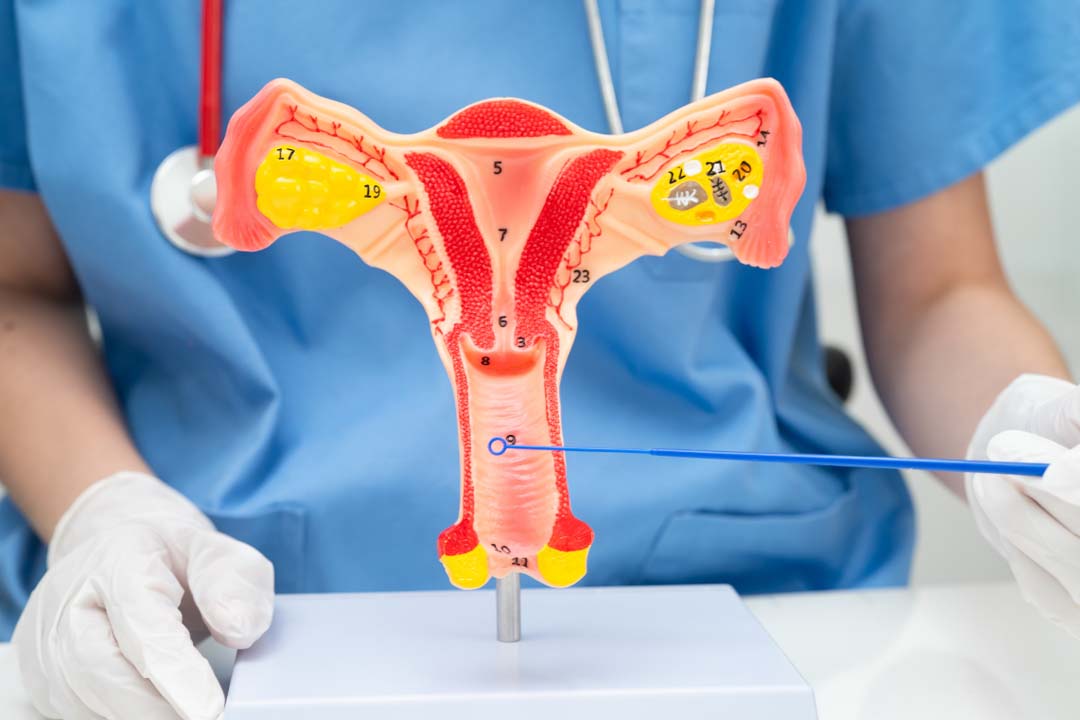
- Endometrium (uterine lining): Receptivity at transfer time is crucial; some clinics favor FET to better sync the lining with the embryo.
- Sperm quality: Impacts fertilization and embryo development; ICSI is used if needed, with overall success driven by gamete health rather than ICSI itself.
- Single vs. multiple embryos: Modern guidance leans toward elective single-embryo transfer (eSET) for good-prognosis patients safer, and cumulative success stays high.
- Clinic/lab proficiency: Protocols, culture systems, and embryology expertise vary; national dashboards let you compare clinics transparently.
Is Stress Management Part of Success?
Emotional support won’t change embryo chromosomes, but it can improve adherence, reduce drop-out, and help you complete the first-round plan.IVF is demanding; patients often describe the waiting as the hardest part. National resources emphasize counseling and support; staying engaged through monitoring and medications is linked to better follow-through are crucial for benefitting from subsequent frozen transfers in the same “first attempt.”
Fresh vs. Frozen Transfer in the First Attempt
Many clinics now prefer FET for the first transfer, particularly in high-response stimulations, to optimize lining and reduce risks. Comparative research shows similar or better outcomes with FET in several scenarios, and it allows uterine preparation away from the stimulation hormones of retrieval month. Individualized plans still matter (PCOS, thin lining, adenomyosis, etc.).
Practical Ways to Boost First-Round Success
You can implement the following tips to ensure better success rates on the first try:
- Plan for eSET (if eligible) to reduce risks and keep cumulative success high.
- Ask about FET first if your clinic typically “freeze-all” in strong responders; many do so to optimize the lining.
- Adopt a healthy eating pattern (vegetables, fruits, whole grains, legumes, fish, olive oil), maintain an active routine, and avoid smoking and alcohol.
- Use reputable success calculators for expectations and discuss them with your clinician.
- Choose your clinic carefully using the public success-rate dashboards and by asking about lab methods, embryo culture systems, and quality controls.
Frequently Asked Questions
Typical one-cycle package pricing in Indian metros ranges roughly ₹1,00,000–₹3,50,000 (not including add-ons like genetic testing, donor gametes, or embryo storage). Expect city-to-city variation (e.g., Mumbai often sits toward the higher end). Always request a written breakdown for medications, lab procedures, freezing, and follow-up FET costs.
Often yes, or at least comparable as many programs favor FET to fine-tune uterine lining and reduce ovarian stimulation spillover effects; some data show higher initial FET live-birth rates. Your doctor will advise based on your response and history.
The first transfer is a single procedure. The first attempt usually means one retrieval plus all embryo transfers from that retrieval (fresh and frozen) over the ensuing months, this is how cumulative success is reported publicly.
Basic prenatal folate is standard; beyond that, evidence varies. Some people are offered antioxidants such as CoQ10, but discuss with your clinician to avoid interactions and set realistic expectations.
No diet can guarantee success, but higher adherence to a Mediterranean-style diet has been associated with a 65–68% higher chance of pregnancy and live birth in younger, non-obese women undergoing IVF/ICSI. Use it as a supportive strategy alongside medical care.
Most patients with a good prognosis are offered single-embryo transfer (eSET) to keep twin risk low while protecting cumulative success per retrieval.
No. Many first pregnancies from a “first attempt” happen on a subsequent frozen transfer using embryos from the same retrieval. This is precisely why cumulative per-retrieval success rates matter.
Conclusion
IVF on the first attempt is possible and for many, especially under 35, the odds are encouraging but it’s only one chapter in a process where cumulative chances improve with each well-planned step. Success depends on egg and sperm quality, a receptive uterus, timing, and consistent lab practices, with age being the strongest driver of outcomes.
You can’t change biology, but you can stack the deck: choose a transparent clinic, understand whether your numbers refer to a single transfer or a full retrieval’s embryos, optimize lifestyle (no smoking, moderated alcohol, healthy weight, balanced nutrition), and prepare emotionally and financially for more than one transfer if needed.

About Us
AKsigen IVF is a premier center for advanced fertility treatments, with renowned fertility experts on our team. Specializing in IVF, ICSI, egg freezing, and other cutting-edge reproductive technologies, AKsigen IVF is committed to helping couples achieve their dream of parenthood. With personalized care and a patient-first approach, AKsigen IVF provides comprehensive fertility solutions under one roof.



 +91 86556 78747
 info@aksigenivf.com


