
Most people get acne at some point in life. For many, it’s a short chapter. For others, breakouts linger or even begin in adulthood.
That’s where things can feel confusing: is this just “regular” acne, or is there a hormone-driven pattern linked to something deeper like polycystic ovary syndrome (PCOS)?
Understanding the difference matters because it shapes the most effective, safe plan to calm inflammation, clear pores, and protect your skin’s barrier over the long haul.
In this guide, we’ll break down how PCOS acne behaves compared with typical acne, the science behind the link, and the treatment paths that actually work.
What Separates PCOS Acne from Regular Acne?
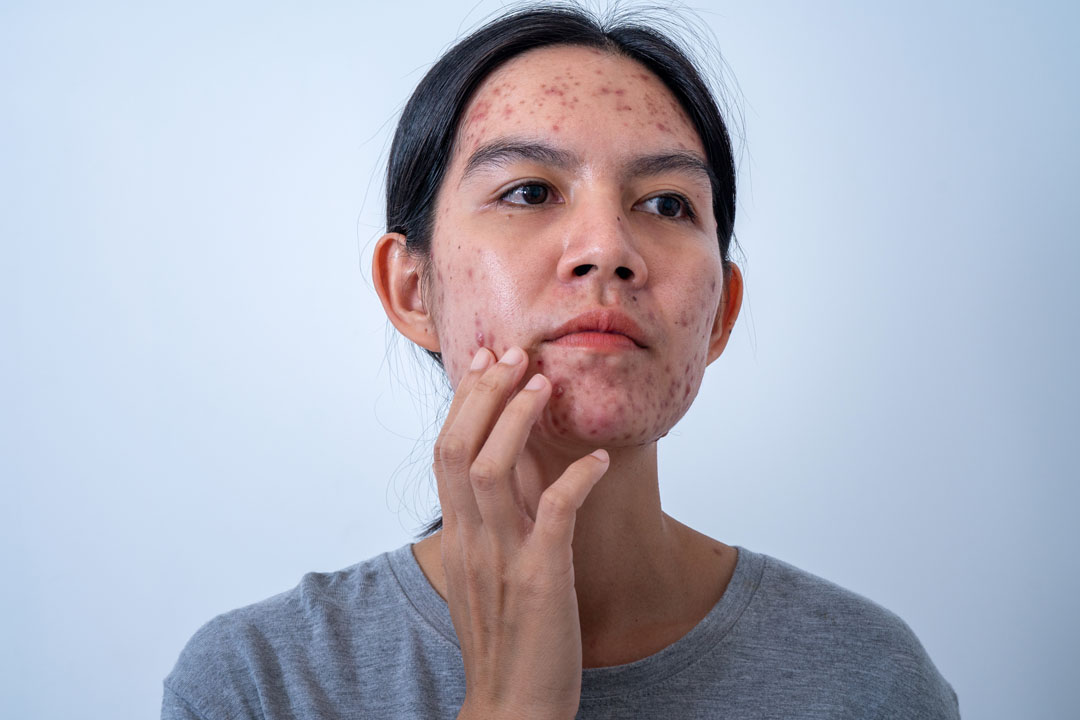
PCOS acne is usually driven by elevated androgens and insulin resistance, so it often shows up deep, cystic, and stubborn, clustering around the lower face and jawline and resisting basic routines; regular acne can be triggered by many factors (genetics, skincare, stress, occlusive cosmetics) and may respond better to standard topical care.
Evidence-based guidelines recognize acne as a clinical sign of hyperandrogenism in many with PCOS, which helps explain the pattern and persistence.
How Do Hormones Relate PCOS to Acne?
Higher androgens (like testosterone) tell sebaceous glands to produce more oil and can slow the shedding of dead skin cells, priming pores to clog; this is a core reason PCOS acne is more persistent and inflammatory.
Clinical reviews consistently note that adult female acne commonly reflects androgen influence, PCOS being a frequent driver and that insulin resistance can amplify androgen activity.
While not a rule, hormone-influenced acne often concentrates along the chin, jawline, and lower cheeks, and lesions tend to be deeper (nodules or cysts) that resolve slowly.
What is the Role of Insulin Resistance?
Often, yes. Insulin resistance can increase circulating insulin, which in turn can raise ovarian and adrenal androgen output which is fuel for persistent acne.
That same physiology also explains related skin clues like acanthosis nigricans (velvety darkening in body folds), a cutaneous marker strongly linked to insulin resistance and common in PCOS.
PCOS Acne vs Regular Acne: What You’ll Likely Notice
It is important to understand the difference between the two to get the best treatment plan, some significant factors include:
PCOS acne: Deeper, inflamed nodules/cysts; concentrated on the lower face; stubborn and recurrent; may flare premenstrually and coexist with other signs of hyperandrogenism (hirsutism, scalp thinning).
Regular acne: Can appear anywhere (forehead, nose, cheeks, back); often responds to well-structured topical routines and non-hormonal tweaks; not necessarily linked to systemic signs.
Signs Indicating Towards PCOS
PCOS often brings about certain characteristic symptoms, for example:
- Irregular cycles
- Excess facial/body hair
- Scalp hair thinning
- Weight gain or central adiposity
- Acanthosis nigricans
Note: Diagnosis is not made on skin alone; clinicians use criteria that include cycle irregularity, hyperandrogenism (clinical or biochemical), and ovarian ultrasound features.
How is PCOS Diagnosed Today?
Most clinicians use the internationally endorsed Rotterdam framework: PCOS is diagnosed when any two of the following are present:
(1) irregular or absent ovulation
(2) clinical/biochemical hyperandrogenism (e.g., hirsutism, acne, elevated testosterone)
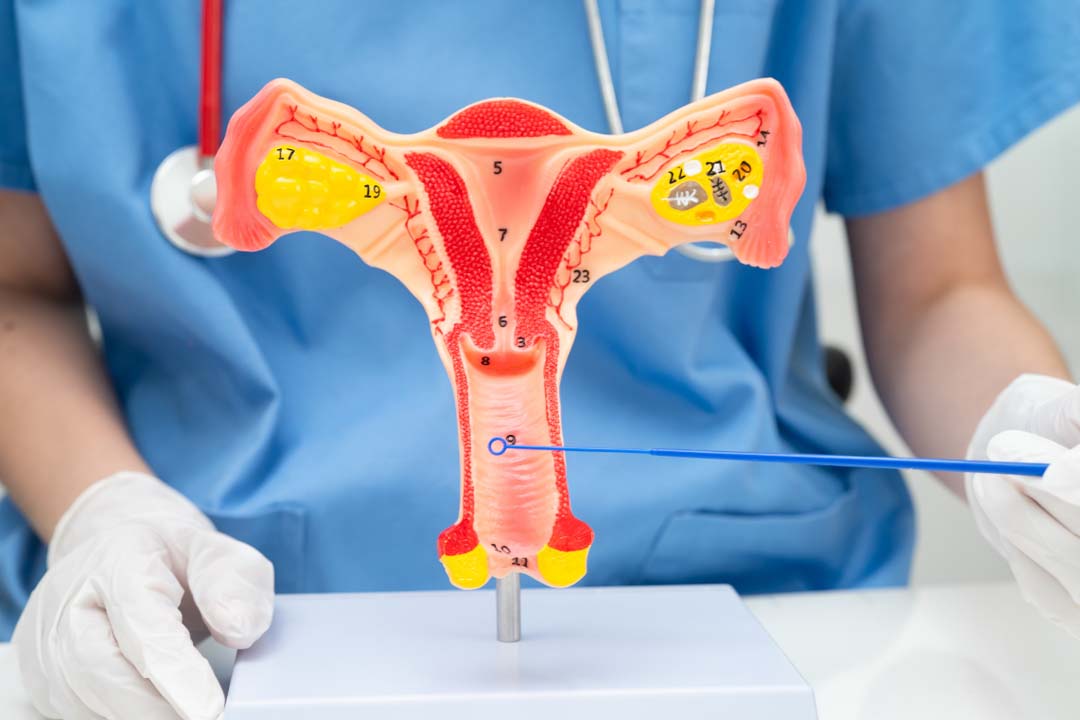
(3) polycystic ovarian morphology on ultrasound, after excluding other causes.
Updated consensus statements reaffirm this approach and refine it for adolescents to avoid overdiagnosis.
Treatment Options for PCOS Acne
Because the driver is hormonal, adding hormone-targeted therapy is often useful to deal with hormonal acne, for instance:
Hormonal Therapies
- Oral contraceptives: Combination pills with estrogen and progestin help regulate hormones, lower androgen levels, and reduce oil production.
- Anti-androgen medications: Spironolactone is a common anti-androgen that blocks testosterone's effects on the skin to control acne.
Topical Treatments
- Retinoids: These vitamin A derivatives help with skin cell turnover and improve acne. They can cause sun sensitivity, so daily sunscreen is essential.
- Salicylic acid: This is an effective topical exfoliant for acne.
- Antibiotics: Depending on the severity, a doctor may prescribe topical or oral antibiotics.
- Insulin-sensitizing medication: Metformin, often used for diabetes, can help improve insulin resistance and menstrual cycles, which may lead to acne improvement.
Lifestyle and Skincare
- Reduce refined carbohydrates, sugar, and processed foods to help manage insulin and hormone levels.
- Focus on a diet rich in fruits, vegetables, whole grains, and lean proteins.
- Losing weight can help improve insulin resistance and hormonal balance, which can in turn reduce acne.
- Wash your face twice a day with a gentle cleanser and avoid harsh scrubbing.
- Use non-comedogenic makeup if you wear makeup.
- Avoid squeezing or popping pimples.
Important Considerations
- Pregnancy: If you are pregnant or planning to become pregnant, be aware that some treatments, like retinoids and certain oral contraceptives, are not suitable. Widely cited obstetric guidance considers benzoyl peroxide, azelaic acid, and (limited) topical salicylic acid acceptable options, always clear choices with your own clinician.
- Sun protection: Many acne medications increase sun sensitivity. Daily sunscreen is crucial, especially when using topical retinoids, which should be applied at night.
PCOS Acne Diet
A PCOS diet should focus on anti-inflammatory, whole foods, including:
- Mediterranean-style, low-GI/GL emphasis, high fiber, plenty of vegetables, legumes, nuts, fish.
- Reduce sugary beverages, refined carbs, ultra-processed foods.
- Protein with carbs to blunt glucose spikes.
- If flares persist, trial a 6–8 week reduction in skim milk/whey-heavy products and reassess
- Include omega-3-rich foods and adequate vitamin D if deficient
- Supplements to consider with clinician include inositols; zinc (short term if low); avoid megadoses.
Frequently Asked Questions
Not always, but a lower-face, cystic pattern that resists basic routines is often hormonally influenced, and in some it reflects PCOS-related hyperandrogenism. A clinician can assess cycles, symptoms, and labs to confirm or rule out PCOS and tailor treatment.
You can’t be 100% sure by looks alone. Clues favoring PCOS include irregular periods, hirsutism, scalp hair thinning, weight changes, and acanthosis nigricans. Diagnosis follows the Rotterdam approach (two of three: irregular ovulation, hyperandrogenism, PCOM on ultrasound) after excluding other causes.
Yes, especially when insulin resistance and lifestyle contributors are addressed. Some benefit from metformin plus a strong topical routine; others need spironolactone or COCs for durable control when pregnancy isn’t the goal. The plan depends on your priorities and medical profile.
No. PCOS is heterogeneous. Some have mainly cycle or fertility issues; others present with skin findings like acne or hirsutism. Acne alone doesn’t diagnose PCOS but it’s one possible sign among several.
Those soft, velvety dark patches, often on the neck, armpits, or groin and are commonly linked to insulin resistance. If you have them with persistent acne, ask about screening for metabolic risks and PCOS; treating insulin resistance helps overall skin health.
Topicals can take 6–12 weeks for visible change; hormonal therapies often show clearer skin in 2–6 months. Consistency is everything, and plans are adjusted based on response and goals.
Conclusion
“Regular” acne often improves with a steady topical routine and a few lifestyle tweaks, while PCOS-related acne tends to be deeper, jawline-predominant, and stubborn because hormones and insulin resistance are part of the engine.
If your breakouts come with irregular cycles, excess facial/body hair, scalp thinning, or velvety dark patches on the neck or underarms, it’s worth getting a full evaluation rather than endlessly swapping products.
The most effective plans pair smart skincare (benzoyl peroxide, retinoids, azelaic acid as appropriate) with targeted therapies when indicated such as combined oral contraceptives or spironolactone and, for some, metabolic support like nutrition, movement, sleep regularity, and insulin-sensitizing options.

About Us
AKsigen IVF is a premier center for advanced fertility treatments, with renowned fertility experts on our team. Specializing in IVF, ICSI, egg freezing, and other cutting-edge reproductive technologies, AKsigen IVF is committed to helping couples achieve their dream of parenthood. With personalized care and a patient-first approach, AKsigen IVF provides comprehensive fertility solutions under one roof.



 +91 86556 78747
 info@aksigenivf.com


