
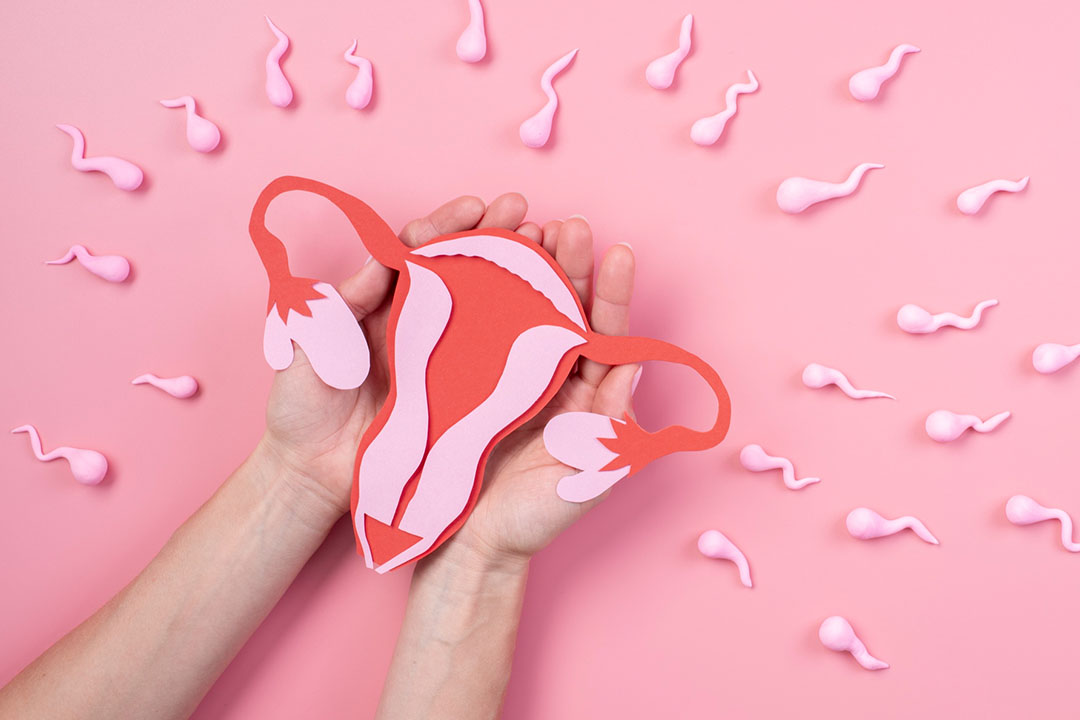
Polycystic Ovary Syndrome (PCOS) affects millions of women during their reproductive years. It’s not just about irregular periods or cysts on the ovaries. PCOS is a complex hormonal condition that affects many parts of a woman’s health, especially fertility.
A big question for women diagnosed with PCOS is: How does it affect egg quality, and what does that mean for getting pregnant?
The good news is that while PCOS can make fertility more challenging, it doesn’t close the door to pregnancy. You can take control of your reproductive health and improve your chances of conceiving by understanding how PCOS influences egg quality and knowing what steps to take
What Is PCOS and How Does It Affect Fertility?
PCOS is primarily a hormonal disorder. Women with PCOS have higher levels of androgens, hormones often called “male hormones”. Although women naturally produce them too. This hormonal imbalance disrupts how the ovaries normally work, especially when it comes to releasing eggs.
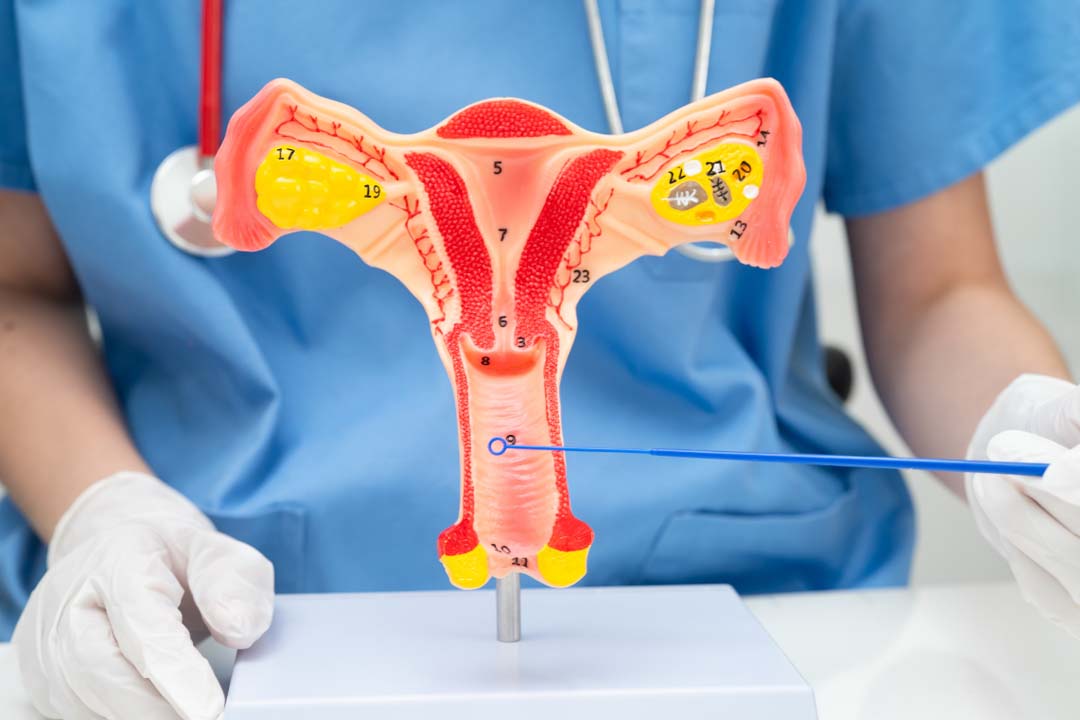
In a typical cycle, an egg matures inside a follicle and is released during ovulation. In women with PCOS, ovulation can be irregular or even absent. Instead of one mature egg, many small follicles (often called cysts) develop but don’t mature properly. These immature follicles hold eggs that may never fully develop, which directly impacts egg quality.
Does PCOS Mean Poor Egg Quality?
It’s not a simple yes or no. PCOS doesn’t always mean your eggs are of poor quality, but it often creates a condition that isn’t ideal for egg maturation.
Hormones like insulin and androgens play a big role. Many women with PCOS have insulin resistance, where the body struggles to use insulin effectively. This, when combined with high androgen levels, can affect the cells in the ovaries, disrupting the development of eggs.
Normally, follicle-stimulating hormone (FSH) and luteinizing hormone (LH) coordinate to help a dominant follicle mature into a healthy egg. But in PCOS, this balance is often off. The result may be:
- Follicles that don’t fully develop or mature
- Irregular or no ovulation
- Hormonal interference that impacts the egg’s cellular health
So, while PCOS doesn’t guarantee poor egg quality, it does increase the chance that eggs might not be as healthy or mature as they should be. This partly explains why some women with PCOS find it harder to get pregnant and might need fertility help.
Why Egg Quality Matters for Fertility
Egg quality means how well an egg can be fertilized and support embryo development. Good-quality eggs have the right number of chromosomes, mature at the right time, and give the best chance for a healthy pregnancy.
Poor-quality eggs are more likely to:
- Fail fertilization
- Lead to early miscarriage
- Result in embryos that don’t implant properly
Even in IVF (in vitro fertilization), egg quality affects how many embryos develop and which ones can be transferred or frozen. Women with PCOS often produce many eggs, but not all of them may be viable. This makes quality more important than quantity for a successful pregnancy.
What Happens During Egg Retrieval for Women with PCOS?
Women with PCOS usually have a high ovarian reserve. This means their ovaries respond to fertility medications by producing more follicles and eggs than usual. This can be helpful because more eggs can mean more chances in an IVF cycle.
However, more eggs don’t always lead to better results. If the hormonal balance isn’t right, many eggs might be immature or poor quality. That’s why doctors carefully monitor hormone levels and follicle development during IVF treatment.
Women with PCOS also face a higher risk of ovarian hyperstimulation syndrome (OHSS). OHSS happens when the ovaries respond too strongly to stimulation drugs, causing swelling, pain, and other serious symptoms. Fertility specialists use tailored medication plans to reduce this risk, often opting for gentler stimulation methods.
What Is Lean PCOS and How Does It Affect Egg Quality?
While PCOS is often linked with overweight or obesity, not all women with PCOS gain weight. “Lean PCOS” describes women who have a normal or low body weight but still show typical PCOS signs like hormonal imbalances and irregular periods.
Lean women with PCOS can still have egg quality issues, although their metabolic problems like insulin resistance might be less severe. Elevated androgens and disrupted follicle growth can still affect egg health, even if they appear healthy. This shows that egg quality concerns in PCOS are not only about weight but also about hormonal balance.
Can You Improve Egg Quality If You Have PCOS?
Yes, you can improve egg quality. While age and genetics play a big role in egg health, lifestyle choices and medical treatments can make a real difference, especially for women with PCOS.
Here are key ways to support better egg quality:
1. Control Blood Sugar and Improve Insulin Sensitivity
Insulin resistance is common in PCOS and can worsen hormonal imbalances. Managing insulin through diet, exercise, and sometimes medication helps create a healthier environment for egg development.
- Eat a balanced diet low in processed sugars and refined carbs
- Focus on whole grains, vegetables, lean protein, and healthy fats
- Exercise regularly, including cardio and strength training
- Talk to your doctor about medications like metformin that improve insulin sensitivity
2. Balance Hormones
Hormonal treatments can restore regular ovulation and help eggs mature better. Doctors usually monitor hormone levels and ovulation through blood tests and ultrasounds. This helps tailor treatments for the best results.
3. Support Mitochondrial Health in Eggs
Eggs need healthy mitochondria, the cell’s energy producers to mature properly and develop into embryos. Certain supplements can help improve mitochondrial function and egg quality:
- Coenzyme Q10 (CoQ10)
- Myo-inositol (proven effective in PCOS)
- D-chiro inositol
- Omega-3 fatty acids
4. Reduce Inflammation and Manage Stress
PCOS often comes with low-level inflammation, which can harm hormone balance and egg health. Reducing inflammation improves overall reproductive health.
- Eat anti-inflammatory foods like berries, turmeric, leafy greens, and nuts
- Get enough sleep and use stress-reduction techniques such as mindfulness or therapy
- Avoid smoking and limit alcohol consumption
IVF and PCOS: What Should You Expect?
If natural conception doesn’t happen, IVF offers a strong option for many women with PCOS. The process includes:
- Stimulating the ovaries to produce multiple mature eggs
- Retrieving the eggs and fertilizing them in the lab
- Growing embryos and selecting the healthiest for transfer
IVF protocols for PCOS patients are carefully adjusted to prevent overstimulation and improve egg quality. Even when many eggs are retrieved, not all fertilize or develop into viable embryos. In PCOS, focusing on egg and embryo quality matters more than just the number of eggs.
Can Egg Freezing Help Women with PCOS?
Women with PCOS often have a high ovarian reserve, making them good candidates for egg freezing, especially if they aren’t ready to conceive now. But egg quality remains important. Freezing eggs when you are younger and after optimizing your health gives you the best chance for future success. While egg freezing does not guarantee pregnancy, it provides an extra option and peace of mind.
The Truth About PCOS and Fertility
It’s important to clear up a common myth: PCOS does not mean infertility.
PCOS can make it harder to get pregnant and may require more monitoring or medical support. But many women with PCOS conceive naturally or with treatment and go on to have healthy pregnancies.
Early diagnosis and proactive management make a big difference. Working with a healthcare team that understands your individual needs helps you get the best care and the best chance to conceive.
Conclusion
If you have PCOS and worry about fertility or egg quality, know that you are not alone and you have options. Start by learning about your cycle. Track ovulation signs or use ovulation kits. Get blood work done to check hormone levels. And if you plan to conceive now or in the future, consult a reproductive endocrinologist who can guide you.
Taking these steps gives you control over your reproductive journey and helps you move forward with confidence.

About Us
AKsigen IVF is a premier center for advanced fertility treatments, with renowned fertility experts on our team. Specializing in IVF, ICSI, egg freezing, and other cutting-edge reproductive technologies, AKsigen IVF is committed to helping couples achieve their dream of parenthood. With personalized care and a patient-first approach, AKsigen IVF provides comprehensive fertility solutions under one roof.



 +91 86556 78747
 info@aksigenivf.com


