

What Happens in the First 48 Hours After Transfer?
You can live life almost normally right away. The embryo free-floats in uterine fluid on day 0 while microscopic cells look for a good spot to attach.
You might feel tired from the progesterone shots, but true pregnancy signals have not started yet because implantation is still in progress.
Days 3 – 4: Subtle Hints to Watch for
If the embryo has begun to attach into the lining, tiny blood vessels break and release chemical messengers. That chain reaction can cause:
- faint tugging just above the pubic bone
- a momentary rise in body temperature
- a wave of afternoon sleepiness
None of these signs guarantee success, and the lack of them is equally normal.
Days 5 – 6: Bathroom Trips and Breast Changes
Progesterone is now climbing fast. You may notice fuller breasts that feel warm or itchy, a slight metallic taste when you sip water, and the need to urinate once or twice in the night. Constipation also appears because progesterone relaxes bowel muscle.
Days 7 – 9: Classic Implantation Signals
By the end of the first week the embryo’s outer layer has fused with the uterine wall. As that happens you might see:
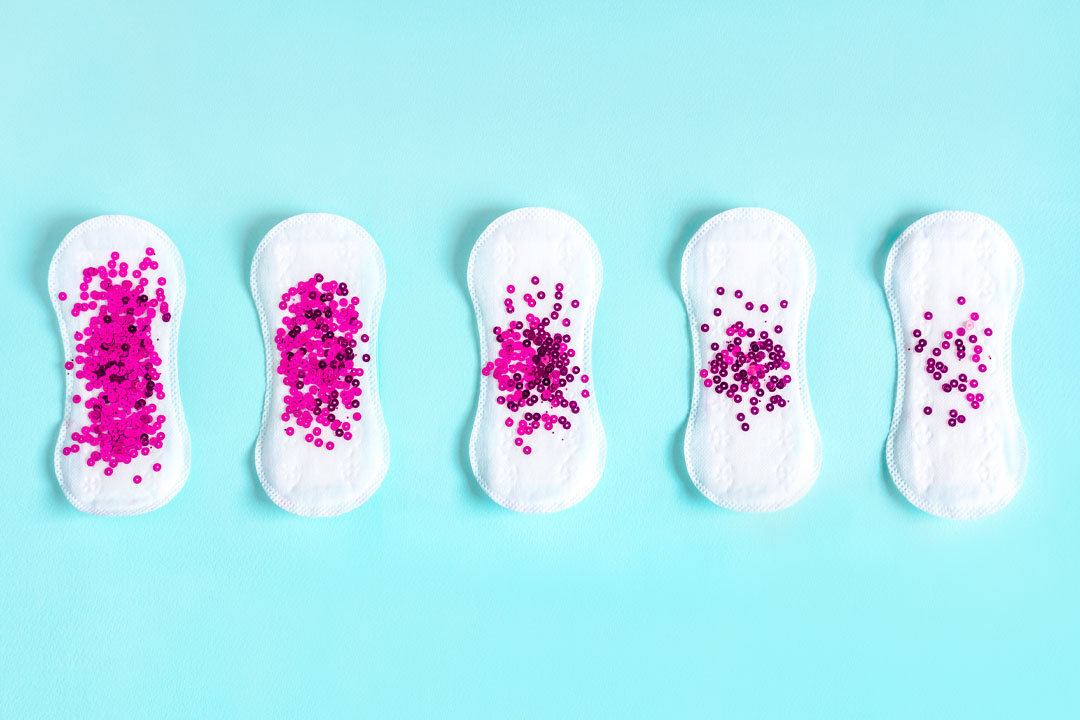
- Implantation bleeding which is a few streaks of light pink or brown discharge
- Nausea when brushing your teeth
- Tension headaches as estrogen rises
- Oversensitive nipples as breast ducts expand
10 Days After Embryo Transfer Symptoms
Ten days in, the placenta has begun releasing measurable hCG, the hormone pregnancy tests detect. Typical sensations include:
- Mild lower-belly cramps that feel sharper and shorter than period pain
- Hollow hunger two hours after eating
- Sudden emotions, from tears during a TV advert to bursts of laughter
- A musky change in body odour as hormone metabolites shift
If none of these come up, don’t panic; hormone timing varies by several days.
Days 11 – 12
hCG now doubles roughly every 48 hours, and ovaries remain swollen from stimulation. You could feel:
- stretching on one side of the pelvis
- evening bloating that tightens jeans
- vivid dreams or restless sleep
14 Days After IVF Transfer Symptoms
At the two-week mark many patients experience full “first trimester” sensations:
- Morning queasiness that can strike any time of day
- Breast enlargement and areola darken
- Extreme fatigue as metabolism diverts energy to placental growth
- Heightened sense of smell, perfumes or cooking aromas feel stronger
- A missed period also signals that something is happening.
Day 21 and Beyond: Settling into Early Pregnancy
By the third week the embryo’s heartbeat is forming. Hormones peak, then level off slightly. You may get:
- stronger food cravings or aversions
- dizziness when standing quickly
- gentle waist-level stretching as the uterus expands
Most clinics schedule the first ultrasound between embryo weeks 5 and 6 to confirm heartbeat.
Is it Normal to Feel Nothing?
Yes. About 10–15 % of IVF pregnancies sail through the two-week wait without a single symptom.
Pain medications, individual pain thresholds, and embryo position all influence sensation. A symptom-free wait has no negative impact on success rates.
Do Fresh and Frozen Transfers Feel Different?
Fresh cycles may come with extra bloating because ovaries are still recovering. Frozen cycles use steadier hormone regimens, yet symptom patterns overlap almost completely.
When Should You Test?
A serum hCG test 14 days after transfer is the standard. Home urine tests are fairly accurate from day 12, but an early negative doesn’t rule out pregnancy.
Testing too soon can also pick up leftover hCG from the trigger shot and give a false positive.
Red Flags: Call Your Clinic Right Away
In case you have any of the following symptoms, it is advisable to call for medical help immediately:
- Heavy bright-red bleeding soaking a pad in an hour
- Sharp, one-sided pelvic pain
- Fever above 38 °C (100.4 °F)
- Shortness of breath or calf swelling
How do Hormones Drive These Early Feelings?
Every symptom comes back to three key messengers:
- hCG: rises first; signals the ovary to keep making progesterone
- Progesterone: thickens the uterine lining; causes bloating and fatigue
- Estrogen: boosts blood flow; can trigger headaches and nasal stuffiness
Self-Care Strategies for the Two-Week Wait
During the two-week wait, the top most priority should be to look after yourself. This will help achieve best possible results. Some tips include:
- Walk twenty minutes twice a day to boost circulation.
- Pair protein with complex carbs at each meal to steady blood sugar.
- Drink eight to ten glasses of water to ease headaches and constipation.
- Keep bedtime consistent; a cool, dark room calms temperature swings.
- Practise four-four-six breathing to lower stress hormones.
When is an IVF Pregnancy Considered “Safe”?
| Milestone | What it Shows | Typical Timeline |
|---|---|---|
| Positive blood test | Biochemical pregnancy | 2 weeks |
| Sac on ultrasound | Clinical pregnancy | 5–6 weeks |
| Heartbeat | Cardiac activity | 6–7 weeks |
| End of first trimester | Miscarriage risk < 5% | 12 weeks |
OHSS Worries: What’s Normal, What’s Not
High estrogen at retrieval raises ovarian-hyper-stimulation risk. Watch for sudden 2 kg weight gain, severe belly swelling, or breathlessness.
If those occur, call your clinic immediately. Mild bloating minus breathing trouble is usually safe.
Work, Travel, and Everyday Life
These small details can make a significant difference, for example:
- Desk work: fine the next day; stand and stretch hourly.
- Car trips: safe after 24 h, use a small pillow for comfort.
- Domestic flights: usually fine at 48 h; walk the aisle often.
- Long-haul: clear it with your doctor and wear compression socks.
Quick Myth Checks
Will Legs-up-the-wall keep the embryo in place?
False. The uterus is closed; gravity can’t dislodge a microscopic embryo.
Does Warm foods boost implantation?
Comforting but unproven. Nutrient balance matters more than meal temperature.
Will Sneezing dislodge the embryo?
Impossible. Normal daily movements won’t affect implantation.
Frequently Asked Questions
Lean protein, whole grains, colourful fruits and vegetables, healthy fats, and plenty of water can help support implantation.
Many early pregnancy-like symptoms are caused by progesterone and do not necessarily predict the outcome.
Light pink or brown spotting around days 6 to 9 may indicate implantation. However, bright red bleeding or clots should be reported to your clinic.
Higher hCG levels in twin pregnancies can sometimes intensify symptoms like nausea, but only an ultrasound can confirm twins.
Set small daily goals, practice breathing exercises, and avoid excessive scrolling or overthinking to manage stress during the waiting period.
Conclusion
The stretch between embryo transfer and pregnancy test can feel like the longest 14 days of your life, but every cramp, nap, or lack of sensation fits somewhere within the wide spectrum of normal IVF outcomes.
Listen to your body, follow your clinic’s guidance, and give yourself permission to rest.
When the blood-test result finally arrives, you will know for sure and no more guessing required, just the next step on your path to parenthood.

About Us
AKsigen IVF is a premier center for advanced fertility treatments, with renowned fertility experts on our team. Specializing in IVF, ICSI, egg freezing, and other cutting-edge reproductive technologies, AKsigen IVF is committed to helping couples achieve their dream of parenthood. With personalized care and a patient-first approach, AKsigen IVF provides comprehensive fertility solutions under one roof.




 +91 86556 78747
 info@aksigenivf.com


