
Early pregnancy is full of small changes that can feel big. One day you feel normal; the next, you notice light spotting and a wave of questions hits you. Is this my period starting? Is it a problem? Could it be an early sign of pregnancy?
Implantation bleeding is one of the most common reasons for light bleeding around the time a period is due. It’s usually harmless, often brief, and easy to confuse with a light period.
This guide explains what implantation bleeding is, when it happens, what it looks like, how long it lasts, and when to call a healthcare professional.
What is Implantation Bleeding?
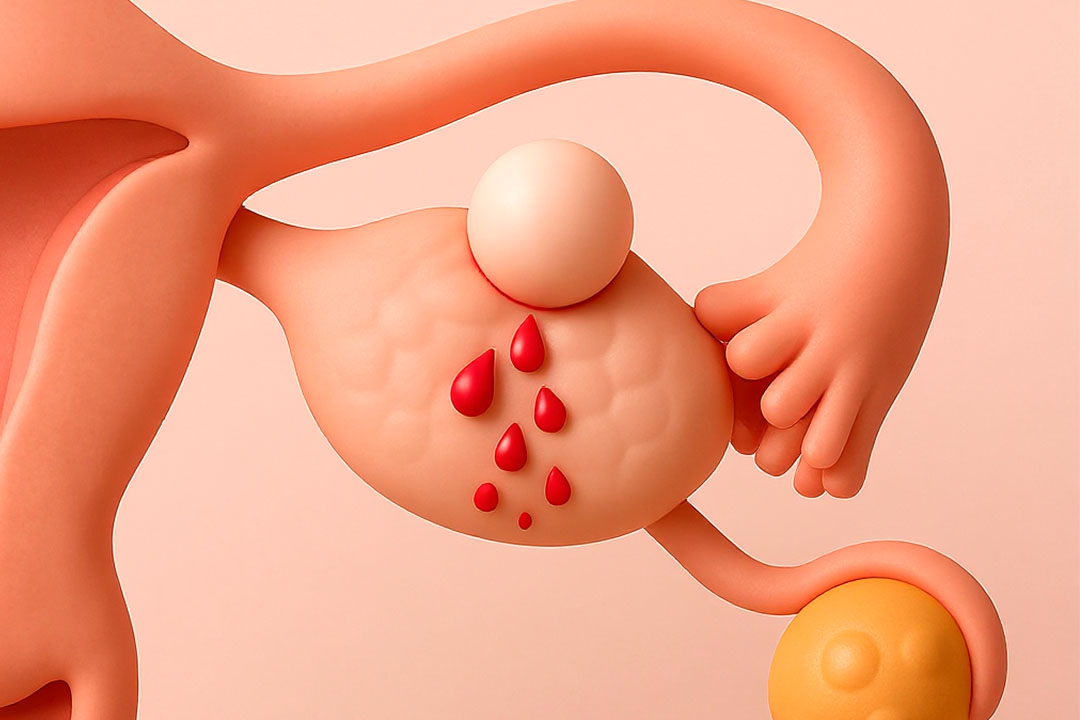
Implantation bleeding is light vaginal spotting that can happen when the fertilized egg settles into the uterine lining. As the embryo implants, tiny blood vessels in the lining can break and release a small amount of blood.
Many people never notice it at all while others see a spot on underwear or a few streaks when wiping. It’s not the same as a period and, in most cases, it stops by itself within a day or two.
When Does Implantation Bleeding Occur?
It most often happens about 10–14 days after ovulation, which is close to the time a period is expected. Because the timing overlaps with an expected period, implantation bleeding is easy to mistake for a light cycle. Some people see it only once; others may spot lightly for a short stretch.
Implantation bleeding colour is usually pink or brown. Brown implantation bleeding simply means older blood that has had time to oxidize. The flow is light or spotty, not enough to soak a pad. It may look more like tinted discharge than true bleeding.
Bright red, heavy flow, or clots are not typical for implantation and point more toward a period or another cause that should be checked.
Implantation bleeding symptoms
Most people have no symptoms other than light spotting. If anything shows up, it’s usually mild:
- Very light cramps or a pulling sensation
- Feeling a bit tired
- Mild breast tenderness or fullness
- Subtle bloating or queasiness
These symptoms can also happen before a period, so they are not proof of pregnancy on their own.
How Do You Recognise Implantation Bleeding?
Think light, brief, pink/brown spotting that shows up around the time your period is due and fades within a day or two.
Helpful clues:
- Amount: A few spots or light streaks; not enough to fill a pad or tampon.
- Colour: Pink or brown; rarely bright red.
- Texture: No clots or tissue.
- Cramps: None or very mild.
- Pattern: Starts and stops quickly rather than building up.
Implantation Bleeding vs Period: The Key Differences
These points can be used to tell them apart:
Timing
Implantation: ~10–14 days after ovulation (often just before or around the expected period date).
Period: On the usual cycle day.
Flow & duration
Implantation: Light spotting can be intermittent; hours to 1–2 days.
Period: Moderate to heavy; 3–7 days for most people.
Colour
Implantation: Pink or brown.
Period: Bright or dark red is common.
Clots
Implantation: No clots.
Period: Small clots can be normal.
How Long Does Implantation Bleeding Last?
It usually lasts a few hours up to two days, and then stops on its own. A longer or heavier episode is less likely to be implantation. If light spotting turns heavier, continues beyond two days, or you notice clots, check in with a healthcare professional.
Does Implantation Bleeding Mean You’re Pregnant?
Not by itself, only a pregnancy test confirms pregnancy. Implantation bleeding can be an early sign, but some people spot it for other reasons. After implantation finishes, the body starts making hCG, the hormone detected by pregnancy tests.
A urine test is most accurate after a missed period. If you test too early, you might get a negative result even if you’re pregnant. A blood test at a clinic can detect pregnancy sooner than a home test.
Signs of Successful Implantation Without Bleeding
Many people have no bleeding at all and still have a normal, healthy pregnancy. You might notice:
- A missed period
- Mild fatigue, breast tenderness, or queasiness
- Slight rise in basal body temperature if you track it
- A positive pregnancy test a few days after your missed period
What to do if You Think You’re Having Implantation Bleeding
If you feel like you’re having implantation bleeding, you can proceed with the following:
- Use a panty liner to keep track of the amount and colour.
- Avoid tampons until you’re sure what the bleeding is from.
- Wait 2–3 days and then take a home pregnancy test, ideally after your missed period.
- Call a healthcare professional if the bleeding is heavy, contains clots, has a strong odour, or you feel unwell.
When to Call a Healthcare Professional
Get medical advice promptly if you notice any of the following:
- Heavy bleeding (soaking a pad in an hour)
- Bright red bleeding with clots
- Sharp, one-sided pain, shoulder pain, fainting, dizziness, or severe cramps
- Fever or chills
- You’re unsure whether this is a period, implantation, or something else and want clarity
These symptoms can signal issues that need timely care.
Does Implantation Bleeding Happen with IVF?
Yes, implantation bleeding can happen after IVF too because the implantation process is the same. Spotting in IVF cycles can also be influenced by progesterone or procedures around embryo transfer.
The timing may differ slightly depending on the day the embryo was transferred (e.g., day-3 vs day-5 transfer). If you’re in treatment, follow your clinic’s testing schedule; they may advise a blood test rather than early home tests.
Frequently Asked Questions
It’s usually not bright red. Bright red bleeding can happen for other reasons and deserves a closer look if it’s heavy or persistent.
It usually occurs before the missed period. Bleeding after a missed period needs assessment, especially with pain or a positive test.
Mild cramps can occur, but strong cramps are not typical. If pain is sharp or one-sided, get medical advice.
Sex doesn’t cause implantation, but it can irritate the cervix and lead to light spotting. If bleeding is more than light or you feel pain, pause sexual activity and check with a clinician.
Stress doesn’t cause implantation, but it can affect your cycle length and symptoms. If you’re uncertain about any bleeding pattern, check in with a professional.
It shouldn’t have a strong odour. A foul smell can point to infection and should be evaluated.
Conclusion
Implantation bleeding is a light, short-lived episode of spotting that can happen when a fertilized egg attaches to the uterine lining. It usually shows up 10–14 days after ovulation, often close to the time a period is expected, and is typically pink or brown, with no clots and mild or no cramps.
It does not prove pregnancy by itself, only a test can do that, and the most reliable time to test is after a missed period. If bleeding becomes heavy, contains clots, turns bright red, or you have pain, dizziness, or fever, reach out to a healthcare professional. Most of the time, though, implantation bleeding, if it happens at all, is normal and settles quickly on its own.

About Us
AKsigen IVF is a premier center for advanced fertility treatments, with renowned fertility experts on our team. Specializing in IVF, ICSI, egg freezing, and other cutting-edge reproductive technologies, AKsigen IVF is committed to helping couples achieve their dream of parenthood. With personalized care and a patient-first approach, AKsigen IVF provides comprehensive fertility solutions under one roof.





 +91 86556 78747
 info@aksigenivf.com


