
What Is Implantation?
Implantation occurs when a fertilized egg attaches to the lining of the uterus, allowing the embryo to begin developing. Fertilization itself typically happens in the fallopian tube; the resulting embryo then travels toward the uterus and, if implantation is successful, embeds into the uterine lining (the endometrium).
When Does Implantation Occur?
Implantation typically happens 6–12 days after ovulation, most commonly around day 9. In a regular 28-day cycle - where ovulation occurs around day 14 - implantation usually falls somewhere between day 20 and day 26.
What Is Implantation Failure?
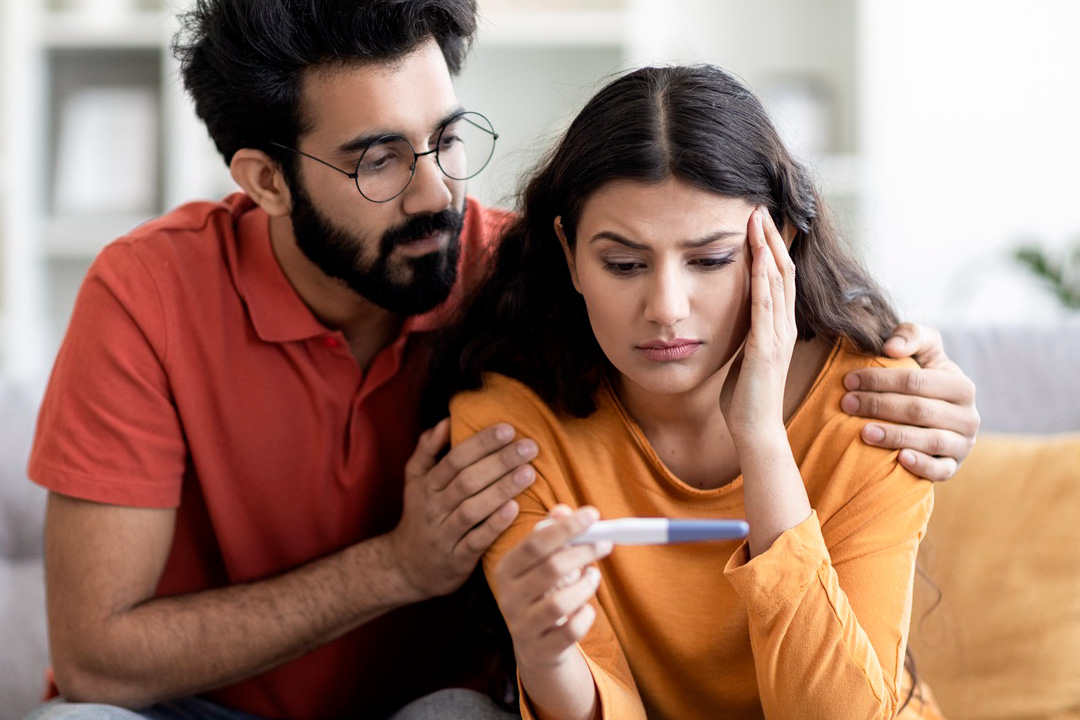
Implantation failure means the fertilized egg does not successfully attach to the uterine lining, so pregnancy cannot progress even though fertilization occurred. When this happens, the uterine lining eventually sheds as usual, leading to your next period.
Implantation Failure vs. Early Pregnancy Loss - What's the Difference?
These two are often confused, but they're clinically distinct:
- Implantation failure happens before the embryo attaches to the uterine wall. Because attachment never occurs, the pregnancy hormone hCG (human chorionic gonadotropin) is typically never produced in detectable amounts.
- Early pregnancy loss (a chemical pregnancy or early miscarriage) happens after implantation has occurred - meaning a positive pregnancy test is often followed by a loss shortly after, once hCG has already started rising.
This distinction matters because it affects what a pregnancy test can and can't tell you, which is covered further below.
Symptoms of Failed Implantation
For most people - whether trying to conceive naturally or
following IVF, FET, or IUI - a failed attachment is a silent
event with no distinct physical sensation. Because the embryo
never establishes a connection with the uterine wall, it can't
trigger the hormonal signals responsible for early pregnancy
symptoms.
That said, some signs and patterns can point toward
implantation failure:
-
Your Period Arrives On Schedule (or Just a Few Days Late)
The most reliable physical sign that implantation didn't occur is your period showing up close to its normal schedule. Since a period is the shedding of the endometrial lining - the exact site where implantation would have occurred - its arrival strongly suggests attachment never happened. -
Typical Pre-Period Cramping, With No Unusual Shift
Ordinary, pre-period pelvic cramping with no distinct change in character or intensity is common with a failed cycle. This is different from the mild, brief cramping some people describe with successful implantation. -
No Implantation Bleeding
The light, minimal spotting sometimes seen with successful implantation is simply absent. Keep in mind, though, that not experiencing implantation bleeding does not by itself confirm failure - many people with successful pregnancies never notice any bleeding at all. -
Basal Body Temperature Doesn't Stay Elevated
If you're tracking basal body temperature, a failure to sustain the post-ovulation temperature rise can be a subtle clue that the cycle didn't result in a sustained pregnancy. -
Absence of Early Pregnancy Symptoms
A lack of breast tenderness, food aversions, nausea, or fatigue can be a sign - but again, this alone isn't conclusive. Plenty of people with successful implantation feel nothing unusual during the two-week wait and still test positive. -
A Negative Pregnancy Test After the Appropriate Wait
The clearest confirmation of a failed attempt is a negative pregnancy test taken at the correct time. Testing too early is one of the most common reasons for a false negative, since hCG needs time to build to a detectable level - so timing your test correctly matters as much as the result itself.
A note on IVF and embryo transfer specifically: {" "} after a fresh IVF cycle, residual bloating or ovarian tenderness from the egg retrieval procedure can mask or mimic early symptoms, making it harder to interpret how you're feeling.
During a frozen embryo transfer (FET) or IUI cycle, there's no recent surgery involved, so your symptoms more purely reflect your natural cycle or your prescribed hormone support (progesterone/estrogen).
What Happens If Implantation Fails?
If implantation doesn't occur, the fertilized egg stops developing, and the uterine lining sheds as it normally would - resulting in your next period. For many people, this feels like an ordinary cycle, sometimes with subtle differences in timing or cramping. Emotionally and physically, your body then resets to begin a new cycle.
What Causes a Fertilized Egg Not to Implant?
Several biological factors can prevent successful
implantation:
-
Egg and Sperm Quality
Healthy eggs and sperm are essential for forming a viable embryo. Egg quality naturally declines with age, particularly after 35. Sperm quality can be affected by age, smoking, alcohol use, and certain underlying medical conditions - all of which can impact embryo formation and implantation. -
Chromosomal Abnormalities
Errors in the embryo's chromosomes - such as an abnormal chromosome count (aneuploidy) or structural rearrangements - significantly reduce the likelihood of successful implantation. These abnormalities can sometimes be assessed through genetic testing. -
Uterine Environment and Structure
A healthy, receptive endometrium is essential for implantation. Conditions such as fibroids, polyps, adenomyosis, or endometriosis can disrupt the uterine lining, while a thin lining or physical obstructions can prevent the embryo from securing attachment. -
Immunological Factors
In some cases, the immune system may mistakenly treat the developing embryo as a foreign threat, triggering an inflammatory response that interferes with attachment. -
Hormonal Imbalances
Adequate progesterone is essential to prepare the uterine lining for implantation. Imbalances in progesterone, estrogen, or thyroid hormones can prevent the lining from properly supporting an embryo. -
Underlying Medical Conditions
Health issues such as diabetes, thyroid disease, autoimmune disorders, or clotting disorders in the mother can all affect the implantation process. -
Lifestyle Factors
Smoking, excessive alcohol consumption, poor diet, physical inactivity, and obesity - in either partner - can impact overall egg and sperm quality, contributing to poor fertilization and implantation outcomes.
Can Stress Cause Implantation Failure?
This is one of the most common questions people ask, understandably, given how stressful the process of trying to conceive can be. While chronic, severe stress can influence hormone levels and overall reproductive health, current evidence does not show that everyday stress directly causes a single implantation attempt to fail.
The factors most strongly linked to implantation failure are embryo quality, uterine receptivity, and hormonal balance - not stress alone. That said, managing stress through rest, support, and self-care is still valuable for your overall wellbeing during this process, even if it isn't the primary determining factor in any single cycle.
Recurrent Implantation Failure (RIF)
When high-quality embryos fail to implant across multiple
consecutive cycles, this is clinically termed Recurrent
Implantation Failure (RIF). Research suggests RIF affects
roughly 10% of couples undergoing assisted reproduction.
If implantation failure happens repeatedly, your specialist
will typically investigate:
- Embryo genetics - chromosomal abnormalities are a leading cause of repeated attachment failure
- Uterine structure - fibroids, polyps, scar tissue, or a thin lining can physically interfere with attachment
- Immunological factors - an inflammatory immune response to the embryo
- Hormonal stability - insufficient or unstable progesterone, estrogen, or thyroid hormone levels
If your cycles are repeatedly affected, your medical team may also evaluate for links to recurrent pregnancy loss more broadly.
How Is Implantation Failure Diagnosed?
Confirming a failed cycle involves specific clinical testing rather than guesswork:
- Quantitative beta hCG blood test - the primary diagnostic tool, measuring the exact concentration of pregnancy hormone in your bloodstream. A negative result after the appropriate window confirms the embryo did not attach.
- At-home urine tests - useful, but less reliable on their own. They can produce false negatives if taken too early, or false positives if residual trigger-shot hormones are still present in your system following fertility treatment.
For recurrent or repeated failures, further evaluation may include:
- High-resolution pelvic ultrasounds
- Hysteroscopy to examine the uterine cavity directly
- Endometrial receptivity testing to pinpoint your body's optimal implantation window
- Blood tests for autoimmune or clotting disorders, such as antiphospholipid syndrome
- Preimplantation genetic testing (PGT) for future embryo selection
What to Do After an Unsuccessful Implantation
Processing the Emotional Impact
A deep sense of disappointment, sadness, or grief is a completely normal response to a failed cycle - for many, it feels similar to a pregnancy loss. Give yourself permission to feel this, rather than rushing past it.
Give Your Body and Mind Time to Heal
There's no need to rush into another attempt immediately. Taking time to rest, recover physically, and spend time with supportive people can help before deciding on next steps.
Consider Counselling
Many fertility clinics offer counselling services specifically for this experience. Talking with a therapist or counsellor trained in fertility-related loss can help you process complex emotions.
Connect With a Support Group
Speaking with others who've been through a similar experience can be genuinely comforting - simply knowing you're not alone in this can make a meaningful difference.
Schedule a Follow-Up With Your Fertility Specialist
Once you feel ready, a follow-up consultation is the most constructive next step. Your doctor can review your cycle in detail - embryo development, lab results, hormone tracking - to identify potential obstacles and adjust your protocol going forward. This might include changes to medication dosages, a different lining-preparation protocol, or preimplantation genetic testing for future cycles.
Explore Alternative Options
If natural conception or a prior IVF/IUI attempt hasn't succeeded, options such as ICSI, donor eggs or sperm, or gestational surrogacy may be worth discussing with your doctor, depending on your specific situation.
Remember: One Failed Cycle Isn't the End of the Story
A single unsuccessful implantation does not mean you can't achieve a healthy pregnancy. Many people experience one or more failed attempts before their doctor identifies the right adjustment - and go on to conceive successfully afterward.
The Bottom Line
Understanding the difference between implantation failure and early pregnancy loss, knowing what a negative test can and can't tell you, and having a clear next-step plan with your specialist can make a genuinely difficult experience feel more manageable.
If you're facing repeated unsuccessful attempts, further evaluation can often uncover a specific, addressable cause - and many people go on to build their families after adjusting their approach.
Frequently Asked Questions
The most accurate sign is a negative pregnancy test (ideally a clinic blood test) taken at the correct time. Physically, your period arriving on schedule or just a few days late is the most common indicator that the cycle didn't result in implantation.
In most cases, there are no distinct symptoms at all - implantation failure is typically silent. When signs do appear, they usually resemble a normal pre-period pattern: typical cramping, no implantation bleeding, and the eventual arrival of your period.
The only definitive confirmation is a positive beta hCG blood test from your clinic. Some early physical signs - light spotting, mild pelvic twinges, breast tenderness - can occur around days 6–10 post-transfer, but many people with successful implantation feel nothing unusual at all.
The most common causes include chromosomal abnormalities in the embryo, an unreceptive or structurally affected uterine lining (from fibroids, polyps, or endometriosis, for example), hormonal imbalances, immunological factors, and lifestyle influences like smoking or excess alcohol use.
The embryo stops developing, and the uterine lining sheds as usual, leading to your next period. Physically and hormonally, your body resets to begin a new cycle.
Everyday stress on its own hasn't been shown to directly cause a single implantation attempt to fail. Embryo quality, uterine receptivity, and hormone balance are the primary factors involved - though managing stress is still worthwhile for your overall wellbeing during treatment.
Yes. A single unsuccessful attempt doesn't mean you can't carry a pregnancy in the future. Many people conceive successfully after their fertility team adjusts the treatment protocol based on what was learned from the earlier cycle.
Many specialists reassess after even one failed cycle. After two or three unsuccessful transfers with high-quality embryos, doctors will typically recommend a different approach - often including advanced diagnostic testing or genetic embryo screening.
Yes. Because IUI relies on the body's natural implantation process, it carries a similar risk of failure if the uterine lining isn't fully receptive or if the egg or sperm involved carry genetic issues - even when the procedure itself is perfectly timed.

About Us
AKsigen IVF is a premier center for advanced fertility treatments, with renowned fertility experts on our team. Specializing in IVF, ICSI, egg freezing, and other cutting-edge reproductive technologies, AKsigen IVF is committed to helping couples achieve their dream of parenthood. With personalized care and a patient-first approach, AKsigen IVF provides comprehensive fertility solutions under one roof.




 +91 86556 78747
 info@aksigenivf.com


