
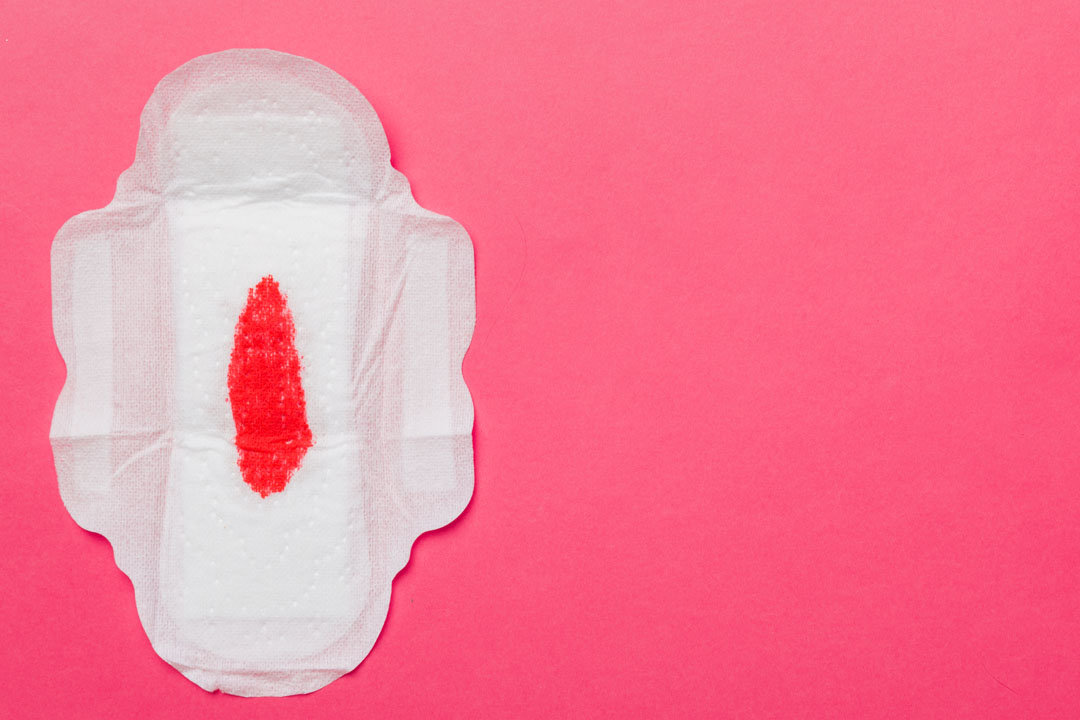
Spotting can trigger an instant assumption: my period is starting or I might be pregnant. The trouble is, early pregnancy bleeding and the start of a period can look nearly identical in the first few hours - which is exactly why so many people search for answers instead of just waiting it out.
This guide breaks down implantation bleeding vs. period in plain terms - timing, flow, color, and symptoms - and explains what to do next instead of guessing.
First, Two Things Worth Knowing Upfront
Before comparing symptoms, it helps to set realistic expectations:
- Not everyone experiences implantation bleeding. Its absence does not rule out pregnancy.
- Spotting does not confirm implantation either. Spotting has many possible causes, and pregnancy is only one of them.
So don't treat spotting as proof either way. Treat it as a reason to check your timing and, if pregnancy is possible, test at the right time.
What Is Implantation Bleeding?
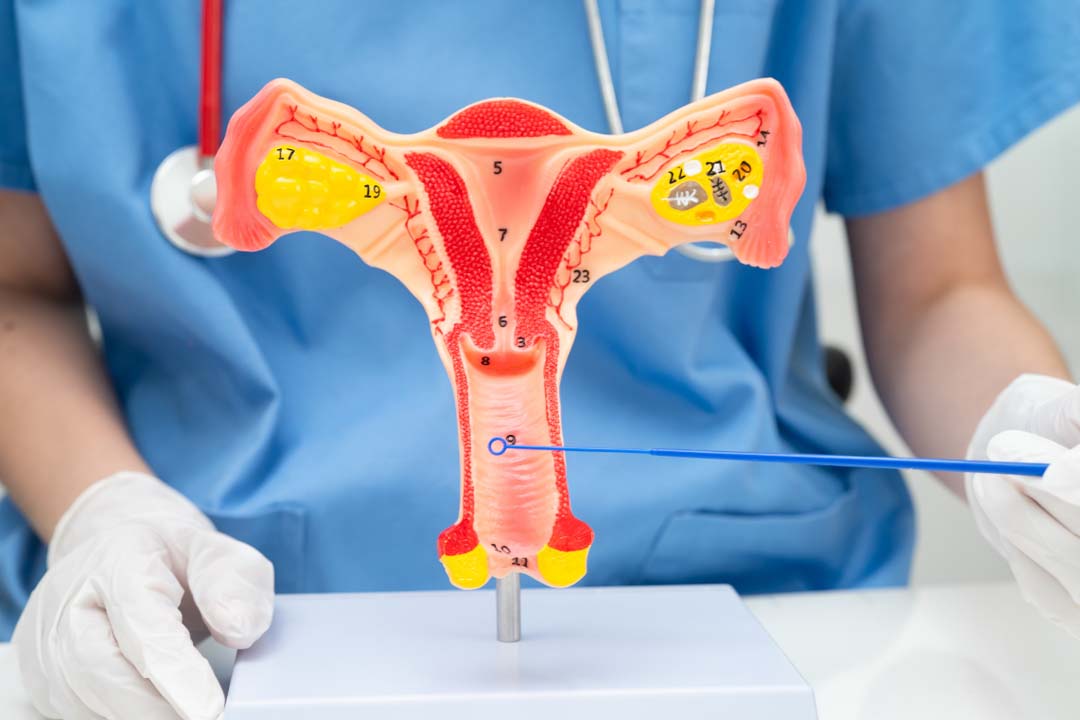
Implantation bleeding is light spotting that can occur when a fertilized egg attaches to the uterine lining. As the embryo burrows into the endometrium, it can disturb small blood vessels, causing minor bleeding.
It typically appears as light pink or brown discharge, doesn't require a pad or tampon, and usually resolves within a day or two on its own. Not everyone gets it - some people notice it in one pregnancy and not another, and some never experience it at all.
When Does Implantation Bleeding Occur?
Implantation bleeding usually happens 6–12 days after ovulation, which typically falls just a few days before your period is due. In a 28-day cycle, this often lands around day 20–24. Because this window sits so close to when a period is expected, confusion is common - the key distinguishing factor isn't just timing, but the fact that implantation bleeding stays light and doesn't build into a heavier flow over time.
What Happens During a Regular Period?
A period occurs when pregnancy hasn't happened. Hormone levels drop, causing the uterus to shed the lining it built up over the cycle. This is regulated by three phases:
- Follicular phase - begins on day 1 of your period; an egg matures while the uterine lining thickens.
- Ovulation - a mature egg is released, typically around the midpoint of the cycle.
- Luteal phase - the uterine lining continues thickening in case of pregnancy; if no fertilized egg implants, hormone levels fall and menstruation begins.
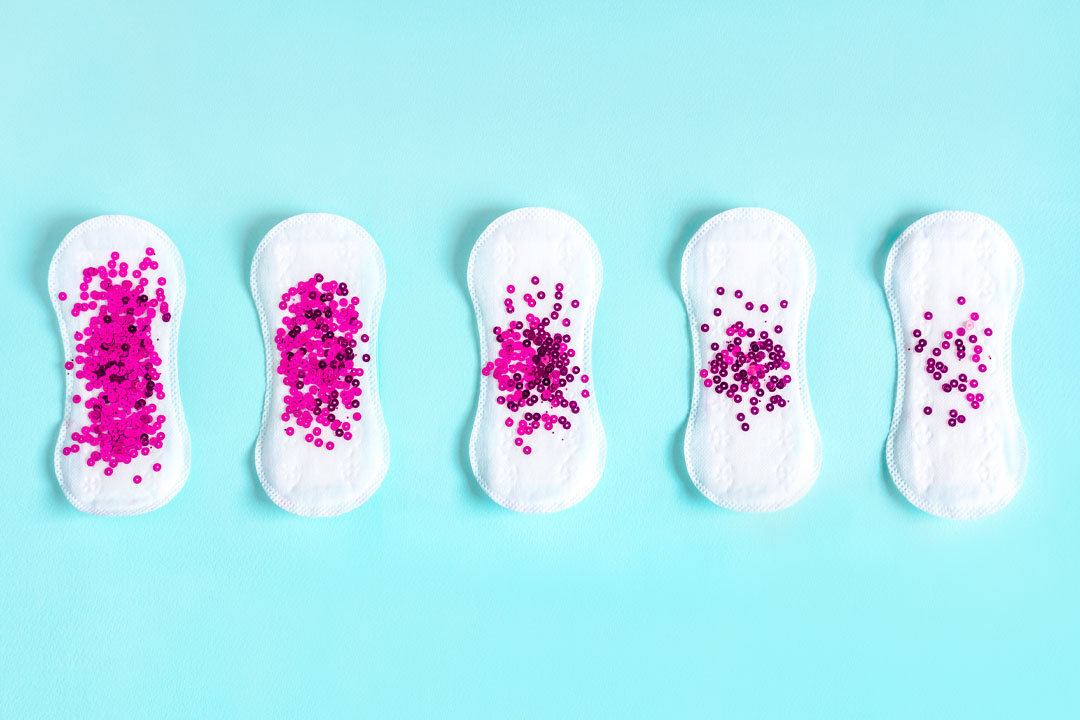
Menstrual bleeding usually starts light and becomes heavier over the following day or two, lasting 3–7 days in total. Blood is typically red to dark red and may include clots. Periods are commonly accompanied by cramps, lower back pain, bloating, mood changes, and breast tenderness.
Implantation Bleeding vs. Period: Side-by-Side Comparison
| Factor | Implantation Bleeding | Period |
|---|---|---|
| Timing | 6–12 days after ovulation, ~day 20–24 of a 28-day cycle | Begins on schedule, ~14 days after ovulation |
| Flow | Light spotting; doesn't fill a pad or tampon | Starts light, becomes heavier over 1–2 days |
| Color | Light pink or brown | Red to dark red, sometimes brown at the start or end |
| Duration | A few hours to 1–2 days | 3–7 days |
| Clots | No | Common, especially with heavier flow |
| Cramping | Mild, if present at all | Often moderate to severe |
| Other symptoms | Little to none; occasionally mild nausea or fatigue | Bloating, mood changes, breast tenderness, back pain, PMS symptoms |
| Progression | Stays light; doesn't build into a real flow | Builds into a heavier, sustained flow |
If the bleeding stays light, doesn't require period products, and resolves quickly, it's more likely implantation bleeding. If it becomes heavier, follows your usual cycle pattern, and lasts several days, it's more likely a period.
Other Causes of Spotting (It's Not Always One or the Other)
Bleeding between periods isn't limited to just these two explanations. Other common causes include:
- Ovulation spotting - light mid-cycle bleeding unrelated to pregnancy
- Hormonal fluctuations, including stress-related cycle disruption
- Starting, stopping, or missing hormonal birth control
- Cervical irritation, including after sex
- Infection or inflammation of the cervix or vagina
- Polyps or fibroids
- Early pregnancy causes other than implantation
This is worth keeping in mind if your bleeding doesn't clearly match either pattern described above - it doesn't automatically mean something is wrong, but it does mean a single symptom-matching exercise won't always give you the answer.
When Does Implantation Bleeding Happen Relative to a Missed Period?
Implantation bleeding typically occurs before a period is due - that's what makes it useful as an early sign. But if ovulation happens later than expected in a given cycle, implantation (and any associated spotting) can shift later too, sometimes appearing around the time a period was expected or shortly after it's missed.
This is uncommon rather than typical, but it does happen. If you notice spotting after a missed period and pregnancy is possible, the most reliable next step is a pregnancy test rather than trying to interpret the spotting itself.
Does Implantation Bleeding Smell Like a Period?
In most cases, implantation bleeding has little to no odor, since it's minimal in volume and short-lived. Period blood can sometimes have a stronger, metallic smell due to heavier flow and longer duration. A strong or foul smell in either case is not typical and should be checked by a healthcare provider, as it can signal an infection rather than implantation or menstruation.
What About Brown Discharge Before a Period?
Brown discharge is simply older blood that took longer to exit the body, often mixing with cervical fluid along the way. Because implantation bleeding is light, it frequently appears brown rather than red for this reason. Brown discharge alone doesn't confirm pregnancy - but paired with the right timing and a light flow, it can point toward implantation.
When Should You Take a Pregnancy Test?
Testing too early is the most common reason people get a confusing or falsely negative result - pregnancy hormone (hCG) levels take time to build up to a detectable level.
A simple approach:
- Test on or after the day your period is due for the most reliable result.
- If you want to test earlier, use an early-detection kit, and treat a negative result with caution - it may simply be too soon.
- If your first test is negative but your period still hasn't started, wait 48–72 hours and test again, since hCG levels rise over time.
A few accuracy notes worth knowing:
- Home urine tests are generally around 99% accurate when used exactly as directed - most inaccurate results come from testing too early, not from the test itself.
- Using your first morning urine gives the most concentrated hCG sample, which improves accuracy in early testing.
- Blood tests, done at a clinic, can sometimes detect pregnancy a few days earlier than home urine tests.
If your test is positive: schedule an appointment with a healthcare provider to confirm the result, discuss next steps, and begin appropriate prenatal care.
When Should You Seek Medical Advice?
Light spotting is often harmless, but certain signs need prompt medical attention. Seek care if you experience:
- Heavy bleeding (soaking through pads, large clots)
- Severe or one-sided pelvic pain
- Bleeding that lasts longer than a few days or keeps getting heavier
- Fever
- Dizziness or fainting
- Shoulder-tip pain - an easy-to-miss but important warning sign, sometimes associated with ectopic pregnancy
- A positive pregnancy test alongside pain or bleeding
- Foul-smelling discharge
These symptoms don't automatically mean something serious is happening, but they warrant timely evaluation rather than a wait-and-see approach.
Frequently Asked Questions
No - implantation bleeding is almost always light. Heavy bleeding is more likely a period or another medical cause and should be evaluated if it seems unusual for you.
Typically a few hours up to one or two days. Unlike a period, it doesn't continue or build into a heavier flow.
No. Clots are associated with menstrual bleeding, not implantation bleeding.
No. Spotting can happen for several reasons. A pregnancy test is the only way to confirm pregnancy.
A true period doesn't occur once pregnancy is established, but some people do experience bleeding in early pregnancy that resembles a period. If pregnancy is possible, testing is the only way to know for sure.
Yes. Stress, hormonal shifts, and other lifestyle factors can cause light spotting unrelated to pregnancy.
No. Some people experience it every time, some never do, and some notice it in one pregnancy but not another.
Conclusion
You can reduce worry and make better judgments if you are aware of the differences between implantation bleeding and menstruation. Even though they may seem similar, timing, flow, color and symptoms frequently provide crucial hints.
While periods follow a regular monthly pattern, implantation bleeding is often mild, temporary and hidden. If confusion remains, a pregnancy test and expert guidance provide the most definitive solutions. The best way to understand what your body is trying to tell you is still to understand your own cycle.

About Us
AKsigen IVF is a premier center for advanced fertility treatments, with renowned fertility experts on our team. Specializing in IVF, ICSI, egg freezing, and other cutting-edge reproductive technologies, AKsigen IVF is committed to helping couples achieve their dream of parenthood. With personalized care and a patient-first approach, AKsigen IVF provides comprehensive fertility solutions under one roof.




 +91 86556 78747
 info@aksigenivf.com


