
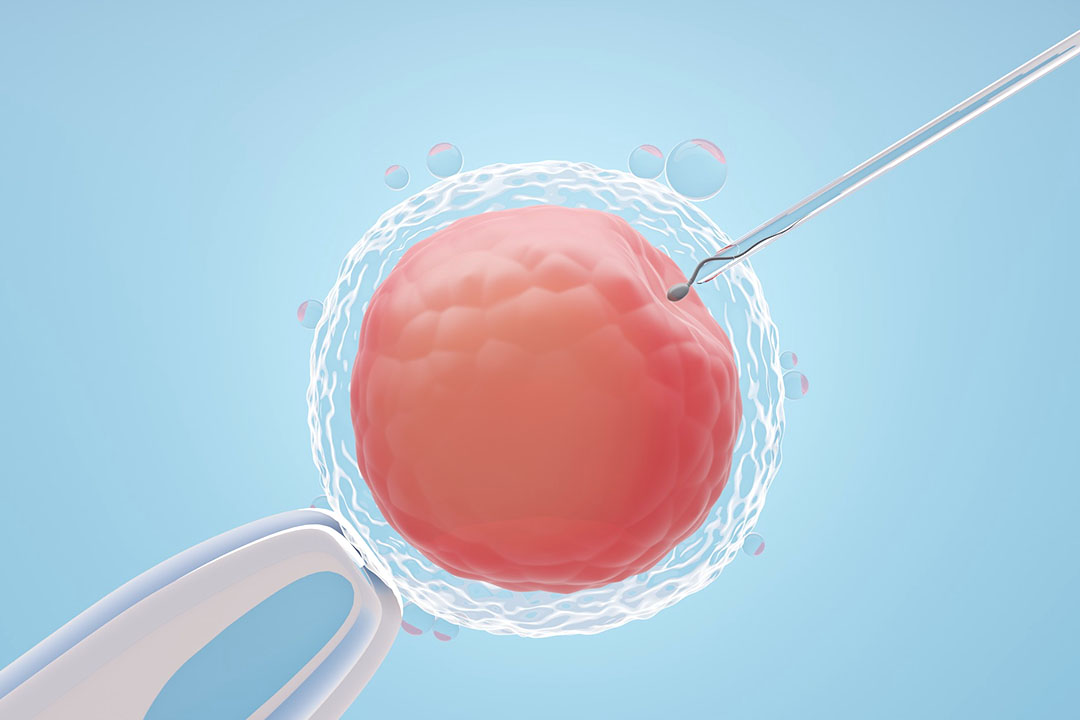
Starting in-vitro fertilisation (IVF) feels a bit scary when there is planning, daily discipline and careful monitoring, all for one big day, which is the egg retrieval. The busiest time of that journey is ovarian stimulation, often called IVF stimulation.
During these ten to fourteen days you take hormone medicines that lead to multiple eggs to mature at once, giving the lab more chances to create healthy embryos.
If you are thinking of IVF, or are already undergoing the process, this article walks you through every detail so you know exactly what to expect and how to give yourself the best chance.
What is IVF Stimulation?
IVF stimulation is the period in which daily hormone injections prompt your ovaries to grow a batch of mature eggs instead of the single egg released in a natural cycle.
We can maximise the number of embryos that can be created and frozen from one retrieval.
Why does it Matter?
More eggs = more embryos = higher odds of at least one good-quality blastocyst for transfer.Any surplus embryos can be frozen, saving time, money and emotional wear in future cycles. Stimulation lets the clinic schedule retrieval and transfer precisely, rather than chasing your natural ovulation window.
Why does IVF Rely on Ovarian Stimulation Rather than One Natural Egg?
A single egg limits choice and raises the risk of ending a cycle with nothing to transfer. Natural selection inside the ovary means most eggs in that month's wave quit growing after day 8–10, leaving one dominant follicle.
Medication overrides that competition so the quieter follicles keep going. The result is a cluster that is often 8–15 matured eggs if you are under 35, which offers far better embryo maths.
How do the Main IVF Stimulation Protocols Work?
All protocols give you follicle-stimulating hormones (FSH ± LH) for roughly two weeks, but they differ in how they prevent premature ovulation.
| Protocol | Key Drugs | Typical Candidates | Remark |
|---|---|---|---|
| Antagonist (short) | FSH + GnRH antagonist from day 5 | Most first-time patients | Fewer injections, lower OHSS risk |
| Long agonist (down-reg) | GnRH agonist for 10–14 days, then FSH | Endometriosis, cycle irregularity | Longer timeline, steadier follicle growth |
| Micro-flare | Low-dose GnRH agonist + FSH | Diminished ovarian reserve | Aims to tap early FSH “flare” |
| Mild / minimal | Lower FSH dose ± oral letrozole | Older patients, OHSS risk | Fewer eggs but gentler, cheaper |
| Double stimulation (DuoStim) | Antagonist cycle twice in one month (follicular + luteal) | Very low responder, oncology fertility-preservation | Two retrievals, one menstrual cycle |
(OHSS = ovarian hyper-stimulation syndrome)
What Tests and Scans Happen During Stimulation?
You will visit the clinic every two to three days for:
- Transvaginal ultrasound: Counts and measures follicles. A follicle ≥ 17 mm usually holds a ready egg.
- Blood tests: Oestradiol (E2), LH and sometimes progesterone confirm the follicles are producing hormones in step with growth.
- Dose tweaks: Doctors adjust FSH up or down based on those readings to avoid over- or under-stimulation.
What distinguishes Mild or Minimal Stimulation from Conventional IVF?
| Feature | Minimal-stimulation IVF | Conventional IVF |
|---|---|---|
| FSH dose per day | 75–150 IU | 225–450 IU |
| Typical egg yield | 3–6 | 8–15 |
| Medication days | 8–10 | 10–14 |
| OHSS risk | Very Low | Low–moderate |
| Cost of drugs | 30–60% less | Full cost |
| Best suited for | Low-reserve, more than 38 years, OHSS-prone | Most first-time or high-reserve patients |
| Embryo numbers per retrieval | Fewer, focus on quality | More, focus on quantity |
| Lab workload | Simpler batching | Higher, more embryos to track |
| Per-cycle live-birth rate | Lower | Higher |
| Cumulative success (2–3 rounds) | Can match conventional | Already high after one round |
How does Double Stimulation (DuoStim) Get Two Retrievals in One Month?
DuoStim runs a standard antagonist cycle, retrieves eggs, then restarts injections in the same luteal phase. Surprisingly, ovaries can respond twice because a second wave of follicles often emerges after ovulation.
This protocol helps:
- Ultra-low responders who typically yield < 4 eggs.
- Urgent fertility-preservation cases before chemotherapy.
What Should You Eat During the Stimulation Phase?
Aim for a healthy-style plate rich in protein, colourful veg and healthy fats.
- Protein (1.5 g/kg) from eggs, lentils, chicken, tofu support follicle fluid.
- Good fats from olive oil, nuts, and avocado aid hormone production.
- Complex carbs like whole grains steady insulin, which influences ovarian hormones.
- Hydration is key. 2–3 L water cuts bloating and thick blood that can follow high oestrogen.
Are there Foods or Habits to Avoid During IVF Stimulation?
Skip anything that spikes inflammation or oestrogen metabolism.
- Trans-fats, deep-fried snacks.
- Excess caffeine (> 200 mg/day) and alcohol.
- High-mercury fish (swordfish, shark).
- Smoking or vaping—follicles sit in that bloodstream for three months.
What Daily Dos and Don’ts Make Stimulation Smoother?
Dos
- Walk or practise gentle yoga to boost circulation.
- Inject at the same hour each evening.
- Use a cushion-supported sleeping position if ovaries feel heavy.
- Keep a mood log; hormone swings are real.
Don’t
- Run marathons or lift heavy weights as swollen ovaries can twist.
- Take herbal supplements without clearance; some act like oestrogen.
- Miss monitoring visits even if you feel fine.
What Physical Symptoms Should You Expect?
Mild bloating, twinges in the pelvis and temporary breast fullness are normal. They arise from growing follicles and higher oestrogen.
- Bloating peaks right before trigger; loose clothing helps.
- Ovary pain / lower-back ache is usually dull but sharp pain can indicate something serious.
- Fatigue, mood swings, occasional headaches are linked to hormone spikes.
- Feeling cold is common in some women.
Most symptoms fade within a week after retrieval, once hormones settle.
How Much Does IVF Stimulation Cost?
In India, the cost of IVF stimulation injections, which are a crucial part of the IVF process, typically ranges from ₹50,000 to ₹70,000. This cost can vary depending on the specific type of injections needed, the dosage required, and the brand of medication used.
The total cost of an IVF cycle, including stimulation injections, can range from ₹1,20,000 to ₹3,00,000. Factors:
- Dose and length of FSH course.
- Agonist vs antagonist drug brands.
- Add-ons like growth hormone or letrozole.
- Insurance coverage or pharmacy discount plans.
Clinic fees for monitoring are often bundled into the overall IVF package price, but always request a line-item quote.
What are the Medical Risks and How are they Managed?
The chief risk is ovarian hyper-stimulation syndrome (OHSS). Modern antagonist protocols and low-dose triggers have slashed severe OHSS rates to < 2 %.
- Early warning signs: rapid weight gain, tight abdomen, shortness of breath.
- Prevention: lower FSH doses, “freeze-all” embryos, and using a GnRH agonist trigger.
- Other risks: injection-site bruising, temporary ovarian cysts, rare ovarian torsion.
Good monitoring is your best shield, call the clinic if anything feels extreme.
How Soon after Stimulation is Egg Retrieval Scheduled?
Retrieval happens 34–36 hours after the trigger shot. You will rest for the day, skip driving for 24 hours because of light anaesthesia, then most people are back to desk work the next morning.
Does Stimulation Influence Overall IVF Success Rates?
A higher egg count generally boosts the chance of at least one euploid (chromosomally normal) embryo, but quality still rules. Age, sperm factors and lab skill all weave into final outcomes.
Mild or minimal stimulation can still succeed, especially when paired with pre-implantation genetic testing.
Frequently Asked Questions
If you have tried twelve months (or six months if over 35) without pregnancy, stimulation offers a faster way to gather enough embryos to counter age-related egg loss even at 30. A fertility workup clarifies whether simpler treatments might work first.
Mainly oestradiol (E2) to track follicle activity and luteinising hormone (LH) to ensure you have not surged too early. Some clinics add progesterone to time the trigger shot more precisely.
Stay hydrated, limit salty snacks, add light walks, and wear loose waistbands. Many find warm ginger tea relieves gas and cramping.
Short trips are fine if you can attend scans every two to three days and store medication at the right temperature.
A basic virus usually does not harm follicles. Rest, fluids and paracetamol are okay. Always ring the clinic if you spike a high fever, as heat stress can affect egg quality.
Yes, choose restorative or prenatal-style classes that avoid deep twists and intense core work. Gentle poses relieve lower-back tightness and calm the mind without jarring enlarged ovaries.
The needles are thin and most people say the injections sting for a second. Discomfort mainly comes from swollen ovaries near retrieval day. Over-the-counter pain relief approved by your doctor will help.
Conclusion
Ovarian stimulation is a key step of IVF. Understanding the drug protocols, recognising normal side-effects and following simple lifestyle tips can make this phase smoother and more successful.

About Us
AKsigen IVF is a premier center for advanced fertility treatments, with renowned fertility experts on our team. Specializing in IVF, ICSI, egg freezing, and other cutting-edge reproductive technologies, AKsigen IVF is committed to helping couples achieve their dream of parenthood. With personalized care and a patient-first approach, AKsigen IVF provides comprehensive fertility solutions under one roof.

 +91 86556 78747
 info@aksigenivf.com


