Difference Between Cyst and Fibroid
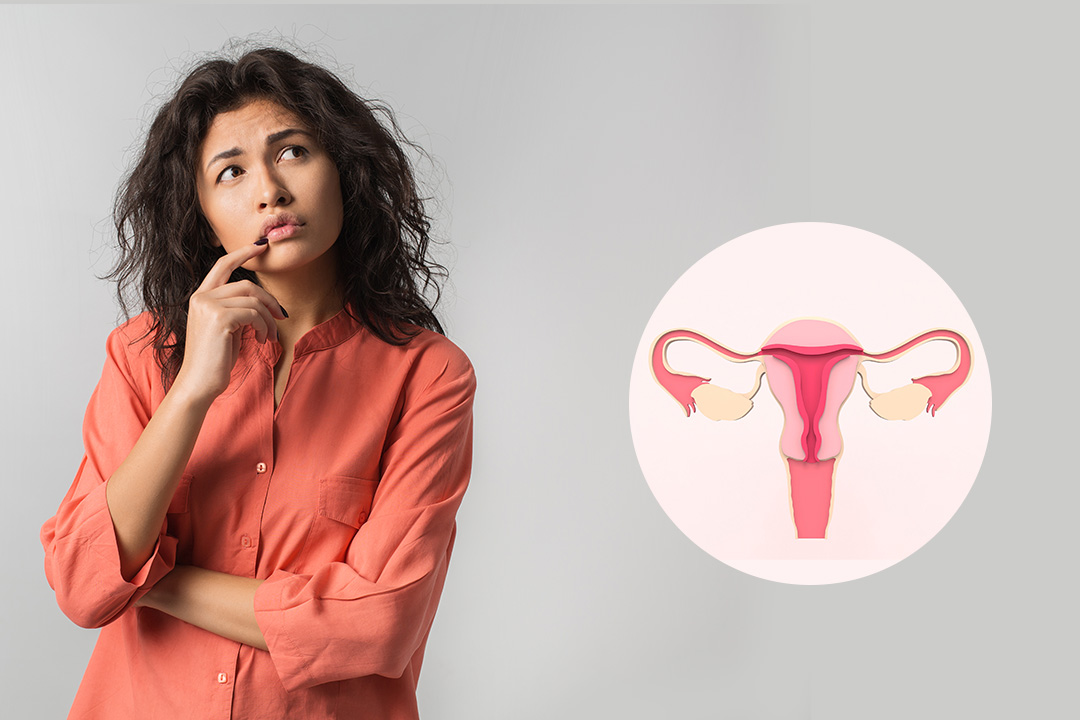
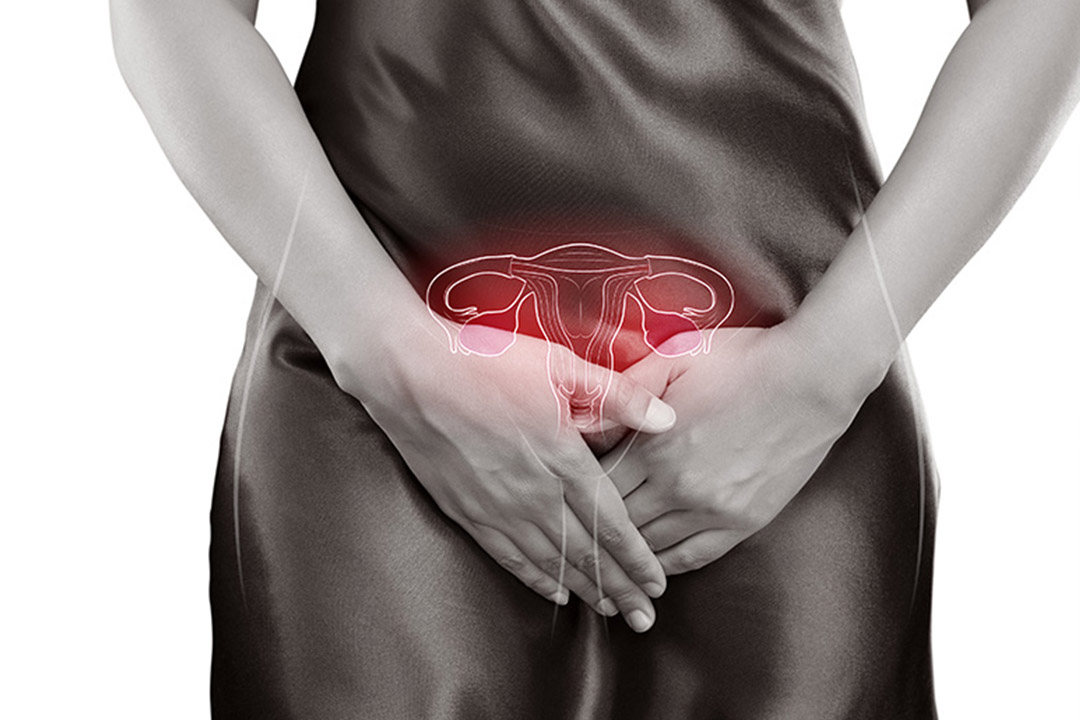
It is normal for women to feel anxious or worried when they hear the terms "cyst" and "fibroid" during a scan or medical appointment. Both are often observed, particularly during the reproductive years, and they are usually not harmful.
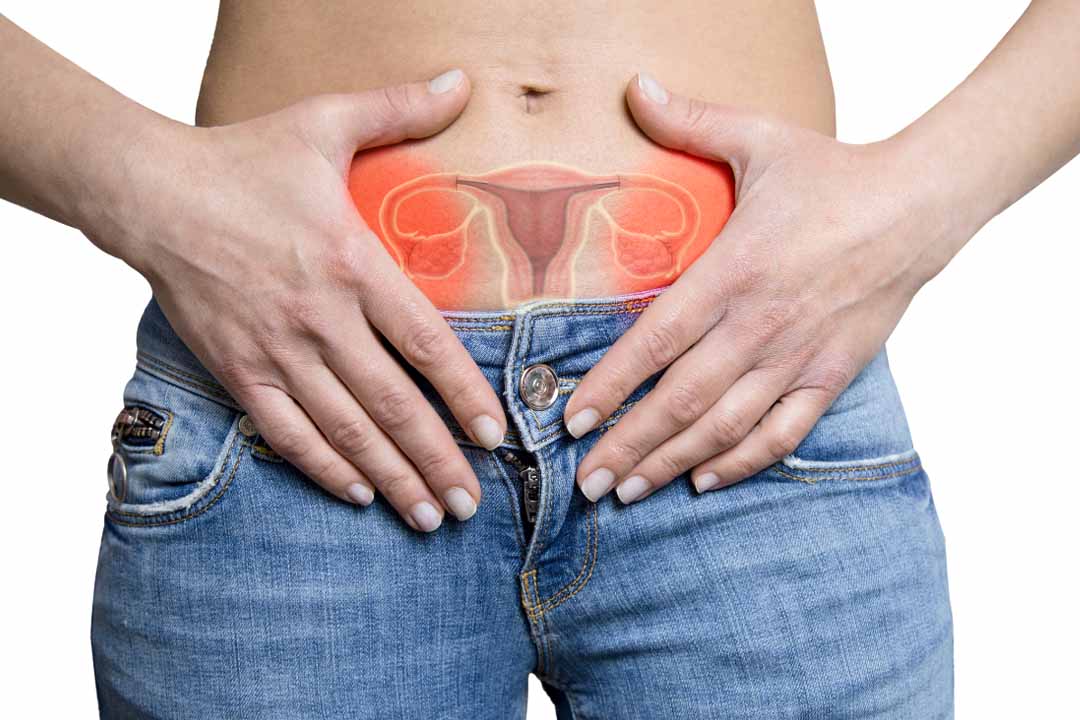
However, many individuals confuse them because they might produce similar symptoms including discomfort, irregular periods, or a sense of heaviness in the lower abdomen.
This guide explains what cysts and fibroids are, how they differ, what symptoms they may cause, and what treatment options are available. The aim is to keep things simple and clear, so you can make informed decisions about your body and wellbeing.
What is a Cyst?
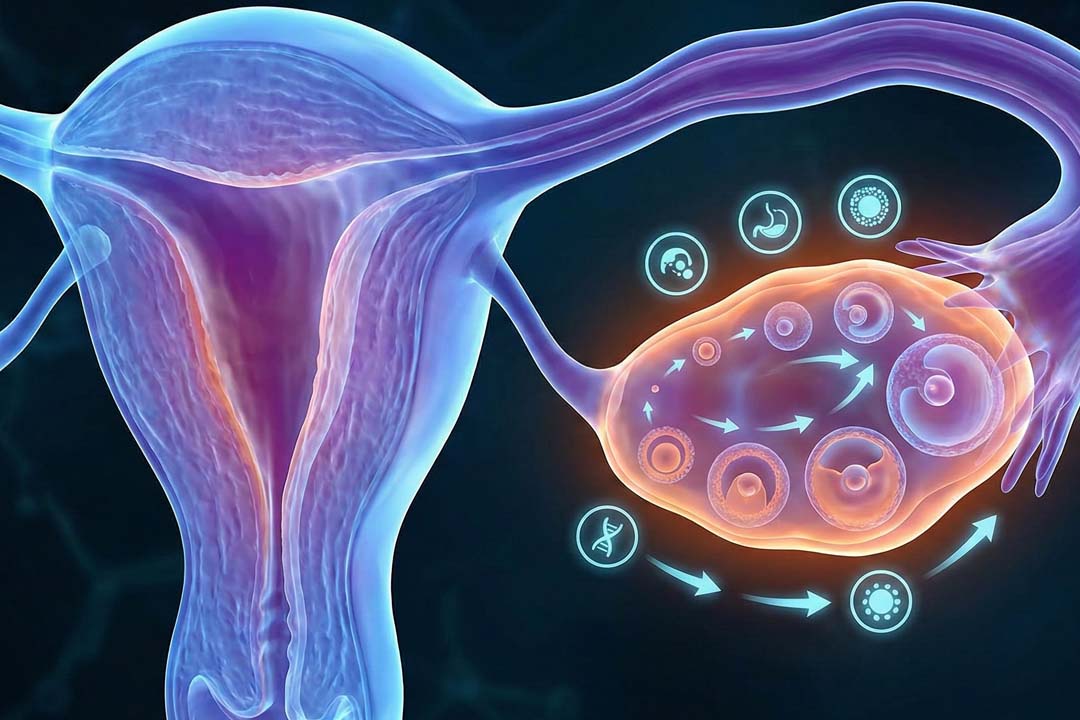
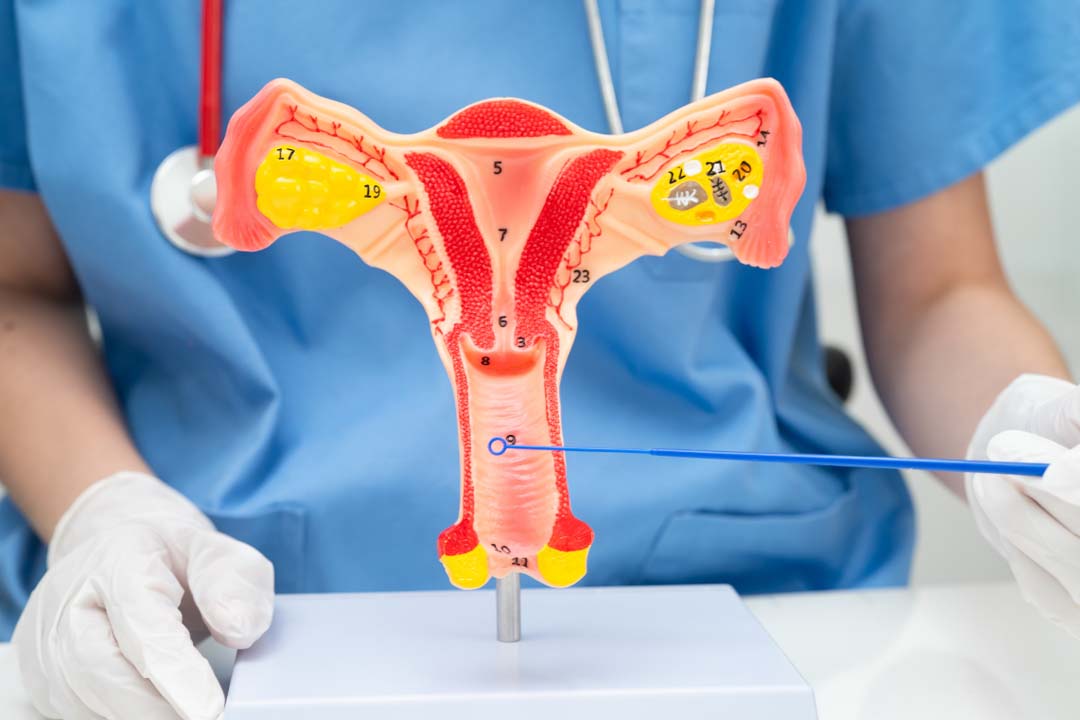
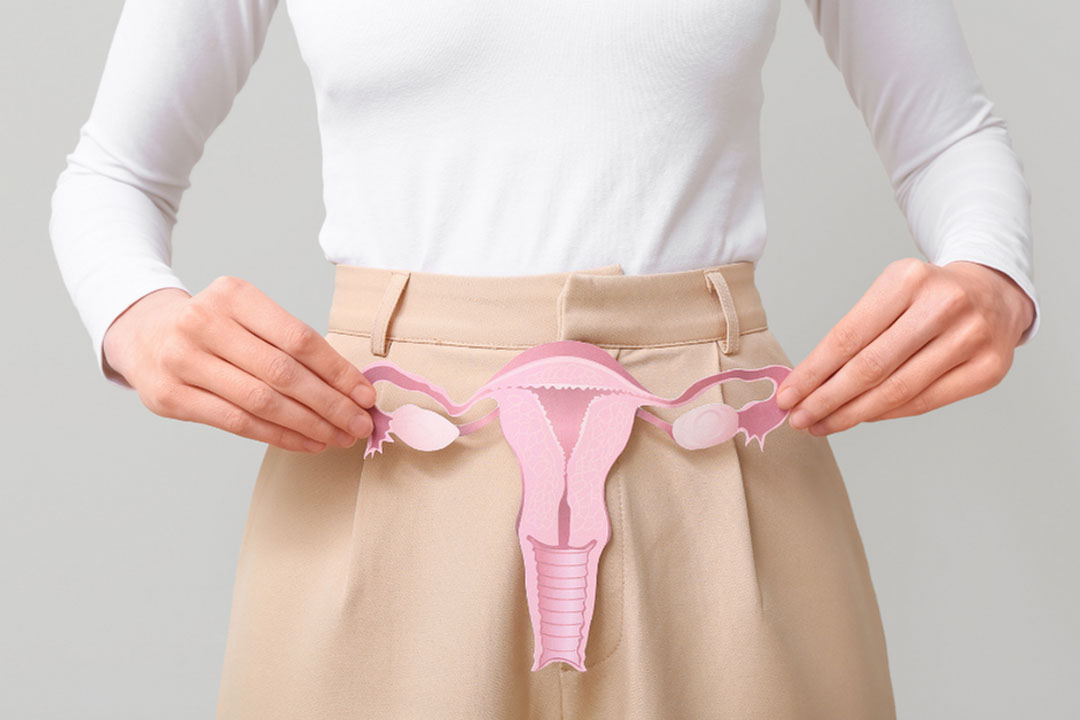
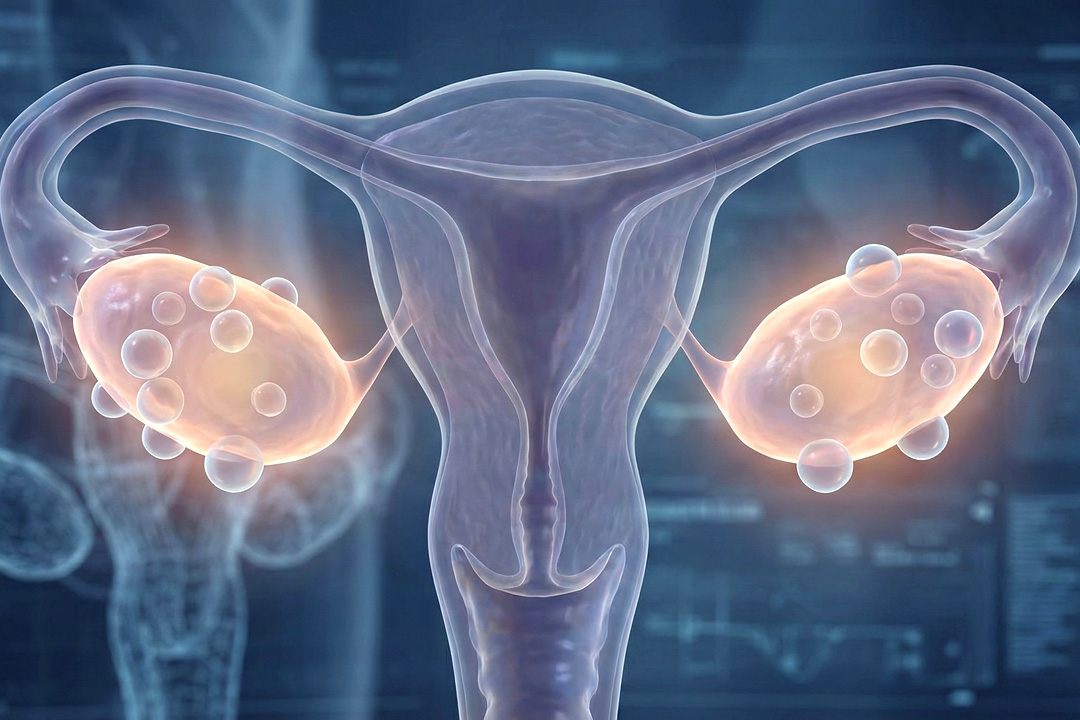
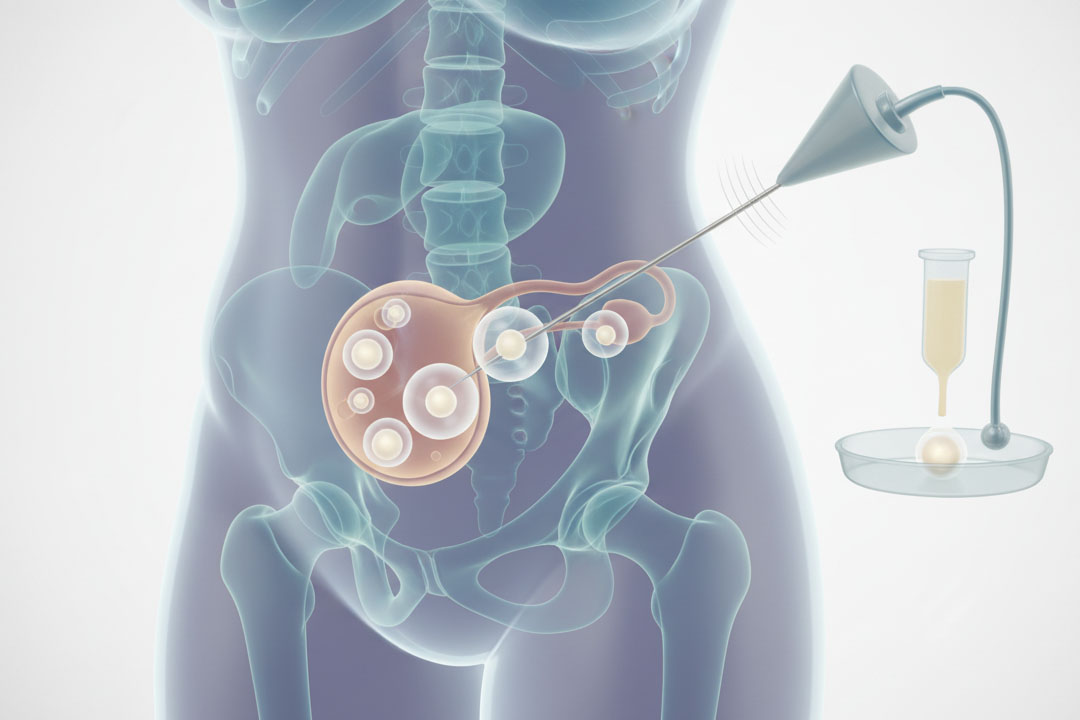
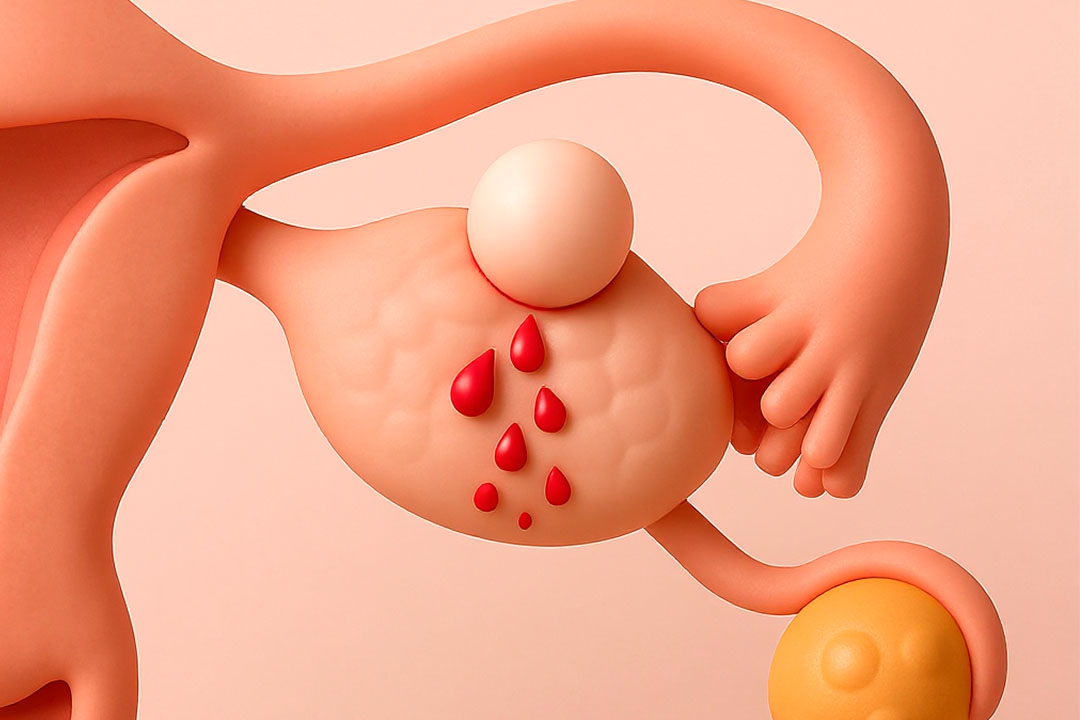
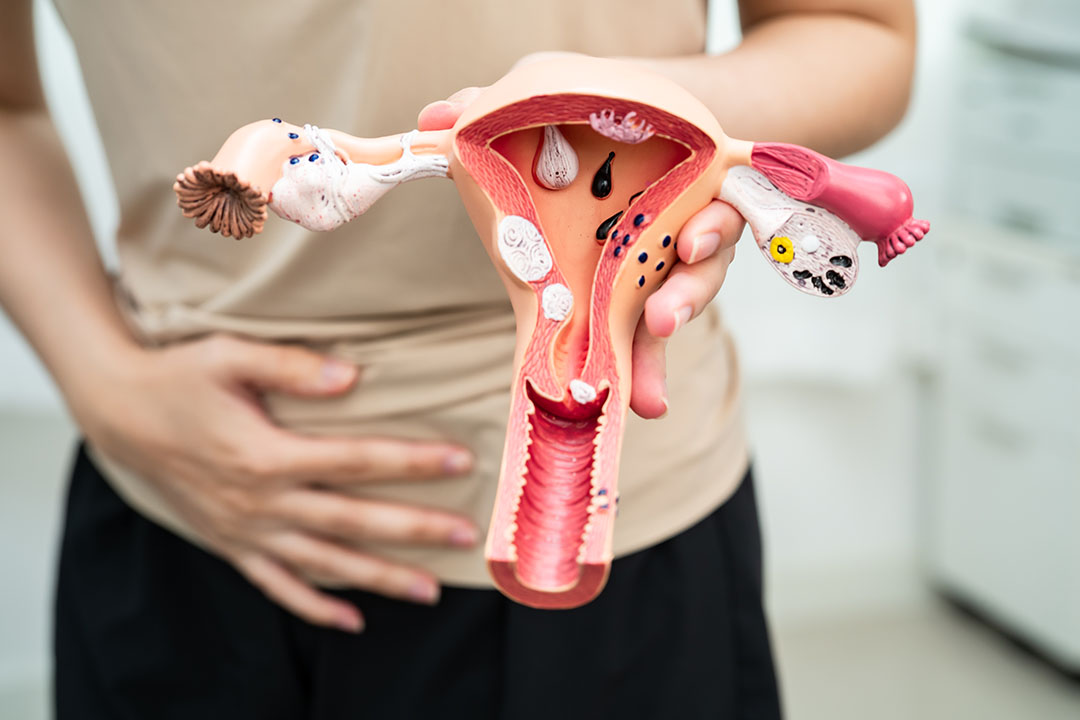
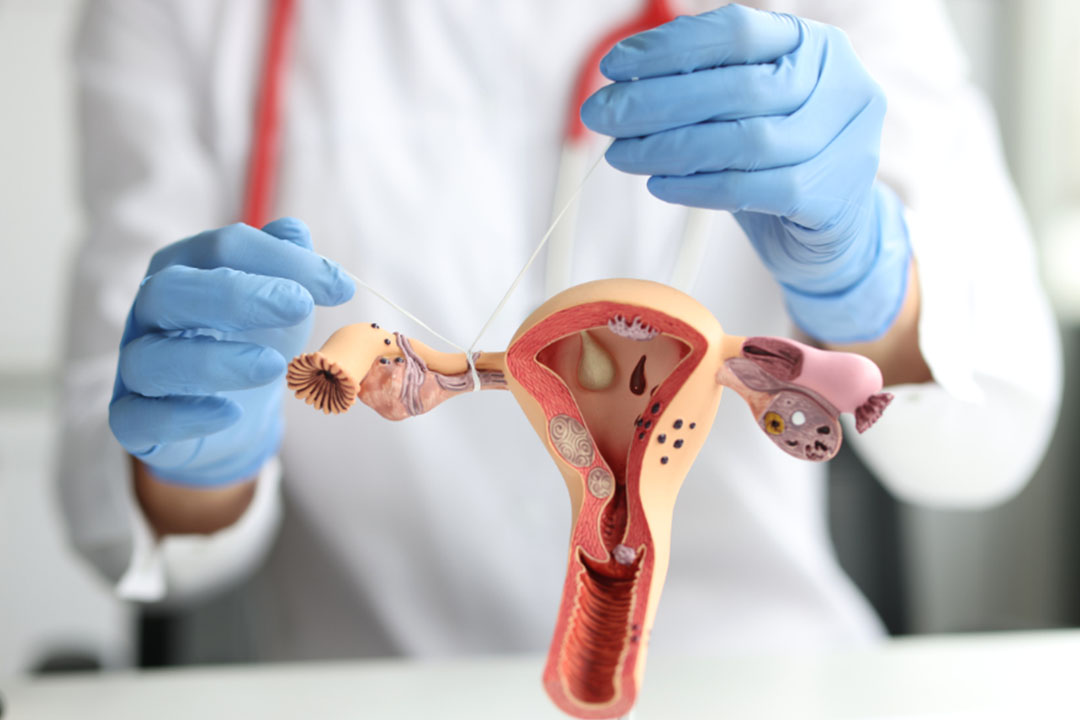
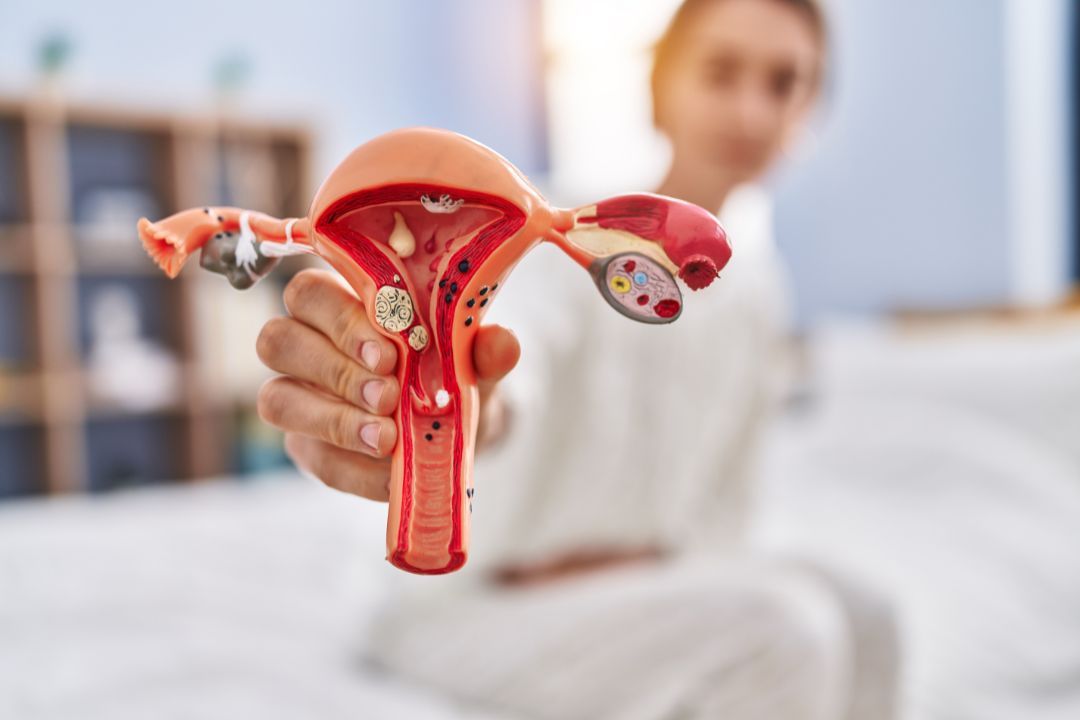
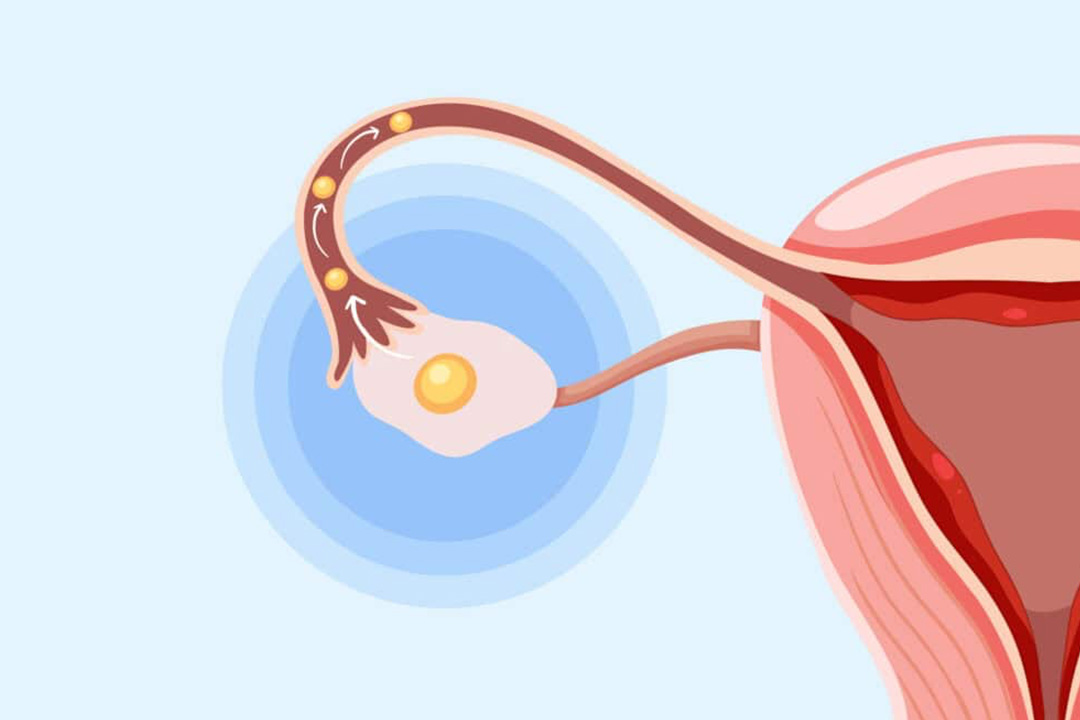
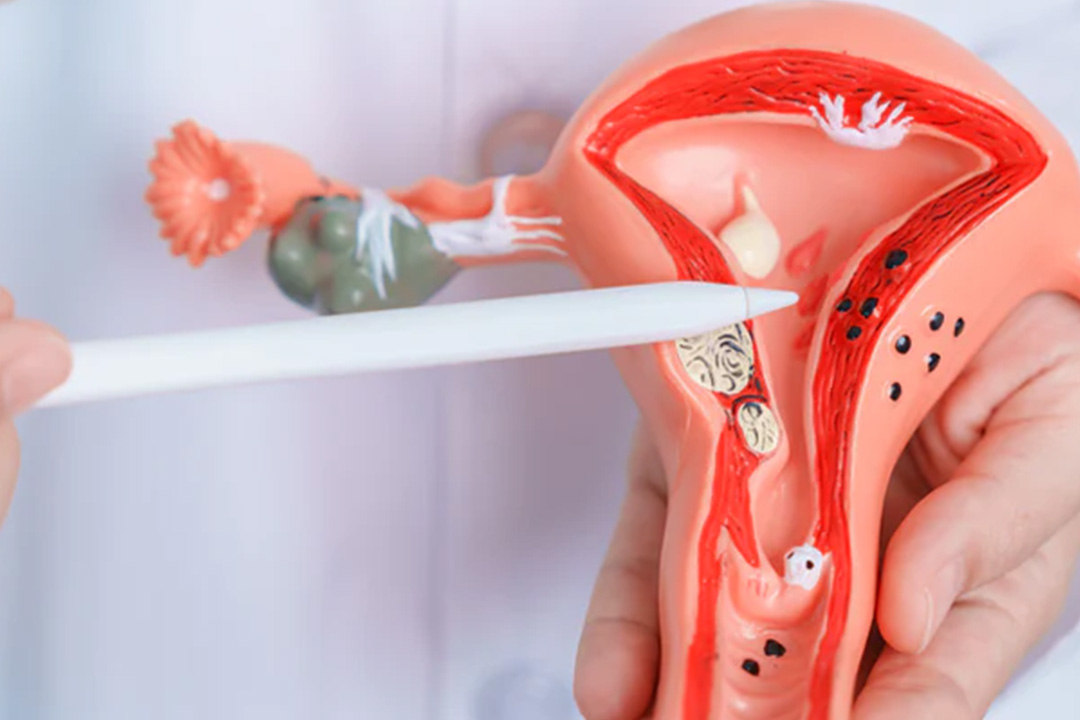
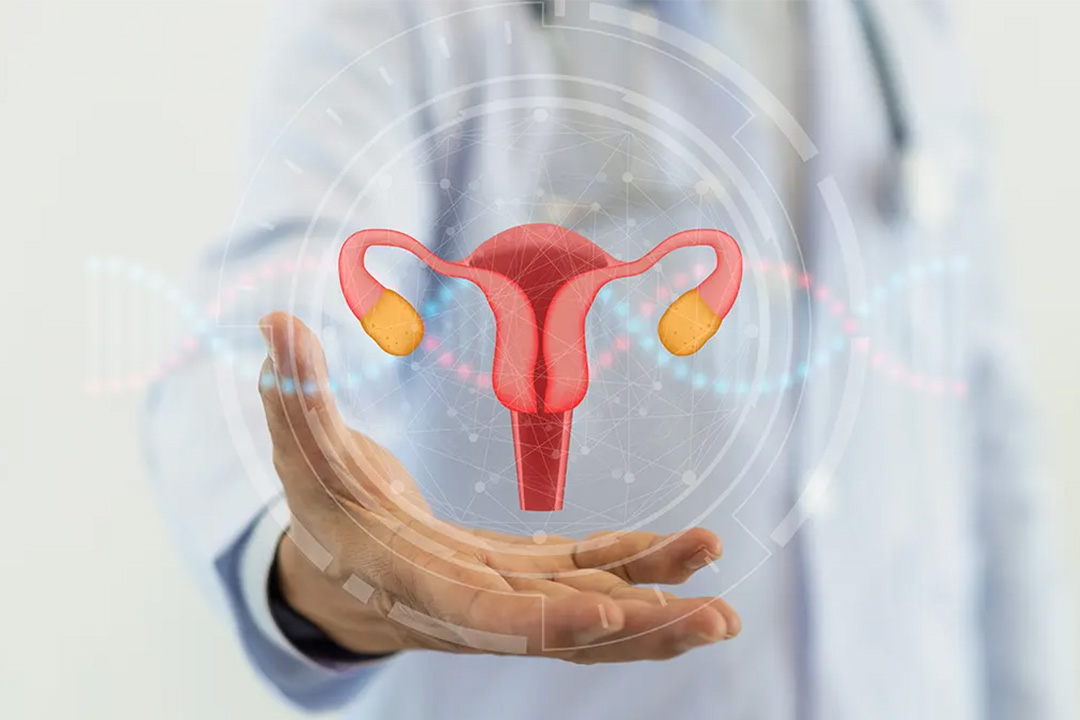
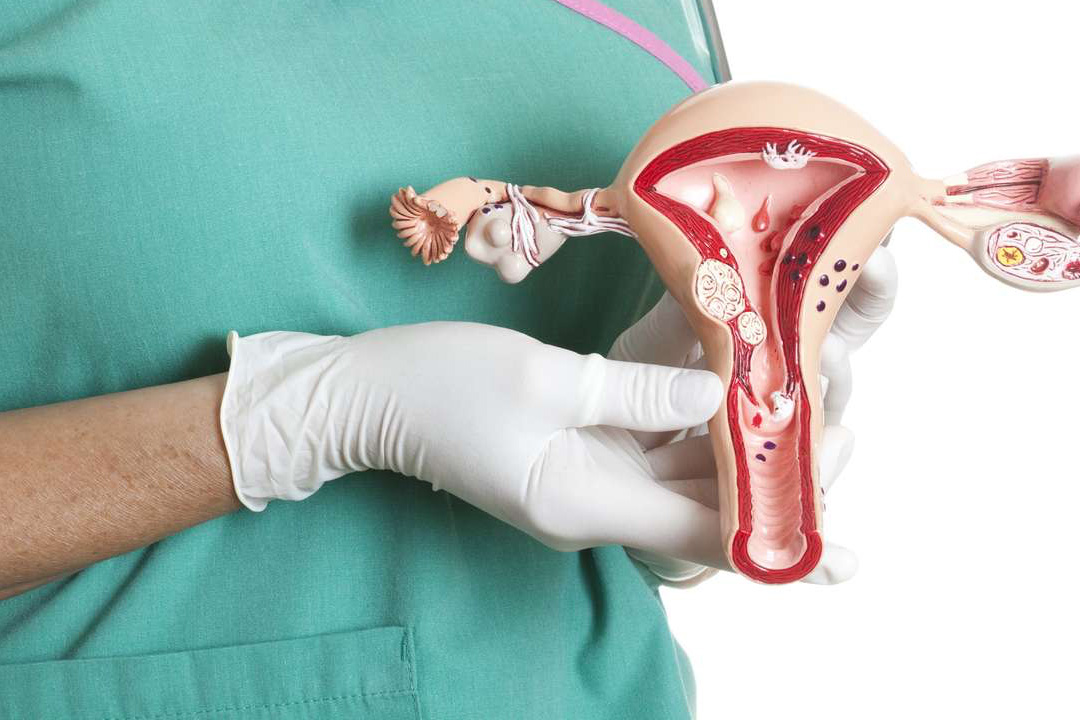
A cyst is a fluid-filled sac that can form anywhere in the body, but in women, it most commonly develops in the ovaries. Ovarian cysts are very common and often appear as part of the normal menstrual cycle.
Most cysts are harmless and go away on their own within a few weeks or months. Many women do not even know they have one unless it shows up on an ultrasound done for another reason.
Cysts can vary in size. Some are as small as a pea, while others may grow larger and cause discomfort.
Causes of Cysts
Most ovarian cysts form as part of the normal menstrual cycle. Hormonal changes play a big role. Conditions like PCOS, pregnancy, endometriosis, or pelvic infections can also increase the chance of cyst formation.
Common Types of Cysts in Women
Not all cysts are the same. The most frequent types include:
- Functional cysts: These are linked to ovulation. They form when the ovary does not release an egg or when the sac holding the egg fills with fluid. They usually disappear without treatment.
- Dermoid cysts: These can contain tissue like hair or fat. They grow slowly and are usually non-cancerous.
- Endometriotic cysts: These are related to endometriosis and can cause pelvic pain, especially during periods.
- Polycystic ovaries: This refers to many small cysts seen in a condition called PCOS, often linked with irregular periods and hormone imbalance.
Symptoms of CystsMany cysts cause no symptoms at all. When symptoms do appear, they may include:
- Dull or sharp pain on one side of the lower abdomen
- Bloating or heaviness
- Irregular periods
- Pain during intercourse
- Sudden severe pain if a cyst ruptures or twists
If pain is intense, sudden, or comes with fever or vomiting, medical attention is important.
What is a Fibroid?
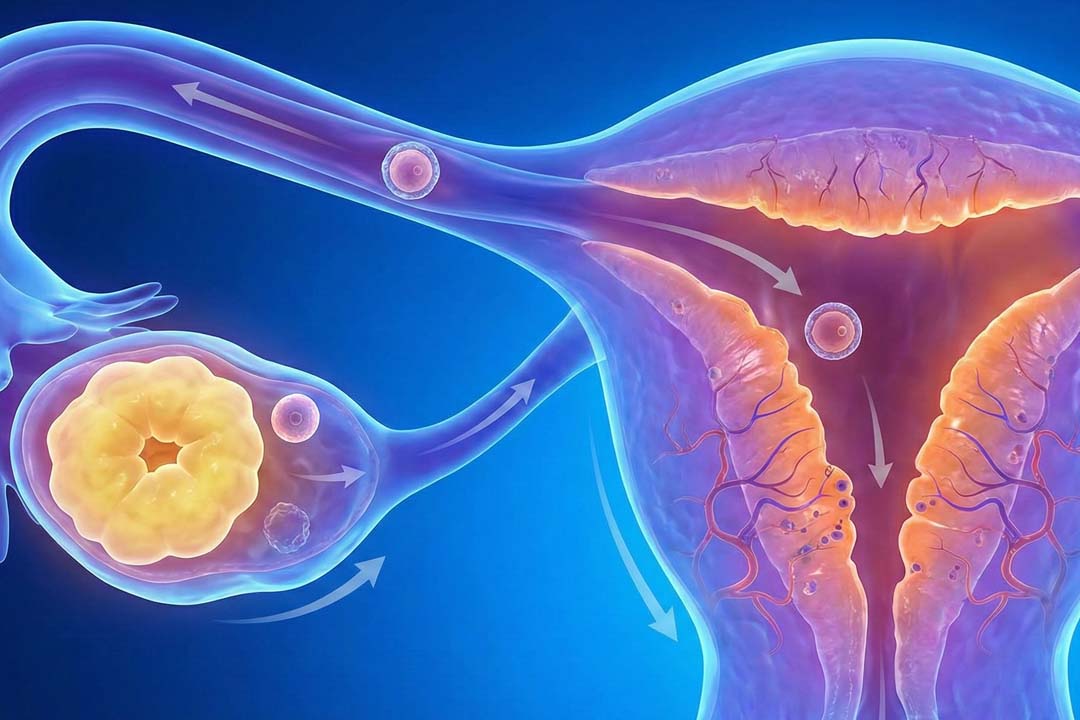
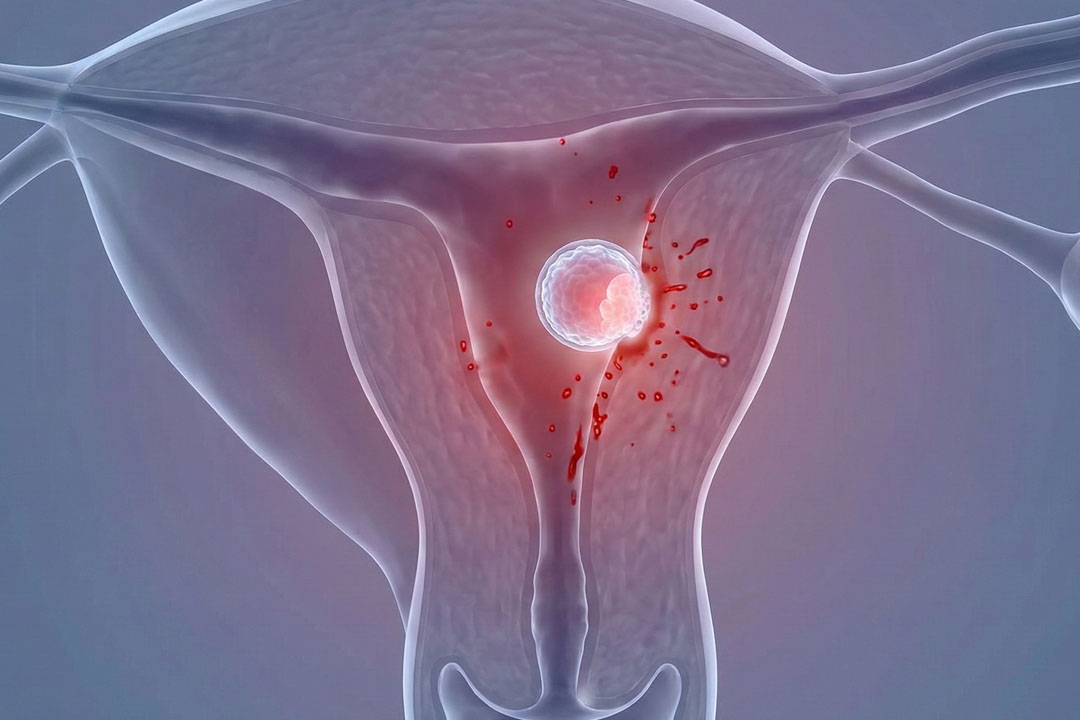
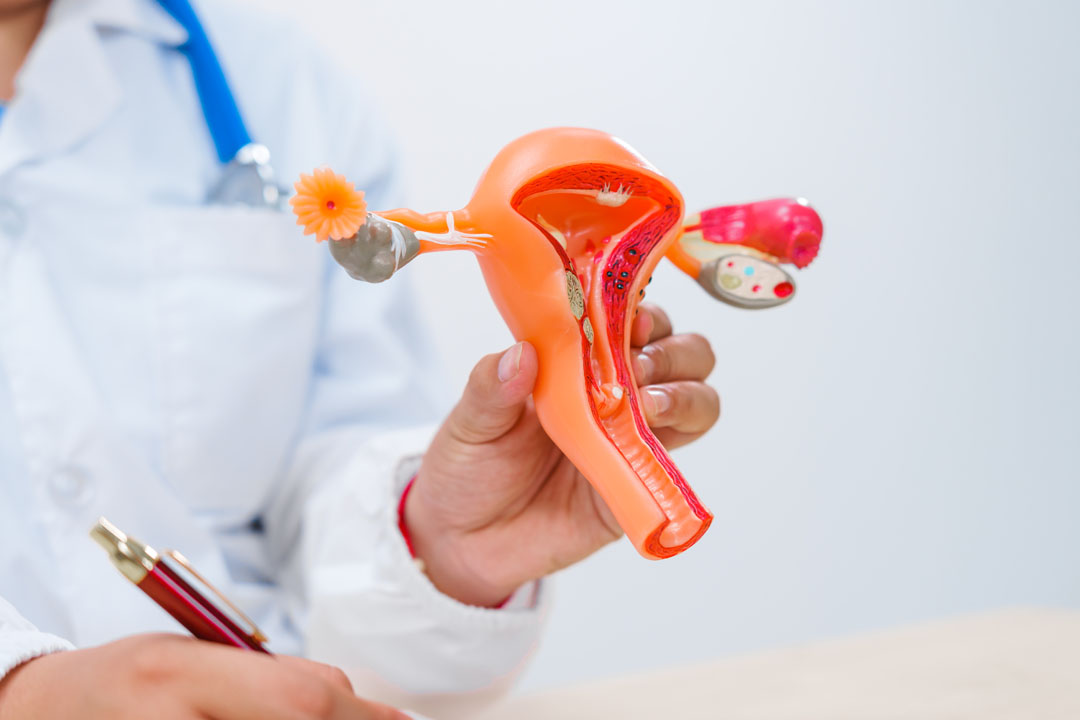
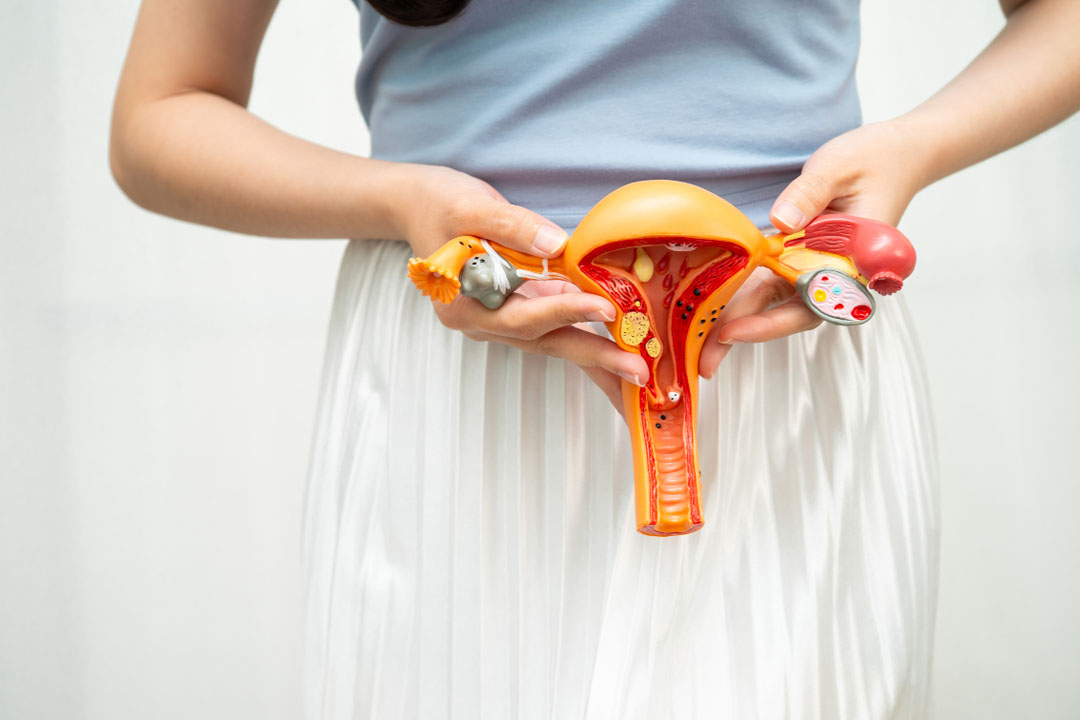
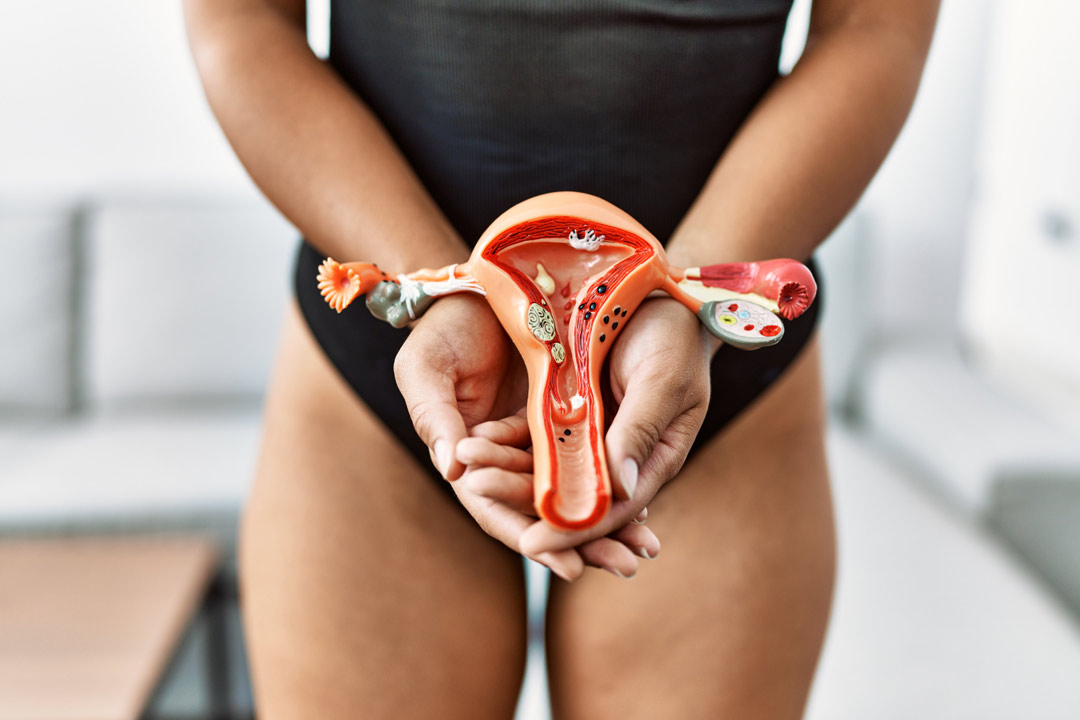
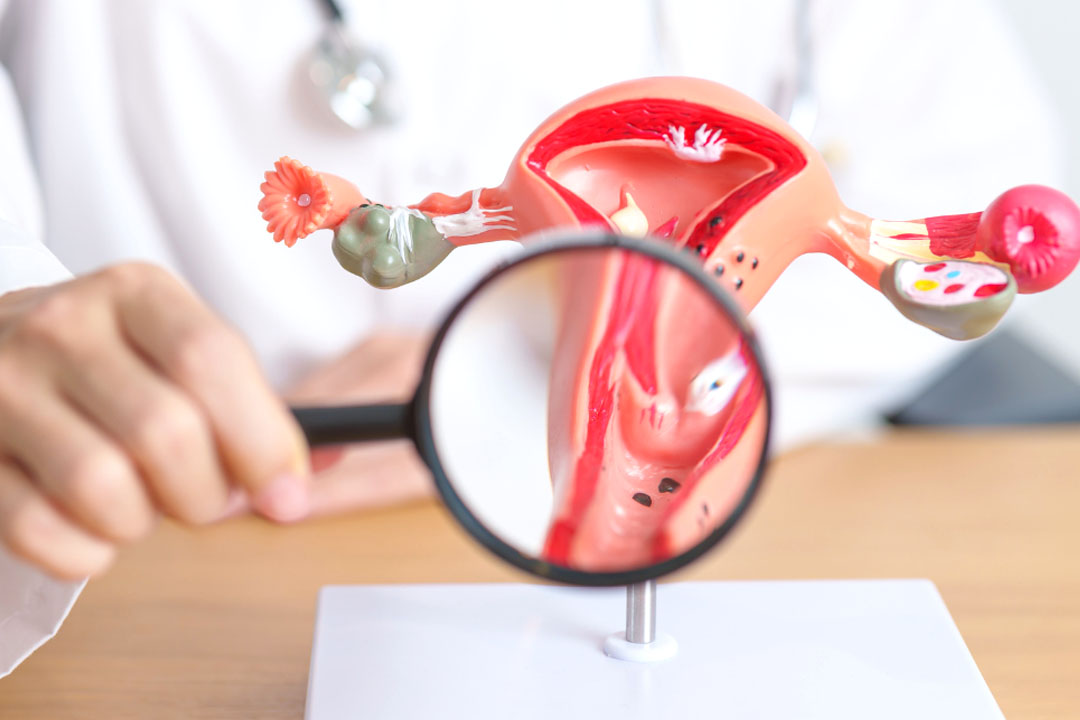
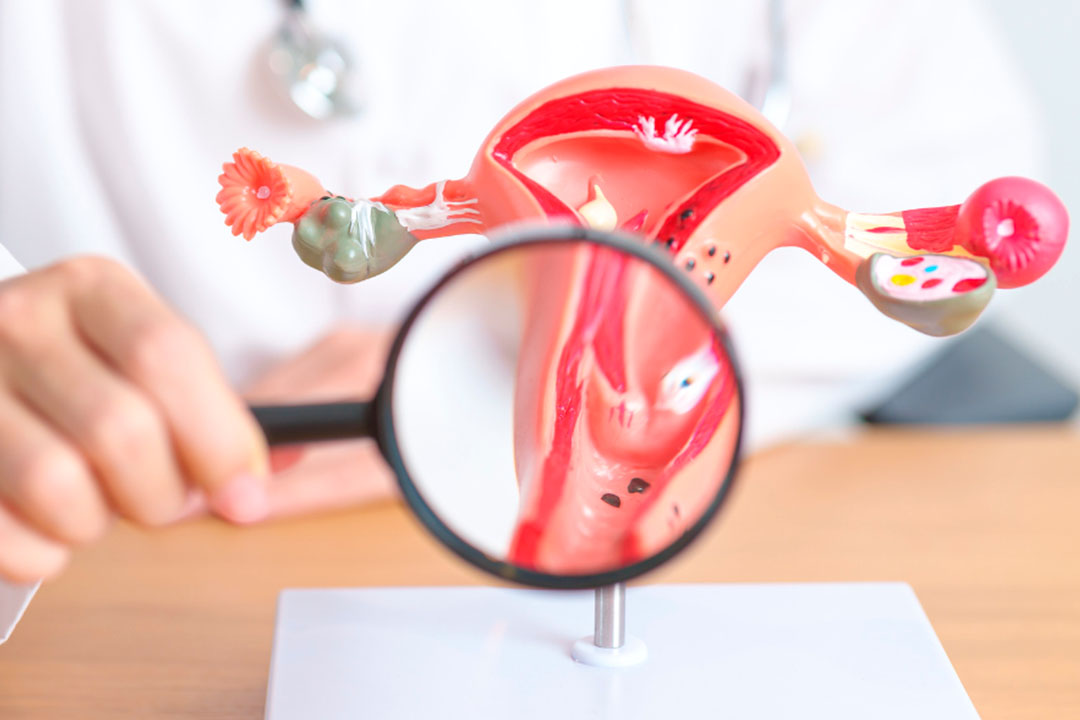
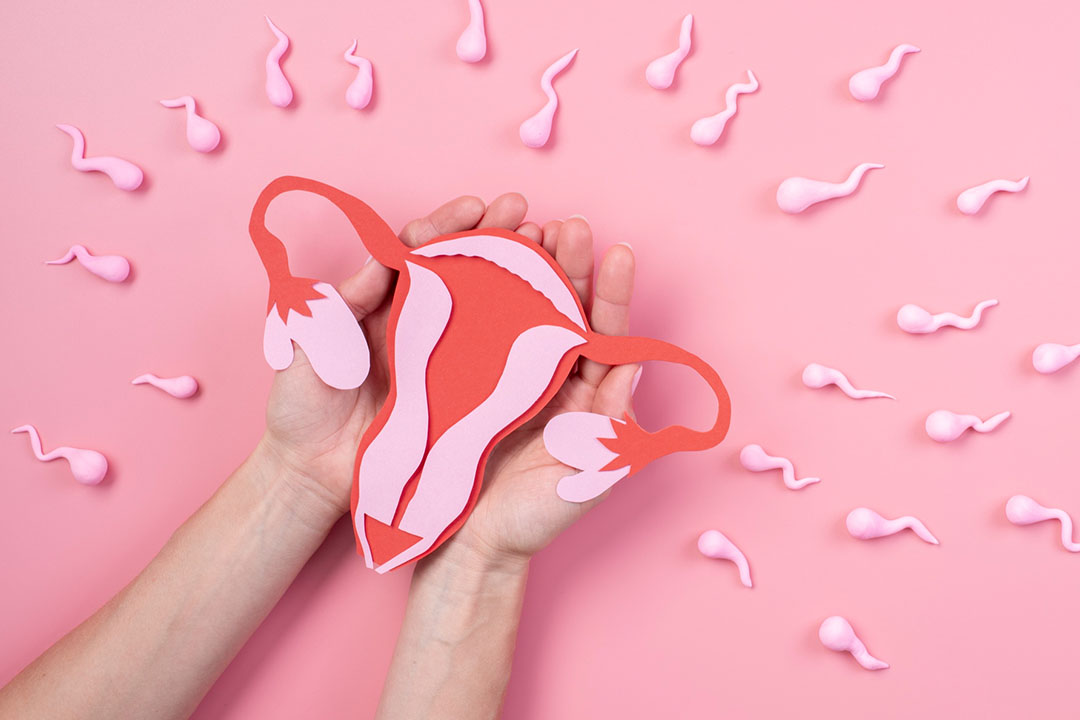
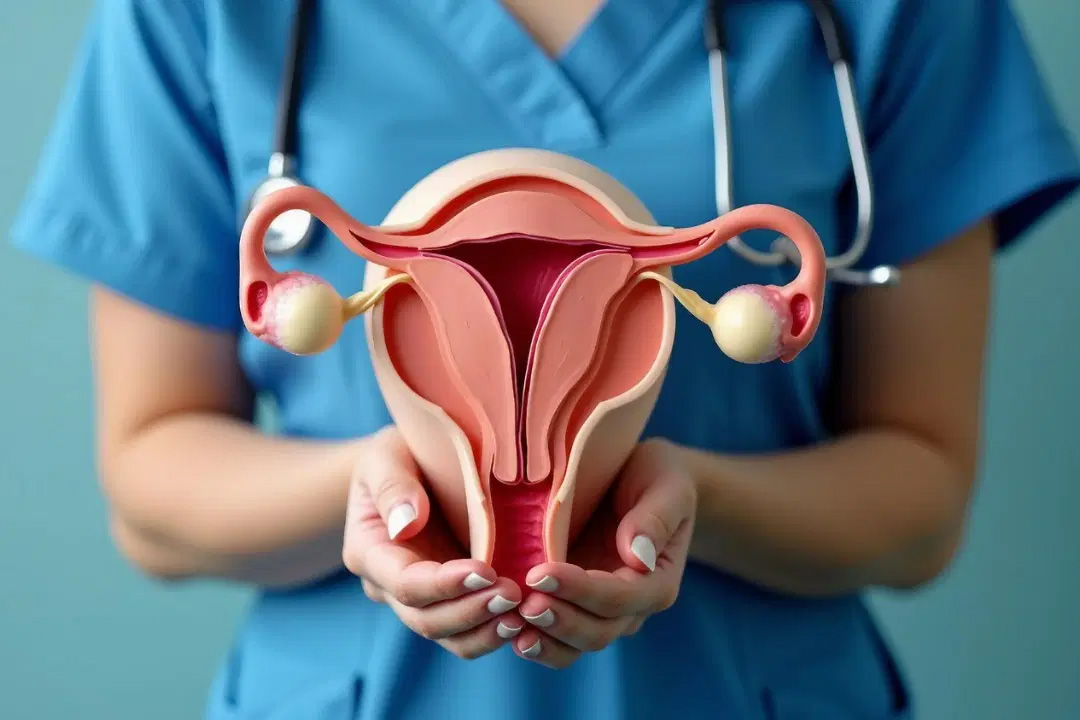
A fibroid is a solid growth made of muscle and connective tissue that develops in or around the uterus. Fibroids are also called uterine fibroids or leiomyomas.
They are very common, especially in women between 30 and 50 years of age. Like cysts, fibroids are usually non-cancerous. Many women with fibroids live normal lives without symptoms.
Fibroids can be tiny or grow large enough to change the shape of the uterus.
Causes of Fibroids
The exact cause of fibroids is not fully known, but they are strongly linked to female hormones, especially estrogen and progesterone. Genetics also matter, as fibroids often run in families. They tend to grow during reproductive years and may shrink after menopause.
Types of Fibroids
Fibroids are grouped by where they grow:
- Intramural fibroids: These grow within the wall of the uterus and are the most common type.
- Subserosal fibroids: These grow on the outer surface of the uterus and may press on nearby organs.
- Submucosal fibroids: These grow just under the inner lining of the uterus and can affect periods and fertility.
- Pedunculated fibroids: These are attached to the uterus by a stalk-like structure.
Symptoms of FibroidsMany fibroids do not cause symptoms. When they do, common signs include:
- Heavy or prolonged menstrual bleeding
- Painful periods
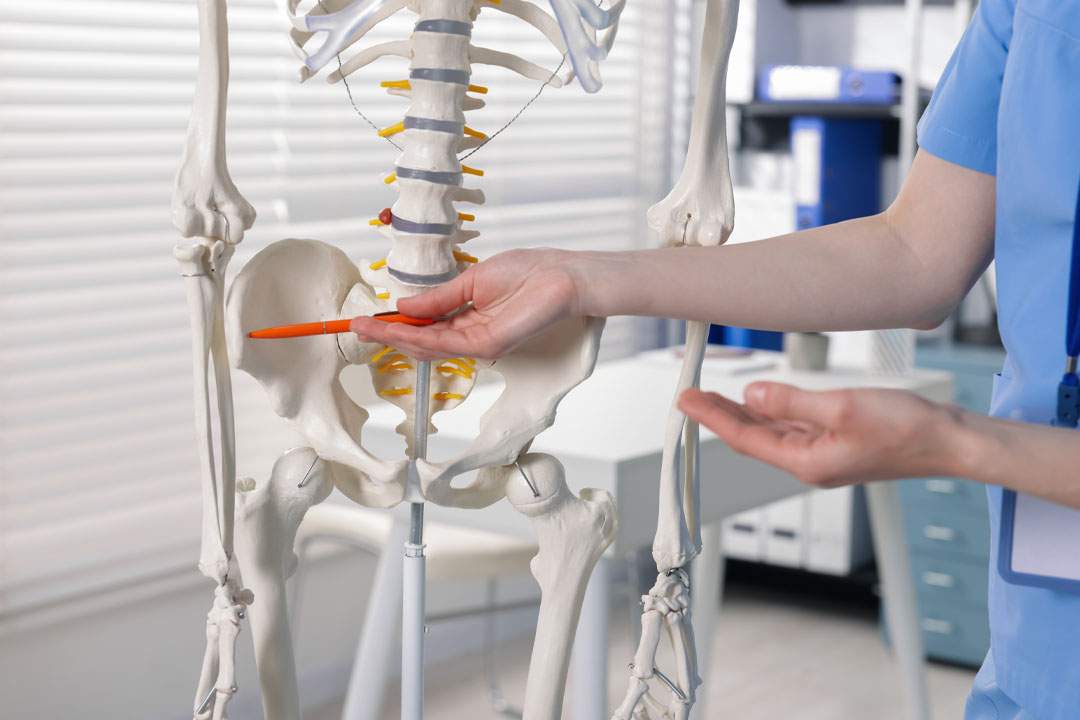
- Pelvic pressure or pain
- Frequent urination if pressing on the bladder
- Constipation if pressing on the bowel
- Lower back pain
- Difficulty getting pregnant in some cases
Key differences between Cyst and Fibroid
Here is a simple comparison to make things clearer:
| Feature | Cyst | Fibroid |
|---|
| Location | Usually ovaries | In or on the uterus |
| Structure | Fluid-filled sac | Solid muscle tissue |
| Common age | Any reproductive age | More common after 30 |
| Cause | Often linked to ovulation or hormones | Hormone-sensitive uterine growth |
| Symptoms | Often none, may cause one-sided pain | Heavy periods, pressure, pain |
| Natural course | Many disappear on their own | Often remain or grow slowly |
| Effect on periods | May cause irregularity | Often causes heavy bleeding |
| Cancer risk | Low | Low |
How are Cysts and Fibroids Diagnosed?
Both conditions are usually found through imaging tests.
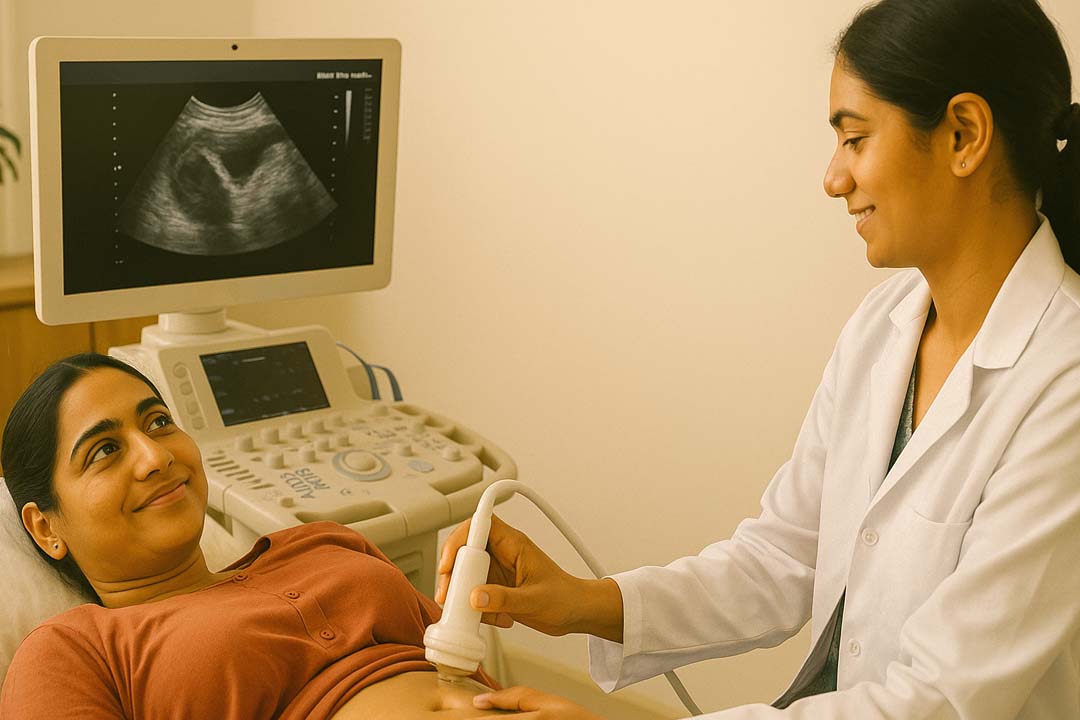
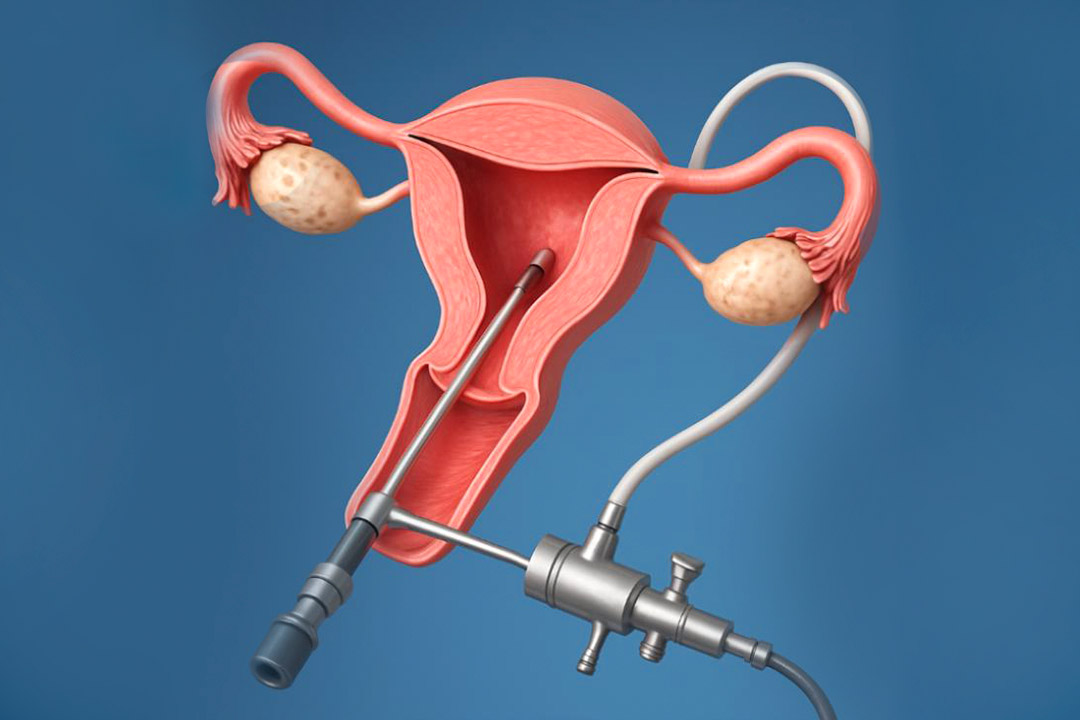
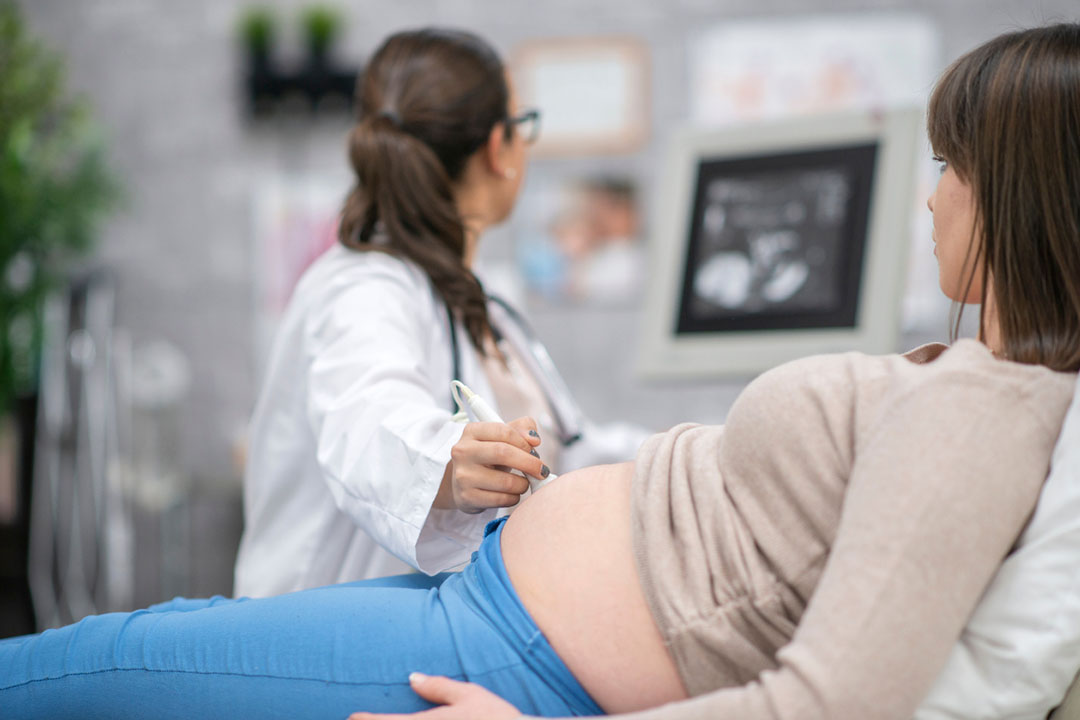
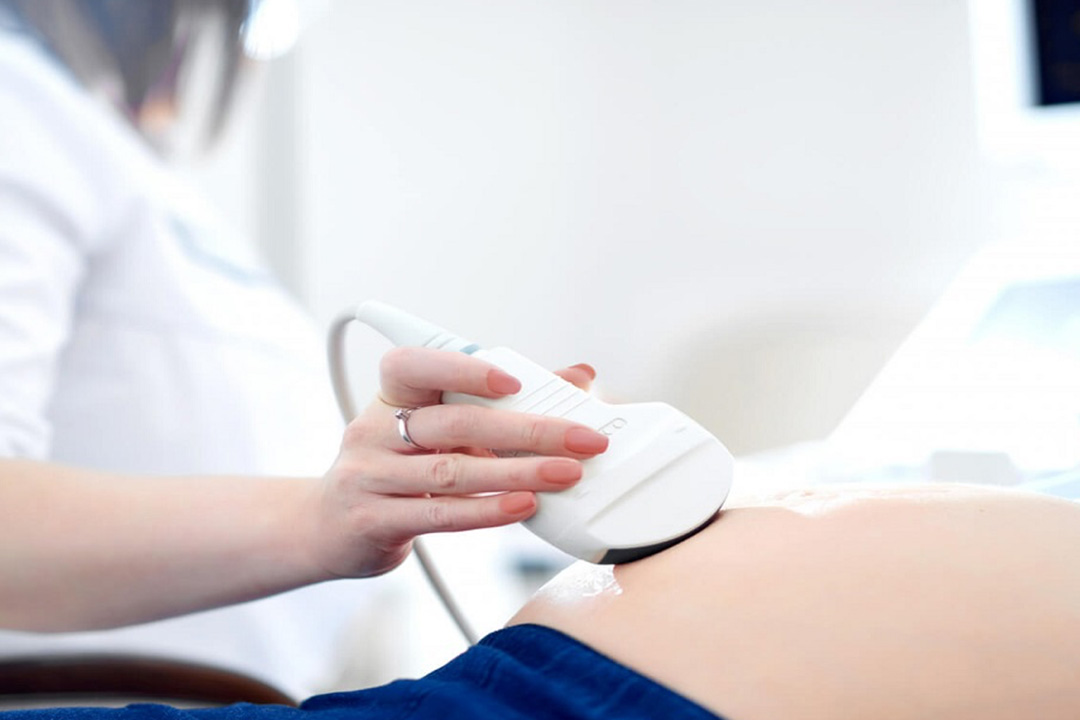
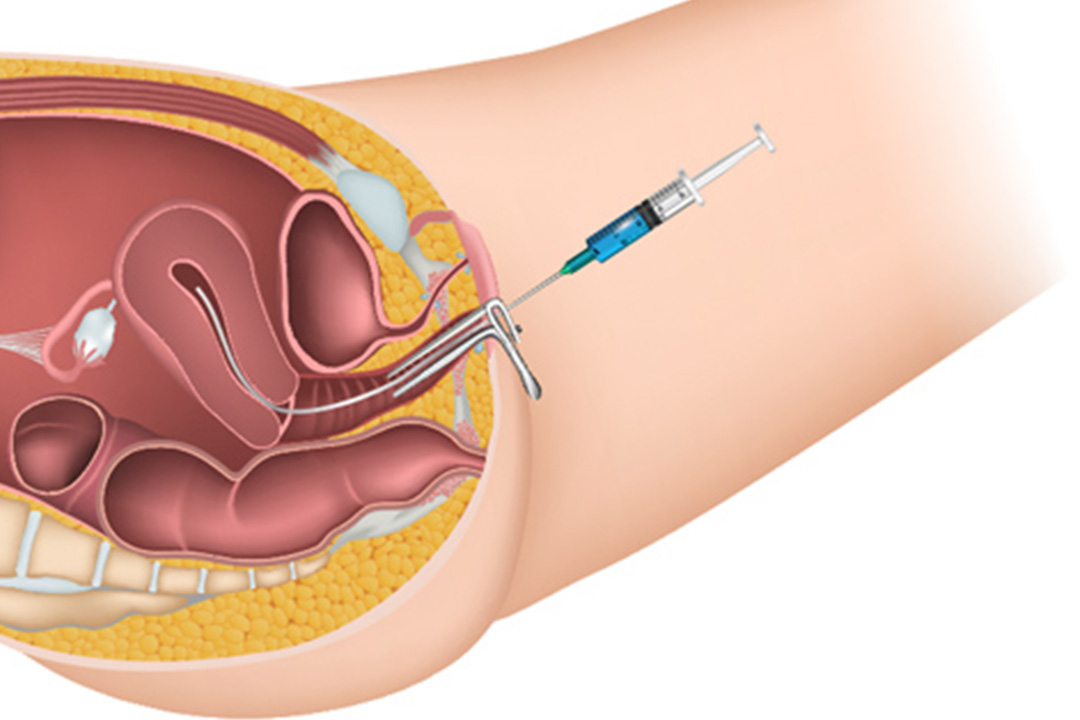
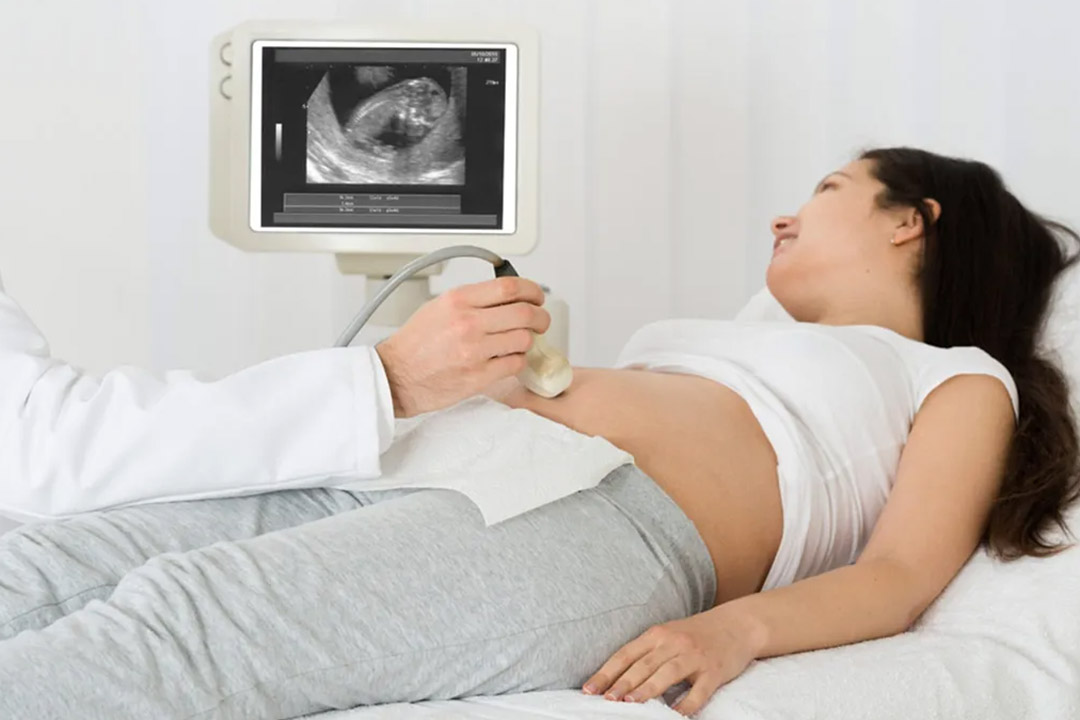
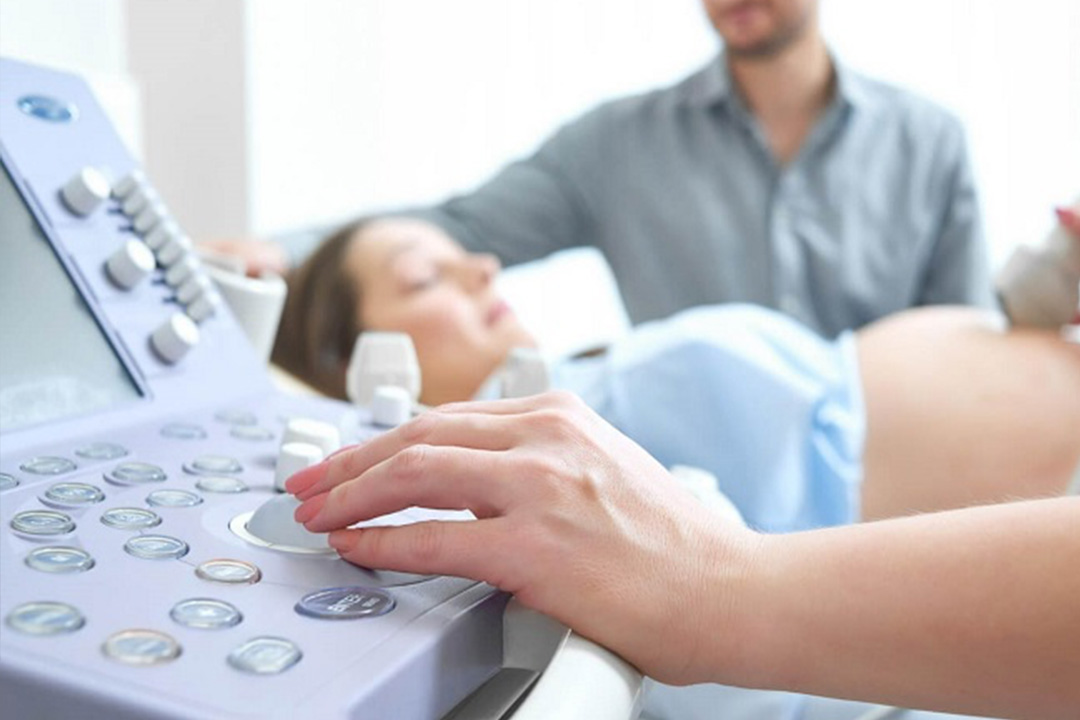
- Ultrasound: This is the most common and painless way to see cysts and fibroids.
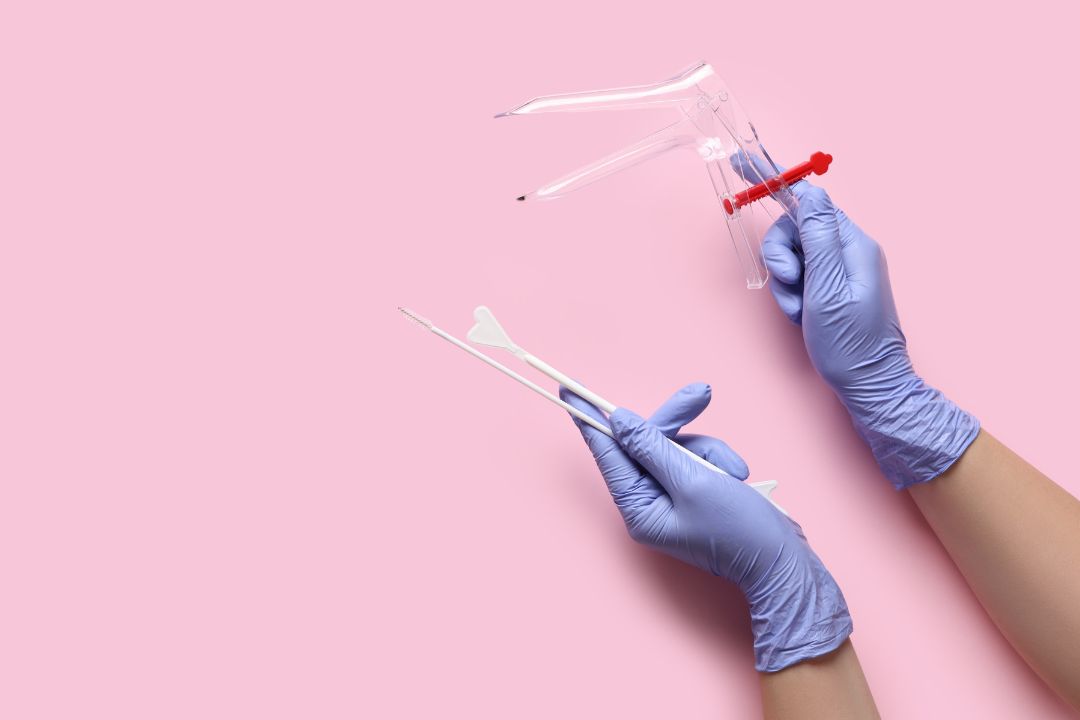
- Pelvic exam: A doctor may feel an enlarged ovary or uterus during a routine check.
- MRI or CT scan: Sometimes used if more detail is needed.
- Blood tests: In certain cases, to check hormone levels or rule out other issues.
Diagnosis helps decide whether simple monitoring is enough or if treatment is needed.
Treatment Options for Cysts
Treatment depends on the type, size, symptoms, and age of the woman.
- Many cysts disappear without treatment. Regular scans may be advised.
- Hormonal pills may help prevent new cysts from forming, though they do not always shrink existing ones.
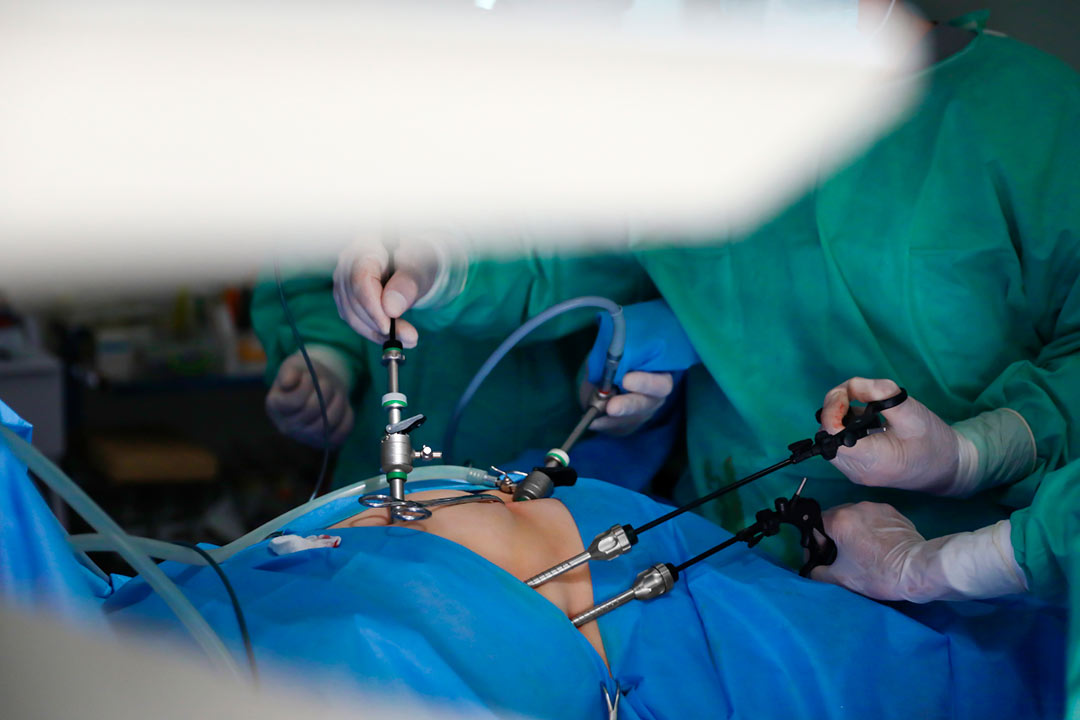
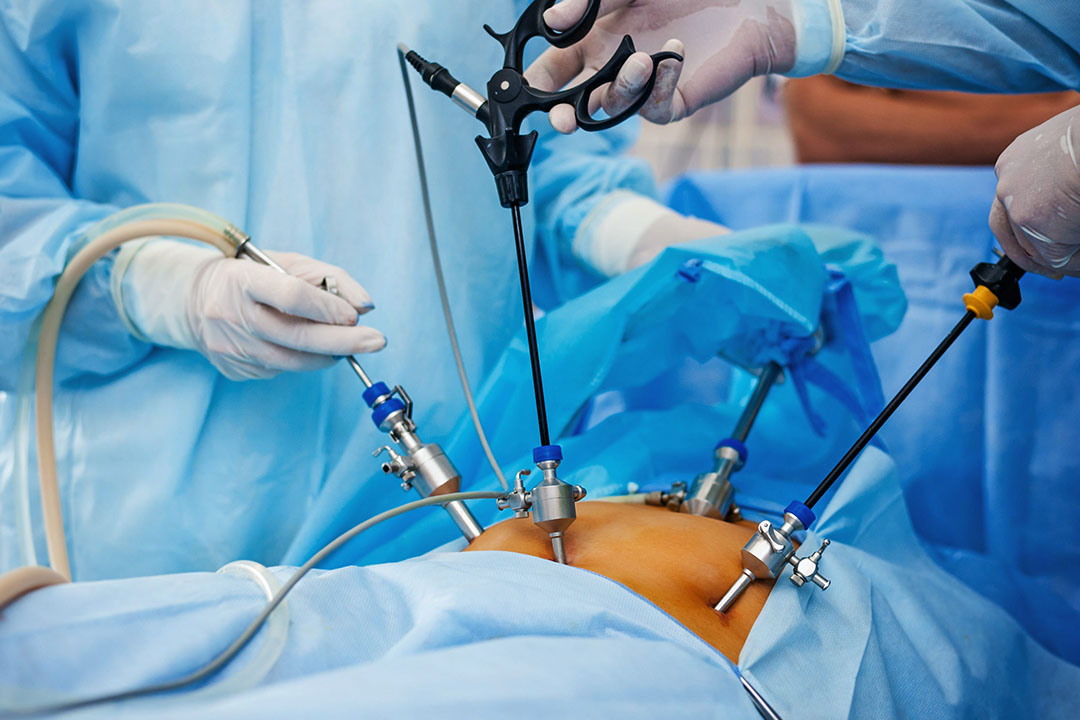
- Surgery is recommended if the cyst is large, persistent, painful, or looks unusual on scans.
Treatment Options for Fibroids
Fibroid treatment is more varied because fibroids behave differently in each woman.
- Small, symptom-free fibroids may only need monitoring.
- Medicines to control bleeding, pain, or temporarily shrink fibroids.
- Non-surgical procedures cut off blood supply to fibroids so they shrink.
- Removal of fibroids or, in severe cases, the uterus, depending on age, symptoms, and family plans.
The choice depends on symptoms, size and location of fibroids, and whether future pregnancy is desired.
Can Cysts or Fibroids Affect Fertility and Pregnancy?
Both can affect fertility, but not always.
Cysts and fertility: Most simple ovarian cysts do not prevent pregnancy. However, conditions like PCOS or endometriotic cysts can interfere with ovulation and may make conception harder.
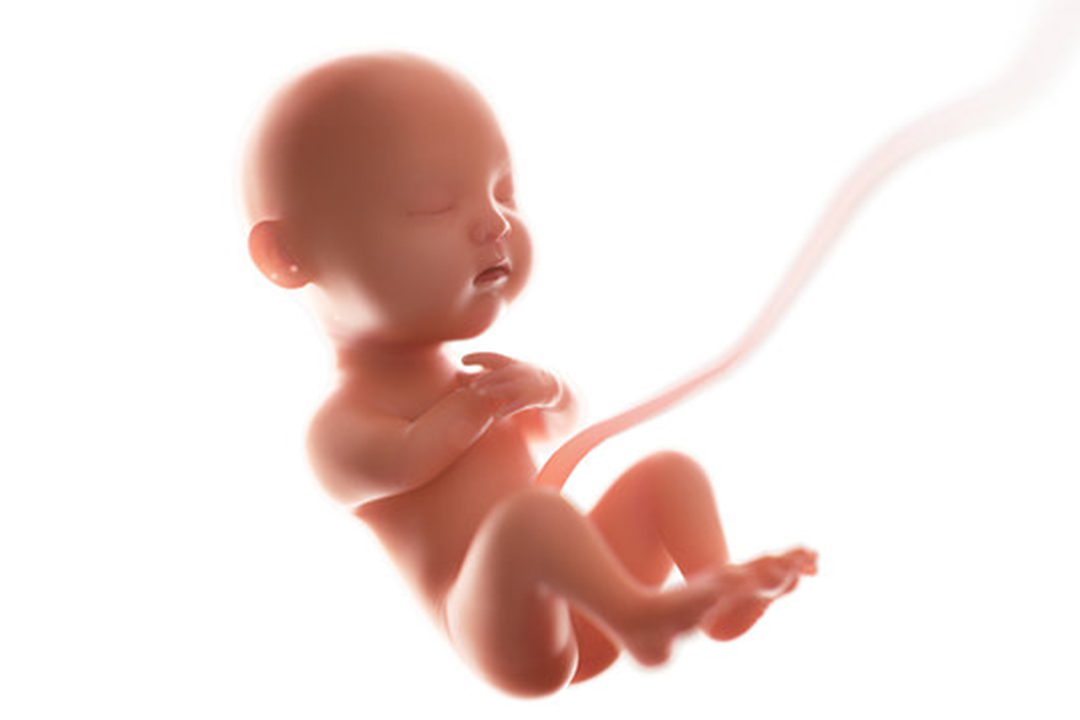
Fibroids and fertility: Fibroids, especially those inside the uterine cavity, can sometimes affect implantation or increase the risk of miscarriage. Many women with fibroids still conceive naturally and have healthy pregnancies.
Can Cysts or Fibroids Turn into Cancer?
In most cases, cysts and fibroids are non-cancerous, and the chance of cancer is very low. Simple ovarian cysts in younger women are rarely cancerous. Fibroids almost always remain benign, and cancerous change is extremely uncommon. Still, rapid growth, unusual scan features, or symptoms after menopause need careful evaluation.
When Should You See a Doctor?
You should seek medical advice if you have:
- Severe or sudden pelvic pain
- Very heavy or prolonged periods
- Bleeding between periods
- Rapid increase in abdominal size
- Difficulty in getting pregnant
- Symptoms after menopause
Early evaluation can prevent complications and reduce anxiety.
Frequently Asked Questions
1. I am 30, should I worry if I have a cyst or fibroid?
At 30, both cysts and fibroids are common and usually harmless. Most only need monitoring unless they cause symptoms.
2. Can cysts and fibroids go away on their own?
Many ovarian cysts disappear naturally. Fibroids usually do not vanish but may stay the same size or shrink after menopause.
3. How do I know if my pain is from a cyst or a fibroid?
Pain from cysts is often one-sided and sudden, while fibroid pain is more like pressure with heavy periods. Only an ultrasound can confirm.
4. Are cysts or fibroids the reason for heavy periods?
Fibroids are a more common cause of heavy bleeding. Cysts usually affect periods only in certain conditions.
5. Can lifestyle changes help shrink fibroids or cysts?
A healthy lifestyle supports overall hormone balance, but it cannot reliably shrink existing growths. It may help control symptoms.
6. Is surgery always the best option?
No. Surgery is considered only when symptoms are severe, growths are large, or complications arise.
7. What is the approximate cost of treatment in India?
Costs vary widely based on the type of treatment. Simple monitoring may cost a few thousand INR for scans and visits, while surgical procedures can range from around 40,000 INR to over 1,50,000 INR depending on the method and city.
8. Can I get pregnant if I have fibroids or cysts?
Yes, many women do. Some cases may need treatment first, depending on size and location.
Conclusion
Cysts and fibroids are common findings in women and, in most cases, are not a cause for alarm. While they may sound similar, they are different in nature, location, and behavior. Cysts are usually fluid-filled and often temporary, while fibroids are solid growths of the uterus that may persist over time.
The key is awareness. Listen to your body, do not ignore persistent symptoms, and seek medical advice when needed. With proper guidance and regular follow-up, most women manage these conditions well and continue to lead healthy, active lives.
About Us
AKsigen IVF is a premier center for advanced fertility treatments, with renowned fertility experts on our team. Specializing in IVF, ICSI, egg freezing, and other cutting-edge reproductive technologies, AKsigen IVF is committed to helping couples achieve their dream of parenthood. With personalized care and a patient-first approach, AKsigen IVF provides comprehensive fertility solutions under one roof.