What Is Implantation Bleeding? Signs & Timing
Pregnancy begins with a series of small but complex biological events. One of the earliest signs that sometimes causes confusion is implantation bleeding. Many people notice light spotting and wonder whether it is an early pregnancy sign or simply a delayed period.
Implantation bleeding is often subtle and does not happen in every pregnancy which makes it even more confusing. Some mistake it for menstrual bleeding while others overlook it completely.
Knowing the timing color and duration also helps in recognizing whether the bleeding is normal or something that needs medical attention. This article explains implantation bleeding in detail including how it looks when it happens, how long it lasts and whether it always means pregnancy.
What Is Implantation Bleeding?
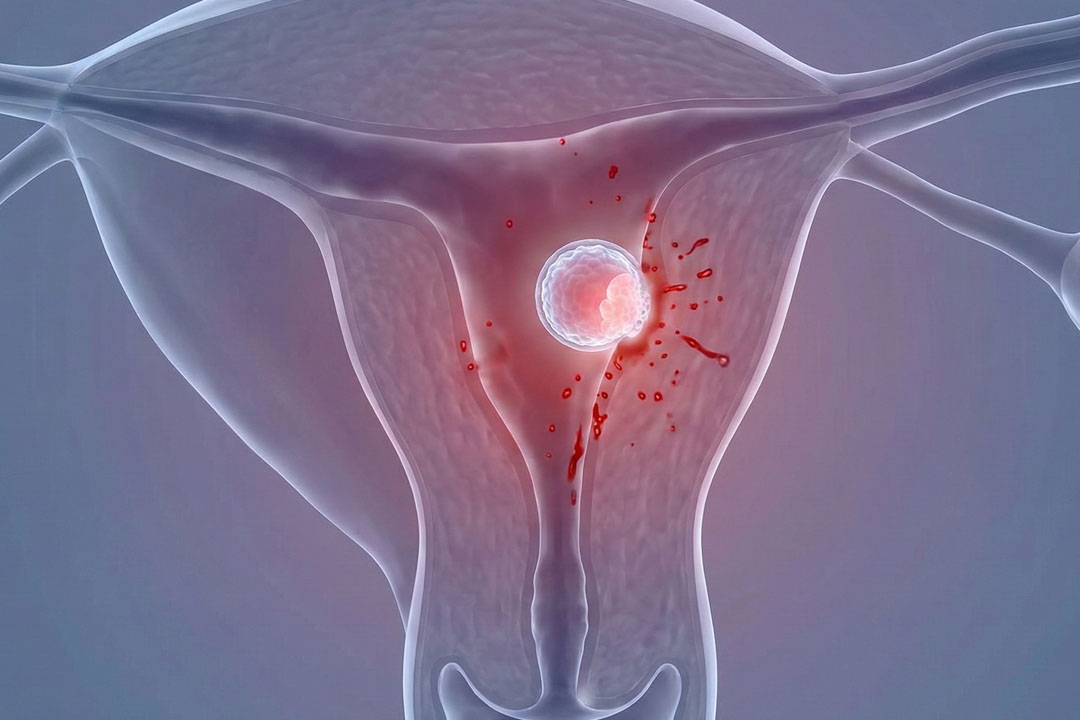
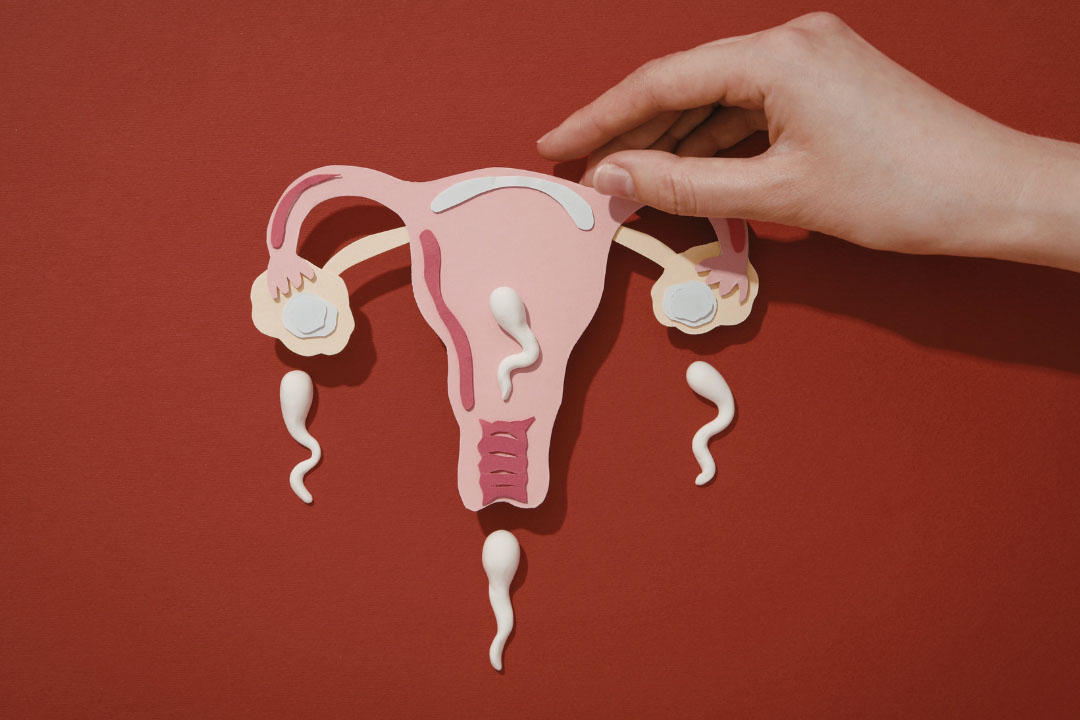
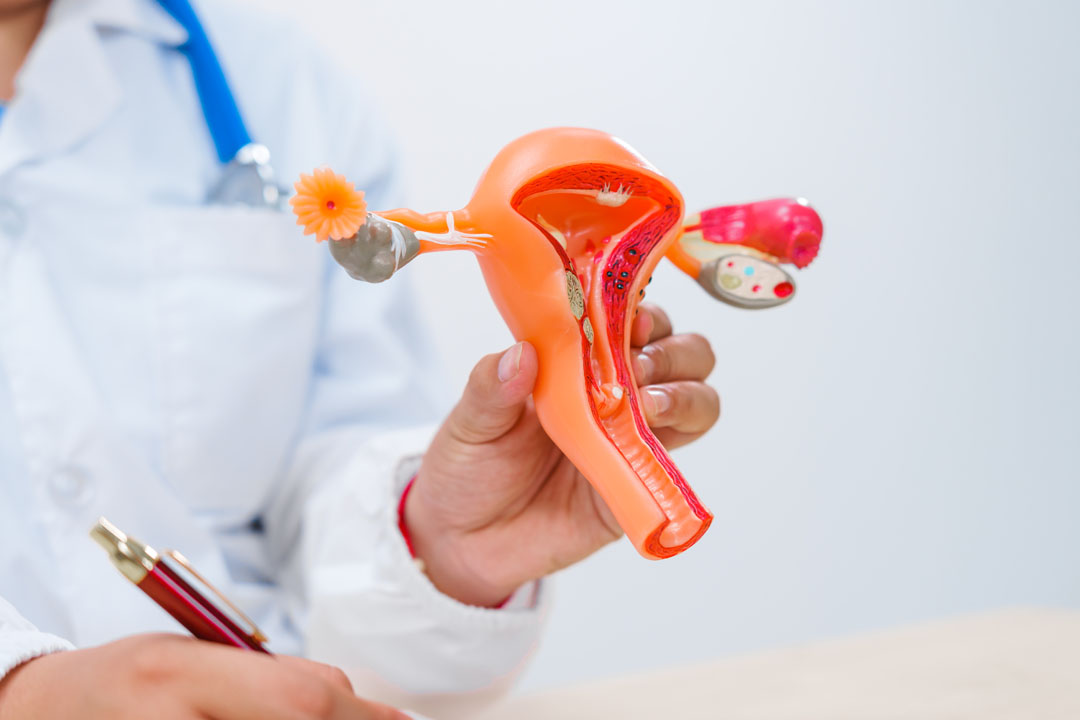
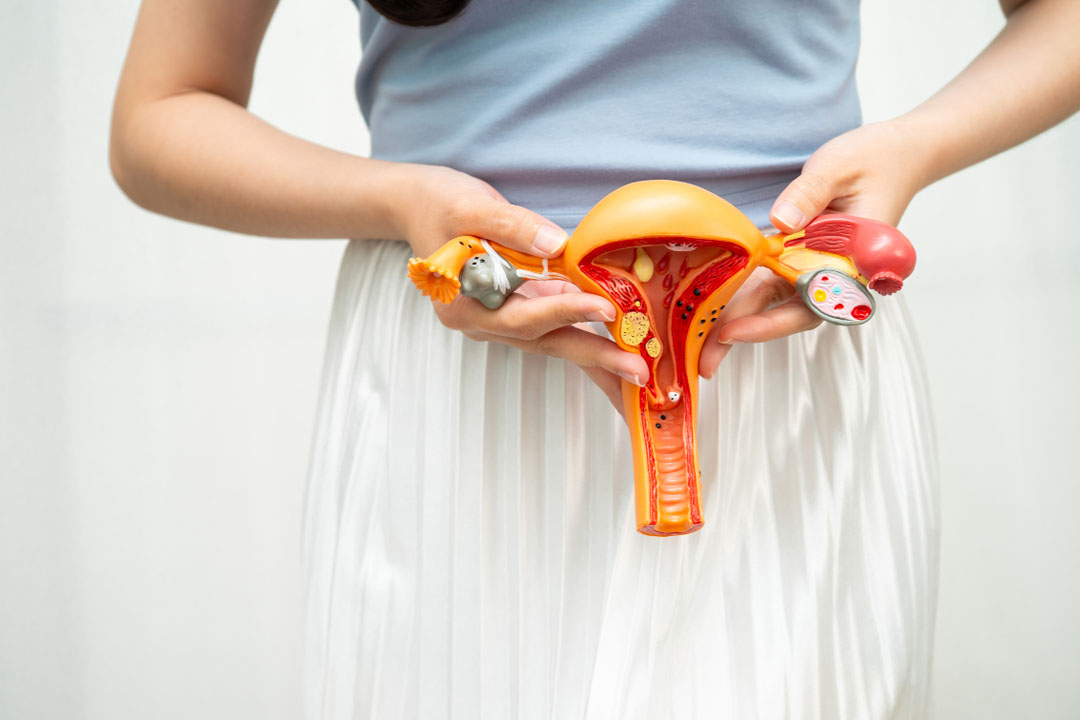
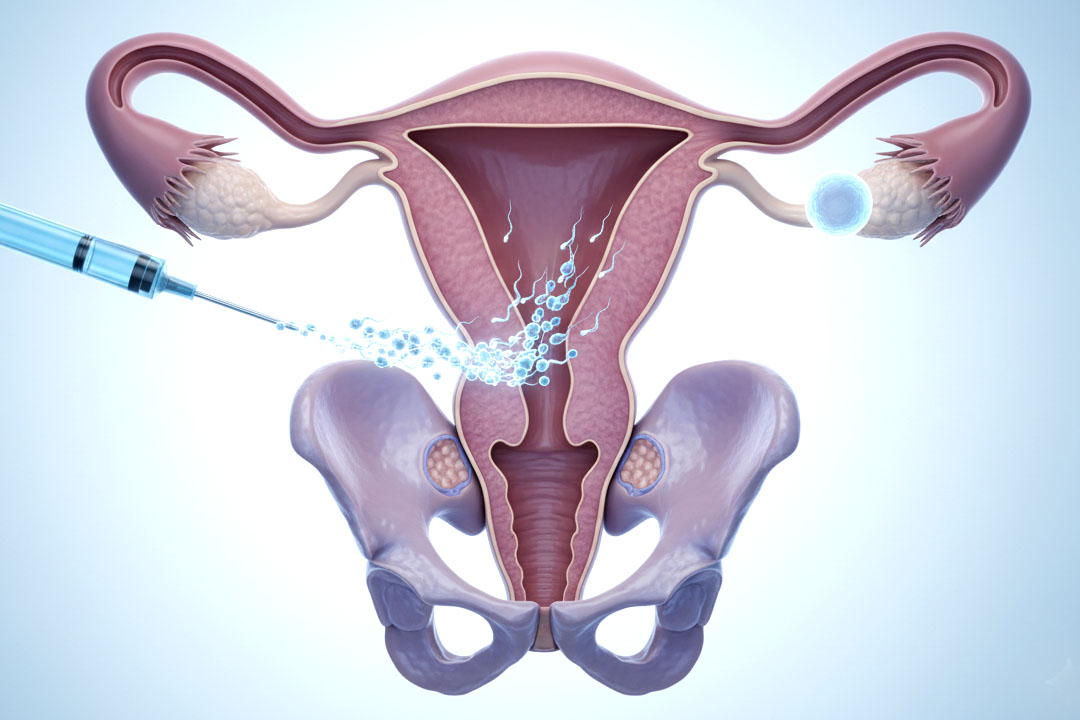
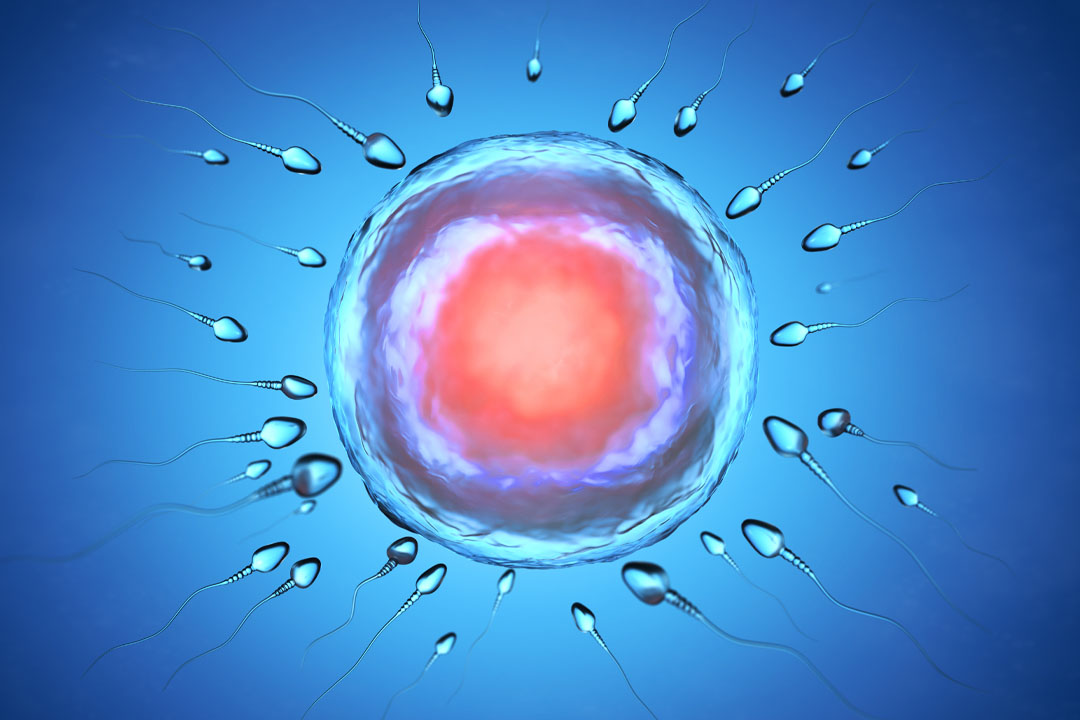
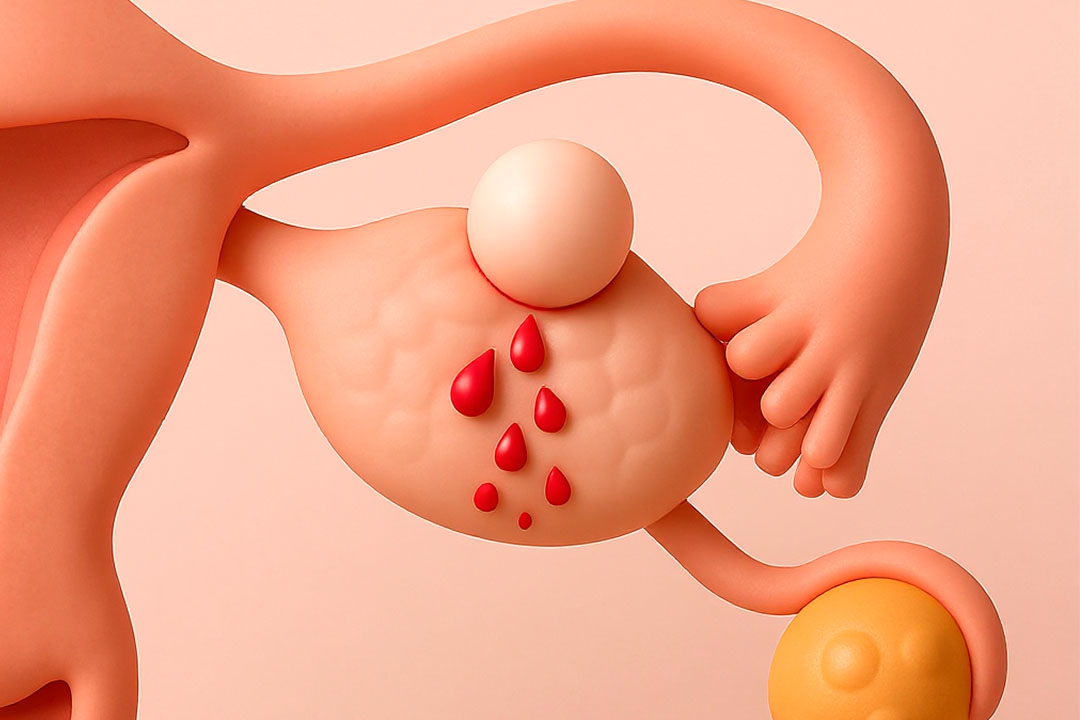
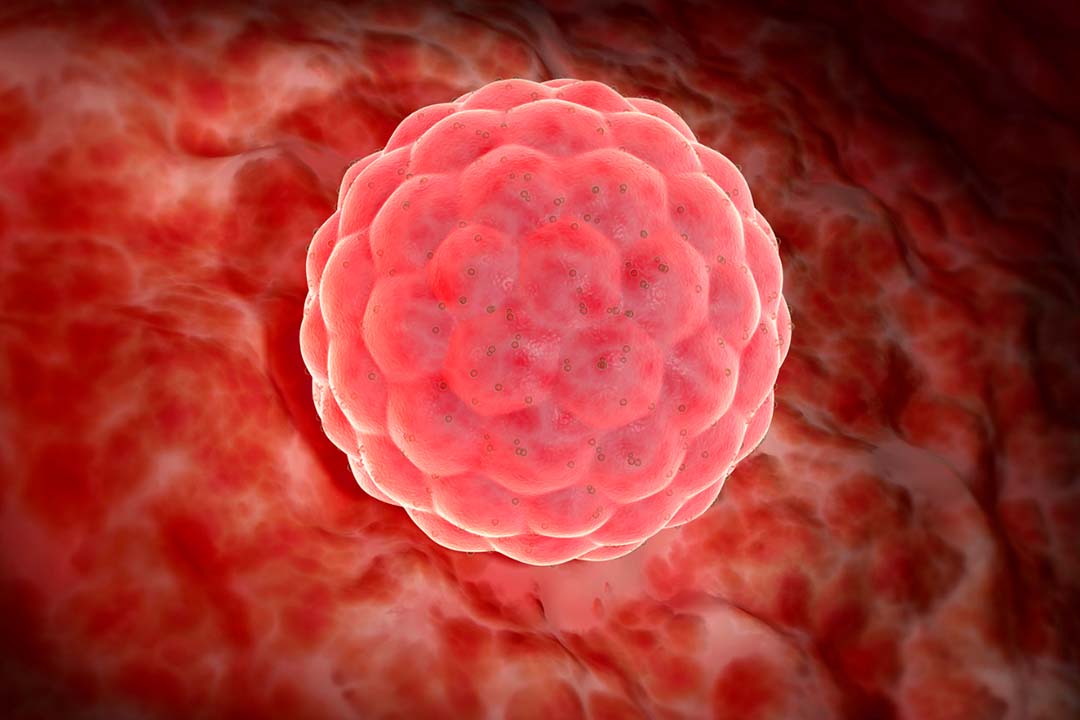
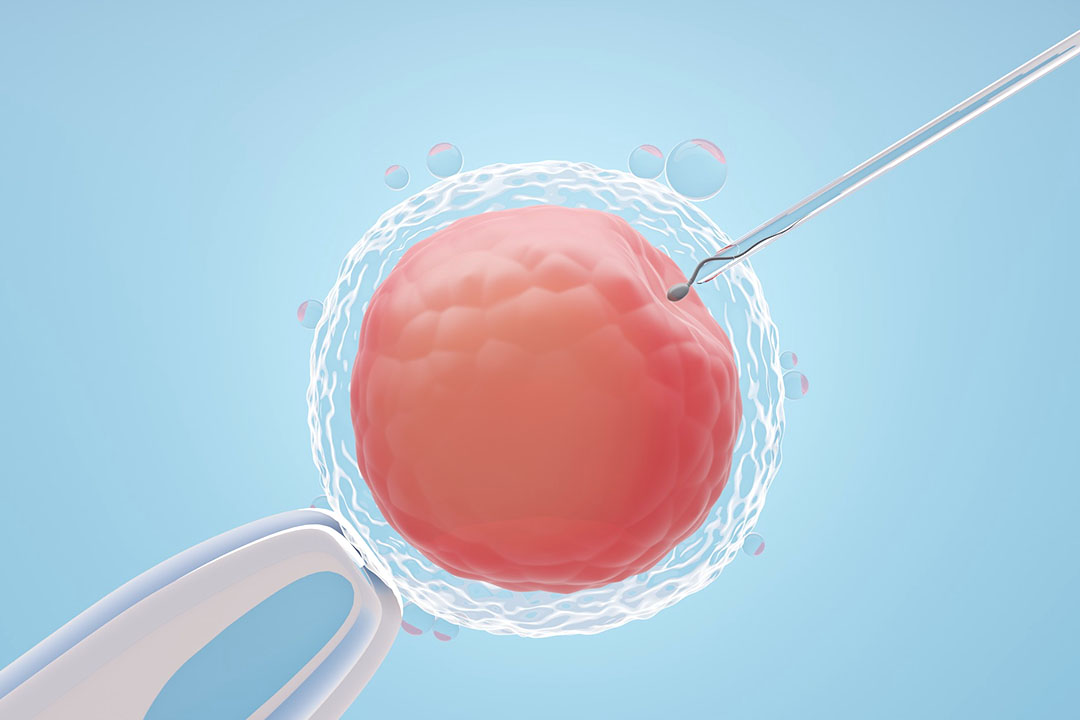
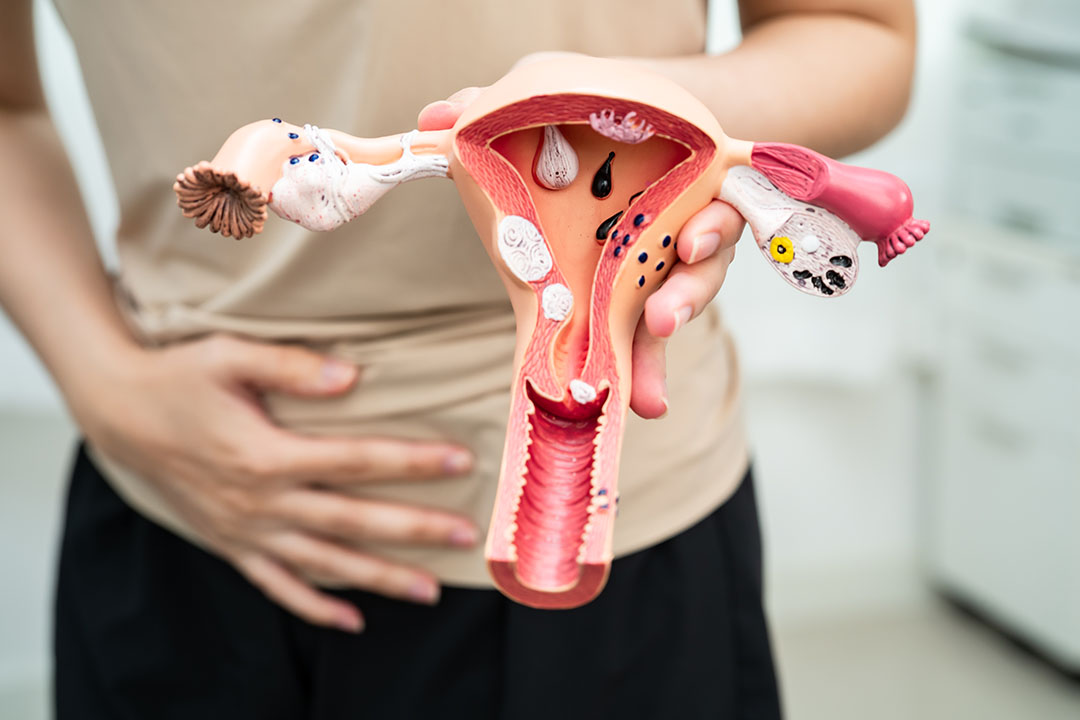
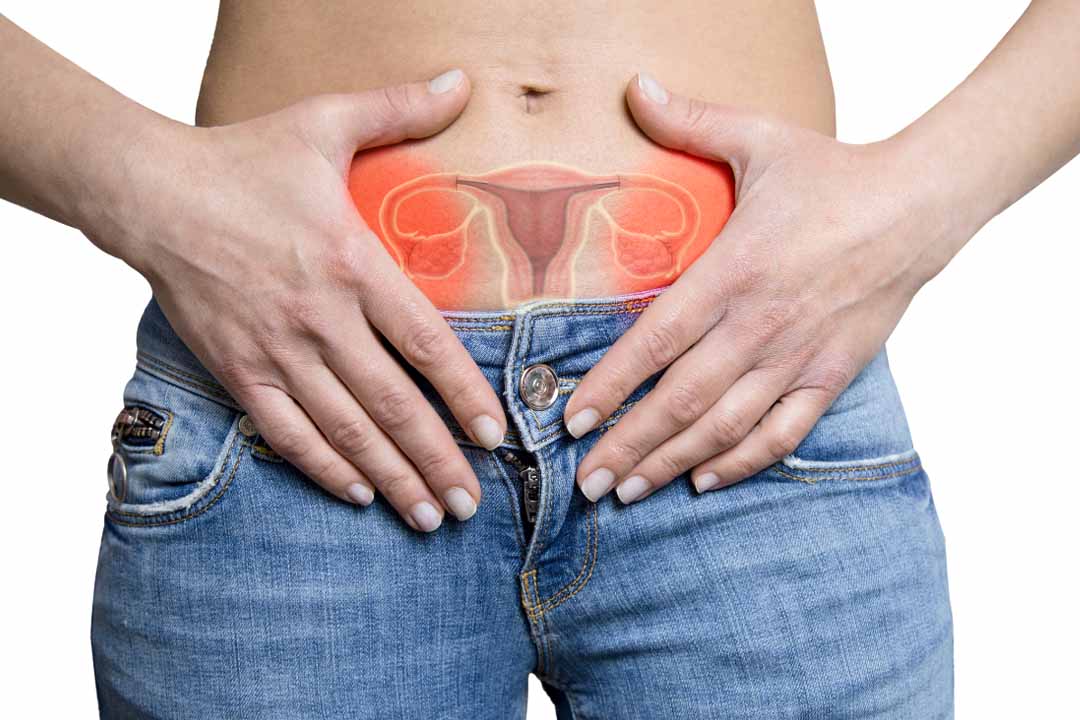
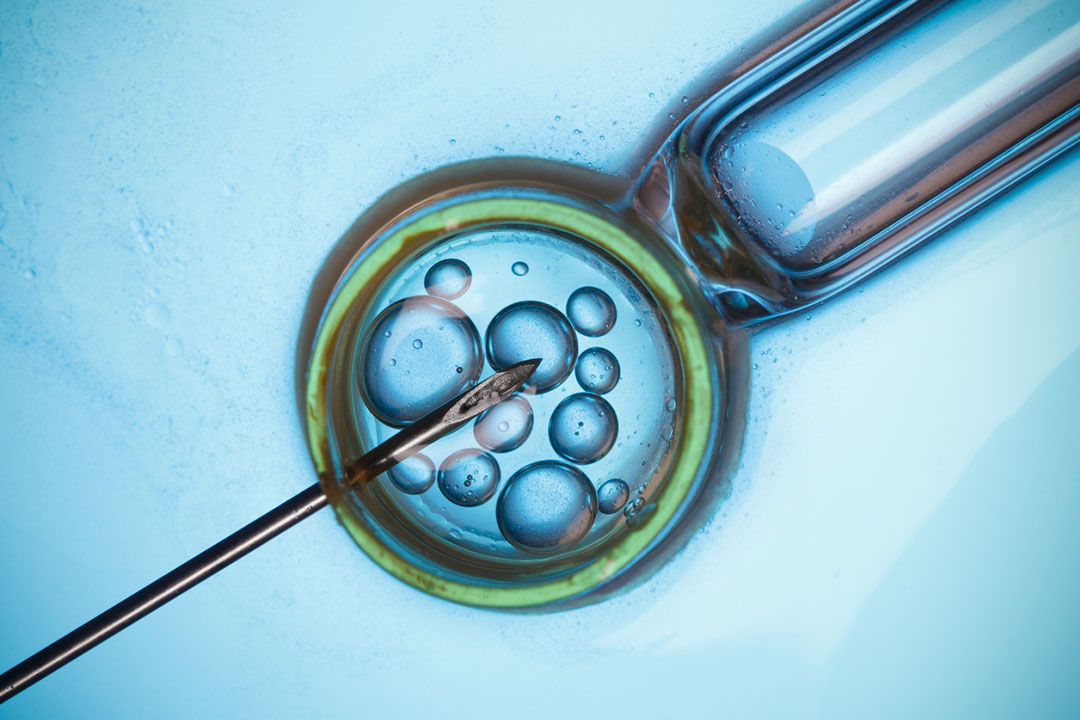
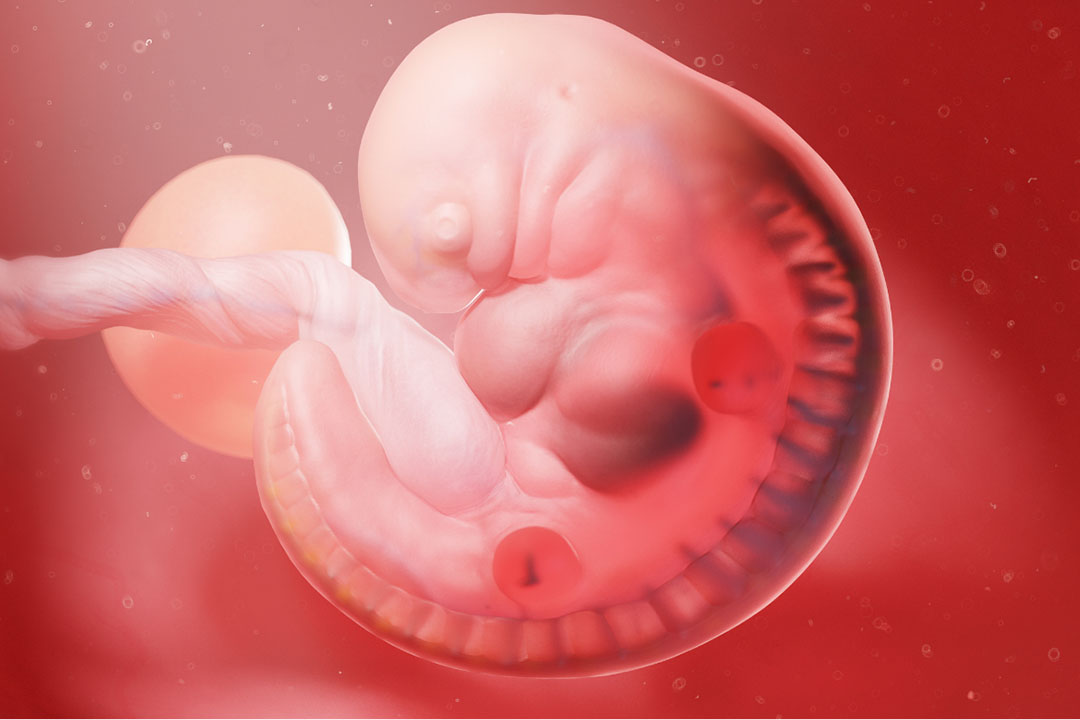
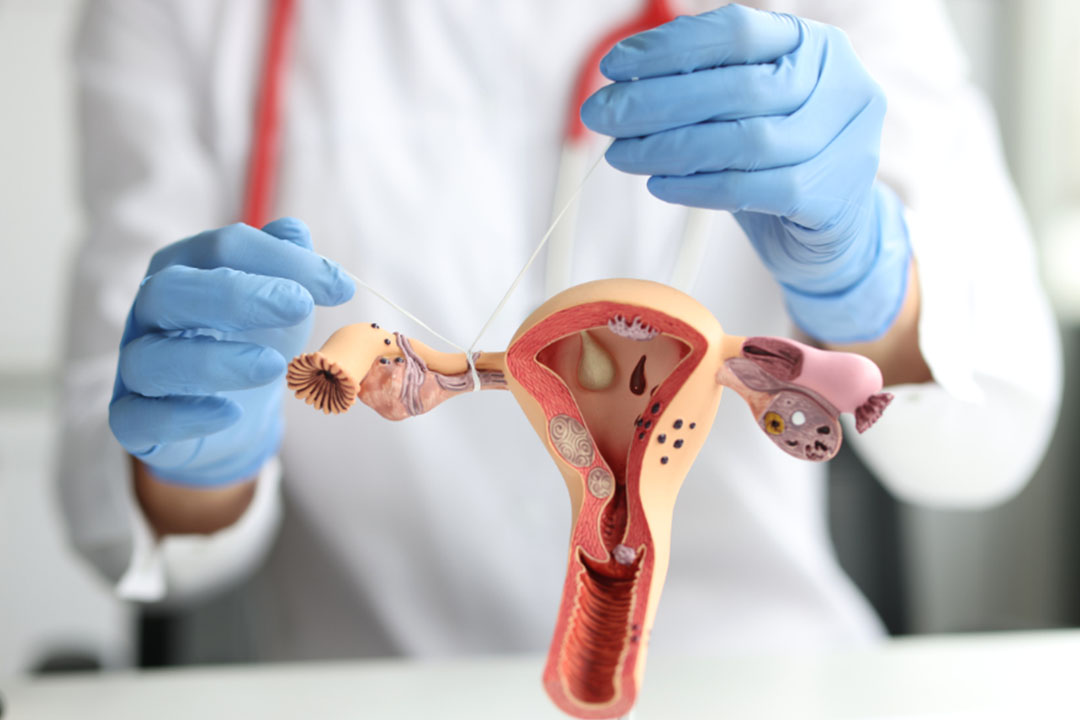
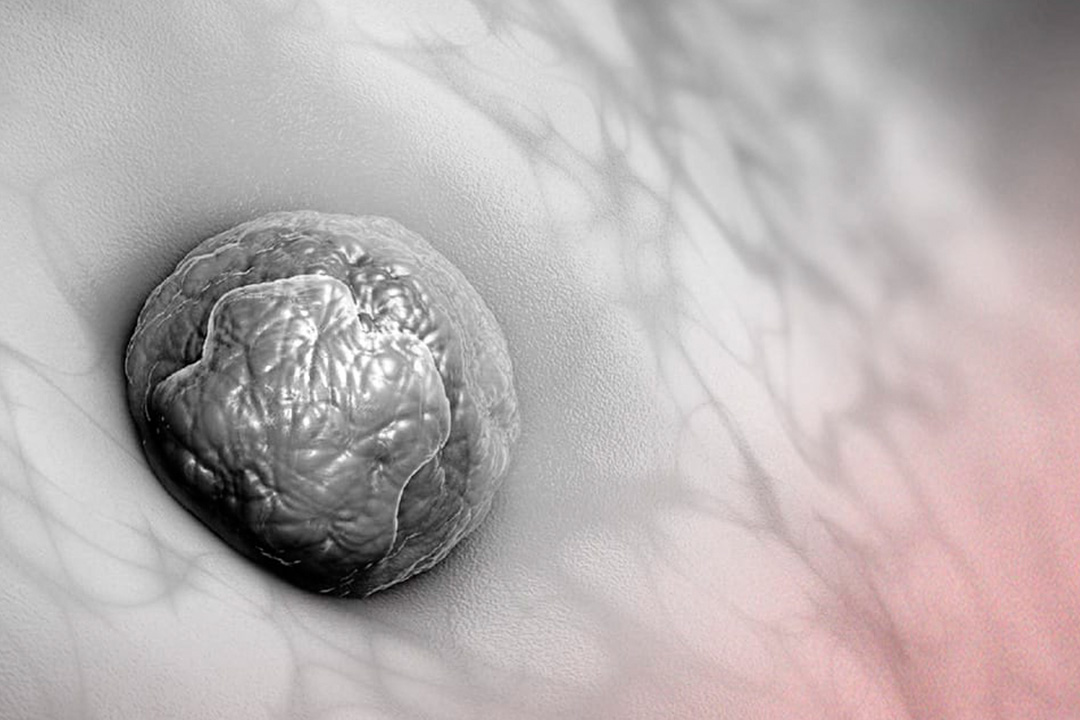
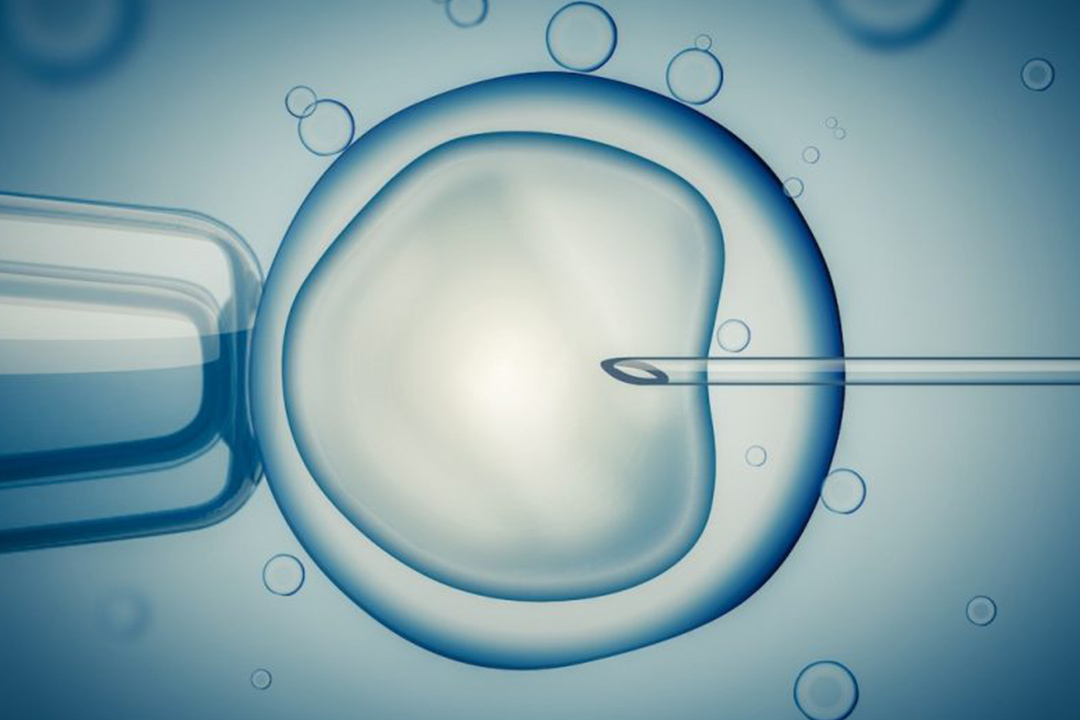
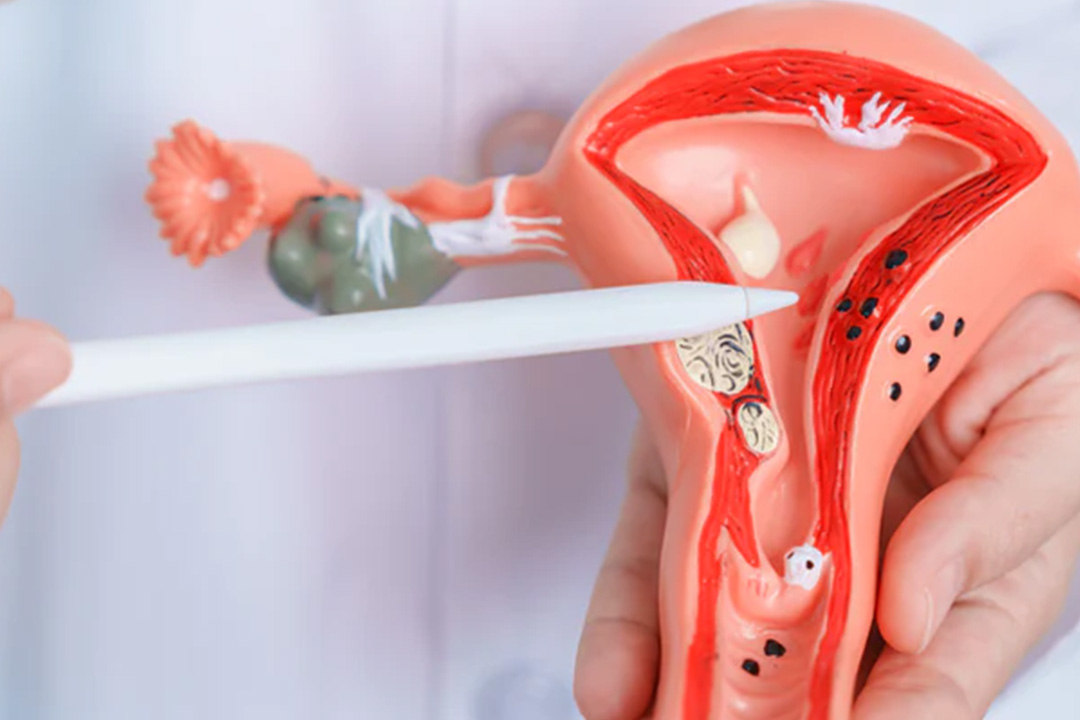
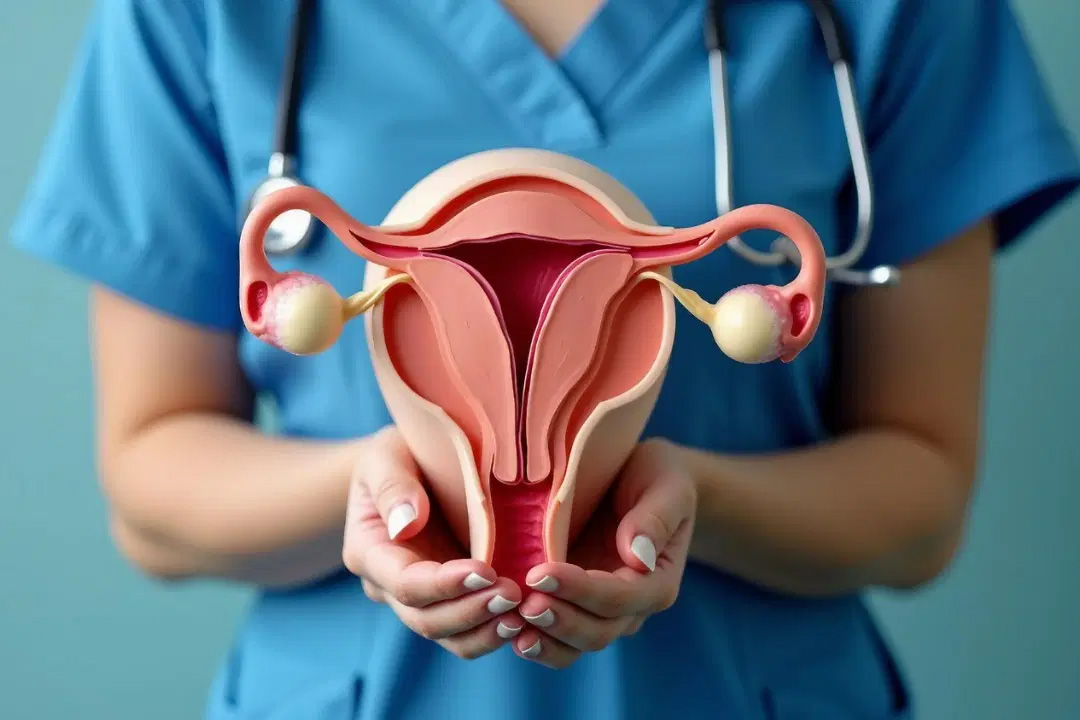
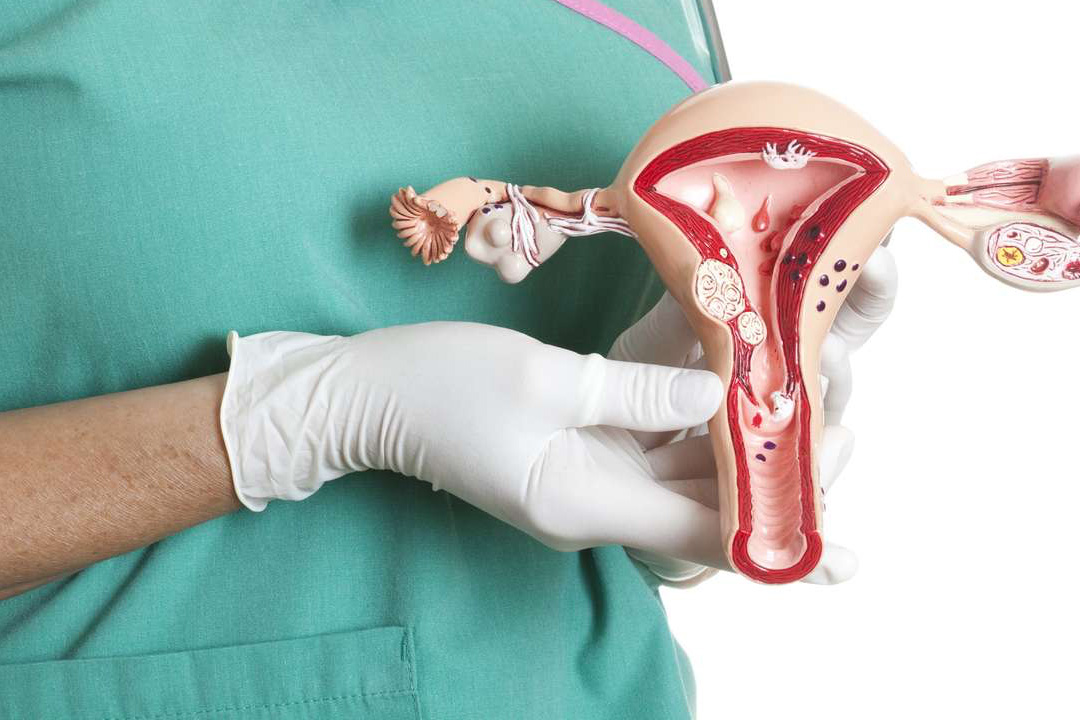
Implantation bleeding refers to light spotting that can happen when a fertilized egg attaches itself to the lining of the uterus. This attachment is called implantation and it is a key step for pregnancy to continue.
As the embryo settles into the uterine lining small blood vessels may break which can cause slight bleeding. This bleeding is usually harmless and temporary.
Implantation bleeding is not a medical problem. It is considered a normal early pregnancy sign in some people. However not everyone experiences it and a healthy pregnancy can occur without any bleeding at all.
When Does Implantation Bleeding Occur?
Implantation bleeding usually occurs between 6 and 12 days after ovulation. For people with a regular menstrual cycle this often falls a few days before the expected period. This timing is why implantation bleeding is often confused with an early or light period.
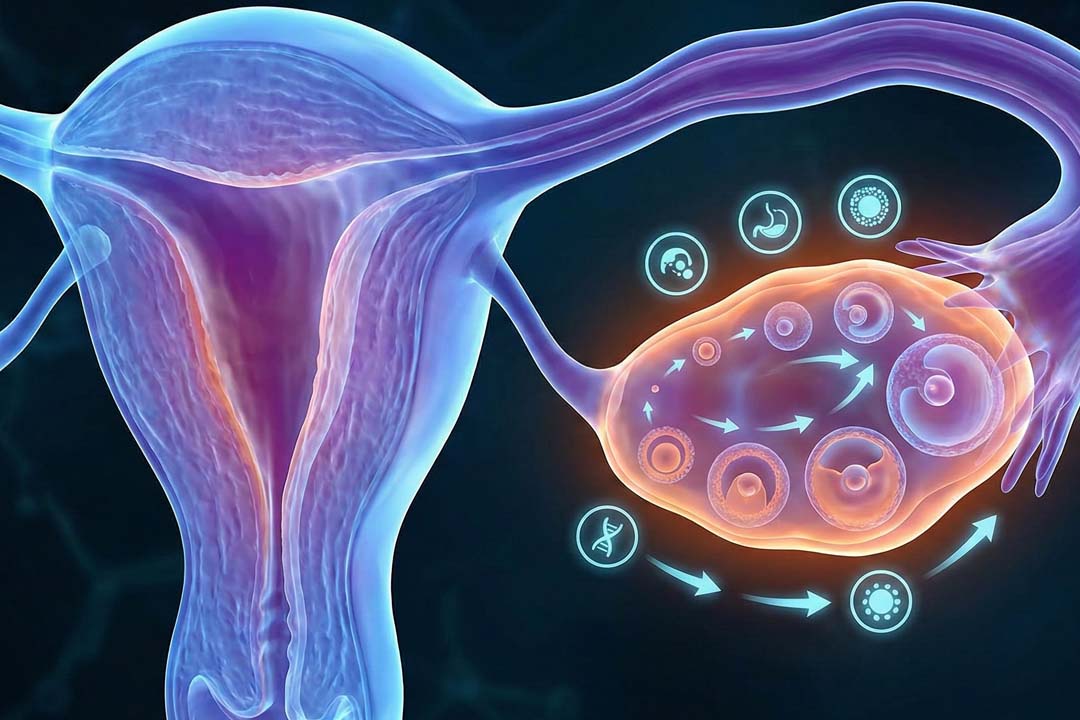
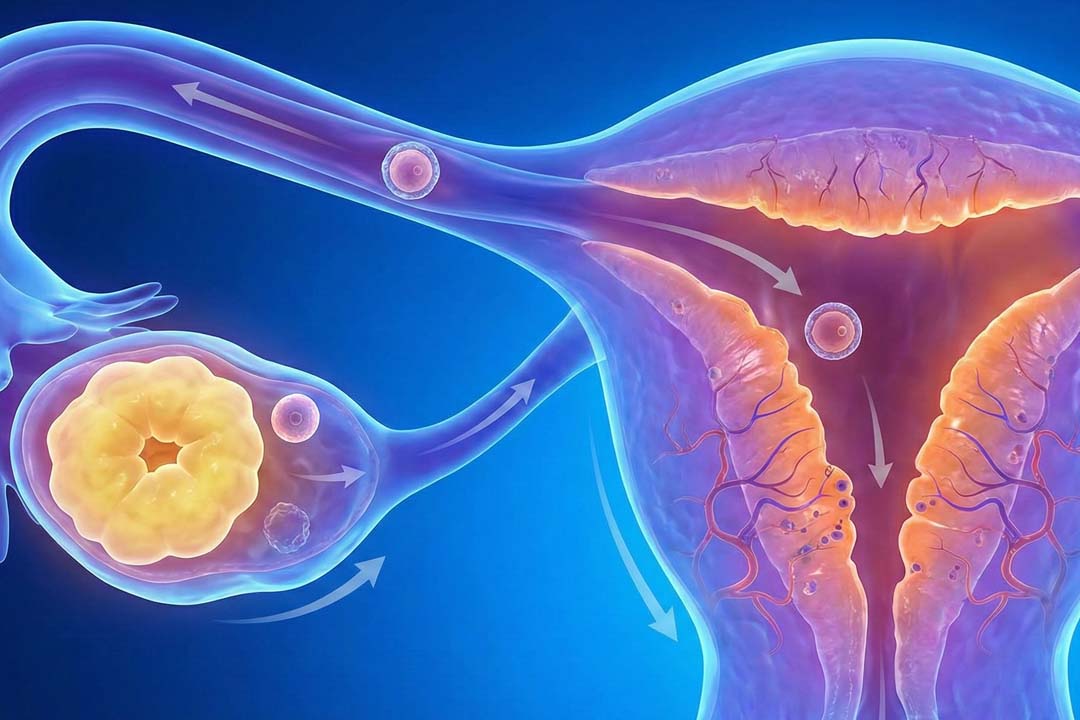
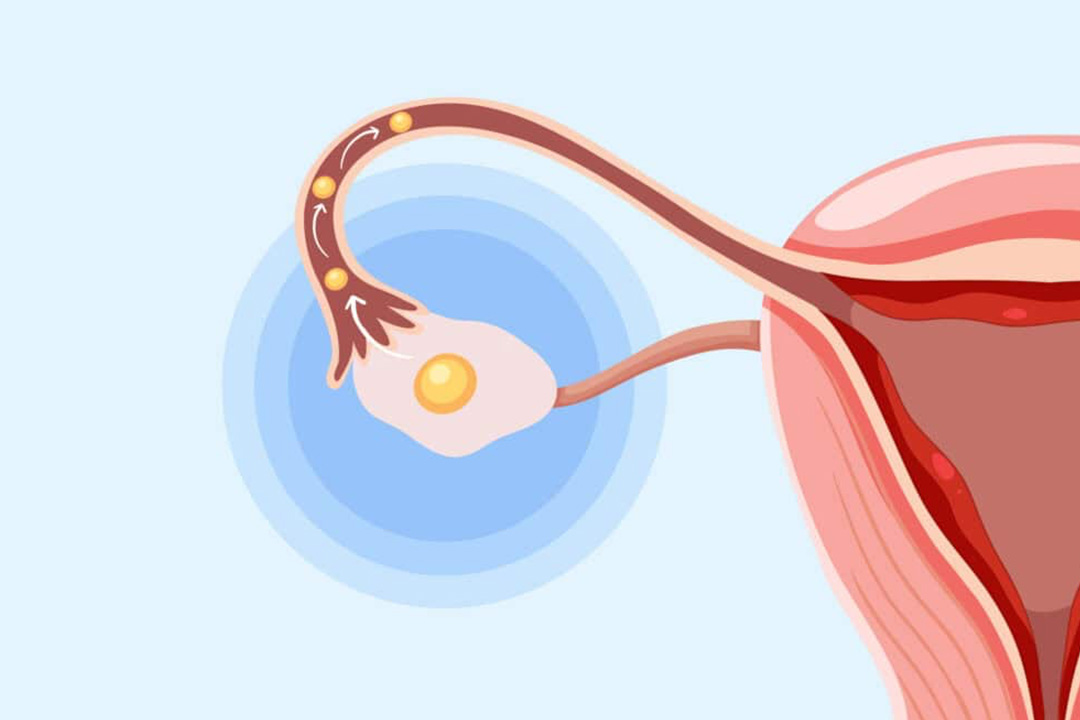
The fertilized egg travels from the fallopian tube to the uterus and implantation happens only after this journey is complete. Until implantation occurs pregnancy hormones do not rise significantly which is why early pregnancy tests may still show a negative result at this stage.
Implantation Bleeding Timing Explained
Implantation bleeding timing depends on when ovulation and fertilization occur. If ovulation happens earlier or later in the cycle the timing of implantation bleeding may shift accordingly.
Most people notice spotting around day 20 to day 26 of a 28 day cycle. This overlap with pre period days causes confusion. Tracking ovulation through cycle monitoring or ovulation kits can help in understanding whether spotting aligns more with implantation or menstruation.
What Does Implantation Bleeding Look Like?
Implantation bleeding usually appears as light spotting rather than active bleeding. It may show up as a few drops of blood on underwear or light streaks when wiping. It does not typically soak a pad or tampon.
The flow is often intermittent and mild. It may come and go over a short period rather than continuing steadily like a menstrual period.
Implantation bleeding color is usually lighter than menstrual blood. Common colors include light pink, rust colored or brown. Fresh red bleeding is less common but can still occur in some cases.
Can Implantation Bleeding Be Red?
Yes, implantation bleeding can be red especially if the bleeding is very recent. However it is usually lighter and shorter than a regular period. Bright red heavy bleeding is less likely to be implantation bleeding and may need medical evaluation.
Implantation Bleeding Color Brown
Brown implantation bleeding is quite common. Brown blood usually means old blood that took longer to leave the body. Since implantation bleeding is light the blood may oxidize before exiting which gives it a brown color.
Brown spotting before a missed period often raises questions about pregnancy and is one of the more common ways implantation bleeding presents. Brown implantation bleeding is typically light and short lived. It may appear only once or over a day or two. It does not usually increase in flow or become bright red.
Brown spotting without cramps or clots before a missed period may point toward implantation rather than menstruation especially if pregnancy is possible.
How Long Does Implantation Bleeding Last?
Implantation bleeding usually lasts from a few hours to two days. In most cases it does not last more than 48 hours. For most people implantation bleeding lasts one day or less. In some cases light spotting may continue for up to two or three days but it should remain light throughout. If bleeding continues beyond three days or becomes heavier it is less likely to be implantation bleeding. Longer bleeding may be related to hormonal changes or an early period.
Implantation Bleeding Symptoms
Implantation bleeding symptoms are often mild and may include:
- Light spotting
- Mild lower abdominal discomfort
- No heavy cramps
- No clots
- No strong menstrual flow
Some people also notice early pregnancy symptoms around the same time such as breast tenderness fatigue or mild nausea but these are caused by rising hormones rather than implantation itself.
How to Recognize Implantation Bleeding
Recognizing implantation bleeding involves looking at timing flow and appearance together rather than focusing on one factor alone. Key features include:
- Occurs a few days before expected period
- Light spotting not heavy bleeding
- Pink brown or light red color
- Short duration
- No clots
- Minimal cramping
If bleeding matches these features and pregnancy is possible, implantation bleeding is one explanation.
Does Implantation Bleeding Have Clots?
Implantation bleeding does not usually have clots. Blood clots are more commonly seen during menstruation when the uterine lining sheds more heavily. If clots are present the bleeding is more likely to be a period rather than implantation bleeding.
Does Implantation Bleeding Mean You’re Pregnant?
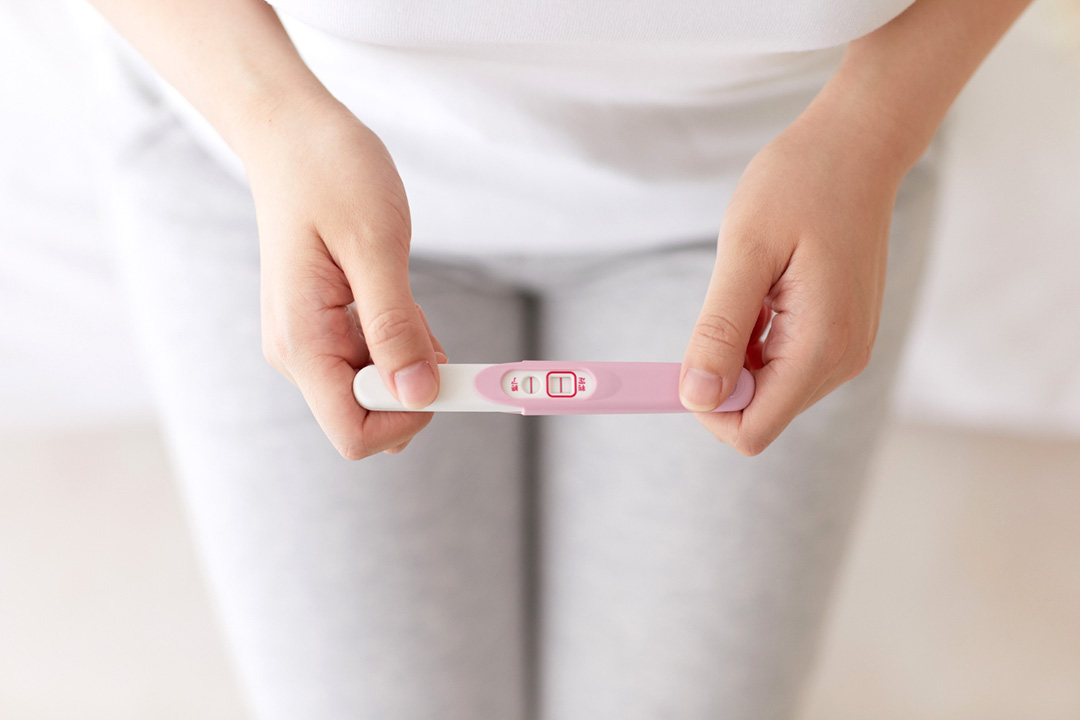
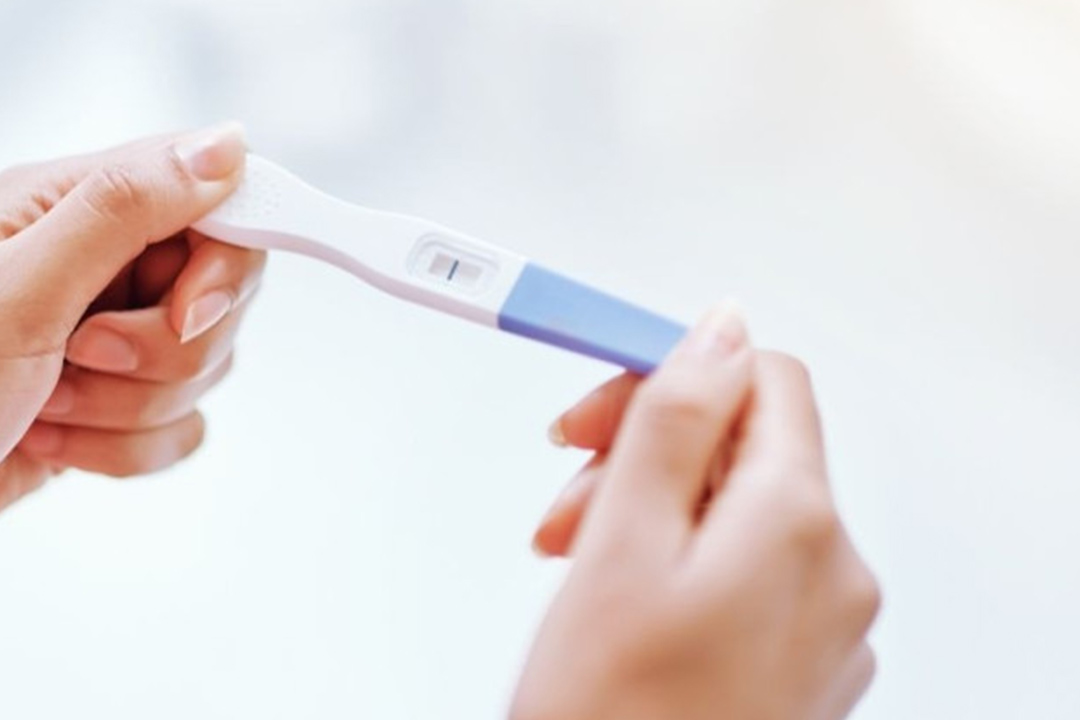
Implantation bleeding means that implantation may have occurred which is an early step in pregnancy. However bleeding alone does not confirm pregnancy. Some people experience spotting for reasons unrelated to pregnancy such as hormonal fluctuations or cervical irritation. A pregnancy test taken after a missed period is the most reliable way to confirm pregnancy.
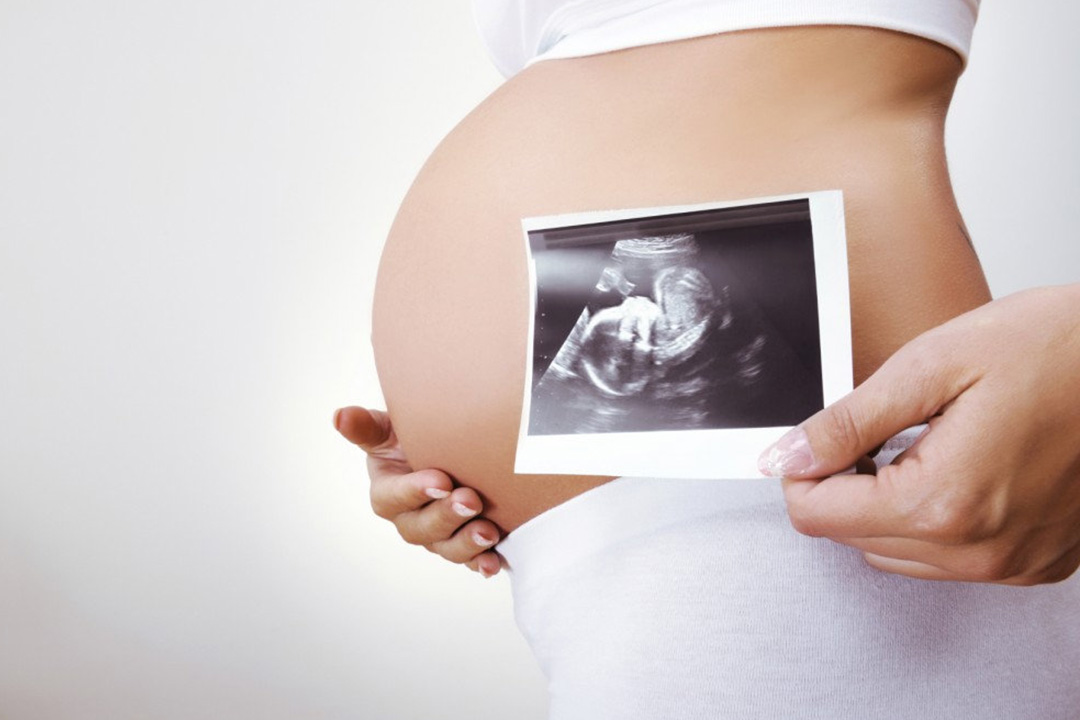
Implantation bleeding means that the fertilized egg may have successfully attached to the uterine lining. This allows the pregnancy hormone hCG to start rising and support early pregnancy development. It does not guarantee that pregnancy will continue but it is generally considered a positive early sign.
Signs of Successful Implantation Without Bleeding
Many pregnancies occur without implantation bleeding. Signs of successful implantation without bleeding may include:
- Missed period
- Positive pregnancy test
- Mild cramping without bleeding
- Breast tenderness
- Fatigue
- Increased basal body temperature
Implantation Bleeding vs Spotting From Other Causes
Spotting can occur for many reasons including hormonal imbalance, stress, ovulation or cervical sensitivity. Implantation bleeding is just one possible cause.
The key difference lies in timing and duration. Implantation bleeding occurs close to the expected period and lasts briefly. Persistent spotting at other times in the cycle may have different causes.
When to Seek Medical Advice
While implantation bleeding is normal light spotting heavy bleeding severe pain dizziness or fever are not normal and should be evaluated. Bleeding that lasts longer than a few days or gets heavier needs medical attention.
Frequently Asked Questions
Can implantation bleeding happen after a positive pregnancy test?
Implantation bleeding usually occurs before a pregnancy test turns positive. Bleeding after a positive test may have other causes.
Is implantation bleeding painful?
Implantation bleeding is usually painless or causes very mild discomfort. Severe pain is not typical.
Can implantation bleeding happen more than once?
Implantation bleeding usually happens once. Repeated spotting may have other causes.
Does implantation bleeding happen in every pregnancy?
Not many healthy pregnancies occur without implantation bleeding.
Can stress cause implantation bleeding?
Stress does not cause implantation bleeding directly but it can affect hormone levels and cause spotting.
Can implantation bleeding happen after IVF?
Yes implantation bleeding can happen after assisted conception as well but not everyone experiences it.
Does brown spotting always mean implantation bleeding?
No, brown spotting can have several causes. Timing and other symptoms matter.
Conclusion
A wellness technique that appeals to those looking for balance, discipline and clarity is semen retention. Many people report subjective advantages relating to energy, attention and emotional control, despite the lack of scientific proof. It necessitates self-awareness and balance, just like any lifestyle decision.
There isn't a single strategy that suits everyone. Those who are interested in semen retention should pay attention to their bodies, have healthy energy sources, and consult a doctor if they have any issues.
About Us
AKsigen IVF is a premier center for advanced fertility treatments, with renowned fertility experts on our team. Specializing in IVF, ICSI, egg freezing, and other cutting-edge reproductive technologies, AKsigen IVF is committed to helping couples achieve their dream of parenthood. With personalized care and a patient-first approach, AKsigen IVF provides comprehensive fertility solutions under one roof.