PCOS and Weight Loss Tips: Healthy Ways to Manage Weight
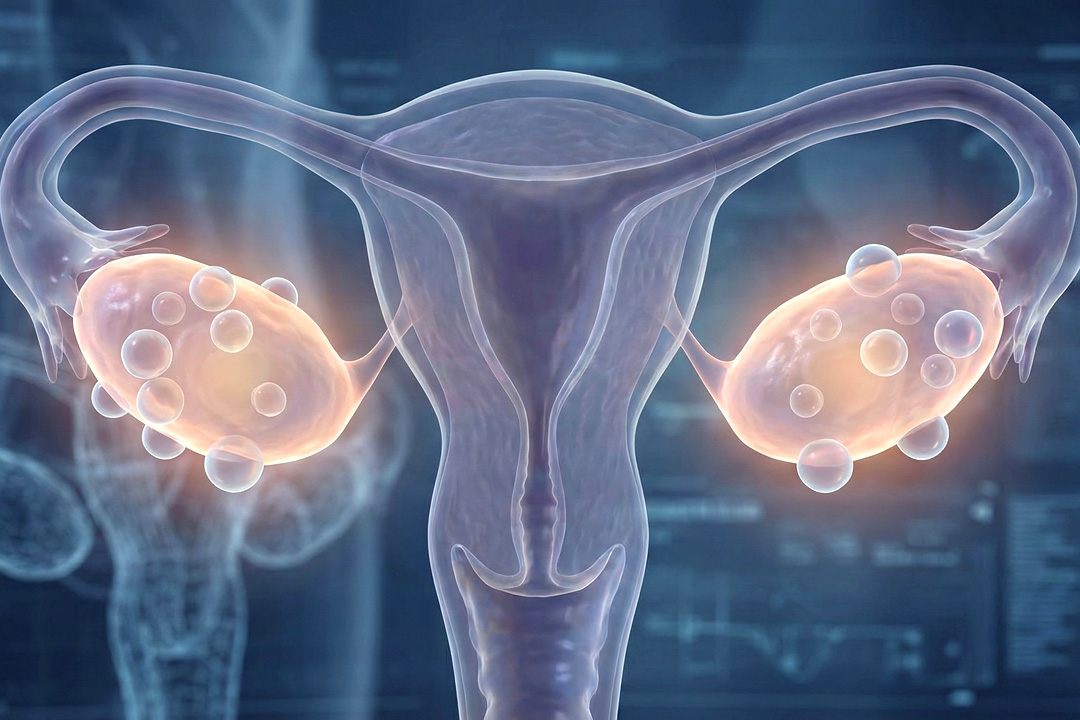
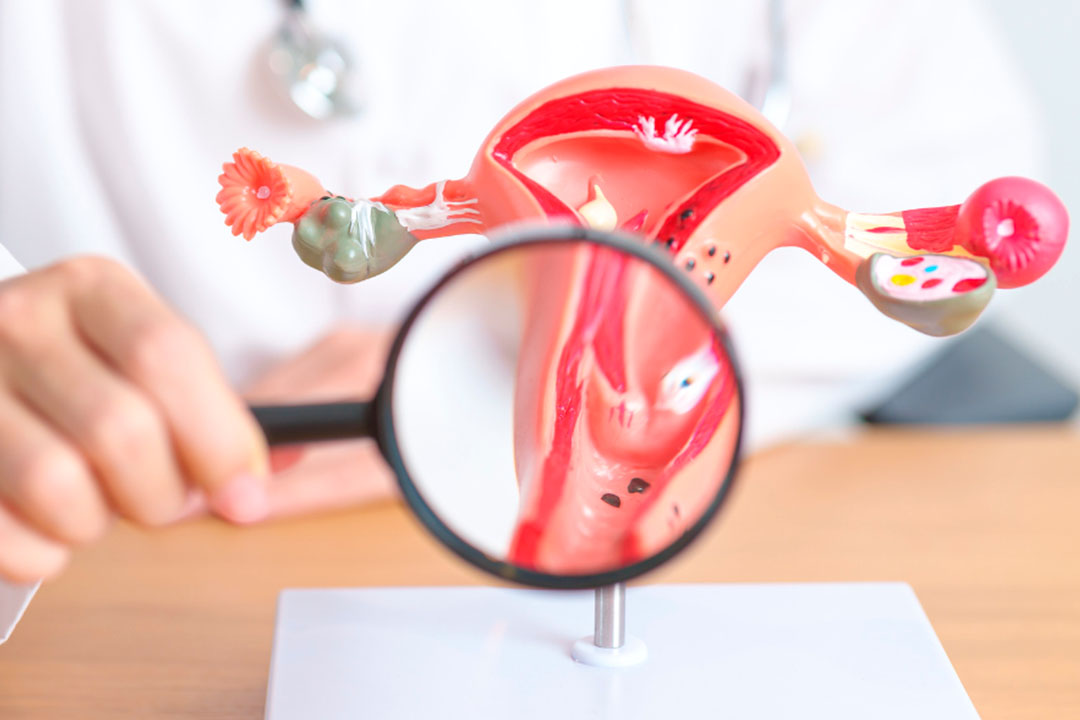
Polycystic Ovary Syndrome, commonly known as PCOS, affects millions of women worldwide and weight gain is one of its most frustrating symptoms. Many women with PCOS feel that they gain weight easily and lose it very slowly even when they eat well and stay active. This can feel discouraging and confusing especially when common weight loss advice does not seem to work.
The truth is that PCOS changes how the body handles hormones, blood sugar and fat storage. Weight loss approaches need to be different if you have PCOS. It is not about extreme diets or punishing workouts.
It is about understanding your body supporting your hormones and making steady lifestyle changes that you can maintain long term. This guide explains why weight loss feels difficult with PCOS and shares practical tips that actually help.
Link Between PCOS and Weight Gain
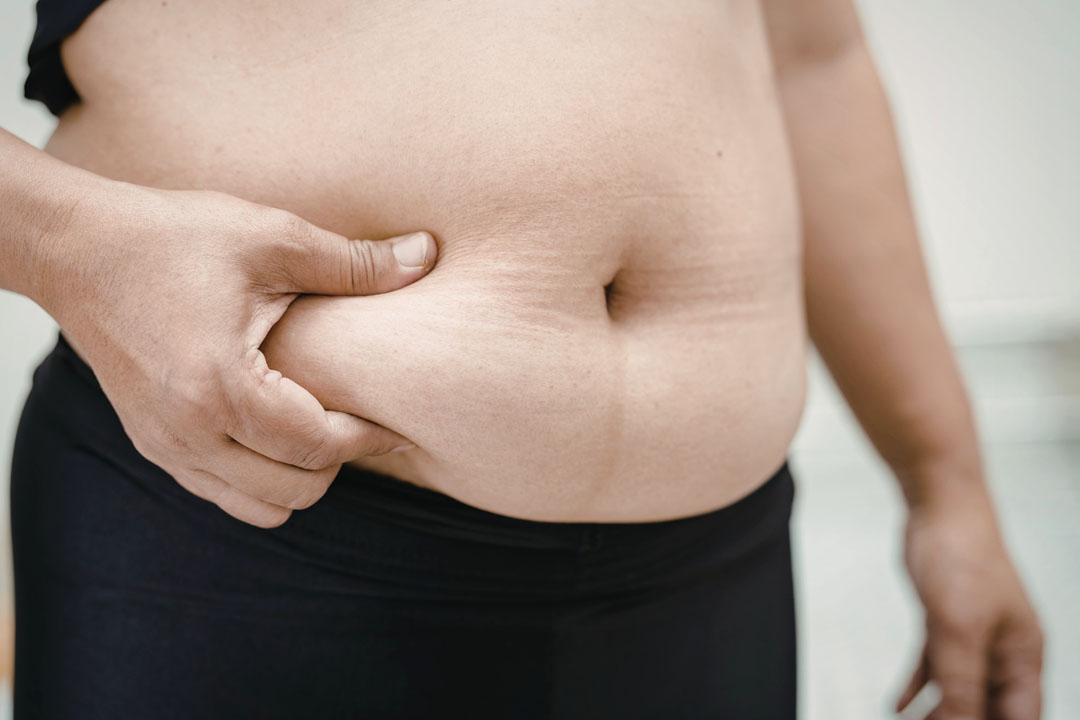
PCOS affects the way hormones work in the body. Many women with PCOS have higher levels of insulin and androgens. Insulin is the hormone that controls blood sugar. When the body becomes resistant to insulin it produces more of it. High insulin levels promote fat storage especially around the abdomen.
Hormonal imbalance also increases hunger cravings and fatigue. These symptoms make it harder to stay consistent with healthy habits. Stress, poor sleep and inflammation further worsen weight gain. This is why PCOS weight loss is not just about eating less or exercising more. It requires a hormone-friendly strategy.
Why Is Weight Loss Slower With PCOS?
Weight loss feels slower with PCOS because the body prioritizes survival over fat burning. Insulin resistance pushes glucose into fat cells instead of using it for energy. Elevated male hormones interfere with metabolism and muscle building. Chronic inflammation slows down calorie burning. Together these factors make traditional weight loss methods less effective.
The key takeaway is this: Slow progress does not mean failure. Even small improvements in insulin sensitivity and hormone balance can lead to steady fat loss over time. Some useful tips to manage weight loss with PCOS include:
Set Realistic Weight Loss Goals
Setting realistic expectations is essential. Rapid weight loss often backfires in PCOS by increasing stress hormones and worsening insulin resistance. Aim for gradual progress such as losing 0.5 to 1 kg per month.
Focus on health markers instead of only the scale. Improved energy, regular periods, better digestion, reduced cravings and better sleep all indicate progress. Sustainable weight loss happens when the body feels safe and supported.
Focus on Balanced Meals
Balanced meals help stabilize blood sugar and prevent insulin spikes. Every meal should include protein fiber and healthy fats. This combination keeps you full longer and reduces cravings.
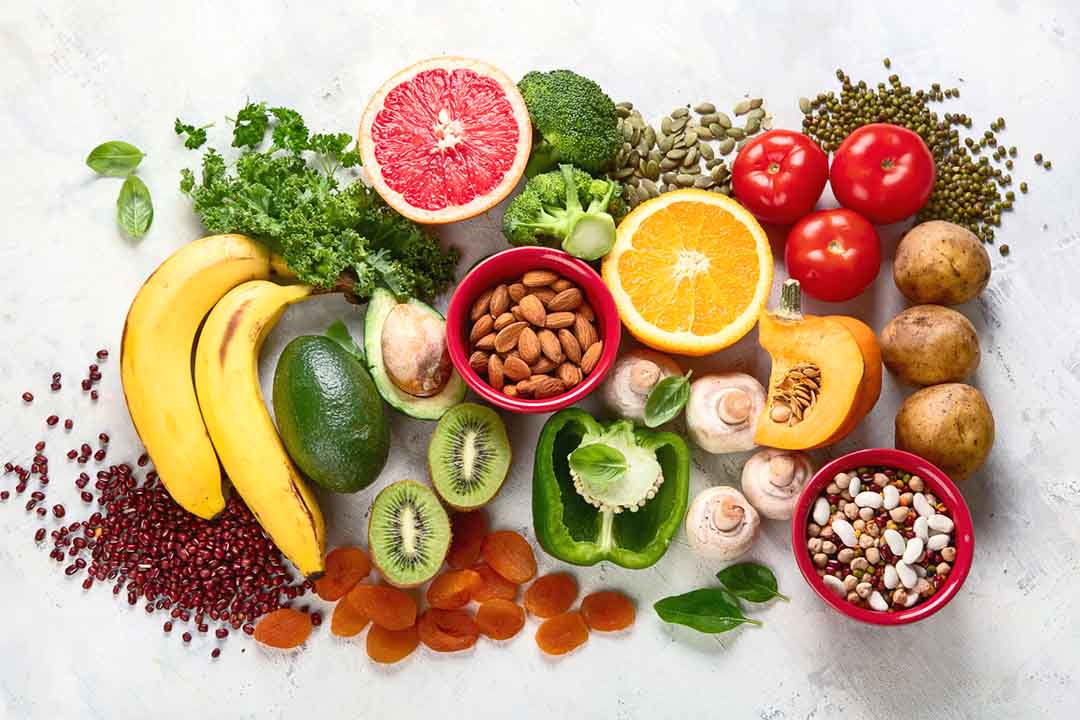
Good protein options include eggs, lentils, paneer, tofu, fish and lean meats. Add fiber from vegetables, whole grains, seeds and fruits. Include healthy fats such as nuts, seeds, olive oil and ghee in moderation.
Avoid skipping meals. Long gaps between meals increase cortisol and trigger overeating later.
Reduce Refined Carbohydrates
Refined carbohydrates spike blood sugar quickly. This worsens insulin resistance and promotes fat storage. Foods like white bread, sugary snacks, pastries, sweetened drinks and processed cereals should be limited.
Instead choose complex carbohydrates such as millet, brown rice, oats, quinoa, sweet potatoes and legumes. These release glucose slowly and support hormonal balance. This does not mean eliminating carbs completely. The goal is to choose smarter carbs and control portion sizes.
Increase Fiber Intake
Fiber plays a major role in PCOS weight loss. It slows digestion, improves insulin sensitivity and supports gut health. High fiber diets also reduce inflammation which is common in PCOS.
Include vegetables like leafy greens, carrots, beans, broccoli and cauliflower. Add fruits such as berries, apples, pears and citrus. Seeds like flaxseed and chia seed provide fiber and healthy fats. Aim to include fiber at every meal instead of consuming it all at once.
Can Intermittent Fasting Help in PCOS?
Intermittent fasting can help some women with PCOS by improving insulin sensitivity and reducing calorie intake. However it does not suit everyone.
For women who experience fatigue, dizziness or hormonal flare ups fasting may increase stress hormones. If you try intermittent fasting, start gently with a 12 to 14 hour overnight fast. Avoid extreme fasting windows.
Exercise Tips That Work for PCOS
As mentioned earlier, it is advised to modify your exercise routine or create a new one which is more suitable for your body, instead of the one which might end up causing more problems. For example:
Strength Training Is Essential
Strength training improves insulin sensitivity and increases muscle mass. Muscle burns more calories even at rest. This makes weight loss easier over time.
Include resistance exercises two to three times a week. Use body weight resistance bands or light weights. Focus on major muscle groups such as legs, arms, core and back. You do not need long gym sessions. Even 30 minutes of strength training can make a difference.
Do Not Overdo Cardio
Excessive cardio can raise cortisol levels which worsens PCOS symptoms. Long intense cardio sessions may slow metabolism and increase cravings.
Choose moderate activities like brisk walking, cycling, swimming or dancing. Aim for consistency rather than intensity. Short sessions done regularly work better than extreme workouts.
Try Gentle Movement on Rest Days
Gentle movement improves circulation reduces stress and supports hormonal balance. Yoga stretching, mobility exercises and relaxed walks work well on rest days. These activities also improve sleep and digestion which indirectly support weight loss.
The Role of Sleep and Stress in PCOS Weight Loss
Poor sleep and chronic stress make weight loss harder. Lack of sleep increases hunger hormones and insulin resistance. Stress raises cortisol which promotes abdominal fat storage.
Aim for seven to eight hours of quality sleep every night. Maintain a regular sleep schedule, limit screen time before bed and create a calming bedtime routine.
Manage stress through deep breathing meditation, journaling or spending time outdoors. Even small stress reduction practices improve hormonal balance.
Supplements That May Support Weight Loss in PCOS
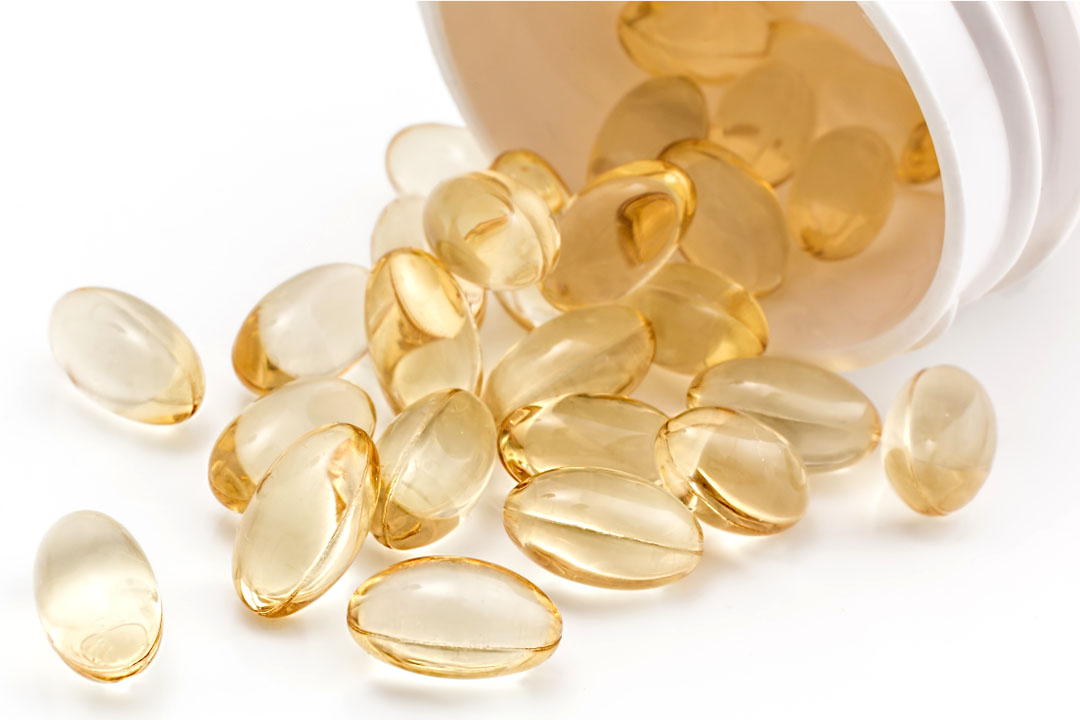
Some supplements may help improve insulin sensitivity and hormone balance. Commonly used options include inositol vitamin D omega 3 fatty acids and magnesium. Supplements work best when combined with diet and lifestyle changes. Always consult a healthcare professional before starting any supplement especially if you take medications.
Avoid relying solely on supplements for weight loss. They support the process but do not replace healthy habits.
Hydration and Its Impact on Weight Loss
Staying hydrated helps control appetite, supports digestion and reduces water retention. Dehydration often feels like hunger which leads to unnecessary snacking.
Drink water throughout the day. Herbal teas and infused water can help if plain water feels boring. Limit sugary drinks and packaged juices.
Emotional Eating and PCOS
Many women with PCOS struggle with emotional eating due to stress, body image issues and hormonal mood changes. Addressing emotional triggers is just as important as dietary changes.
Practice mindful eating. Eat slowly, notice hunger cues and stop when satisfied. Avoid eating while distracted. Identify emotional patterns and find non food coping strategies.
How Long Does PCOS Weight Loss Take?
PCOS weight loss takes time and patience. Visible changes may take several months especially if insulin resistance is severe. This does not mean your efforts are wasted.
Internal improvements often happen first. Better blood sugar control, improved periods, reduced bloating and better energy appear before major weight changes. Consistency matters more than speed. Trust the process and avoid comparing your journey to others.
Frequently Asked Questions
I am 30 and have PCOS. Is weight loss still possible?
Yes, weight loss is possible at any age with PCOS. Age may slow metabolism slightly but consistent lifestyle changes improve insulin sensitivity and hormonal balance. Many women see positive results in their thirties and beyond.
Why do I lose weight and then gain it back with PCOS?
Weight gain often happens due to restrictive diets or excessive exercise. These increase stress hormones and worsen insulin resistance. Sustainable habits and gradual changes prevent rebound weight gain.
Should I avoid all sugar if I have PCOS?
You do not need to eliminate sugar completely. Reducing added sugars and choosing natural sources in moderation works better. Balance and portion control matter more than complete restriction.
Does PCOS weight loss improve fertility?
Yes, even a modest weight loss of five to ten percent can improve ovulation hormone balance and menstrual regularity. This often enhances fertility outcomes in women with PCOS.
Is medication necessary for weight loss in PCOS?
Not always. Many women achieve weight loss through lifestyle changes alone. Some may need medication depending on insulin resistance severity. A healthcare professional can guide this decision.
How much does PCOS treatment for weight management cost in India?
The cost varies based on consultations, tests, supplements and treatment plans. Basic lifestyle management costs may range from a few thousand to several thousand INR per year. Medication or advanced care may increase the cost.
Conclusion
Weight loss with PCOS is not about perfection. It is about understanding your body working with your hormones and building habits you can maintain. Small consistent steps create lasting change. Focus on nourishment, strength, rest and balance rather than quick fixes. With patience and the right approach sustainable weight loss is achievable even with PCOS.
About Us
AKsigen IVF is a premier center for advanced fertility treatments, with renowned fertility experts on our team. Specializing in IVF, ICSI, egg freezing, and other cutting-edge reproductive technologies, AKsigen IVF is committed to helping couples achieve their dream of parenthood. With personalized care and a patient-first approach, AKsigen IVF provides comprehensive fertility solutions under one roof.