Implantation Bleeding vs Period: Key Differences Explained
Bleeding or spotting can be confusing and stressful especially when you are trying to understand whether it signals a period or early pregnancy.
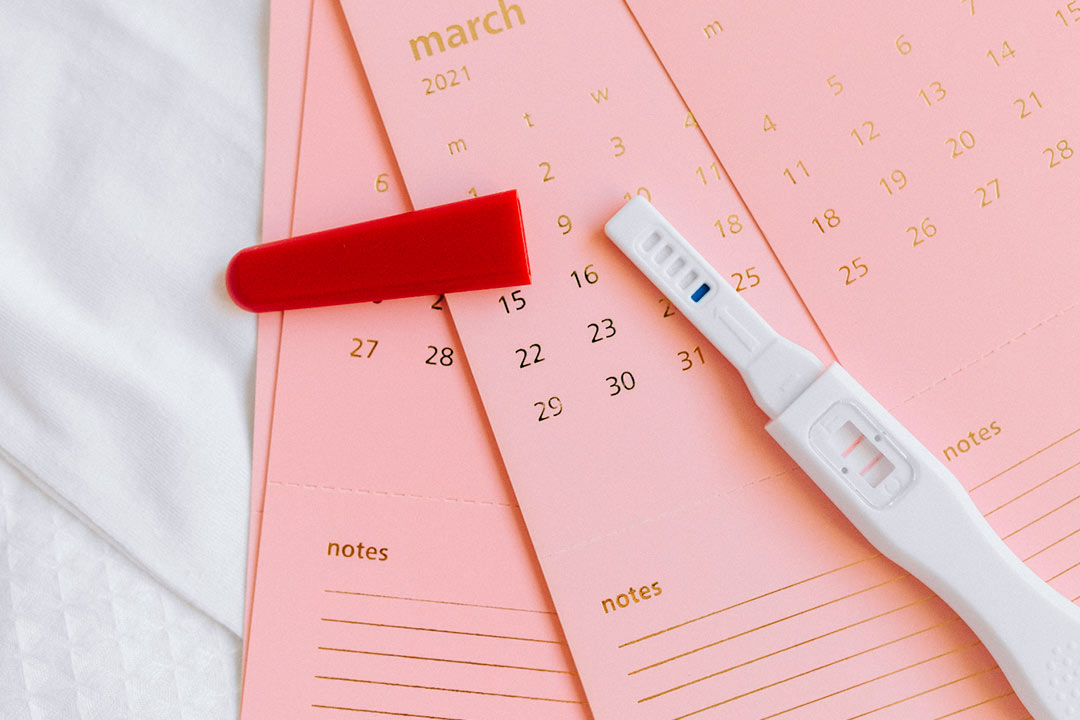
Many people notice light bleeding around the time their period is due and immediately wonder if it could be implantation bleeding or a delayed period. Knowing how to identify the signs can help you respond calmly and take the right next step.
This article explains implantation bleeding vs period in simple terms and helps you understand when spotting could mean early pregnancy and when it is more likely your menstrual cycle.
What is Implantation Bleeding?
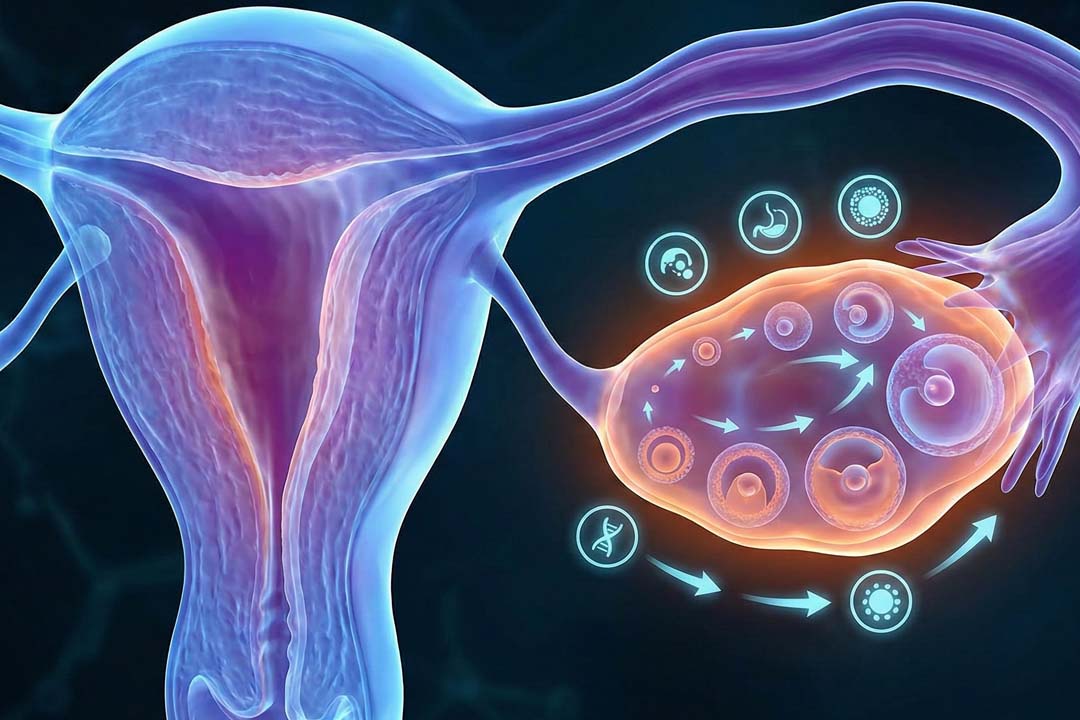
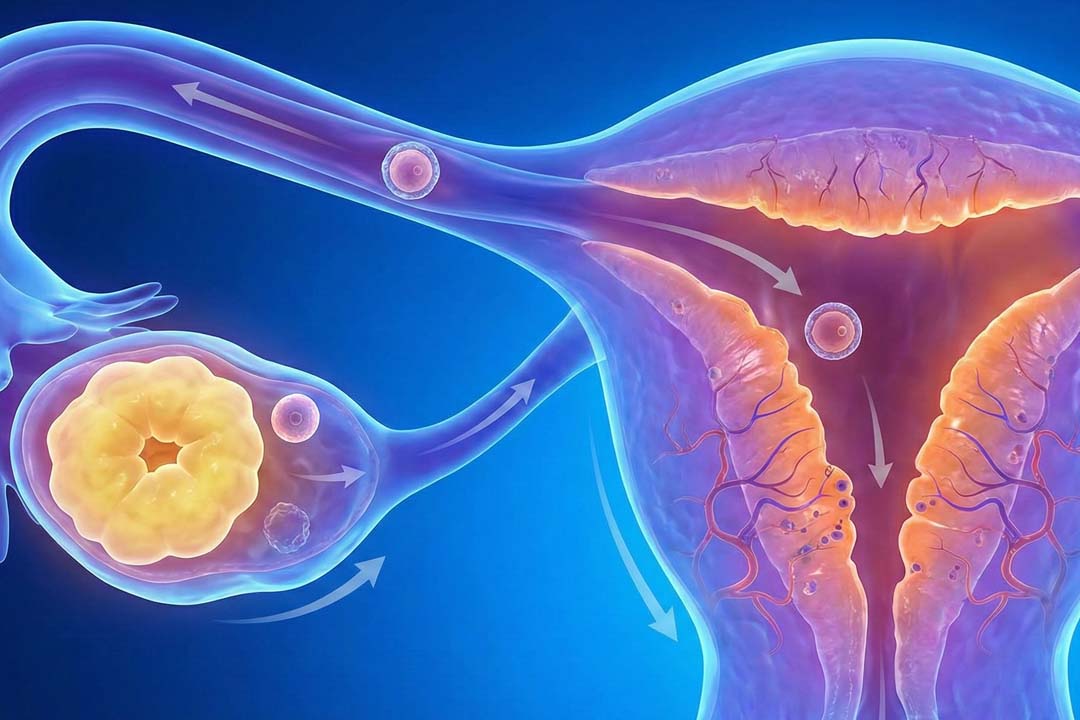
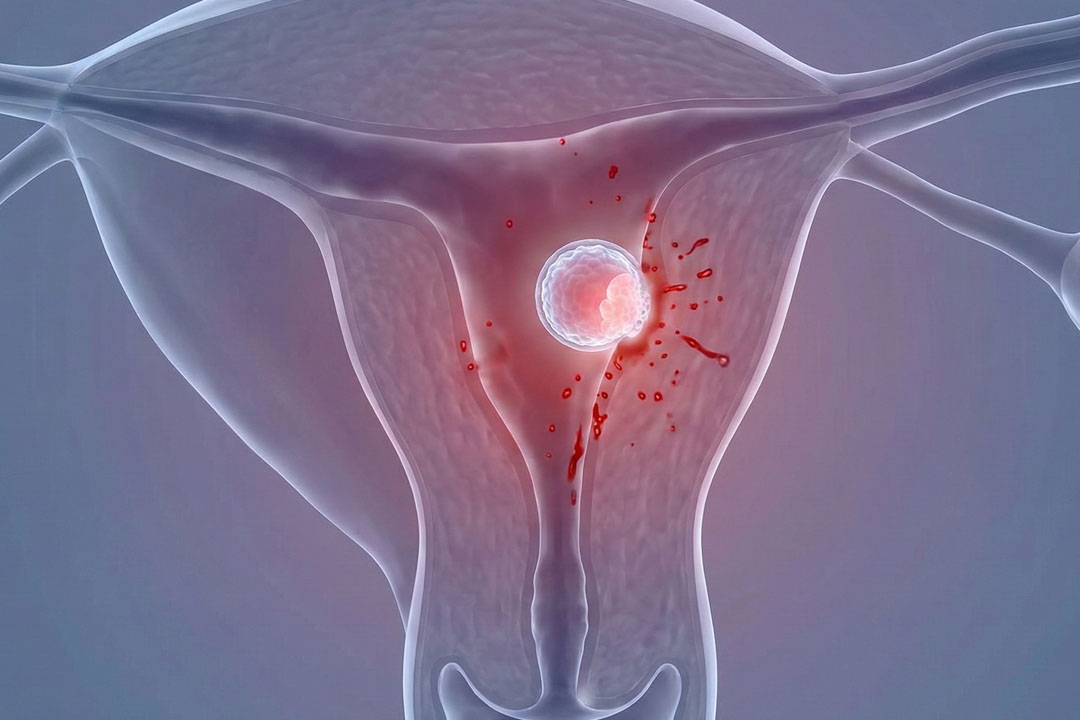
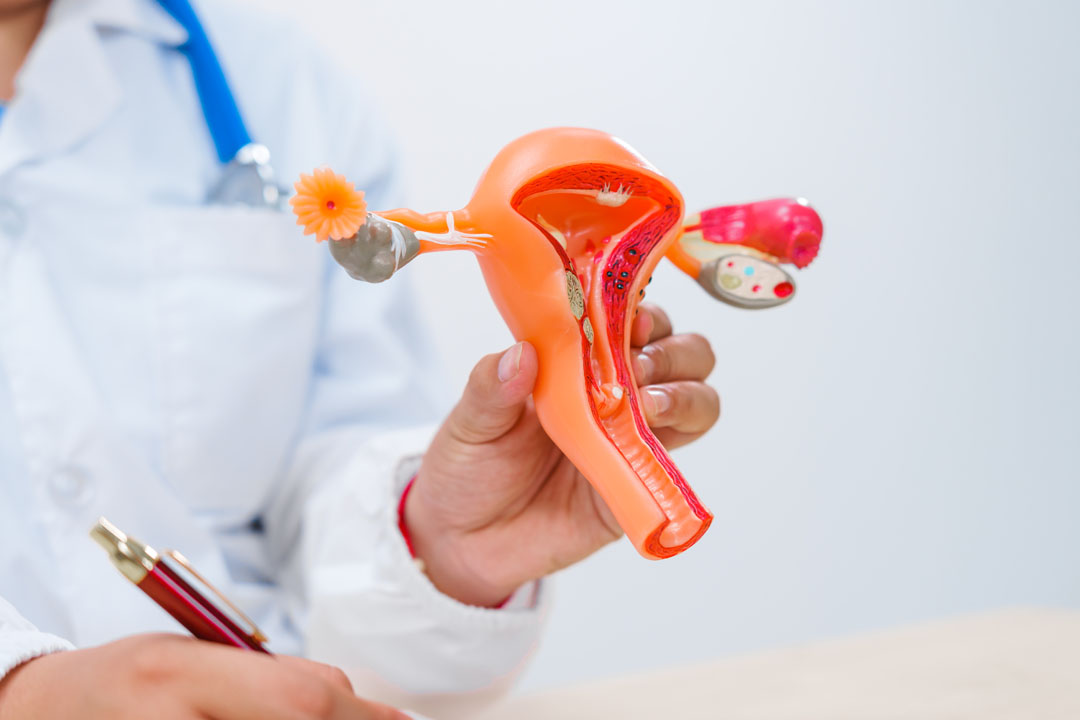
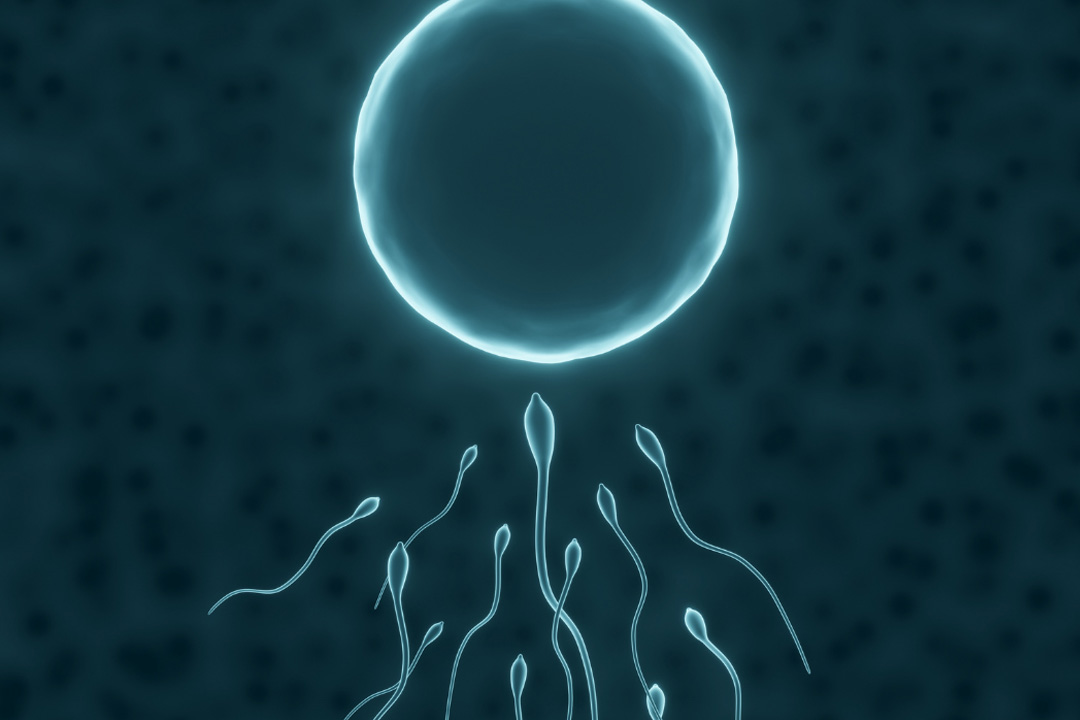
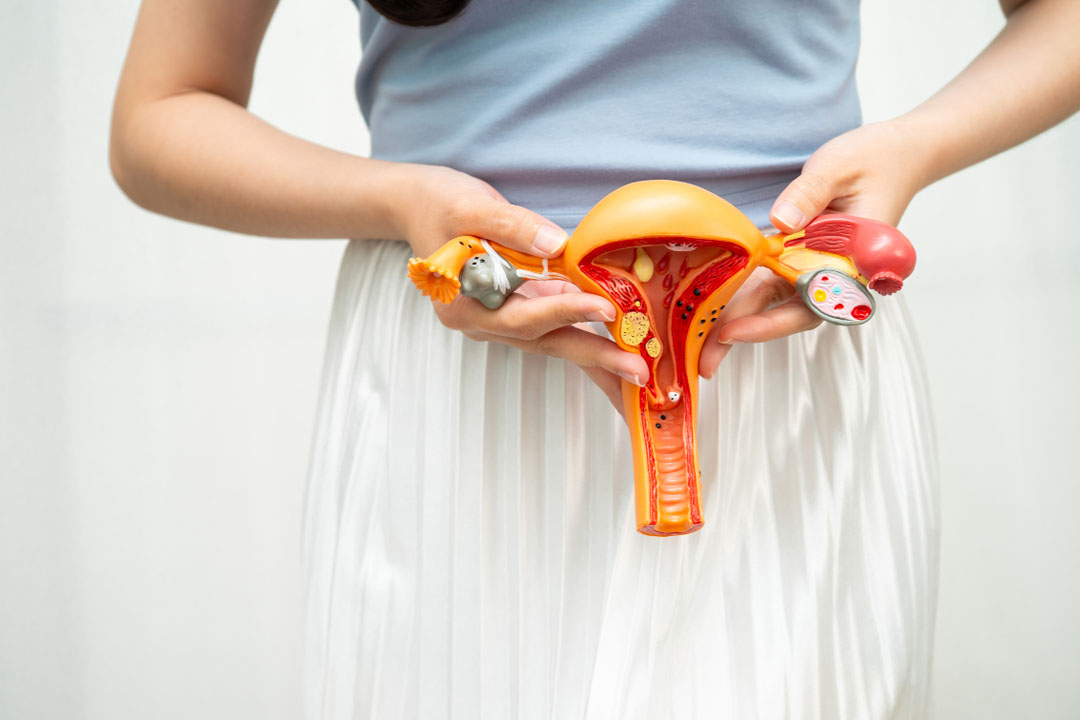
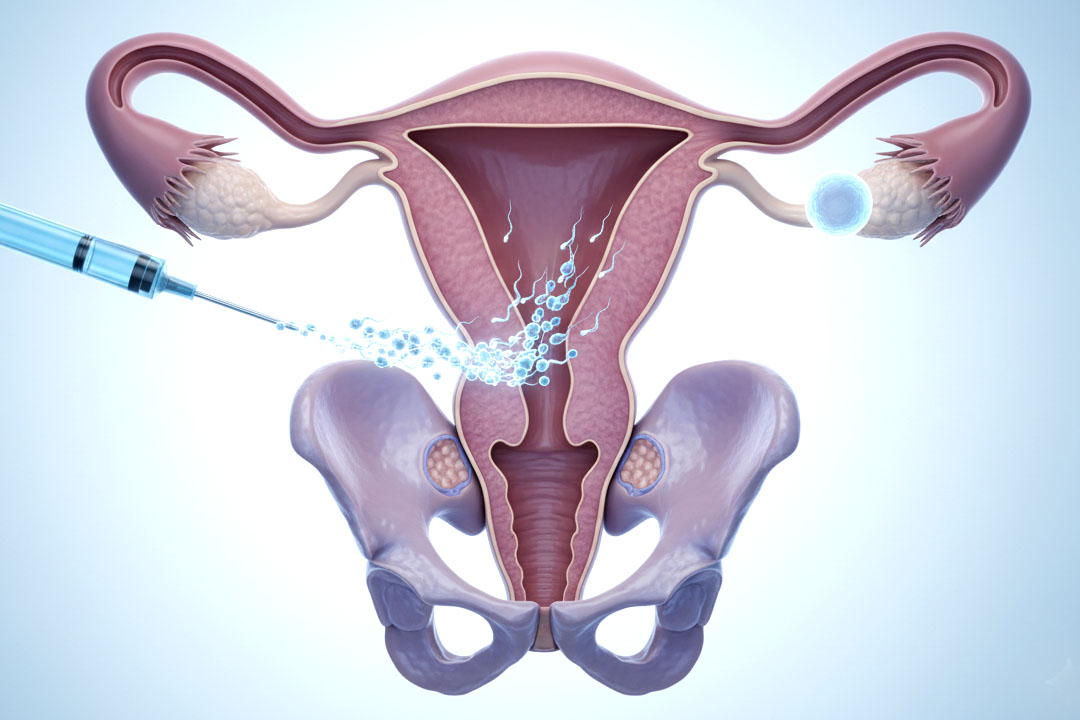
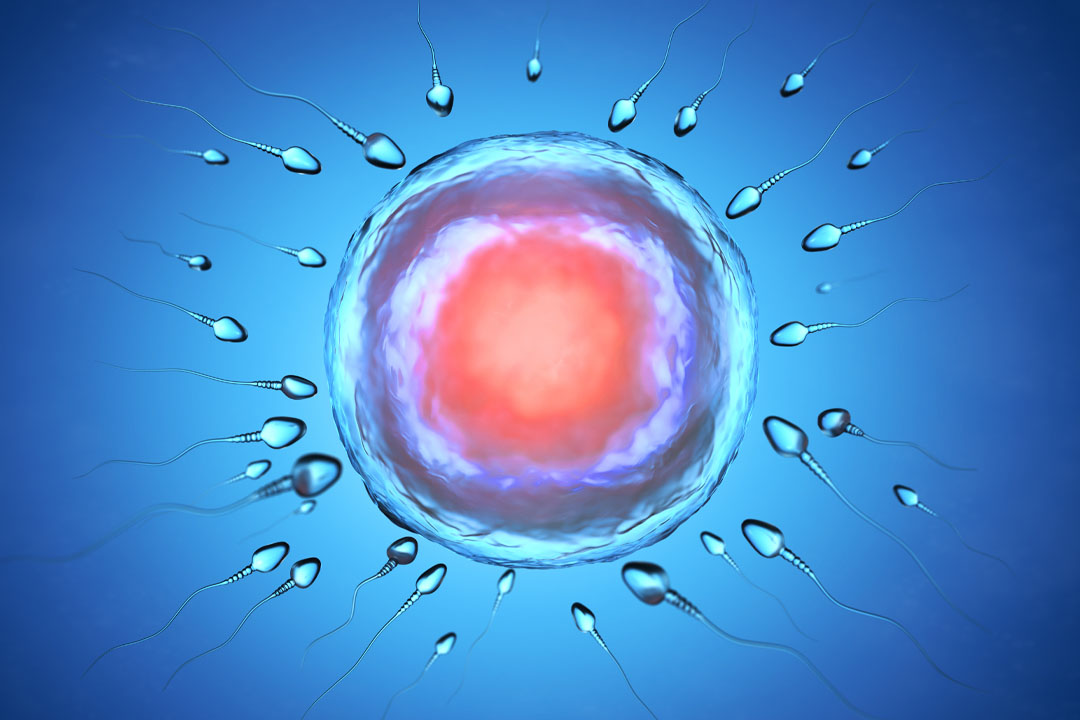
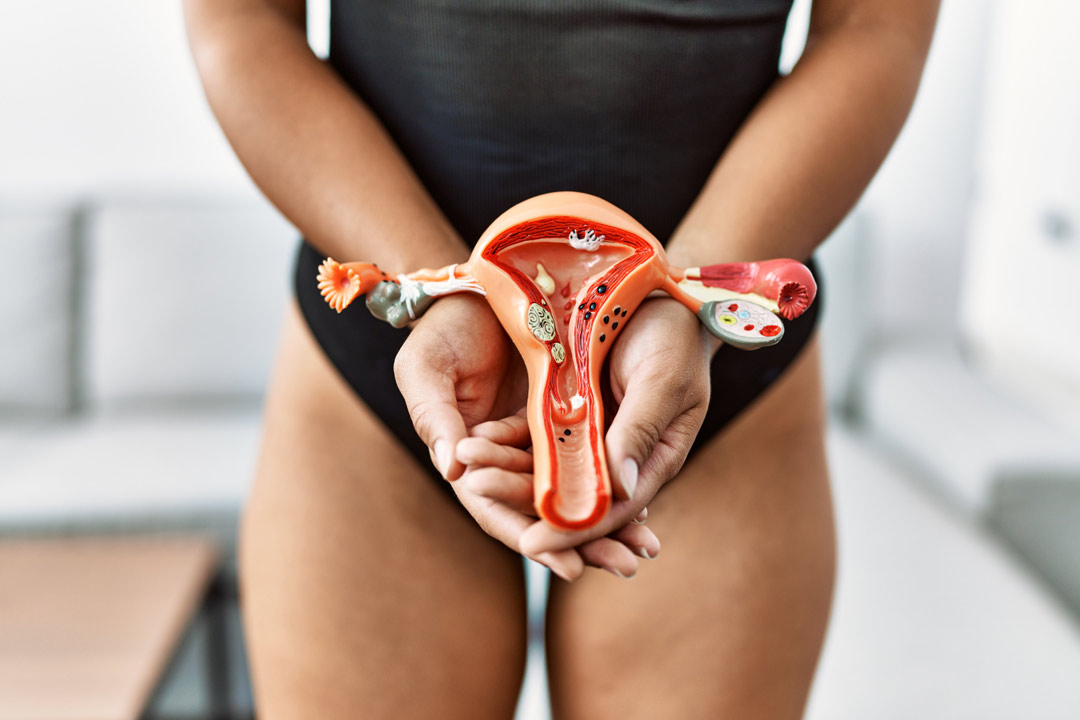
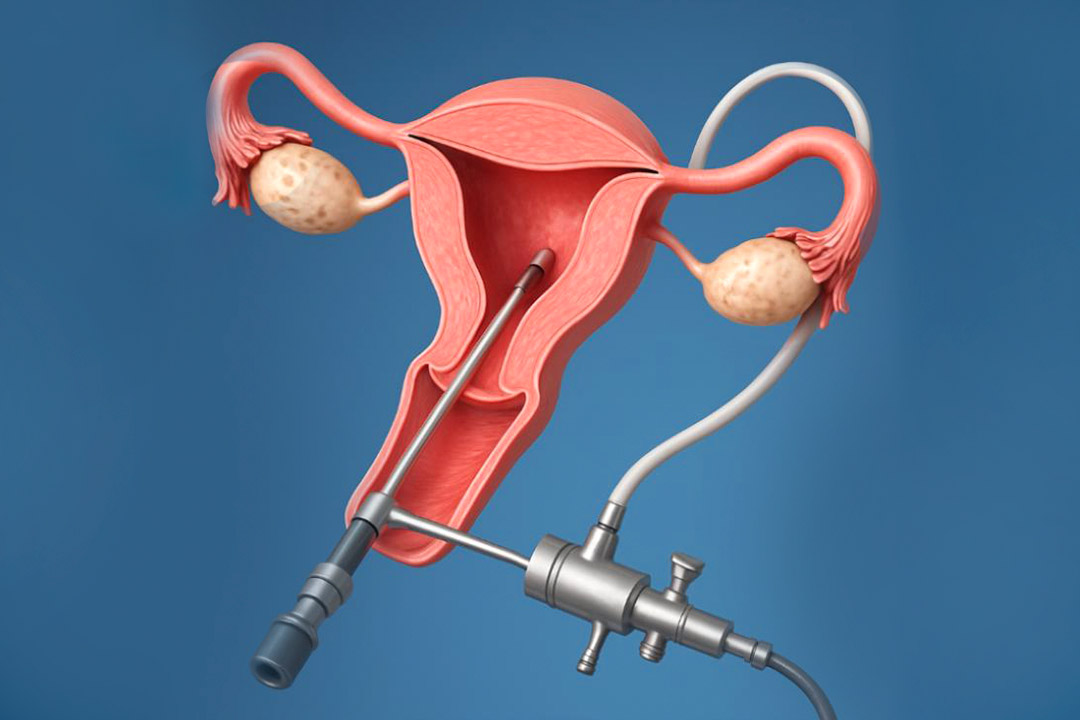
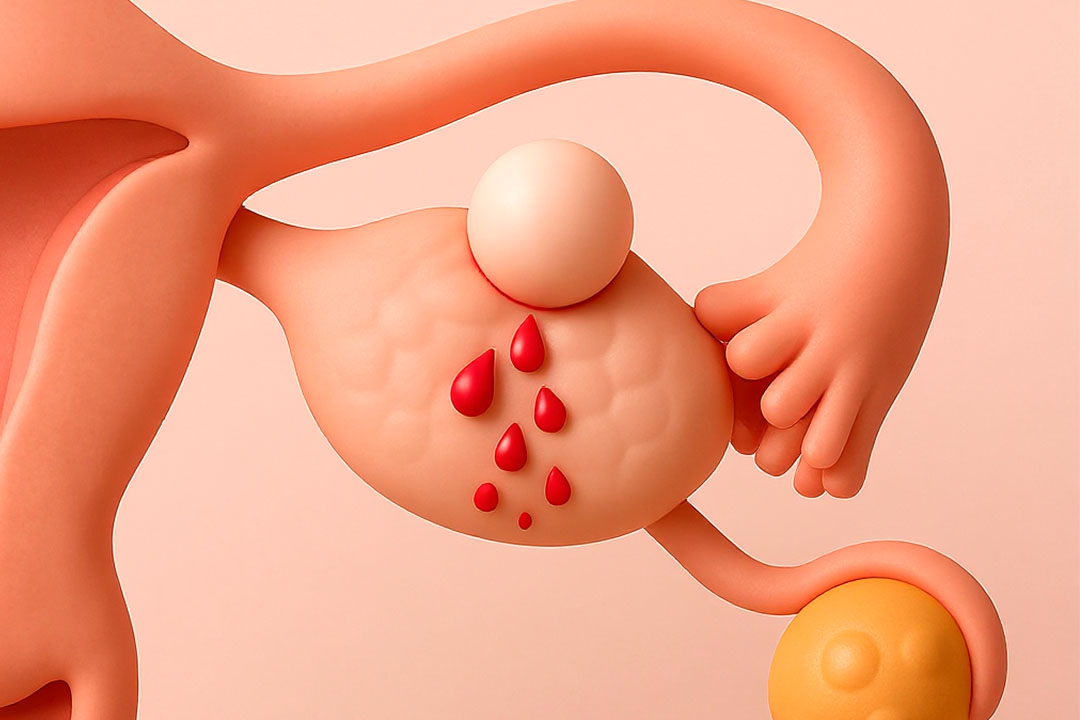
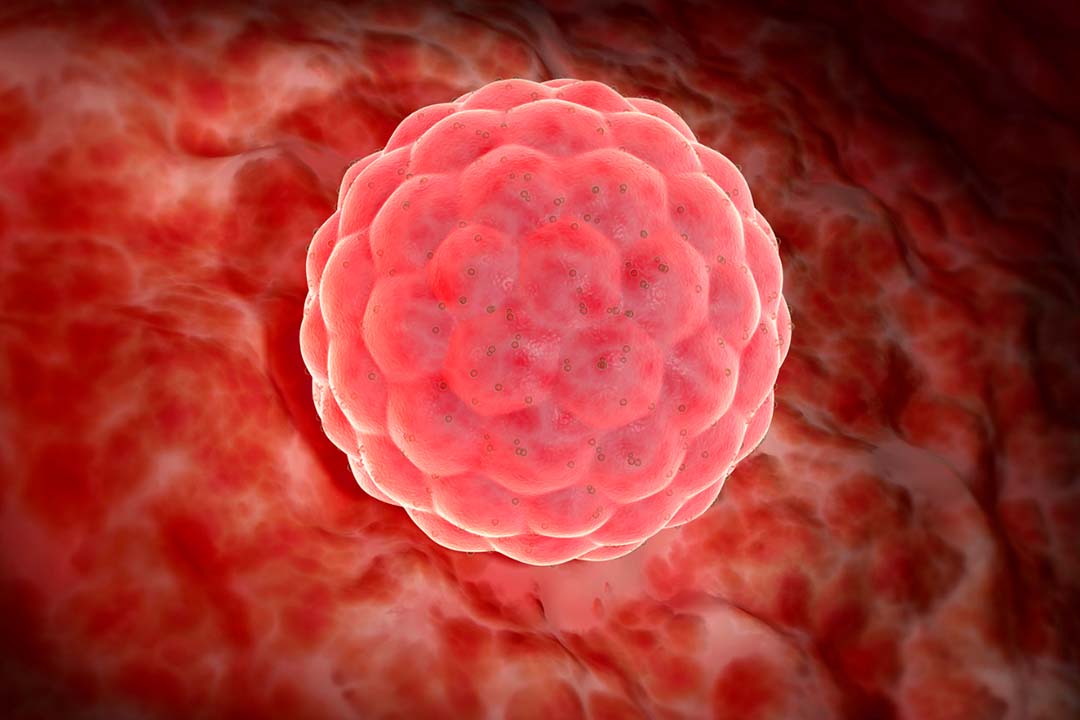
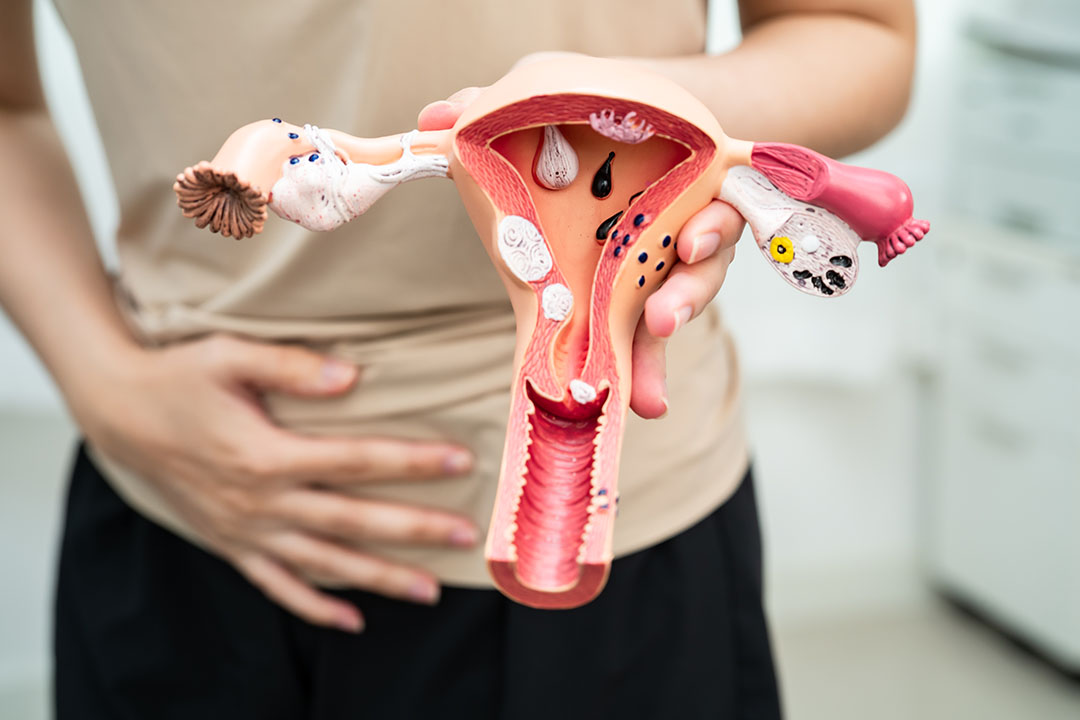
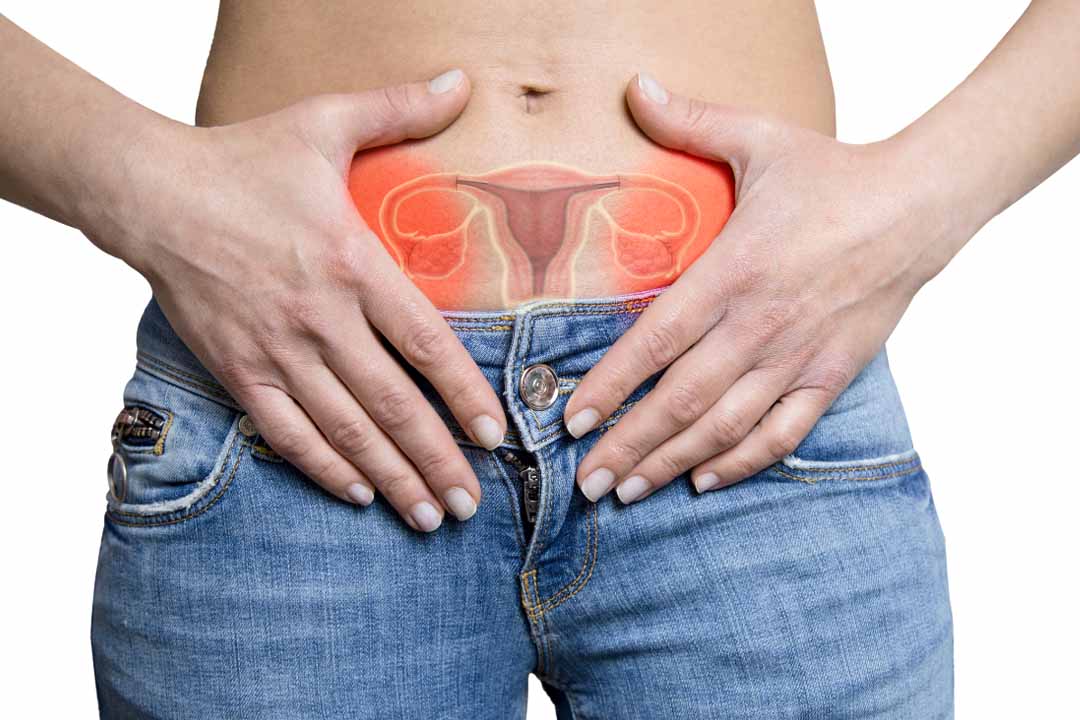
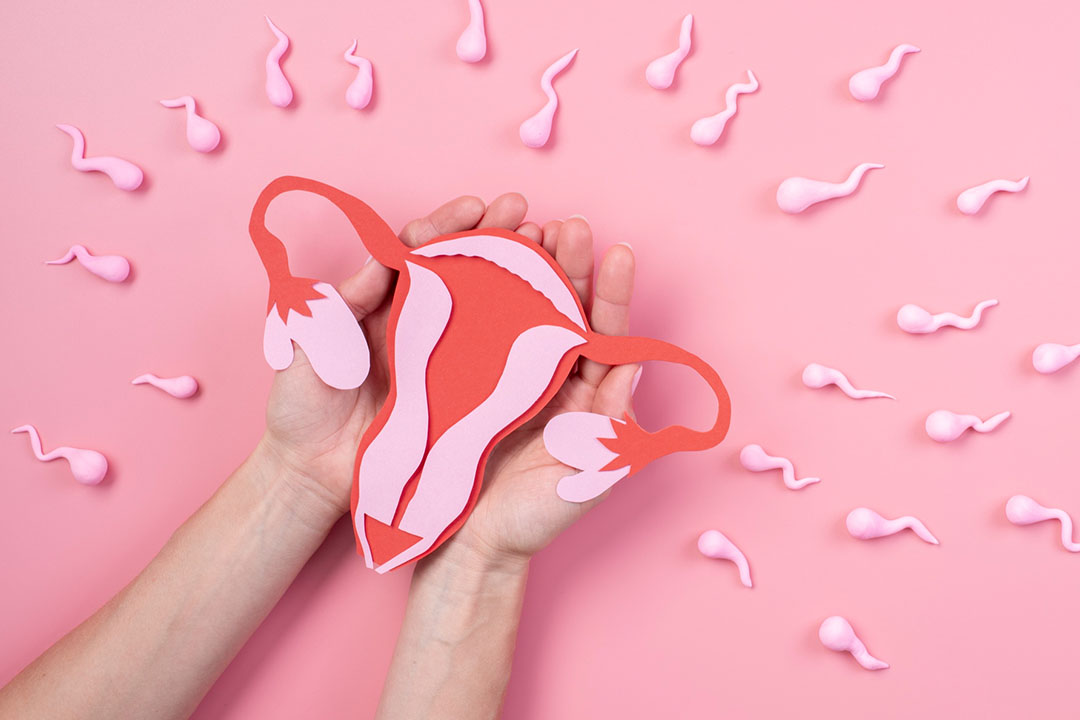
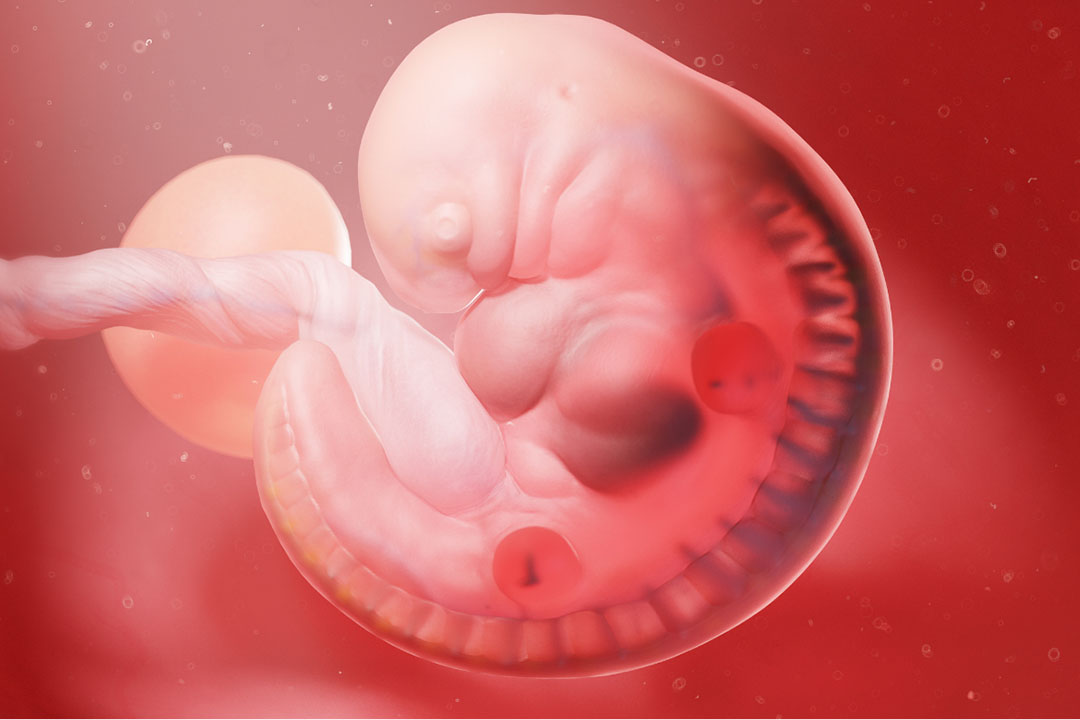
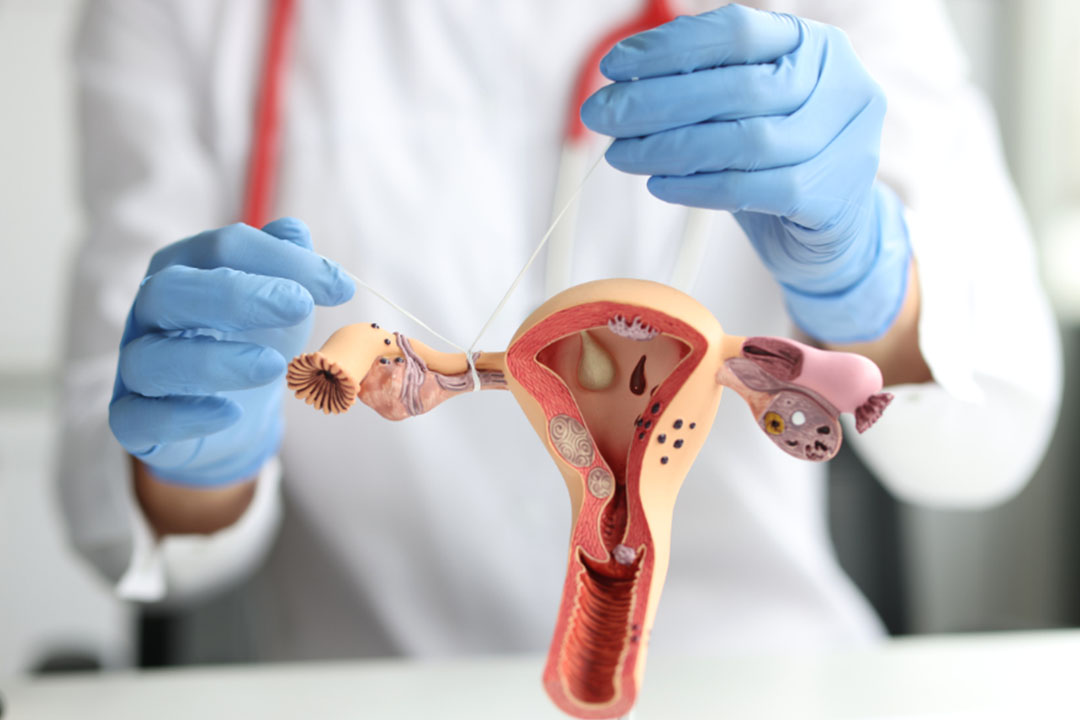
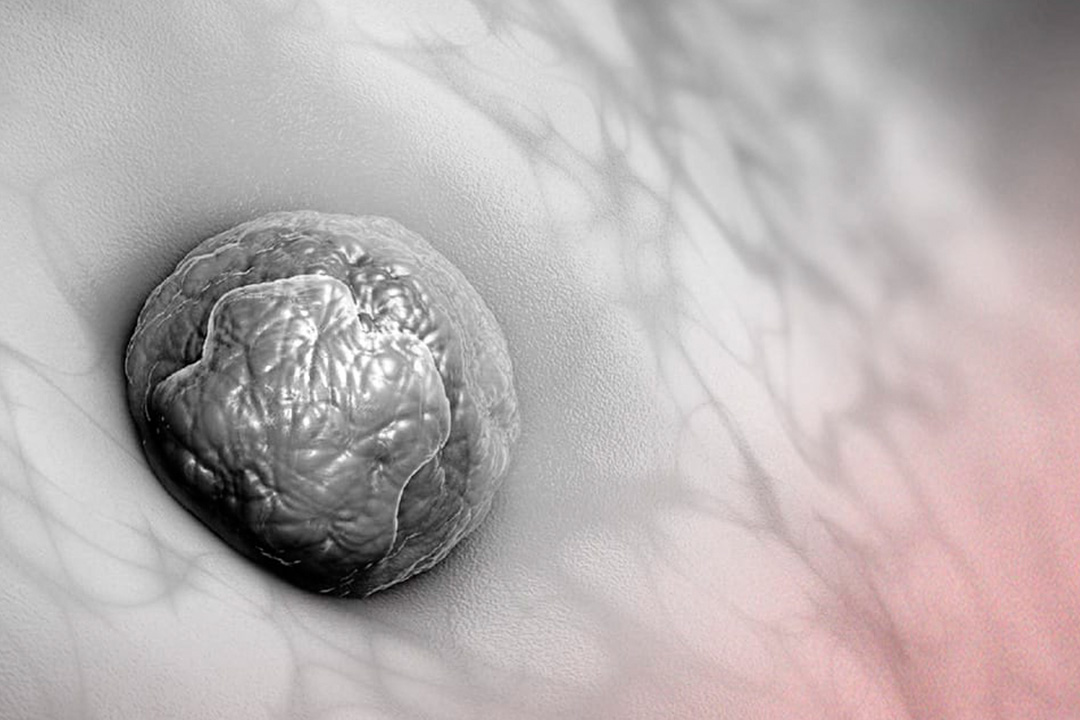
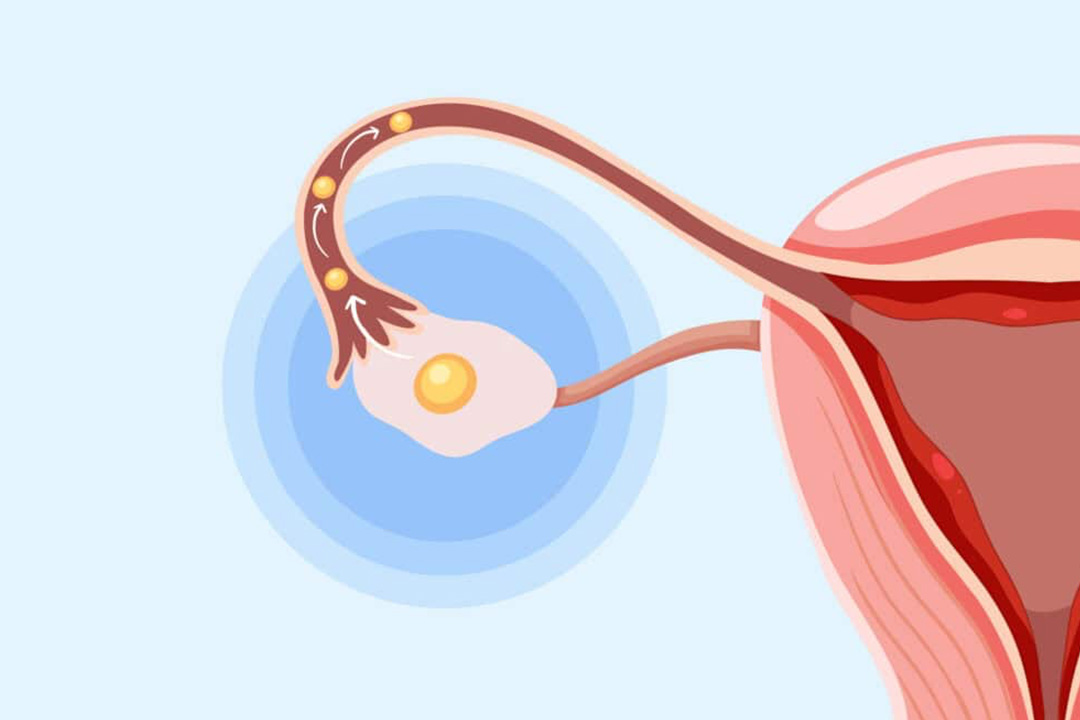
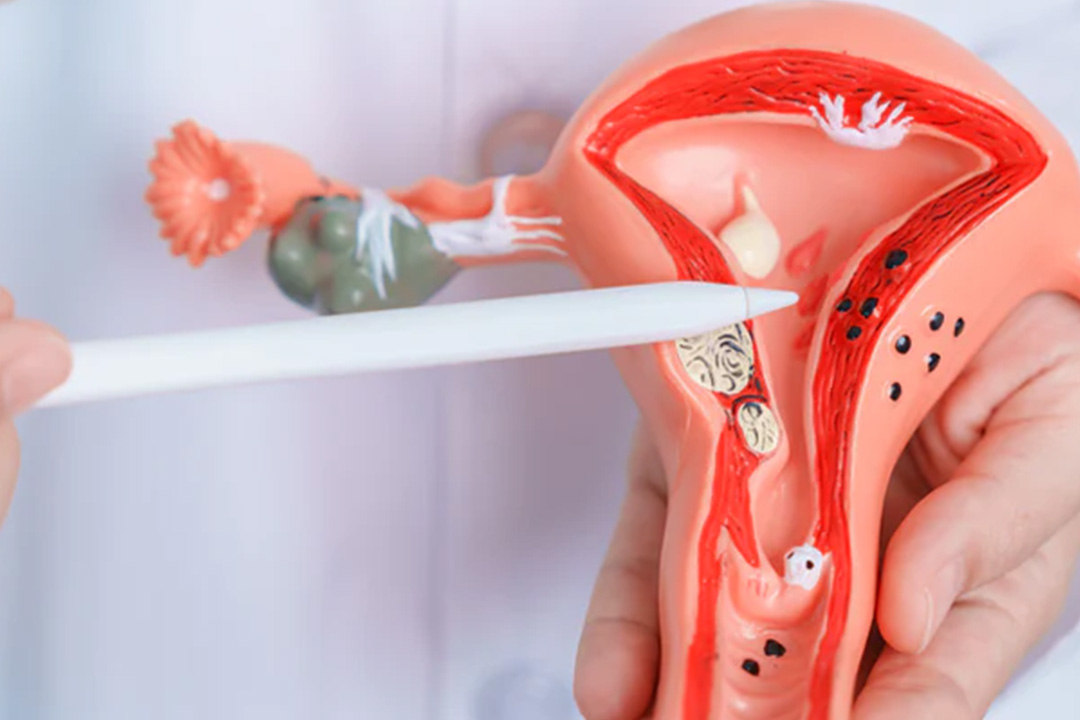
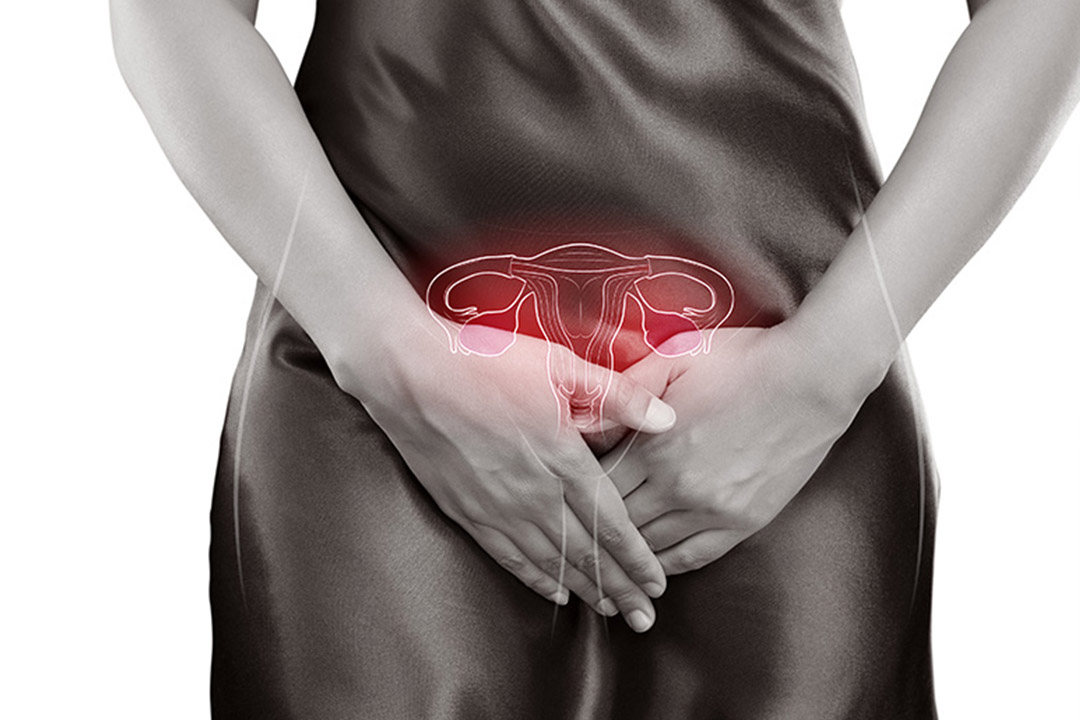
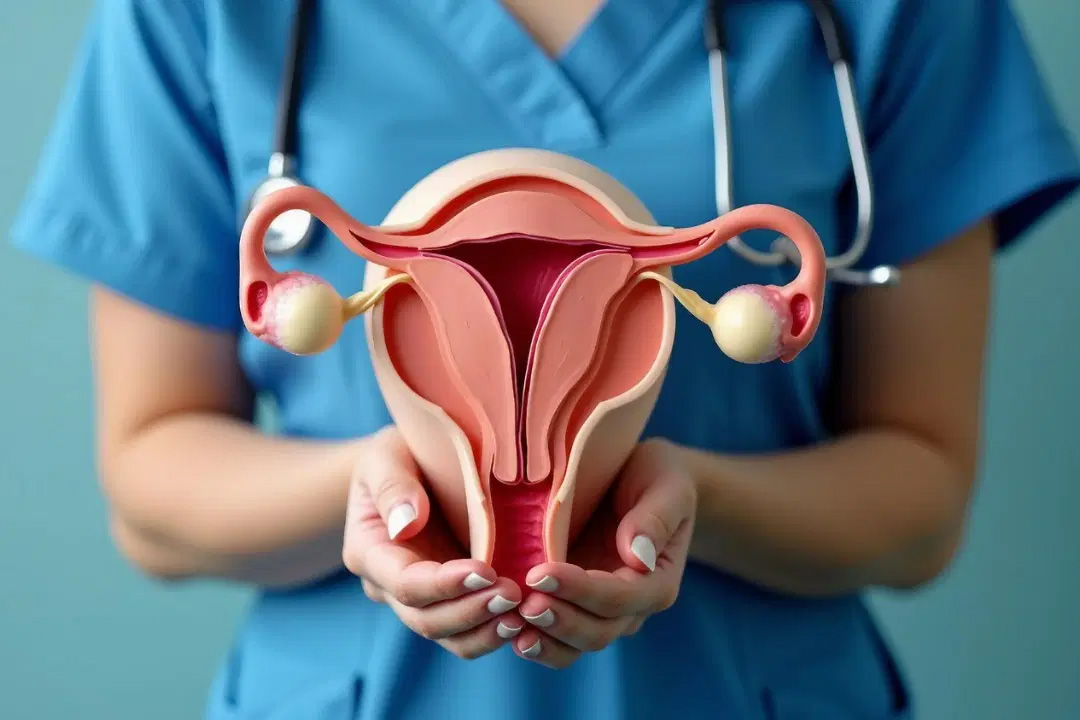
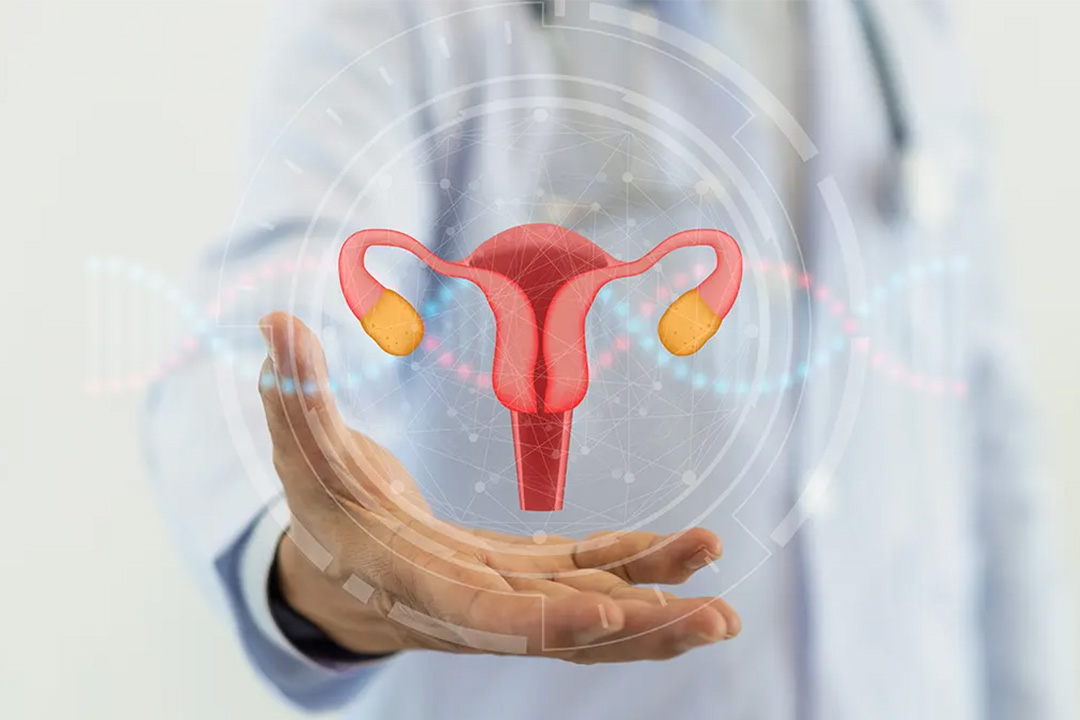
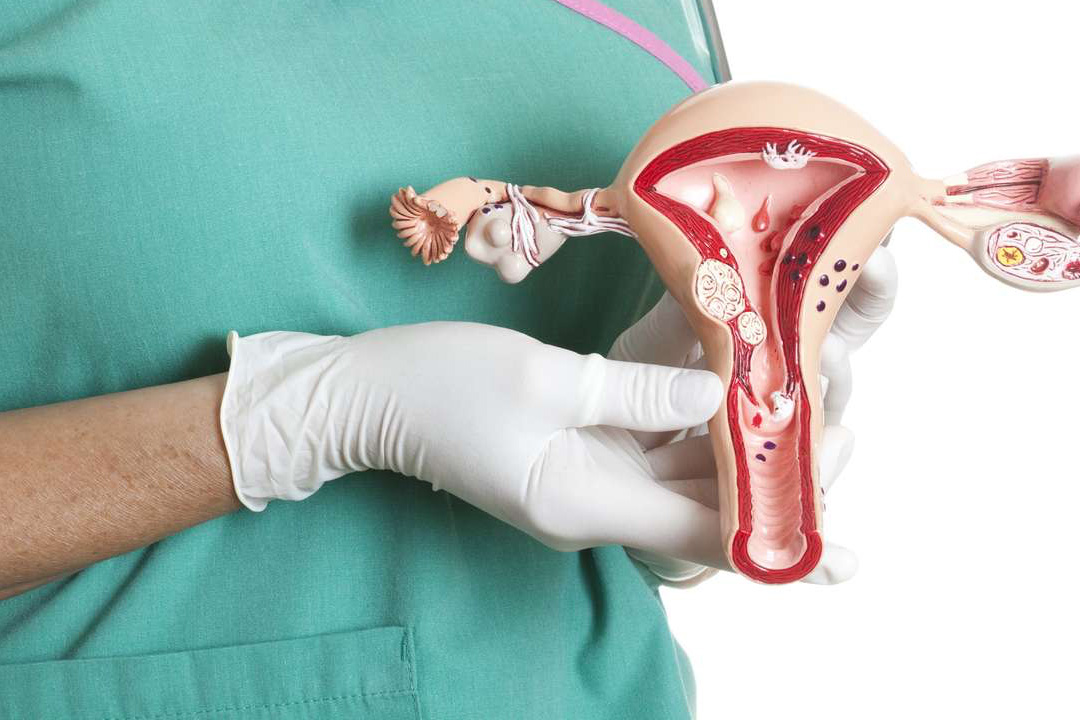
Implantation bleeding is light spotting that occurs when a fertilized egg attaches to the uterine wall. This process can cause small blood vessels in the uterine lining to break which leads to slight bleeding.
Implantation bleeding usually appears as light pink or brown discharge. It is not heavy and does not include clots. Many people mistake it for a very light period or irregular spotting. Not everyone experiences implantation bleeding and its absence does not rule out pregnancy.
This type of bleeding is considered normal in early pregnancy and usually stops on its own within a day or two.
What Happens During a Regular Period?
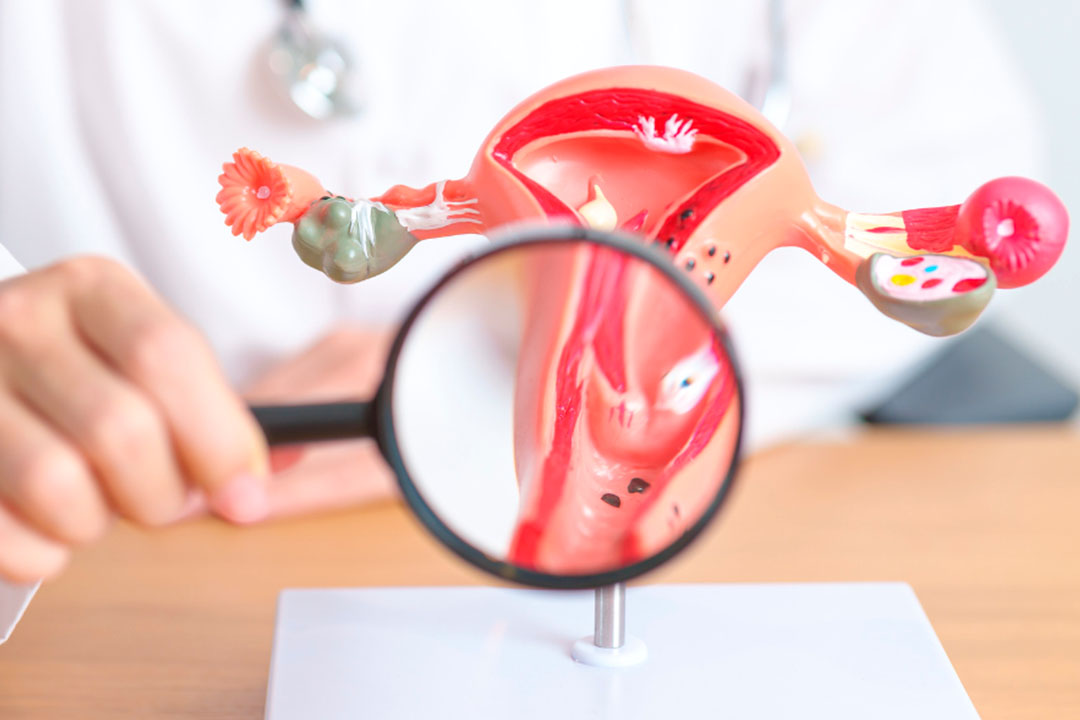
A period happens when pregnancy does not occur. The body sheds the uterine lining built up during the cycle which leads to menstrual bleeding. Menstrual bleeding usually starts light and becomes heavier over the next one or two days.
It can last anywhere from three to seven days. The blood is typically red or dark red and may include clots. Periods often come with cramps, lower back pain, bloating mood changes and breast tenderness.
Difference Between Implantation Bleeding and Period
The difference between implantation bleeding and period lies mainly in flow color timing and symptoms.
Implantation bleeding is very light while periods are heavier. Implantation bleeding often looks pink or brown while period blood is usually red. Implantation bleeding lasts a short time usually a few hours to two days while periods last several days. Periods are often accompanied by cramps and fatigue while implantation bleeding usually is not.
If the bleeding remains light does not require pads or tampons and stops quickly it is more likely implantation bleeding. If the bleeding becomes heavier over time, lasts several days and follows your usual cycle pattern it is more likely a period.
Paying attention to associated symptoms also helps. Periods often bring cramps and body aches while implantation bleeding usually does not.
Implantation Bleeding and Period Symptoms Compared
Implantation bleeding and period symptoms can overlap but they are not identical. Implantation bleeding may come with mild cramping fatigue or nausea. Periods often include stronger cramps, headaches, breast soreness and mood changes.
Implantation bleeding does not usually cause the full range of premenstrual symptoms. If you notice pregnancy related signs like nausea or heightened sense of smell along with spotting it could point toward implantation.
When Does Implantation Bleeding Occur Before Period?
Implantation bleeding usually occurs six to twelve days after ovulation. This often falls a few days before your expected period. If you have a regular cycle implantation bleeding may appear around day twenty to twenty four of a twenty eight day cycle. Because this timing is close to when a period is expected it can easily cause confusion.
The key difference is that implantation bleeding happens earlier than a period and does not increase in flow over time.
Implantation Bleeding After Missed Period: Is it Possible?
Implantation bleeding after a missed period is uncommon but can happen in some cases. This usually occurs when ovulation happens later than expected which shifts the entire cycle.
In such situations implantation bleeding may appear around the time a period was expected or shortly after it was missed. This leads many to ask can implantation bleeding happen after a missed period or can implantation bleeding occur after missed period. The answer is yes but it is not the typical pattern.
Does Implantation Bleeding Smell like Period?
In most cases implantation bleeding has little to no smell. Period blood can have a stronger metallic or musky smell due to heavier flow and longer duration. Implantation bleeding is minimal and short lived so it usually does not develop a noticeable odor. Any strong foul smell should be checked by a healthcare provider as it could signal an infection rather than implantation or a period.
Implantation Bleeding Brown Discharge Before Period
Implantation bleeding brown discharge before period is a common description. Brown discharge indicates older blood that has taken longer to exit the body. Because implantation bleeding is light it may appear brown rather than red. This often happens when the blood mixes with cervical fluids and exits slowly.
Brown discharge before your period does not always mean pregnancy but when paired with timing and light flow it may suggest implantation bleeding.
Can Implantation Bleeding happen After Missed period?
Many people worry when they notice spotting after missing a period. Can implantation bleeding happen after a missed period is a valid concern. While implantation usually occurs before a missed period, delayed ovulation can push implantation later. In such cases light spotting may appear after the missed period date. If spotting occurs and pregnancy is possible a test taken a few days later can offer clarity.
When Should You Take a Pregnancy Test?
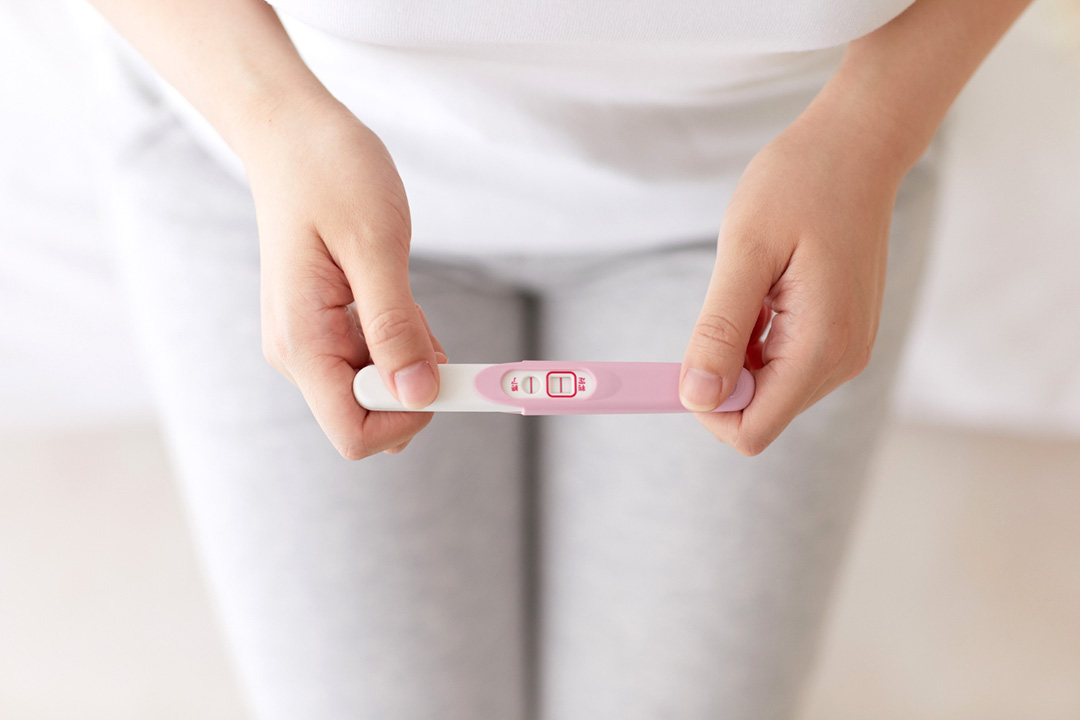
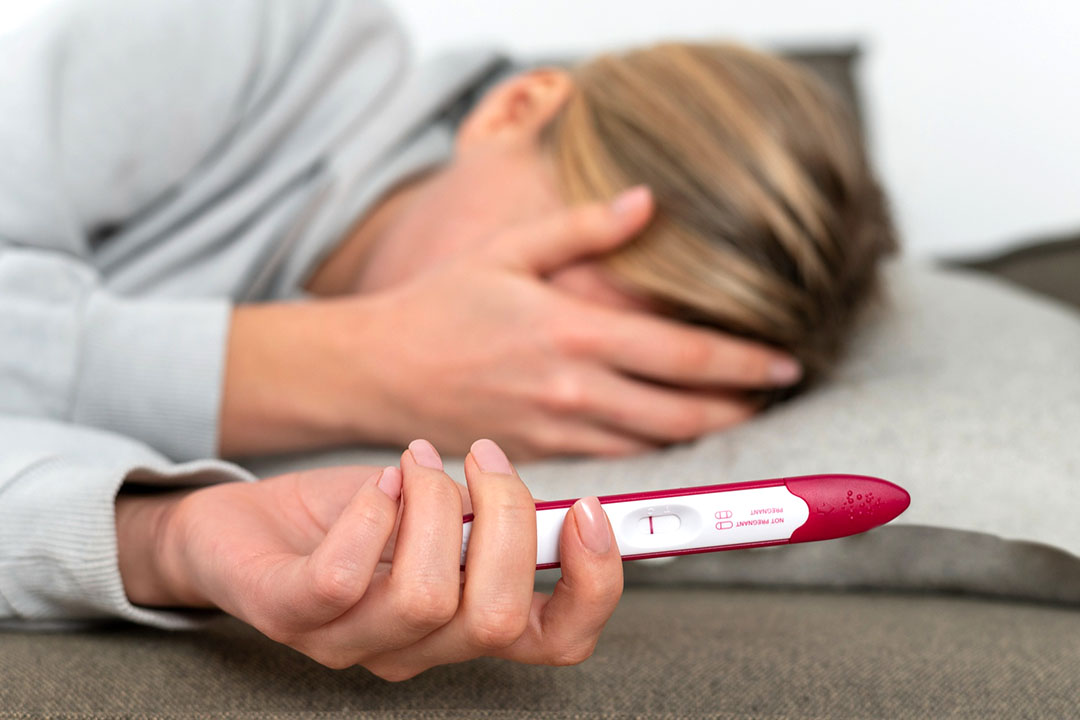
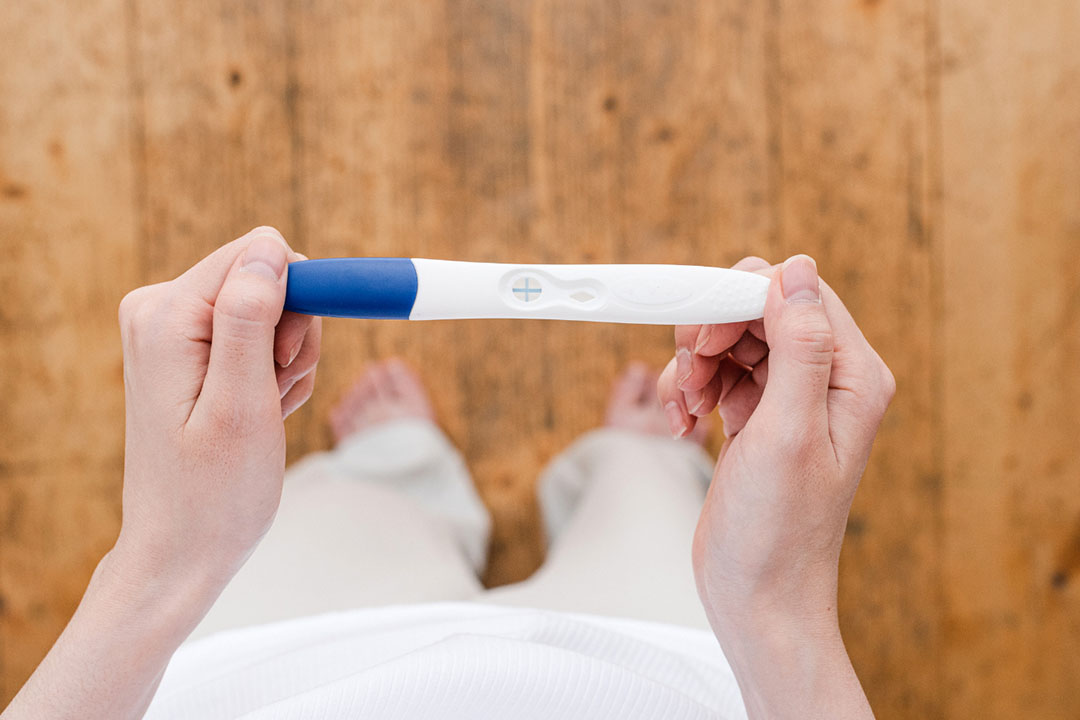
After implantation bleeding the body starts producing pregnancy hormones. Taking a test too early may show a false negative. If you suspect implantation bleeding, wait at least three to five days before testing. Testing after a missed period gives more accurate results. Blood tests can detect pregnancy earlier than urine tests but most people rely on home kits first.
When Should You Seek Medical Advice?
Light spotting can be normal but certain signs need medical attention. Seek advice if bleeding is heavy, painful, lasts longer than a few days or comes with fever, dizziness or foul smell. These symptoms may indicate hormonal imbalance infection or other concerns. Early pregnancy bleeding should also be evaluated if it becomes heavy or painful.
Frequently Asked Questions
Can implantation bleeding be heavy?
Implantation bleeding is almost always light. Heavy bleeding is more likely a period or another medical issue.
How long does implantation bleeding last?
It usually lasts a few hours to two days. It does not continue like a regular period.
Can implantation bleeding include clots?
No, implantation bleeding does not include clots. Clots are more common during periods.
Can stress cause spotting that looks like implantation bleeding?
Yes, stress, hormonal changes and lifestyle factors can cause light spotting unrelated to pregnancy.
Can implantation bleeding happen every pregnancy?
No, some people experience it once, some never experience it and some may notice it in one pregnancy but not another.
Conclusion
You can reduce worry and make better judgments if you are aware of the differences between implantation bleeding and menstruation. Even though they may seem similar, timing, flow, color and symptoms frequently provide crucial hints.
While periods follow a regular monthly pattern, implantation bleeding is often mild, temporary and hidden. If confusion remains, a pregnancy test and expert guidance provide the most definitive solutions. The best way to understand what your body is trying to tell you is still to understand your own cycle.
About Us
AKsigen IVF is a premier center for advanced fertility treatments, with renowned fertility experts on our team. Specializing in IVF, ICSI, egg freezing, and other cutting-edge reproductive technologies, AKsigen IVF is committed to helping couples achieve their dream of parenthood. With personalized care and a patient-first approach, AKsigen IVF provides comprehensive fertility solutions under one roof.