
Menstrual health often gets reduced to periods and cramps, but the cycle has several phases that quietly influence fertility, mood and overall well-being. One of the most important yet less discussed stages is the luteal phase. This phase begins after ovulation and continues until the next period starts.
During this time the body prepares for a possible pregnancy by adjusting hormone levels and changing the uterine lining. Even small shifts in this phase can affect conception, early pregnancy support and premenstrual symptoms.
People may monitor fertility, recognize typical changes and figure out when anything might require medical treatment by knowing how the luteal phase functions. Learning about this stage provides helpful insight into how the reproductive system works month after month, regardless of whether a person is attempting to conceive or just wants to better understand their cycle.
What Is the Luteal Phase?
The luteal phase is the second half of the menstrual cycle and starts right after ovulation. It continues until the first day of the next period.
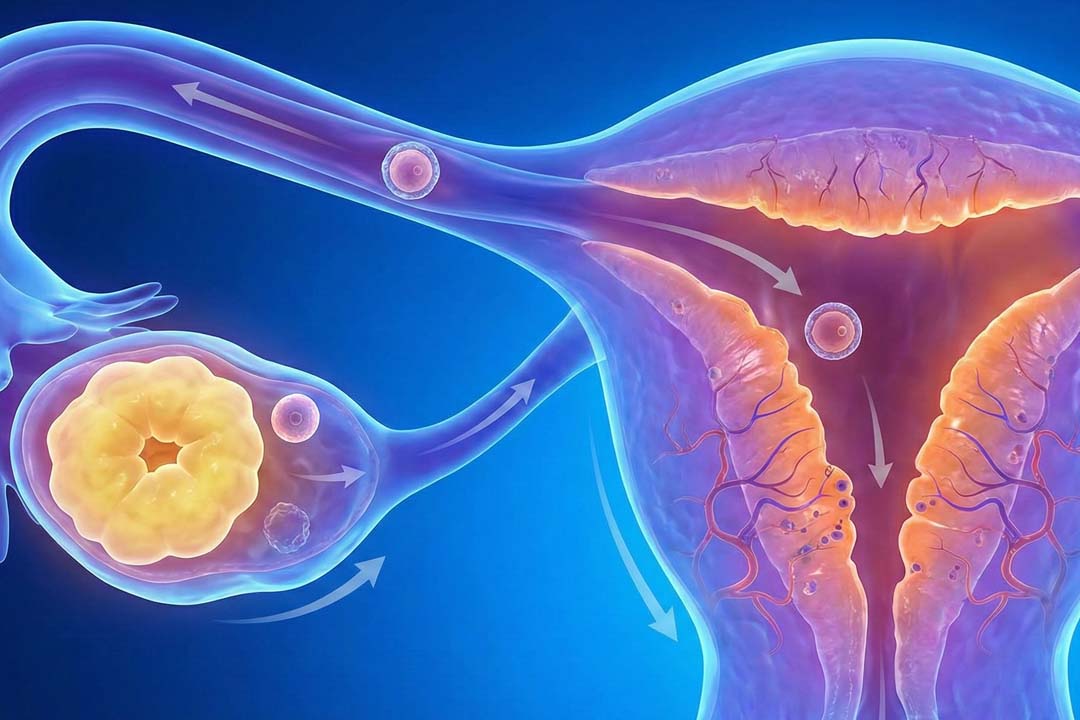
During this stage, the follicle that released the egg transforms into a structure called the corpus luteum. This structure produces progesterone along with small amounts of estrogen.
Progesterone plays a key role because it prepares the uterus for a possible pregnancy by thickening the uterine lining so that a fertilised egg can attach.
If fertilisation does not occur, hormone levels fall, the uterine lining sheds and menstruation begins. The luteal phase is often described as the post-ovulation phase or the secretory phase of the menstrual cycle because the uterus releases nutrients to support a possible embryo.
What Happens During the Luteal Phase?
Right after ovulation, the released egg travels through the fallopian tube toward the uterus. The leftover follicle becomes the corpus luteum, which starts producing progesterone. This hormone causes several important changes:
- The uterine lining becomes thicker to support implantation.
- Cervical mucus becomes thicker and more protective against infection.
- Progesterone reaches its peak about a week after ovulation.
If pregnancy occurs, the body continues producing progesterone to support the early embryo until the placenta takes over hormone production.
If pregnancy does not occur, the corpus luteum shrinks, progesterone drops and the period begins.
Length of the Luteal Phase
The average luteal phase lasts about 12 to 14 days in many people. A normal range is roughly 11 to 17 days depending on the individual cycle.
- Short luteal phase: A luteal phase shorter than about 10 days may not give the uterine lining enough time to develop properly, which can make implantation difficult.
- Long luteal phase: A longer phase may sometimes signal hormonal imbalance or conditions such as polycystic ovary syndrome. In some cases, a delayed period after ovulation may also indicate early pregnancy.
Luteal Phase Symptoms
Many luteal phase symptoms resemble premenstrual syndrome because of changing hormone levels. Common symptoms include:
- Breast tenderness
- Bloating
- Mood swings
- Acne or breakouts
- Changes in appetite
- Mild cramping
- Fatigue
These symptoms occur mainly due to the rise and fall of progesterone during this phase.
Luteal Phase Discharge
Yes, discharge often changes during this stage. In the luteal phase, cervical mucus typically becomes thicker, drier and more paste-like compared to the slippery texture seen around ovulation.
This thicker mucus acts as a protective barrier that reduces the chance of bacteria entering the uterus. Many people notice reduced vaginal discharge or a creamier consistency during this time.
Can You Get Pregnant in the Luteal Phase?
Yes, conception technically occurs in the luteal phase because fertilisation happens shortly after ovulation.
However, the highest chances of pregnancy occur in the days before ovulation, not after it. Once ovulation has already happened, the egg survives only about 12 to 24 hours, so the fertile window is very short.
This is why tracking ovulation is more effective than waiting until the luteal phase if someone is trying to conceive.
Luteal Phase Pregnancy
If fertilisation occurs, the embryo travels to the uterus and implants into the thickened lining prepared during the luteal phase.
During early pregnancy, the body releases hCG, which signals the corpus luteum to keep producing progesterone. This hormone support continues until the placenta takes over progesterone production in the first trimester.
Adequate progesterone during this phase helps maintain the uterine lining and supports early pregnancy development.
Why the Luteal Phase Matters
The luteal phase is crucial because it determines whether the uterus is ready to support a pregnancy.
If progesterone levels are too low or the phase is too short, implantation may not occur or an early miscarriage may happen. Tracking this phase can help:
- Identify fertility windows
- Detect hormonal imbalance
- Recognise irregular cycles
- Support pregnancy planning
If you understand this phase, it helps explain many premenstrual symptoms, since hormone fluctuations directly influence mood and physical changes.
Luteal Phase Defect
A luteal phase defect happens when the uterine lining does not grow or thicken enough to support pregnancy. This usually occurs because progesterone levels are lower than needed. Possible effects include:
- Difficulty getting pregnant
- Early pregnancy loss
- Short menstrual cycles
Doctors may check progesterone levels or examine the uterine lining to confirm the condition.
Luteal Phase Defect Treatment
Treatment depends on the underlying cause and whether pregnancy is the goal. Common options include:
- Progesterone supplements in oral, injection or vaginal form
- Medications such as clomiphene or gonadotropins to improve ovulation
- hCG injections to boost progesterone production
These therapies aim to support the uterine lining and improve the chances of implantation.
Treating underlying conditions
If hormonal disorders or thyroid issues are affecting the cycle, managing those conditions can improve luteal function. Doctors may suggest:
- Stress reduction
- Maintaining a healthy weight
- Balanced nutrition
These changes can help regulate hormone balance over time. Importantly, not everyone with a short luteal phase needs advanced fertility treatment and many people still conceive successfully with proper care.
How to Know If You Are in the Luteal Phase
Several signs can suggest that ovulation has already occurred and the luteal phase has begun.
- A slight rise in basal body temperature
- Thicker cervical mucus
- Premenstrual-like symptoms
Tracking cycles with temperature charts or ovulation kits can help identify this stage more accurately.
When Should You See a Doctor?
Consider medical advice if you notice:
- Cycles shorter than 21 days
- Repeated early miscarriages
- Difficulty getting pregnant
- Irregular or very short luteal phases
Hormone testing and cycle evaluation can help identify the cause and guide treatment.
Lifestyle Tips to Support a Healthy Luteal Phase
While hormones control most of this phase, healthy habits can support balance.
- Eat regular meals with adequate protein and iron
- Manage stress through sleep and relaxation
- Avoid extreme dieting
- Track cycles to recognise patterns
These steps help maintain steady hormone production and overall reproductive health.
Frequently Asked Questions
The luteal phase is the second half of the menstrual cycle after ovulation when progesterone prepares the uterus for possible pregnancy and continues until the next period begins.
Most luteal phases last around 12 to 14 days, though a normal range can extend from about 11 to 17 days depending on the person’s cycle.
Yes, but the window is short. The egg survives only about one day after ovulation, so chances are lower compared with the days just before ovulation.
Discharge usually becomes thicker, creamier or dry because progesterone increases and cervical mucus turns more protective during this phase.
It can sometimes affect implantation or increase the risk of early pregnancy loss, but many people still conceive with proper treatment and hormone support.
Treatment may include progesterone supplements, ovulation-stimulating medicines or addressing underlying hormone issues along with lifestyle changes recommended by a doctor.
Yes. Breast tenderness, bloating, mood changes and fatigue are common because progesterone rises and then falls before the period starts.
Sometimes a delayed period after ovulation can signal pregnancy, though it may also occur due to hormonal imbalance or cycle variation.
Conclusion
From mood swings to fertility planning, an understanding of the luteal phase helps connect many aspects of menstrual health. The body gets ready for pregnancy every month during this brief but effective phase. The likelihood of a healthy implantation increases when hormone levels are in balance and the uterine lining grows appropriately. Keeping track of this stage, identifying symptoms and getting help quickly when cycles are irregular can have a significant impact on both general health and reproductive health.

About Us
AKsigen IVF is a premier center for advanced fertility treatments, with renowned fertility experts on our team. Specializing in IVF, ICSI, egg freezing, and other cutting-edge reproductive technologies, AKsigen IVF is committed to helping couples achieve their dream of parenthood. With personalized care and a patient-first approach, AKsigen IVF provides comprehensive fertility solutions under one roof.



 +91 86556 78747
 info@aksigenivf.com