Recurrent Miscarriage: Meaning, Causes & Treatment Options

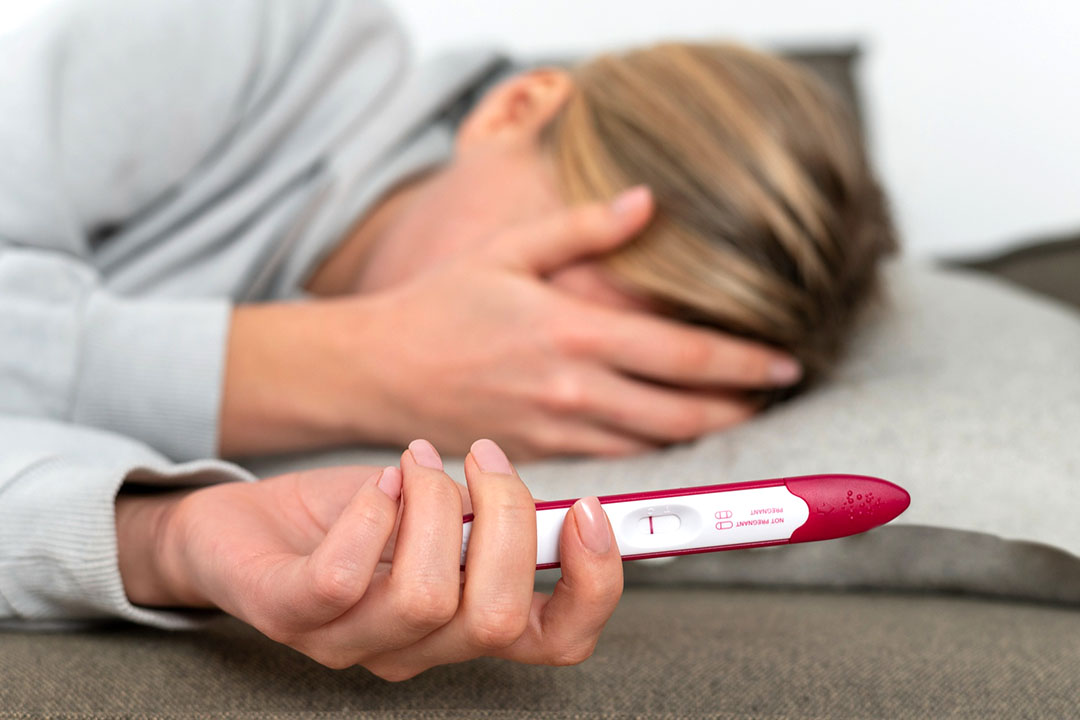
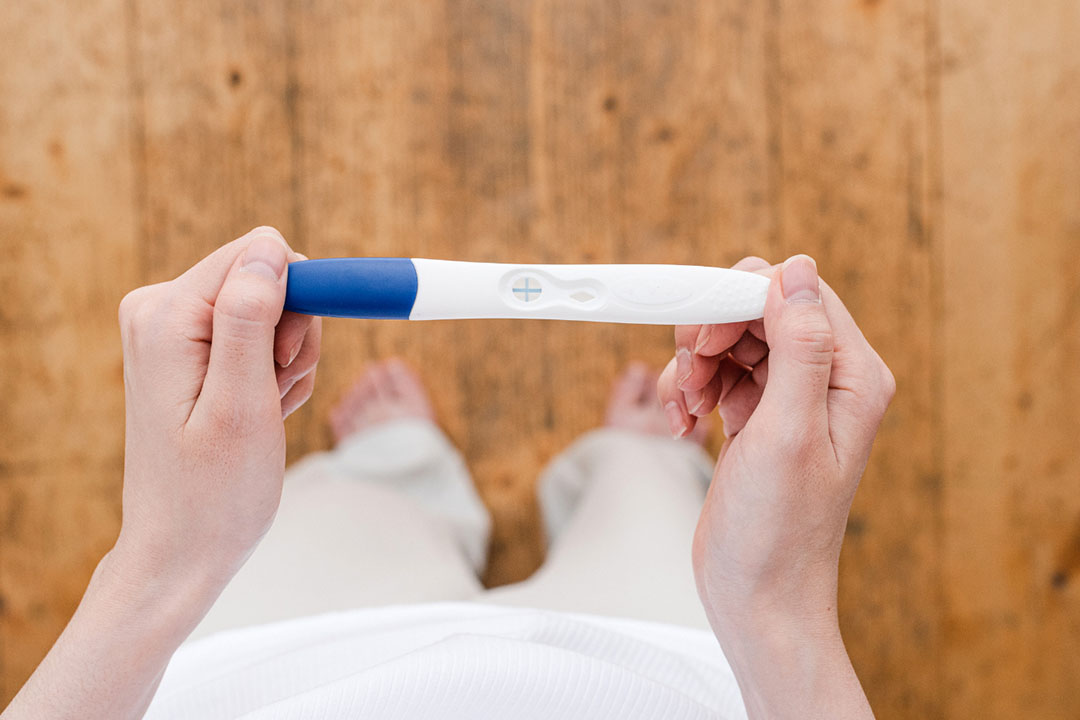
Pregnancy is often associated with hope, excitement and plans for the future. A miscarriage may be physically and emotionally taxing. Confusion and grief might worsen when miscarriages happen more than once. Many people find it difficult to understand why this happens often and whether it will have an impact on their future chances of having a safe pregnancy.
The word "recurrent miscarriage" is frequently used in medical contexts, although its definition isn't always made clear. Lack of clarity exacerbates anxiety and self-blame in many marriages. People can feel more educated and supported if they understand what recurrent miscarriage truly means, what causes it, and what can be done next.
Many people feel anxious after the procedure and begin searching for ways to improve their chances of pregnancy. Some worry about physical activity, others feel unsure about diet, sleep or daily routines. This confusion often leads to unnecessary restrictions or misinformation.
What Does Recurrent Miscarriage Mean?
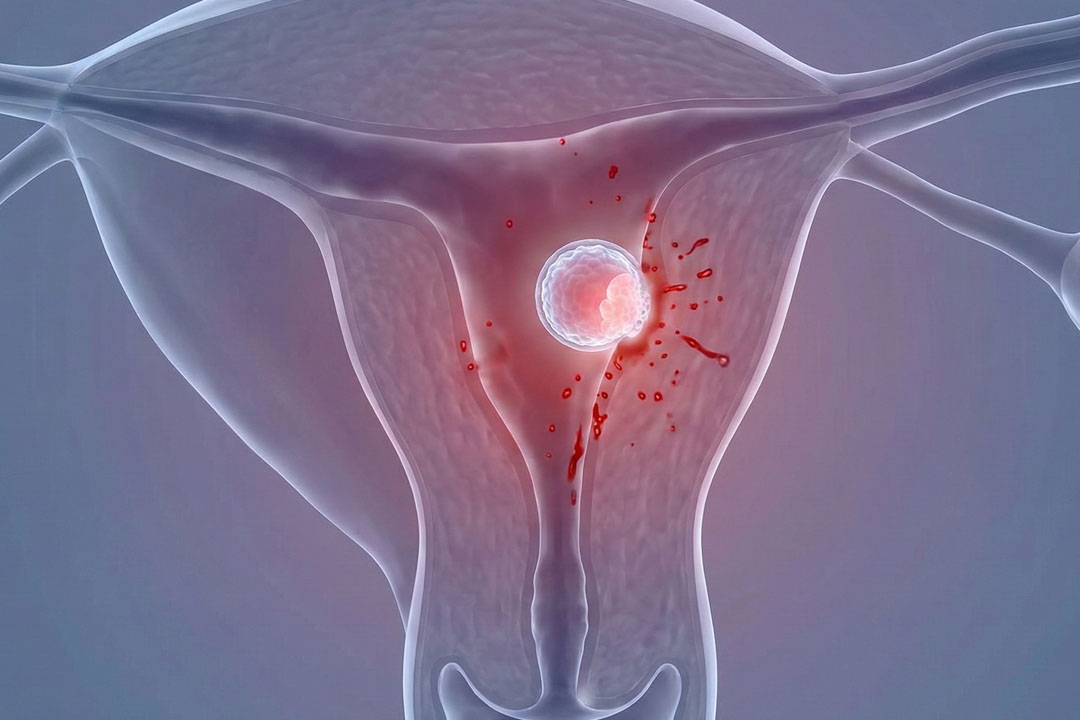
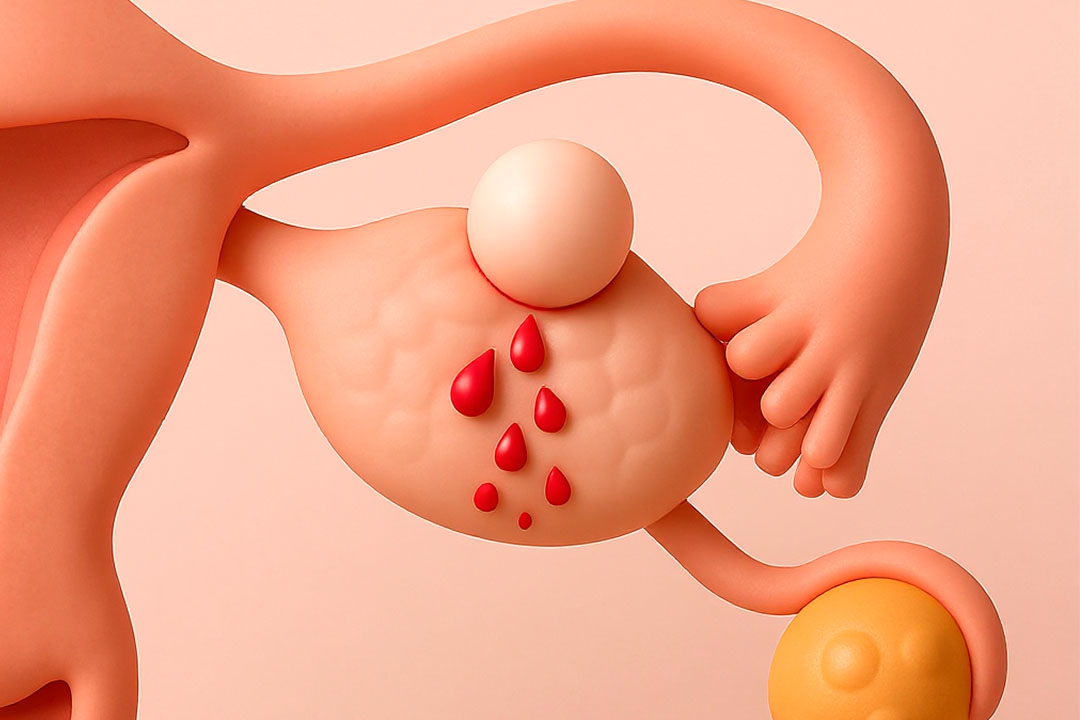
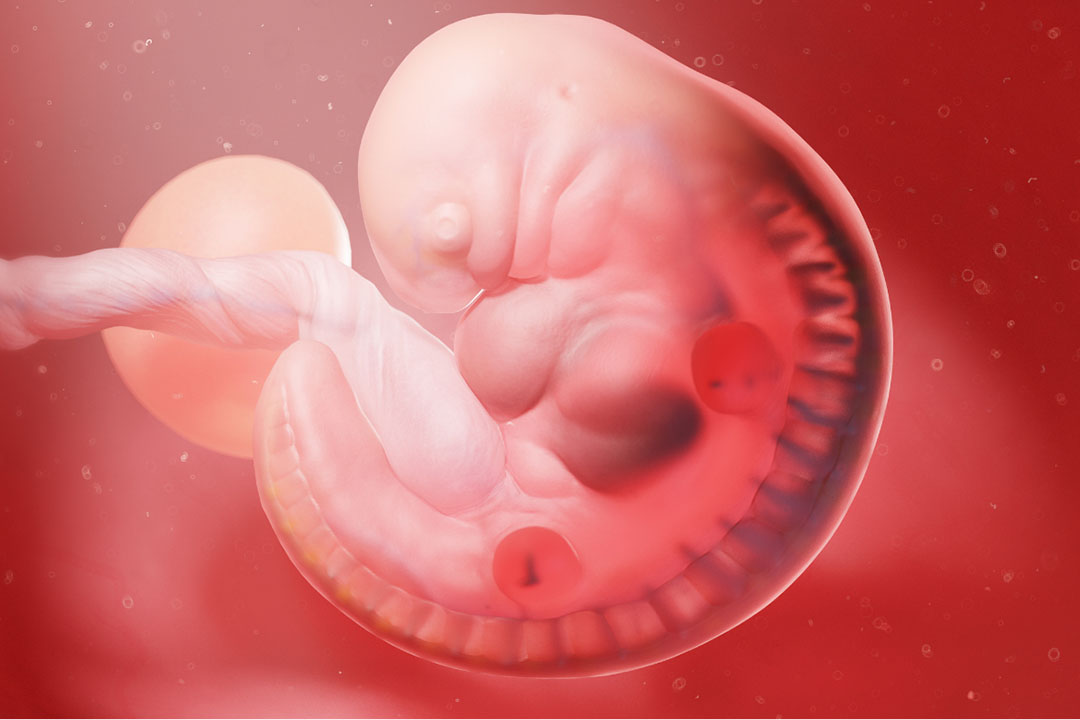
Recurrent miscarriage means the loss of two or more pregnancies in a row before the baby can survive outside the womb. Most miscarriages occur in the early weeks of pregnancy, usually before 20 weeks. Earlier definitions required three consecutive losses, but many experts now consider two repeated miscarriages enough to begin evaluation and support.
This shift happened because early investigation can help identify treatable causes sooner. Recurrent miscarriage does not mean that a person cannot carry a pregnancy successfully. Many individuals with this history go on to have healthy pregnancies with the right guidance and care.
How Common Is Recurrent Miscarriage?
Recurrent miscarriage is less common than a single miscarriage. A large percentage of pregnancies are affected by a single miscarriage, while fewer people experience repeated losses. According to studies, between one and two percent of couples who are attempting to conceive have repeated miscarriages. Despite being uncommon, doctors are aware of its causes and how to treat it.
Why Do Recurrent Miscarriages Happen?
Recurrent miscarriage can happen for several reasons and sometimes more than one factor is involved. In some cases, no clear cause is found even after detailed testing. This can be frustrating, but it does not mean there is no hope for a future pregnancy.
Genetic Factors
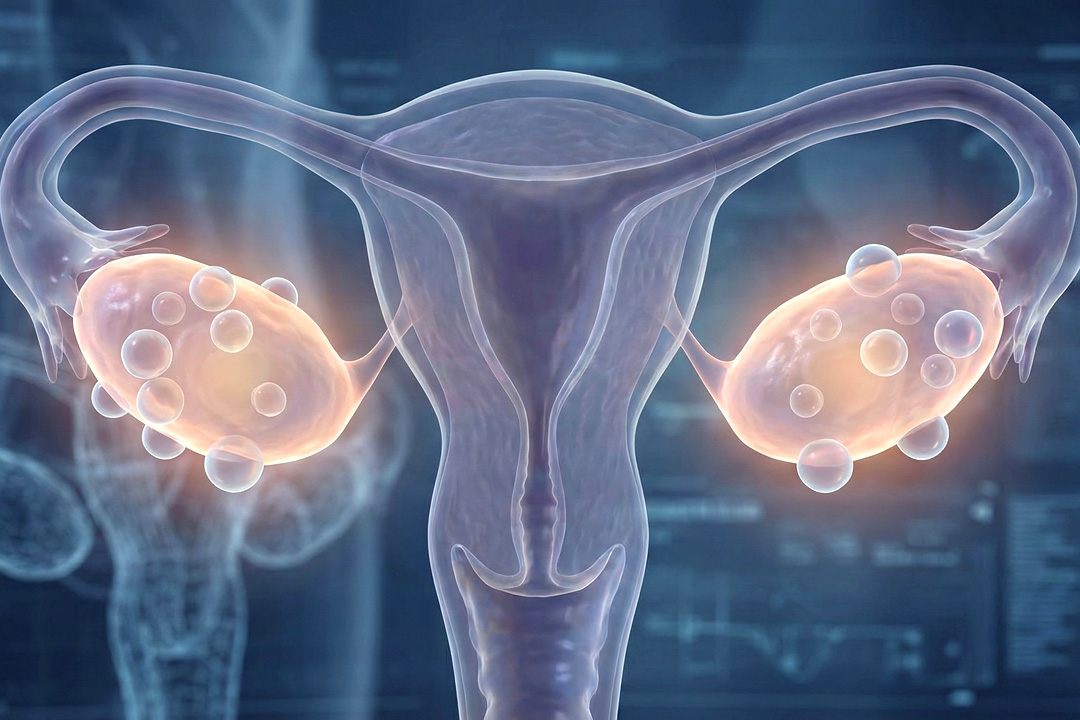
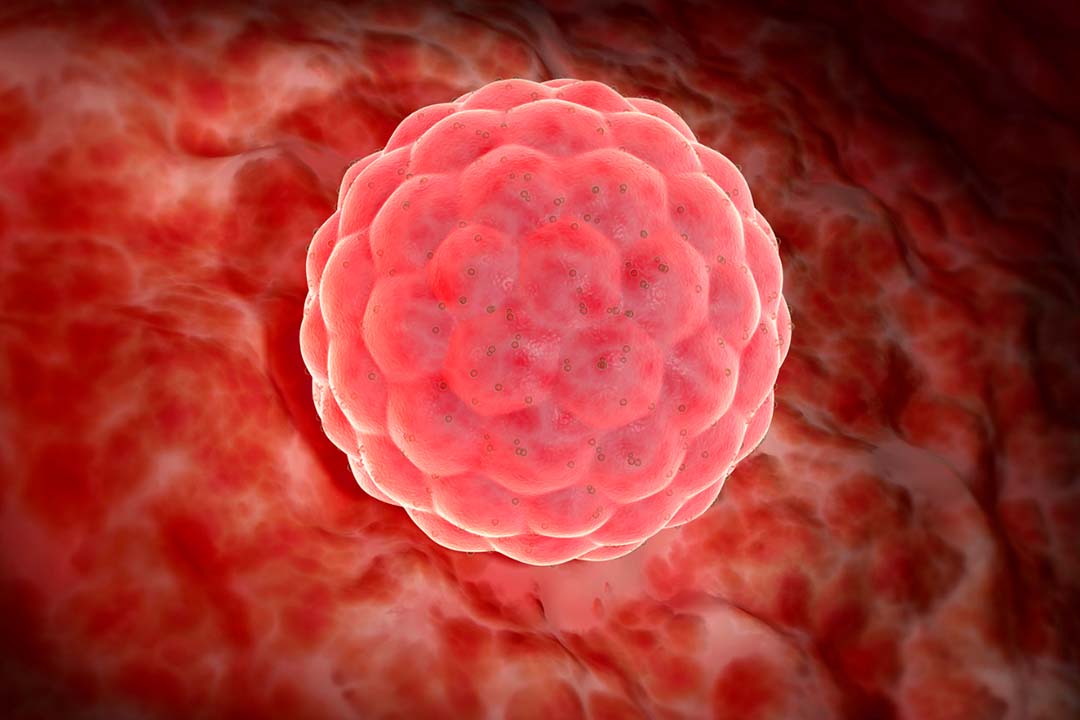
Genetic problems are one of the most common causes of recurrent miscarriage. Sometimes, one partner carries a balanced chromosomal change that does not affect their own health but can lead to pregnancy loss. In other cases, random genetic errors occur during embryo formation. These errors can prevent normal development and result in miscarriage. Genetic testing can help identify whether this factor plays a role.
Uterine or Structural Issues
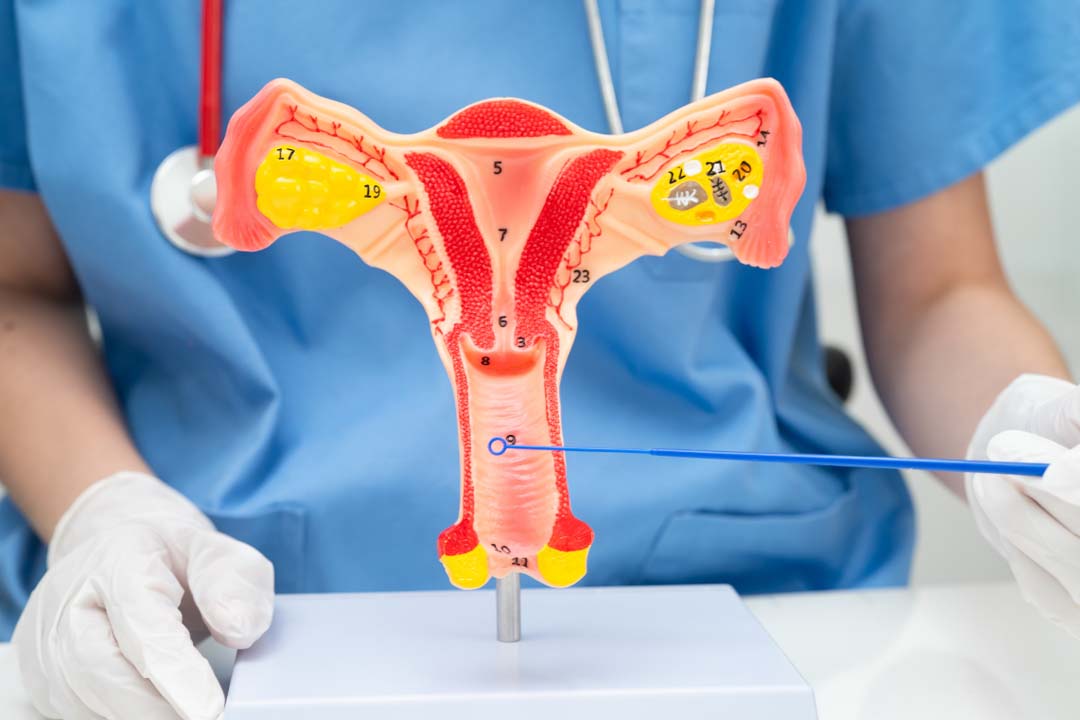
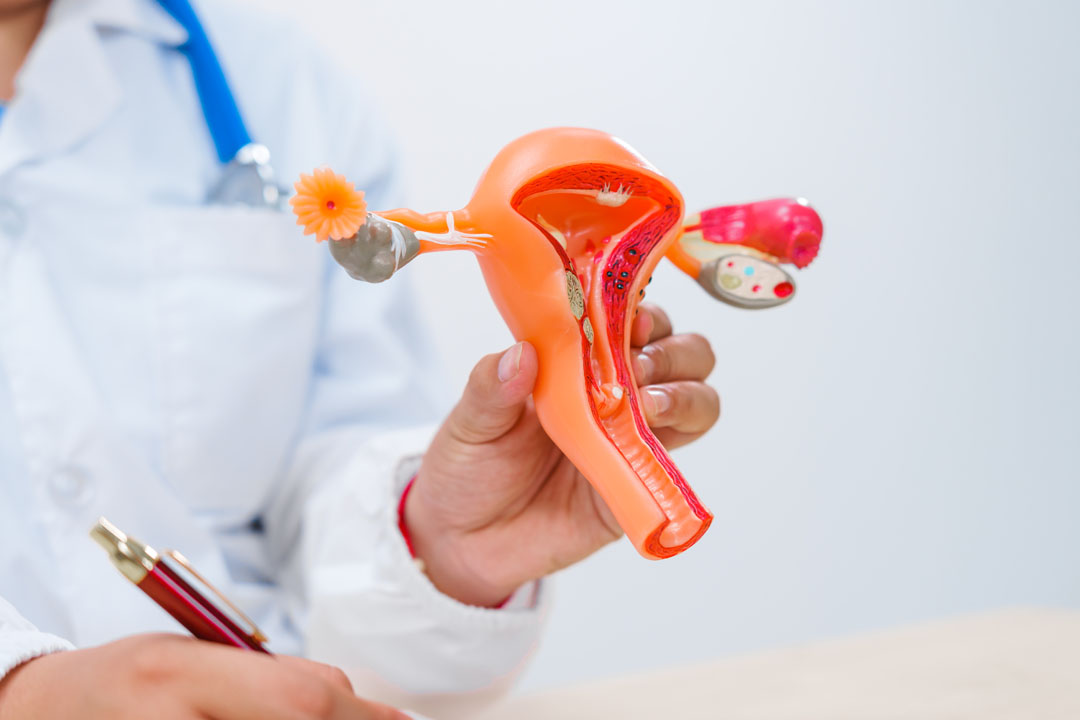
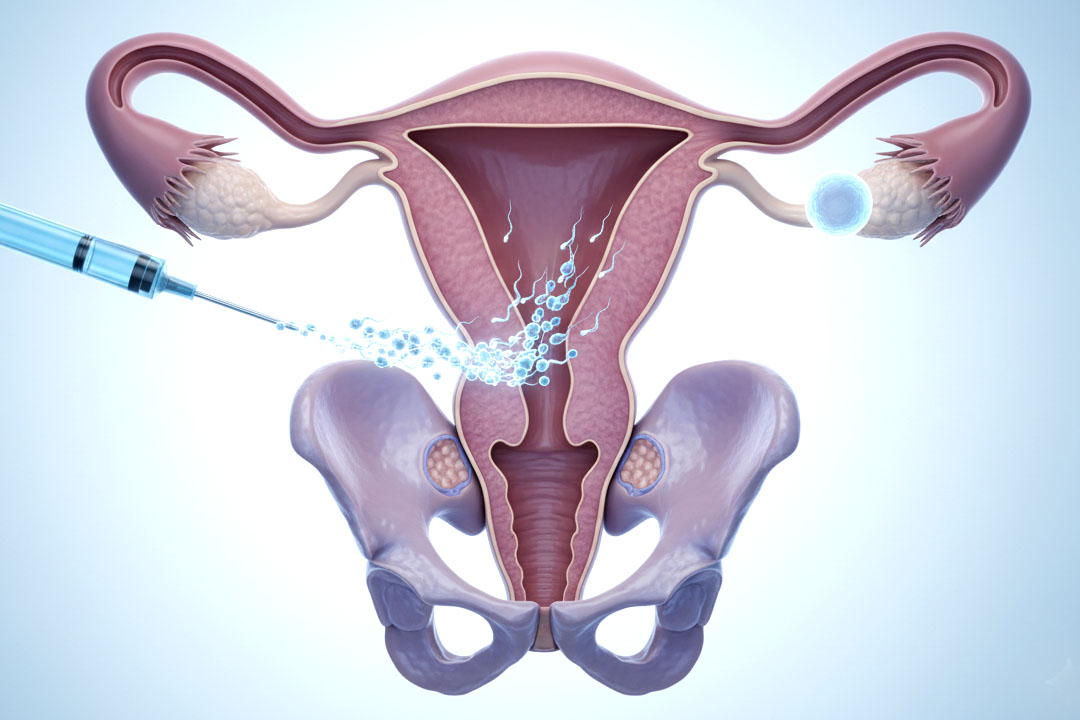
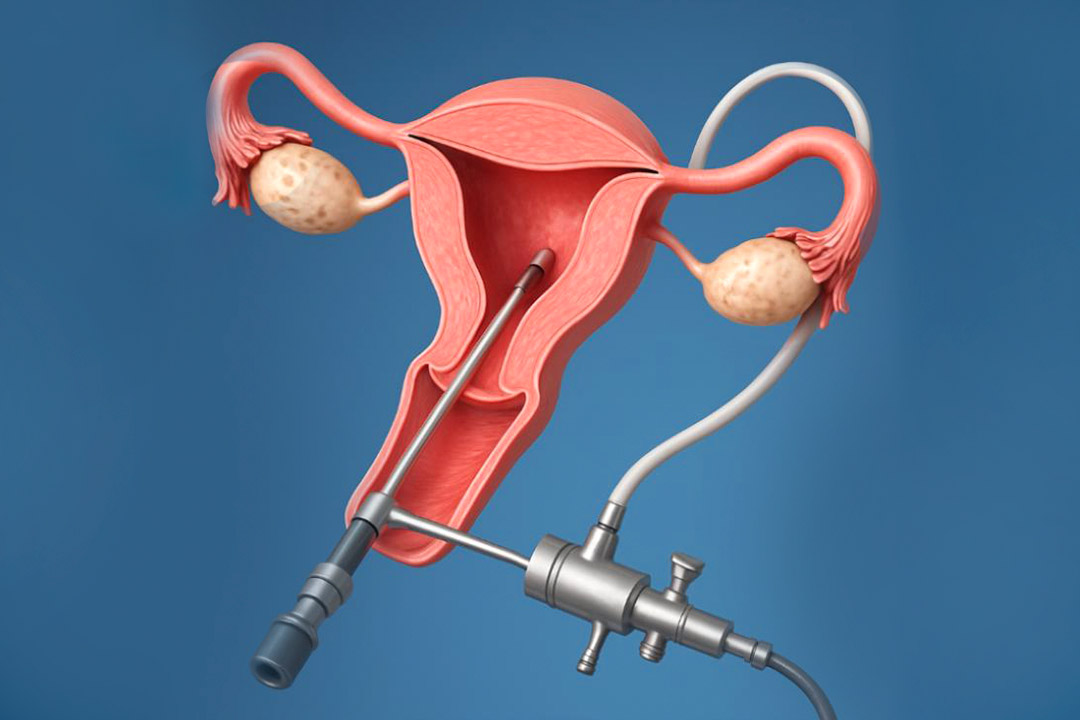
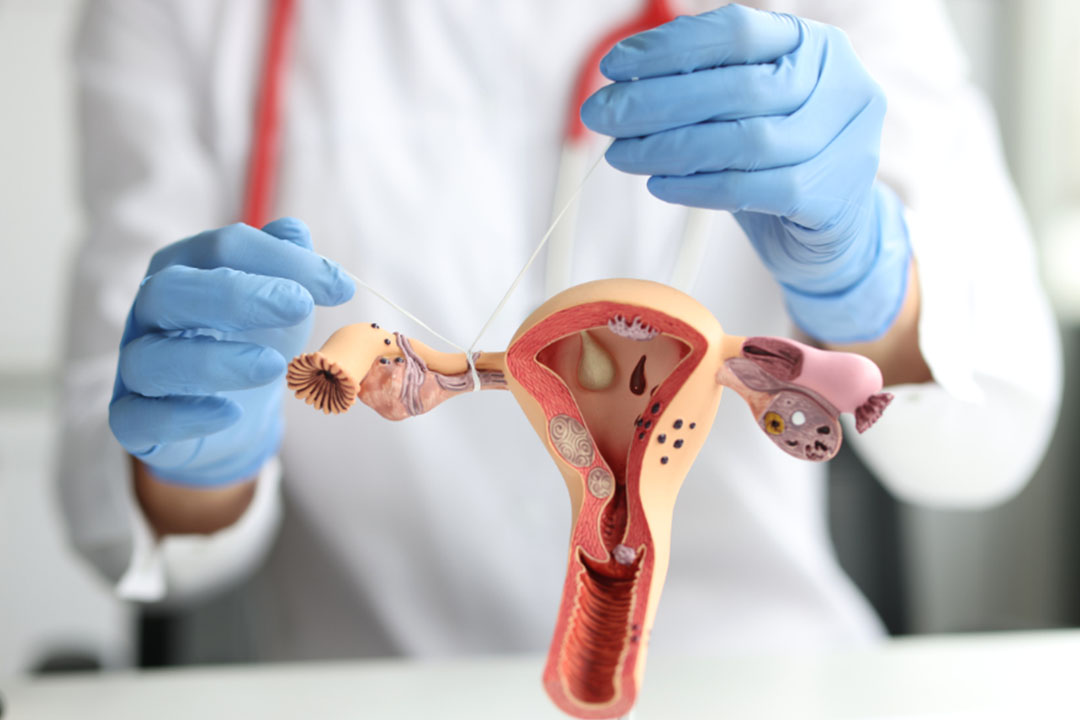
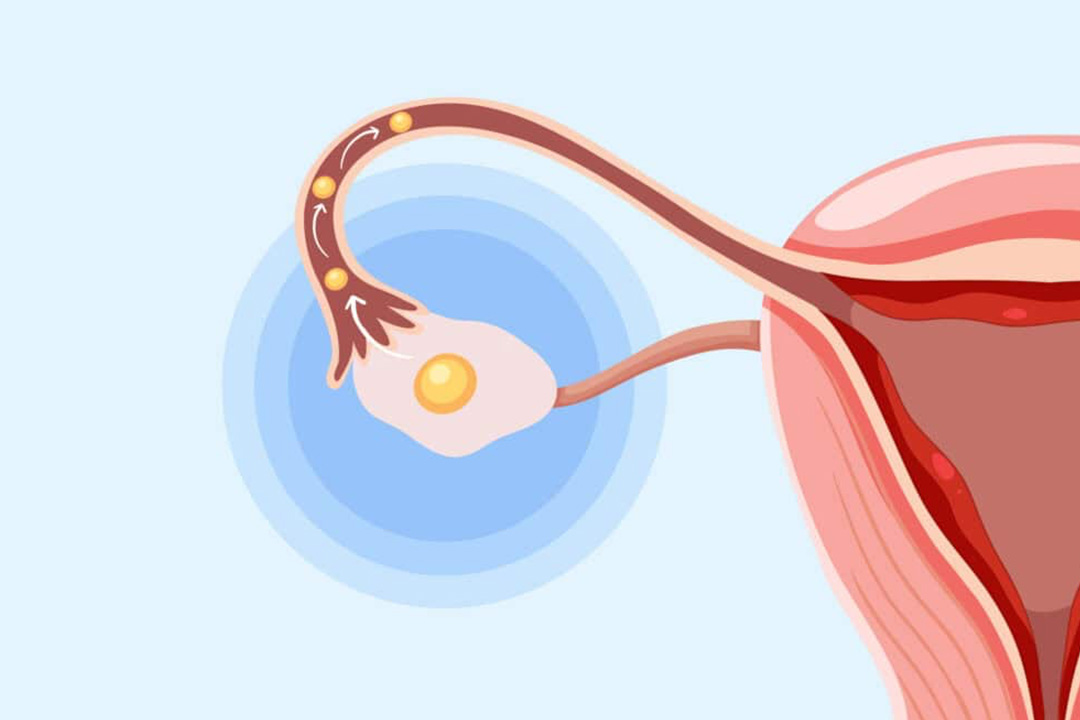
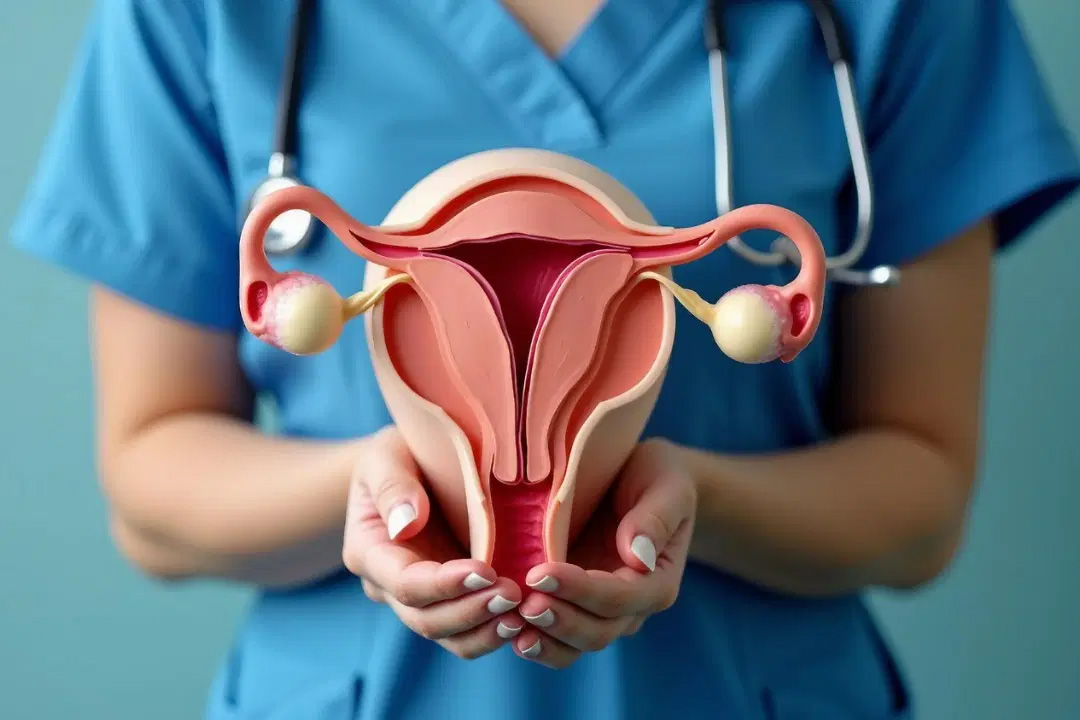
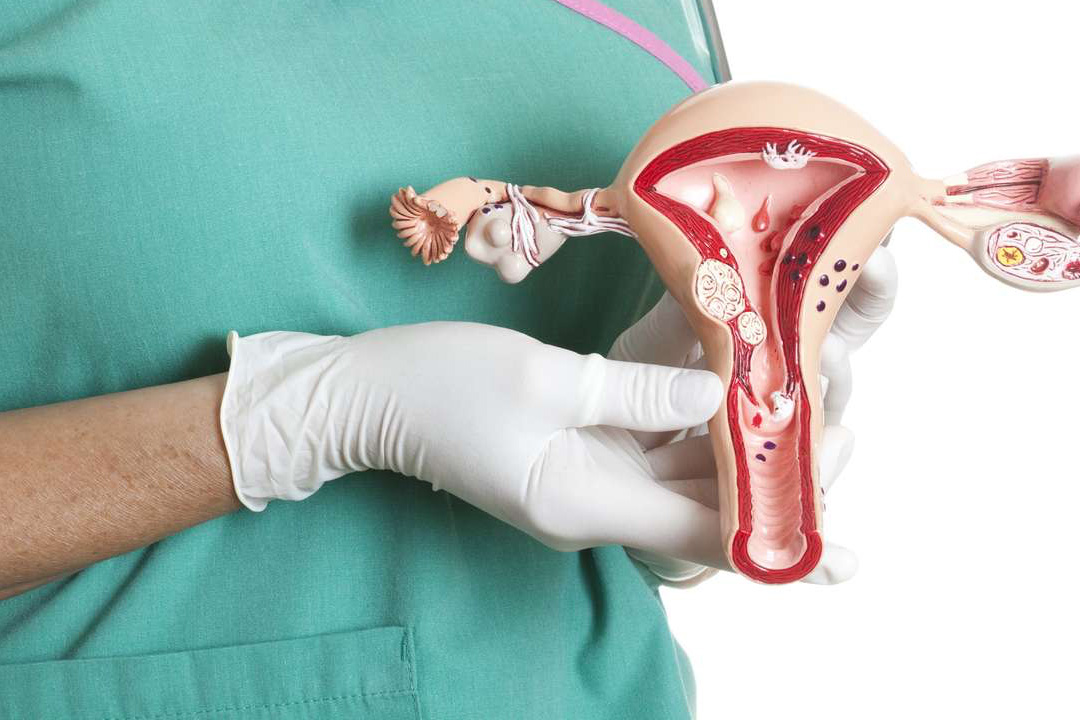
The shape and structure of the uterus can affect a pregnancy. Conditions such as a uterine septum, fibroids or scar tissue may interfere with implantation or blood supply to the developing pregnancy. Some structural issues are present from birth while others develop over time. Imaging tests can help detect these problems and some can be treated with medical or surgical approaches.
Hormonal Imbalances
Hormones play a key role in maintaining pregnancy. Conditions like thyroid disorders, poorly controlled diabetes or problems with progesterone levels may increase the risk of miscarriage. Hormonal issues are often manageable with proper treatment. Regular monitoring and medication can significantly improve pregnancy outcomes in these cases.
Immune and Blood Clotting Conditions
Certain immune system disorders and blood clotting conditions can affect pregnancy. One example is antiphospholipid syndrome, which can cause abnormal blood clotting in the placenta. This reduces oxygen and nutrient supply to the developing baby. Blood tests can help diagnose these conditions and treatment can improve the chances of a successful pregnancy.
Lifestyle and Environmental Factors
Lifestyle factors can also contribute to recurrent miscarriage. Smoking, excessive alcohol use, high caffeine intake and exposure to harmful chemicals can all affect pregnancy health. Being overweight or underweight may also increase risk. Making healthy lifestyle changes can play a supportive role in improving outcomes.
Age and Egg Quality
Age affects egg quality, especially after the mid thirties. As egg quality declines, the chance of chromosomal abnormalities increases. This can raise the risk of miscarriage. While age cannot be changed, understanding its role can help guide decisions about fertility care and planning.
When Should You Seek Medical Evaluation?
Medical evaluation is usually recommended after two consecutive miscarriages. Early assessment helps identify possible causes and reduces delays in treatment. It is also important to seek help sooner if miscarriages occur later in pregnancy or if there is a history of medical conditions that affect fertility or pregnancy. Seeking support does not mean something is seriously wrong. It simply allows for better understanding and planning.
How Is Recurrent Miscarriage Diagnosed?
Diagnosis involves a combination of medical history, physical examination and tests. The process may take time, but it helps build a clearer picture of what might be happening.
- Medical History and Examination: A detailed medical history includes information about past pregnancies, menstrual cycles, medical conditions and family history. This step helps guide further testing and rule out obvious risk factors.
- Genetic Testing: Genetic testing may be done on both partners to look for chromosomal changes. In some cases, testing of pregnancy tissue from a miscarriage may also provide useful information.
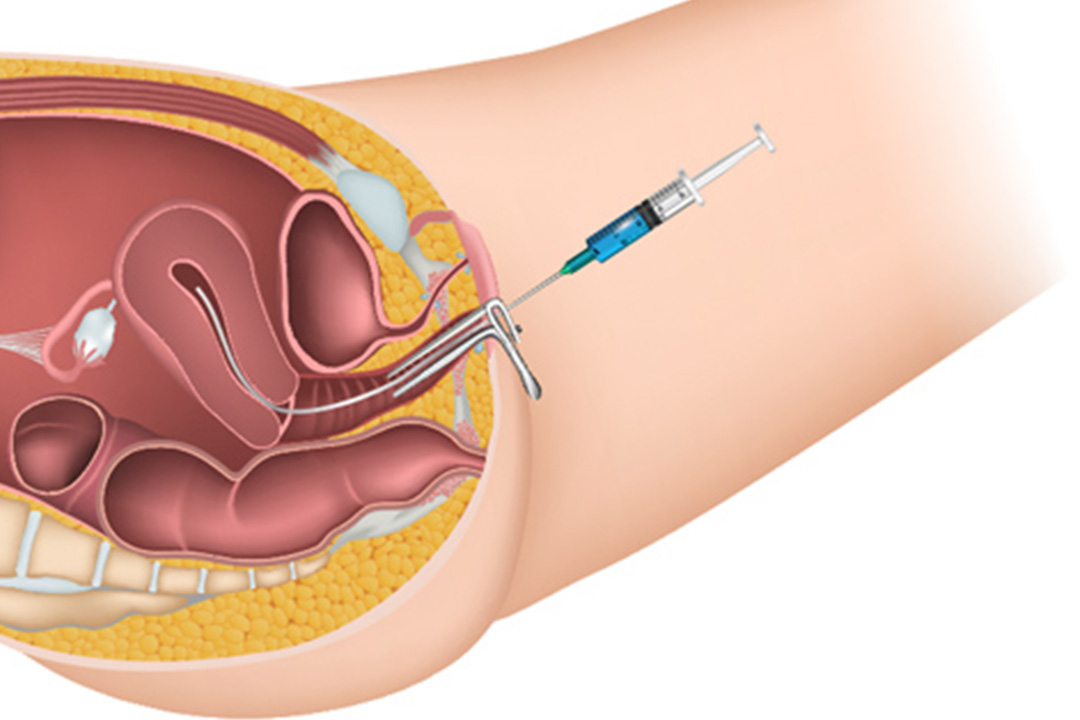
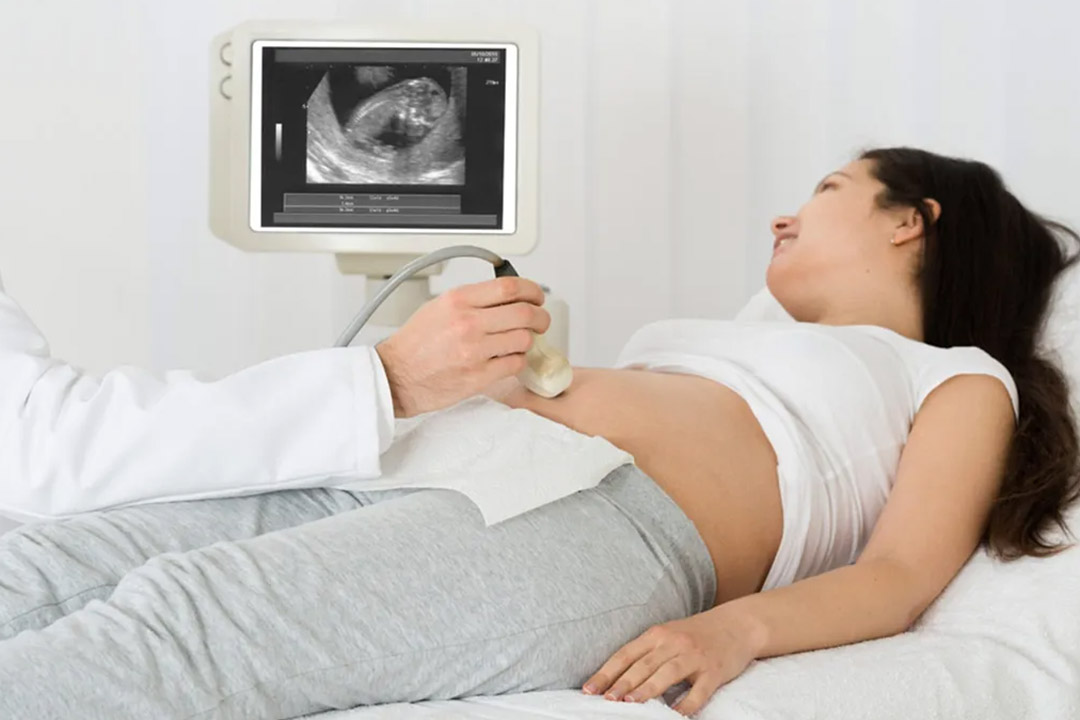
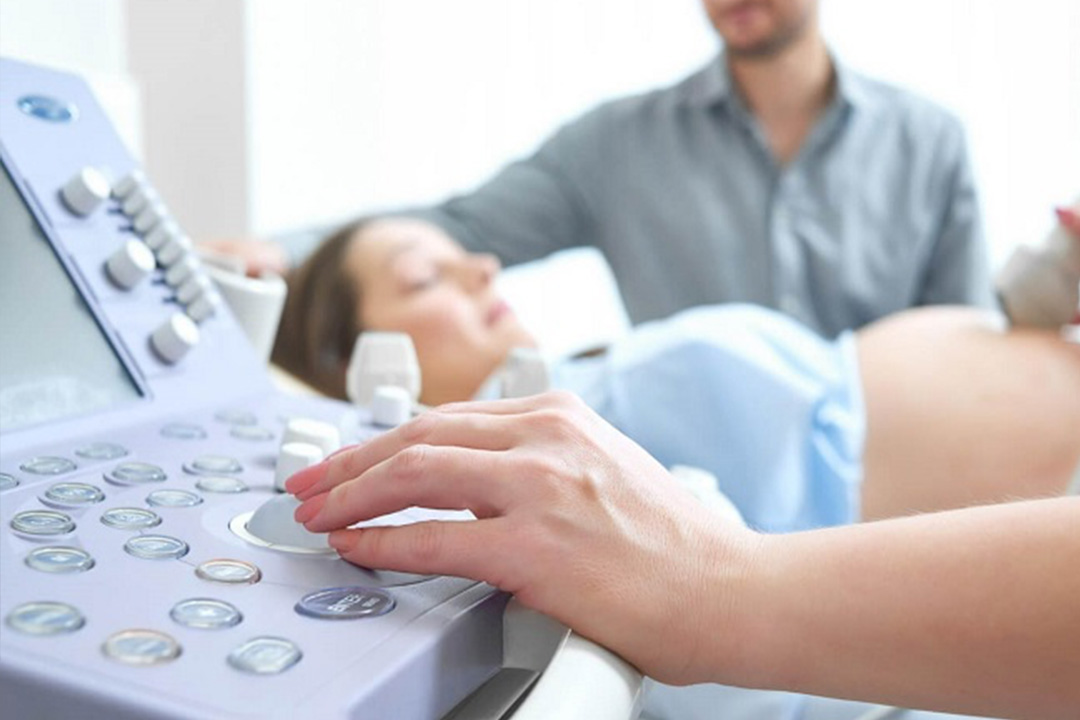
- Imaging Tests: Ultrasound or other imaging methods are used to assess the uterus. These tests help detect structural abnormalities that could affect pregnancy.
- Blood Tests: Blood tests can evaluate hormone levels, immune conditions and clotting disorders. These tests help identify treatable causes and guide therapy.
Can Recurrent Miscarriage Be Treated?
Treatment depends on the underlying cause. There is no single approach that works for everyone. The good news is that many causes are manageable once identified.
Treatment for Genetic Causes
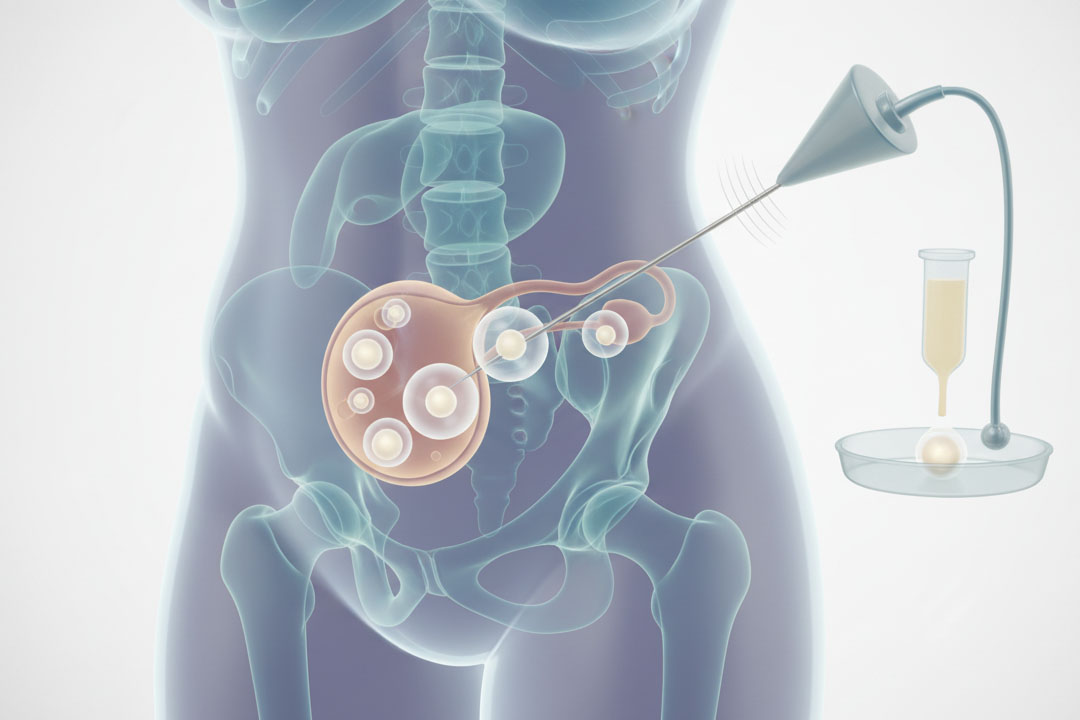
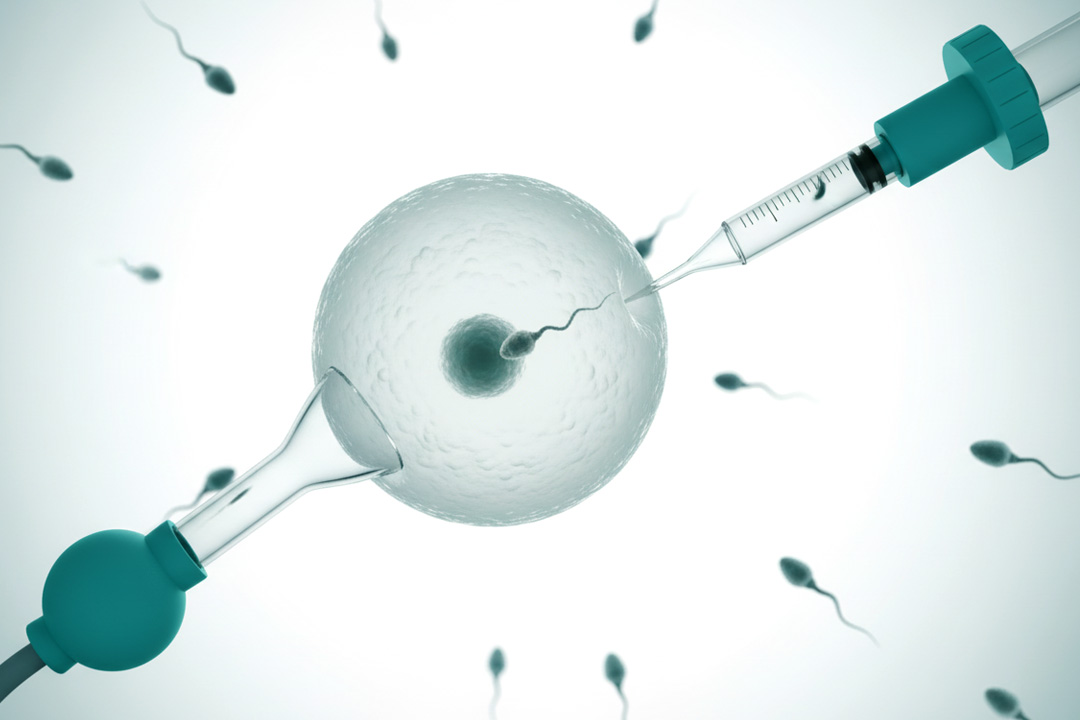
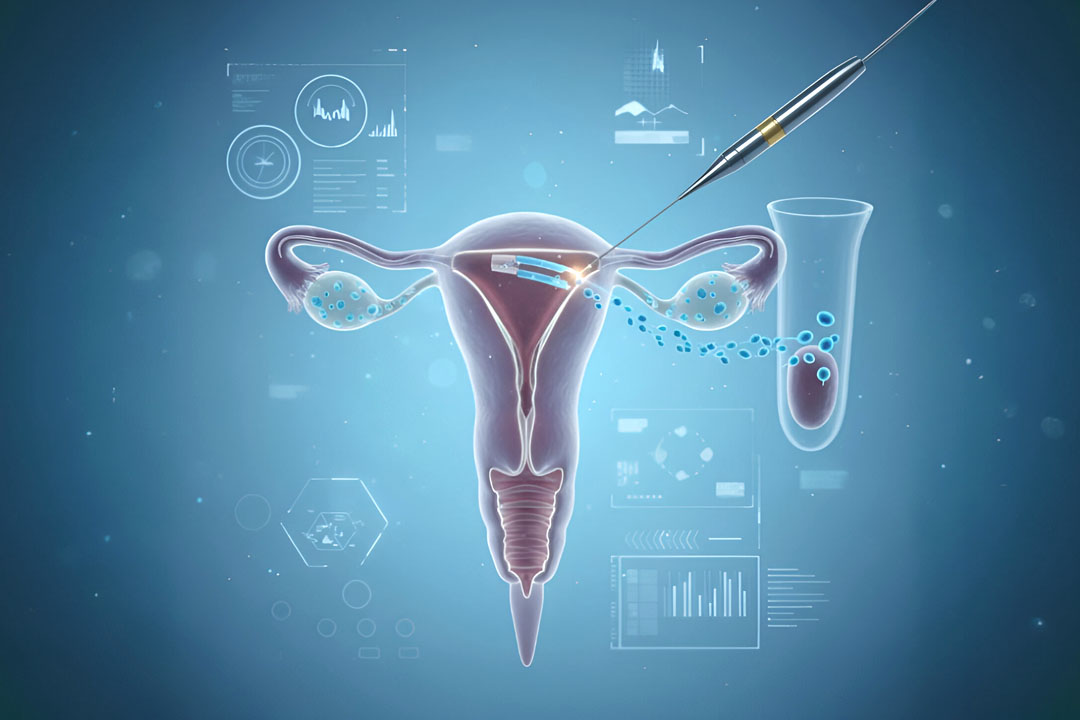
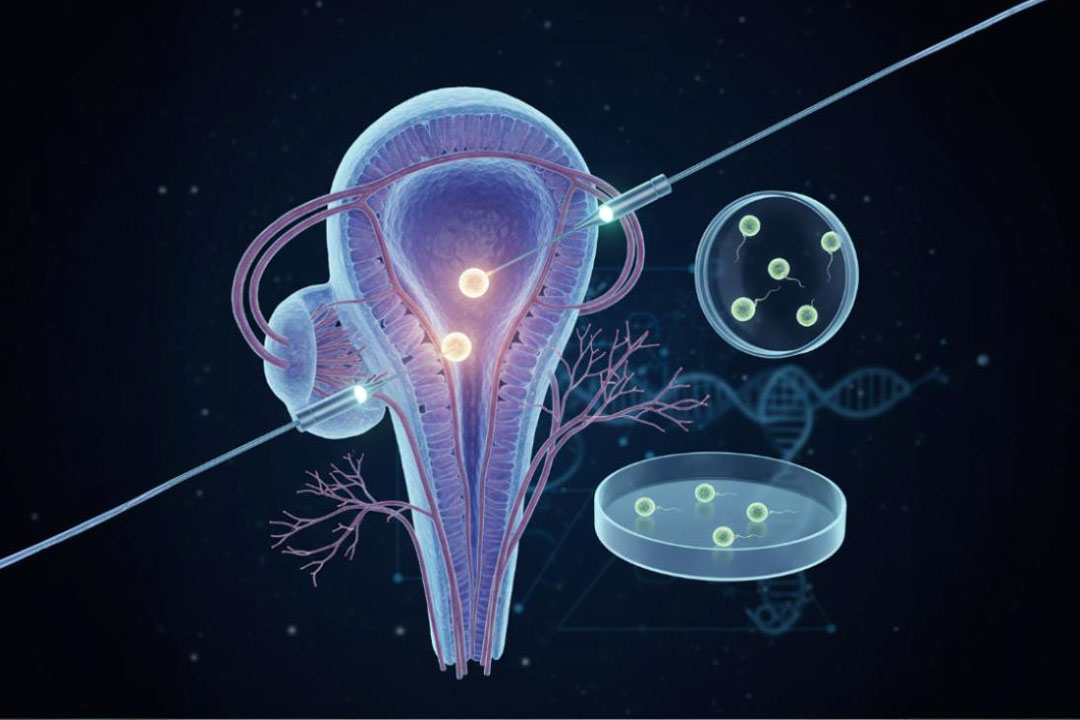
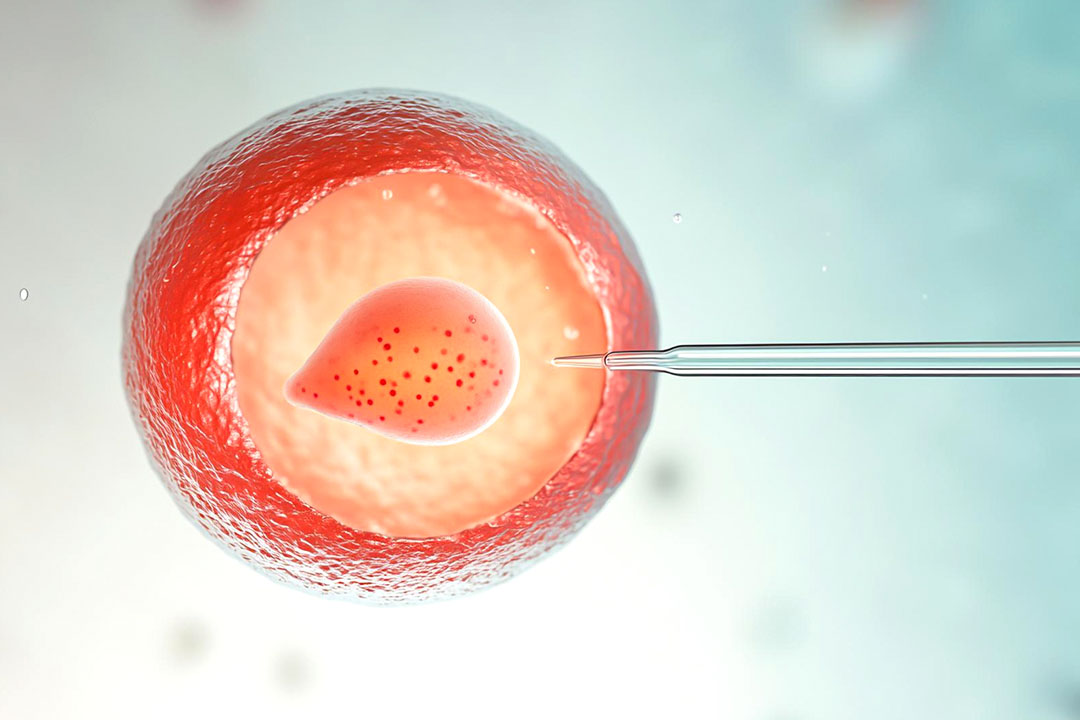
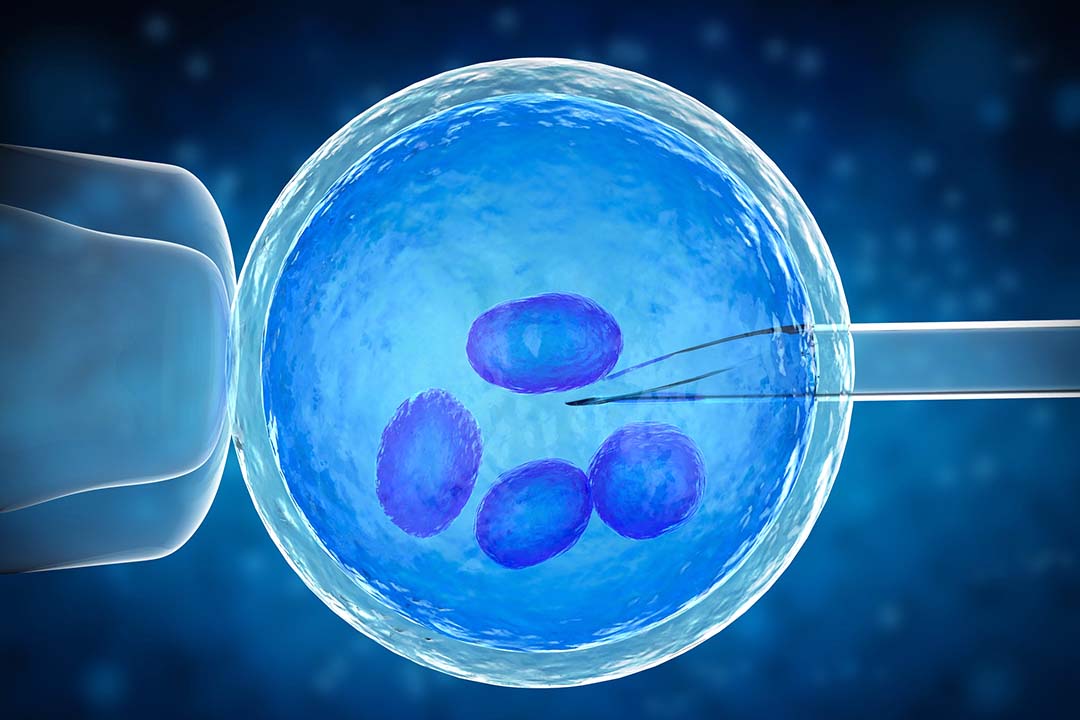
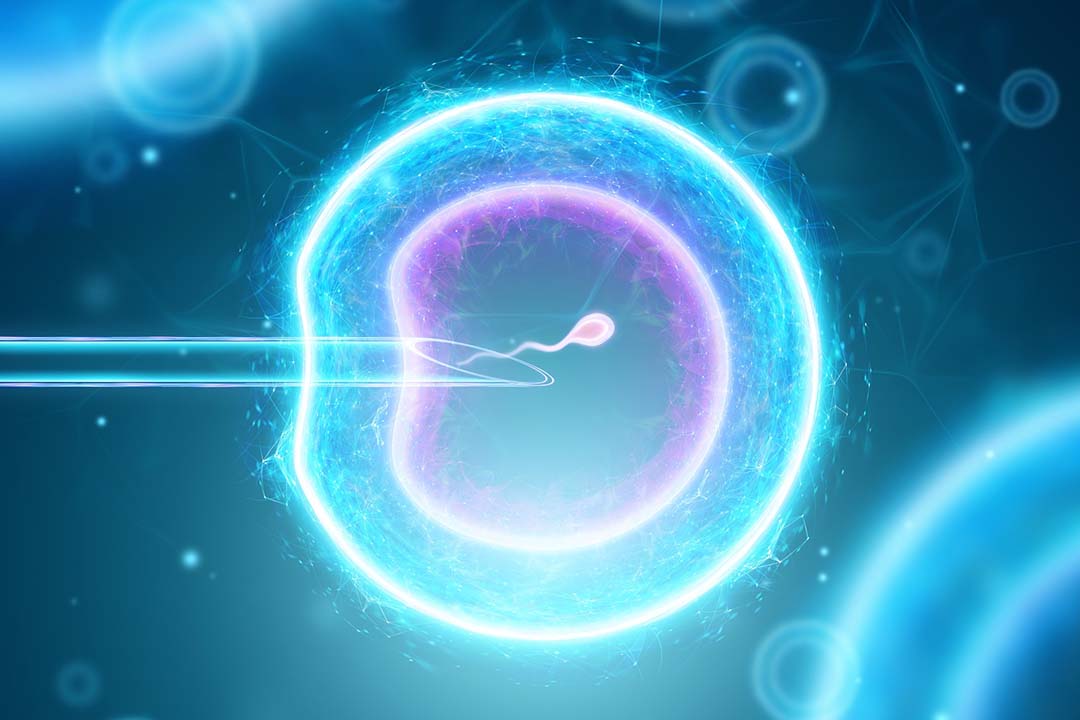
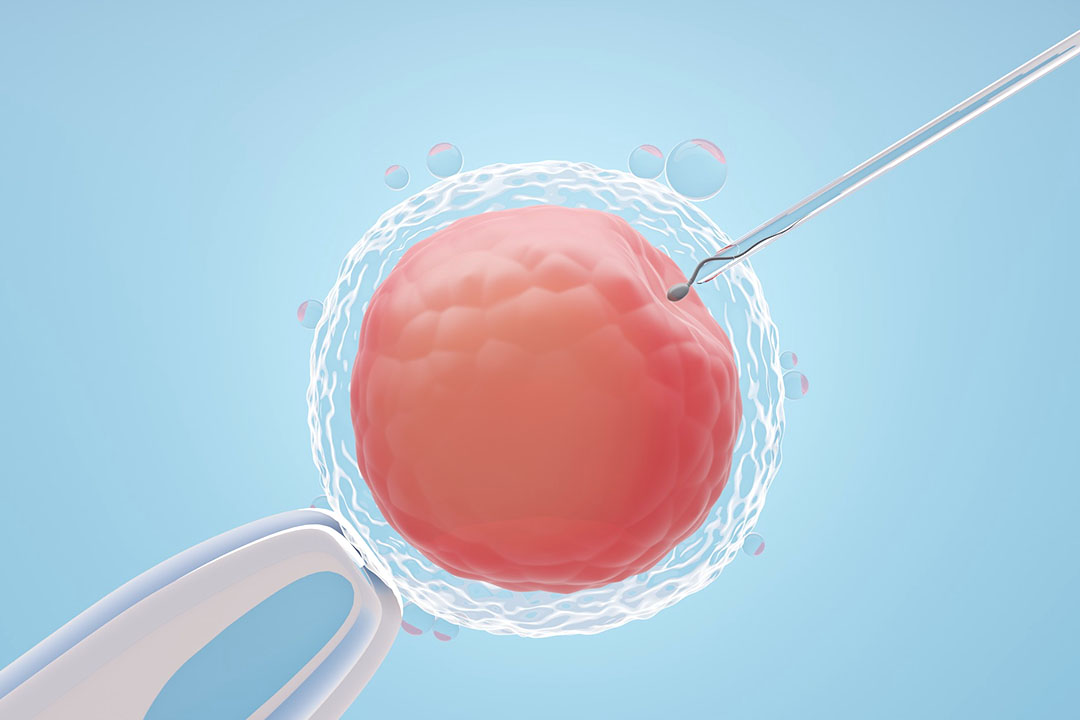
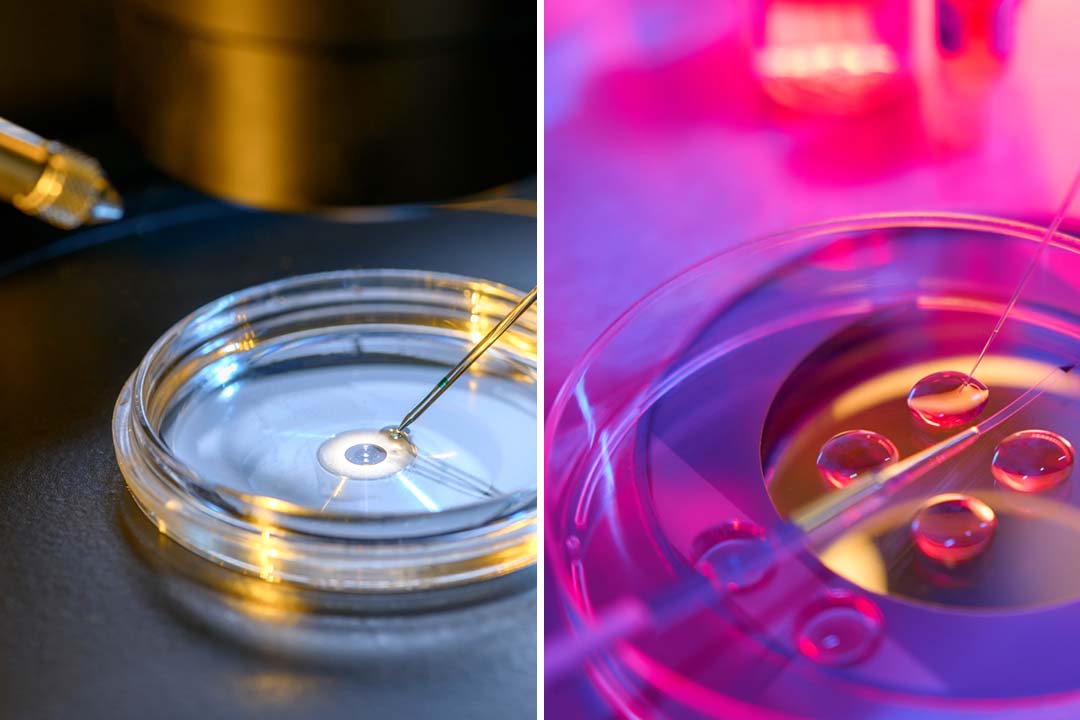
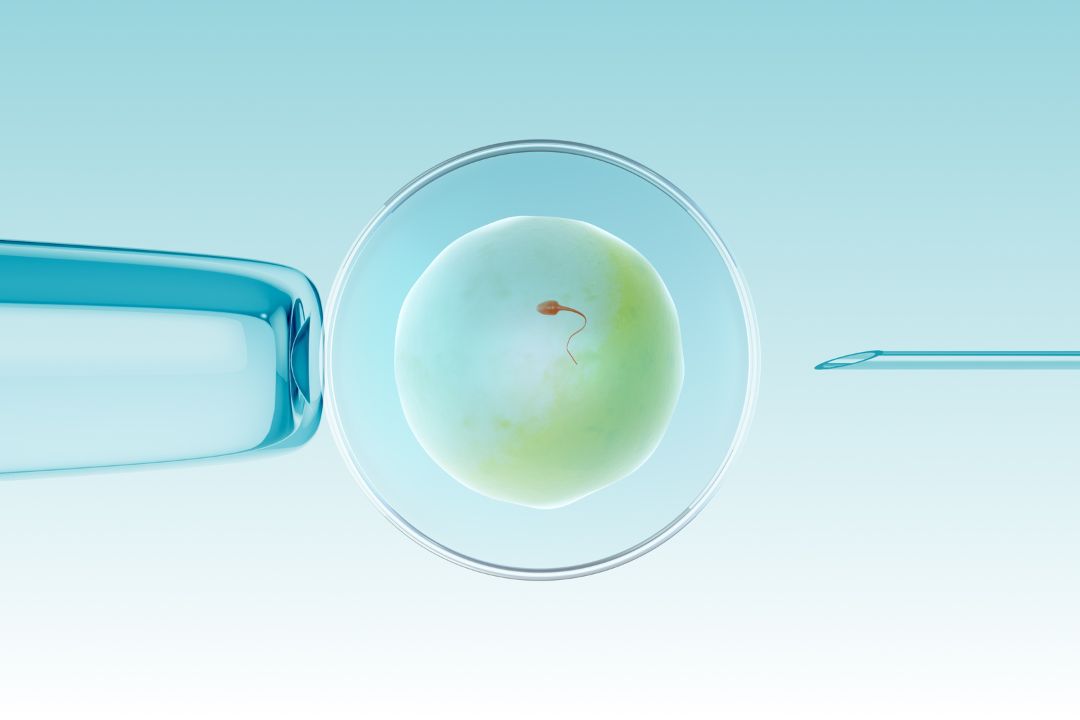
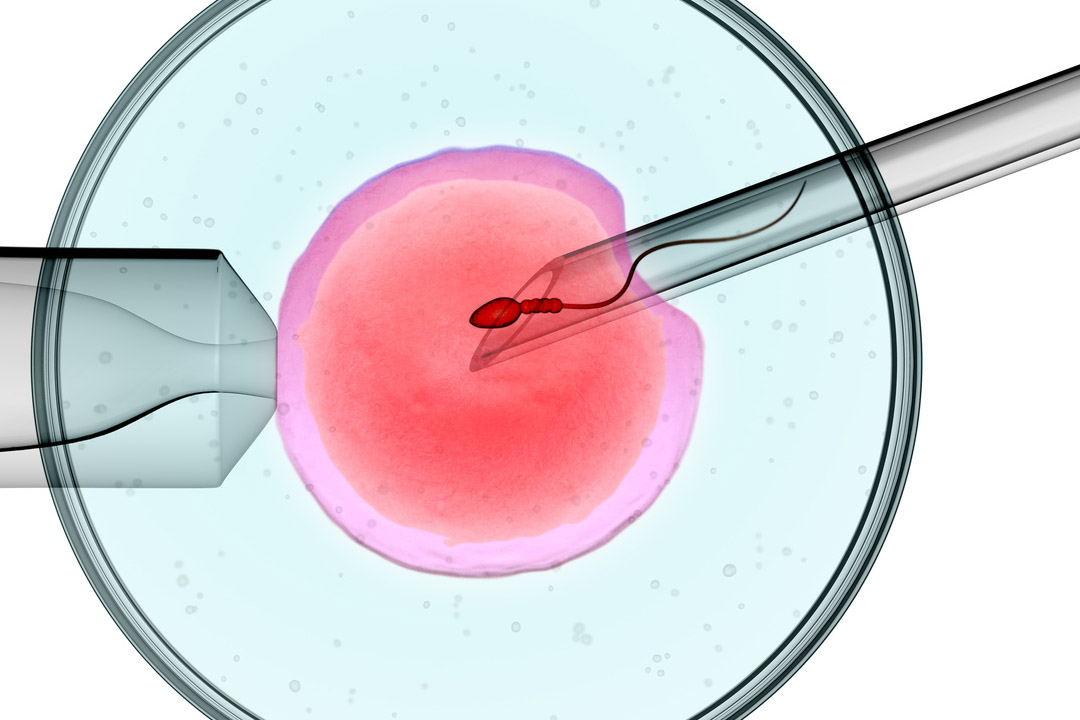
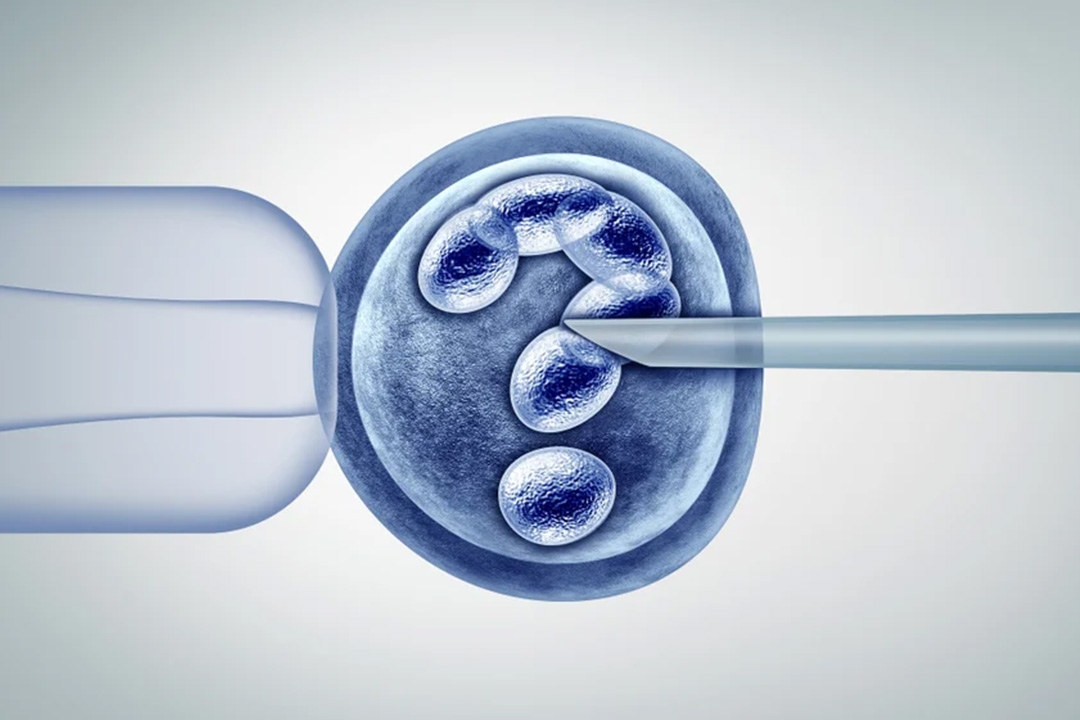
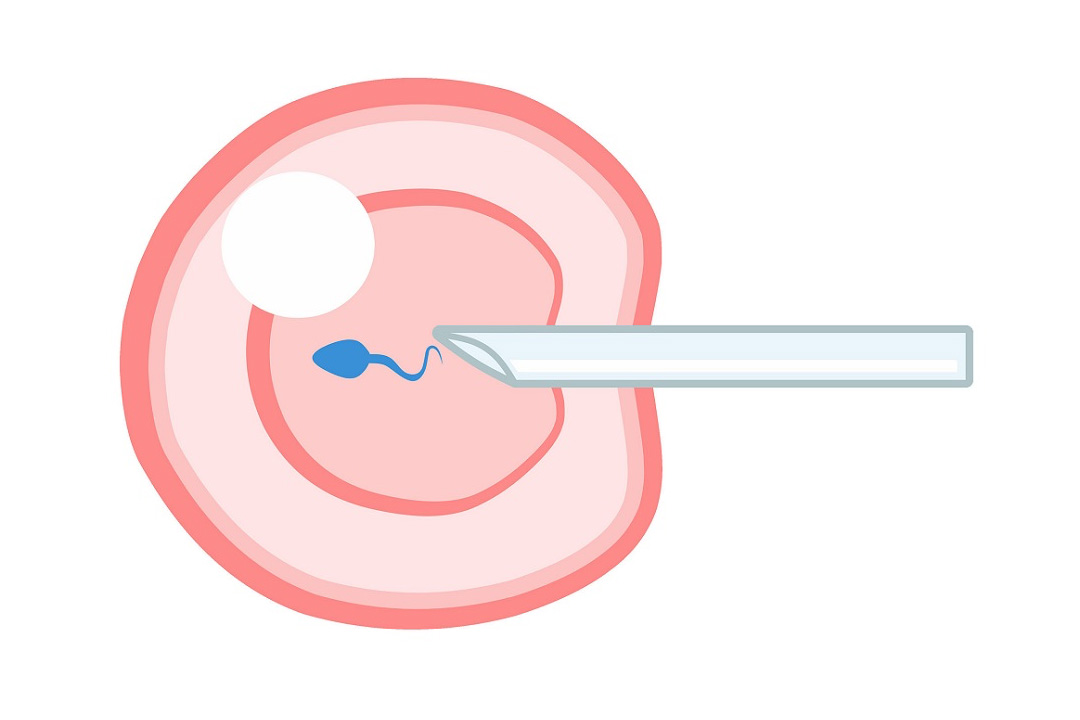
When genetic factors are involved, options such as assisted reproductive techniques with embryo testing may be considered. This helps select embryos with normal chromosomes, reducing the risk of miscarriage.
- Managing Hormonal Conditions: Hormonal imbalances can often be corrected with medication. Proper control of thyroid levels or blood sugar can make a significant difference in pregnancy outcomes.
- Surgical Treatment for Uterine Issues: Some uterine abnormalities can be corrected through minor surgical procedures. Correcting these issues can improve the chances of implantation and pregnancy continuation.
- Blood Thinning and Immune Therapy: For clotting disorders, medications that reduce blood clot formation may be prescribed during pregnancy. These treatments are carefully monitored and have helped many people carry pregnancies successfully.
Emotional Impact of Recurrent Miscarriage
Recurrent miscarriage affects emotional health as much as physical health. Feelings of grief, guilt, anger and fear are common. Many people blame themselves even when the cause is beyond their control. Emotional support is an important part of care. Talking to a counselor, support group or trusted person can help manage stress and anxiety. Emotional healing takes time and it is okay to seek help.
Can You Have a Healthy Pregnancy After Recurrent Miscarriage?
Yes, many people with recurrent miscarriage go on to have healthy pregnancies. Even when no clear cause is found, the chances of success remain encouraging. Ongoing care, close monitoring and personalized treatment plans can improve outcomes. Each situation is unique, so it is important to focus on individual guidance rather than general statistics.
Frequently Asked Questions
Does recurrent miscarriage mean I cannot get pregnant again?
No, recurrent miscarriage does not mean you cannot get pregnant again. Many people conceive naturally after repeated losses, especially with proper evaluation and care.
I am 30, does my age increase the risk of recurrent miscarriage?
At 30, age related risk is generally lower compared to later years. While miscarriages can still occur, age alone is unlikely to be the main reason at this stage.
Is recurrent miscarriage always caused by a serious health problem?
Not always. In many cases, no serious or permanent health issue is found. Sometimes miscarriages happen due to factors that cannot be clearly identified.
Can stress cause recurrent miscarriage?
Stress alone is not considered a direct cause of recurrent miscarriage. However, chronic stress can affect overall health, so managing stress is still important.
Are there tests that can explain why miscarriages keep happening?
Yes, tests such as blood work, genetic testing and imaging studies can help identify possible causes. However, some cases remain unexplained even after testing.
Is IVF necessary for recurrent miscarriage?
IVF is not always necessary. It may be recommended in certain situations, especially when genetic factors are involved, but many people conceive naturally.
What is the cost of IVF in India for recurrent miscarriage cases?
IVF costs in India can vary widely depending on location and treatment needs. On average, it may range from INR 1,20,000 to INR 2,50,000 per cycle, excluding additional procedures.
Can recurrent miscarriage be prevented?
Not all cases can be prevented, but identifying and treating underlying causes can reduce risk. Healthy lifestyle choices also support better outcomes.
How long should I wait before trying again after a miscarriage?
The waiting period depends on physical recovery and emotional readiness. Many healthcare providers suggest waiting until at least one normal menstrual cycle, but advice may vary.
Should both partners be evaluated for recurrent miscarriage?
Yes, evaluation often includes both partners since genetic and health factors from either side can contribute.
Conclusion
Making wise choices requires first understanding what recurrent miscarriage means. Even while the process might be emotionally taxing, many people's results have improved because of advancements in medical care.
Early diagnosis, suitable therapy and emotional support can have a significant impact. Most importantly, the future is not defined by repeated miscarriages. Many people go on to have successful pregnancies and become parents with determination, support and care.
About Us
AKsigen IVF is a premier center for advanced fertility treatments, with renowned fertility experts on our team. Specializing in IVF, ICSI, egg freezing, and other cutting-edge reproductive technologies, AKsigen IVF is committed to helping couples achieve their dream of parenthood. With personalized care and a patient-first approach, AKsigen IVF provides comprehensive fertility solutions under one roof.