8 Signs of Healthy Sperm: How to Know Your Fertility Is in Good Shape
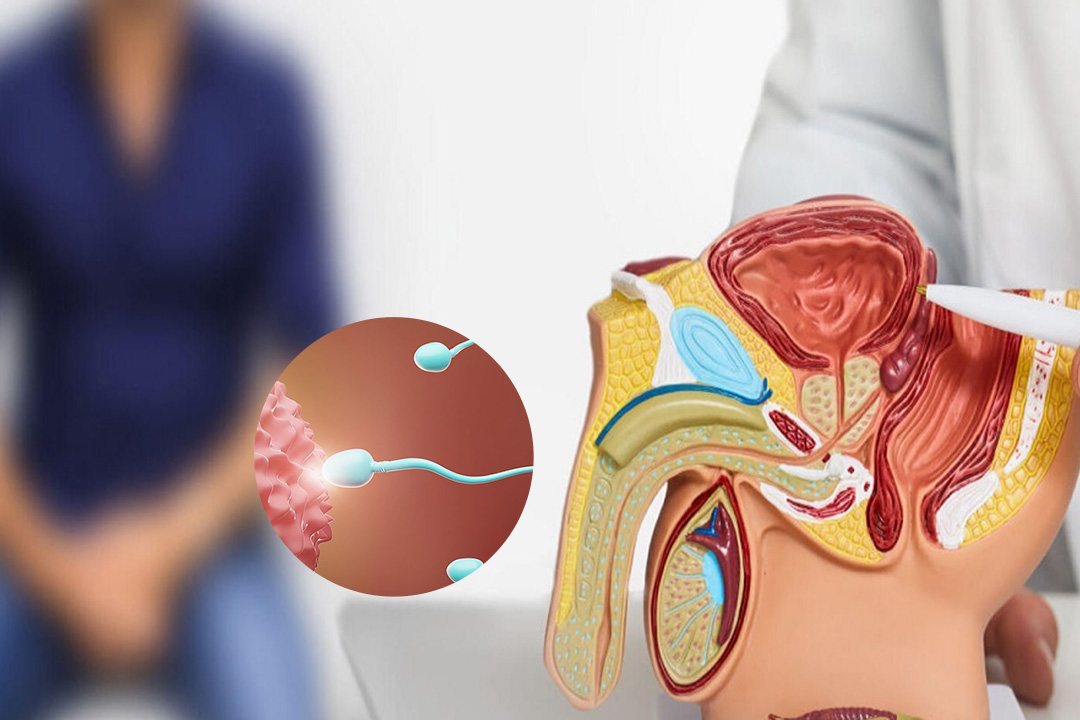
Male fertility often receives less attention than female reproductive health, but it plays an equally important role in conception. Healthy sperm increases the chances of a pregnancy, supports better reproductive outcomes, and reflects overall well-being.
Many lifestyle factors, such as diet, stress levels, sleep quality, and environmental exposure, can influence sperm production. Age also contributes to changes in sperm movement and overall quality.
Individuals and couples can take initiatives toward fertility by being aware of the signs of good sperm. There are a number of indicators that may suggest that sperm quantity, motility, and shape are within a healthy range, even if a medical semen examination is necessary for a confirmed evaluation. Eight important indicators of healthy sperm are listed below:
1. Healthy Sperm Count
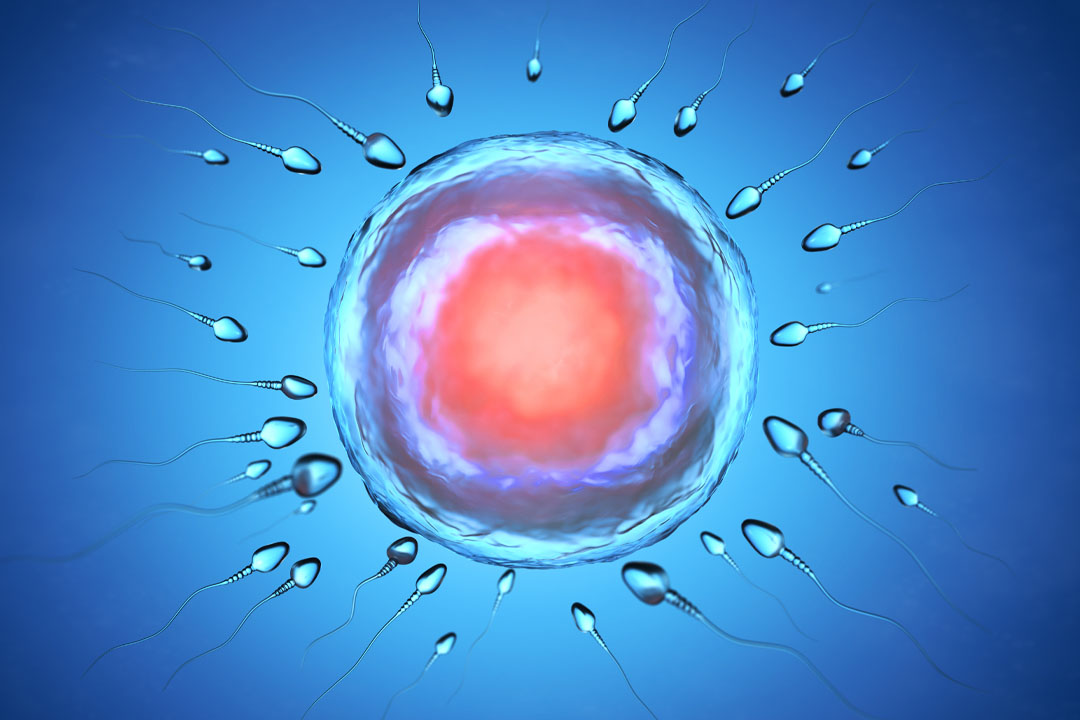
A healthy sperm count is one of the strongest signs of good male fertility. A single ejaculation usually contains millions of sperm, but a count of at least fifteen million sperm per milliliter is generally considered healthy. When the count falls below that level, the chances of sperm reaching and fertilizing an egg decrease simply because fewer sperm are present.
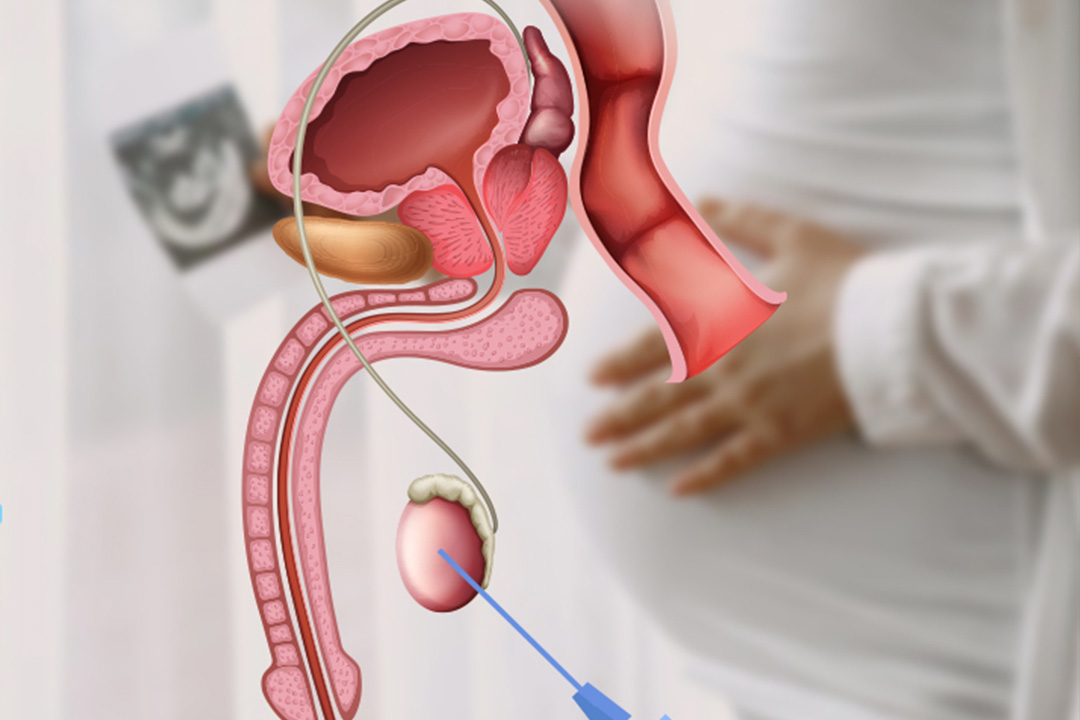
A good sperm count reflects proper functioning of the testicles and balanced hormone levels. Factors like maintaining a healthy body weight, keeping the scrotal area cool, avoiding smoking, and limiting alcohol intake can support sperm count. Although a high sperm count does not guarantee pregnancy, it increases the probability of conception compared to lower counts.
2. Strong Sperm Movement
For sperm to reach the egg, they must be able to swim efficiently. This ability is known as motility. Typically, at least forty percent of sperm should be actively moving forward. When sperm moves well, it indicates good cellular energy production and a healthy reproductive environment.
Reduced movement may occur due to unhealthy lifestyle habits, certain medications, high stress, or exposure to heat or environmental toxins. Improving hydration, exercising regularly, and reducing exposure to harmful chemicals can support better sperm motility. When movement is strong, sperm have a higher chance of successfully reaching and fertilizing the egg.
3. Normal Sperm Shape
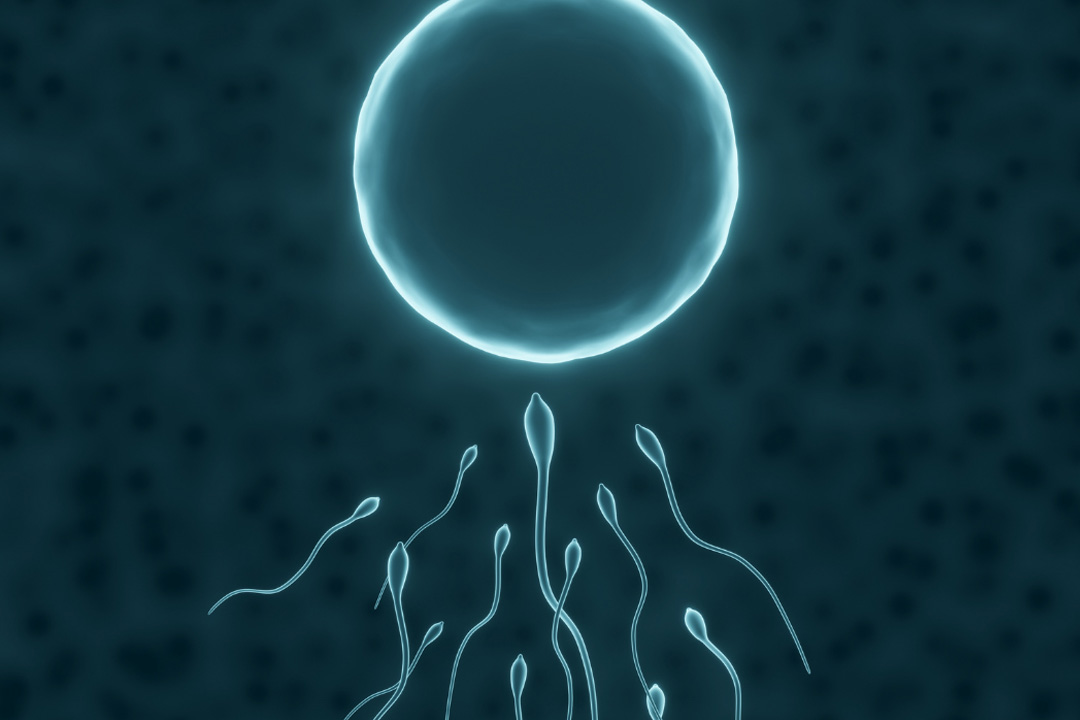
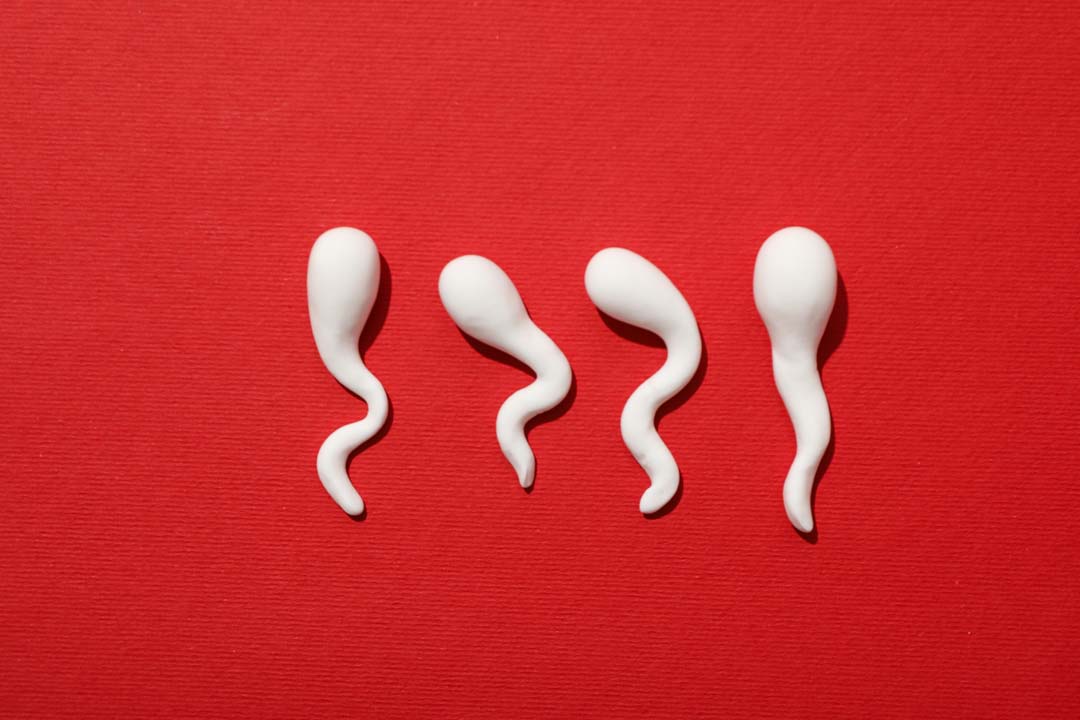
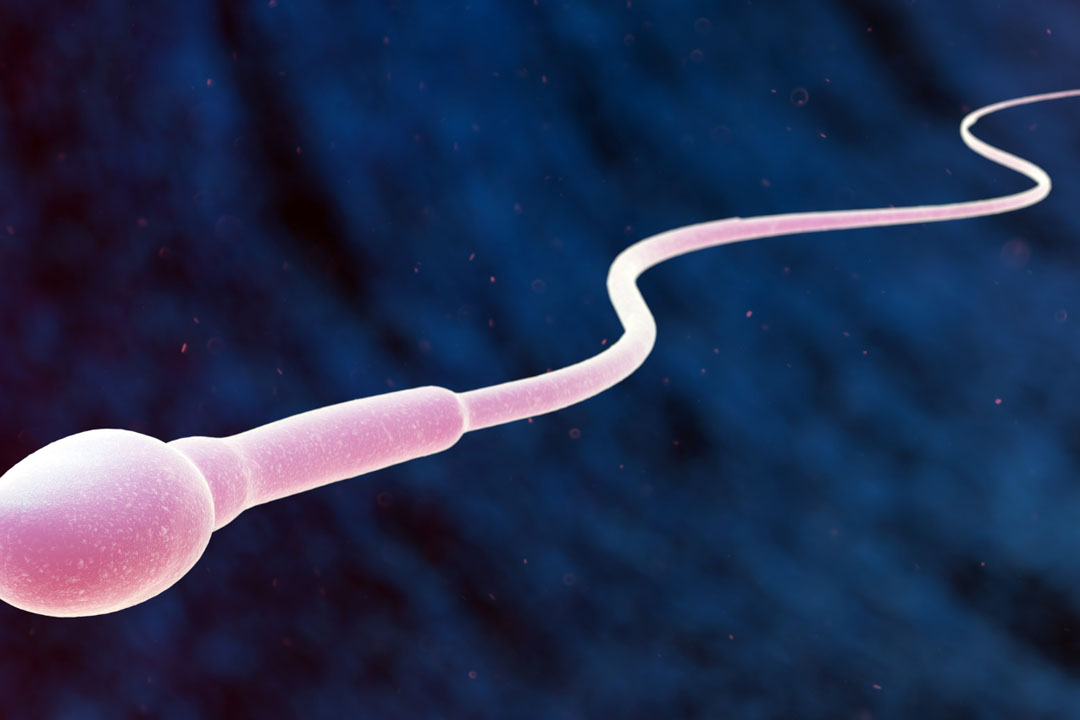
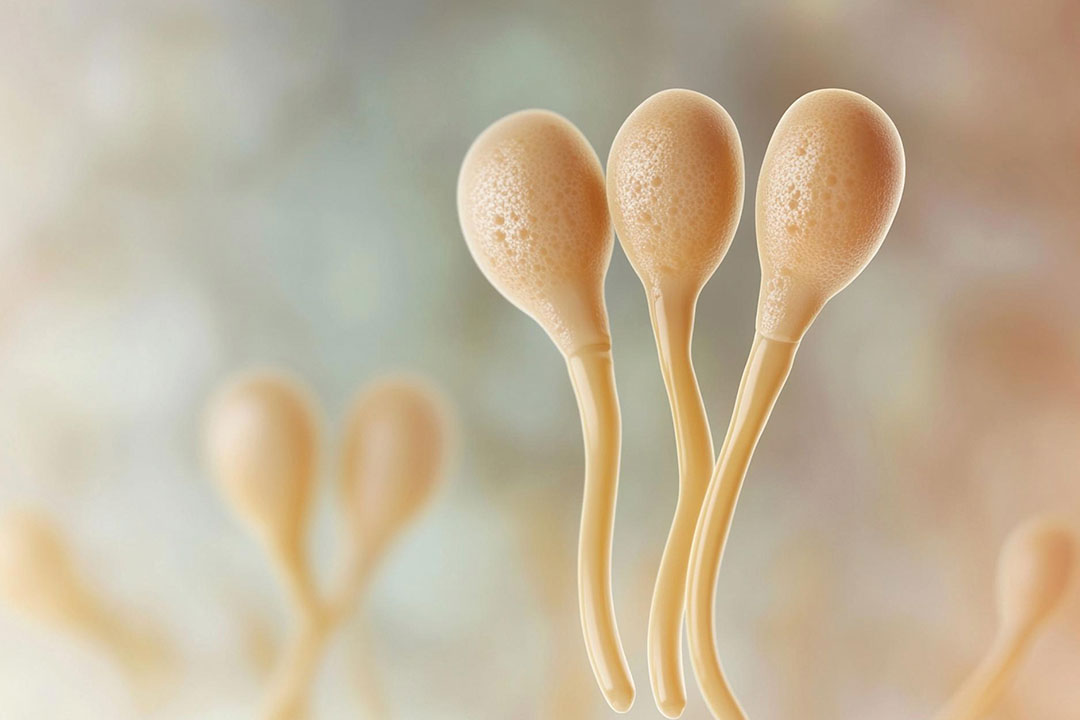
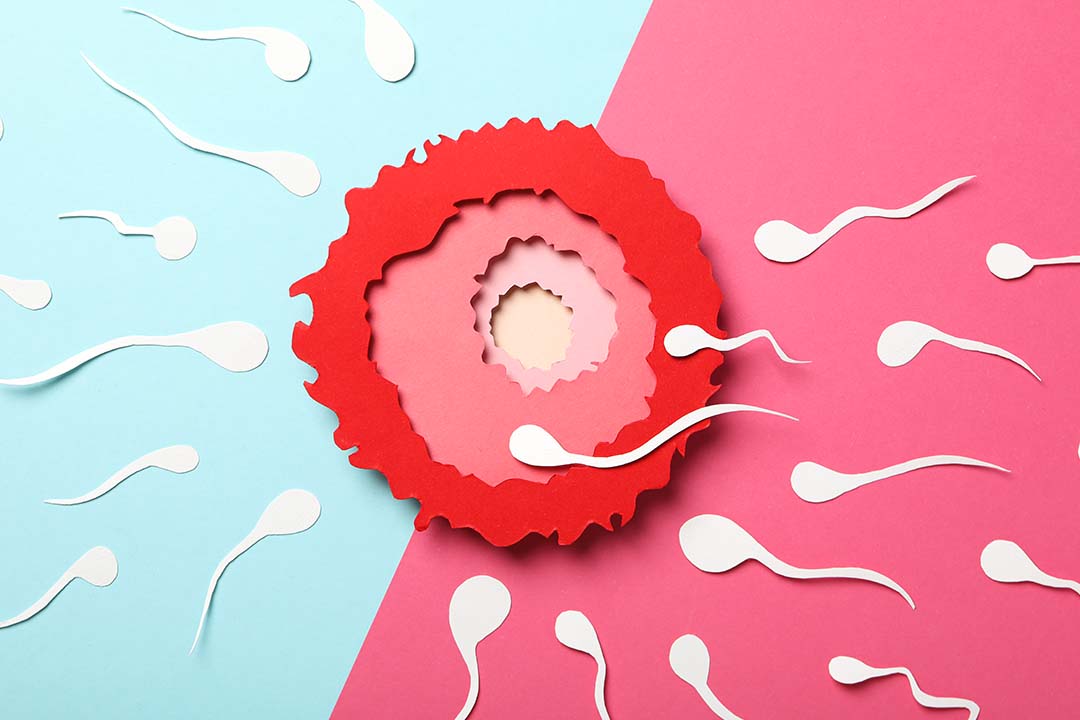
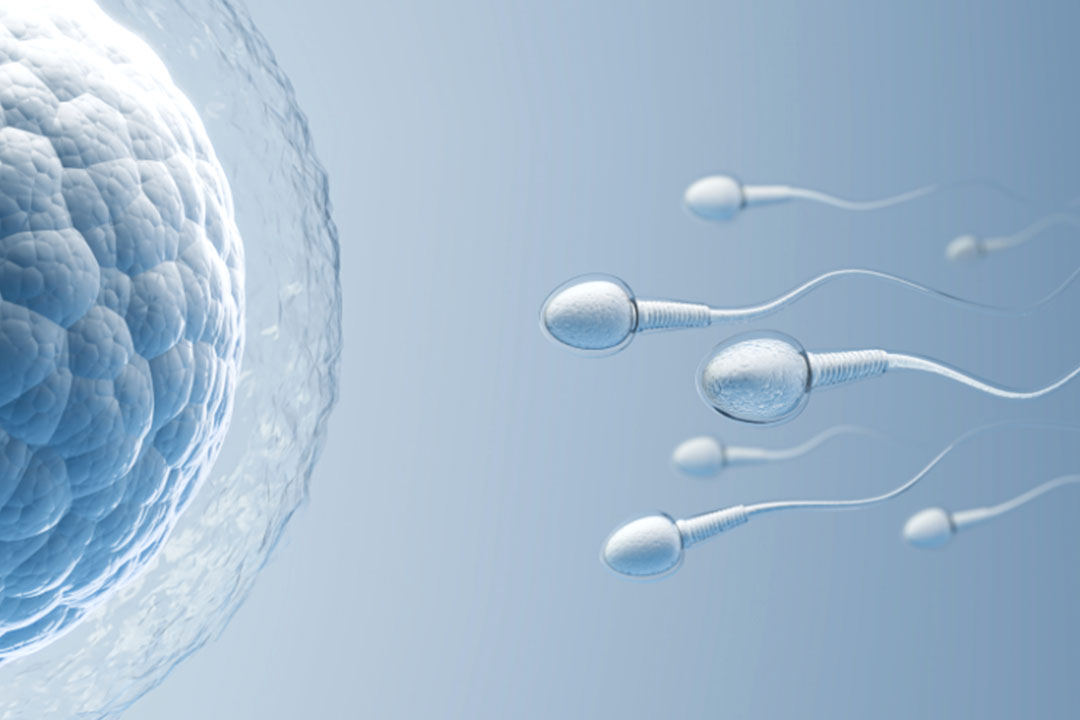
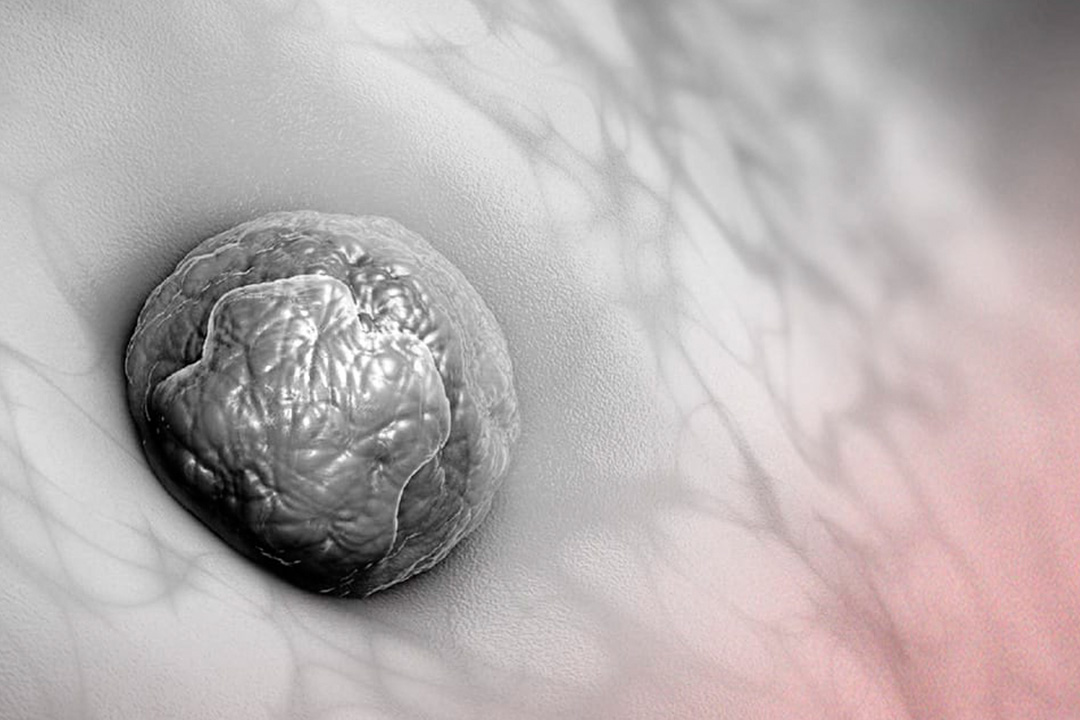
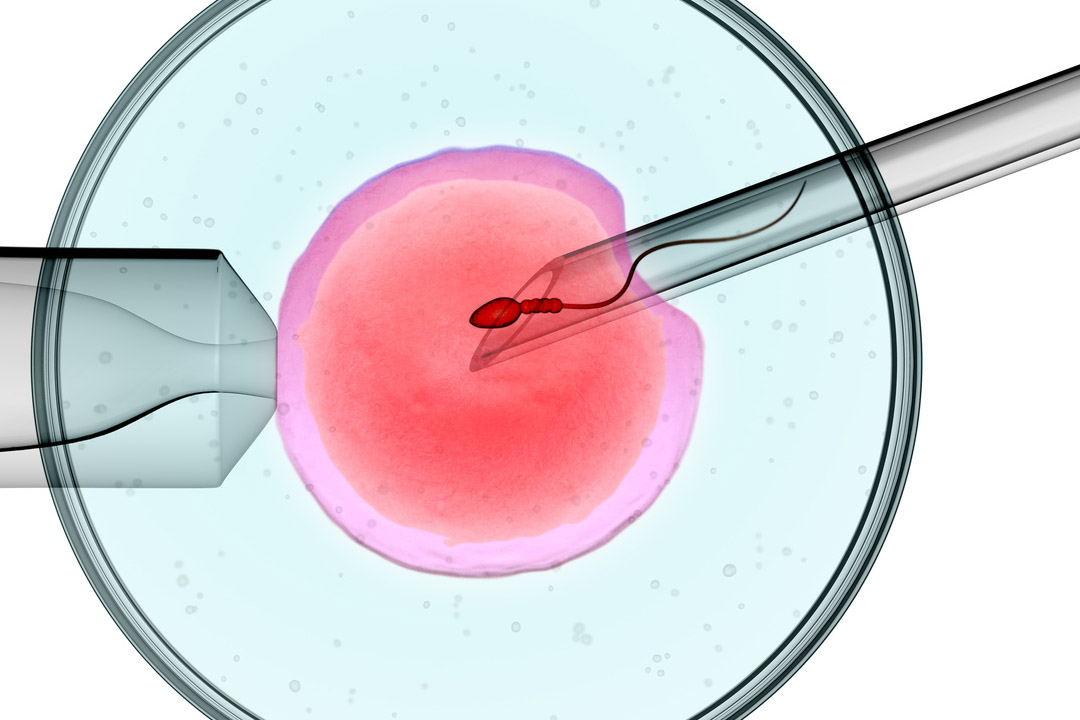
The shape of sperm, known as morphology, is another sign of sperm health. A typical sperm cell has an oval head and a long tail. This structure helps it swim effectively and attach to the outer layer of the egg. While shape is not as critical as count or movement, abnormal shapes can make it harder for sperm to move or penetrate the egg.
Healthy sperm morphology indicates that the testicles are producing sperm correctly and that the reproductive environment supports proper development. While not all sperm will have a normal shape, a good proportion should. Healthy lifestyle habits, proper nutrition, and avoiding harmful substances can promote normal morphology.
4. Good Semen Volume
The amount of semen in an ejaculation also provides information about sperm health. A typical volume ranges from one and a half to five milliliters. Adequate volume ensures that sperm have enough fluid to travel through the female reproductive tract. Low semen volume might reduce the number of sperm that can reach the egg.
Factors that affect semen volume include hydration, hormonal health, frequency of ejaculation, and glandular function. Drinking plenty of water, avoiding smoking, and staying physically active help maintain a healthy volume. A good semen volume, along with a healthy sperm count, supports better fertility.
5. Healthy Sexual Function
A stable sex drive and the ability to maintain an erection are indirect but important signs of healthy sperm. Sexual function is influenced by hormone levels, particularly testosterone. When testosterone is in a balanced range, sperm production is often healthier as well.
Stress, sleep deprivation, excessive alcohol consumption, and certain medications may interfere with sexual function and sperm health. Improving sleep, managing stress, and maintaining a healthy lifestyle often support both sexual performance and sperm quality. While sexual function alone cannot confirm fertility, it often reflects the underlying hormonal balance necessary for healthy sperm production.
6. Balanced Hormones
Hormones control the production of sperm, especially hormones released by the brain that stimulate the testicles. When these hormones function normally, the body can produce adequate testosterone and support healthy sperm development.
Signs of balanced hormones include normal muscle mass, good energy levels, normal mood, and healthy libido. Disruptions in hormone balance can reduce sperm count or movement. Regular exercise, a nutritious diet, and avoiding anabolic steroids or performance enhancing drugs can help maintain hormonal health. If hormonal imbalance is suspected, a healthcare professional may suggest a blood test to check levels.
7. Lifestyle that Supports Fertility
Certain everyday habits can give clues about sperm health. For example, men who maintain a healthy weight, avoid smoking, limit alcohol, and stay physically active often have healthier sperm. These habits improve blood flow, reduce oxidative stress, and support hormone balance, all of which contribute to better sperm production.
In contrast, smoking, chronic stress, and exposure to environmental toxins like pesticides or heavy metals may reduce sperm quality. Wearing loose-fitting underwear, avoiding long hours of sitting, and staying away from excessive heat from hot tubs or saunas may also support sperm health.
8. No Major Reproductive or Medical Conditions
When a person does not have medical issues that affect the testicles or the glands that regulate hormone production, sperm health is more likely to be normal. Conditions affecting the testicles or the glands in the brain that regulate hormone production can interfere with sperm making processes.
Good general health often supports good sperm health. Regular medical checkups, timely treatment of infections, and addressing underlying health conditions help preserve fertility. For instance, untreated sexually transmitted infections can disrupt the reproductive system and reduce sperm quality, so early diagnosis and treatment are important.
Foods that Support Healthy Sperm
Nutrition plays a strong role in sperm production. A diet rich in antioxidants, vitamins, minerals, and healthy fats supports hormone balance and reduces oxidative stress, which can harm sperm. Foods that are commonly linked with better sperm health include:
- Citrus fruits, berries, kiwi, and other vitamin C rich foods
- Leafy greens, carrots, and foods high in vitamin A
- Nuts, seeds, and whole grains that provide zinc and selenium
- Fatty fish, flaxseeds, and walnuts that contain omega 3 fats
- Eggs, lean proteins, and dairy for protein and essential nutrients
A balanced diet that includes these foods can support sperm count, movement, and morphology. Staying hydrated and limiting processed foods, sugary snacks, and excessive alcohol also benefit reproductive health.
Additional Signs of Healthy Sperm
Beyond the eight major indicators listed above, some additional hints may suggest good sperm quality:
- The semen appears whitish and slightly thick before it liquefies.
- Ejaculation feels normal and occurs without pain.
- Energy levels and overall health feel stable.
- There is no history of long term exposure to toxic chemicals.
While these signs do not confirm fertility, they help create a general picture of good reproductive wellness.
When Should Someone Consider Seeking Help?
Healthy lifestyle habits can support sperm quality, but sometimes fertility challenges require medical evaluation. If pregnancy has not occurred after a full year of trying, a fertility evaluation may be helpful. For people over 35 or with known reproductive issues, earlier testing may be recommended.
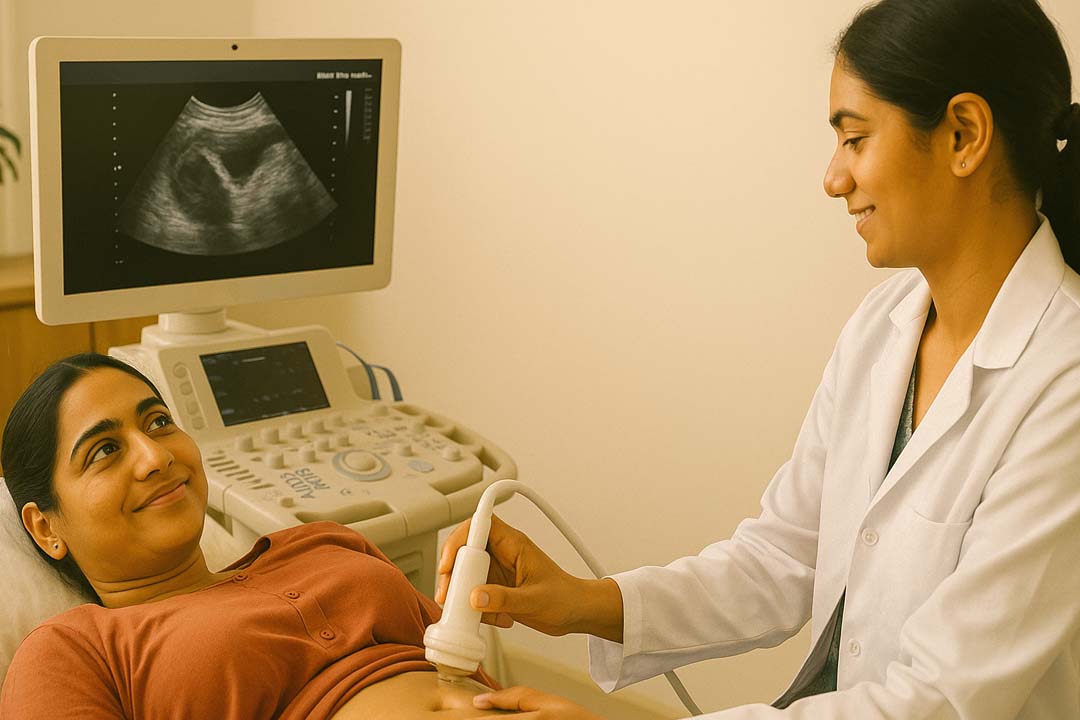
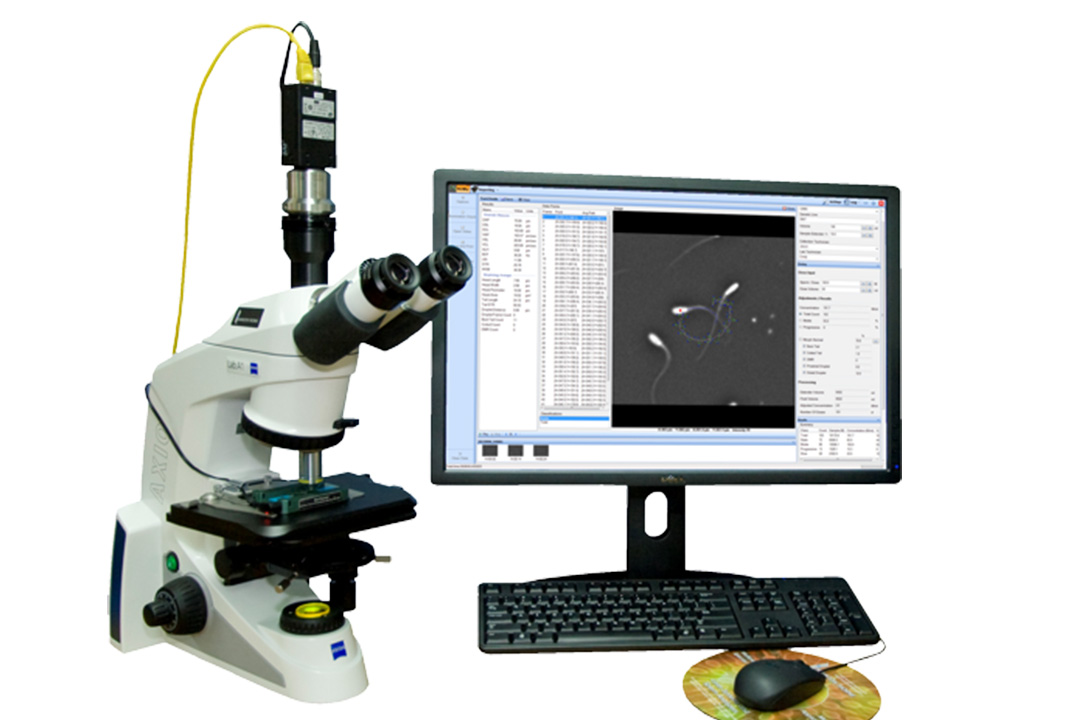
A semen analysis can measure sperm count, movement, shape, semen volume, and other details. This provides a clear picture of sperm health and helps identify steps for improvement or treatment options if needed.
Frequently Asked Questions
What are the common signs of strong fertility in men?
Healthy libido, normal erections, good energy levels, and no known testicular or hormonal disorders are positive signs. Combined with a healthy lifestyle, they can indicate good sperm function.
Does heat affect sperm?
Yes. High temperatures around the scrotum can lower sperm production. Avoiding hot tubs, saunas, and tight clothing may support better sperm quality.
What is the cost of a basic semen analysis in India?
Costs vary, but a simple semen analysis usually ranges from INR 500 to INR 2000 depending on the city and the type of clinic.
How long does it take to improve sperm health?
Sperm take around two to three months to mature, so improvements from lifestyle changes may be noticeable after that time.
Conclusion
Healthy sperm are fundamental to male fertility, and understanding the signs of good sperm health empowers individuals to take control of their reproductive well-being. Factors like sperm count, movement, shape, semen volume, sexual function, hormonal balance, and overall lifestyle all contribute to sperm quality. With proper diet, stress management, and healthy habits, many people can support or improve their sperm health naturally. If fertility challenges arise, medical guidance can provide clarity and support the journey toward conception.
About Us
AKsigen IVF is a premier center for advanced fertility treatments, with renowned fertility experts on our team. Specializing in IVF, ICSI, egg freezing, and other cutting-edge reproductive technologies, AKsigen IVF is committed to helping couples achieve their dream of parenthood. With personalized care and a patient-first approach, AKsigen IVF provides comprehensive fertility solutions under one roof.