Enlarged Uterus Without Pregnancy: Causes & Treatment
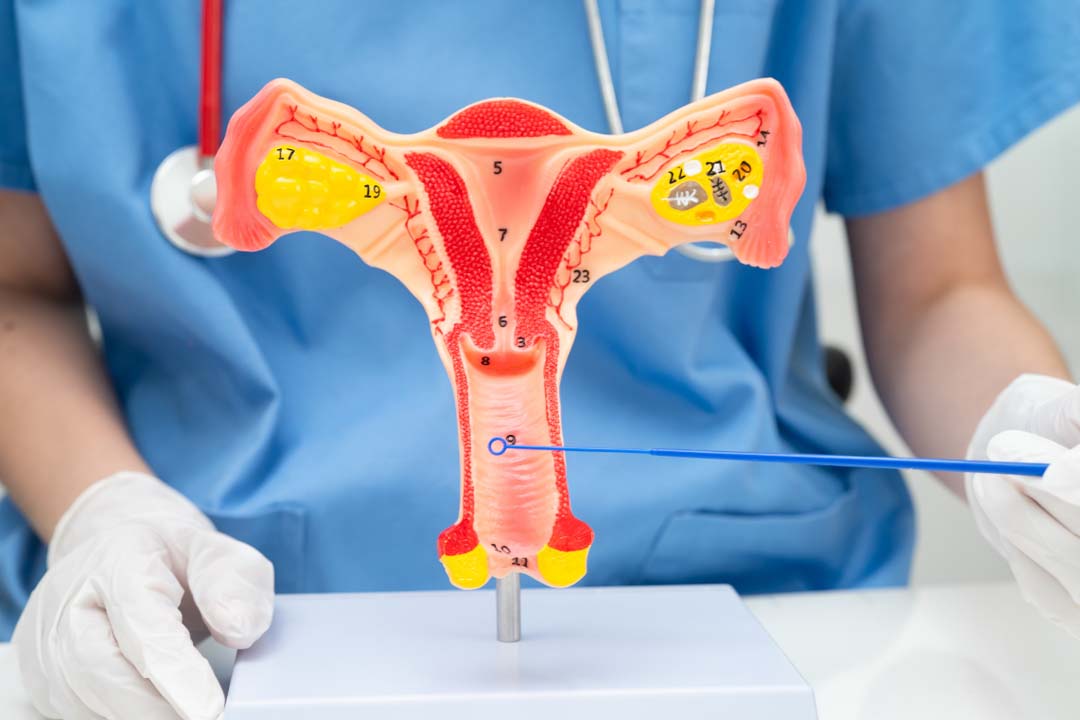
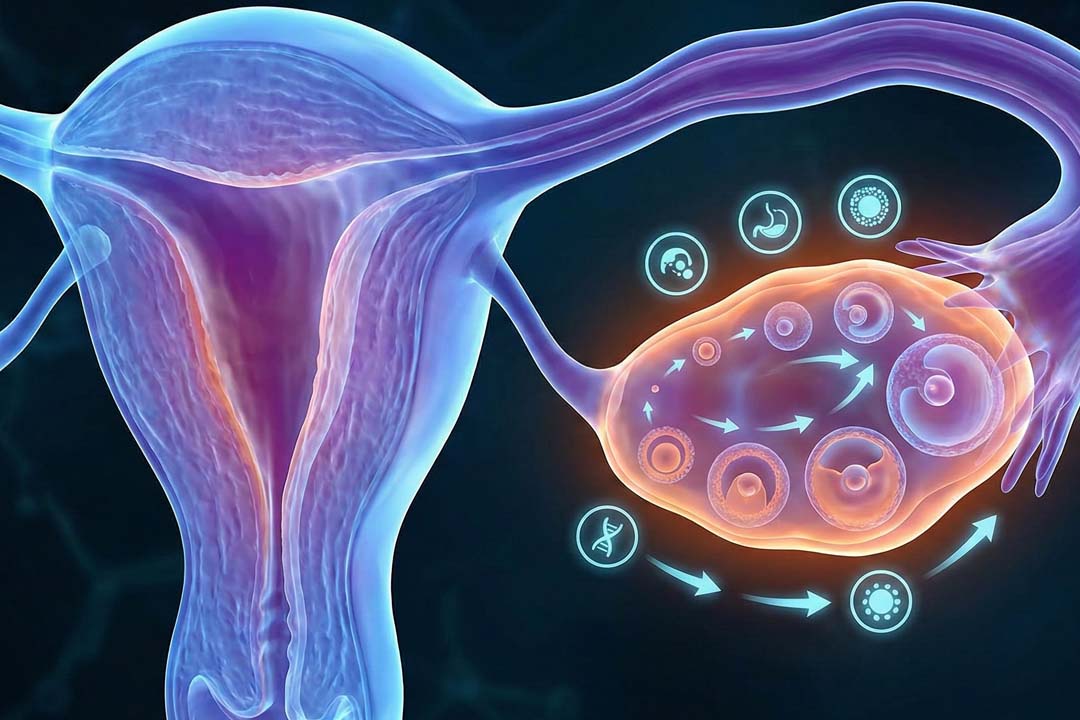
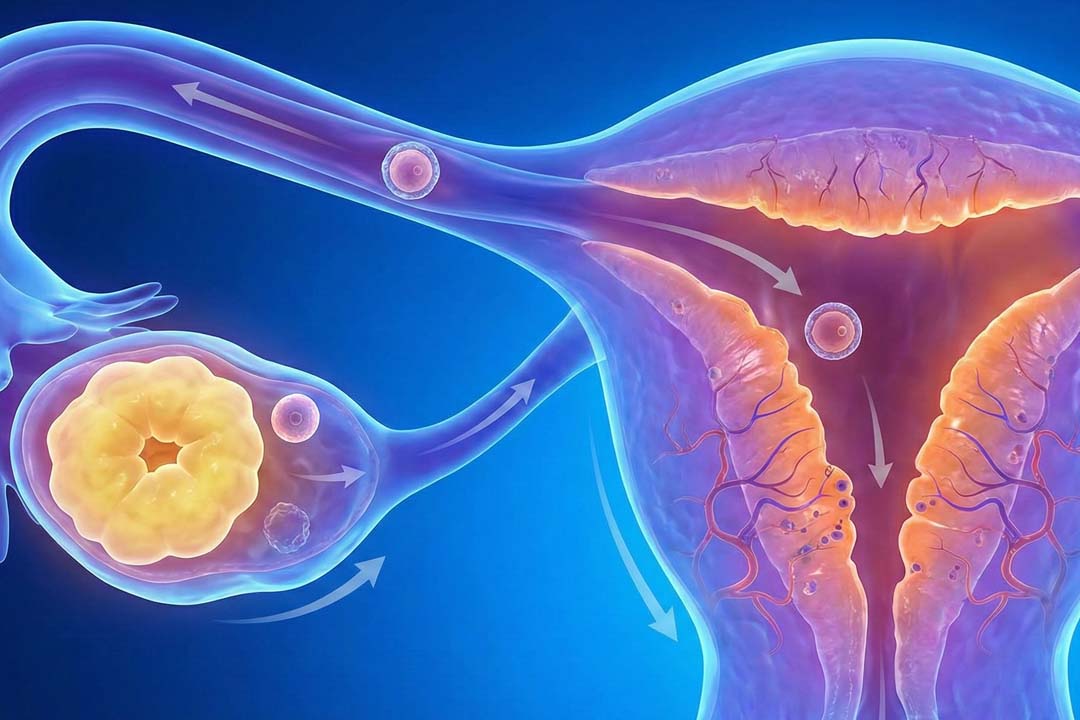
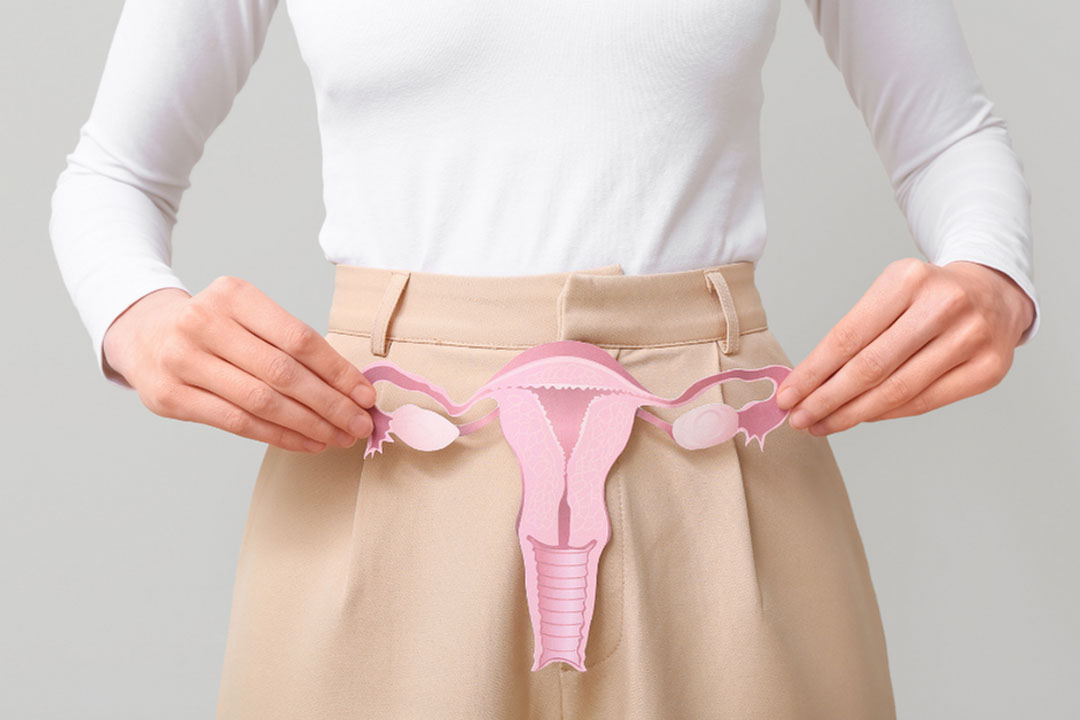
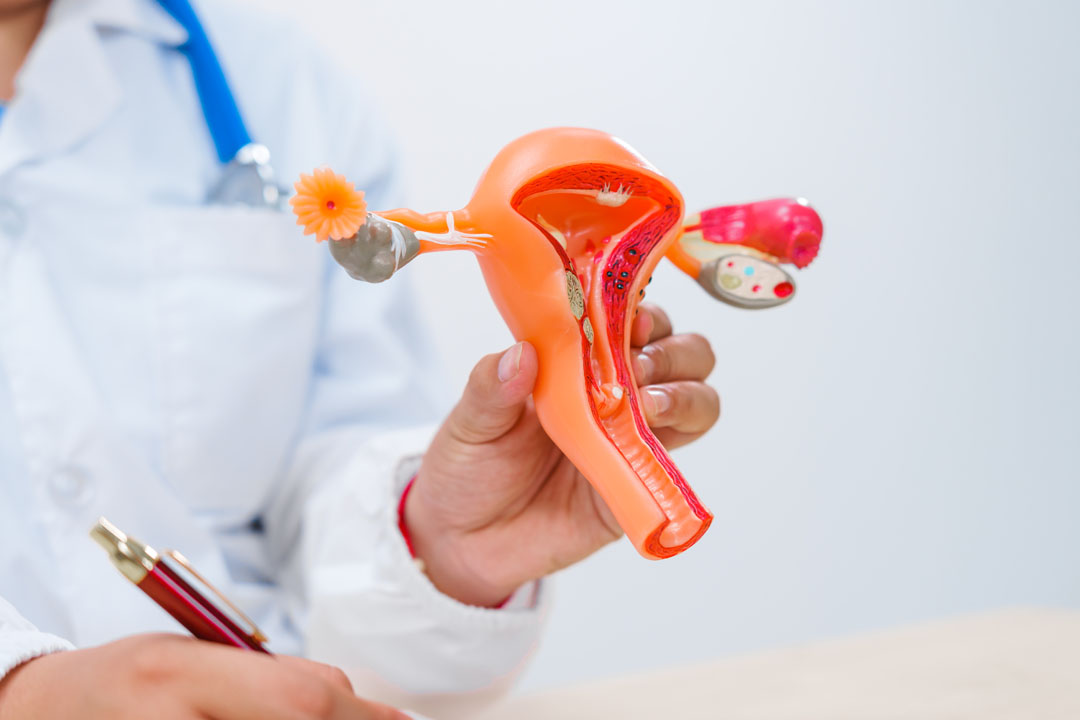
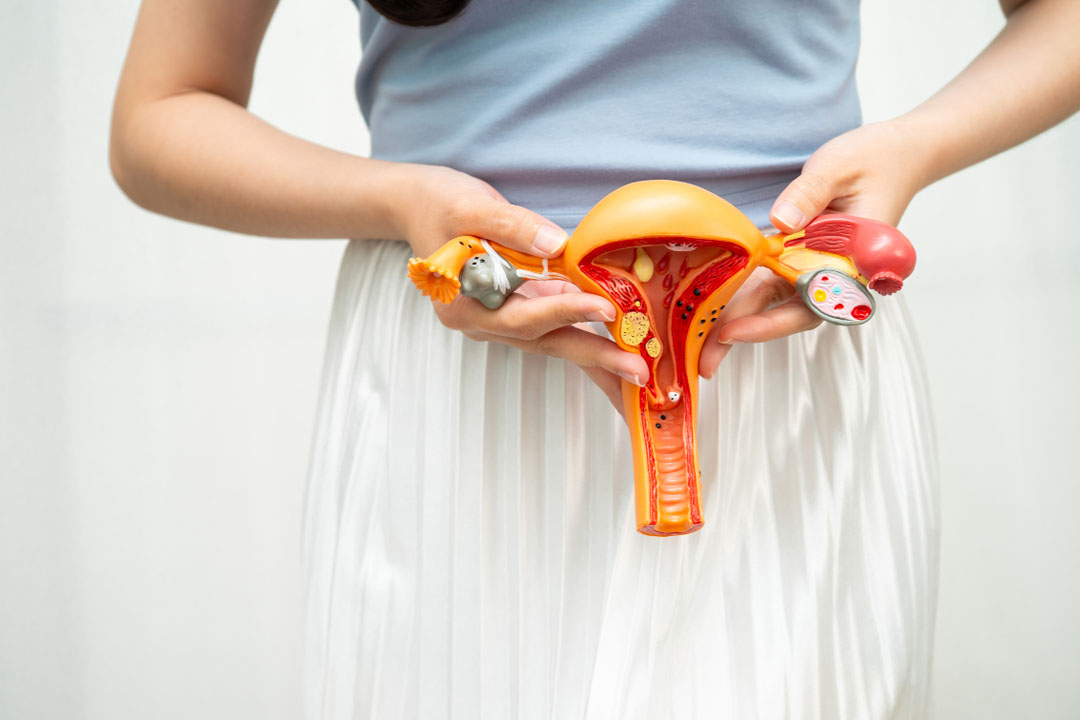
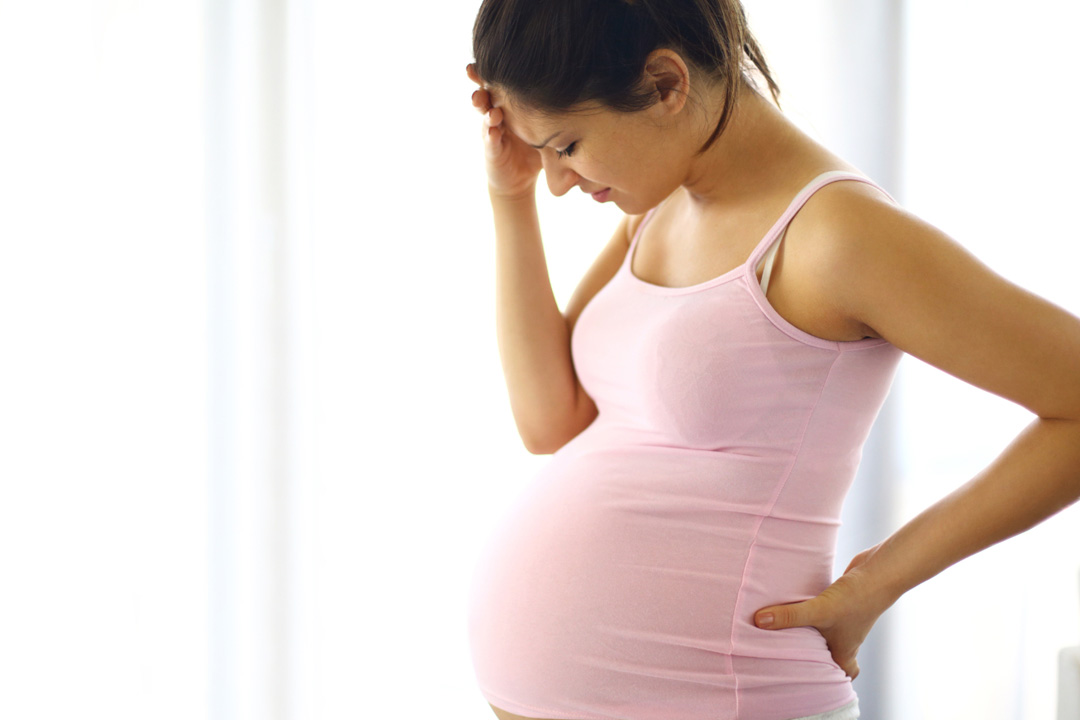
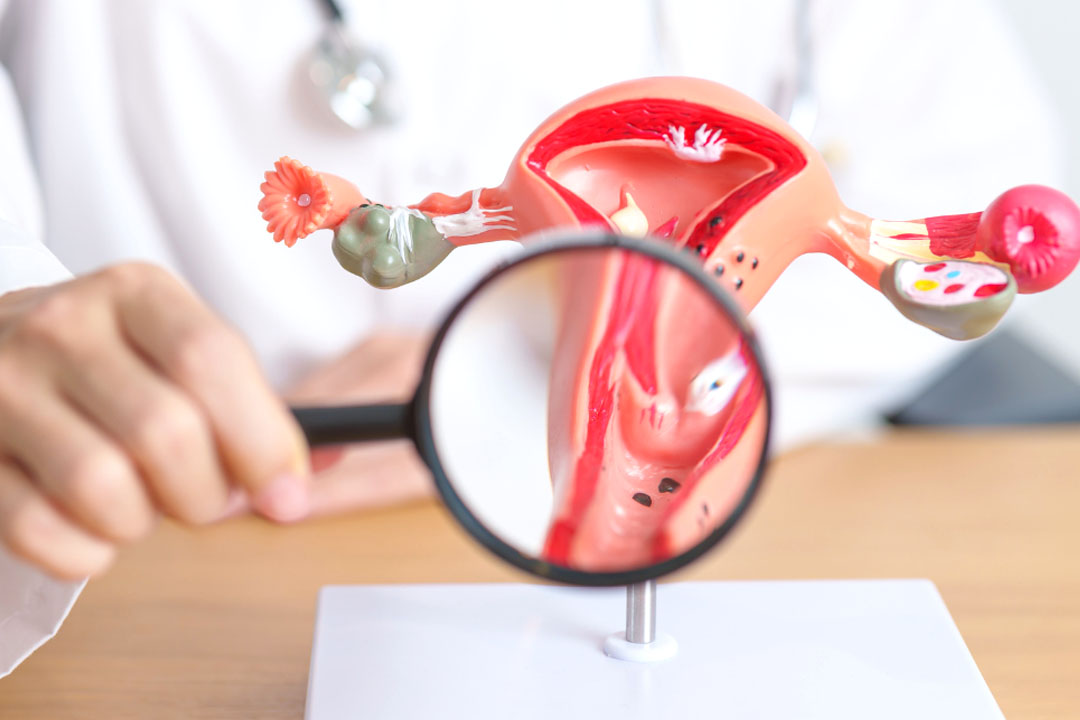
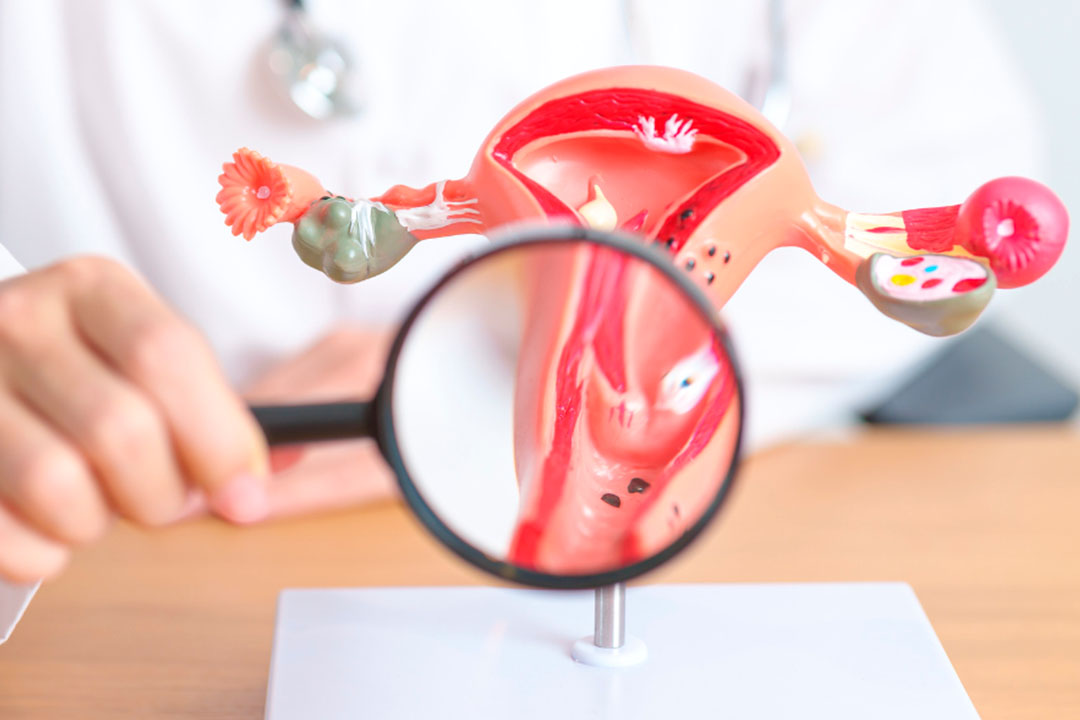
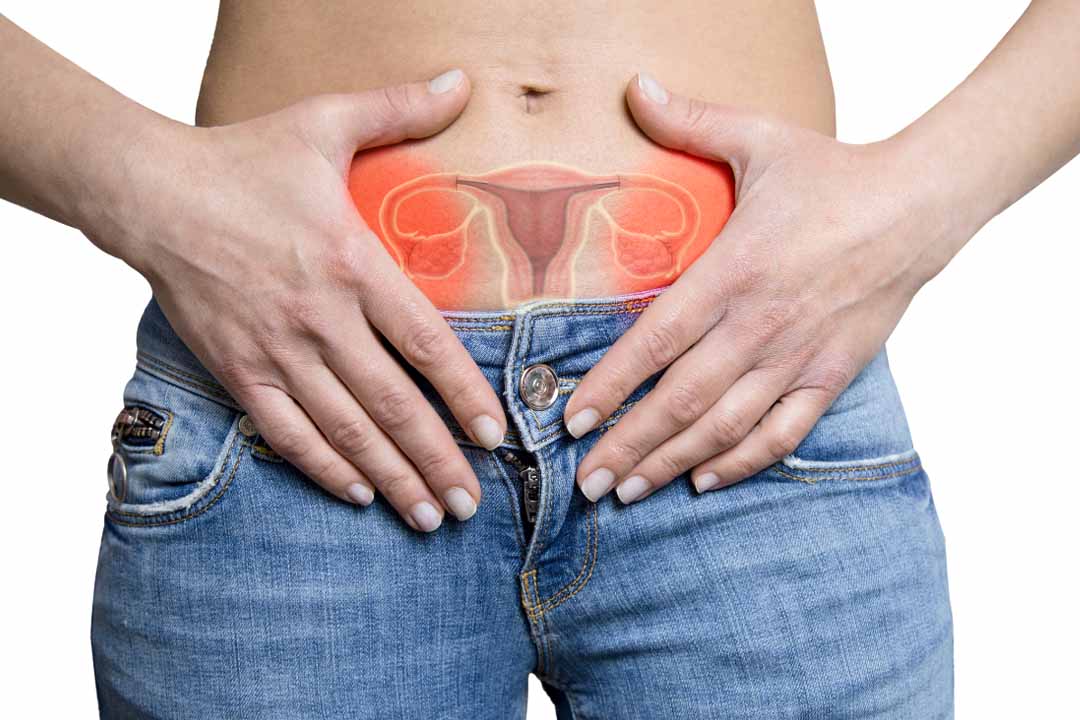
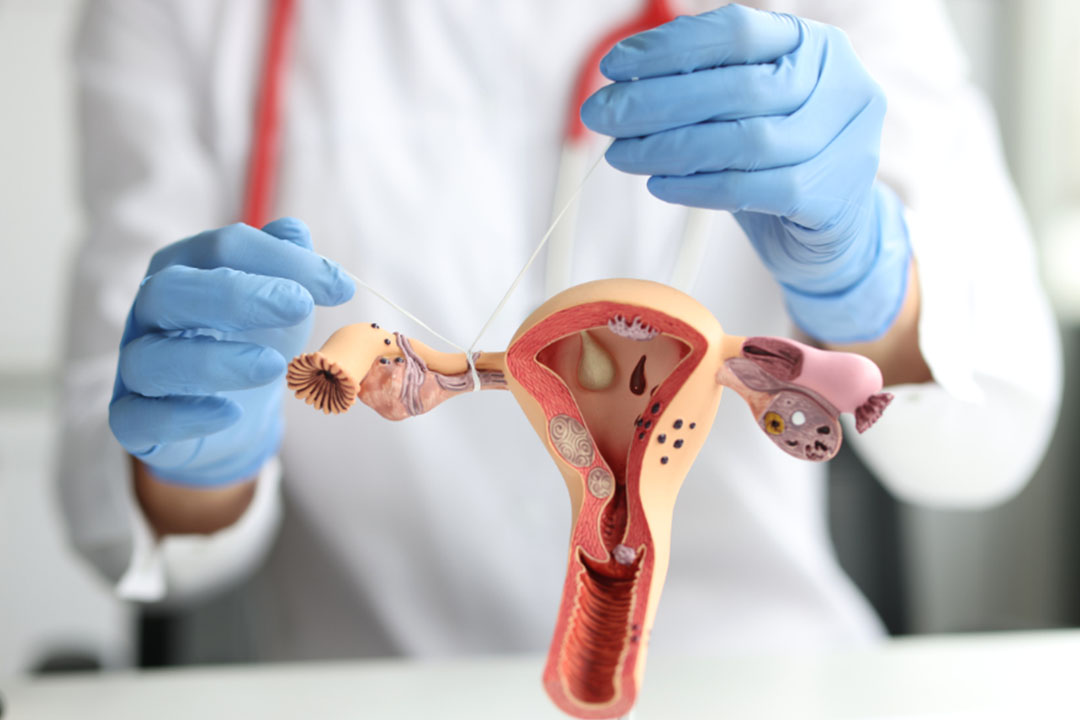
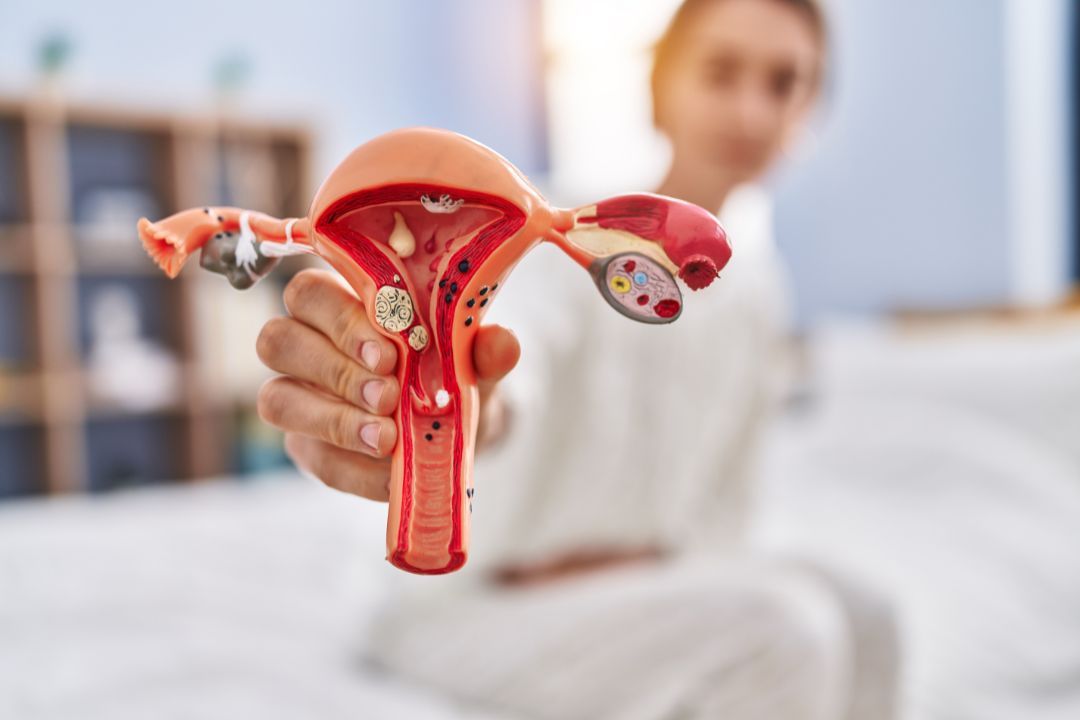
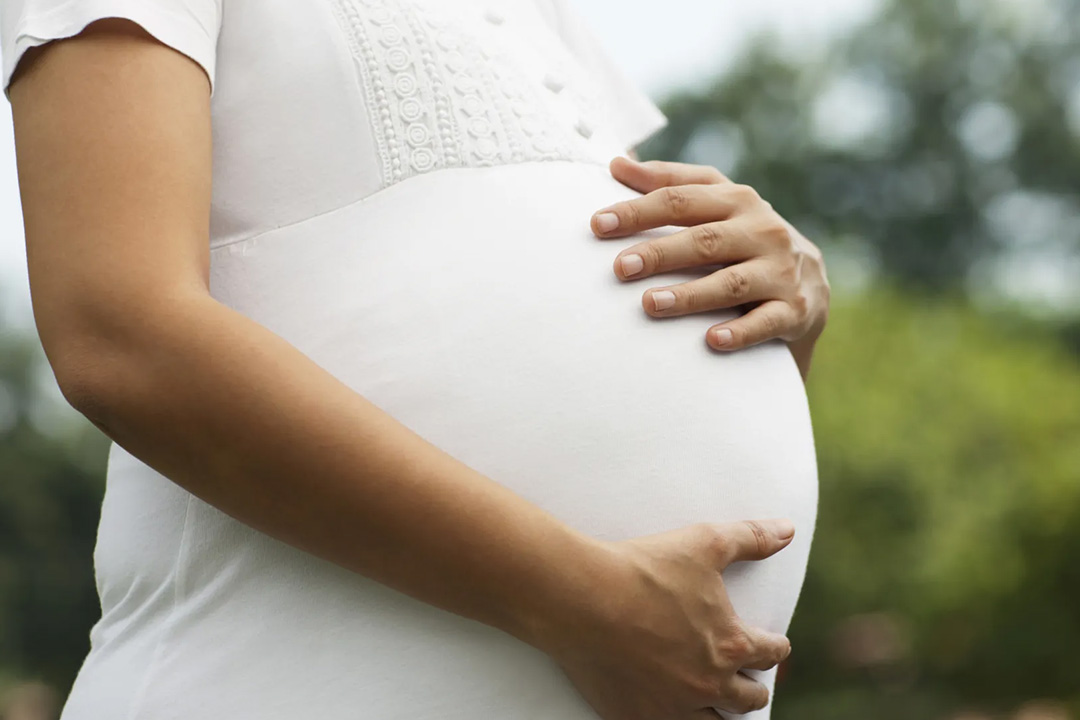
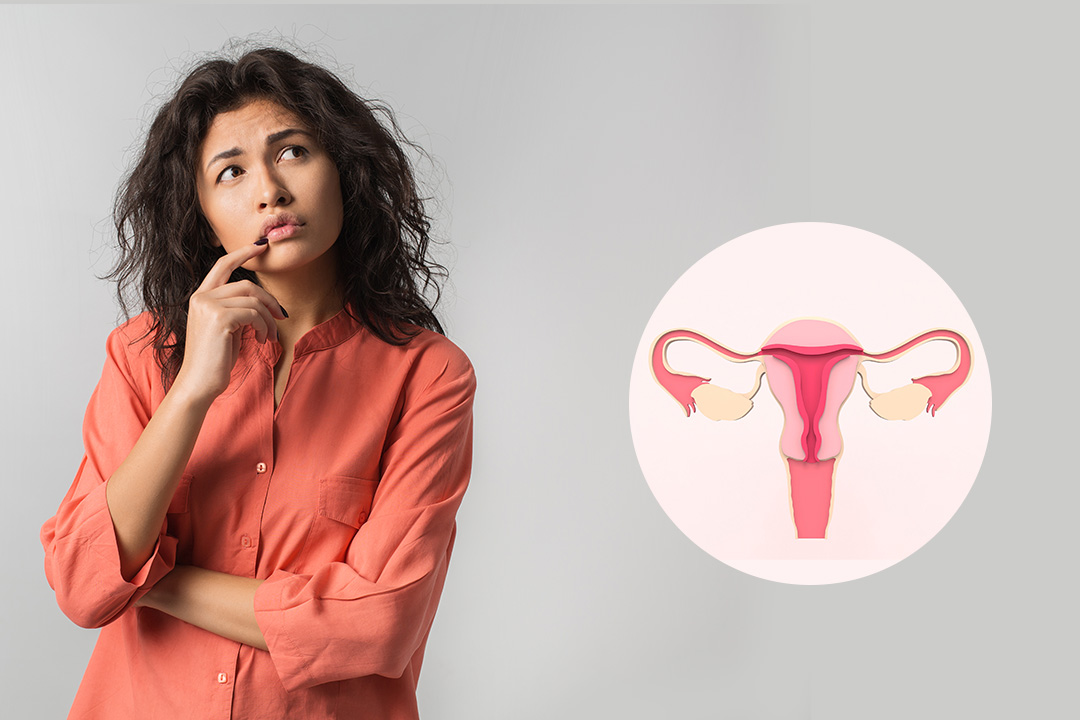
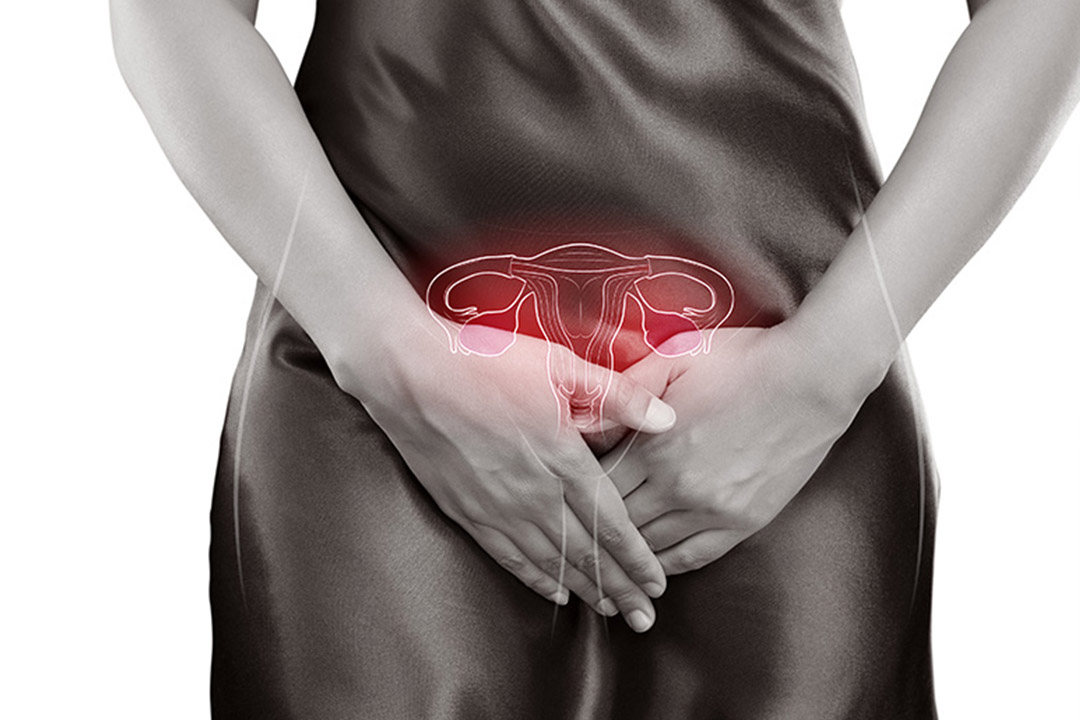
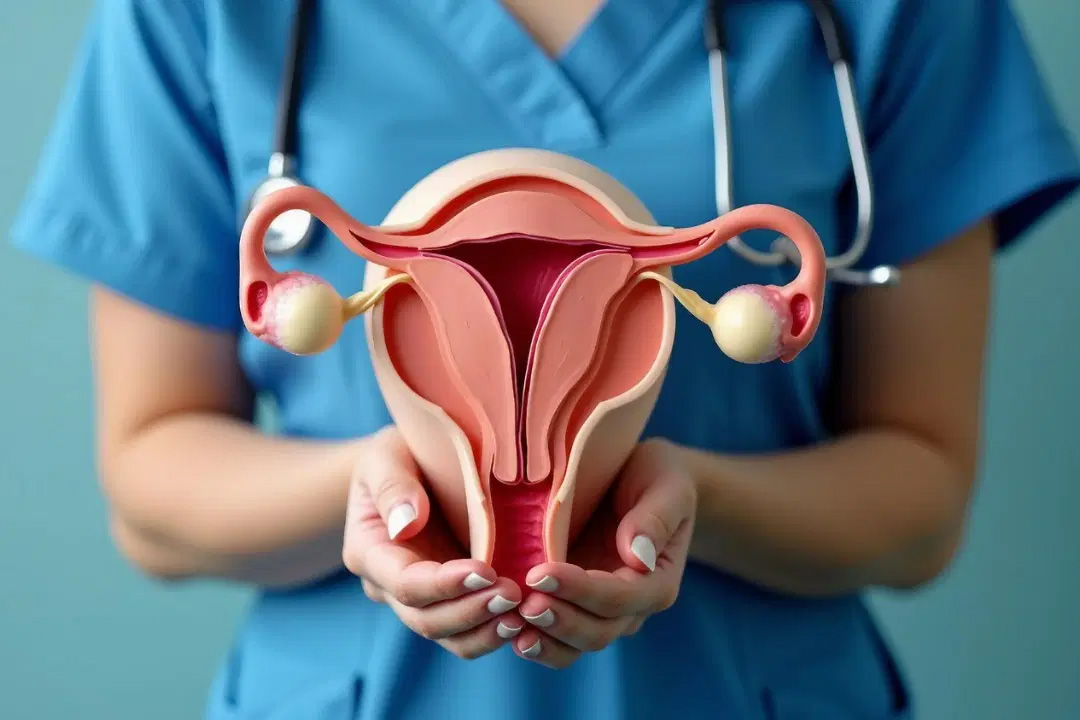
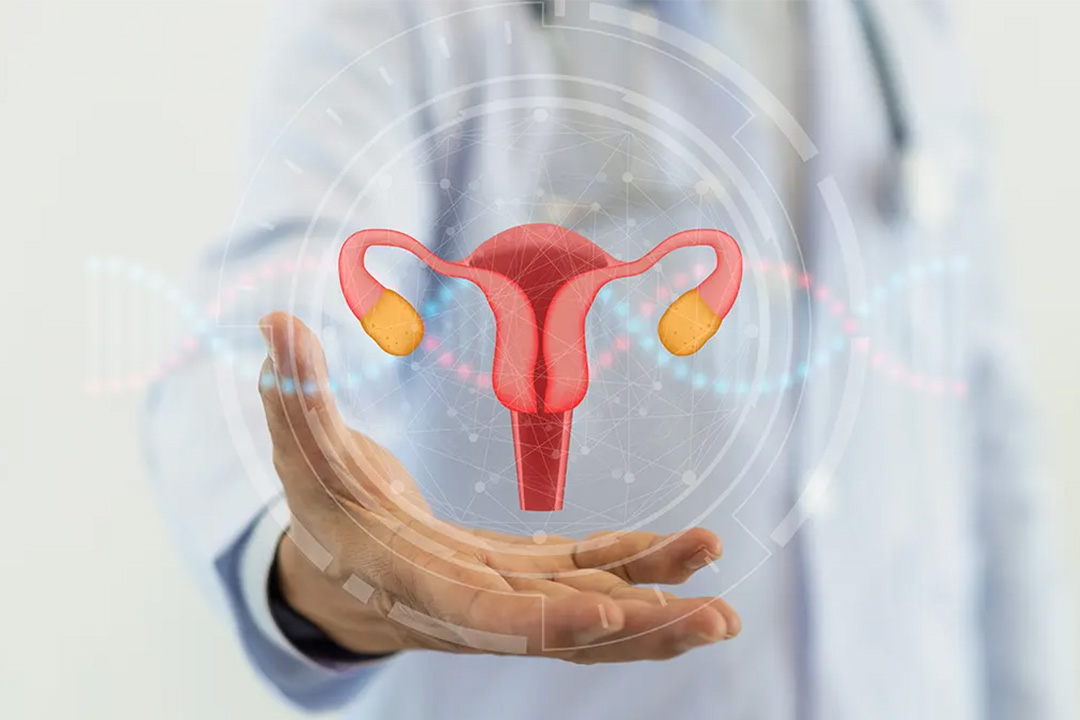
An enlarged uterus means that the uterus has grown larger than its usual size due to reasons other than pregnancy. In a healthy adult woman, the uterus is roughly the size of a pear. When it enlarges, it can reach the size of a grapefruit or even larger depending on the cause.
This enlargement can happen gradually, which is why many women do not notice it immediately. Some discover it only during a medical exam, while others become aware because of symptoms like pelvic pressure or unusually heavy periods. An enlarged uterus is not a disease on its own but a sign that something else is happening inside the body.
Non-cancerous growths that form inside or on the uterus are called uterine fibroids. They may grow slowly over time and go years without being seen. They may occasionally result in observable symptoms that interfere with day-to-day activities, fertility and general comfort.
Women may make informed choices about their health by being aware of the causes of uterine enlargement, how fibroids contribute to this change and the available treatments.
Common Causes of an Enlarged Uterus Without Pregnancy
Several conditions can cause the uterus to grow larger than normal. Each has different effects on the body and requires a different approach to management.
- Uterine fibroids
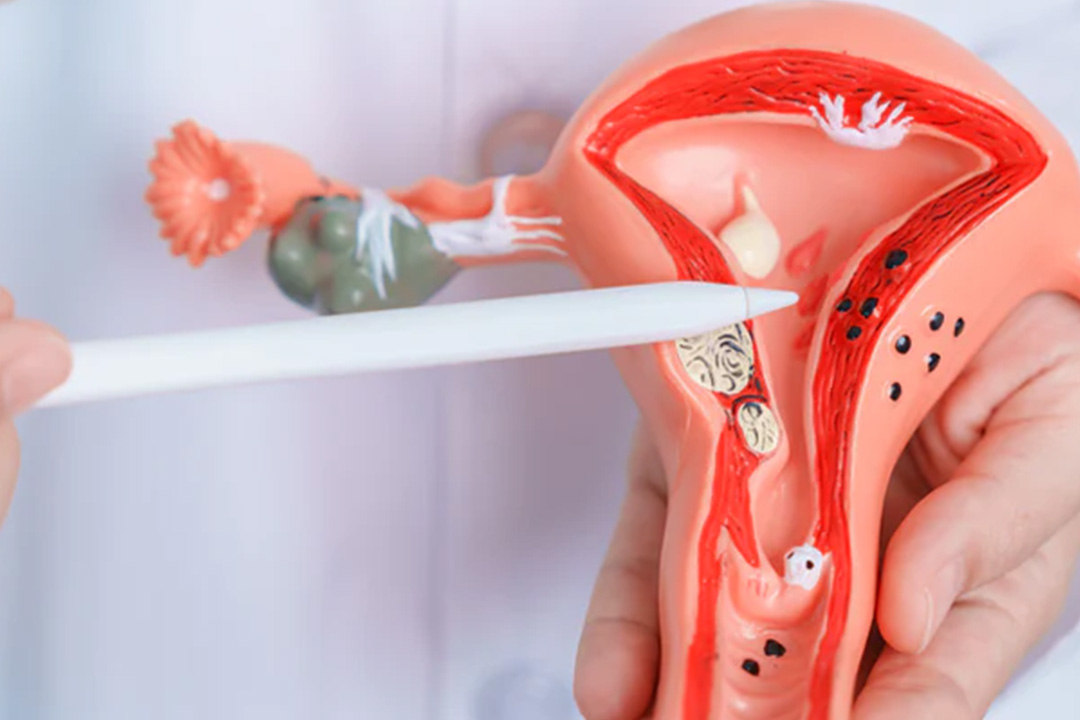
Fibroids are the most common cause of uterine enlargement in women of reproductive age. These benign growths develop from the muscle tissue of the uterus and can vary widely in size and number. - Adenomyosis
This condition occurs when the inner lining of the uterus grows into the muscle wall. It often leads to a uniformly enlarged uterus and painful heavy periods. - Endometrial polyps
Polyps are growths that form in the lining of the uterus. While they usually do not cause major enlargement, multiple or large polyps can contribute to changes in uterine size. - Hormonal imbalance
Excess estrogen can stimulate the growth of uterine tissue and fibroids, leading to gradual enlargement.
Among these causes, uterine fibroids account for a significant number of cases, making them an important condition to understand.
Could Uterine Fibroids be the Reason for an Enlarged Uterus?
Yes, uterine fibroids are one of the leading reasons for an enlarged uterus in women who are not pregnant. Fibroids grow from the muscle layer of the uterus and can push against surrounding tissues as they increase in size.
Fibroids can be small like a seed or large enough to distort the shape of the uterus. When multiple fibroids grow together, they can make the uterus feel bulky or firm during an exam. Some women compare the sensation to carrying extra weight in the lower abdomen.
Fibroids respond to hormones, particularly estrogen and progesterone. This is why they often grow during the reproductive years and may shrink after menopause when hormone levels drop.
Types of Uterine Fibroids
Fibroids develop in different parts of the uterus, and their location plays a major role in symptoms and enlargement.
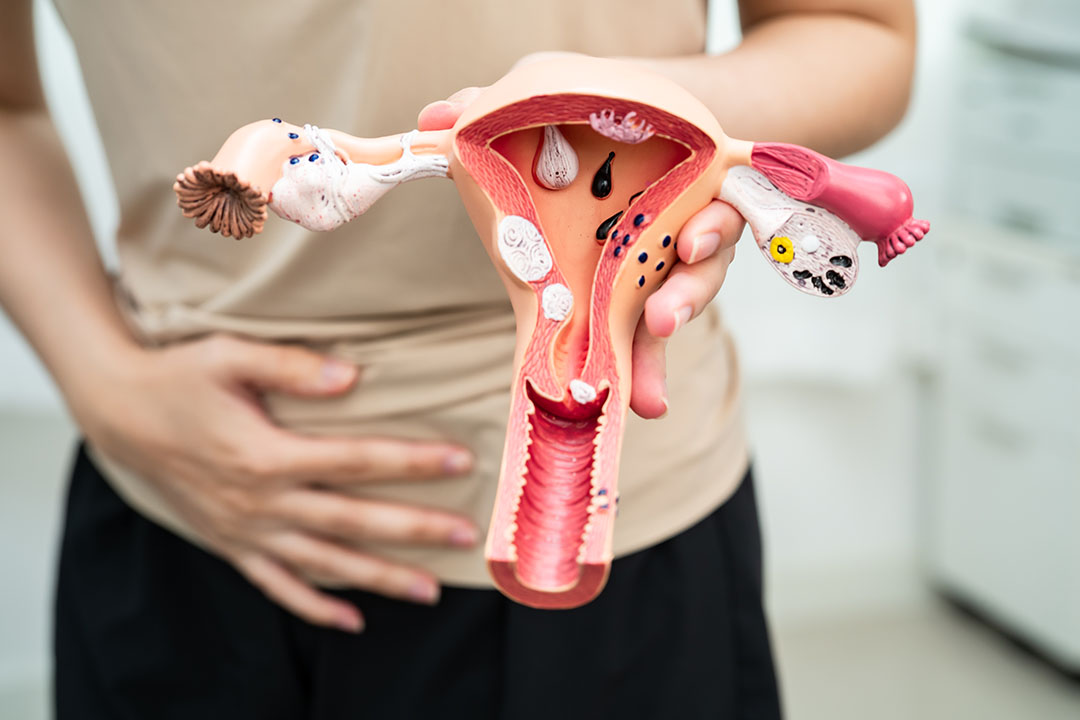
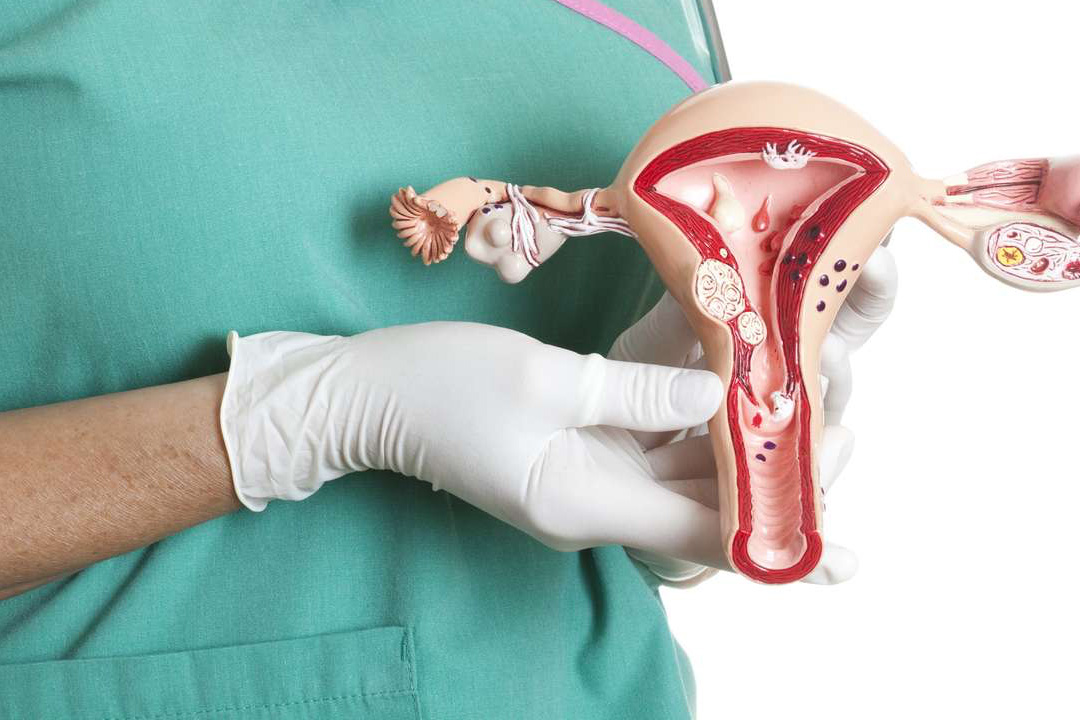
- Intramural fibroids: These grow within the muscular wall of the uterus and are the most common type. They often cause uniform enlargement and heavy periods.
- Subserosal fibroids: These form on the outer surface of the uterus. They tend to increase the overall size of the uterus and may press on nearby organs like the bladder or bowel.
- Submucosal fibroids: These grow just under the uterine lining. Even small ones can cause heavy bleeding and fertility issues.
- Pedunculated fibroids: These are attached to the uterus by a thin stalk. They can grow inward or outward and sometimes cause sharp pain if they twist.
Signs and Symptoms That May Suggest Fibroids
Not all fibroids cause symptoms, but when they do, the effects can range from mild discomfort to significant disruption of daily life.
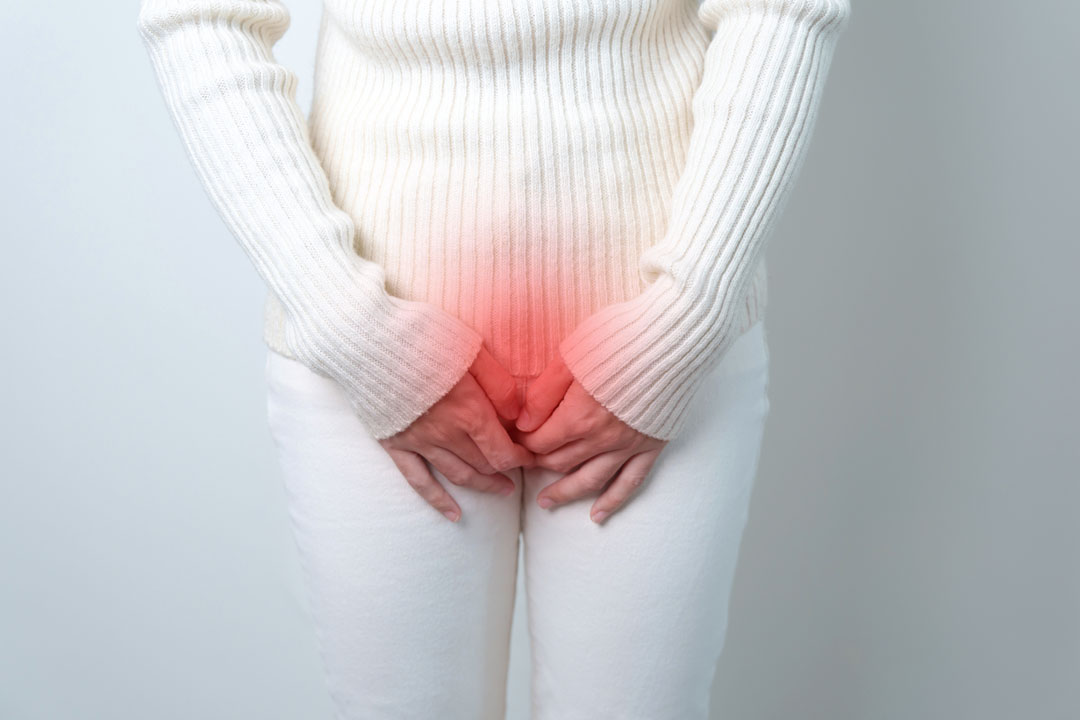
Common symptoms include heavy or prolonged menstrual bleeding, pelvic pain or pressure, frequent urination, constipation, lower back pain, abdominal bloating, pain during intercourse, and fatigue due to blood loss. Some women also notice an increase in waist size without weight gain.
Symptoms often depend on the size, number, and location of fibroids rather than just their presence.
How are Uterine Fibroids Diagnosed?
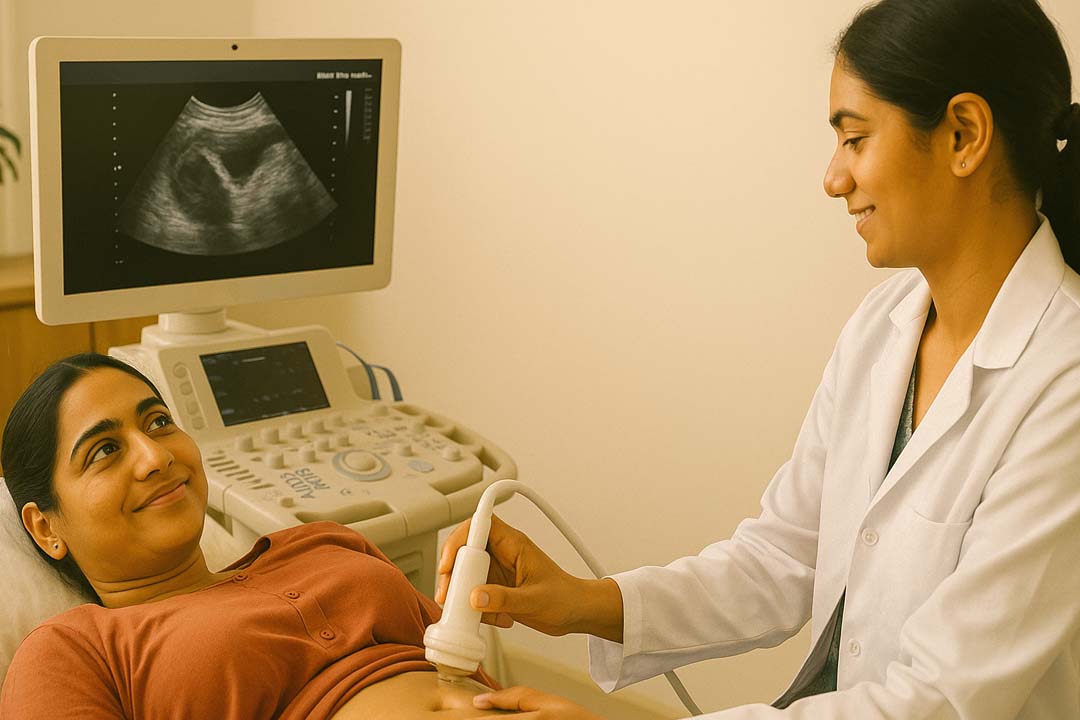
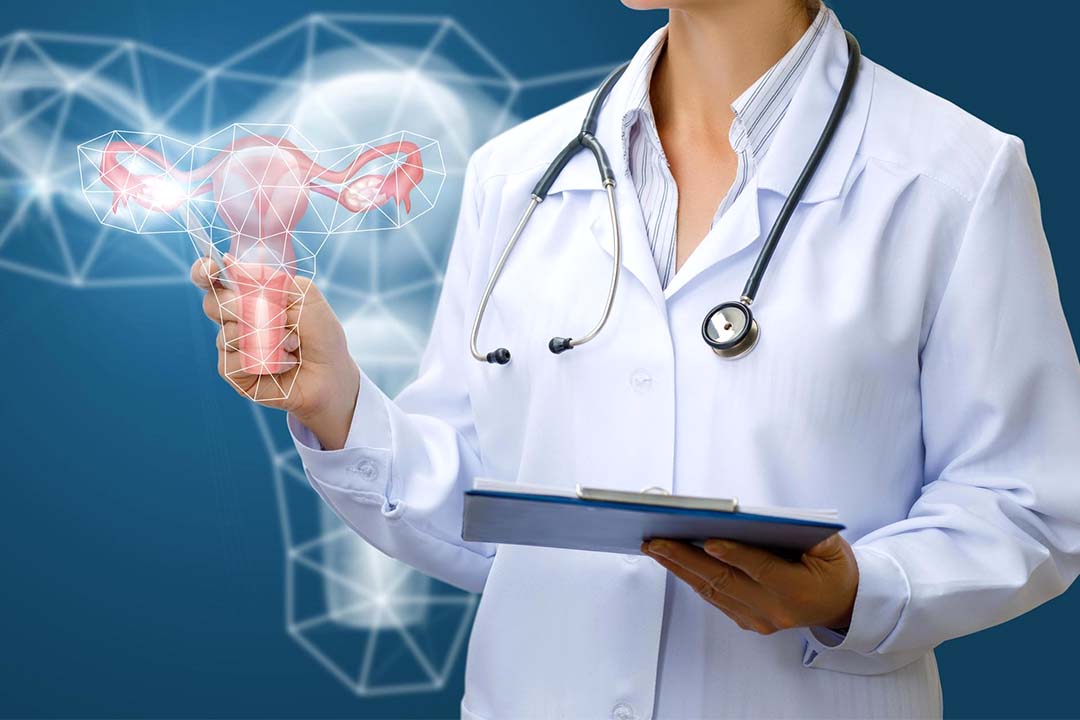
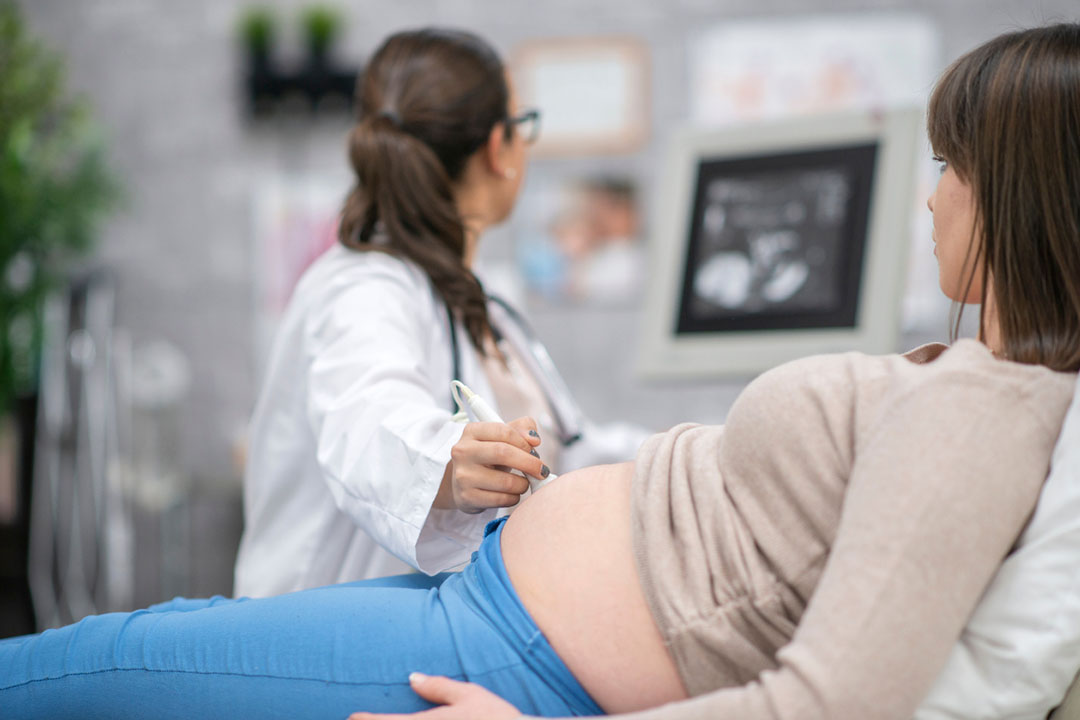
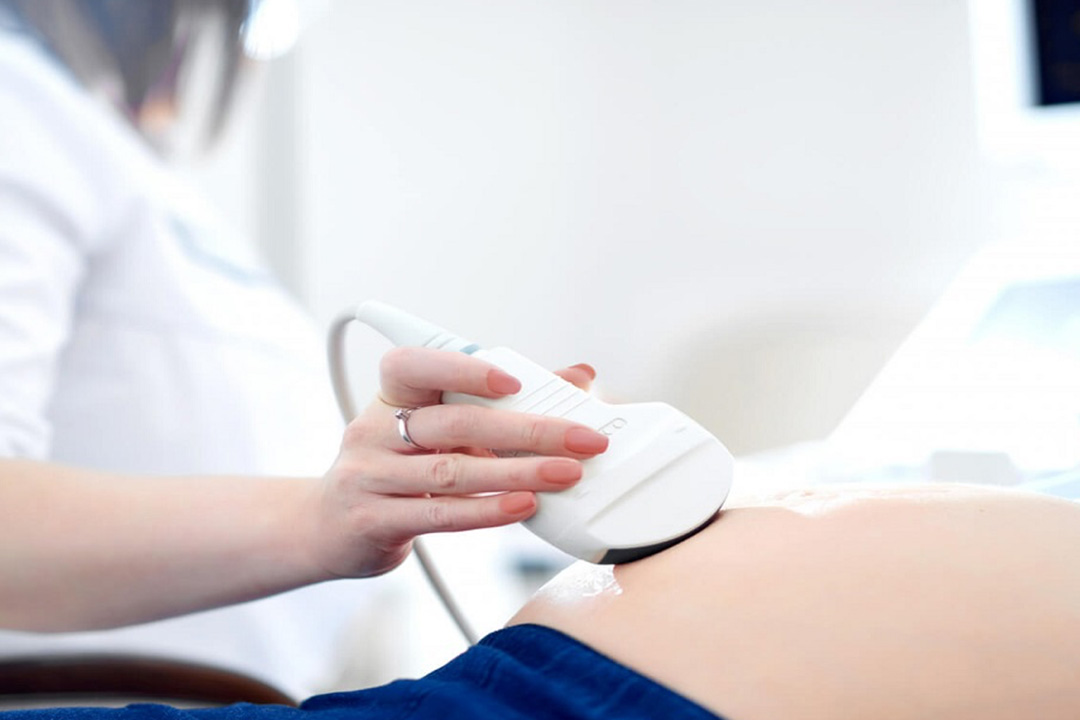
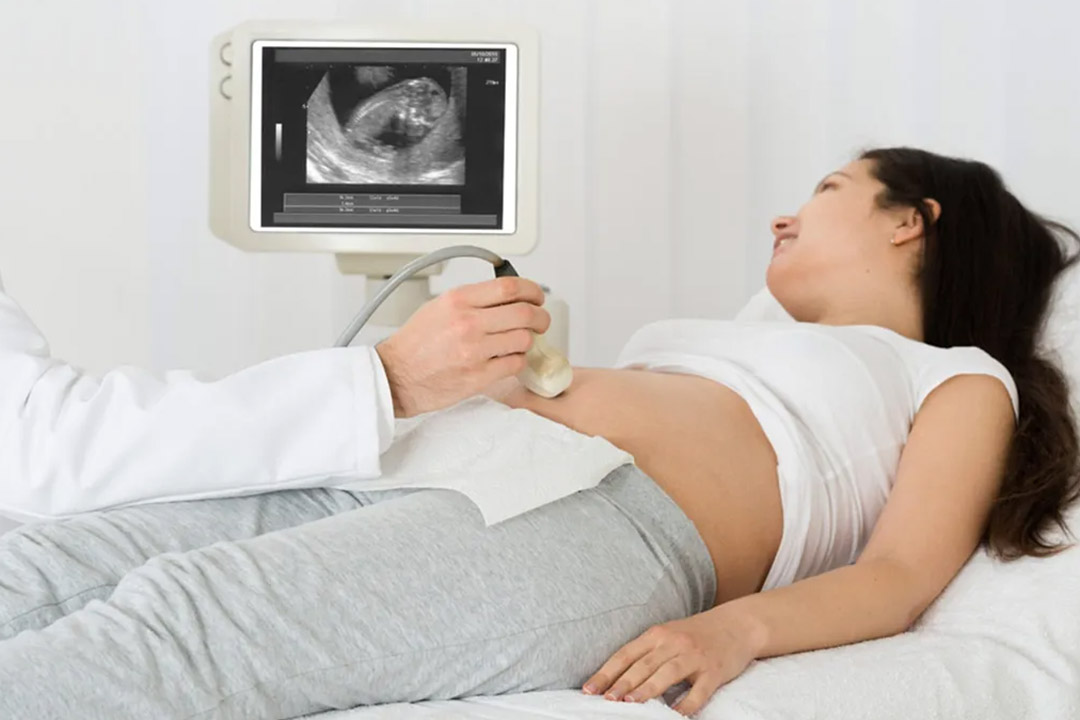
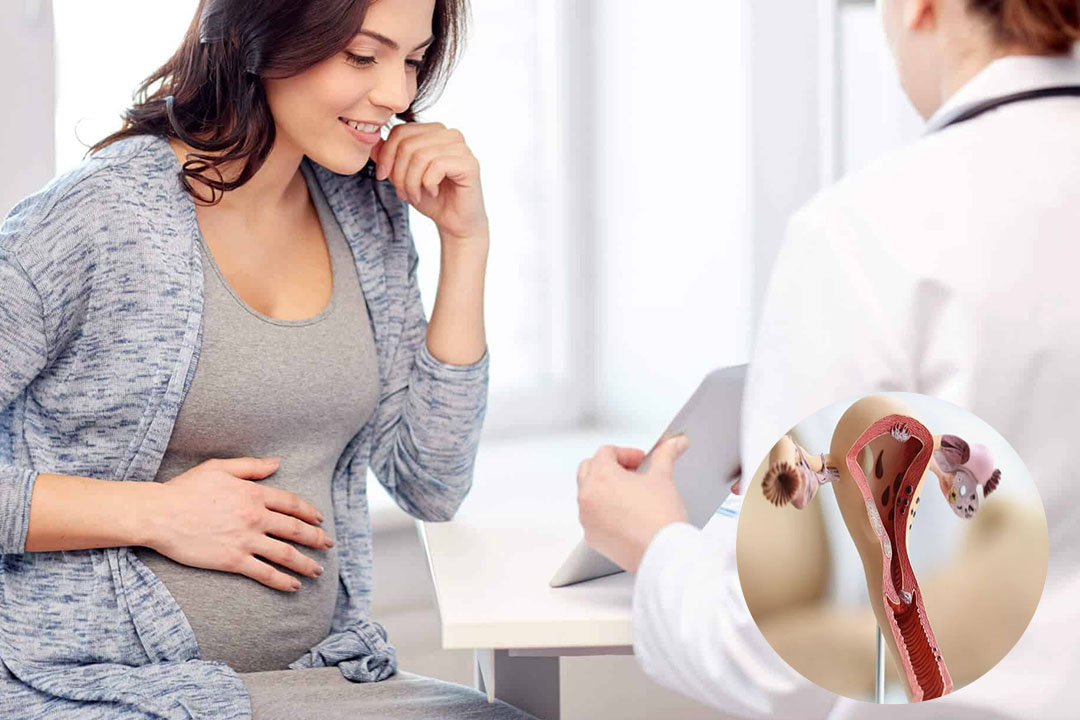
Doctors usually start with a pelvic exam to assess the size and shape of the uterus. If enlargement is detected, imaging tests help confirm the cause.
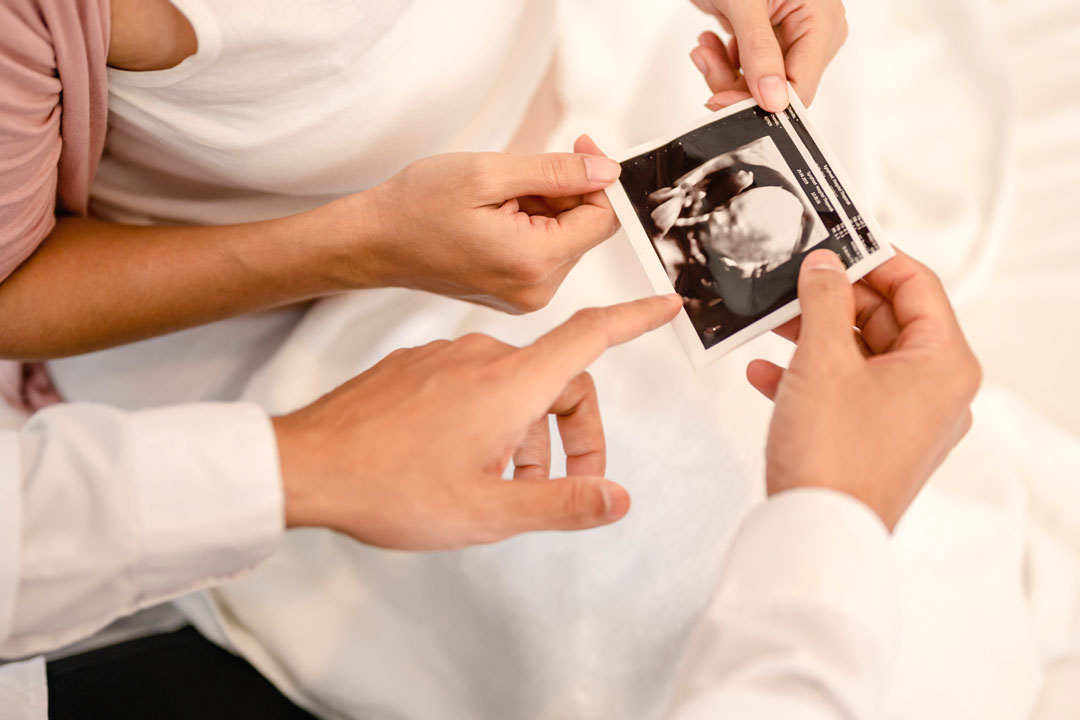
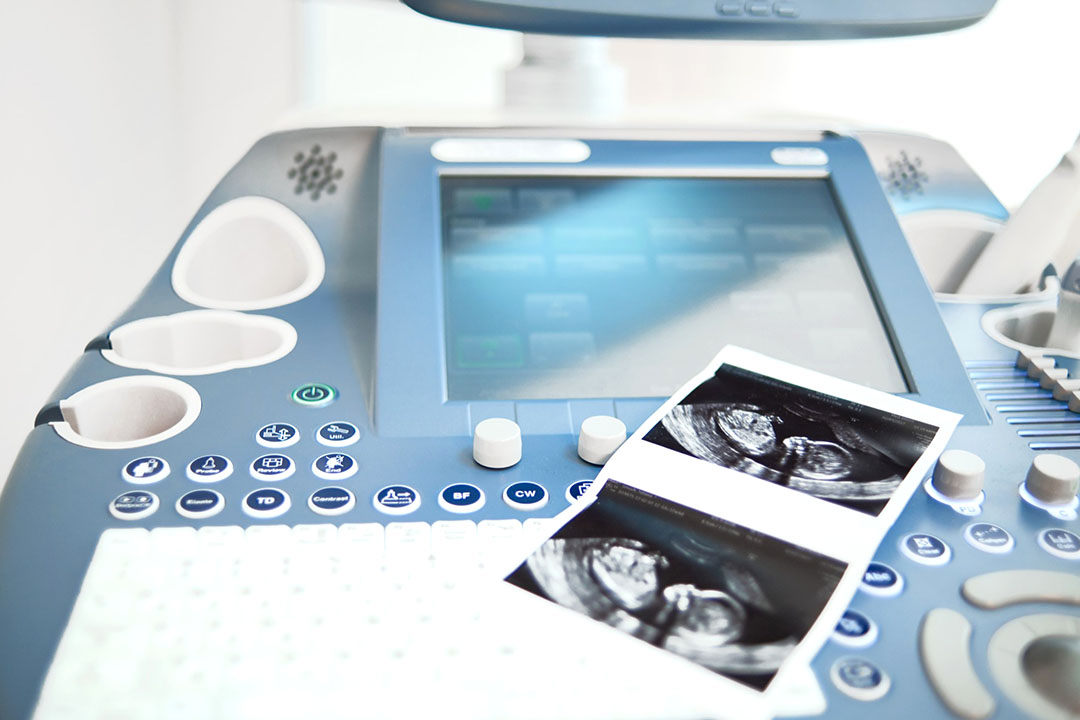
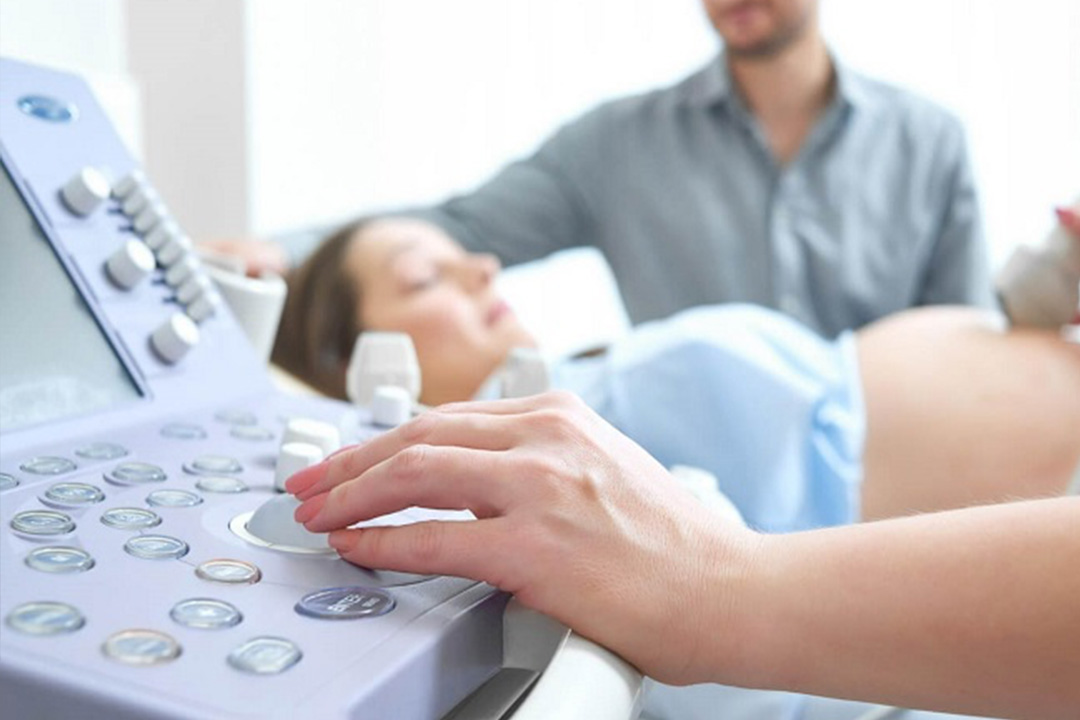
Ultrasound is the most commonly used test. It allows visualization of fibroids and helps estimate their size and location. In some cases, additional imaging may be recommended for more detailed evaluation.
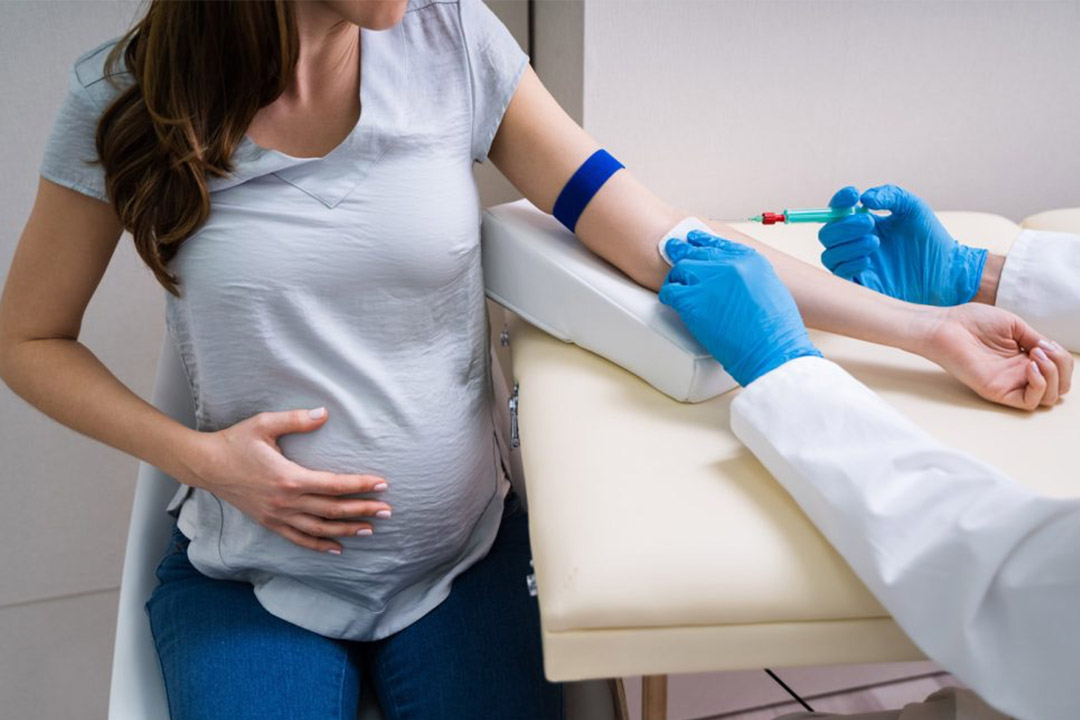
Blood tests may also be done to check for anemia if heavy bleeding is present. Early diagnosis helps in choosing the most appropriate treatment and avoiding complications.
Do Fibroids Always Need Treatment?
No, fibroids do not always require treatment. If they are small and do not cause symptoms, doctors may suggest regular monitoring instead of active intervention.
Treatment becomes necessary when fibroids cause pain, heavy bleeding,
fertility issues, or pressure symptoms that interfere with daily life. The decision depends on age, symptom severity, desire for future pregnancy, and overall health.
Treatment Options for Uterine Fibroids
Treatment for fibroids focuses on relieving symptoms, reducing fibroid size, or removing them entirely. The approach varies from woman to woman.
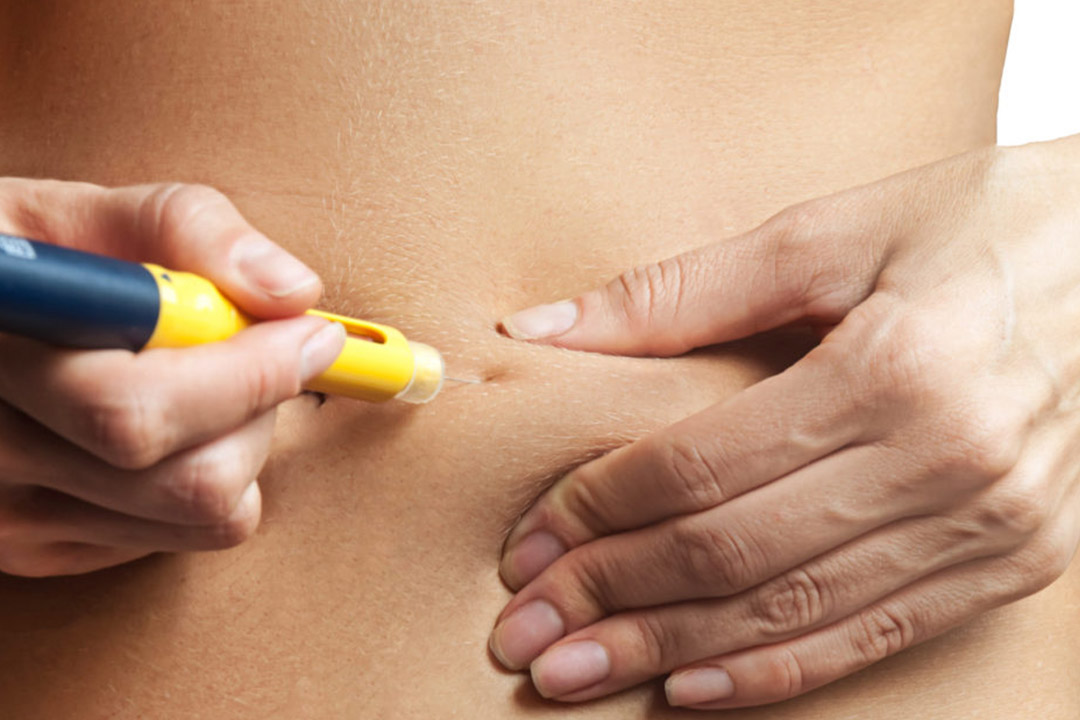
- Medications: Medications do not eliminate fibroids but can help manage symptoms. Hormonal treatments may reduce heavy bleeding and pelvic pain. Pain relievers may help with discomfort during periods.
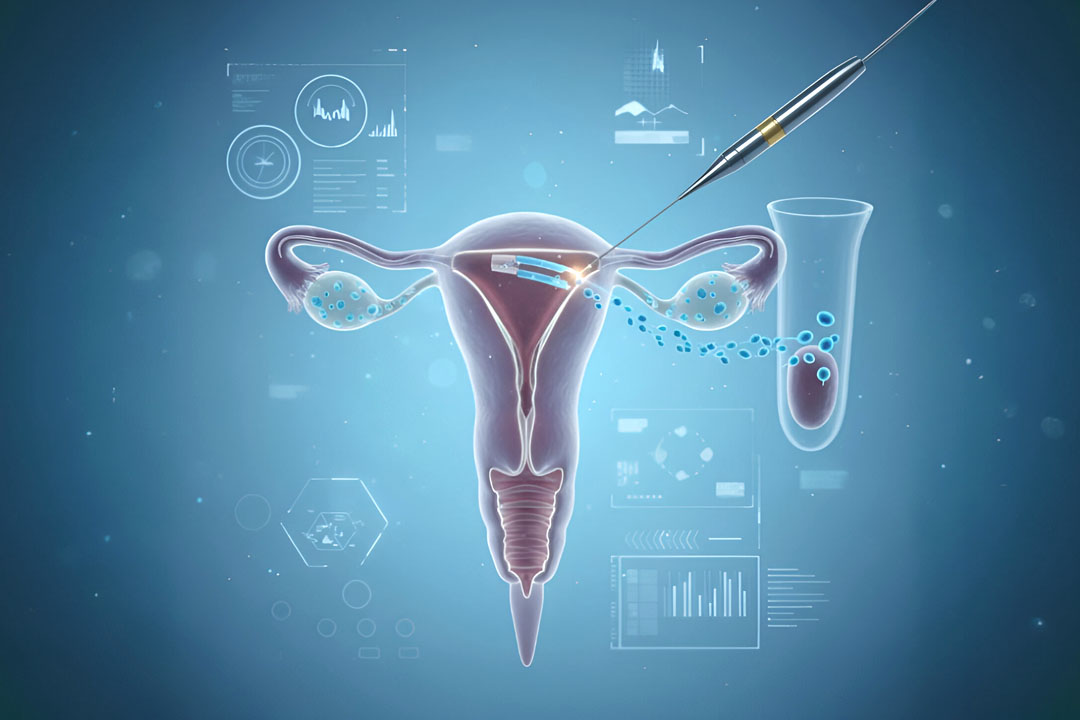
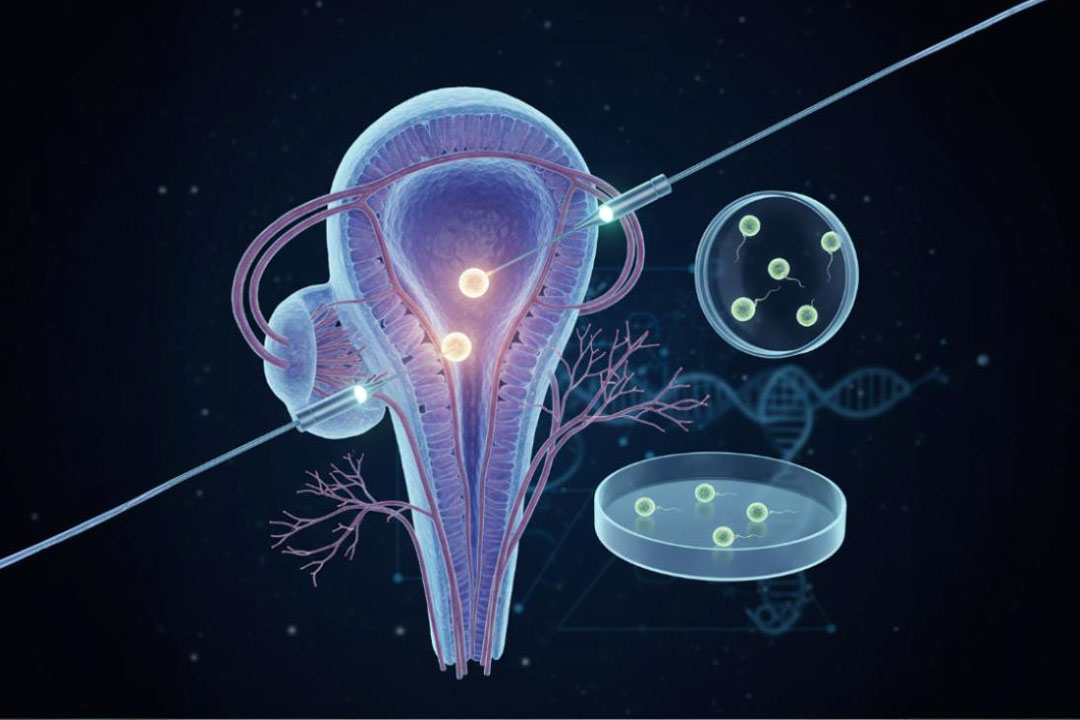
- Non surgical procedures: Some treatments aim to shrink fibroids by cutting off their blood supply. These procedures preserve the uterus and may suit women who want to avoid surgery.
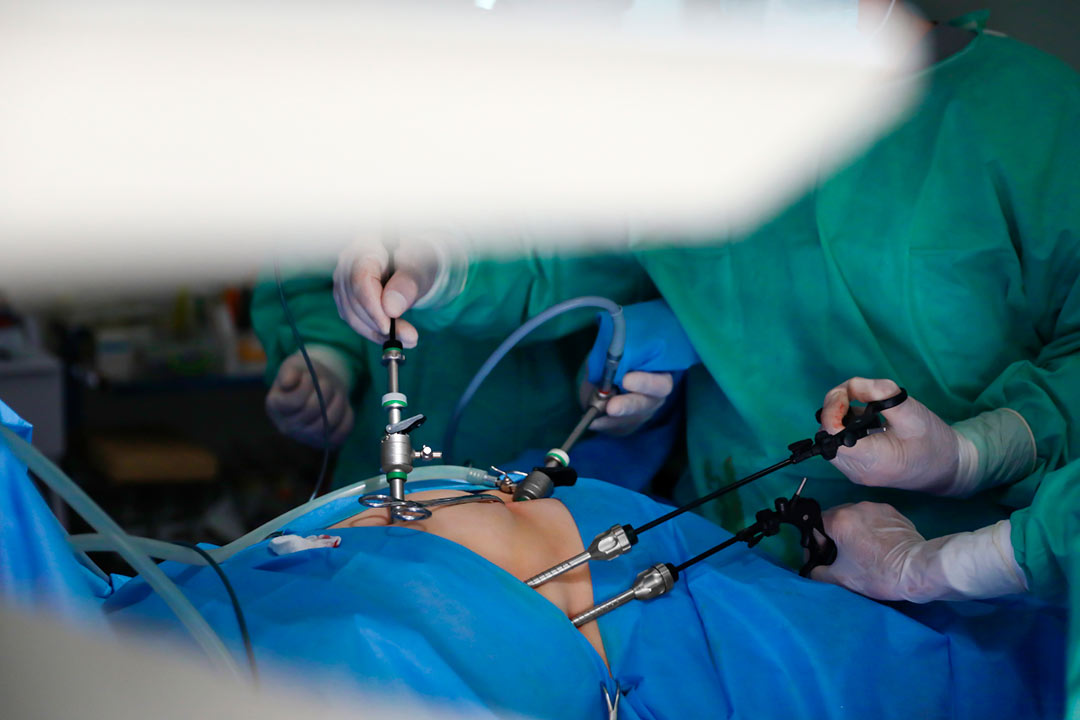
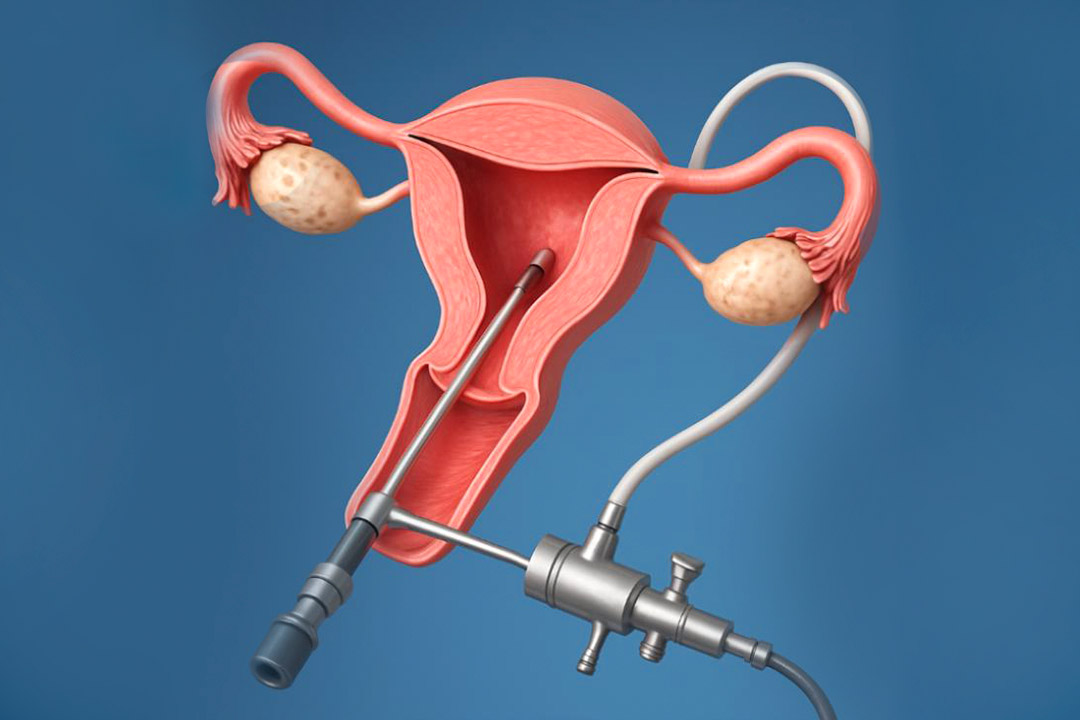
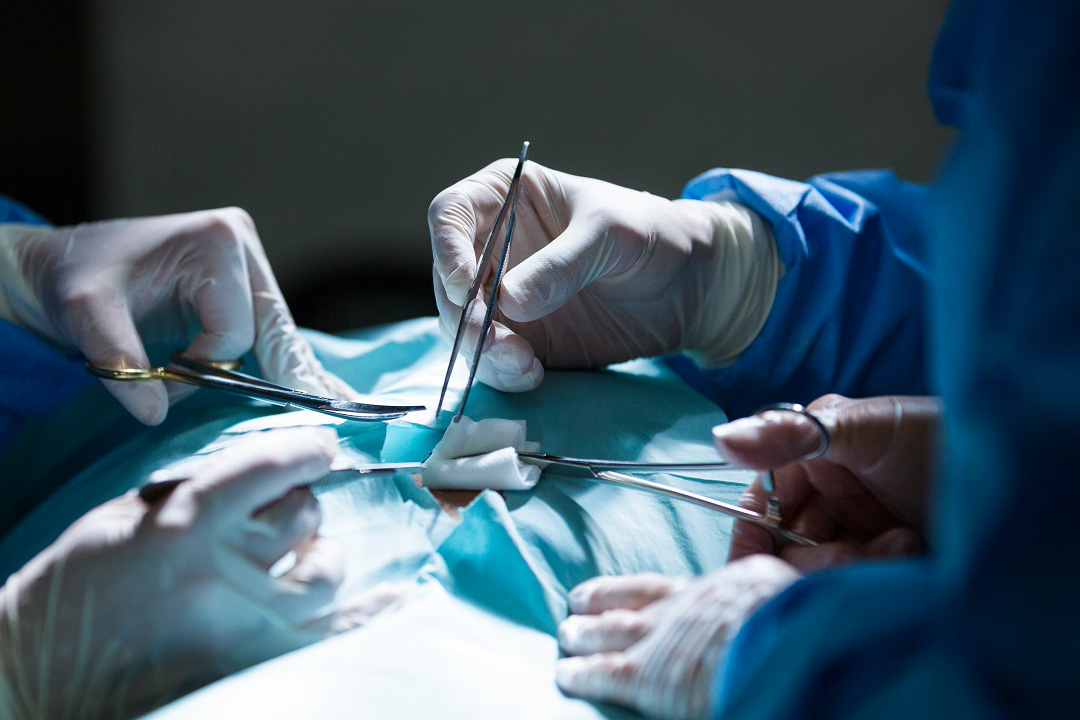
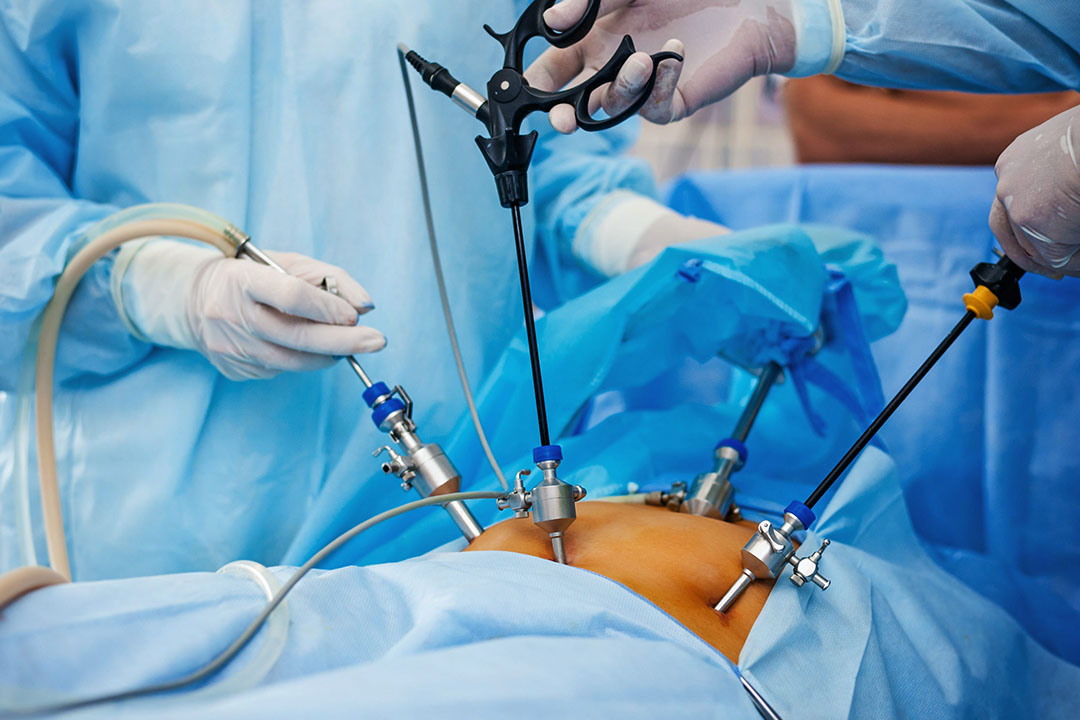
- Minimally invasive surgery: Procedures that remove fibroids while keeping the uterus intact are available. These options often involve smaller incisions and shorter recovery times.
- Surgical removal of the uterus: In severe cases where symptoms are intense and other treatments have failed, removing the uterus may be considered. This option ends menstrual bleeding and eliminates fibroids permanently but is not suitable for women who want future pregnancies.
Each treatment has benefits and limitations. A detailed discussion with a healthcare provider helps determine the best choice.
Fibroids and Fertility: What You Should Know
Fibroids can affect fertility depending on their size and location. Submucosal fibroids are more likely to interfere with implantation or cause pregnancy complications. Many women with fibroids still conceive naturally and have healthy pregnancies.
If fibroids cause infertility or repeated pregnancy loss, treatment options that preserve fertility are available. Early evaluation improves outcomes for women planning a pregnancy.
When Should You See a Doctor?
You should seek medical advice if you experience unusually heavy periods, persistent pelvic pain, rapid abdominal growth, difficulty emptying your bladder, or symptoms of anemia such as fatigue or dizziness.
Early consultation allows timely diagnosis and a wider range of treatment options. Ignoring symptoms may lead to worsening discomfort or complications over time.
Frequently Asked Questions
Can fibroids turn into cancer?
Fibroids are almost always non cancerous. Malignant transformation is extremely rare.
Will fibroids go away on their own?
Fibroids may shrink after menopause due to lower hormone levels. During reproductive years, they usually remain stable or grow slowly.
Can fibroids cause weight gain?
Fibroids themselves do not cause true weight gain, but large fibroids can increase abdominal size and cause bloating.
Can I get pregnant if I have fibroids?
Many women with fibroids conceive naturally. Fertility depends on fibroid size and location.
Is surgery the only permanent solution?
Surgery offers a permanent solution, but many women manage symptoms effectively with other treatments.
How much does fibroid treatment cost in India?
The cost varies widely depending on the type of treatment. It can range from a few thousand INR for medications to higher amounts for surgical procedures.
Conclusion
An enlarged uterus without pregnancy can feel alarming, but in many cases, the cause is manageable. Uterine fibroids remain one of the most common and treatable reasons for this condition. With early diagnosis, proper monitoring, and a personalized treatment plan, most women find relief from symptoms and maintain a good quality of life.
This enlargement can happen gradually, which is why many women do not notice it immediately. Some discover it only during a medical exam, while others become aware because of symptoms like pelvic pressure or unusually heavy periods. An enlarged uterus is not a disease on its own but a sign that something else is happening inside the body.
About Us
AKsigen IVF is a premier center for advanced fertility treatments, with renowned fertility experts on our team. Specializing in IVF, ICSI, egg freezing, and other cutting-edge reproductive technologies, AKsigen IVF is committed to helping couples achieve their dream of parenthood. With personalized care and a patient-first approach, AKsigen IVF provides comprehensive fertility solutions under one roof.