Spotting Before Period: Causes, Symptoms & When to Worry
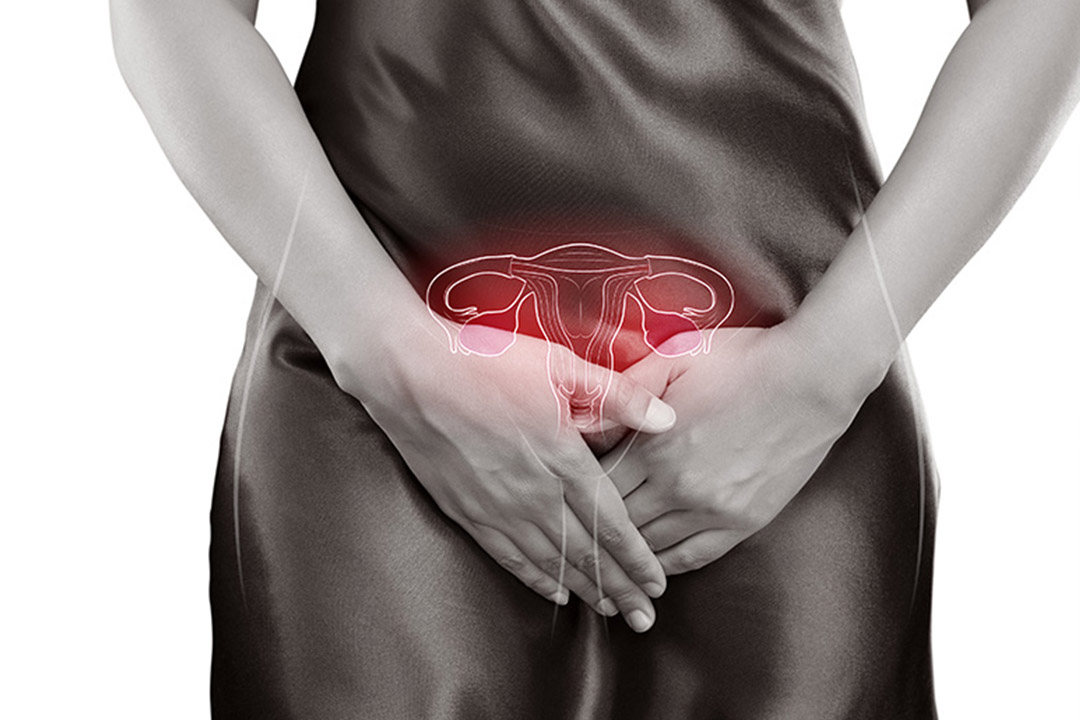
Spotting is a common experience for many women, yet it often causes confusion and anxiety. Seeing light bleeding when you are not expecting your period can raise many questions about hormones, pregnancy or underlying health issues.
Spotting may appear before your period starts, after it ends, between cycles or sometimes instead of a full menstrual flow. Spotting might be concerning, but it's usually caused by normal changing hormones rather than a dangerous illness. Menstrual cycles can be influenced by a variety of factors, including stress, lifestyle choices, changes in contraception and other reproductive health conditions.
You can respond with clarity rather than anxiety if you know what spotting before a period implies and how it varies from a regular cycle. The following article provides a useful explanation of spotting, including causes, patterns, available treatments and indicators that require medical care.
What Is Spotting and How Is It Different From a Period?
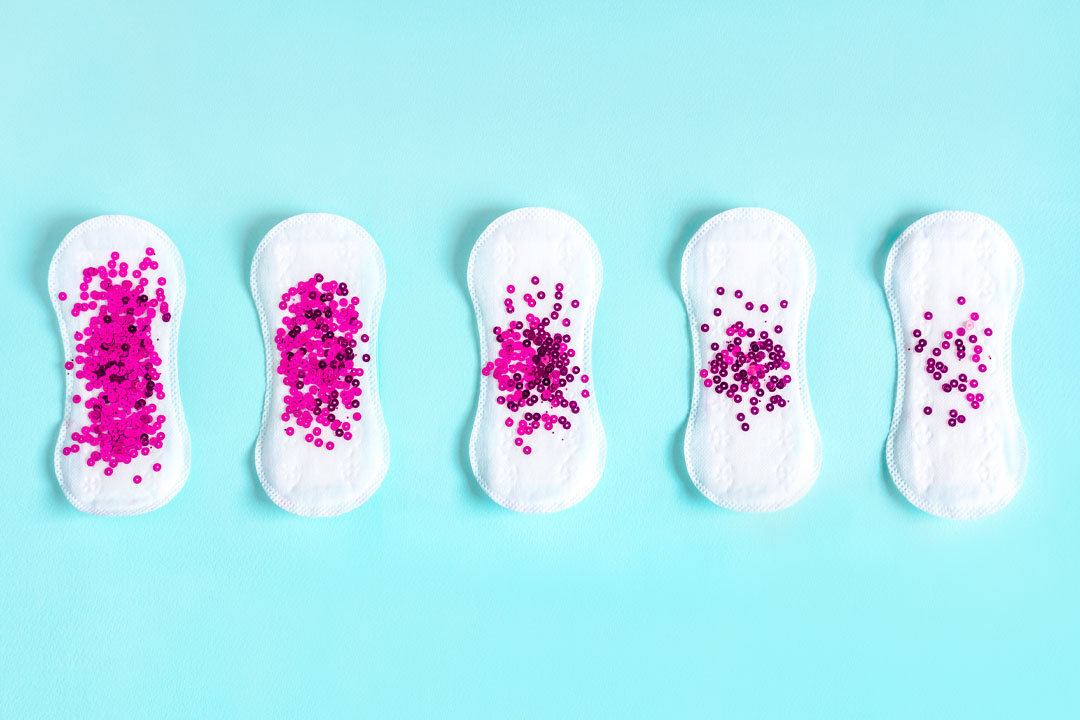
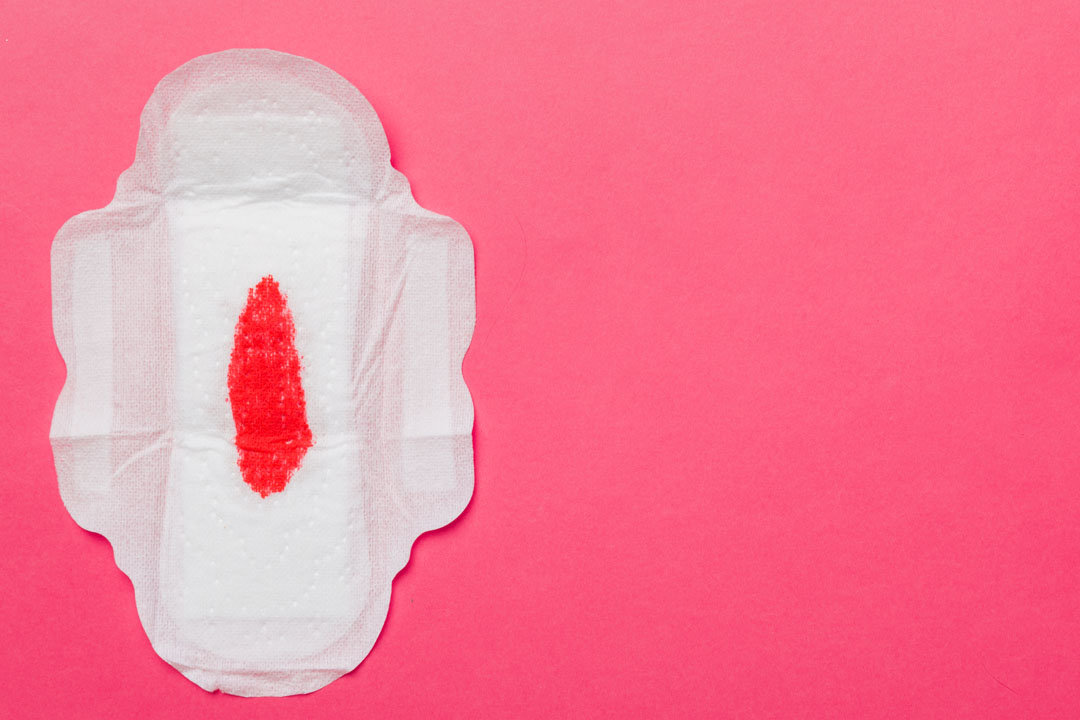
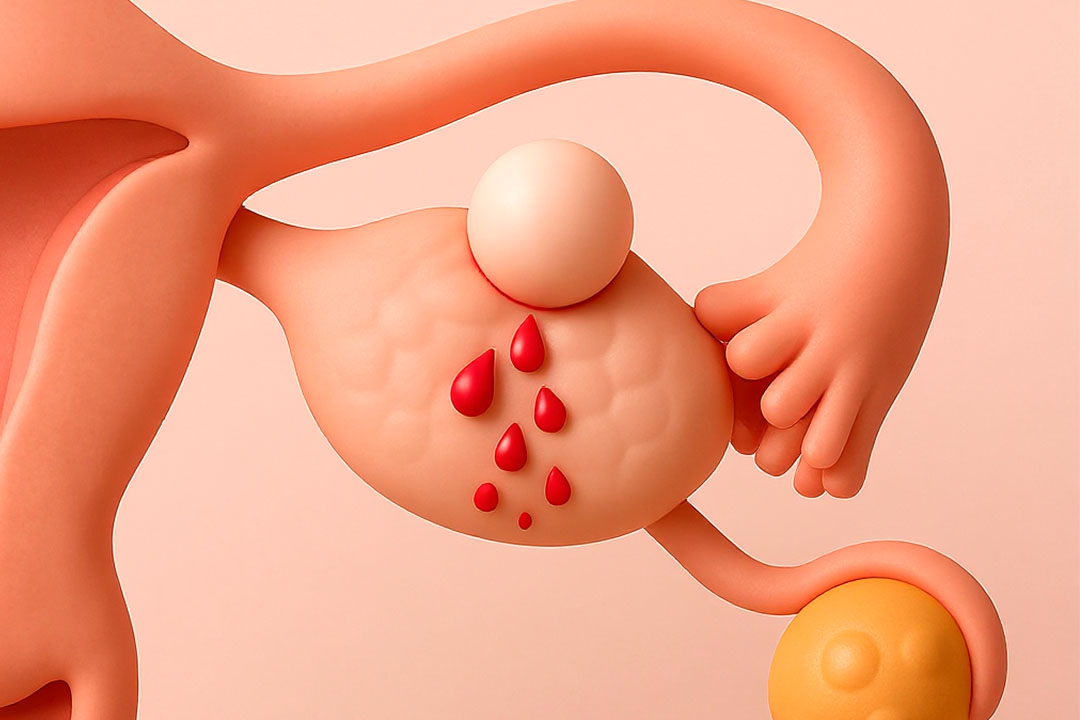
Spotting refers to light vaginal bleeding that is much lighter than a regular menstrual period. It usually appears as a few drops of blood or light discharge that does not require pads or tampons. The color may range from pink or red to dark brown. A period, on the other hand, involves a heavier flow, lasts several days and follows a predictable pattern each month.
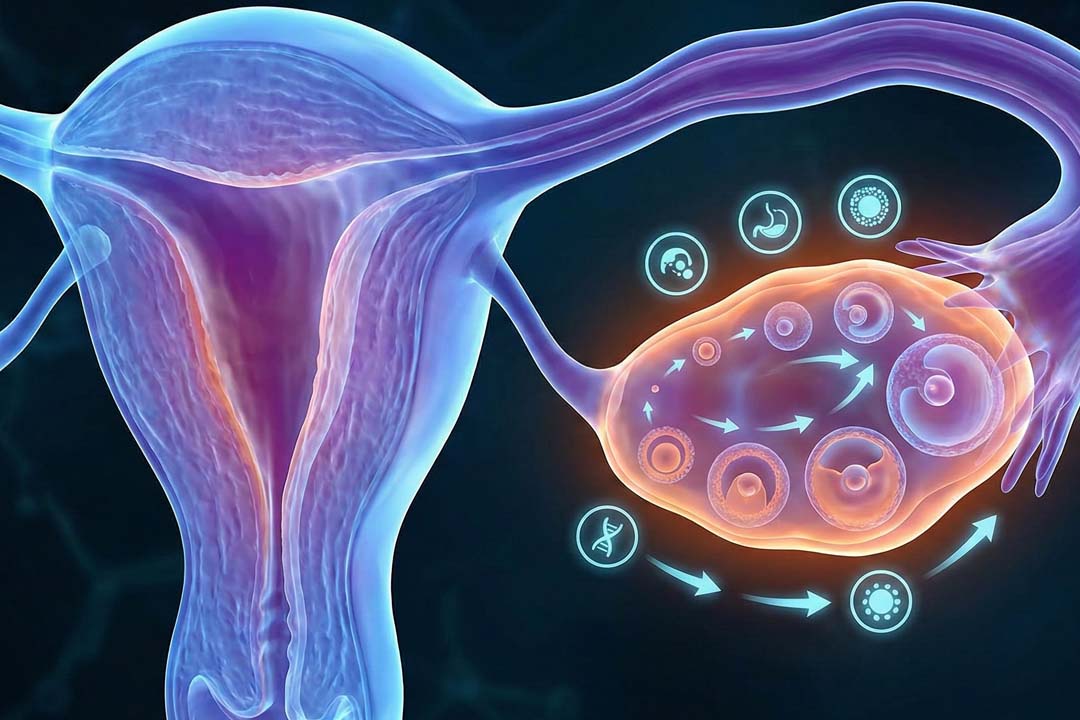
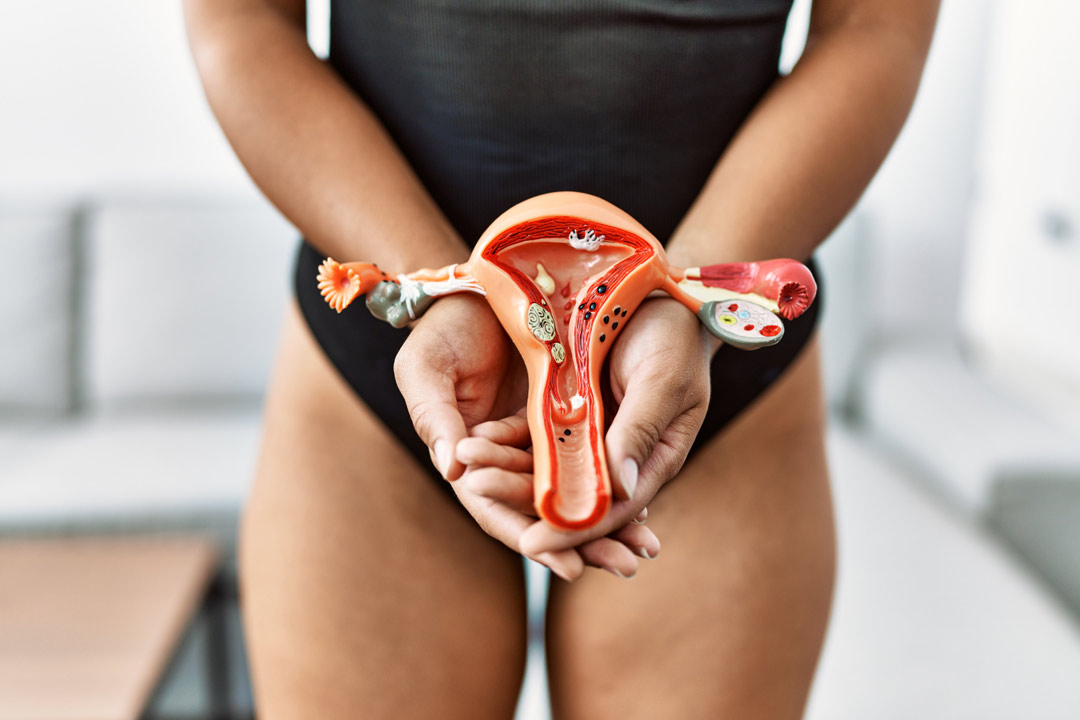
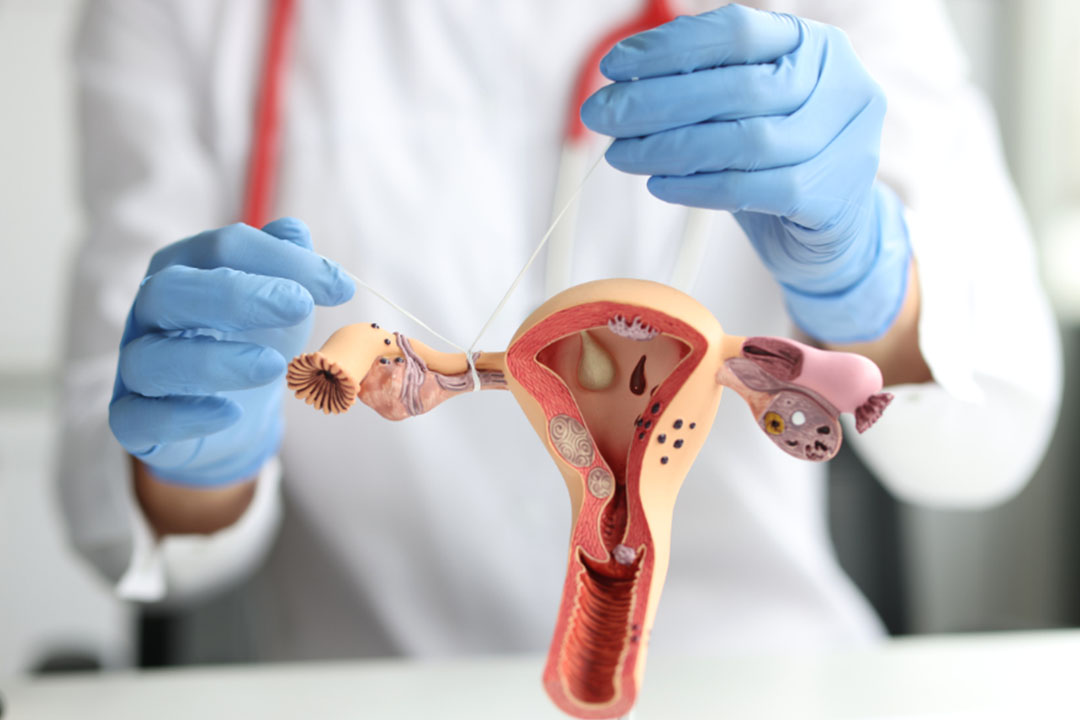
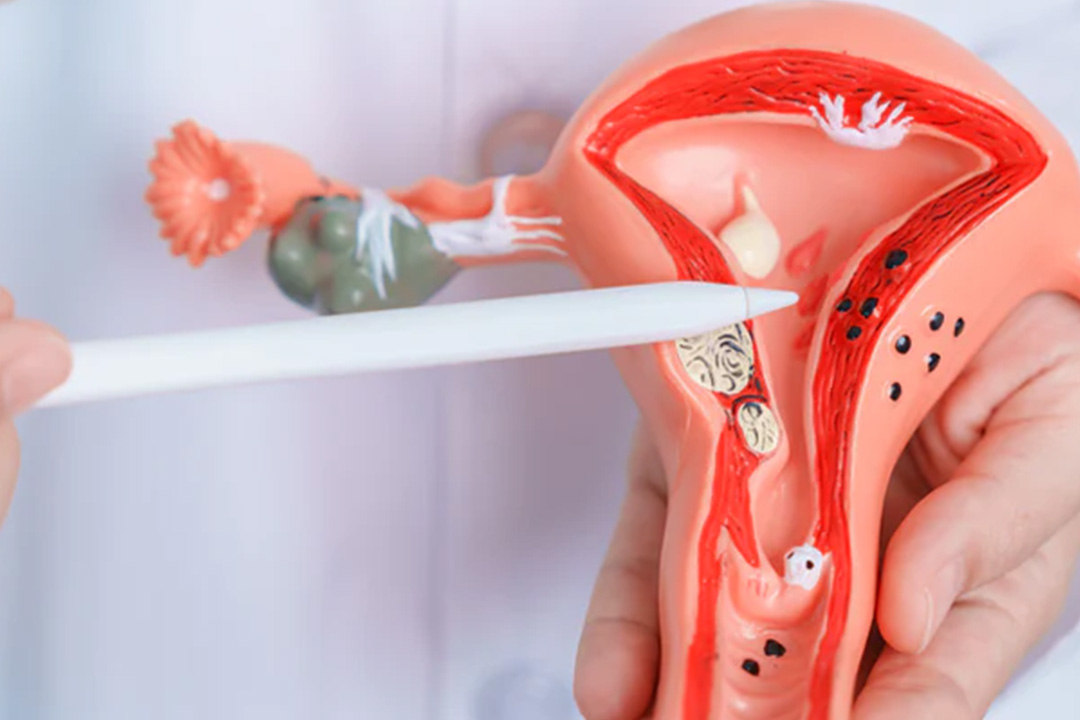
Spotting occurs when a small amount of the uterine lining sheds outside the normal menstrual schedule. Blood spotting before a period is especially common because hormone levels naturally fluctuate as the body prepares for menstruation. These changes may cause the uterus to release a small amount of blood earlier than expected.
Is Spotting Before Period Normal?
Spotting before a period can be normal when it happens occasionally and resolves on its own. Many women experience light bleeding one or two days before their period starts. This often happens due to slight drops in progesterone levels just before menstruation begins.
Spot bleeding before period may also appear during times of emotional stress, lack of sleep or physical exhaustion. Travel, dietary changes and intense exercise can also affect hormone balance. If spotting before a period does not come with pain, heavy bleeding or foul smell, it is usually not a cause for concern.
Blood Spotting Before Period and What It Indicates
Blood spotting before the period may appear red or pink, suggesting fresh bleeding. This often results from fragile blood vessels in the uterine lining responding to hormonal shifts. In some women, ovulation changes or mild cervical irritation can also cause light bleeding.
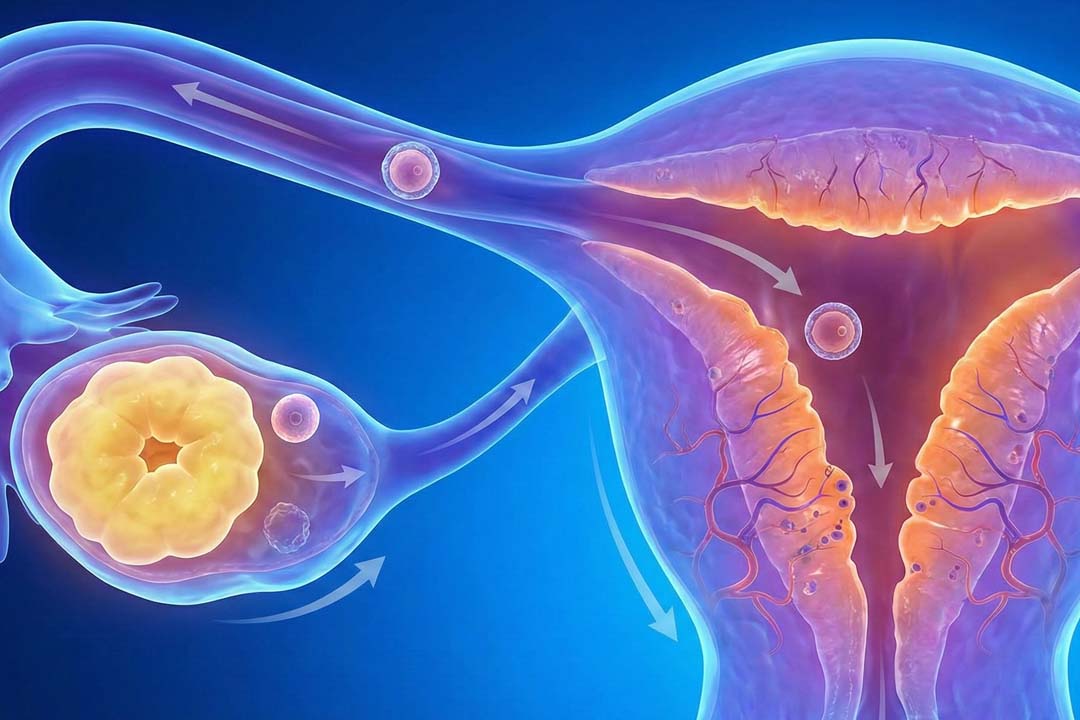
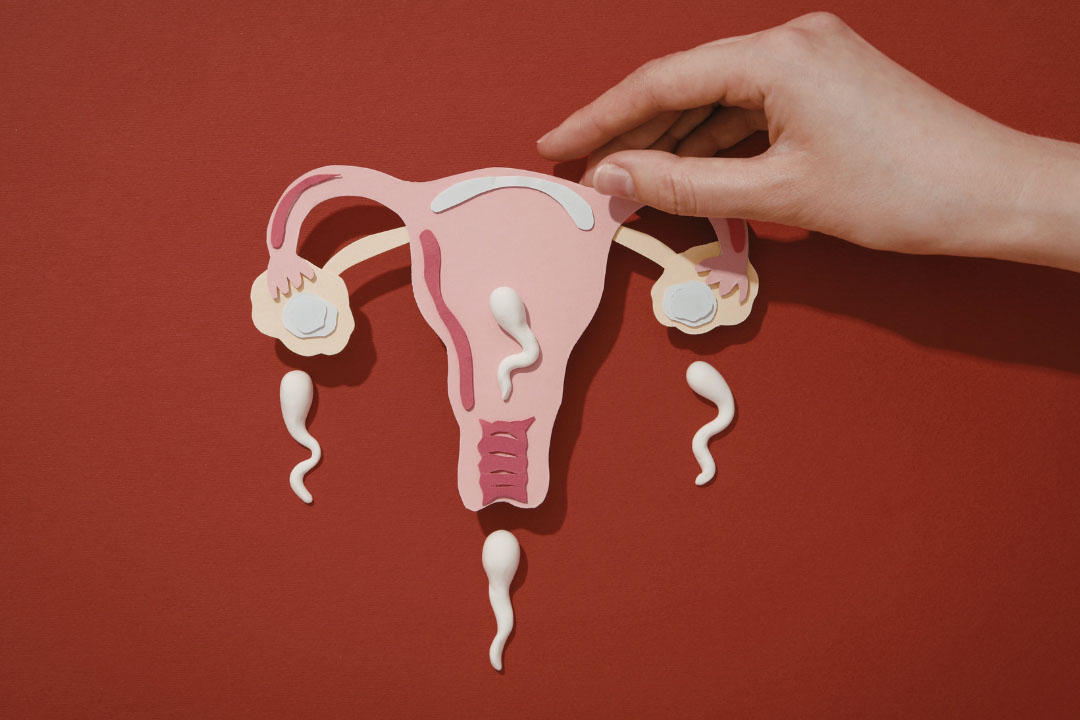
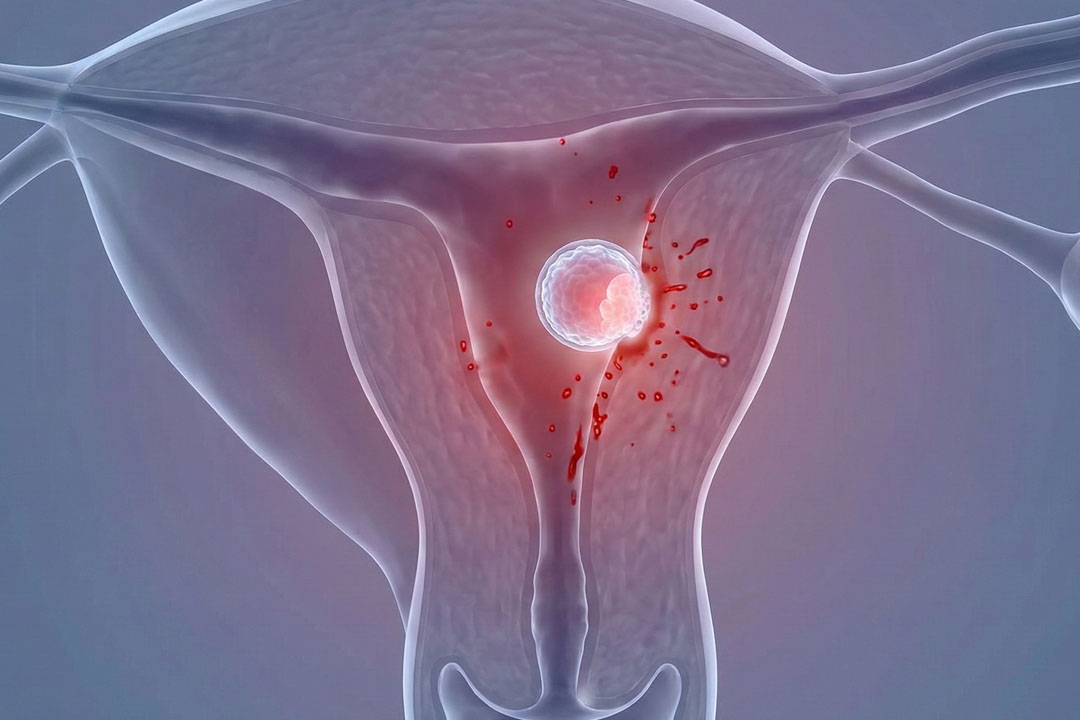
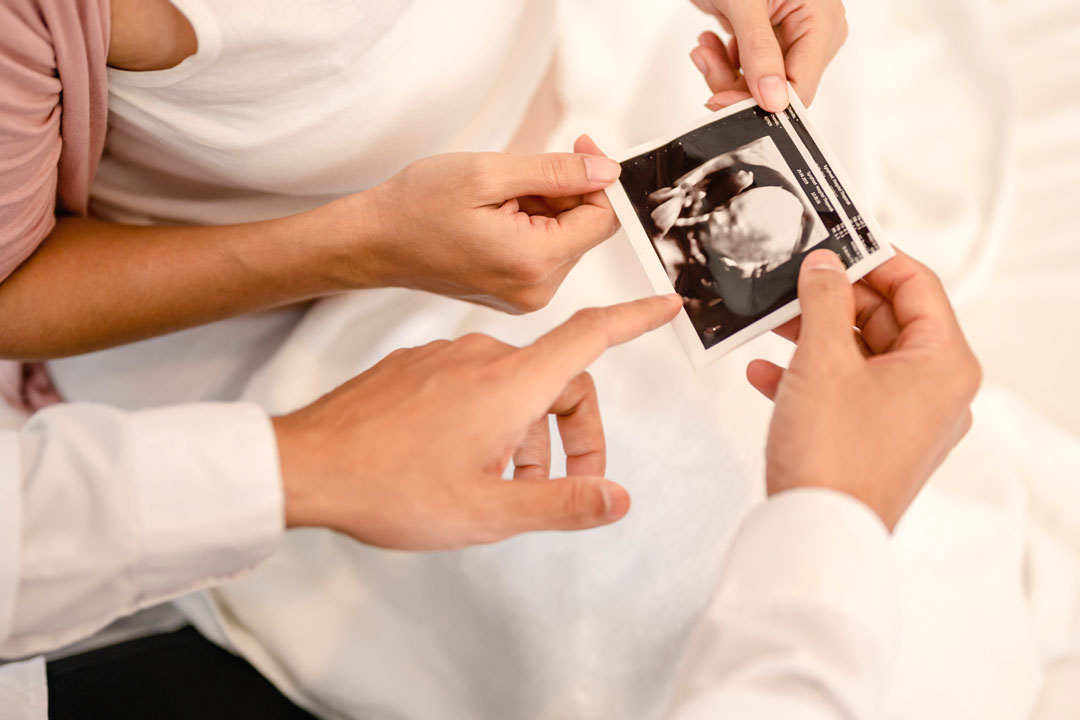
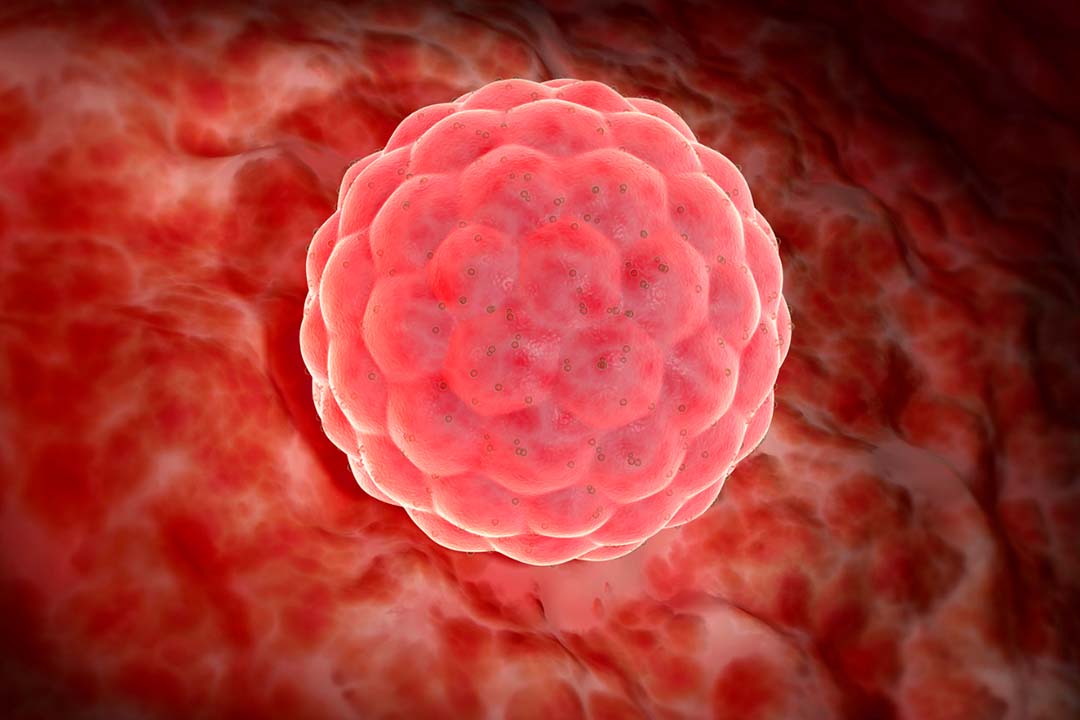
Blood spotting before the period can also occur in early pregnancy due to implantation, which happens when a fertilized egg attaches to the uterine lining. Implantation spotting is usually light and short lived and does not resemble a full period.
Repeated episodes of blood spotting before period should be discussed with a doctor to rule out hormonal imbalance or cervical conditions.
Brown Spotting Before Period: What Does It Mean?
Brown spotting before the period usually represents old blood that has taken longer to leave the uterus. As blood ages, it darkens, giving it a brown or dark discharge appearance. This type of spotting is very common and often harmless.
Brown spotting before a period may occur when the uterus sheds leftover blood from the previous cycle or when hormone levels fluctuate slightly. If brown spotting lasts one or two days and your regular period follows, it is generally considered normal.
Persistent brown spotting before period or brown spotting between periods may indicate hormonal imbalance, uterine polyps or mild infections and should not be ignored.
Spotting When Period Is Due but No Period
Spotting when a period is due but no period can feel confusing and stressful. This situation often occurs when ovulation is delayed or skipped. Without ovulation, the hormonal signals needed for a full menstrual flow may not occur, leading to light spotting instead.
Other possible causes include stress related hormone disruption, thyroid imbalance, recent illness or early pregnancy. Some women also experience this pattern during perimenopause when hormone levels become unpredictable.
If spotting replaces your period for more than one cycle, medical evaluation is recommended.
Spotting Instead of Period or Spotting but No Period
Spotting instead of period often suggests that ovulation did not occur normally during that cycle. When ovulation does not happen, progesterone levels remain low, preventing a full buildup of the uterine lining.
Spotting but no period is common in women who recently started or stopped hormonal birth control. Breastfeeding, emergency contraception and conditions like polycystic ovary syndrome can also cause this pattern.
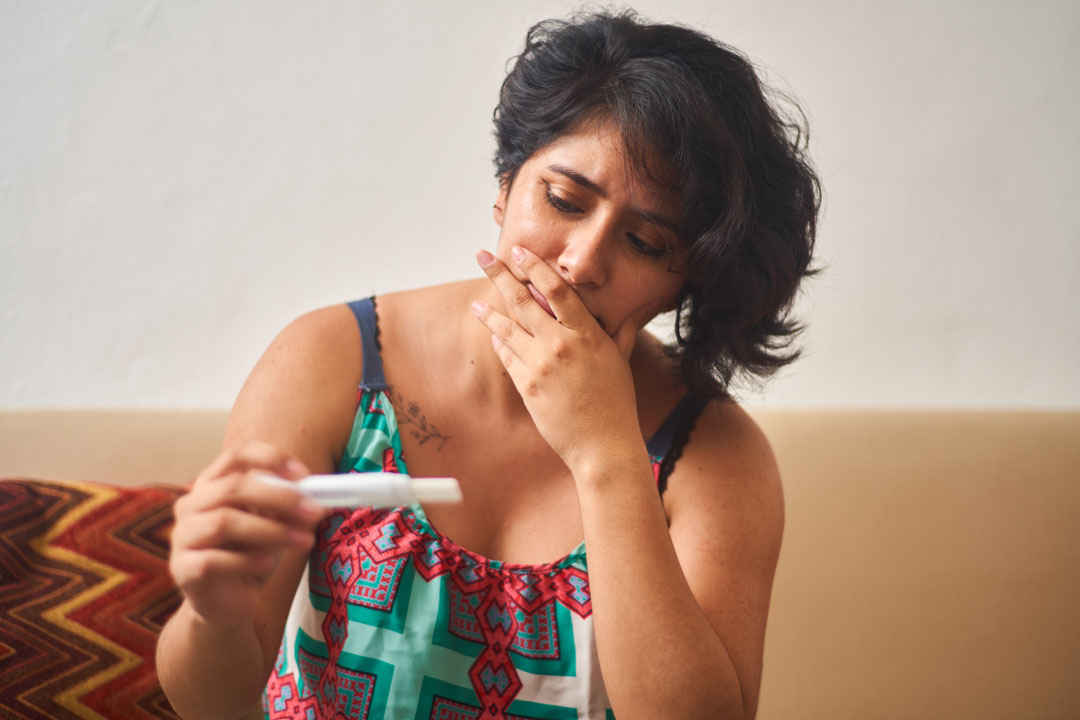
Pregnancy should always be ruled out if your period suddenly stops and spotting occurs instead.
Why is there Spotting 2 Weeks After My Last Period?
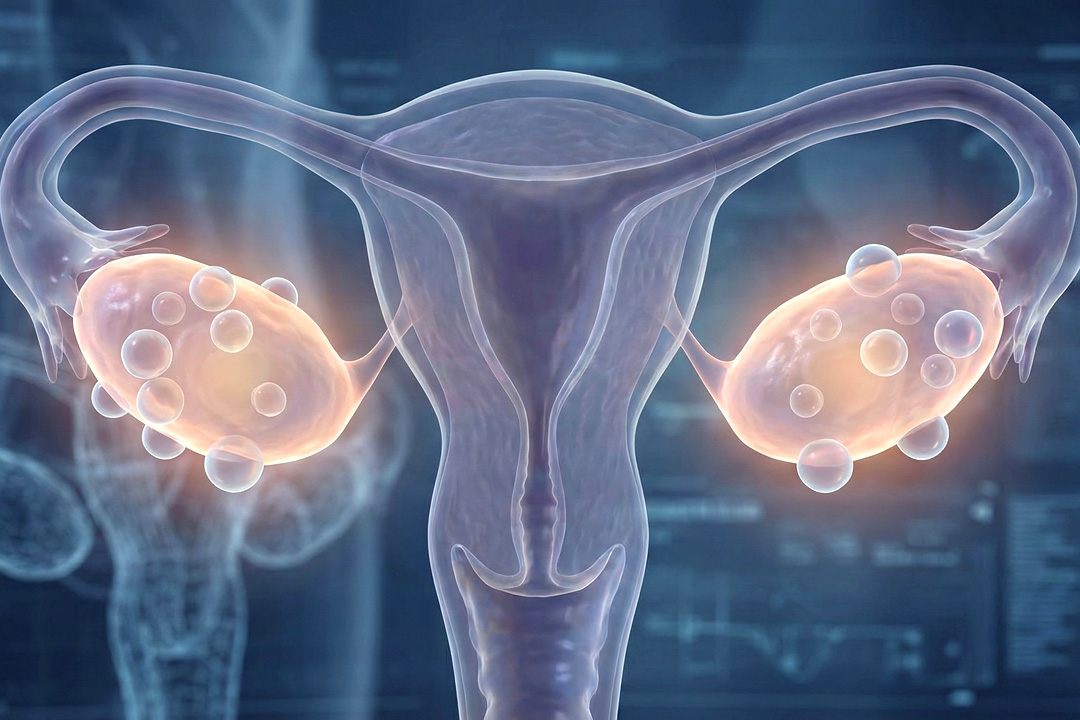
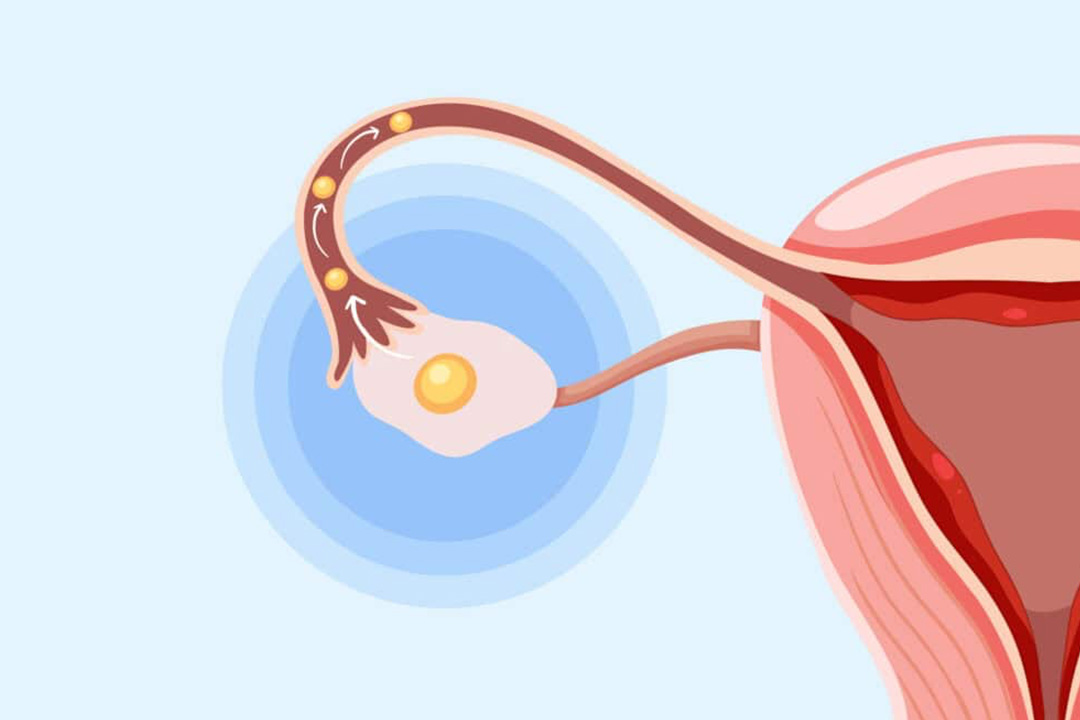
Spotting two weeks after your last period often coincides with ovulation. Ovulation spotting happens when estrogen levels briefly drop as the ovary releases an egg. This type of spotting is usually light, painless and lasts no more than one or two days.
Other causes of mid cycle spotting include cervical sensitivity, hormonal birth control, uterine polyps and mild infections. If spotting occurs regularly mid cycle or becomes heavier, it should be evaluated.
Spotting During Period and Light Menstrual Flow
Spotting during a period refers to very light bleeding instead of a typical menstrual flow. Some women naturally have lighter periods, but sudden changes in flow pattern may signal hormonal imbalance or nutritional deficiencies.
Stress, weight changes and intense exercise can all reduce menstrual flow. Spotting during this period may also occur during early perimenopause when cycles become irregular.
Spotting After Period and Brown Discharge
Spotting after a period is common and often harmless, especially when it appears brown. Brown spotting after a period usually means that leftover blood from menstruation is leaving the uterus slowly.
This type of spotting may last one or two days after your period ends. Brown spotting after a period is usually not a concern unless it happens frequently or lasts longer than expected.
Brown Spotting Between Periods
Brown spotting between periods often points to old blood or slow bleeding caused by hormonal fluctuations. It may occur after delayed ovulation or mild uterine irritation.
If brown spotting between periods happens repeatedly, it may indicate uterine fibroids, polyps or infection and requires medical assessment.
Reasons for Spotting After Period
There are several reasons for spotting after period, including:
- Hormonal imbalance
- Irregular ovulation
- Cervical inflammation
- Vaginal infections
- Intrauterine devices
- Stress and fatigue
- Uterine polyps or fibroids
Diagnosis and Medical Evaluation
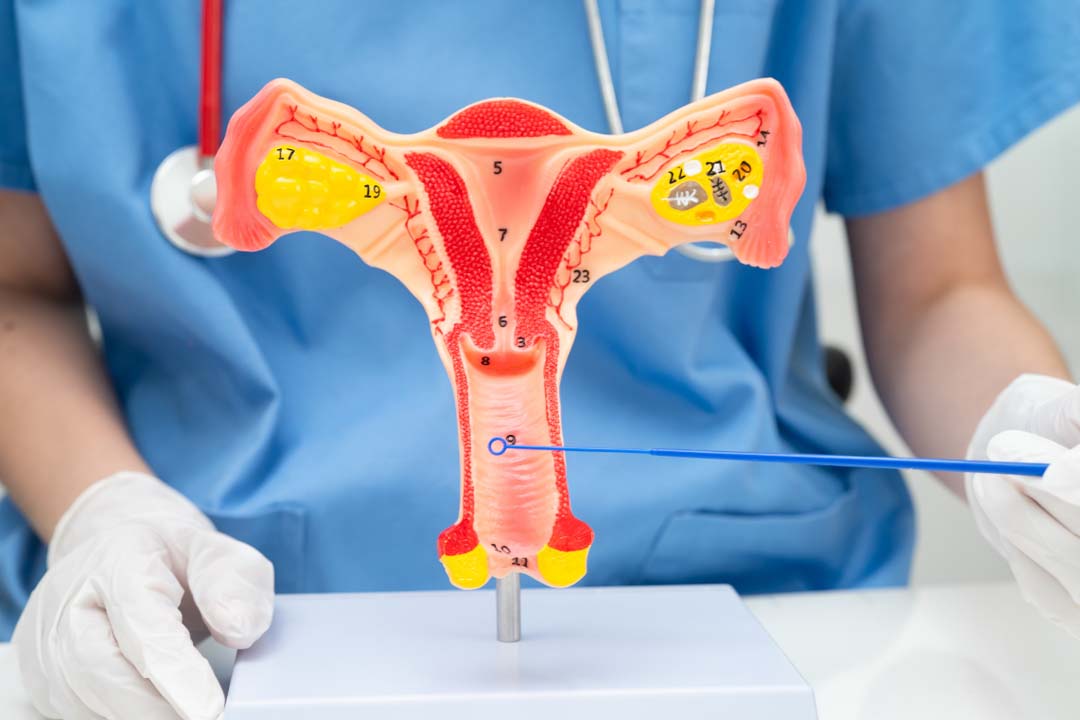
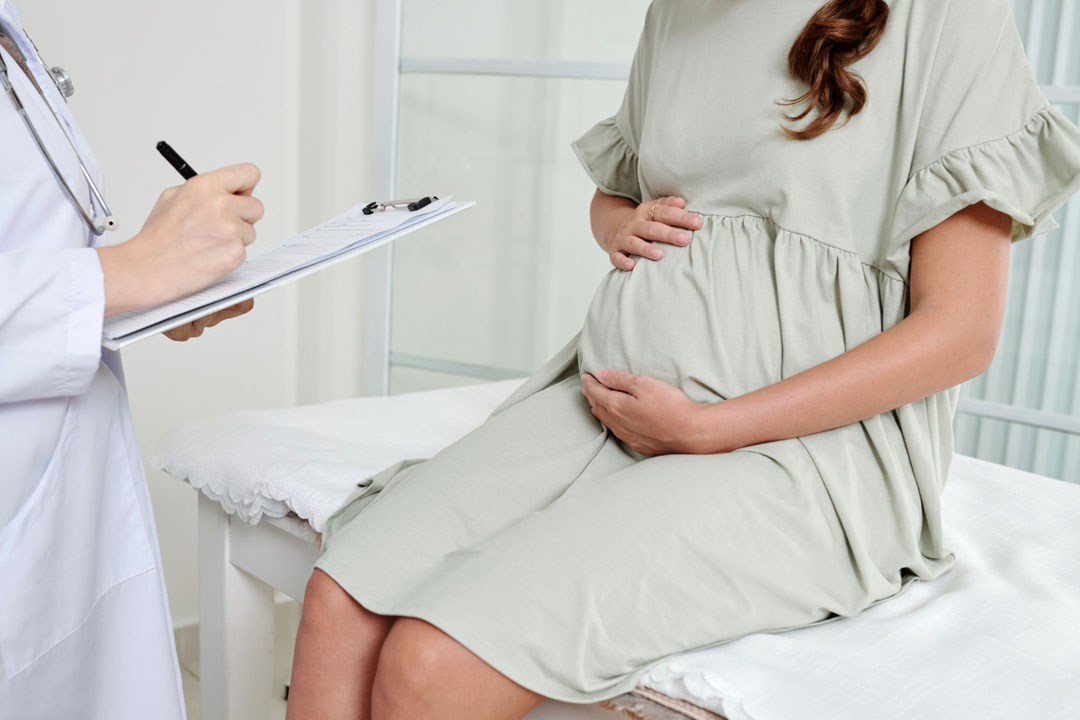
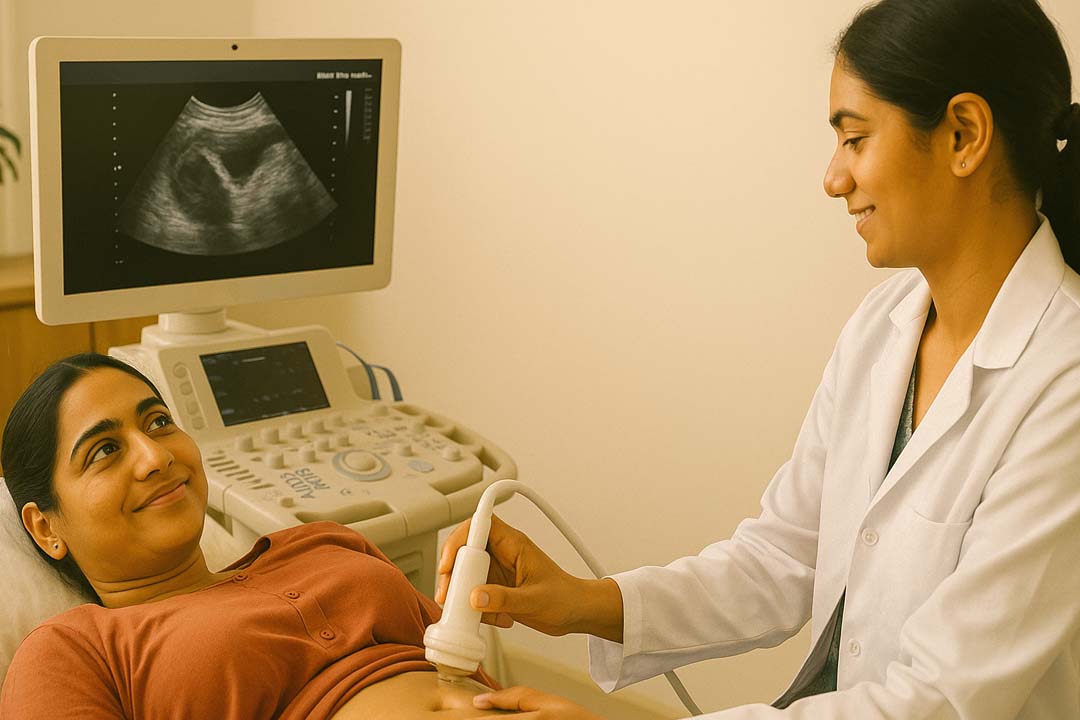
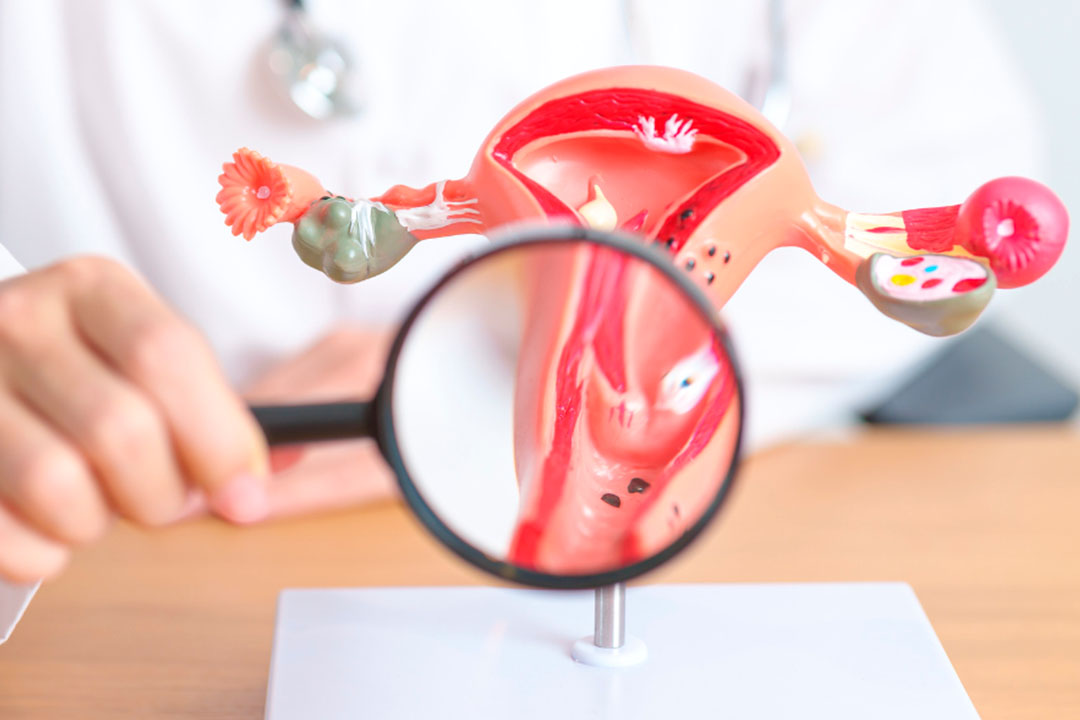
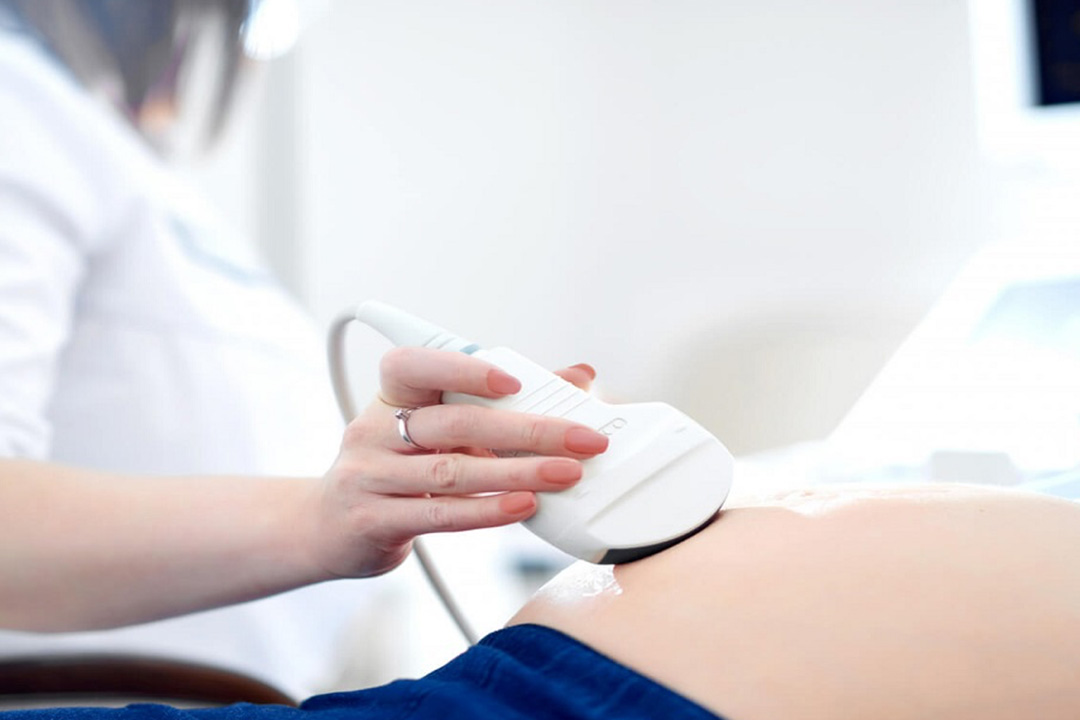
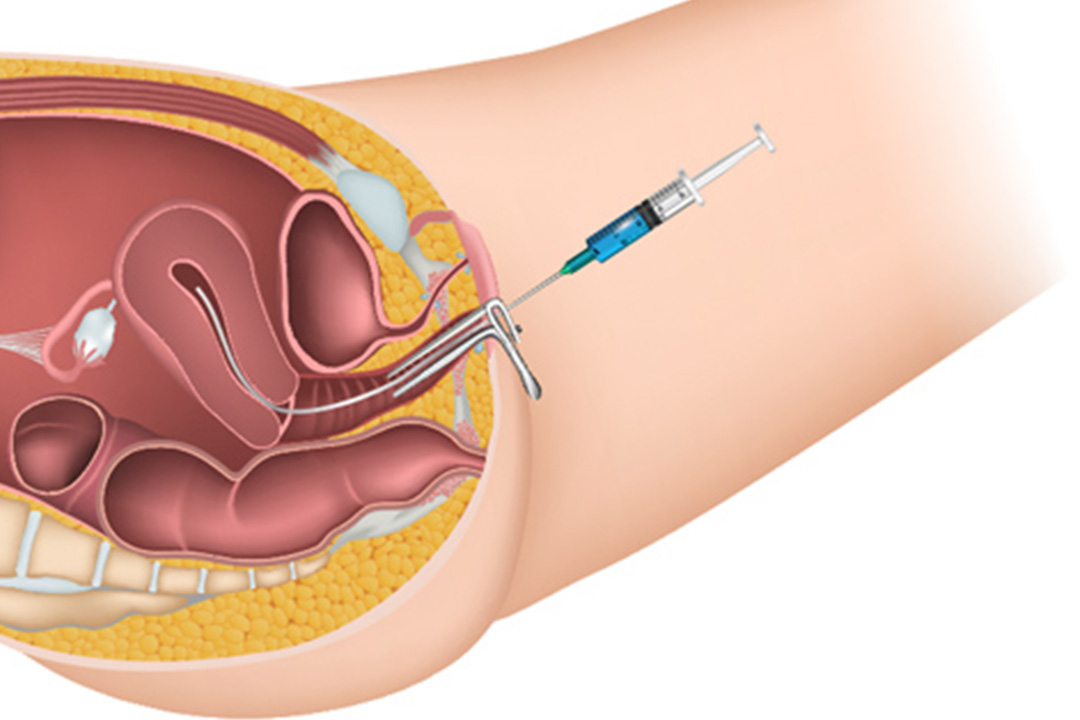
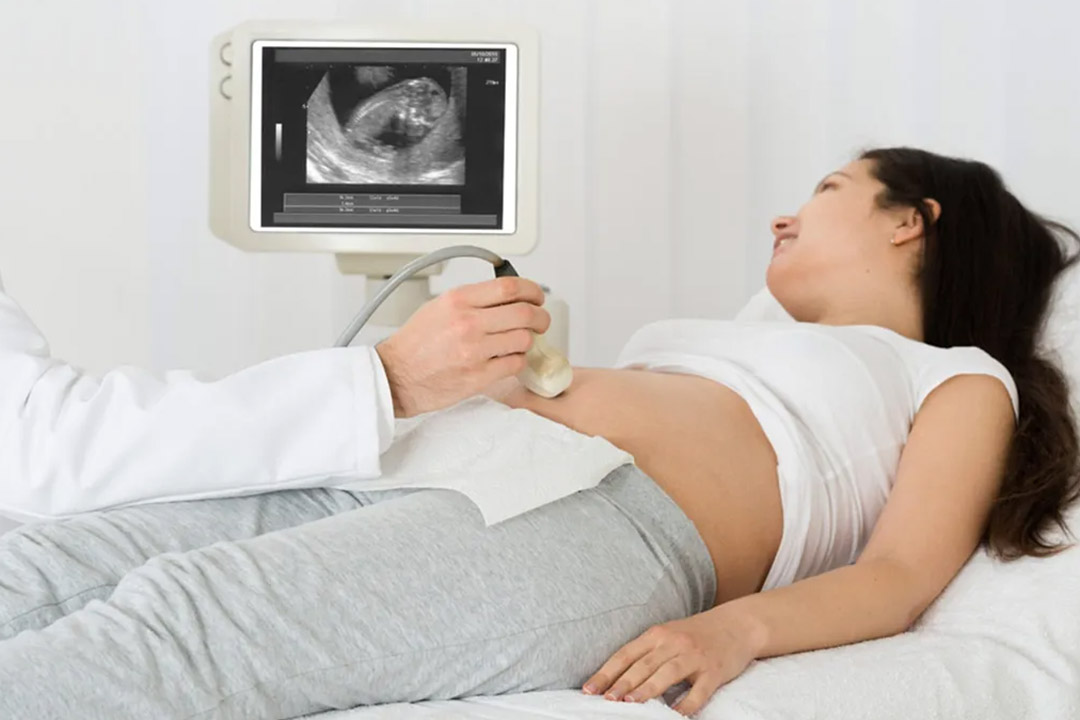
Doctors usually focus on identifying the reason for spotting rather than treating bleeding alone. Evaluation may include a pregnancy test, blood tests to check hormone levels, pelvic ultrasound and cervical screening. Early diagnosis helps prevent complications and provides reassurance.
Treatment Options for Spotting
Treatment depends on the cause and severity of spotting. Common approaches include:
- Hormonal therapy to regulate cycles
- Medication to treat infections
- Thyroid treatment if imbalance is detected
- Iron supplements for anemia
- Adjusting or changing contraceptive methods
How to Stop Spotting After Period Naturally and Medically
Lifestyle changes play an important role in menstrual health. Maintaining a balanced diet, managing stress and getting adequate sleep support hormonal balance. Regular physical activity without overexertion also helps regulate cycles.
Medical treatment may be necessary if spotting persists or worsens. Avoid self medication and always follow professional advice.
Seek medical care if spotting is heavy, painful, foul smelling or occurs after intercourse. Spotting after menopause always requires evaluation. Persistent spotting that affects daily life should never be ignored.
Frequently Asked Questions
Is spotting before a period normal every month?
Occasional spotting before period can be normal, but spotting that occurs every cycle may indicate hormonal imbalance or ovulation issues and should be evaluated.
Can stress cause spotting but no period?
Yes, stress can disrupt hormone signals from the brain, delaying ovulation and causing spotting without a full menstrual flow.
Does brown spotting mean pregnancy?
Brown spotting can occur in early pregnancy, but it more commonly represents old blood caused by hormonal changes or delayed shedding.
How long does ovulation spotting last?
Ovulation spotting usually lasts one or two days and remains light without cramps or heavy bleeding.
Can birth control pills cause spotting before period?
Hormonal contraceptives commonly cause spotting, especially during the first few months as the body adjusts to hormone levels.
Is spotting after period dangerous?
Short lasting spotting after period is usually harmless, but persistent or recurrent bleeding should be evaluated by a healthcare provider.
How to stop spotting after period naturally?
Managing stress, improving sleep, eating balanced meals and maintaining a healthy weight can help regulate menstrual cycles naturally.
When should spotting be considered abnormal?
Spotting becomes concerning when it is frequent, heavy, painful or accompanied by unusual symptoms like foul discharge or severe cramps.
Conclusion
It's usual to have spots before, after or in between periods, and they're often related to normal hormonal fluctuations. If you are better informed about your menstrual cycle, it helps you to identify when to seek medical attention and what is normal for your body. Better reproductive health and peace of mind are guaranteed by early evaluation.
About Us
AKsigen IVF is a premier center for advanced fertility treatments, with renowned fertility experts on our team. Specializing in IVF, ICSI, egg freezing, and other cutting-edge reproductive technologies, AKsigen IVF is committed to helping couples achieve their dream of parenthood. With personalized care and a patient-first approach, AKsigen IVF provides comprehensive fertility solutions under one roof.