Precautions After IUI: Do’s and Don’ts to Follow
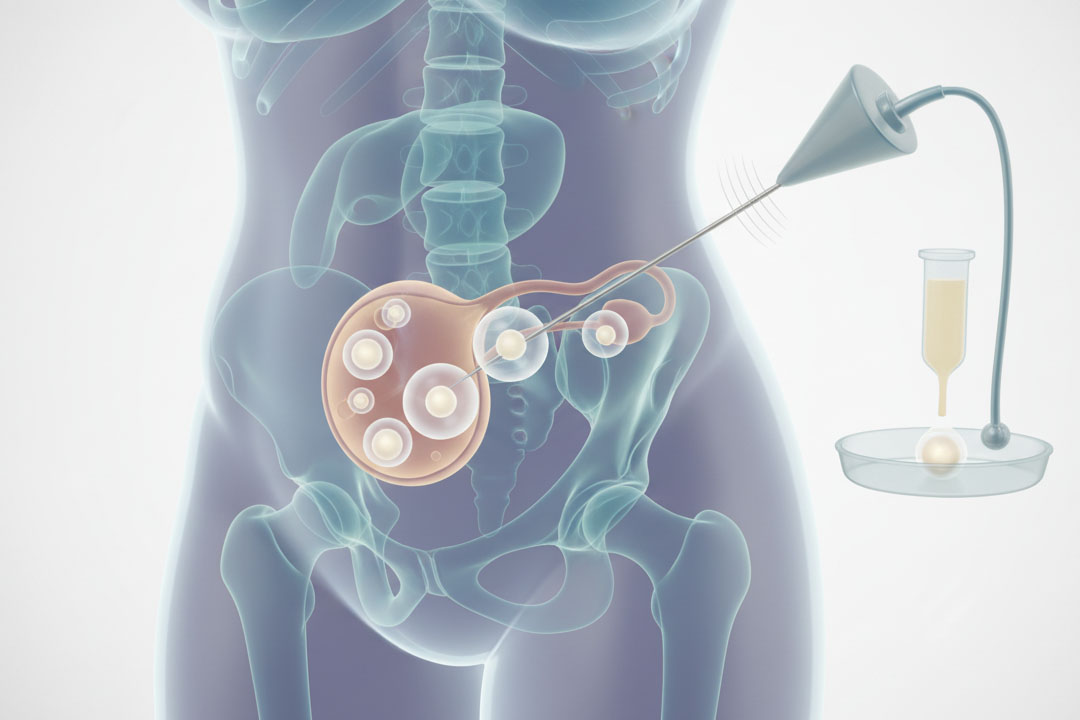
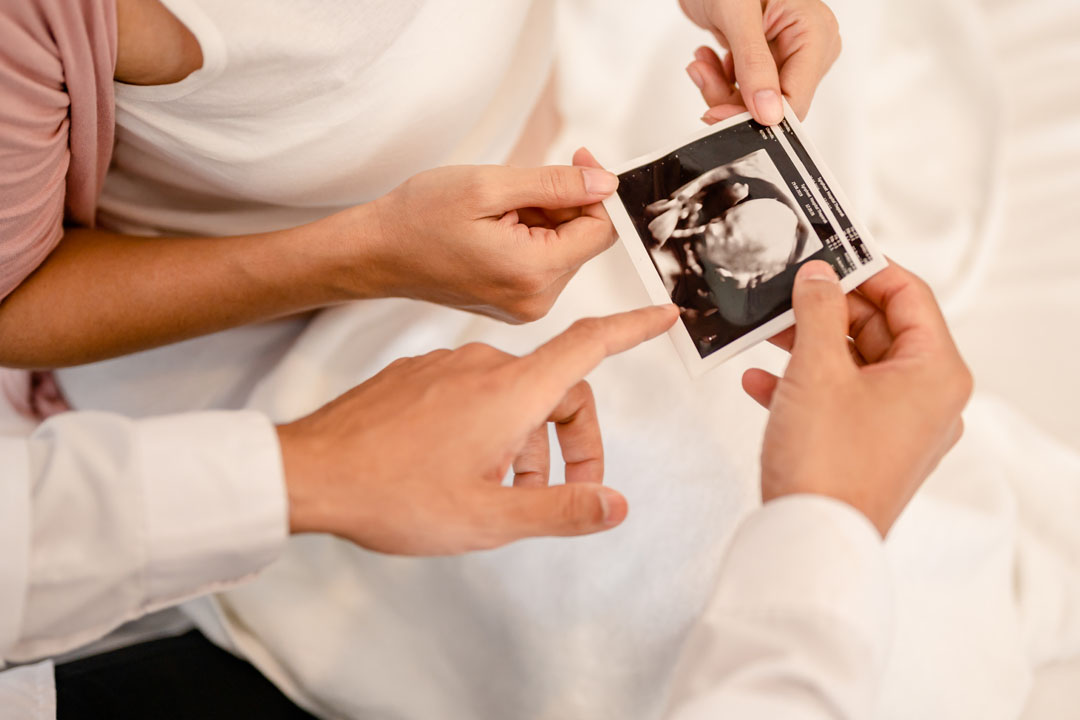
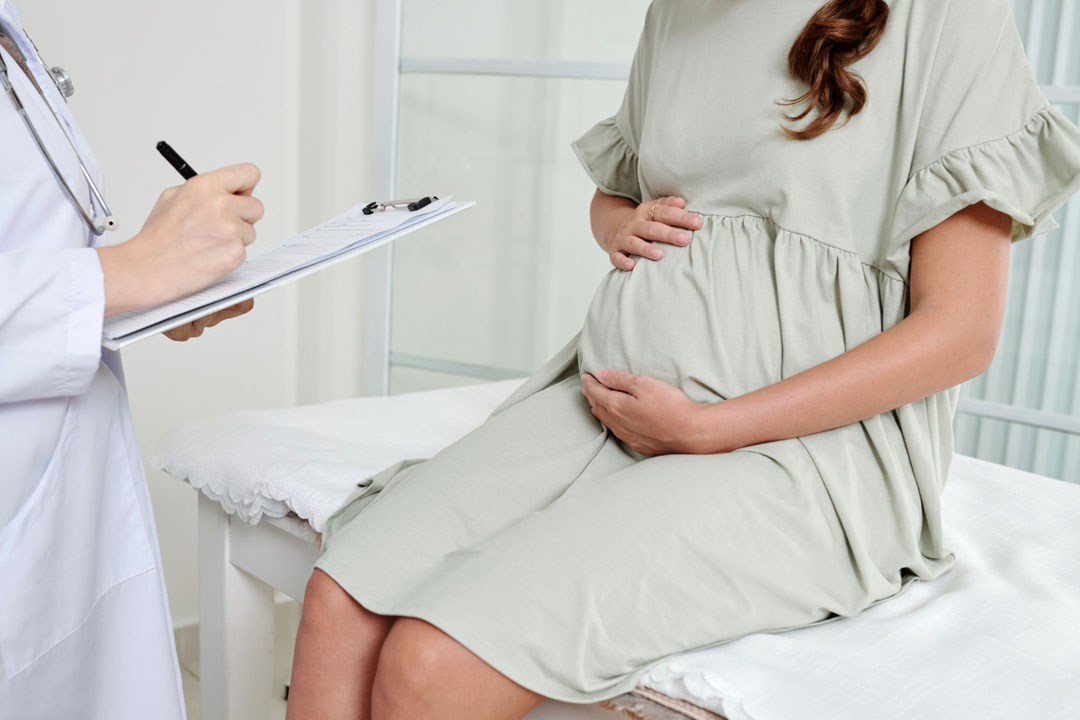
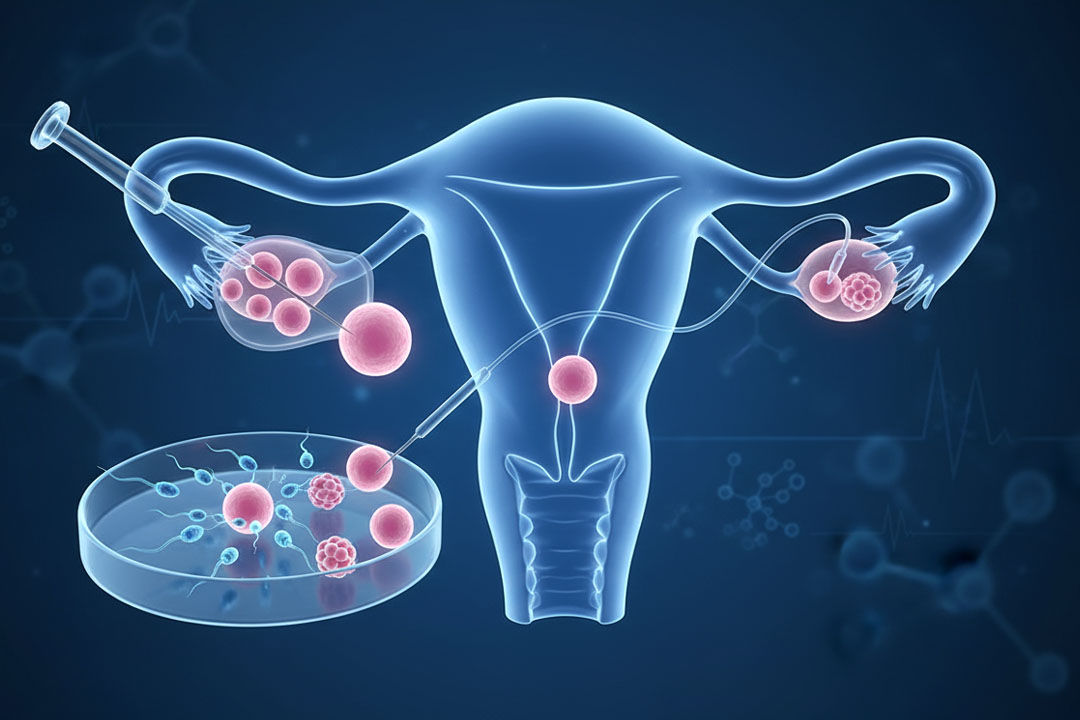
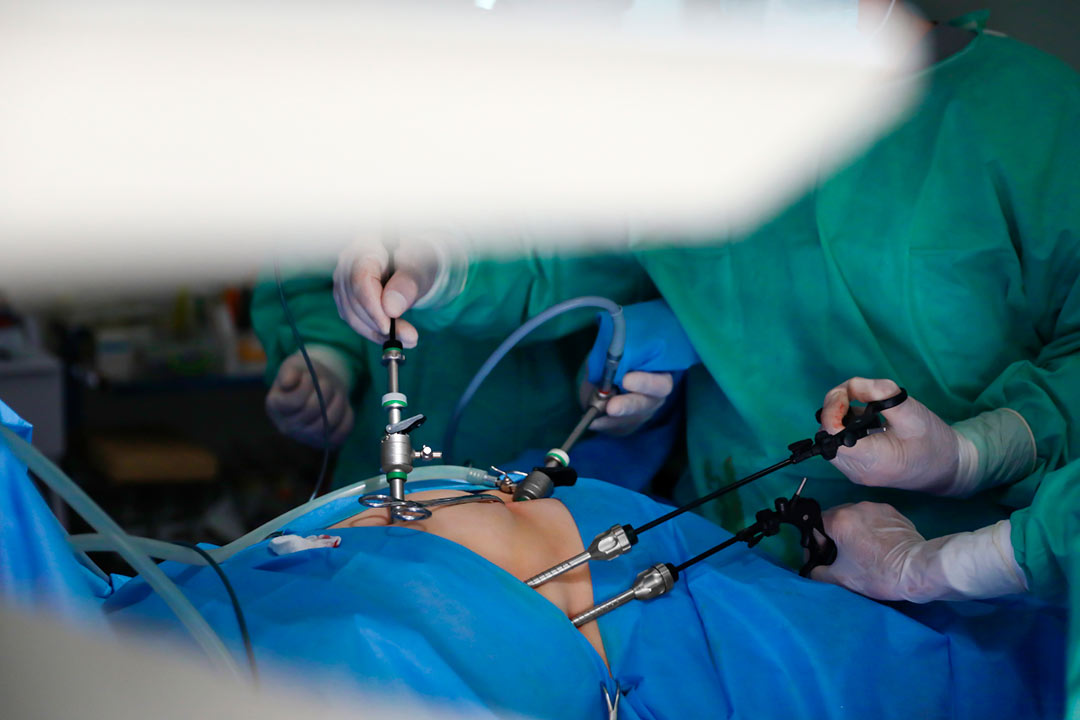
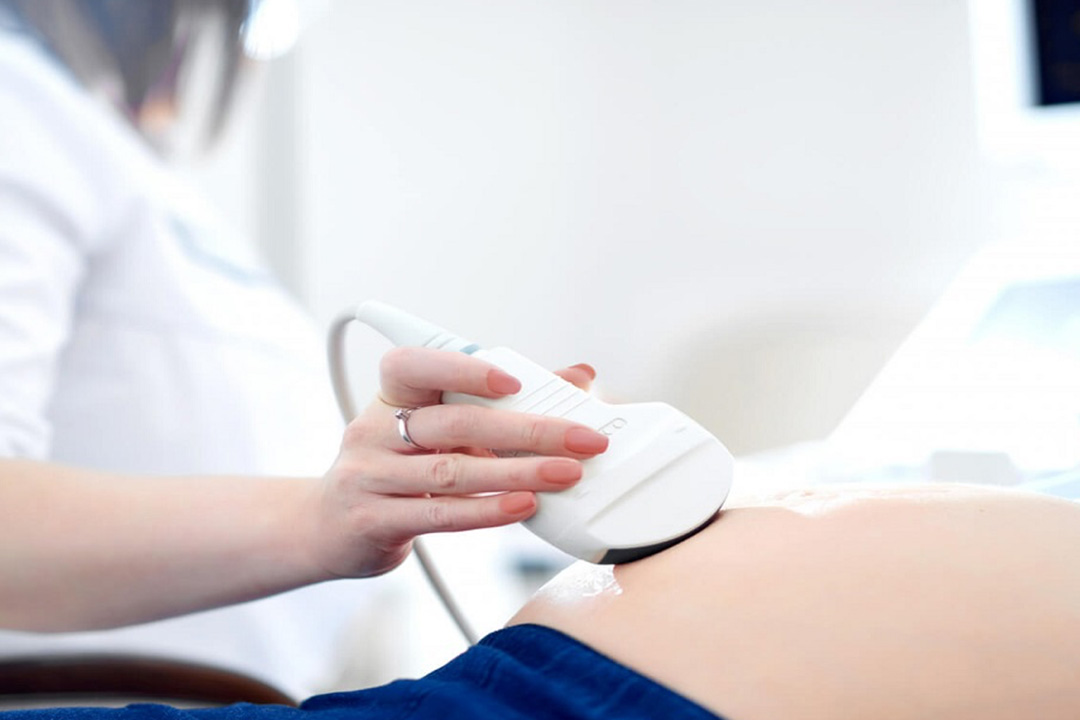
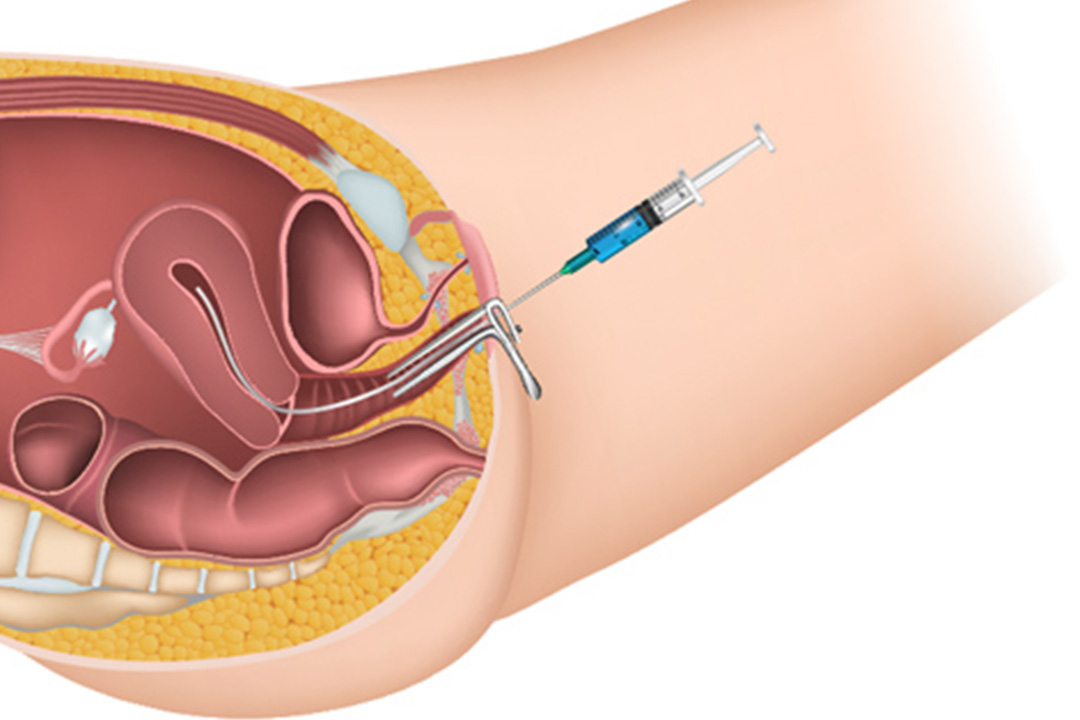
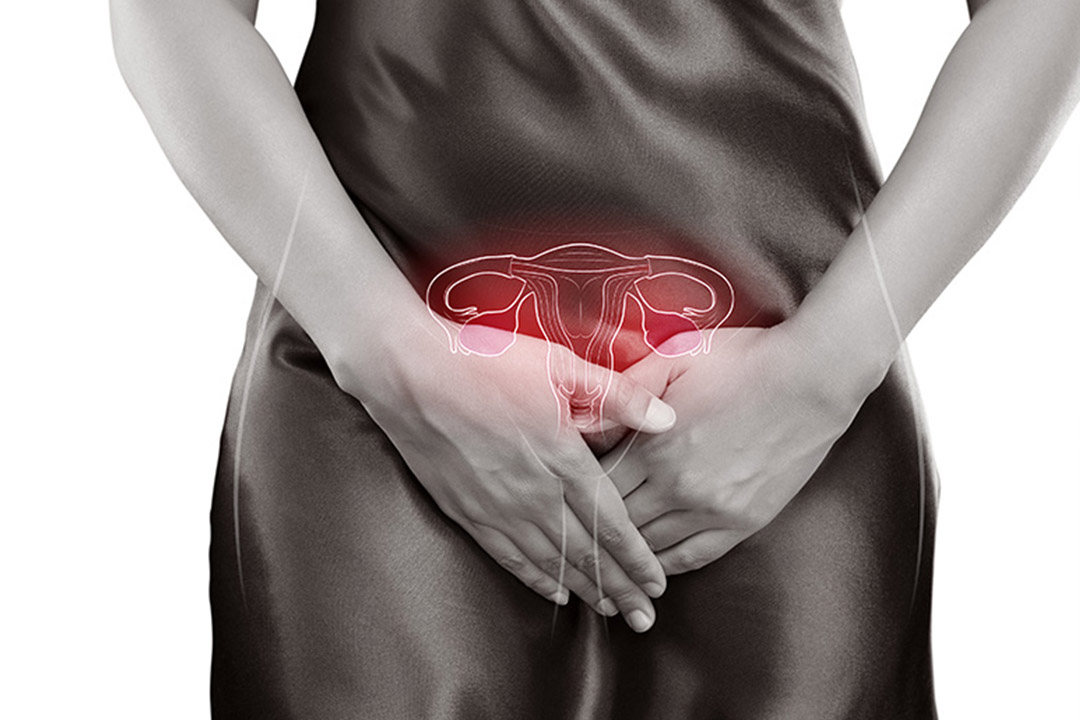
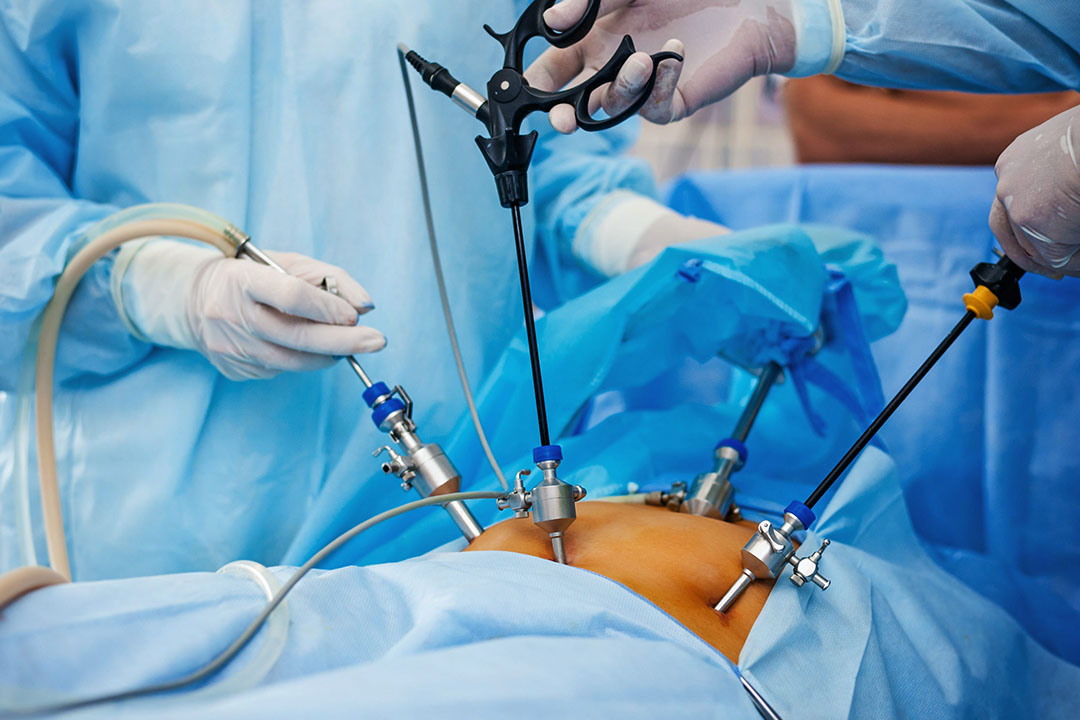
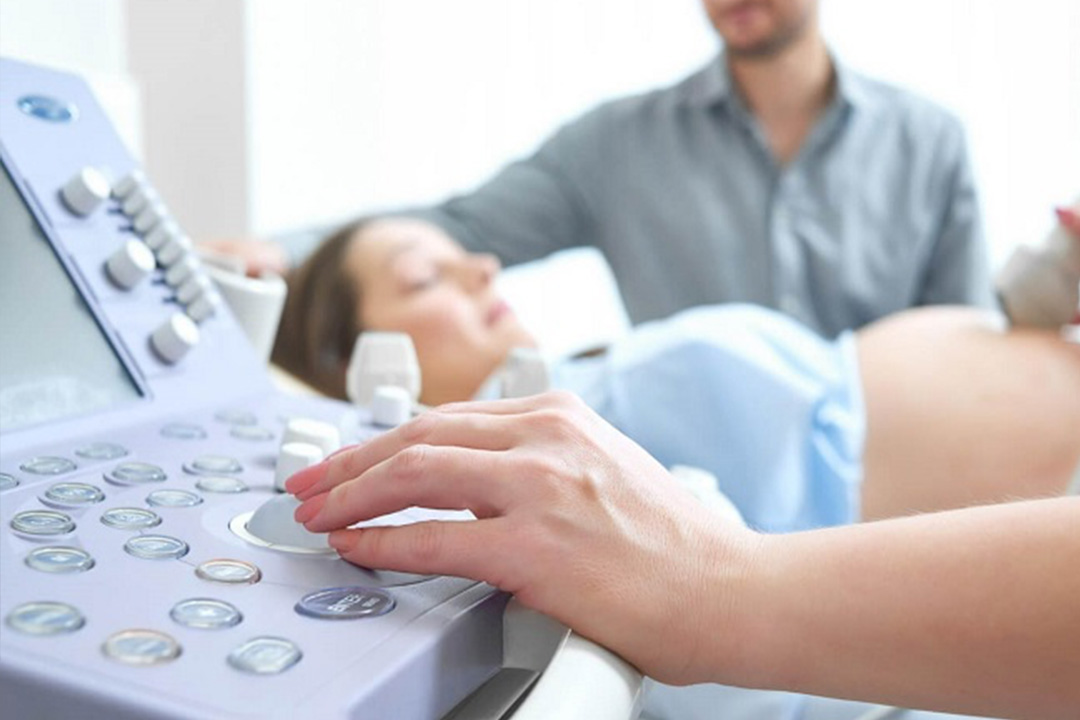
Intrauterine insemination or IUI is a commonly chosen fertility treatment for individuals and couples trying to conceive. It is less invasive than IVF and often recommended as a first step in assisted reproduction. While the procedure itself takes only a few minutes, the period after IUI plays an equally important role in determining outcomes.
Many people feel anxious after the procedure and begin searching for ways to improve their chances of pregnancy. Some worry about physical activity, others feel unsure about diet, sleep or daily routines. This confusion often leads to unnecessary restrictions or misinformation.
What Happens in the Body After IUI?
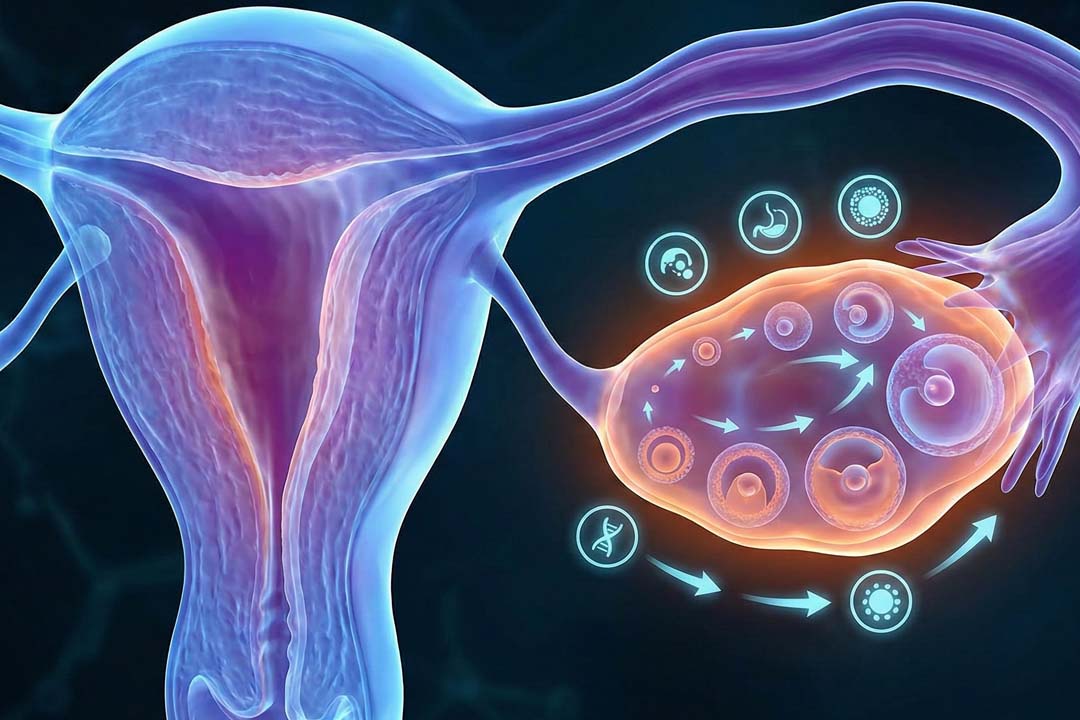
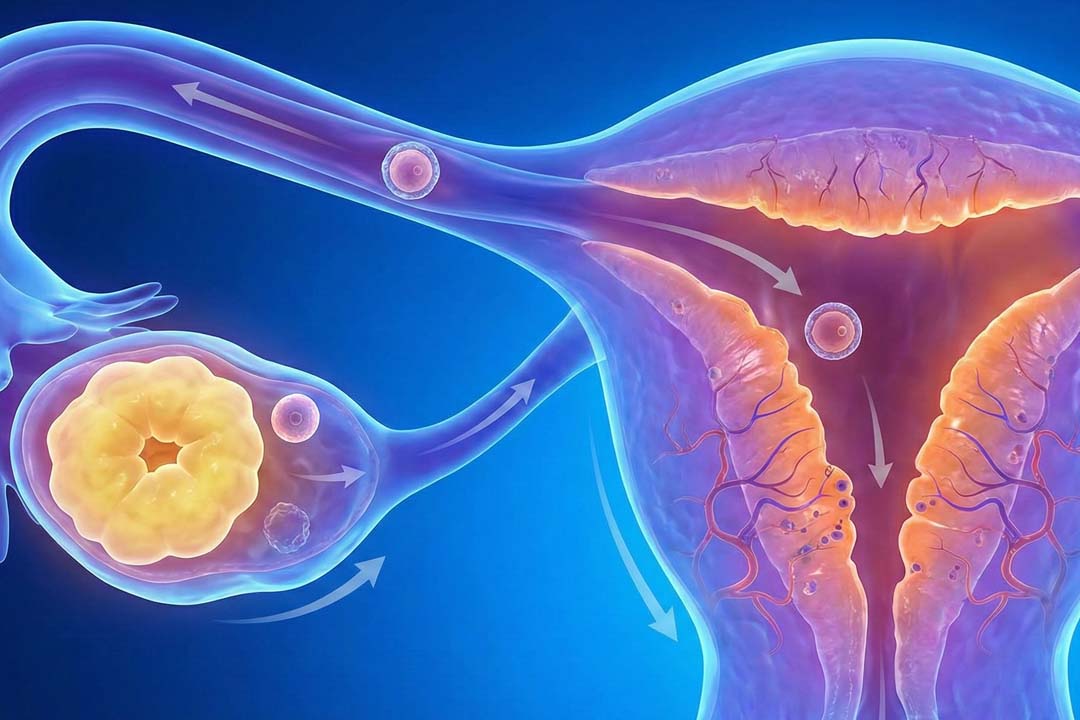
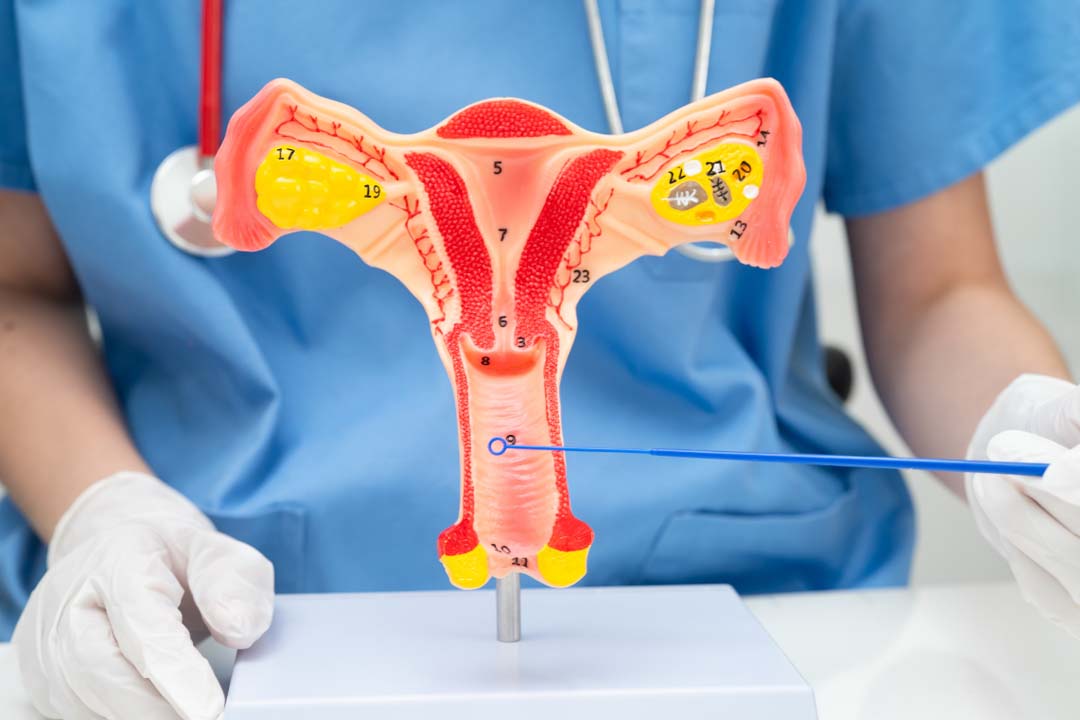
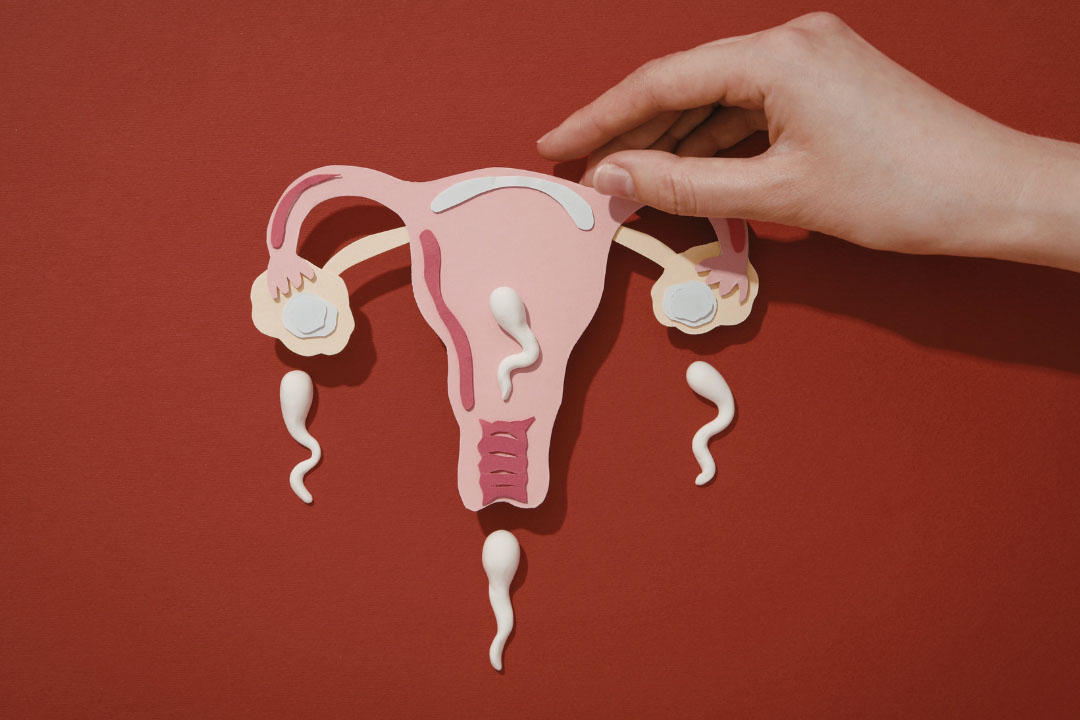
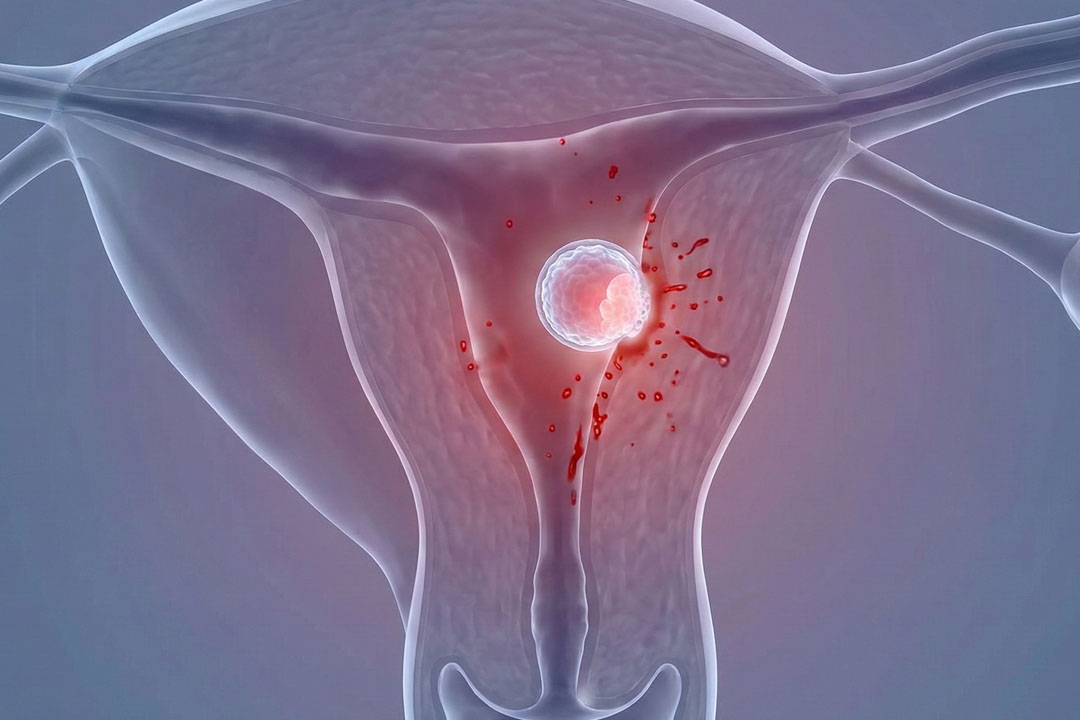
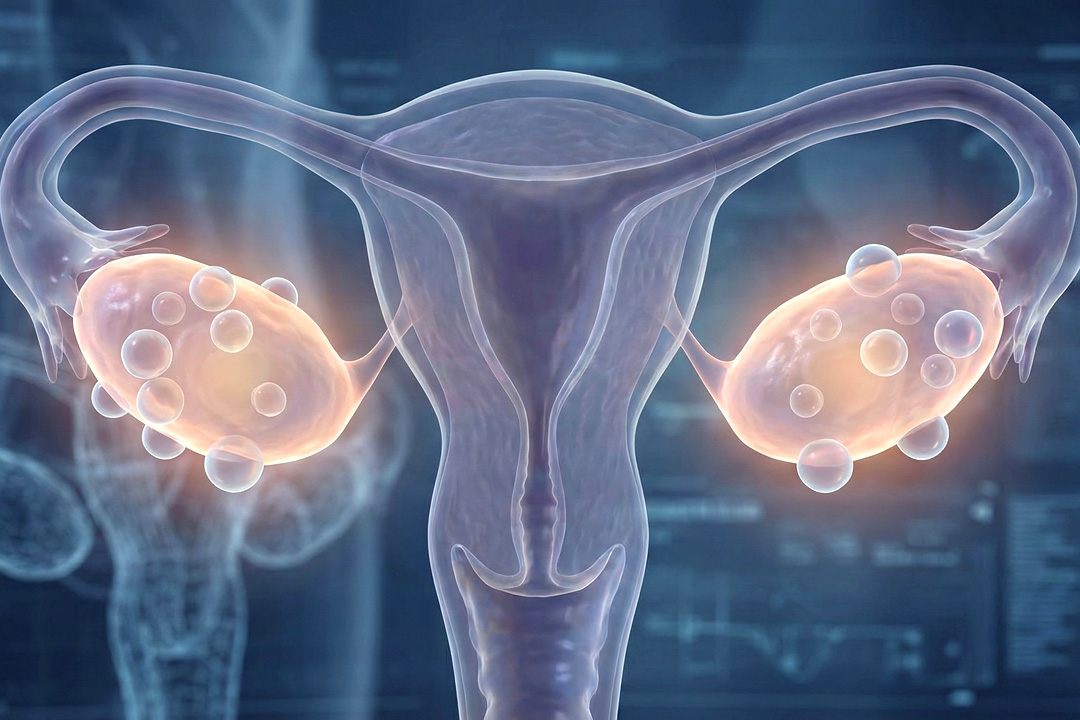
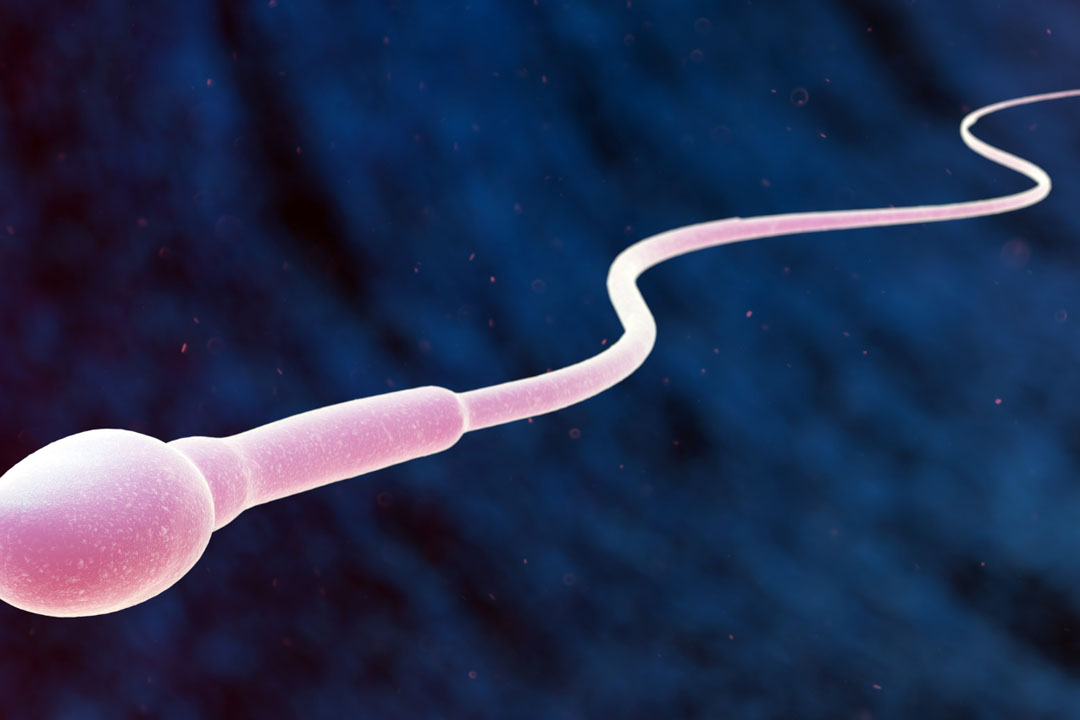
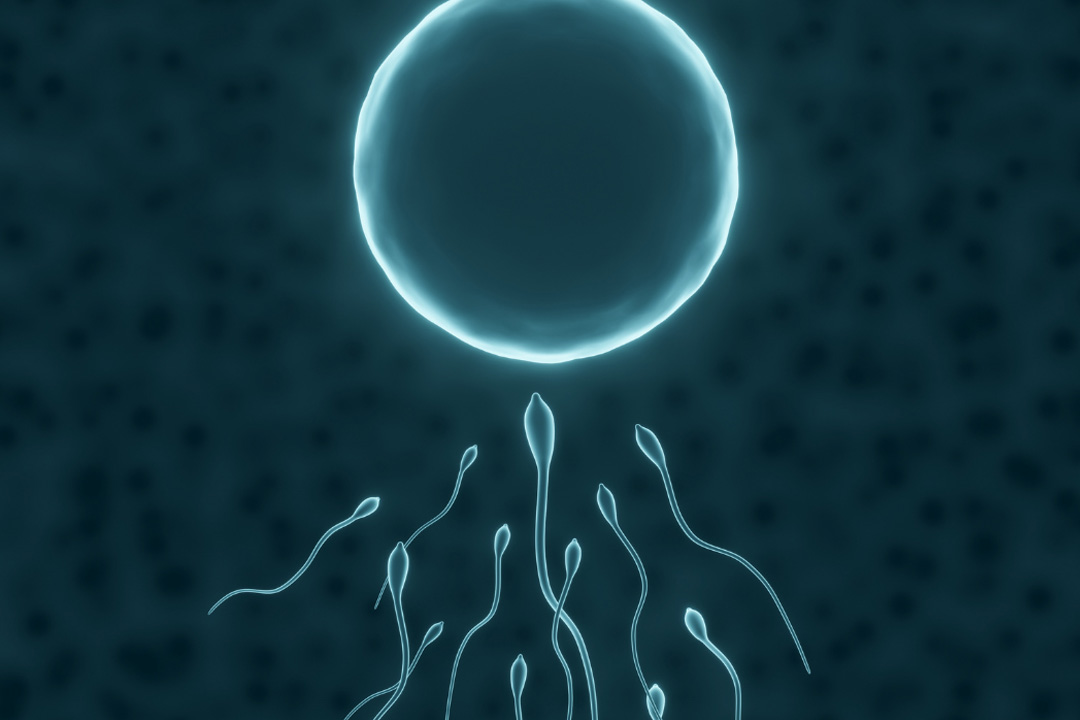
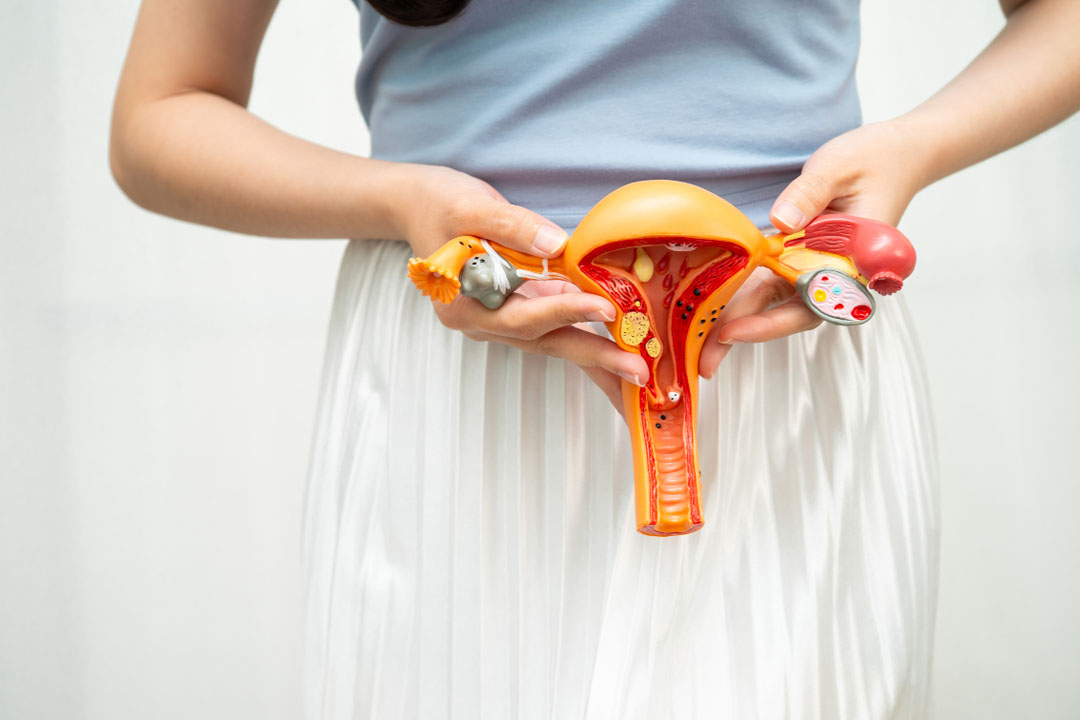
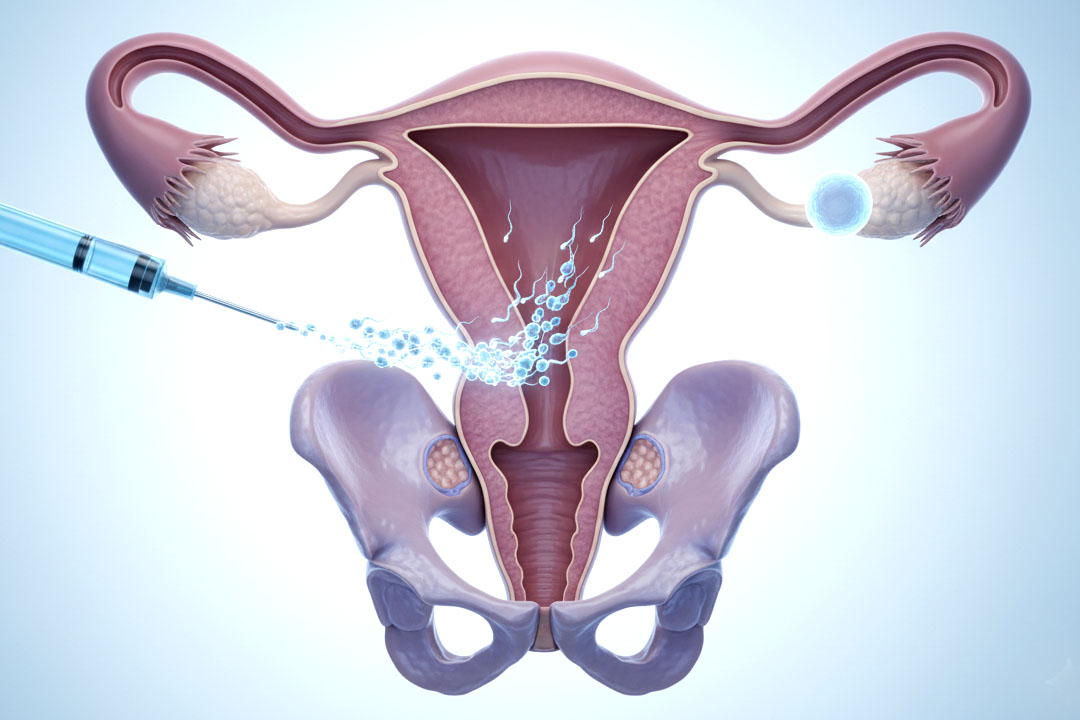
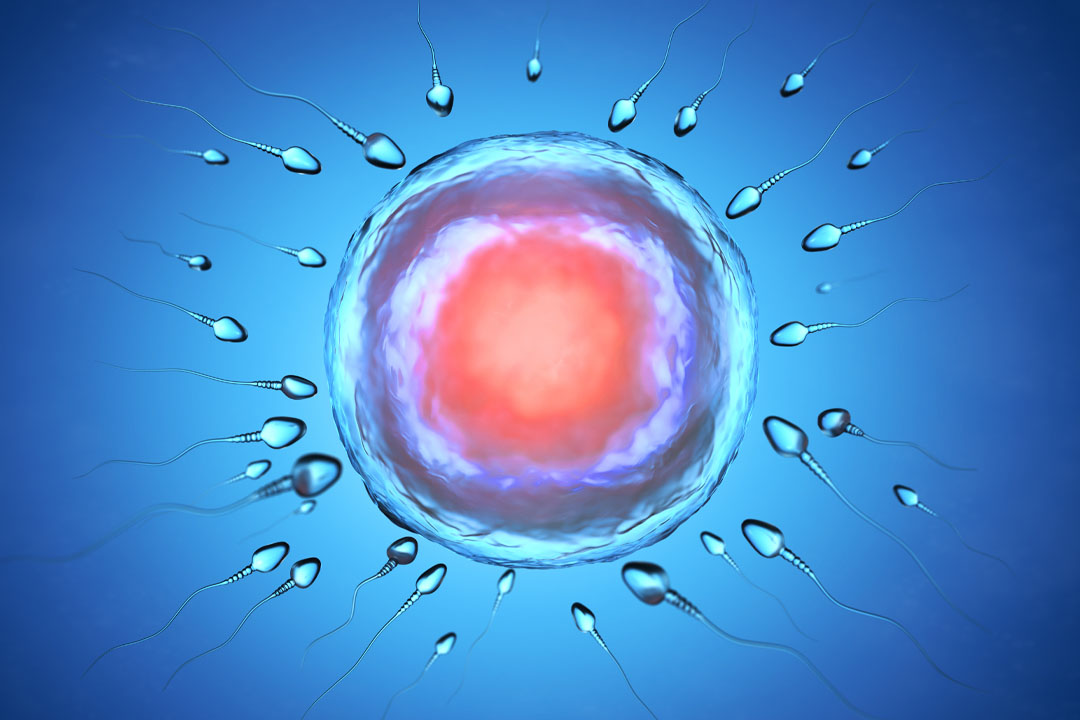
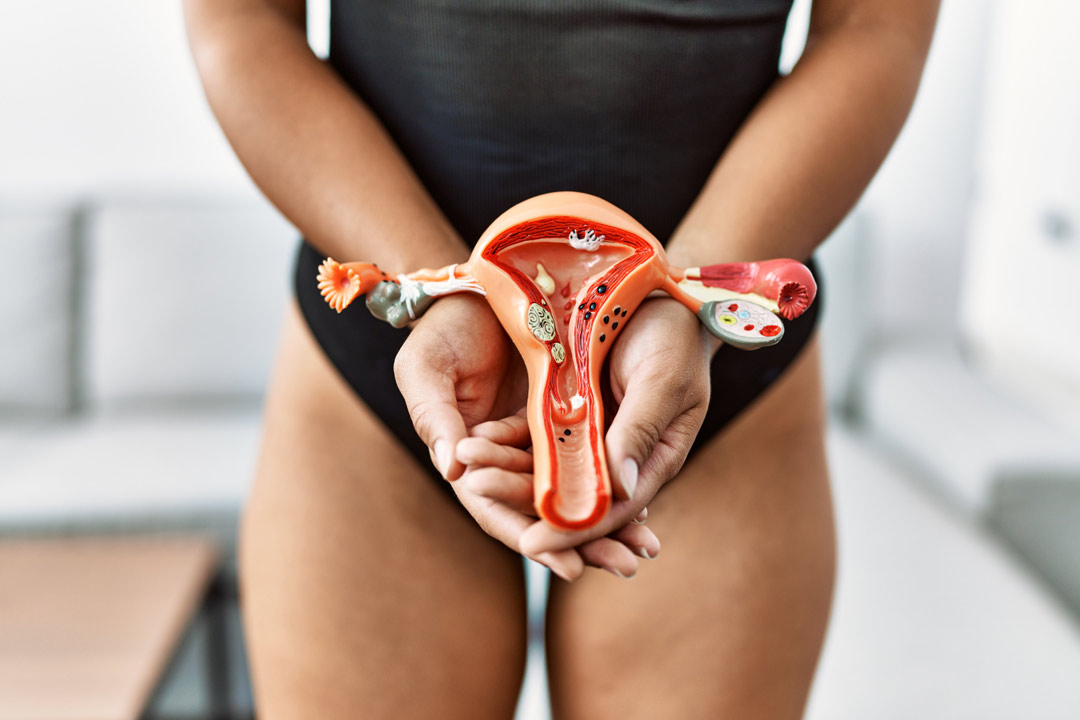
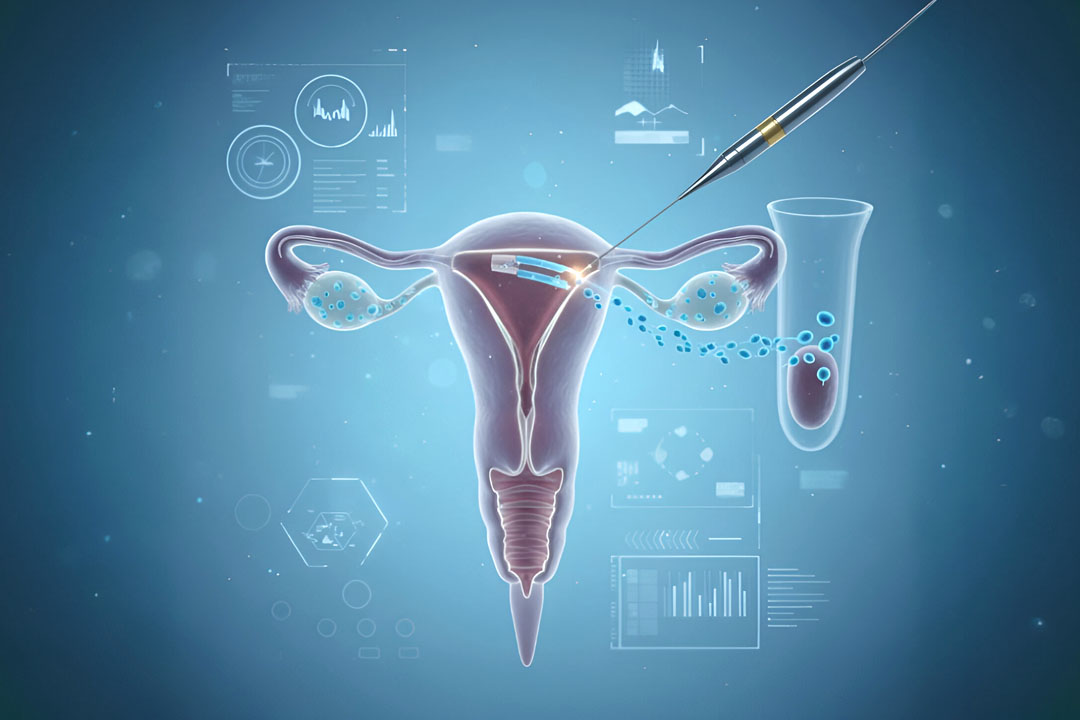
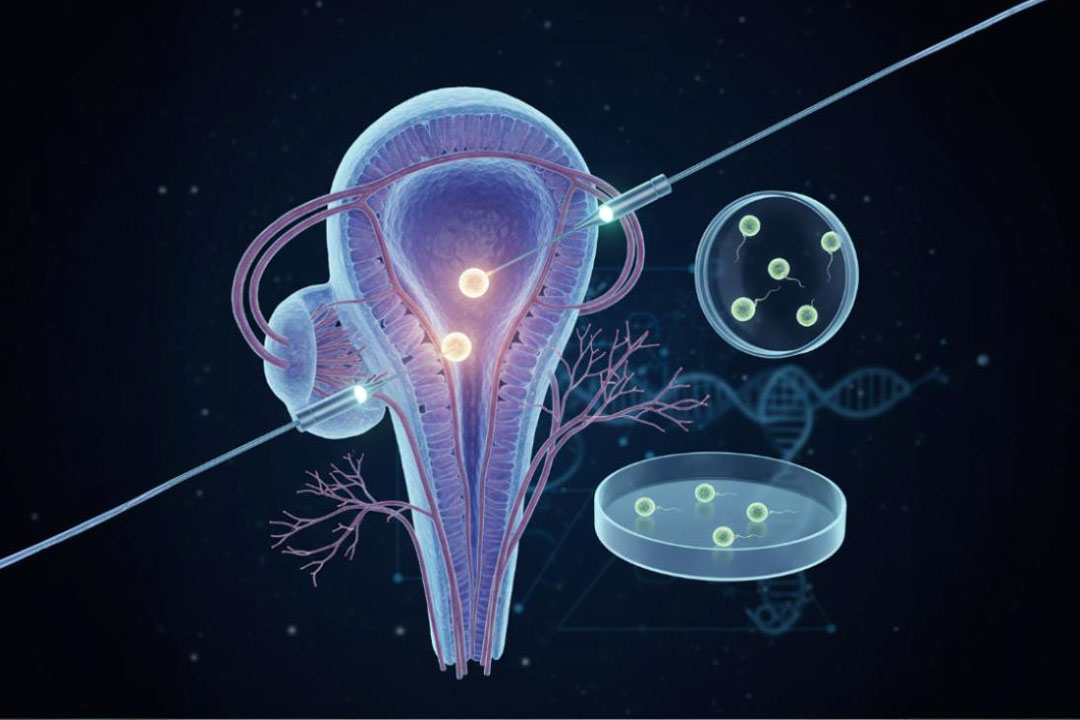
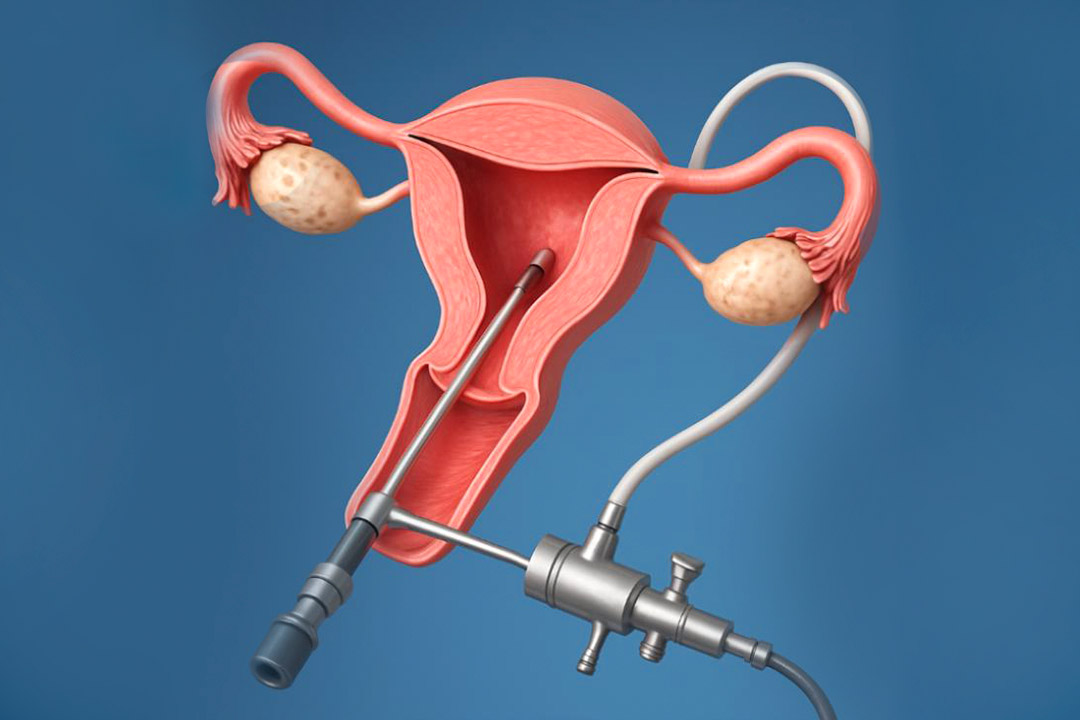
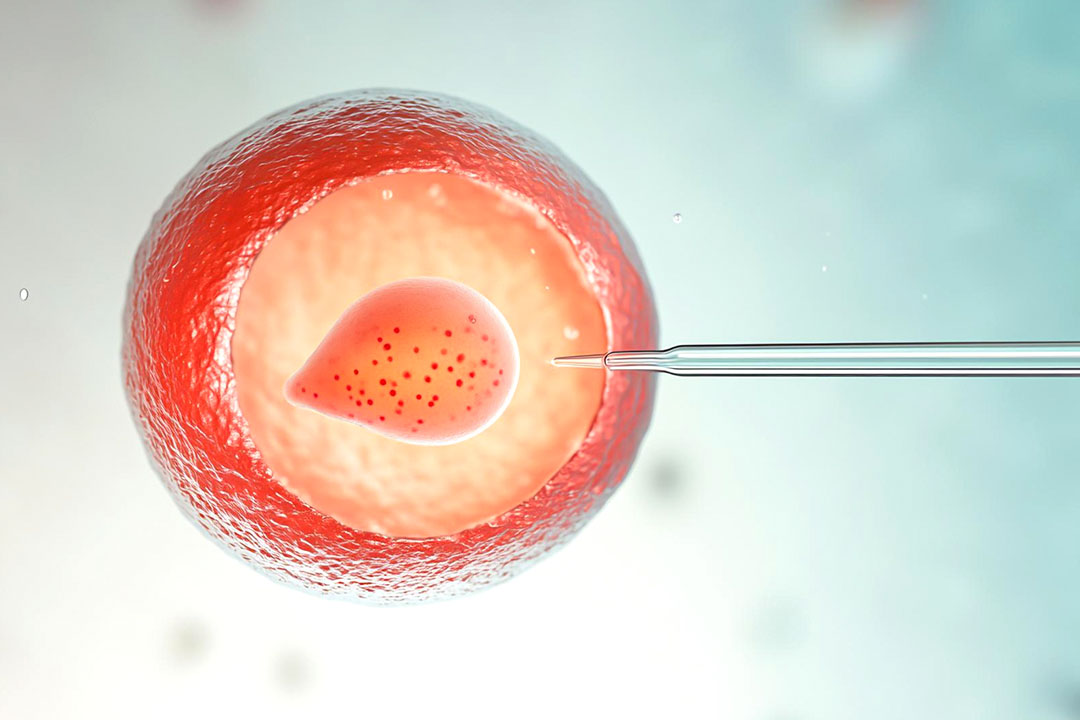
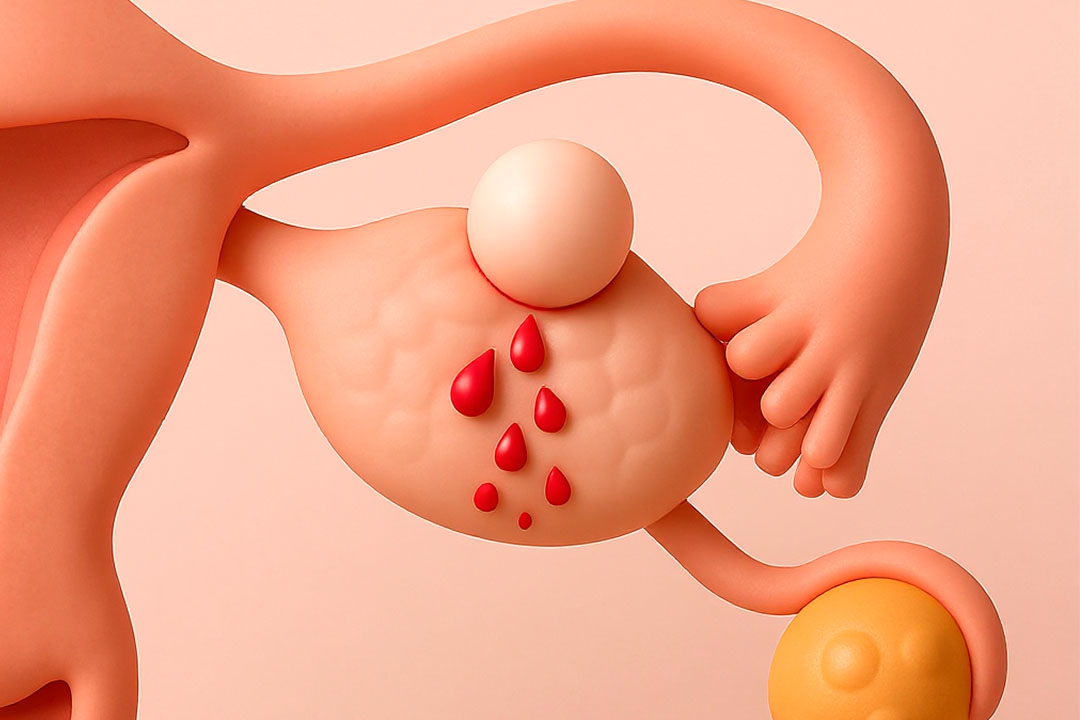
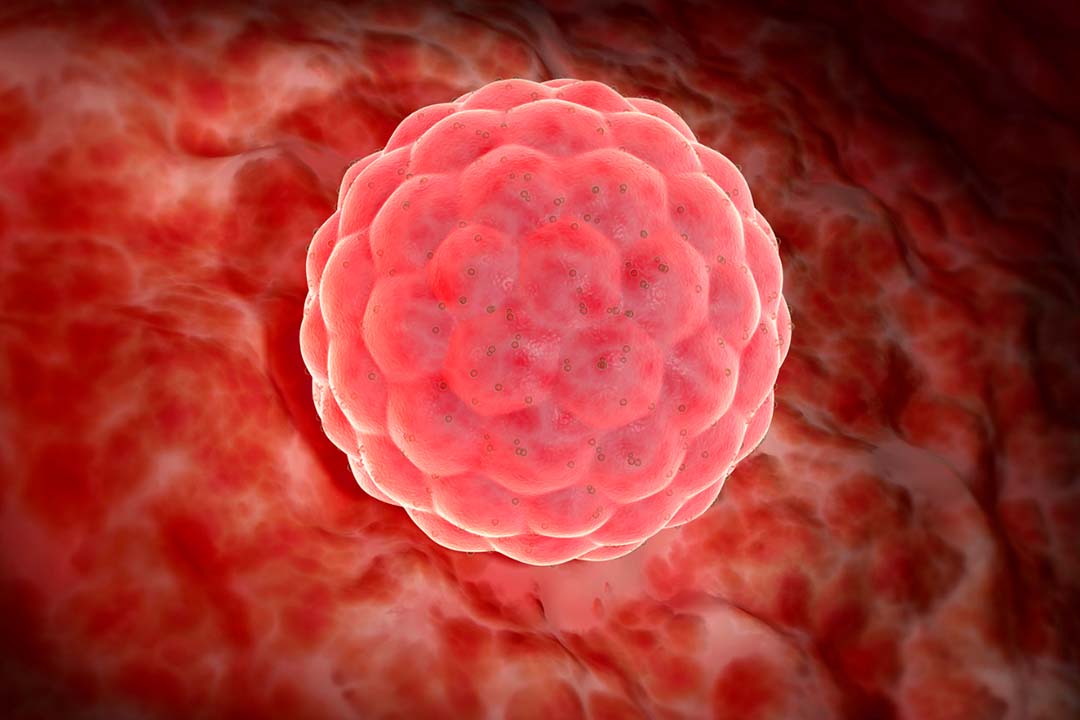
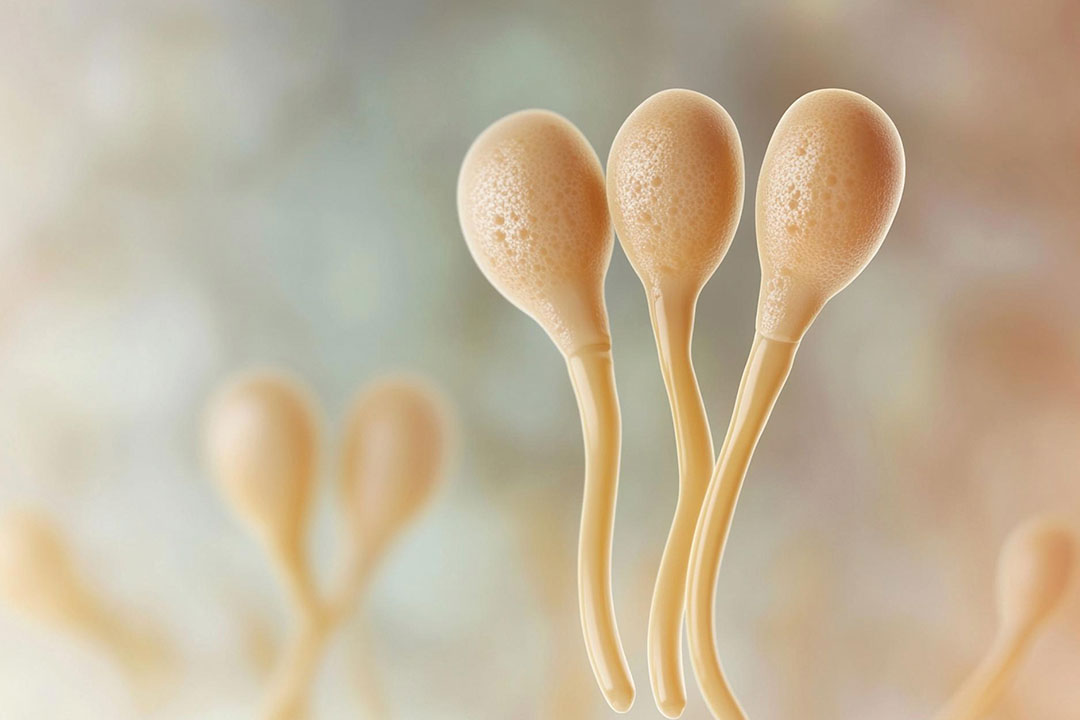
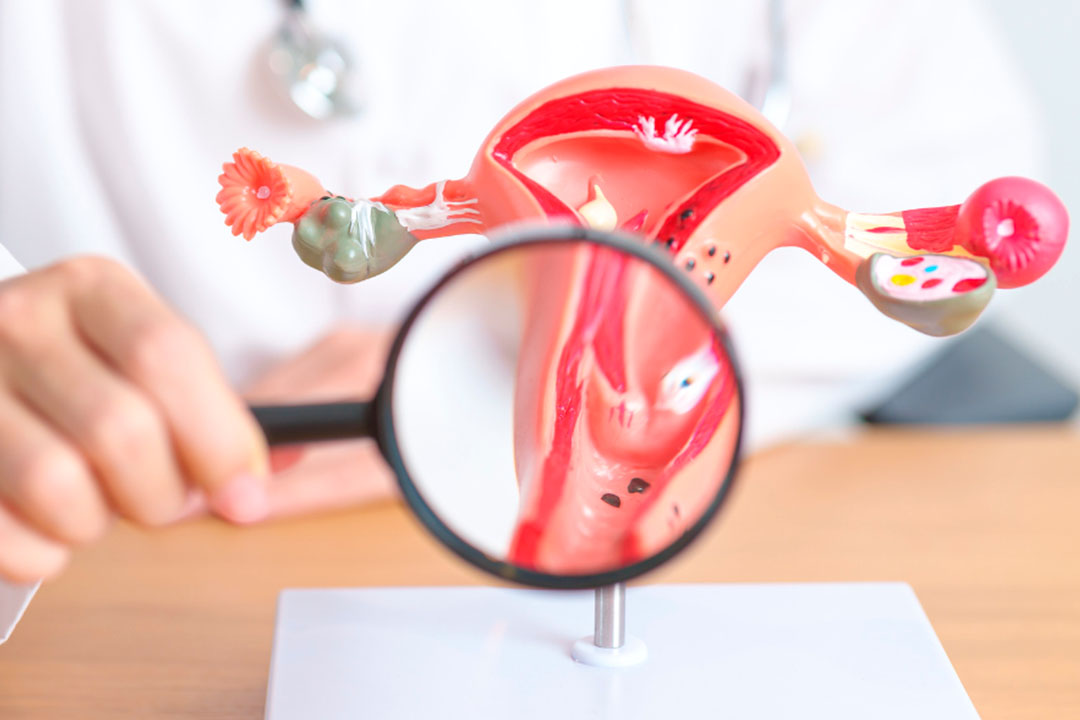
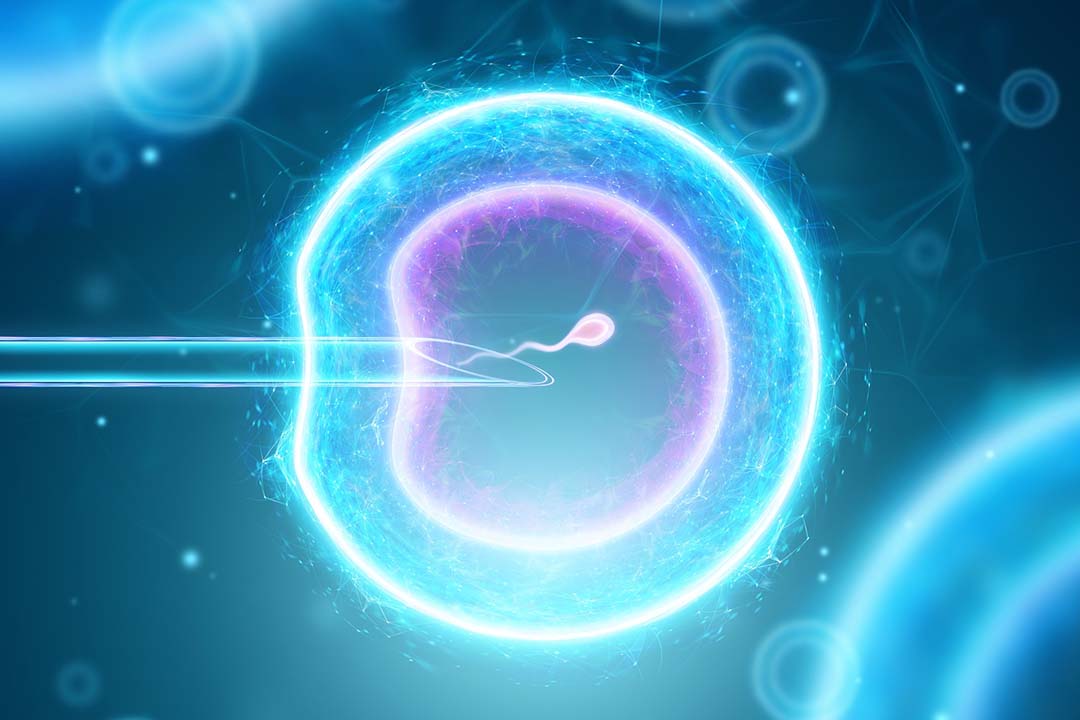
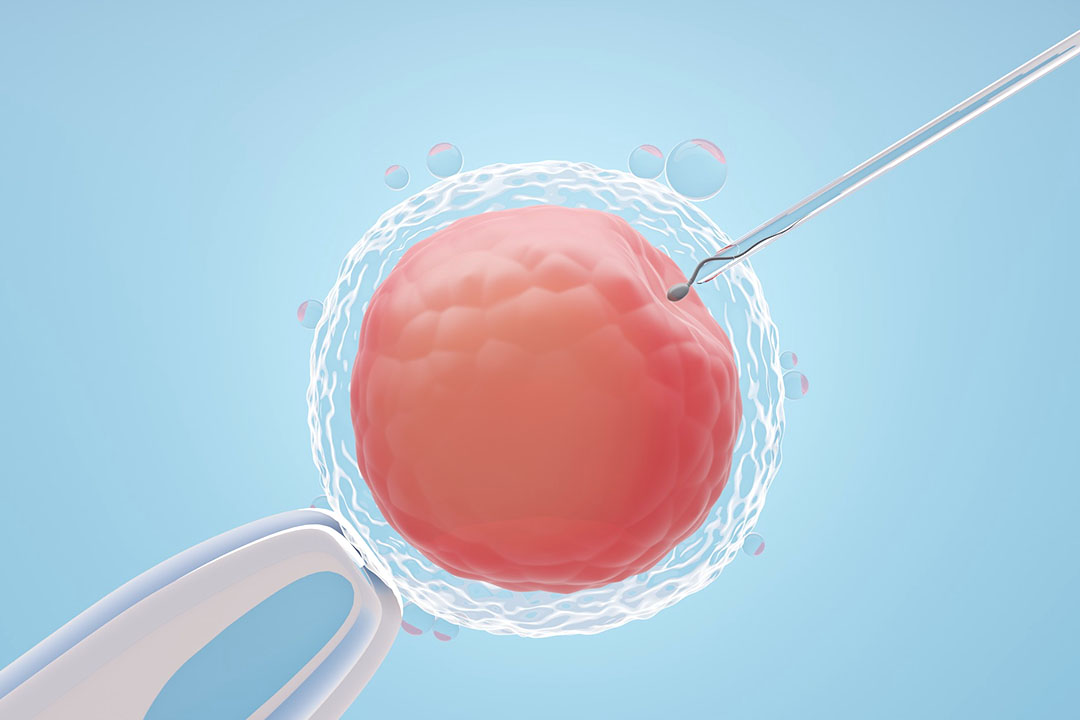
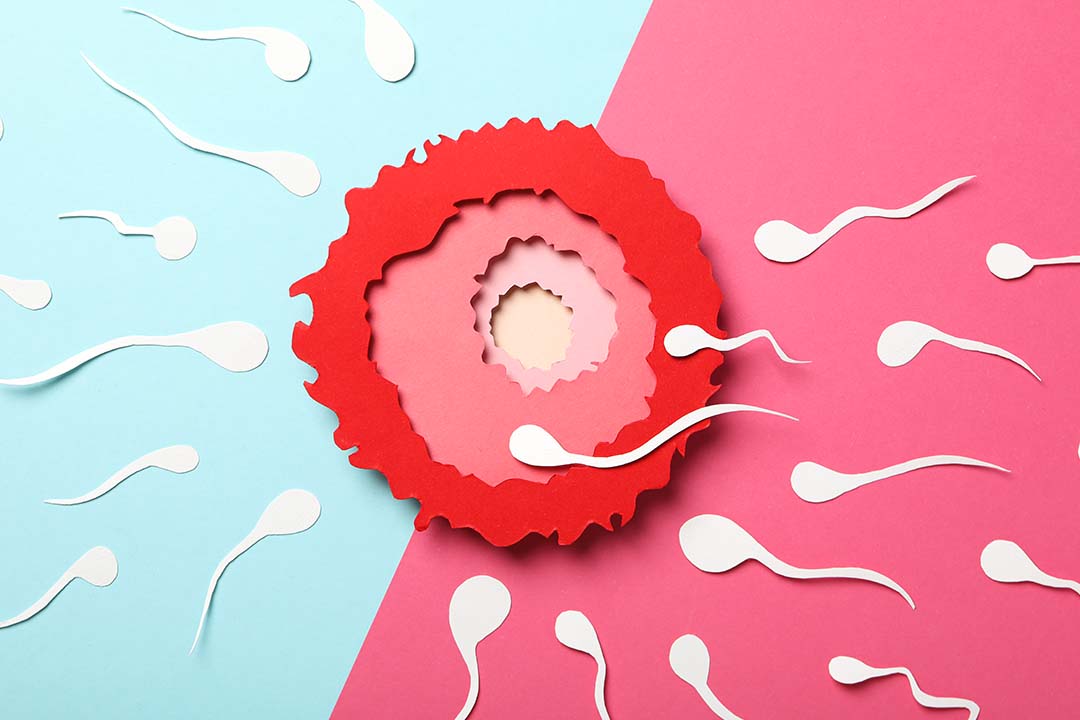
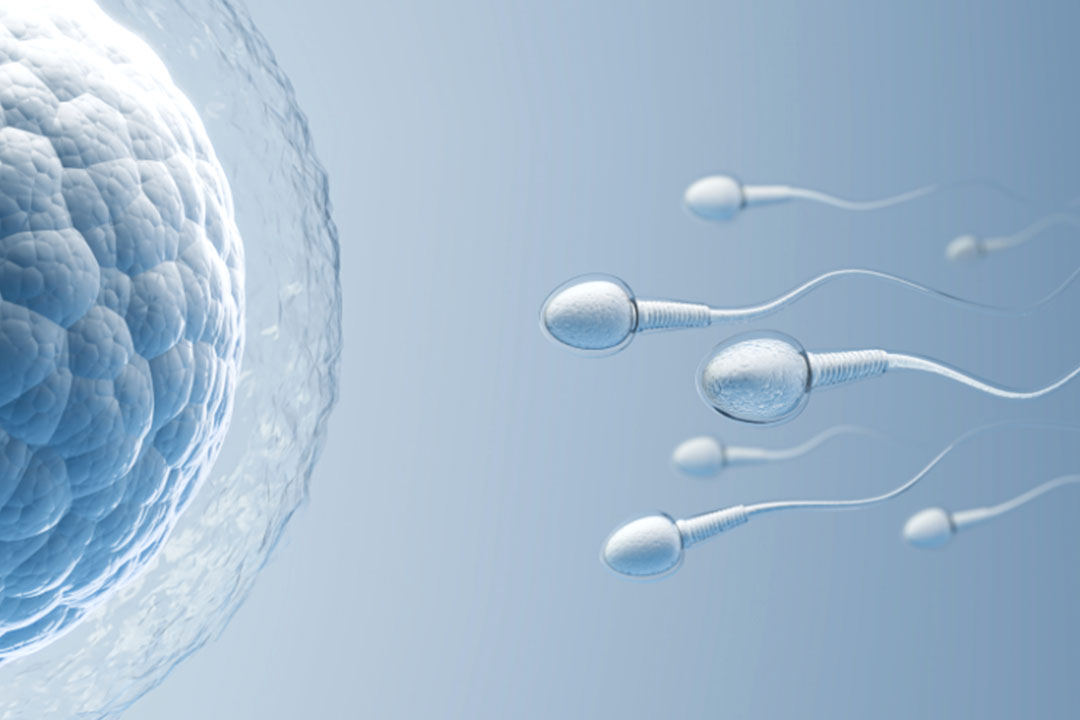
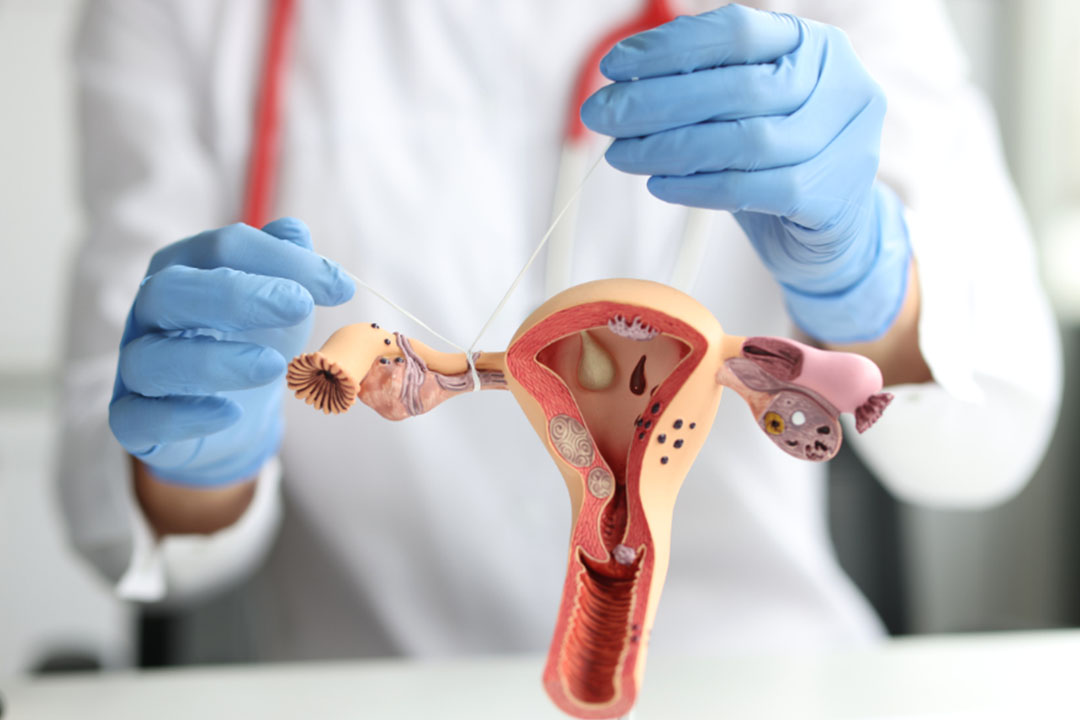
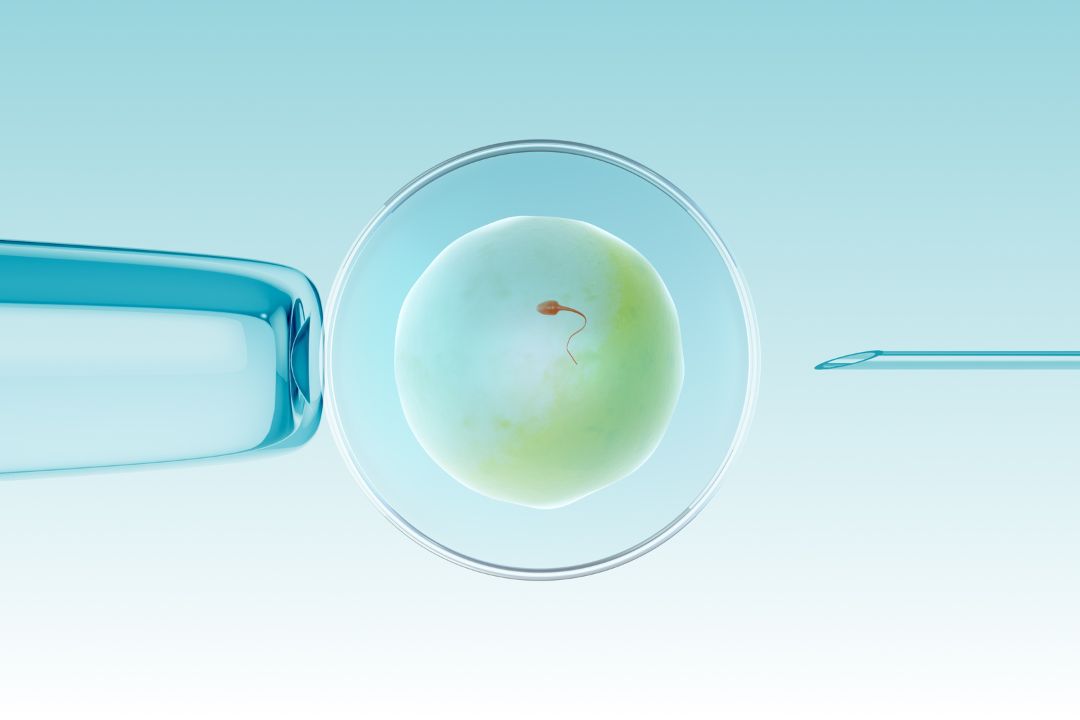
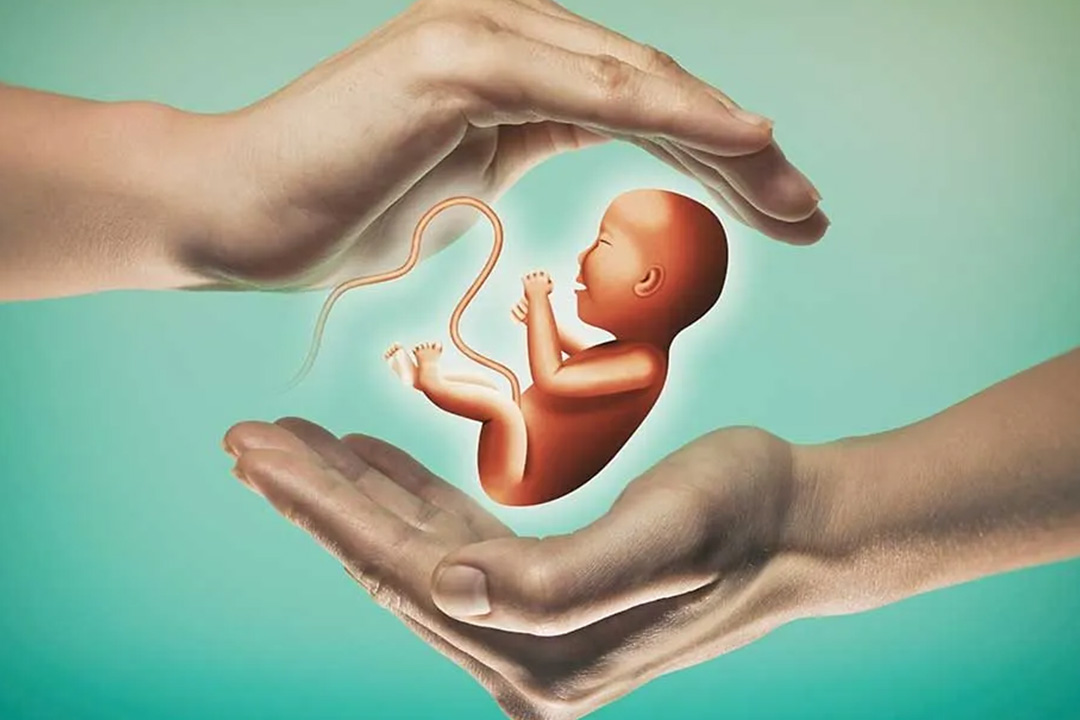
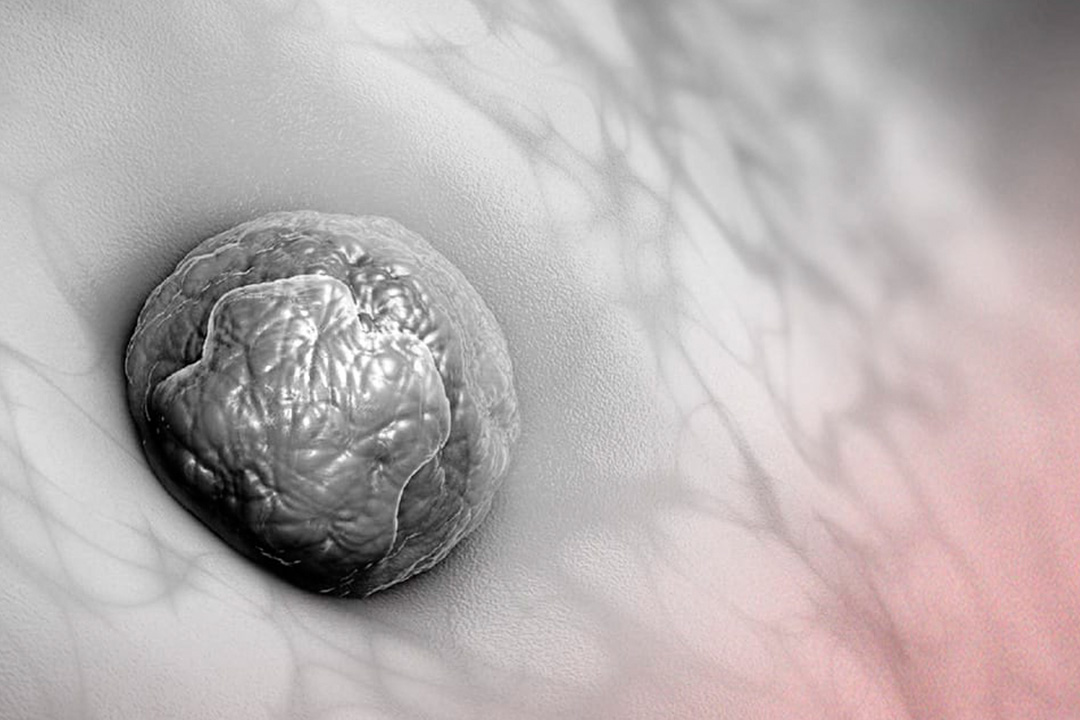
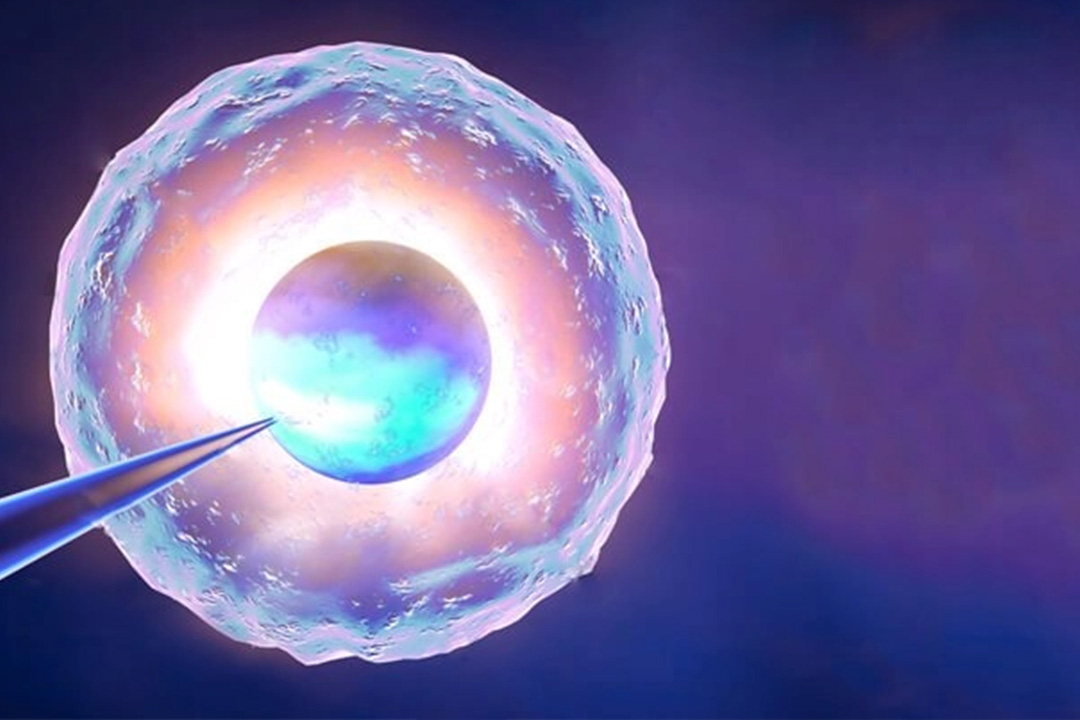
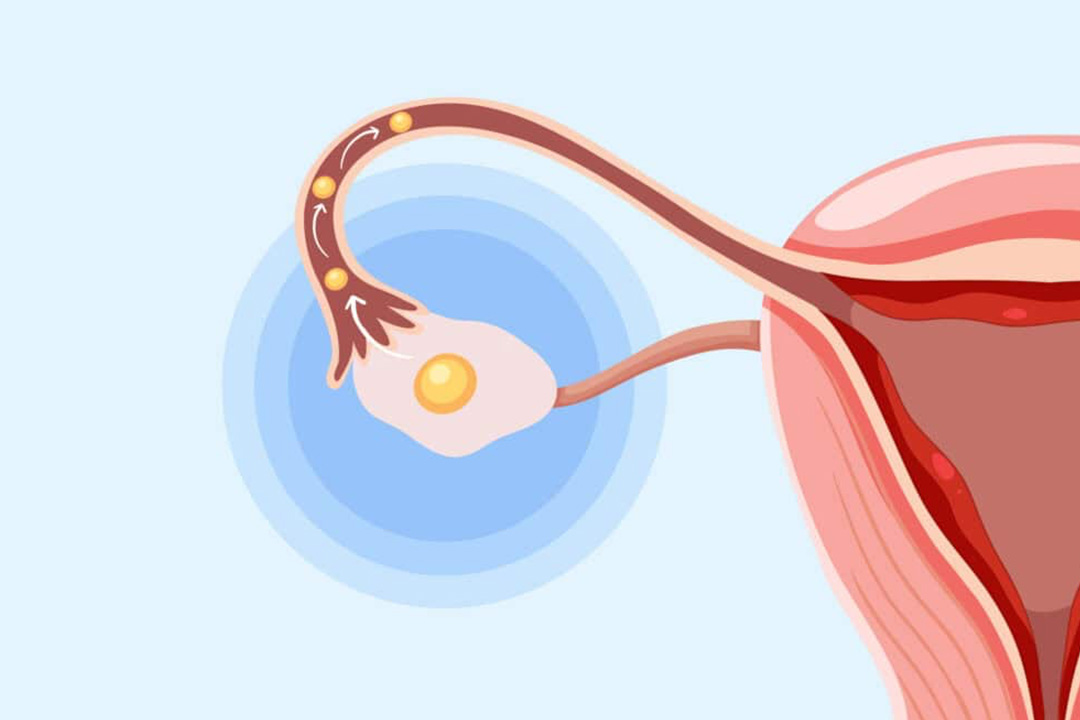
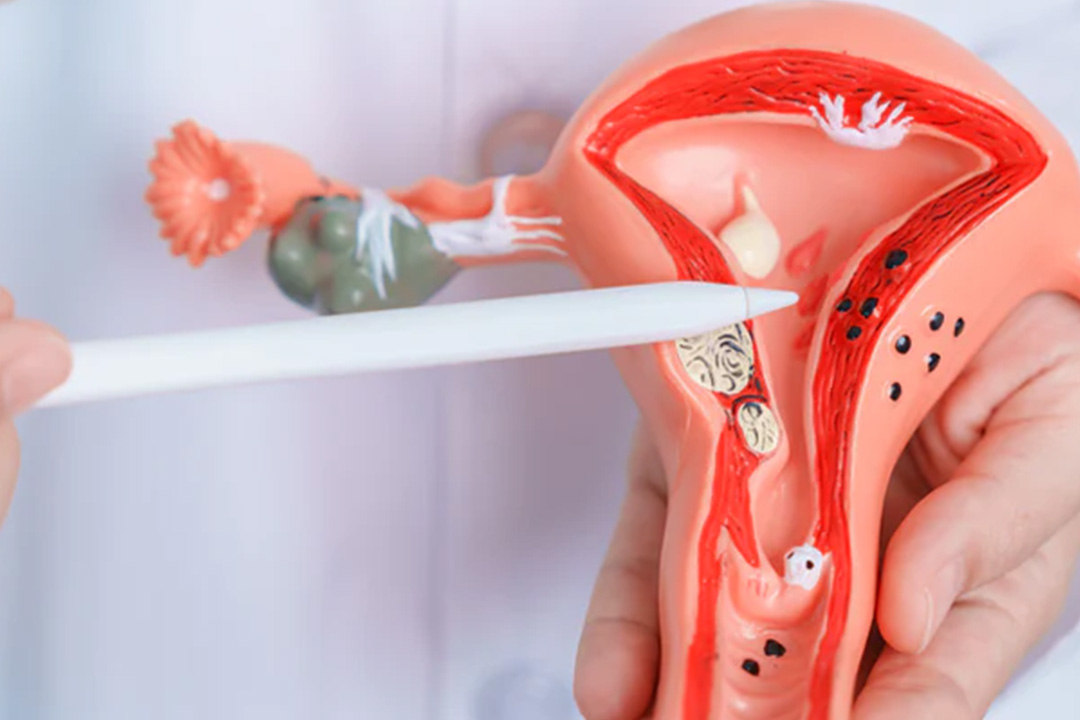
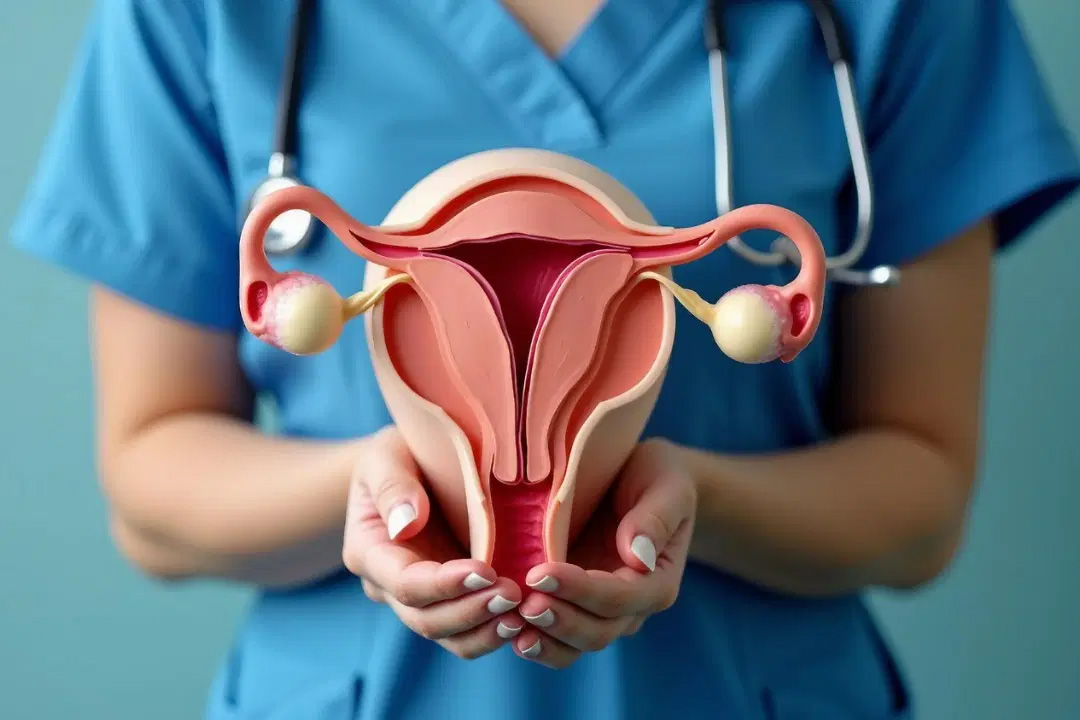
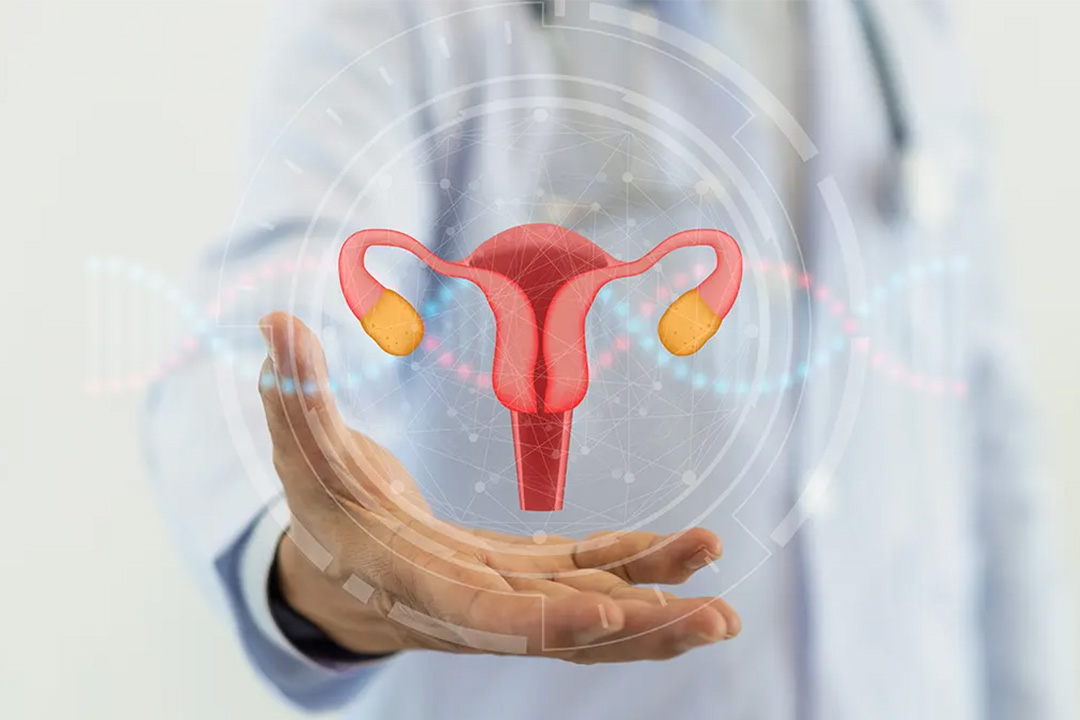
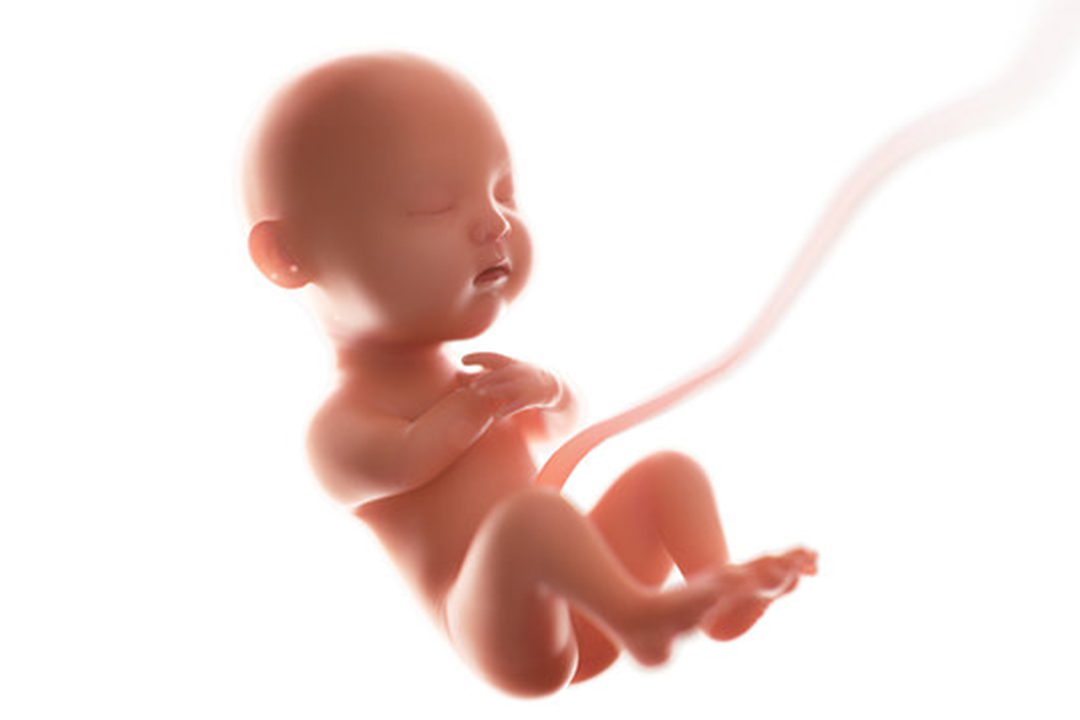
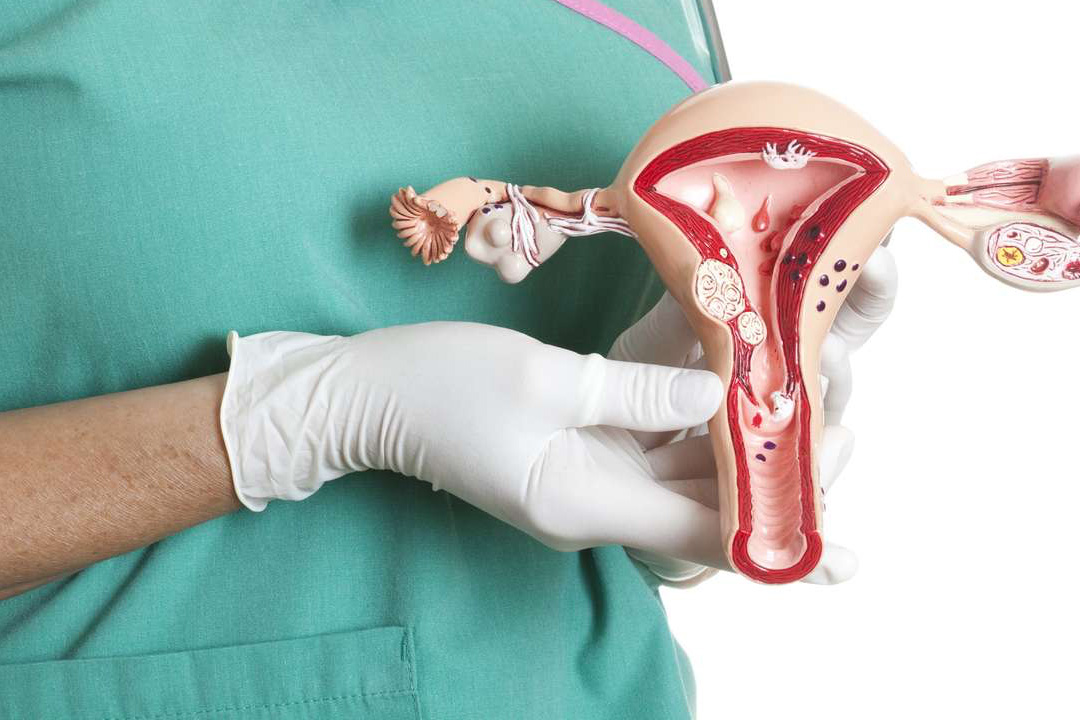
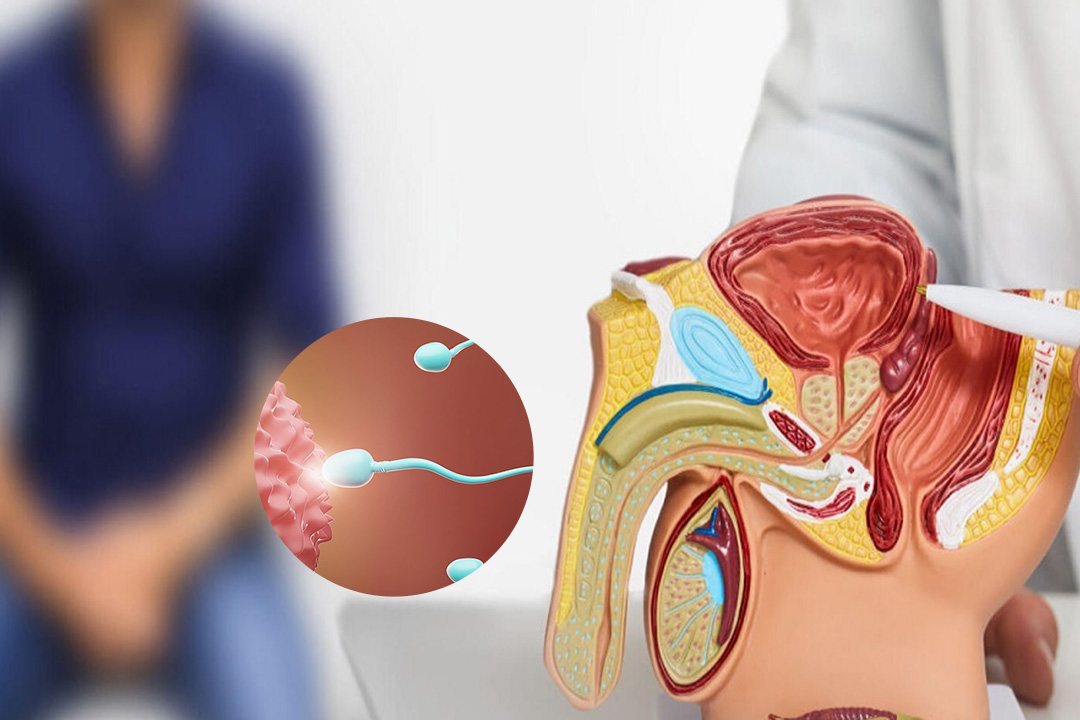
After IUI the sperm is placed directly into the uterus close to the time of ovulation. Fertilization if it occurs usually happens within 24 hours. The fertilized egg then travels to the uterus where implantation may occur between six to ten days later. During this phase the uterine lining needs to remain receptive and hormonal levels need to stay stable.
This means the body does not need extreme rest or strict isolation. It needs consistency, gentle care and avoidance of known stressors. Understanding this process helps reduce myths such as complete bed rest or avoiding all movement.
Rest and Daily Activity After IUI
Many people ask if they need bed rest after IUI. The simple answer is no prolonged bed rest is not required. You can resume normal daily activities shortly after the procedure.
Light activities such as walking, cooking or office work are safe. These movements improve blood circulation and help reduce stress. However avoid activities that strain the abdominal muscles or increase body temperature excessively.
You should avoid heavy lifting, intense workouts, running long distances or high impact sports for at least a few days. These activities may increase uterine contractions which are not ideal during the implantation window.
Is exercise Allowed After IUI?
Yes, gentle exercise is allowed after IUI and can even be beneficial. Activities like slow walking stretching or light yoga help maintain circulation and reduce anxiety.
Avoid high intensity workouts, strength training, spinning or hot yoga for about a week. These forms of exercise raise core body temperature and stress hormone levels. High stress hormones may interfere with implantation.
Sexual Activity After IUI
Sex after IUI often raises questions. In most cases doctors advise avoiding sexual intercourse for at least 24 to 48 hours after the procedure. This allows the uterus to remain calm and reduces the risk of uterine contractions.
After this period sexual activity may be allowed unless specifically restricted due to medical reasons. Some couples feel anxious and choose to wait longer which is also acceptable.
Sex does not improve implantation and it does not harm it after the initial rest period. The key is comfort and emotional readiness.
Diet Precautions After IUI
Food plays a supportive role after IUI. There is no special fertility diet required but balanced nutrition helps hormonal balance and immune health.
- Focus on fresh fruits, vegetables, whole grains, lean protein and healthy fats. Foods rich in folate, iron, zinc and omega three fatty acids support reproductive health.
- Drink enough water to stay hydrated. Dehydration can affect circulation and overall wellbeing.
- Avoid raw or undercooked foods, unpasteurized dairy, excessive caffeine and alcohol. These items can increase inflammation or hormonal disruption.
- Caffeine intake should stay moderate. One small cup of coffee per day is generally considered safe but reducing intake is often recommended.
Medications and Supplements After IUI
Follow all prescribed medications exactly as advised. These may include progesterone support or ovulation related medicines. Skipping doses or stopping early can affect implantation.
Do not start new supplements, herbal remedies or over the counter medications without medical advice. Some herbal products may interfere with hormones or uterine lining receptivity.
Pain relief medicines should also be used cautiously. Avoid non steroidal anti inflammatory drugs unless prescribed. These medicines can affect prostaglandins which play a role in implantation.
Managing Stress After IUI
Emotional stress is one of the most overlooked factors during the two week wait after IUI. Constant symptoms checking excessive internet searches and negative thoughts can increase anxiety.
Stress does not directly prevent pregnancy but high stress levels affect sleep appetite and hormone regulation. These indirect effects matter.
Practice simple relaxation techniques such as deep breathing, light meditation, journaling or listening to music. Limit exposure to stressful conversations or social media content related to fertility.
Sleep and Body Rhythm After IUI
Adequate sleep supports hormone production, immune function and emotional health. Aim for seven to eight hours of sleep each night. Avoid late nights screen exposure before bedtime and irregular sleep schedules. Poor sleep increases cortisol levels which may interfere with progesterone action. Sleeping positions do not affect implantation. There is no scientific evidence that lying on one side improves success. Choose a position that allows comfortable rest.
Travel and Work After IUI
Travel after IUI is generally safe. Short trips commuting and desk jobs do not affect outcomes. However long distance travel involving exhaustion, dehydration or irregular meals should be postponed if possible.
If travel is unavoidable take breaks, hydrate well and avoid lifting heavy luggage. Work related stress should be managed carefully. If your job involves physical labor, long standing or exposure to heat consider discussing temporary adjustments.
Bathing and Heat Exposure After IUI
Hot baths, saunas, steam rooms and hot tubs should be avoided for at least one week after IUI. Excessive heat raises core body temperature which may interfere with implantation. Normal bathing with lukewarm water is safe. Avoid prolonged exposure to high temperatures. Using heating pads on the abdomen is also not recommended during this period.
Symptoms After IUI and What They Mean
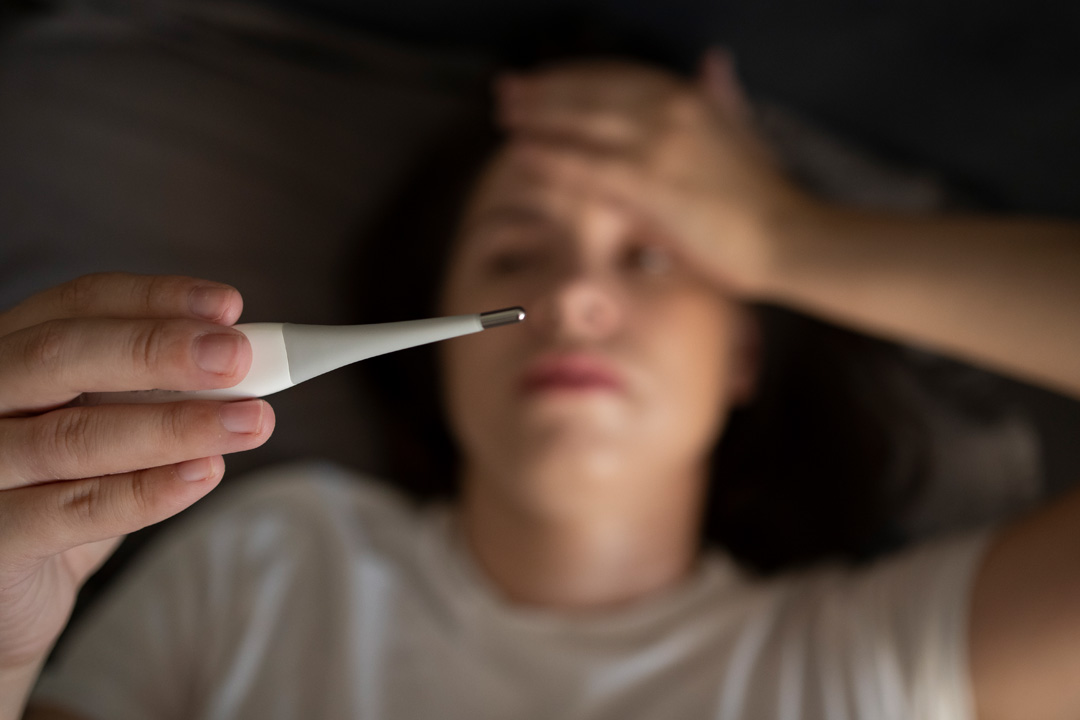
Mild cramping, bloating, breast tenderness or light spotting can occur after IUI. These symptoms may result from ovulation progesterone support or uterine response. These signs do not confirm pregnancy and their absence does not indicate failure. Implantation symptoms vary widely and many people experience none. Severe pain, heavy bleeding, fever or foul smelling discharge requires immediate medical consultation.
When Should You Take a Pregnancy Test After IUI?
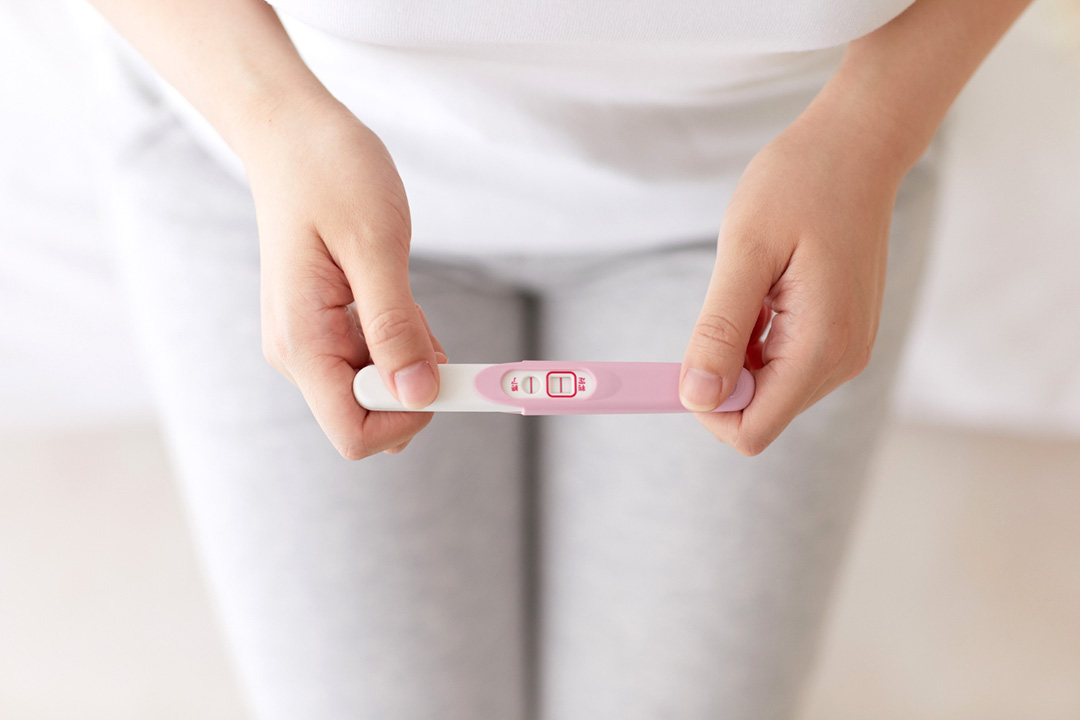
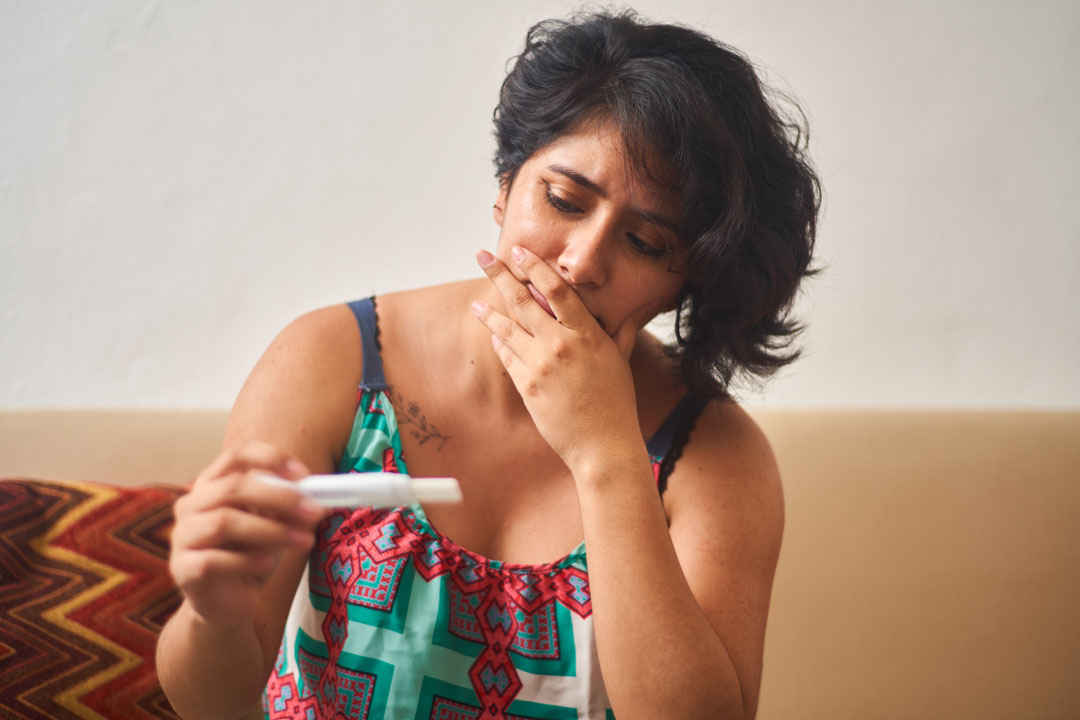
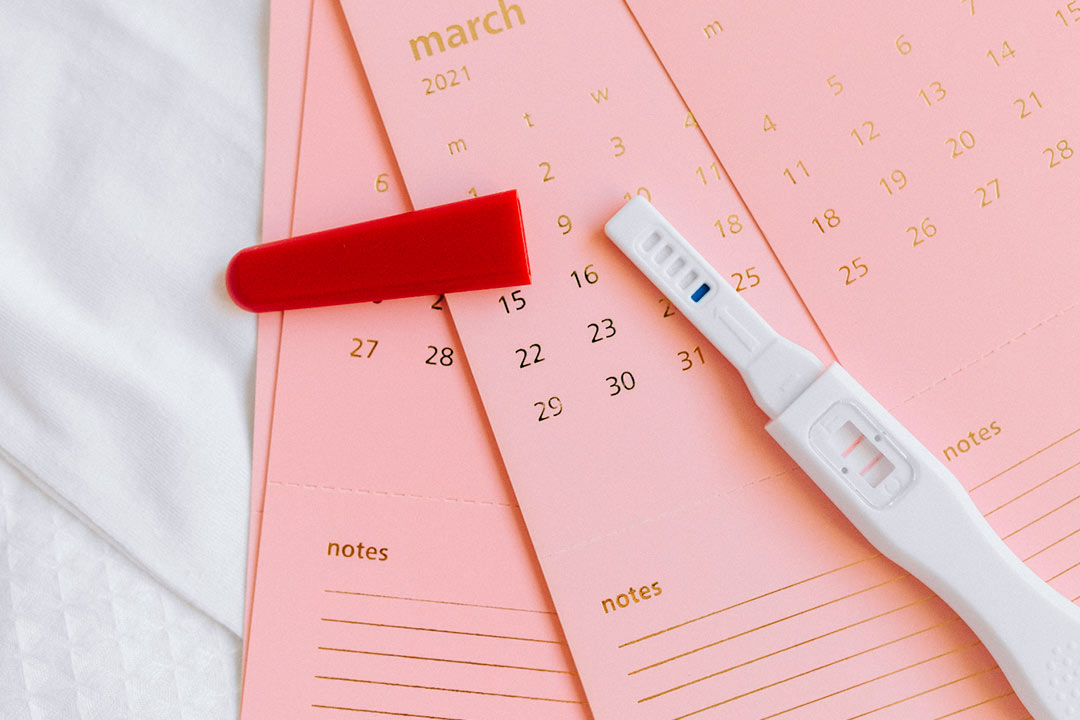
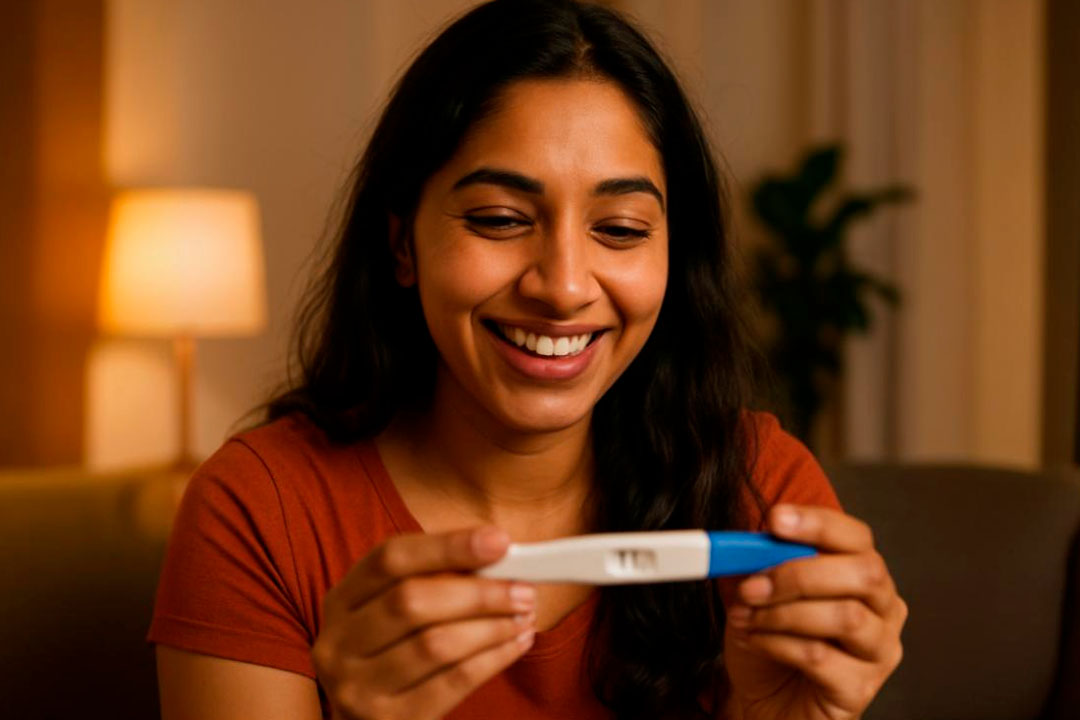
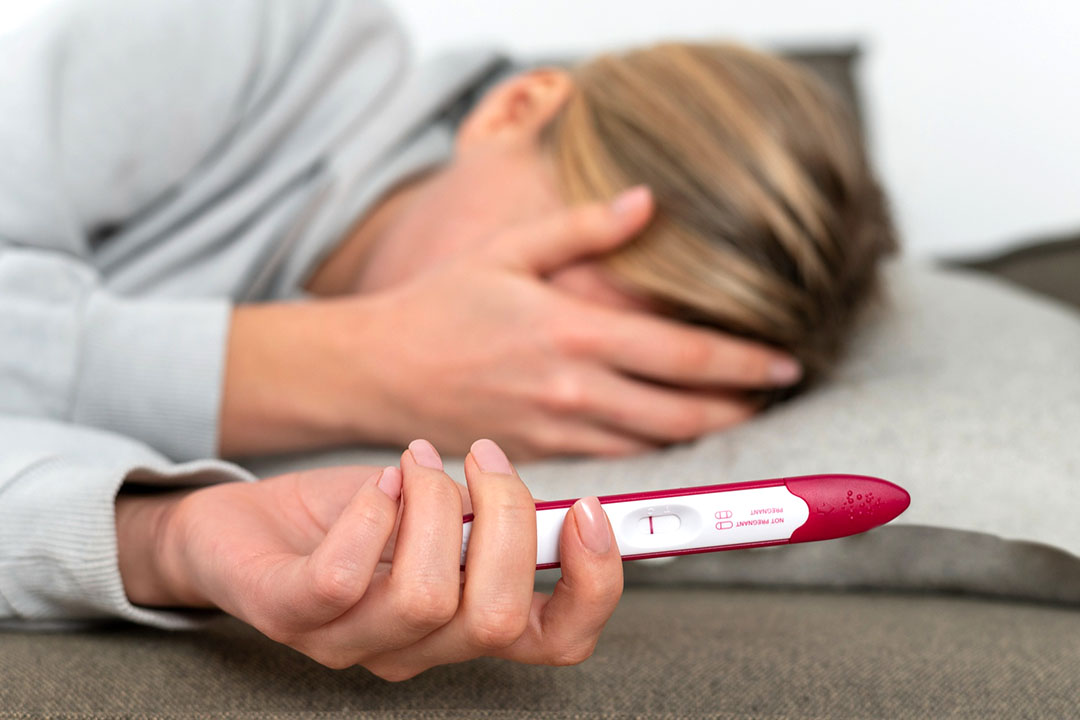
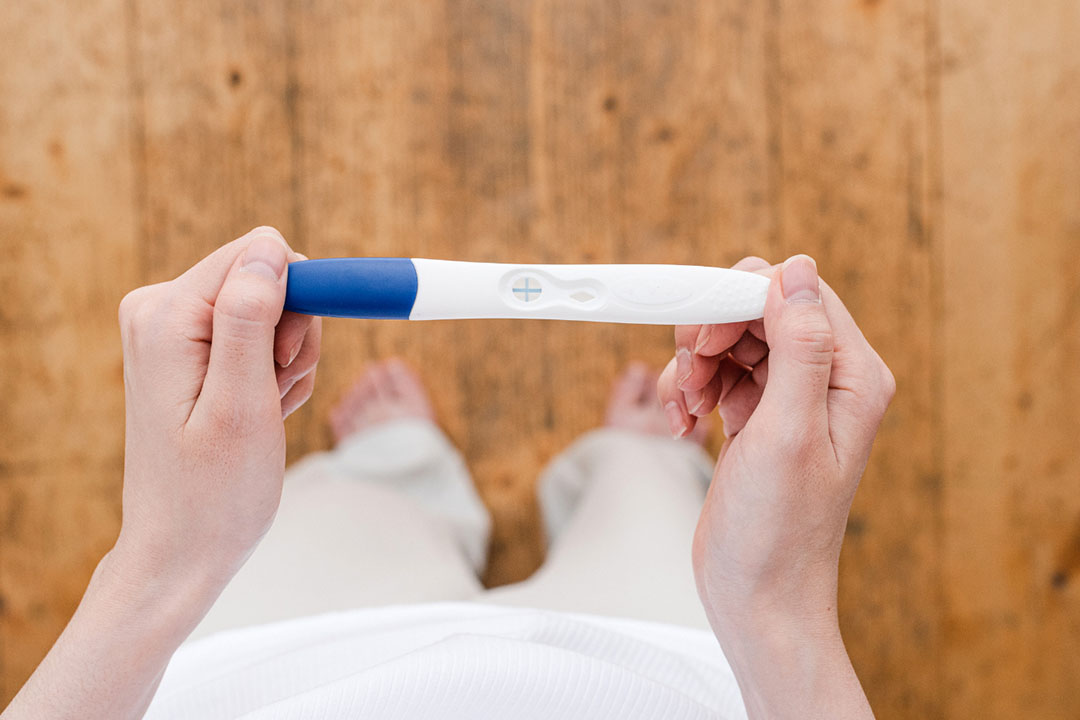
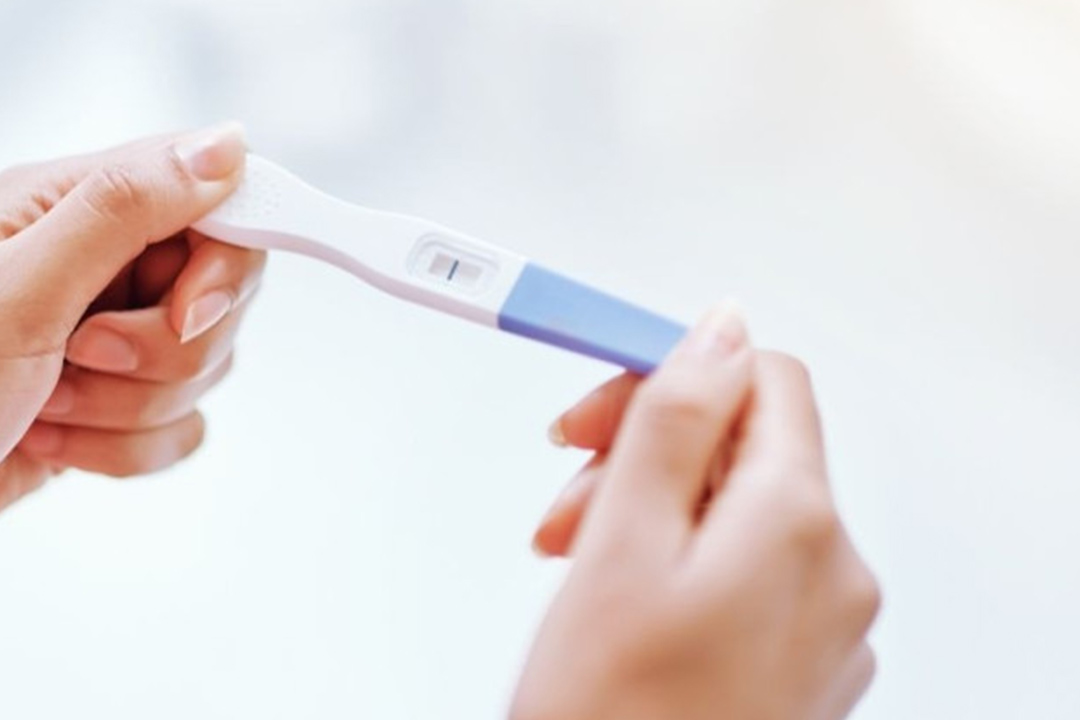
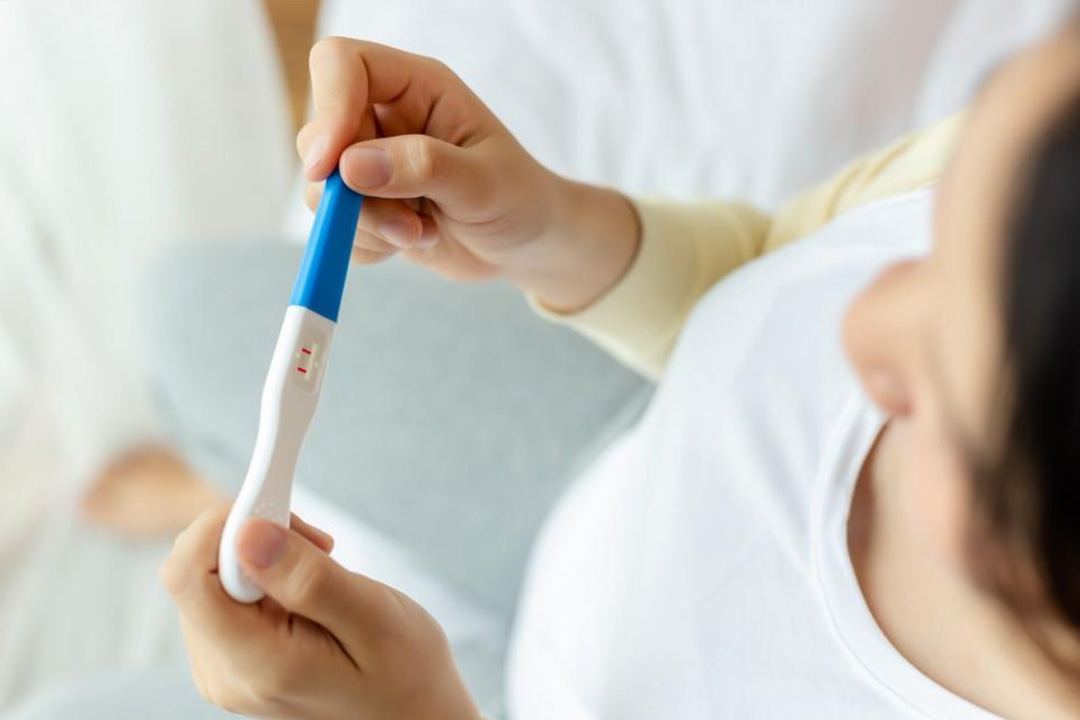
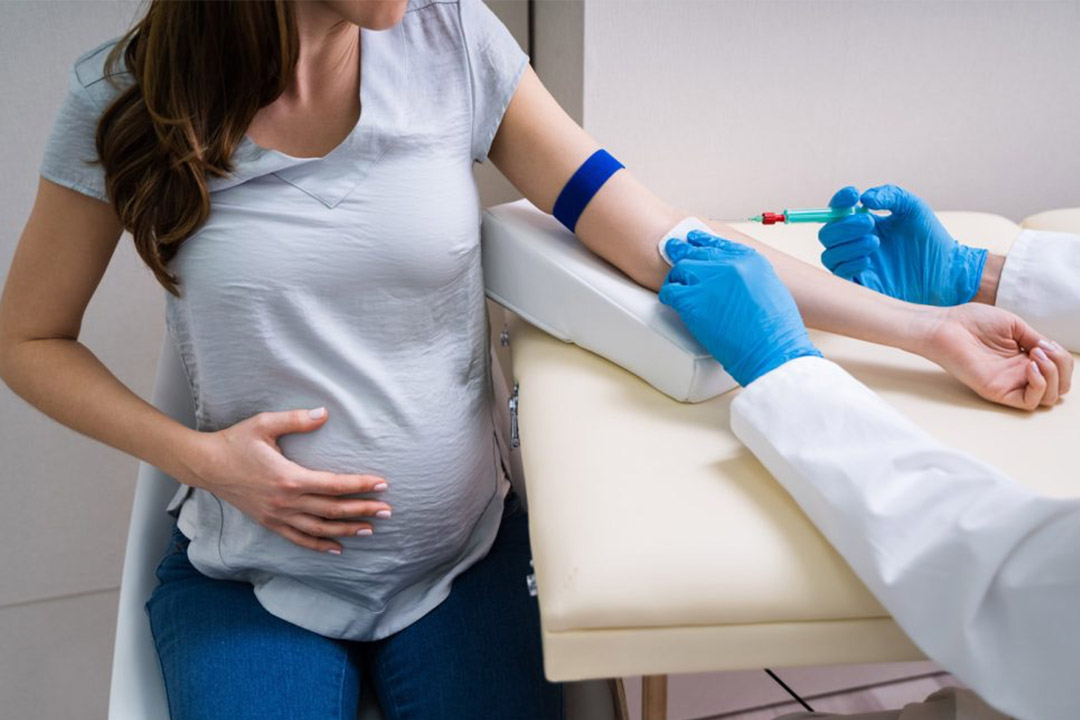
A pregnancy test should ideally be done 14 days after IUI. Testing earlier may give false results due to trigger injections or incomplete implantation. Blood tests provide more accurate results than home urine tests. Testing too early increases emotional stress and confusion. Patience during this waiting period is difficult but necessary for accurate outcomes.
Common Myths About Precautions After IUI
Many myths circulate around IUI precautions. Some believe complete bed rest improves success while others avoid bathing or walking. Scientific evidence does not support extreme restrictions. The uterus does not allow sperm or embryos to fall out. Normal movement does not disrupt implantation.
Frequently Asked Questions
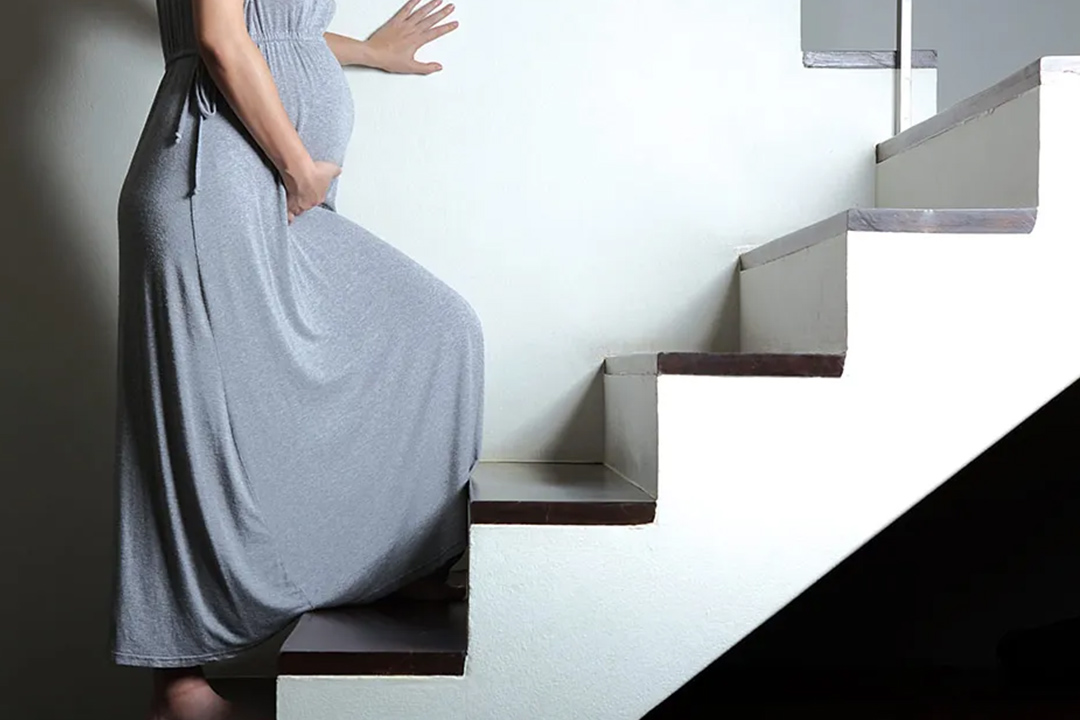
Can I climb stairs after IUI?
Yes, climbing stairs slowly and normally is safe. There is no evidence that stair climbing affects implantation. Avoid rushing or carrying heavy loads.
Can I go to work the next day after IUI?
Yes most people return to work the same day or the next day. Desk jobs and light duties are safe. Physical strain should be minimized for a few days.
Does stress reduce IUI success?
Stress alone does not cause failure but chronic stress affects sleep hormones and immune balance. Managing stress supports overall reproductive health.
Can I use painkillers after IUI?
Only use medicines prescribed by your doctor. Avoid self medicating especially with anti inflammatory drugs as they may affect implantation.
How many IUI cycles are usually tried?
Many couples try three to six IUI cycles before considering other options. The exact number depends on age diagnosis and response to treatment.
Is spotting after IUI normal?
Light spotting can occur and is usually not harmful. Heavy bleeding should be evaluated promptly.
Conclusion
Precautions after IUI are not about restriction or fear. They are about supporting the body during a sensitive phase. Normal routine gentle movement balanced nutrition and emotional care create an environment where implantation can occur naturally if fertilization has happened.
Avoid extreme advice and focus on evidence based practices. Each body responds differently and outcomes cannot be guaranteed. What matters most is informed care, realistic expectations and self compassion during the process.
About Us
AKsigen IVF is a premier center for advanced fertility treatments, with renowned fertility experts on our team. Specializing in IVF, ICSI, egg freezing, and other cutting-edge reproductive technologies, AKsigen IVF is committed to helping couples achieve their dream of parenthood. With personalized care and a patient-first approach, AKsigen IVF provides comprehensive fertility solutions under one roof.