What Is Hydrosalpinx? Symptoms, Causes & Treatment
Nowadays, infertility is a rising worry for many couples, and the fallopian tubes are often the source of the problem. Hydrosalpinx is one of the conditions affecting these sensitive tubes that frequently remains undiagnosed until a woman begins attempting to conceive.
Many women experience confusion or anxiety about the effects of the term for their health and potential pregnancy when they hear it for the first time during fertility tests.
Even though it can seem awful, you can improve your reproductive health by being aware of the condition's causes, symptoms, diagnosis, and treatment options. This article provides a simple, patient-friendly explanation of hydrosalpinx so you may understand what to expect and how to treat it.
What is Hydrosalpinx?
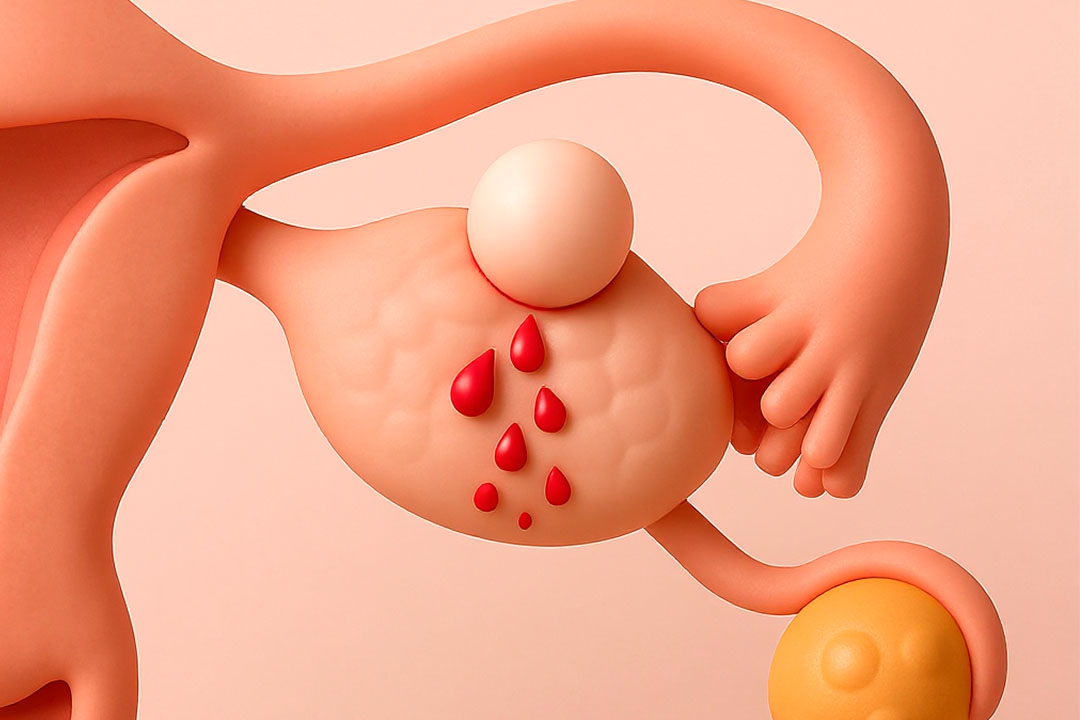
Hydrosalpinx meaning comes from two words: “hydro” meaning water and “salpinx” meaning tube. So, hydrosalpinx literally means a water-filled tube. In medical terms, it is a condition where one or both fallopian tubes become blocked and swollen due to the collection of fluid inside them.
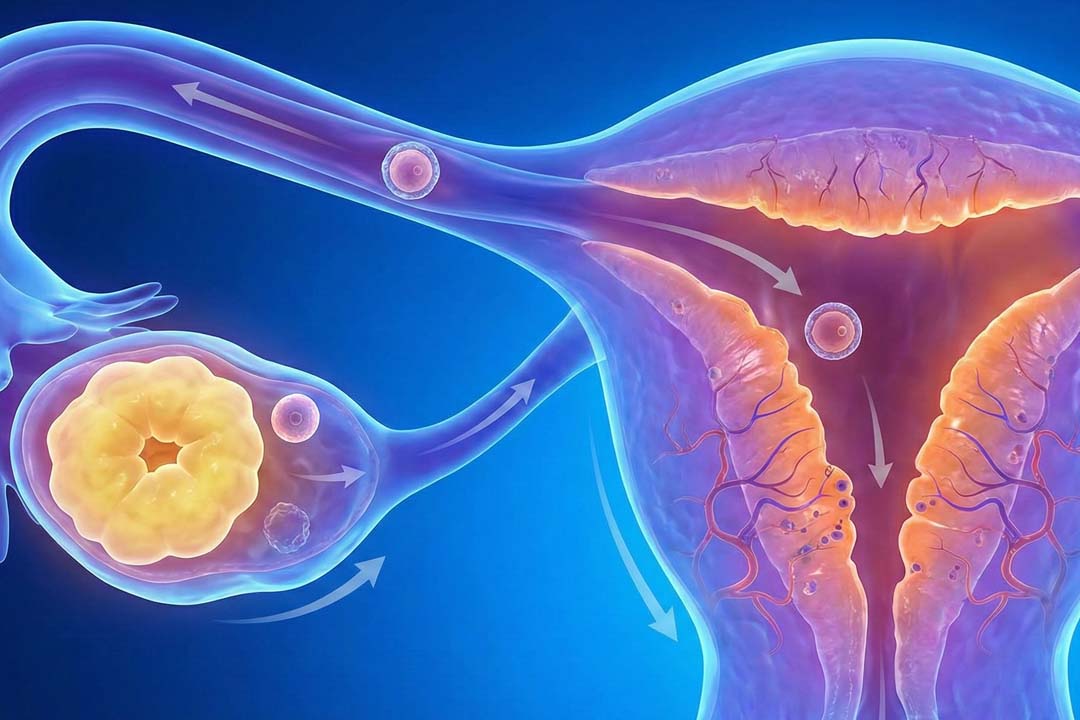
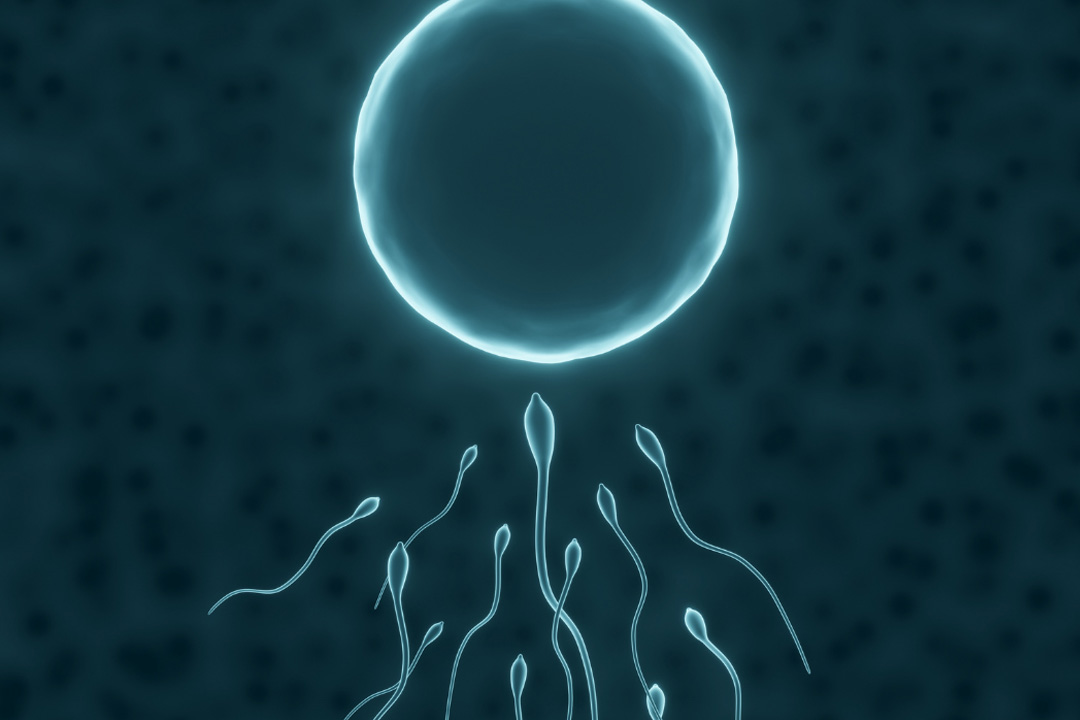
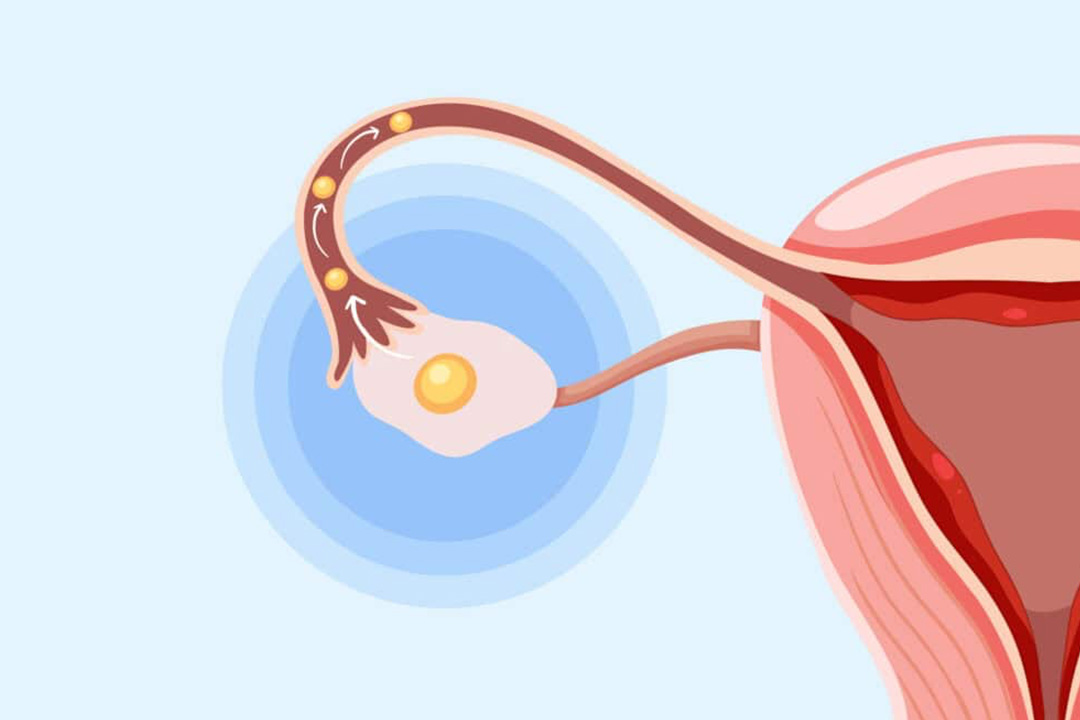
The fallopian tubes play a crucial role in natural pregnancy. They carry the egg from the ovary to the uterus and are also where fertilization usually happens.
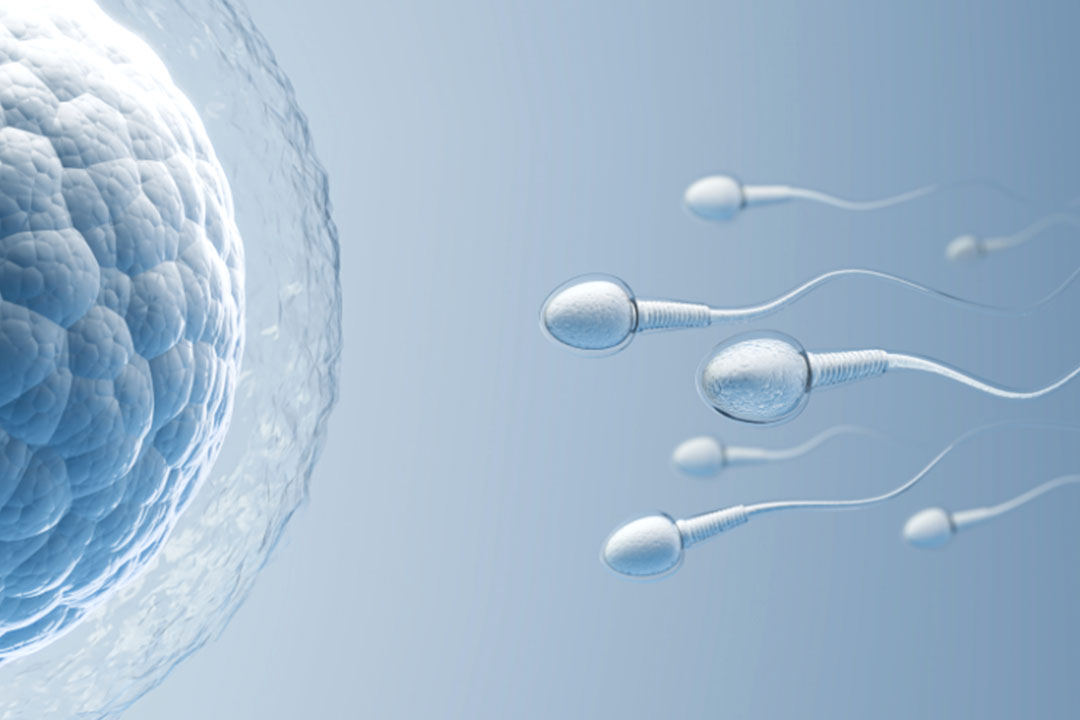
When these tubes are blocked with fluid, the egg and sperm cannot meet easily, and even if fertilization occurs, the embryo may not reach the uterus. This is why hydrosalpinx is commonly linked to infertility.
What Are the Fallopian Tubes and Why Are They Important?
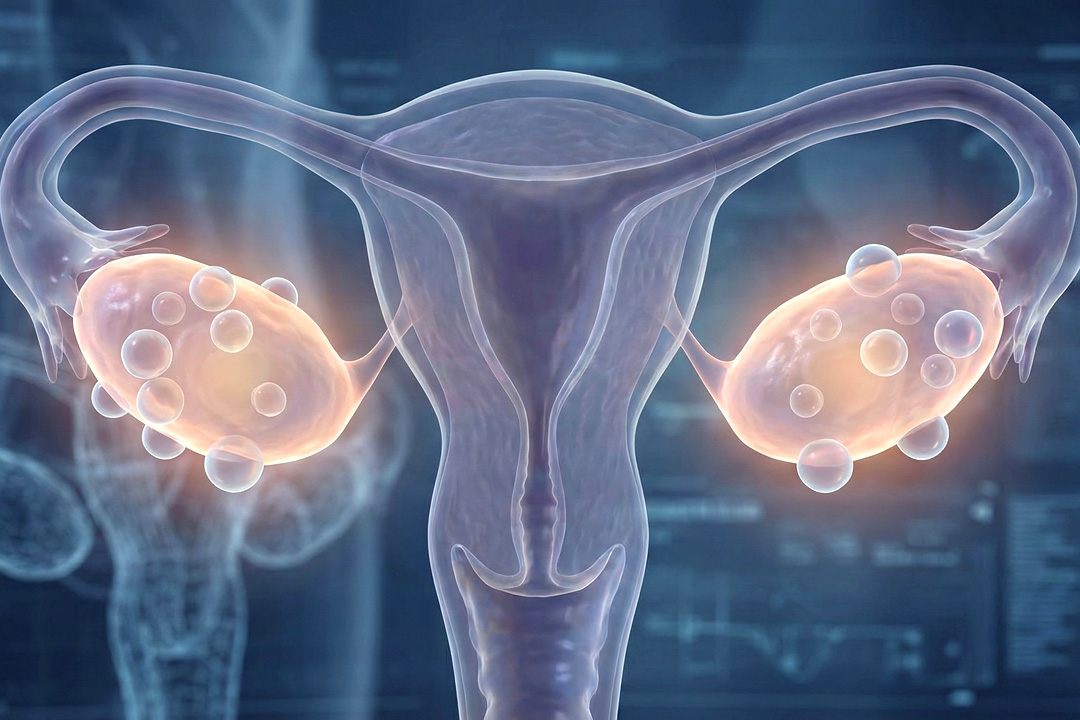
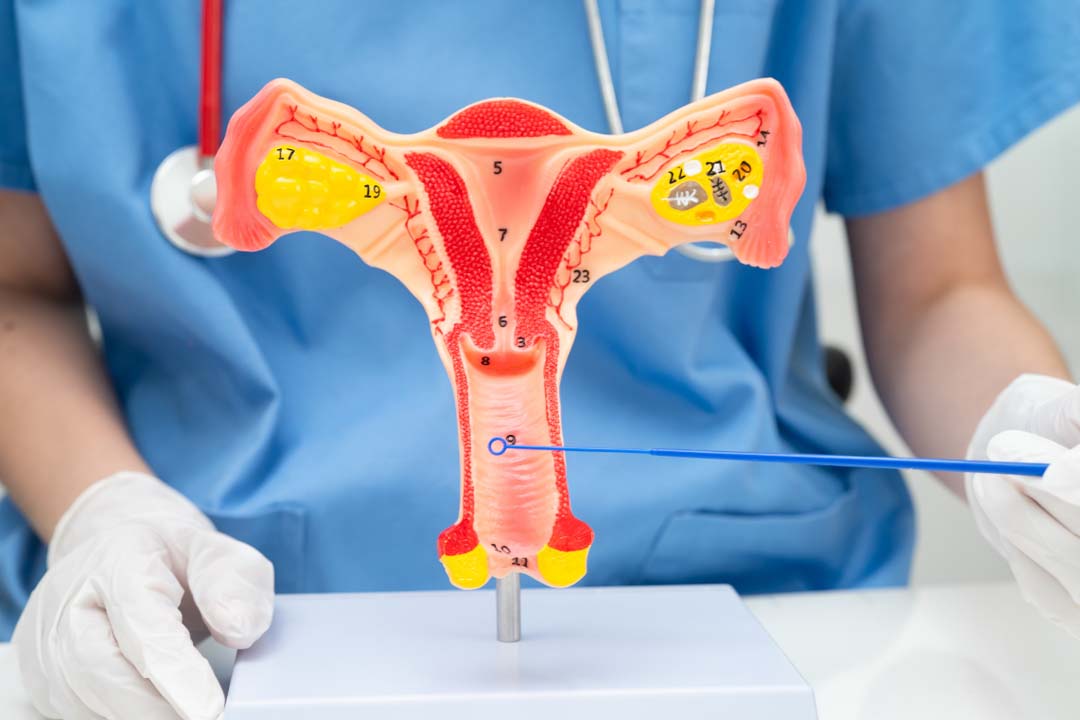
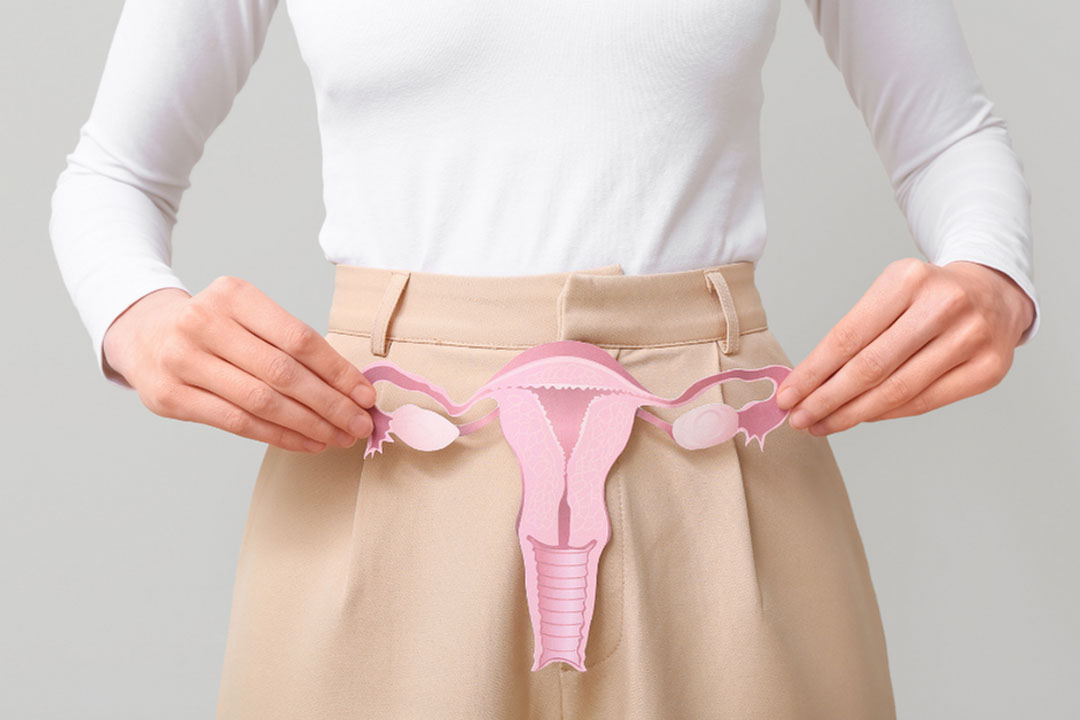
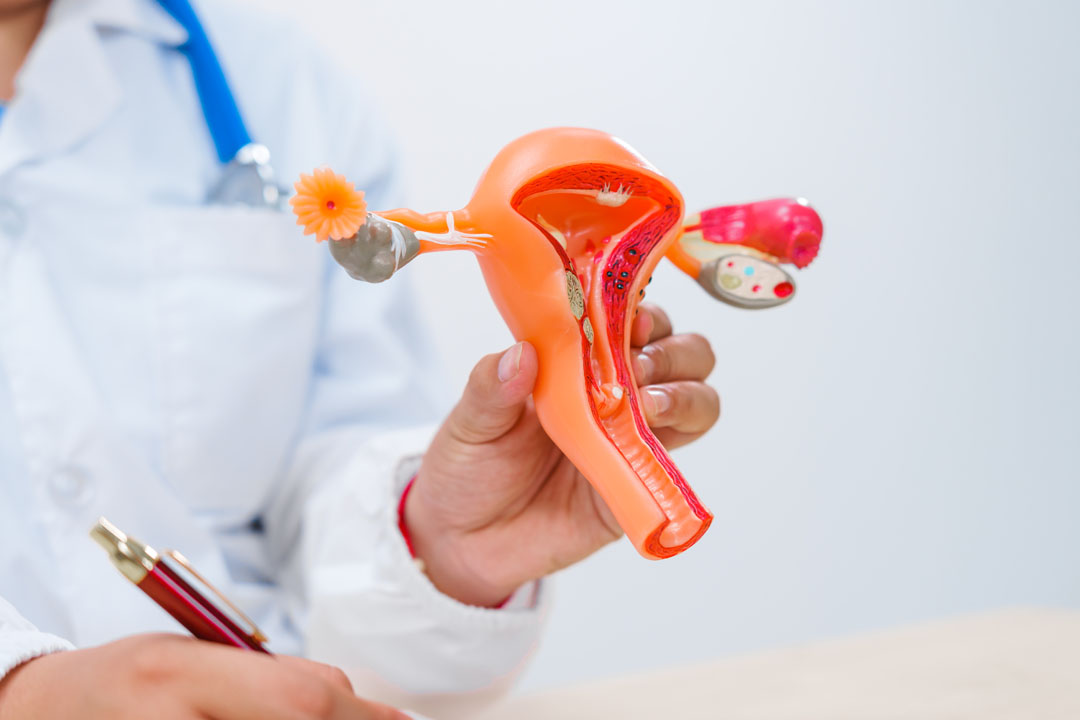
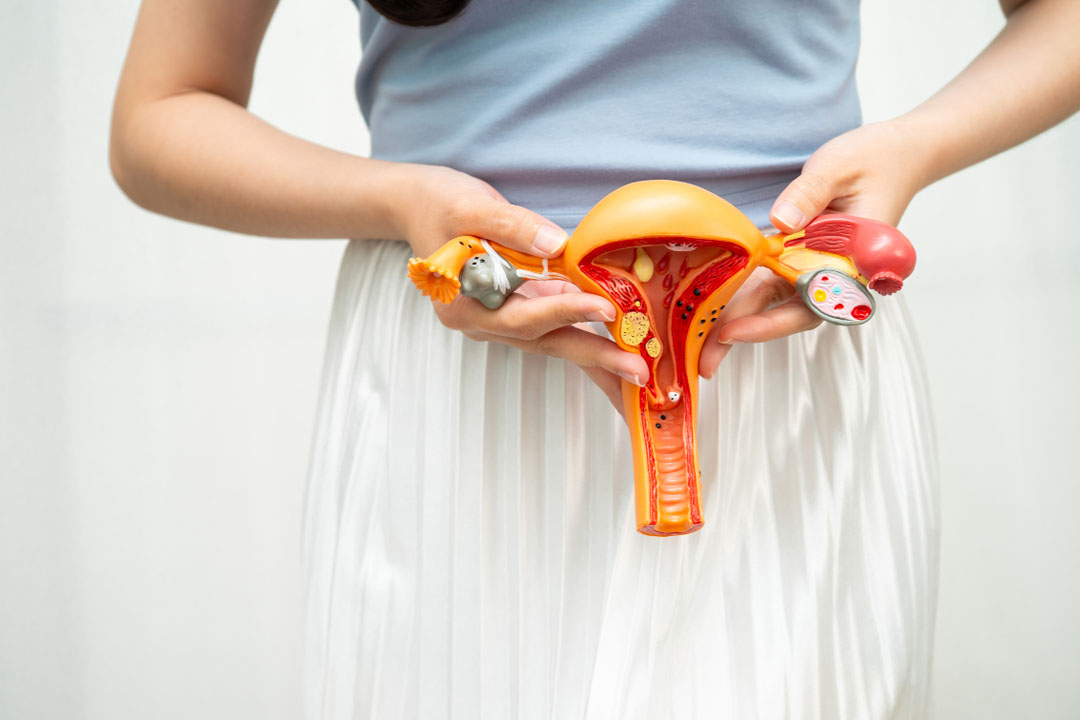
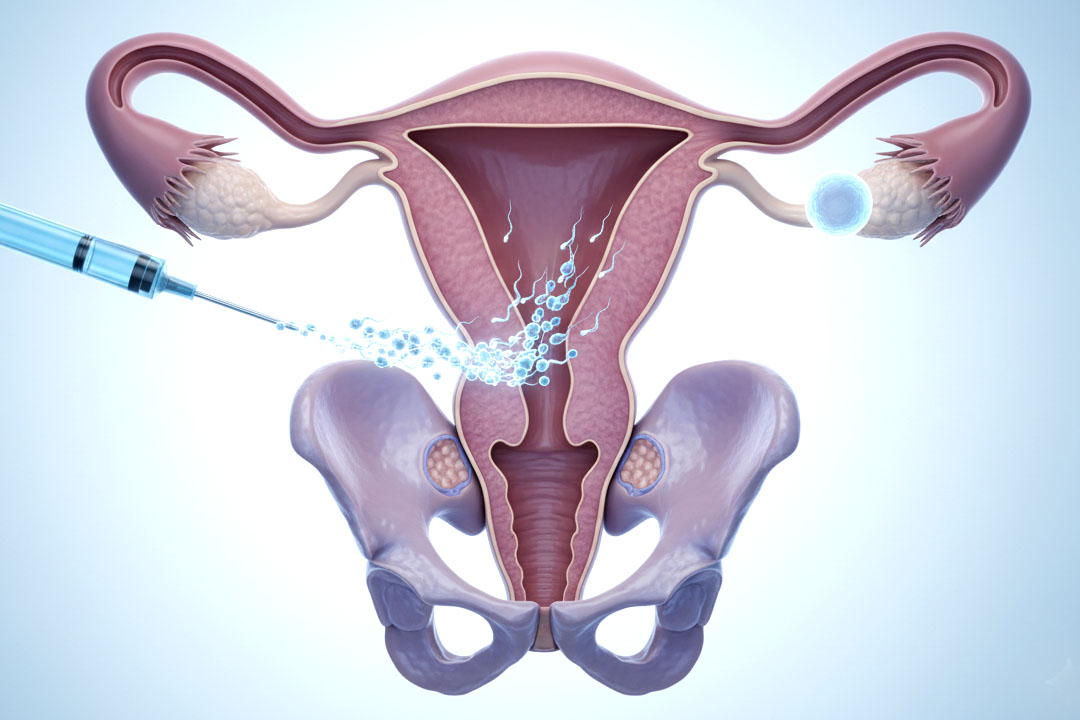
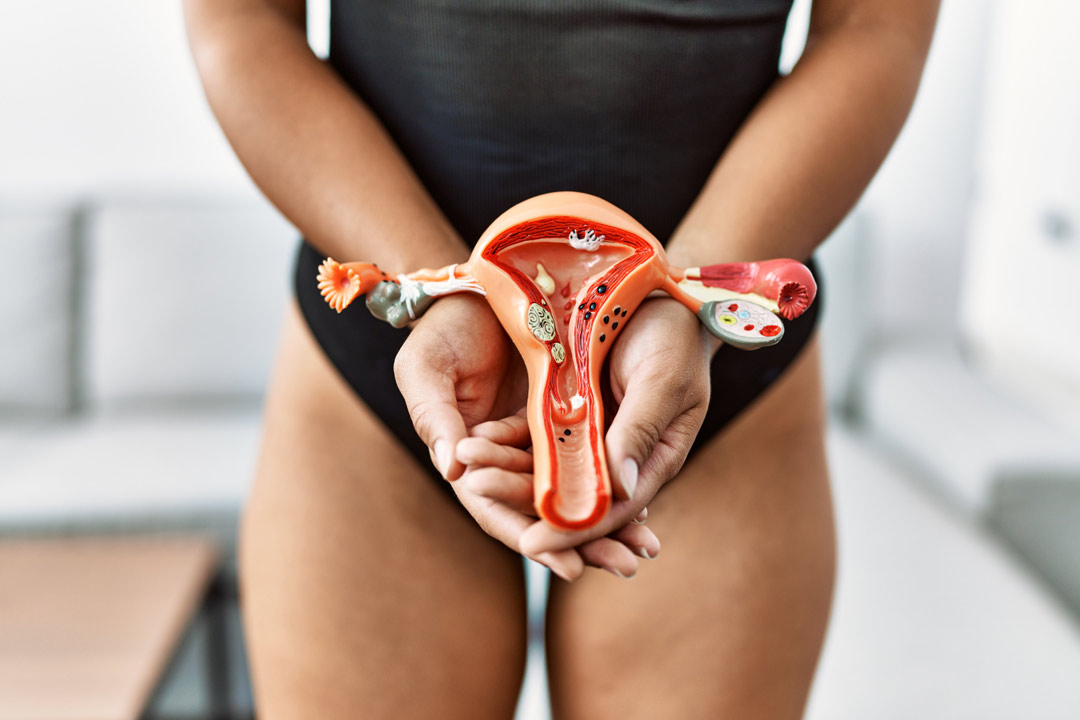
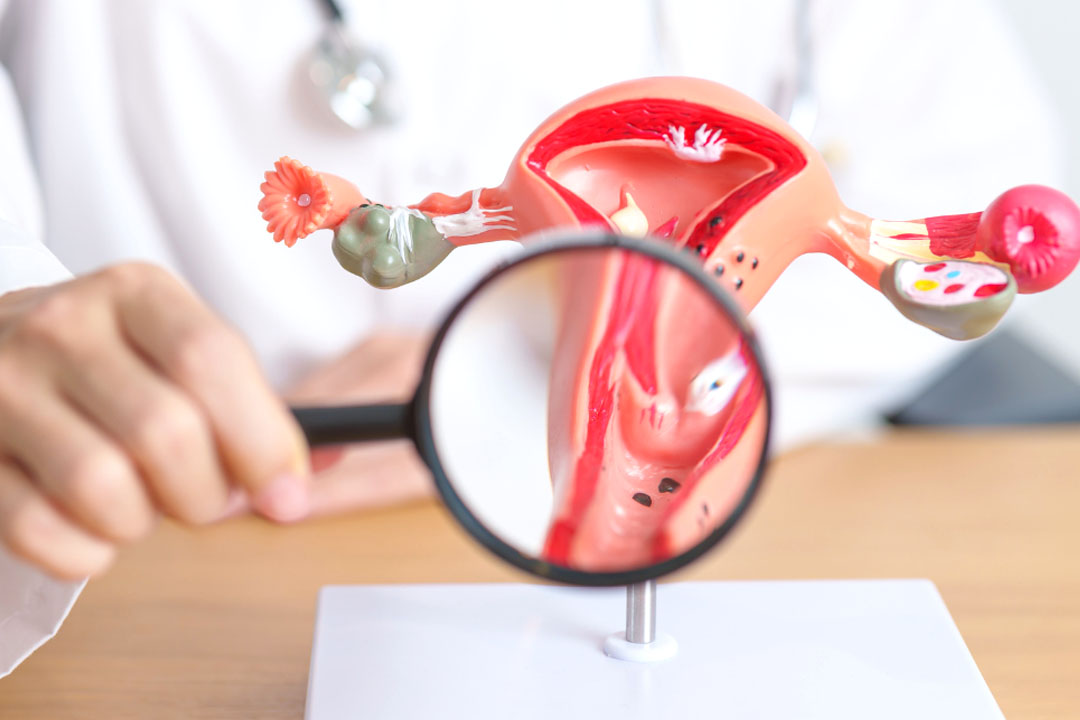
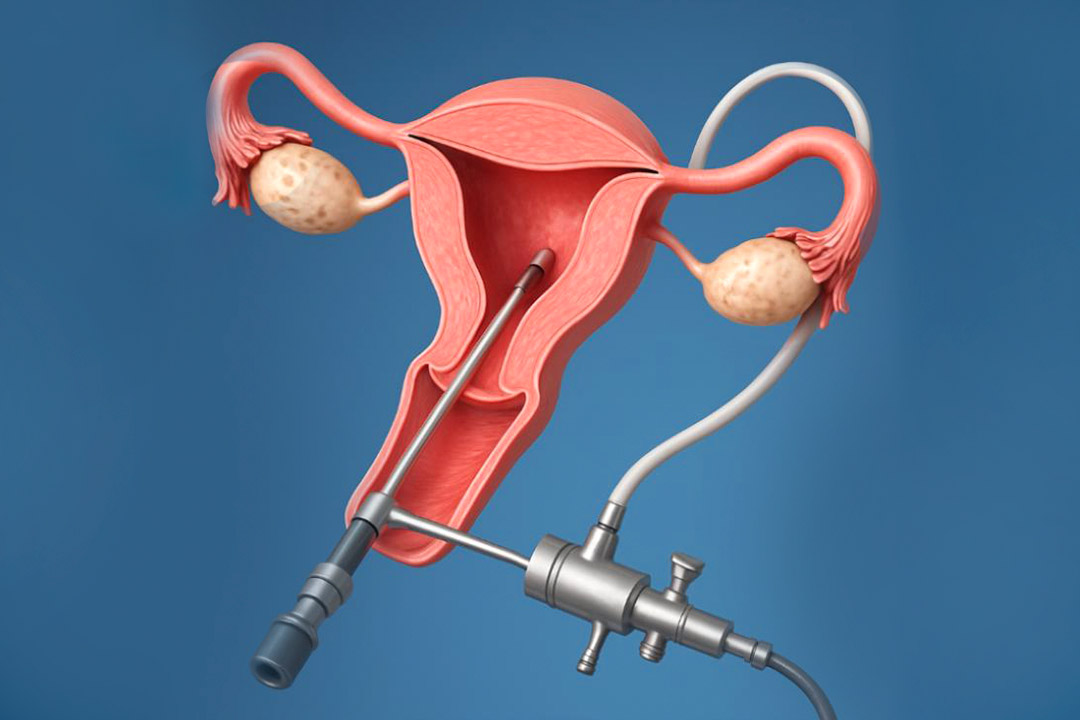
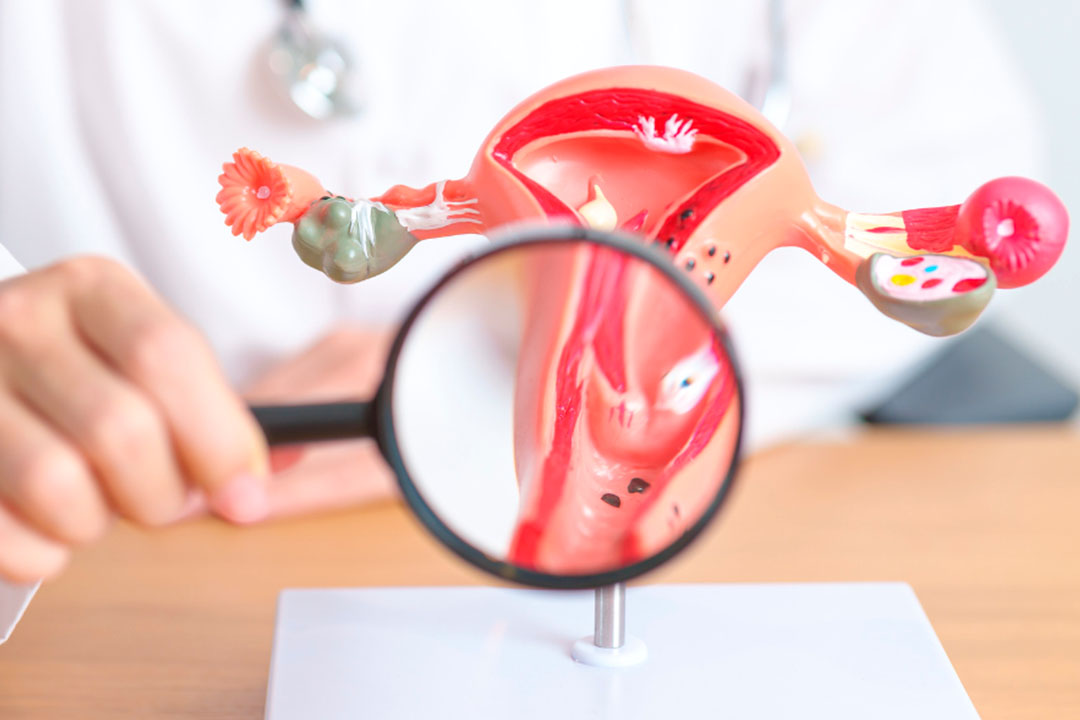
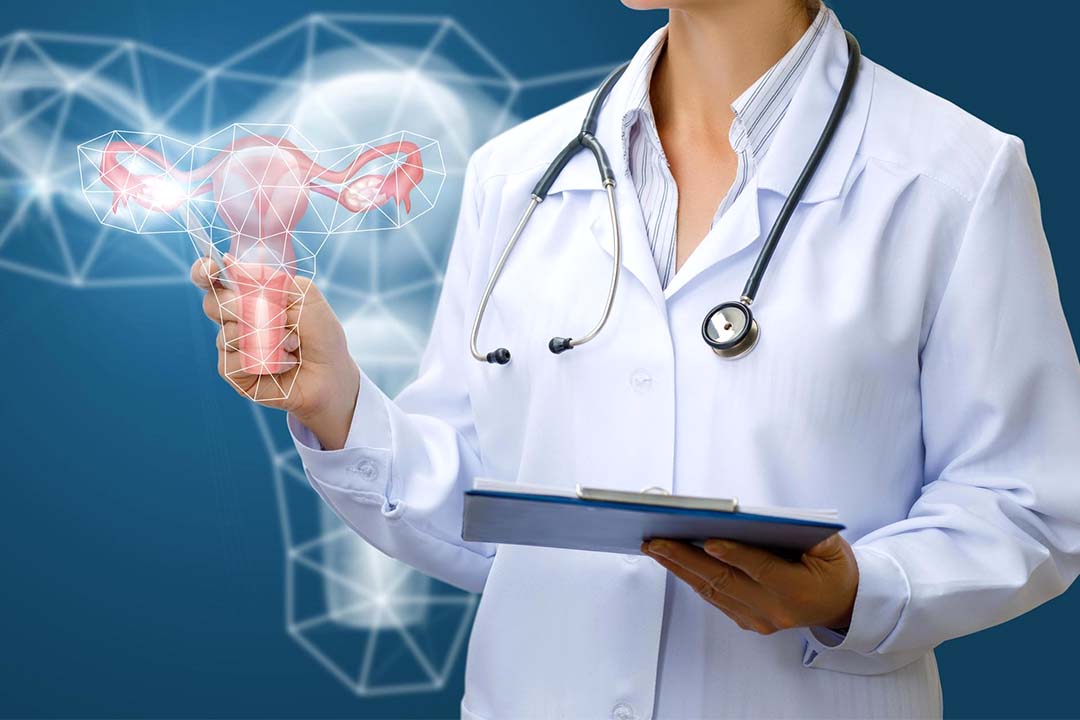
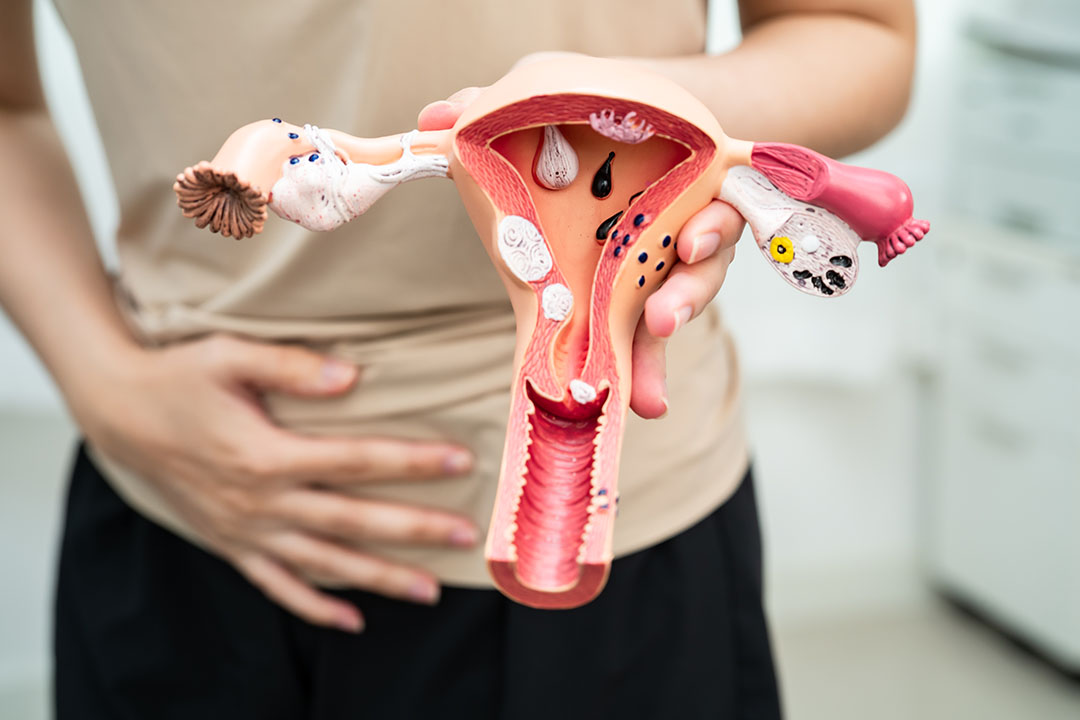
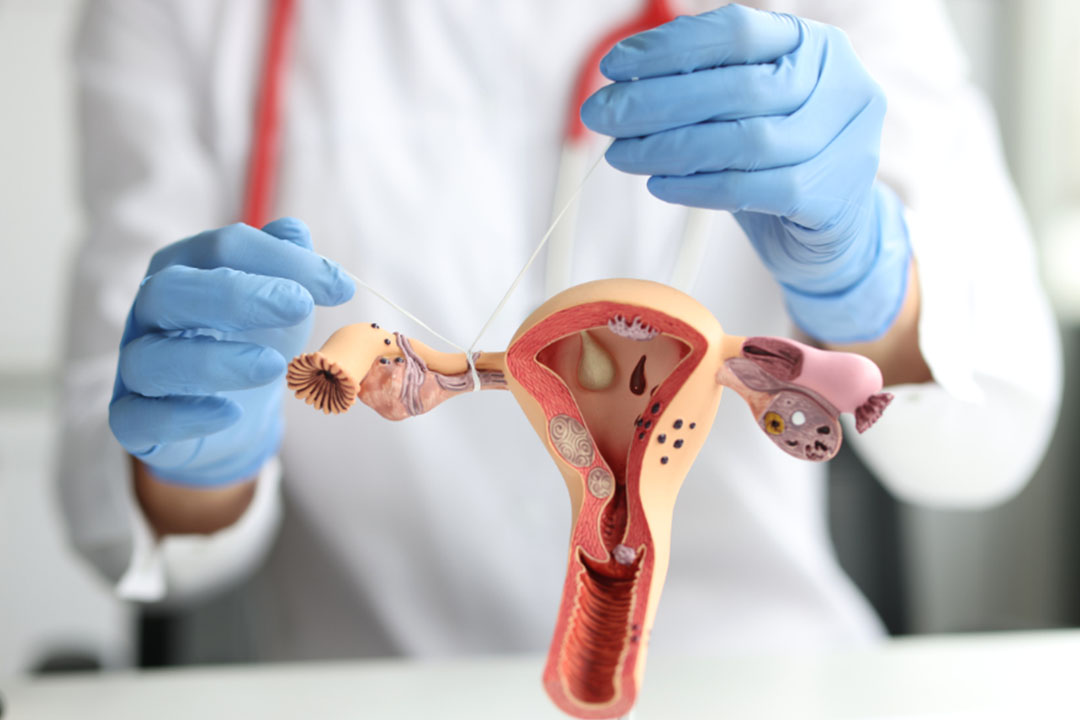
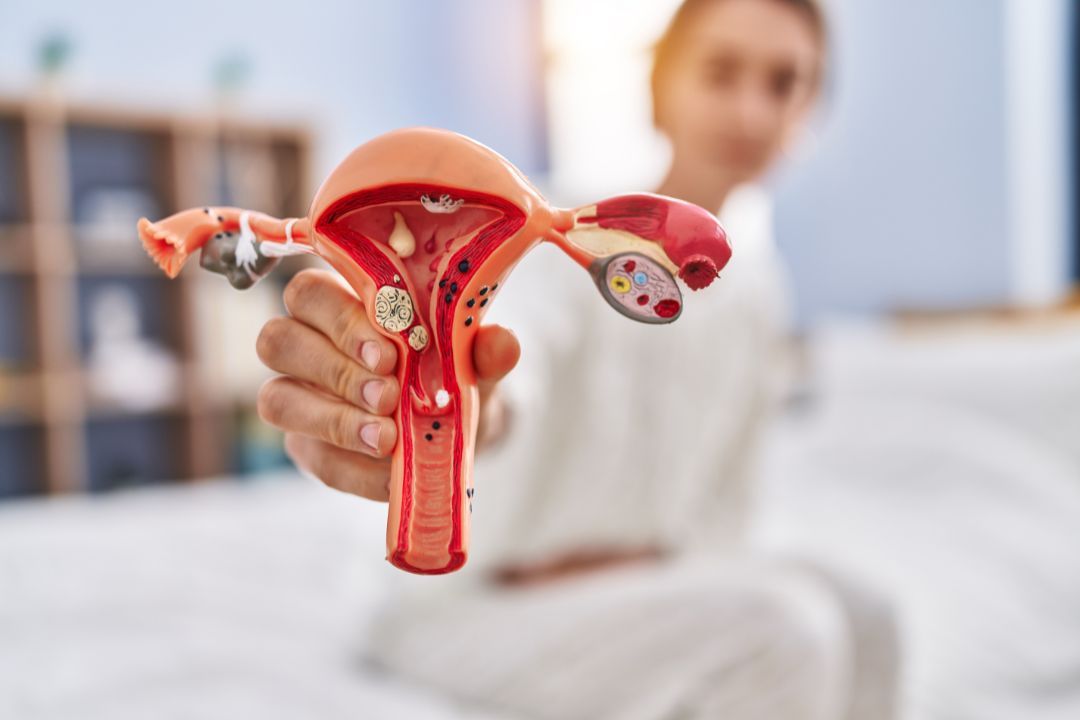
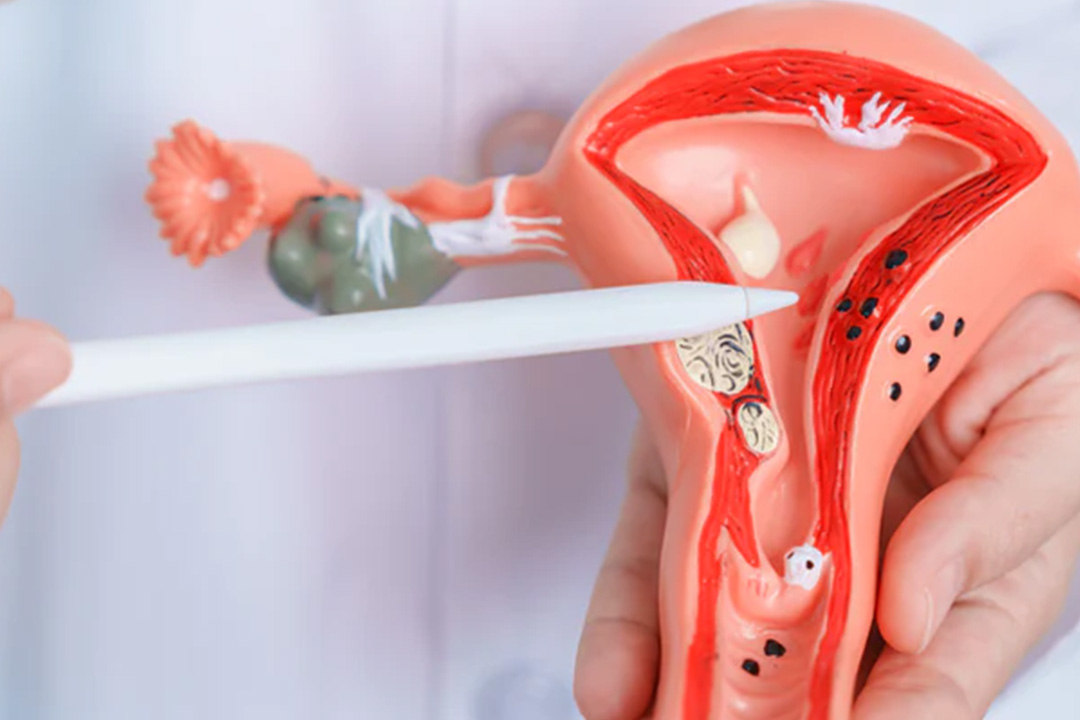
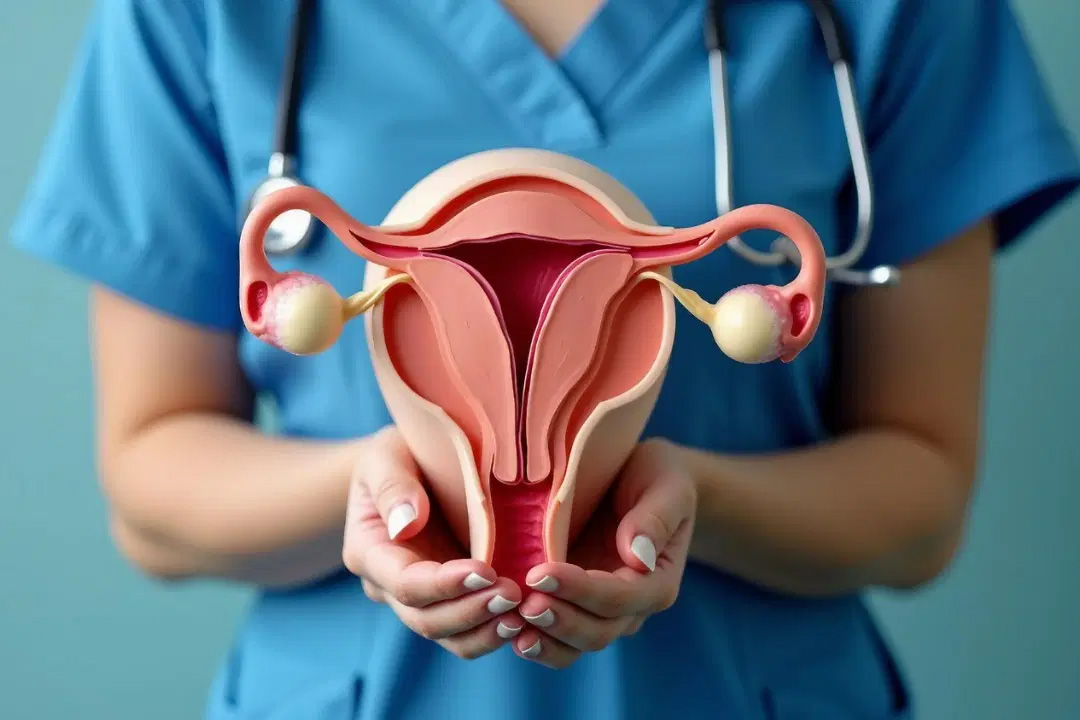
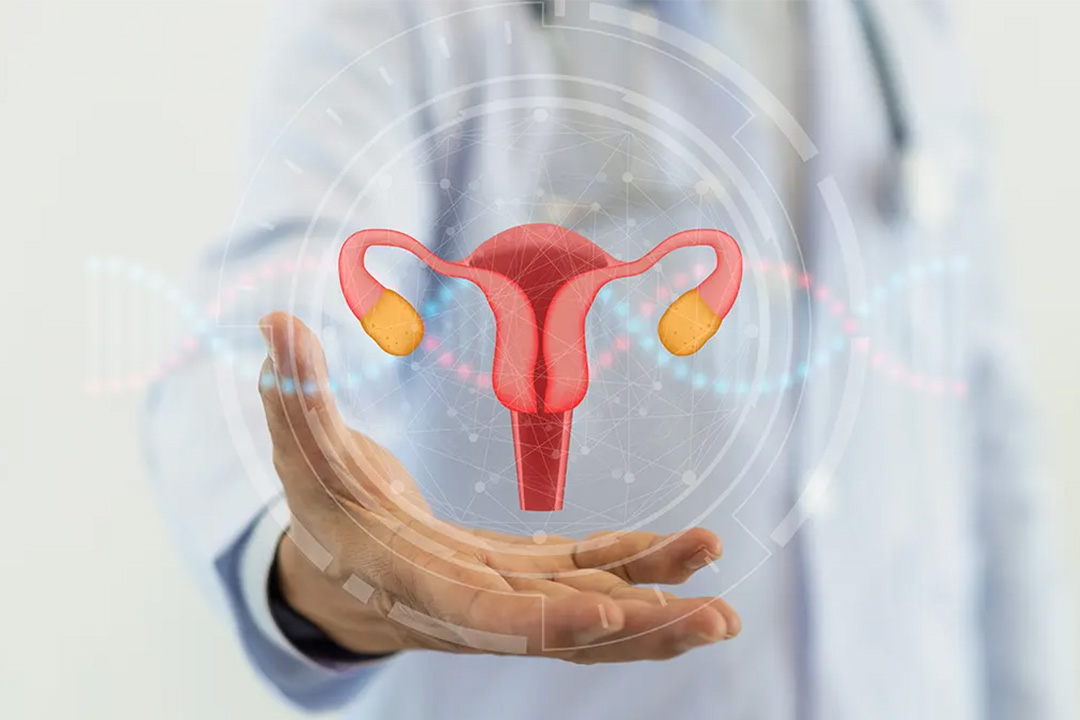
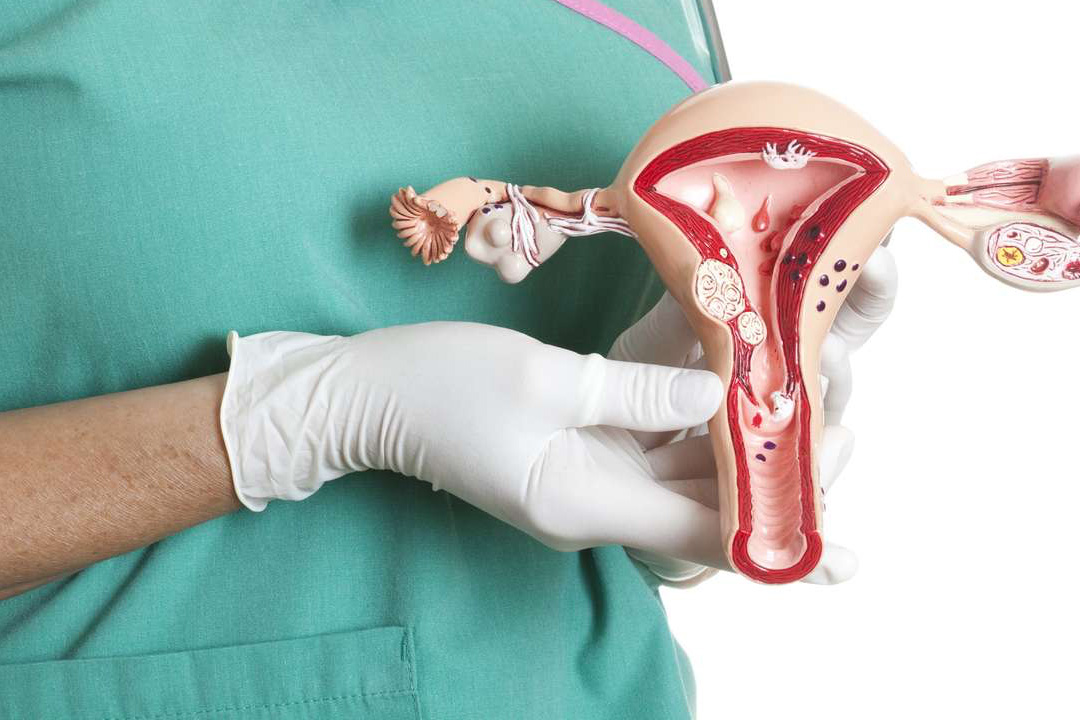
The fallopian tubes are thin, delicate tubes on each side of the uterus that connect the ovaries to the womb.
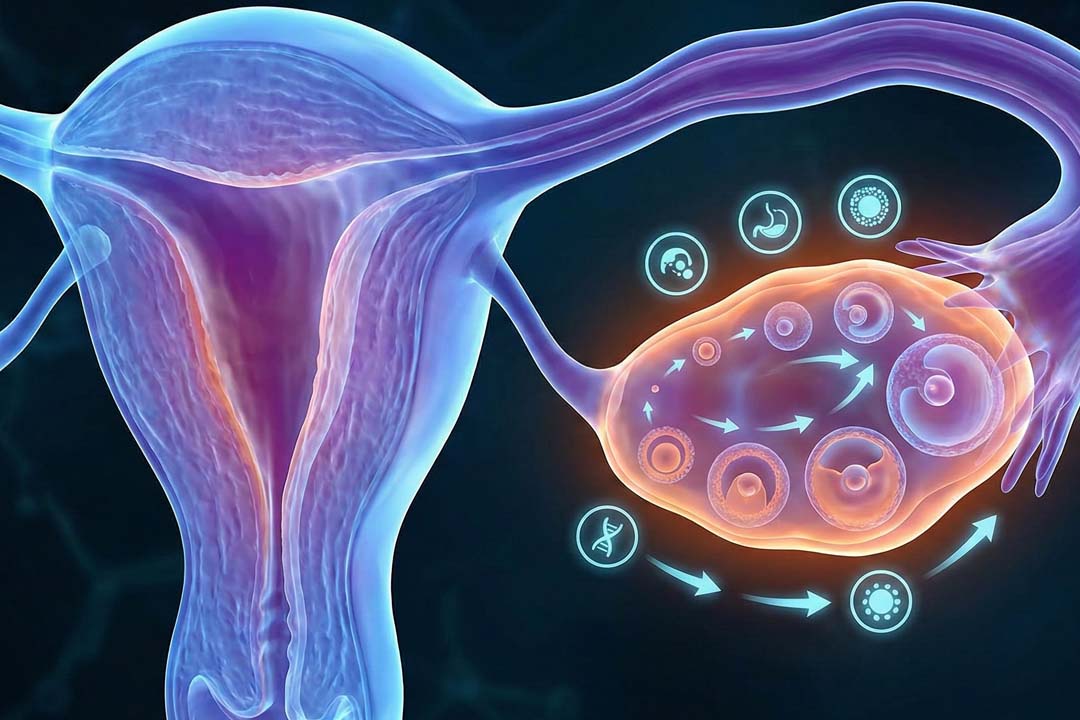
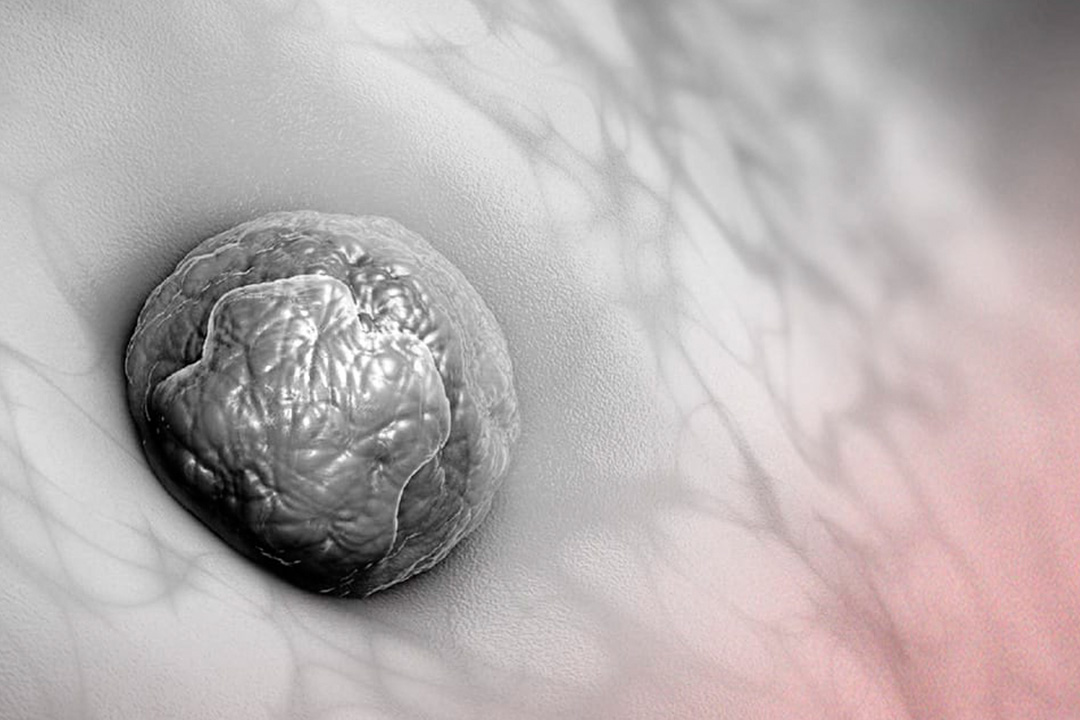
Every month, during ovulation, an egg is released from the ovary and picked up by the tube. If sperm meets the egg here, fertilization takes place, and the embryo then travels to the uterus for implantation.
Healthy tubes are open and flexible. Any blockage or damage, as seen in hydrosalpinx, can disturb this natural process and make it difficult to conceive.
Hydrosalpinx Causes
Hydrosalpinx causes are usually related to infections or conditions that damage the inner lining of the fallopian tubes. Over time, this damage leads to scarring, closure of the tube’s end, and trapping of fluid inside. Common causes include:
- Untreated pelvic infections: Infections of the reproductive tract, especially those caused by sexually transmitted bacteria, are the most common reason.
- Pelvic inflammatory disease (PID): This is a serious infection of the uterus, tubes, and ovaries that can leave behind scars.
- Previous pelvic or abdominal surgery: Surgeries involving the tubes, ovaries, appendix, or uterus can cause adhesions that block the tubes.
- Endometriosis: Tissue similar to the uterine lining grows outside the uterus and can affect the tubes.
- Past ectopic pregnancy: A pregnancy in the tube can damage it permanently.
- Tumors or growths: Rarely, nearby growths may press on the tubes.
Often, the original infection may have occurred years earlier, and the woman may not remember having any major symptoms at that time.
Hydrosalpinx Symptoms
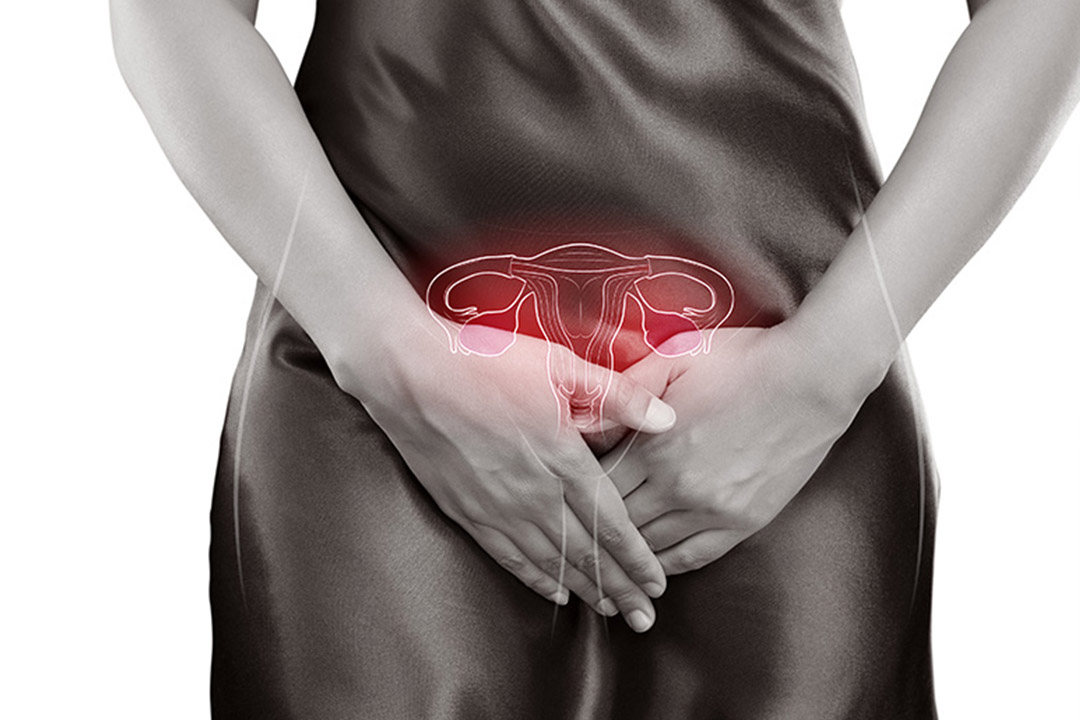
Hydrosalpinx symptoms are usually mild or even absent, which is why many women are unaware of the problem until fertility testing is done. However, when symptoms do occur, they may include:
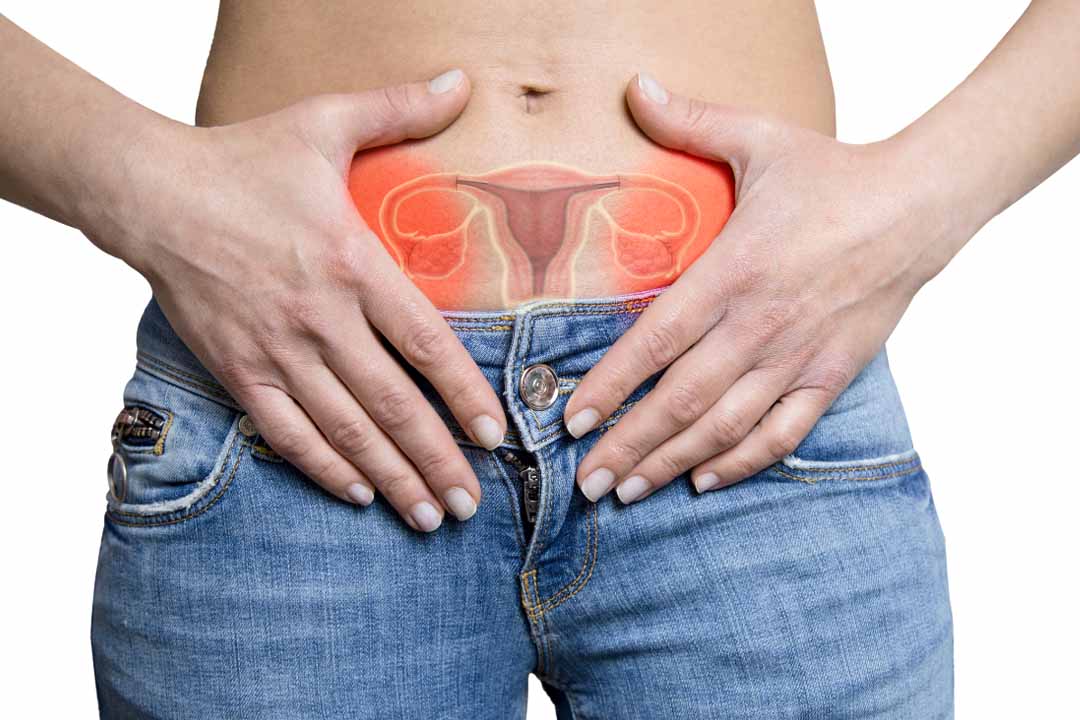
- Dull or aching pain in the lower abdomen or pelvis
- Pain that worsens around periods
- Unusual vaginal discharge that may be sticky or foul-smelling
- Feeling of heaviness in the lower abdomen
In many cases, infertility itself becomes the first noticeable sign of hydrosalpinx.
Left Hydrosalpinx, Right Hydrosalpinx and Bilateral Hydrosalpinx
Hydrosalpinx can affect one or both tubes:
- Left hydrosalpinx or left sided hydrosalpinx: Only the left fallopian tube is blocked with fluid.
- Right hydrosalpinx: Only the right tube is affected.
- Bilateral hydrosalpinx: Both tubes are involved.
If only one tube is blocked, natural pregnancy may still be possible, depending on the health of the other tube. However, when both tubes are affected, natural conception becomes very difficult without medical help.
How Is Hydrosalpinx Diagnosed?
Various techniques are used to diagnose hydrosalpinx, for instance:
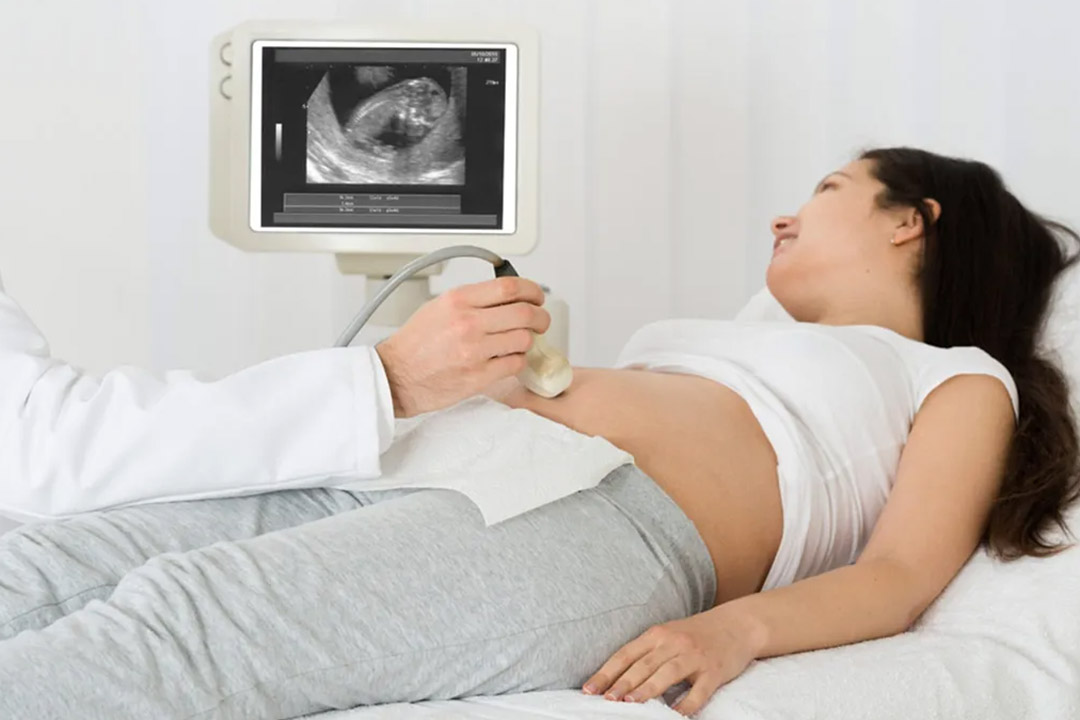
Hydrosalpinx USG and Hydrosalpinx Ultrasound
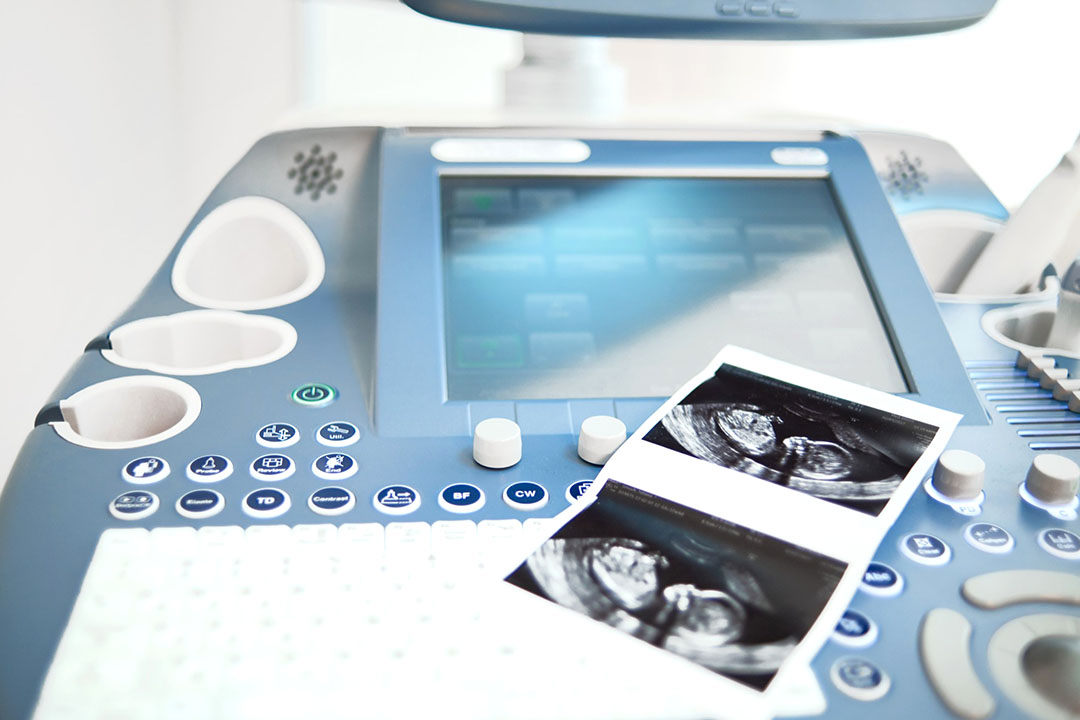
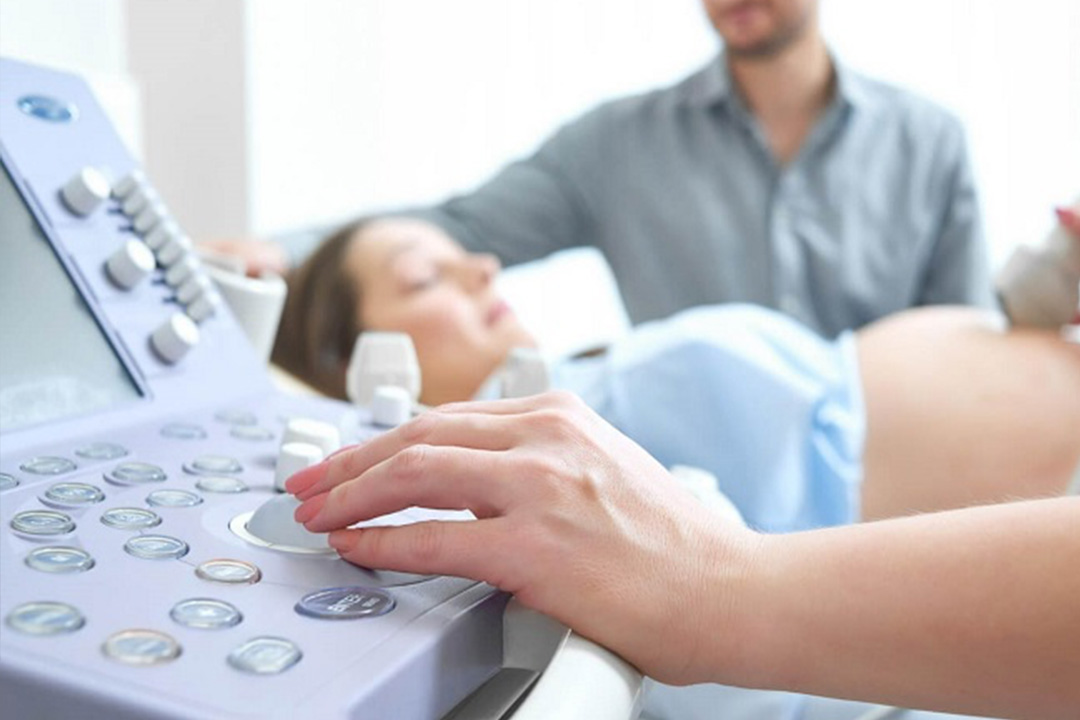
A pelvic ultrasound is often the first test done. In many women, normal fallopian tubes are not visible on ultrasound. But when they are swollen and filled with fluid, they may appear as elongated, sausage-shaped structures.
This finding on hydrosalpinx ultrasound raises suspicion of the condition. However, ultrasound alone may not always confirm the diagnosis, especially if the swelling is mild.
Hysterosalpingography (HSG)
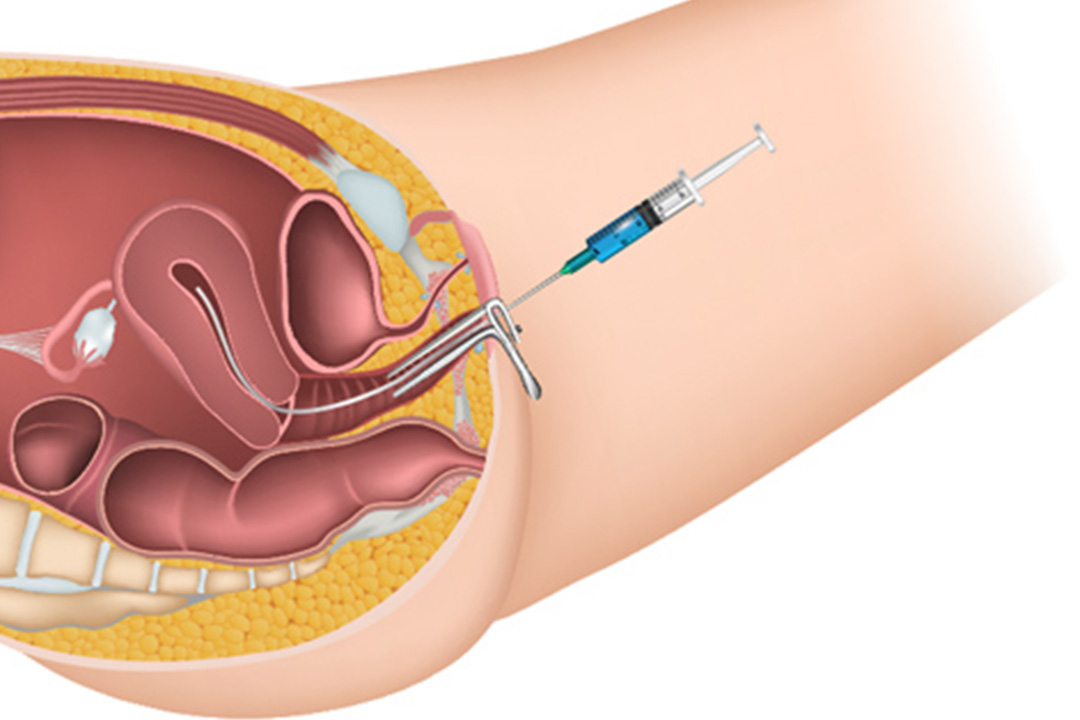
This is a special X-ray test where a dye is injected into the uterus to see if it flows freely through the tubes. If the dye stops and does not spill into the pelvis, it suggests a blockage.
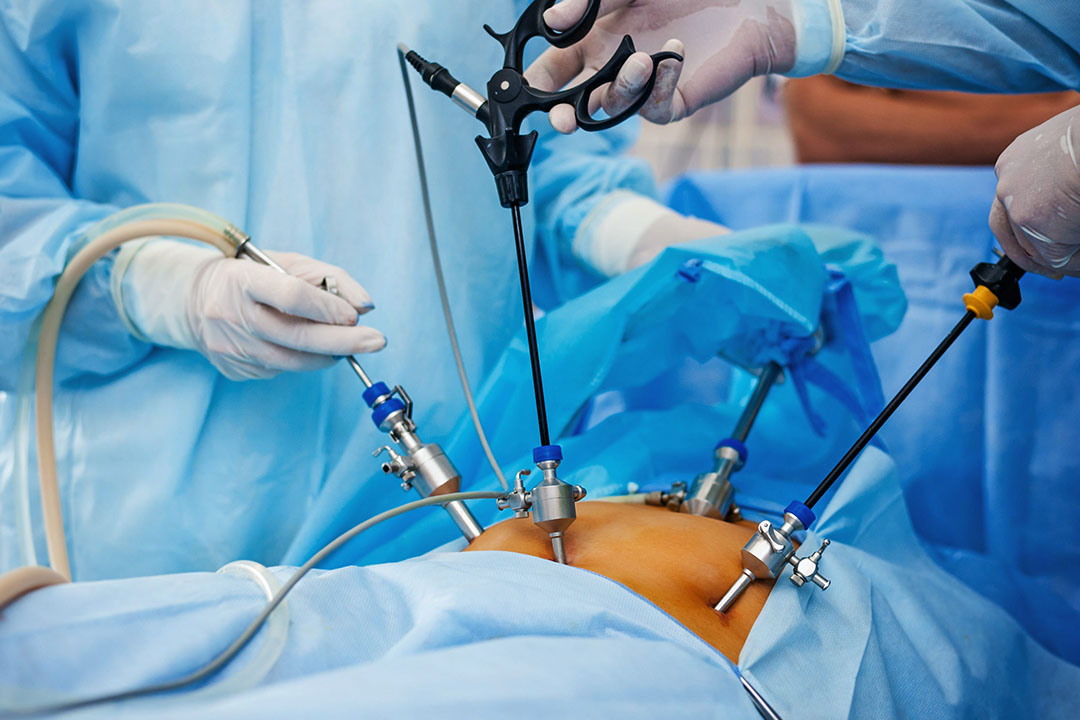
Laparoscopy
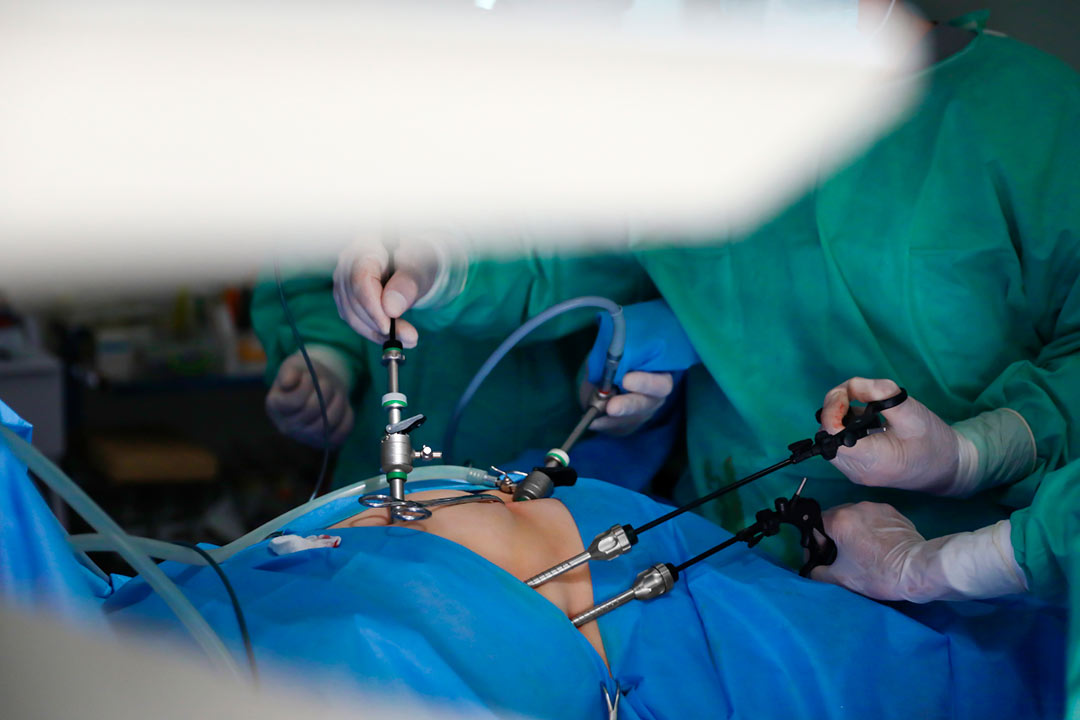
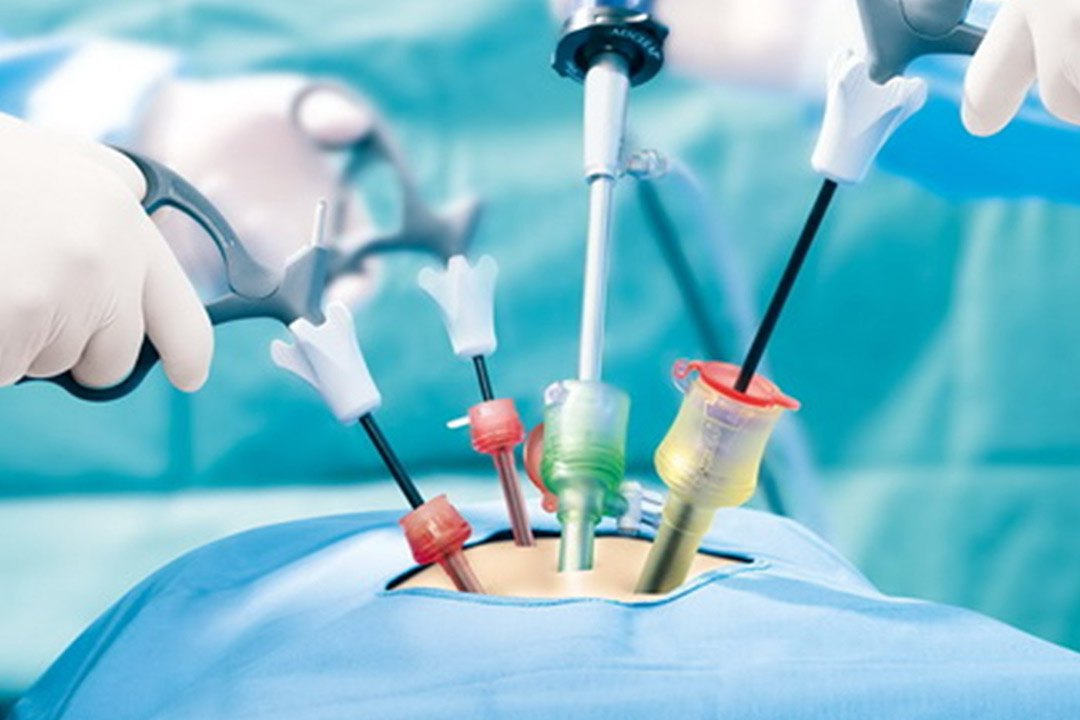
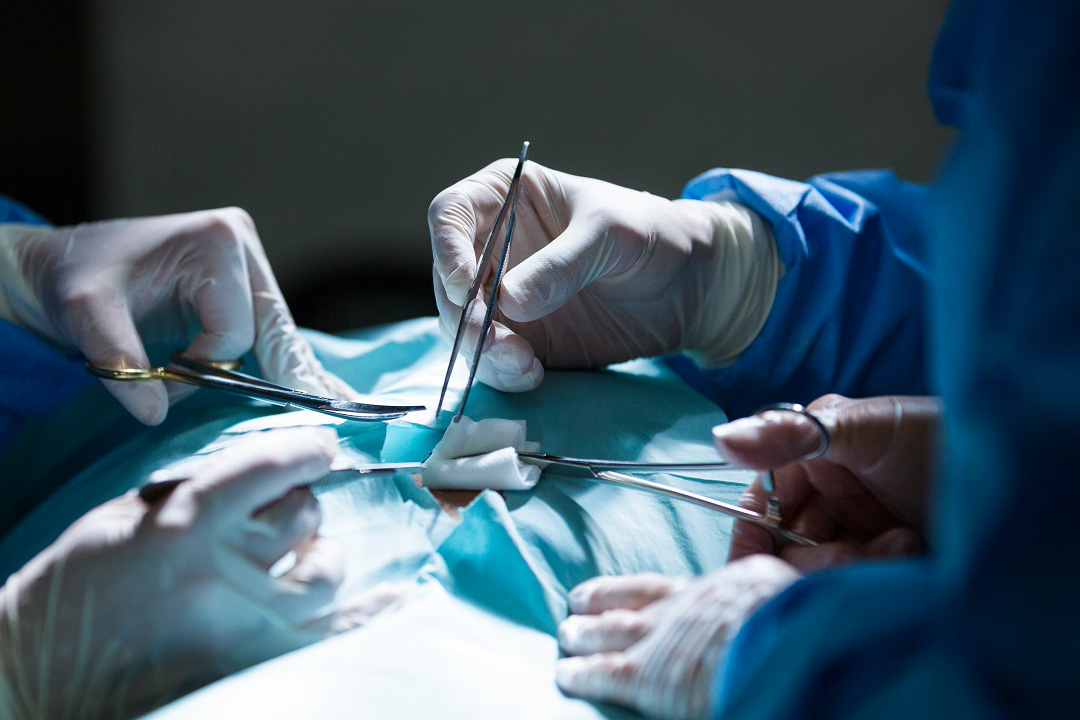
This is a minor surgical procedure using a small camera inserted through tiny cuts in the abdomen. It allows direct viewing of the tubes and is considered the most accurate method. It also gives the doctor a chance to treat the problem at the same time if needed.
How Does Hydrosalpinx Affect Fertility?
Hydrosalpinx can interfere with fertility in more than one way:
- It blocks the path of the egg and sperm.
- The fluid inside the tube can leak back into the uterus.
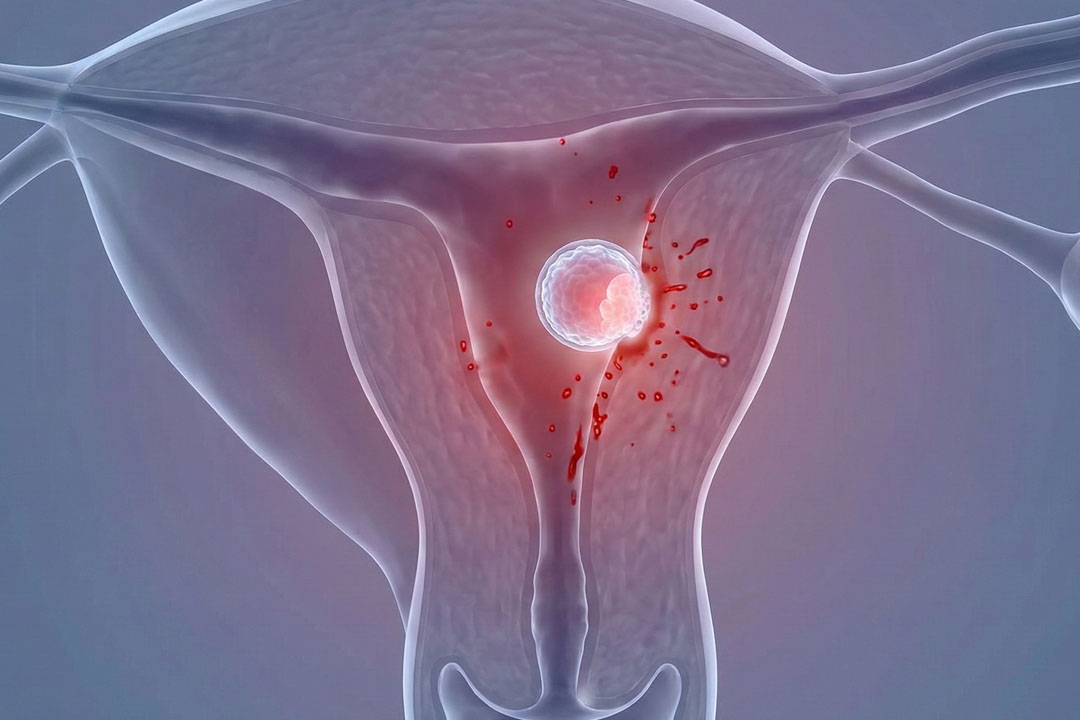
- This fluid may create an unhealthy environment for embryo implantation.
- It increases the risk of ectopic pregnancy.
Studies have shown that untreated hydrosalpinx can lower the success rates of in vitro fertilization as well. That is why proper treatment is often advised before fertility treatments.
Hydrosalpinx Treatment Options
Hydrosalpinx treatment depends on factors such as the severity of the blockage, symptoms, age, and pregnancy plans.
- Antibiotics: If there is an active infection, antibiotics are given first. However, antibiotics alone cannot remove an existing blockage or fluid collection.
- Salpingectomy: Removal of the affected fallopian tube. This is often recommended before IVF, especially when the tube is severely damaged.
- Salpingostomy: Opening the blocked end of the tube and draining the fluid. This may be considered in selected cases, but the tube can close again, and the risk of ectopic pregnancy remains.
- Tubal clipping or blocking: The tube is blocked near the uterus to prevent fluid from flowing back into it.
Hydrosalpinx Treatment Guidelines Hydrosalpinx treatment guidelines followed worldwide suggest that:
- Women planning IVF should consider surgical removal or blocking of the affected tube before embryo transfer.
- Conservative surgery may be considered in mild cases if natural pregnancy is desired.
- Each case should be customized, keeping age, ovarian reserve, and overall fertility factors in mind.
Can Hydrosalpinx Go Away on Its Own?
In most cases, the answer is no. Once a tube is blocked and filled with fluid due to scarring, it usually does not resolve without treatment. While antibiotics can treat infection, they cannot reverse the structural damage already done to the tube. That is why medical or surgical management is often required.
Hydrosalpinx and IVF
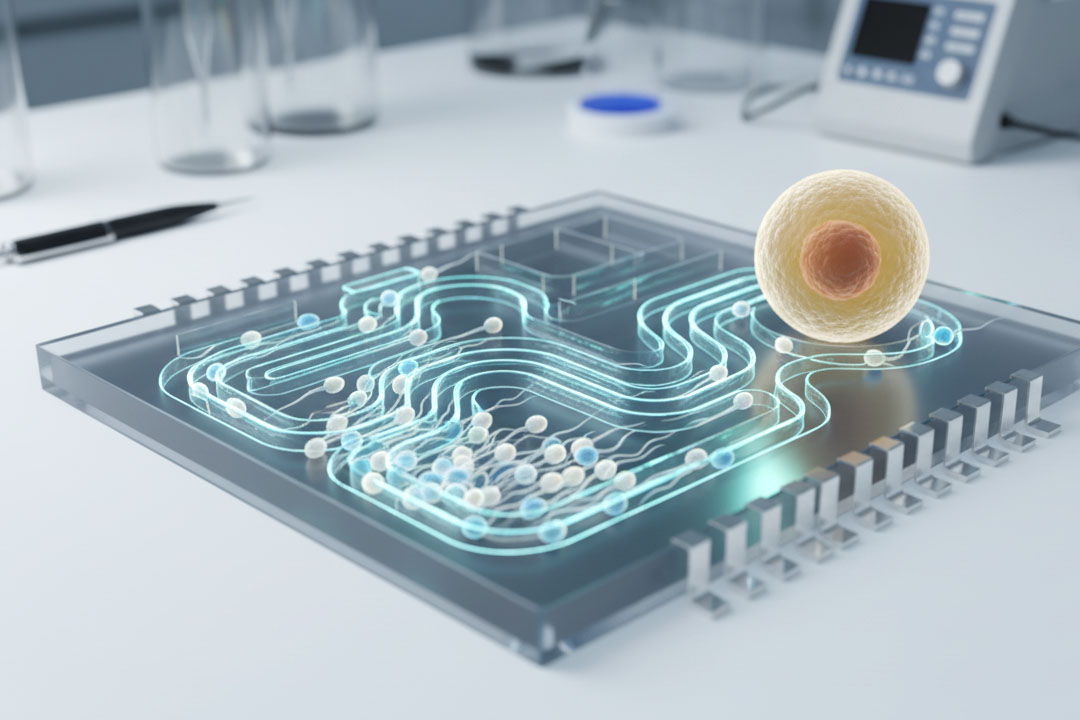
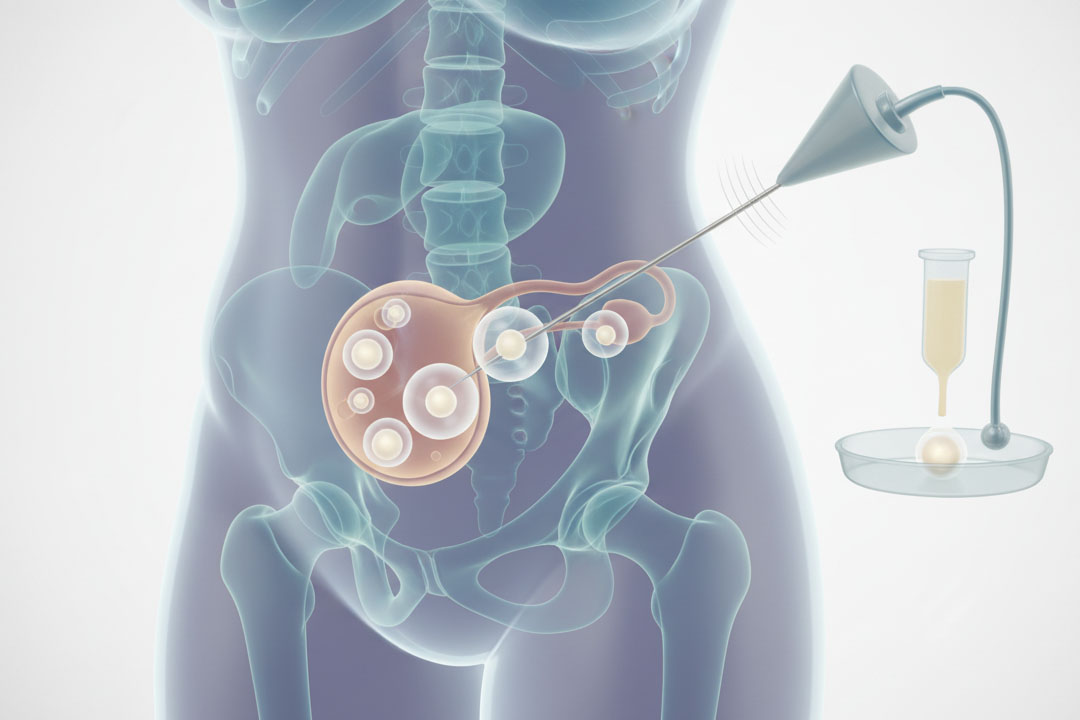
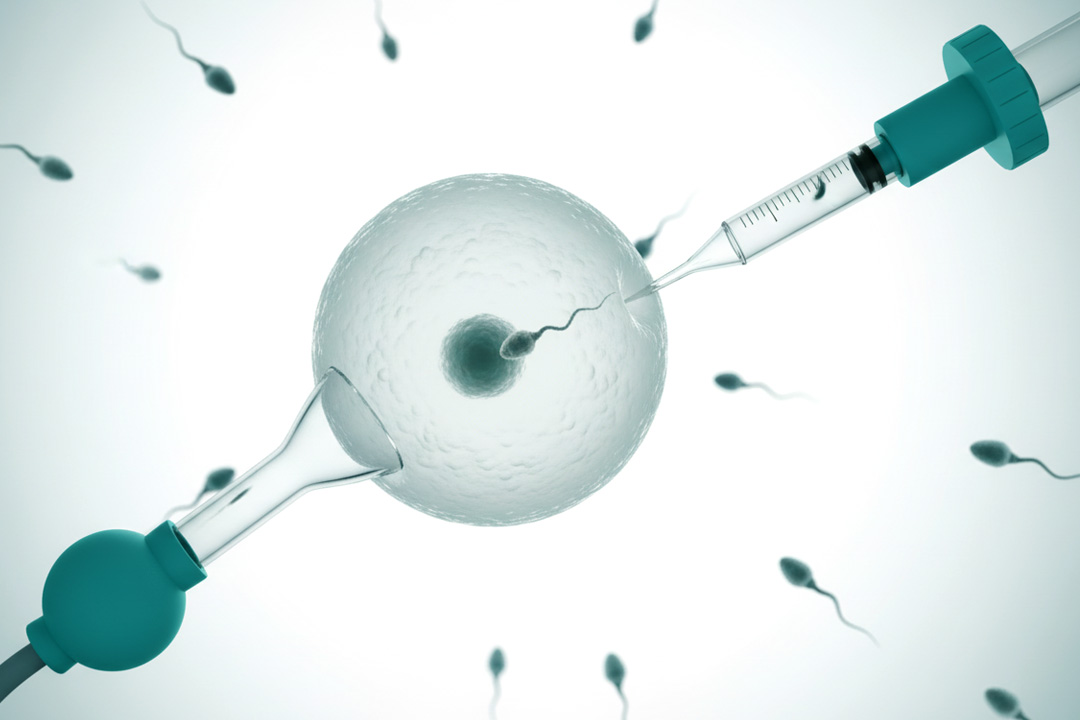
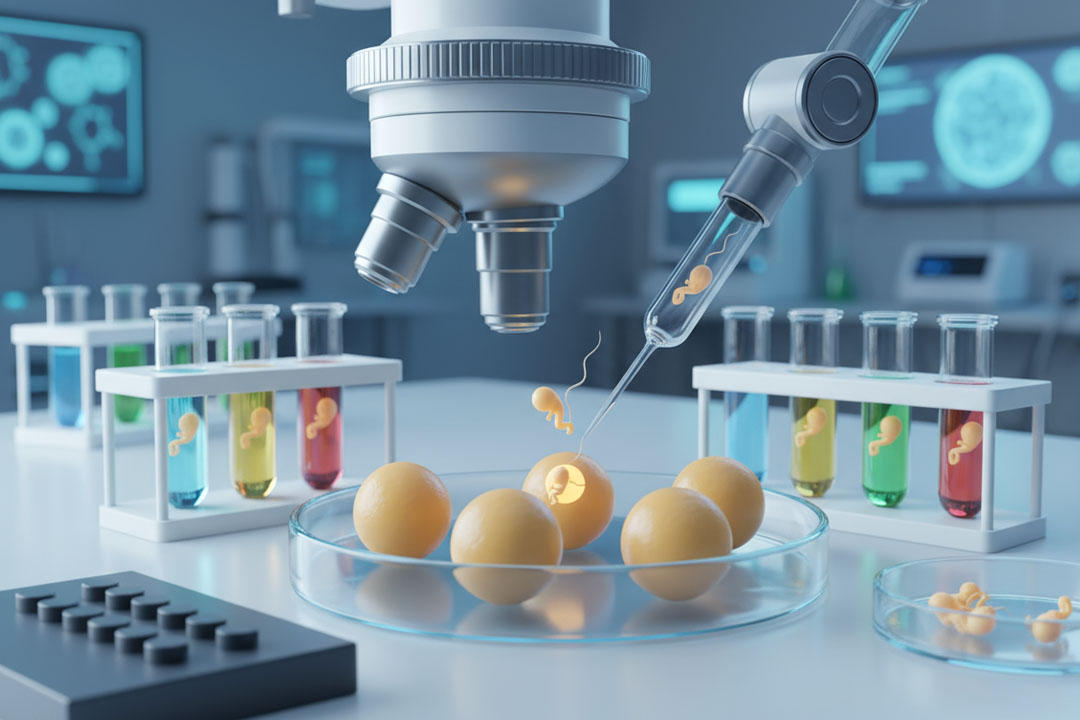
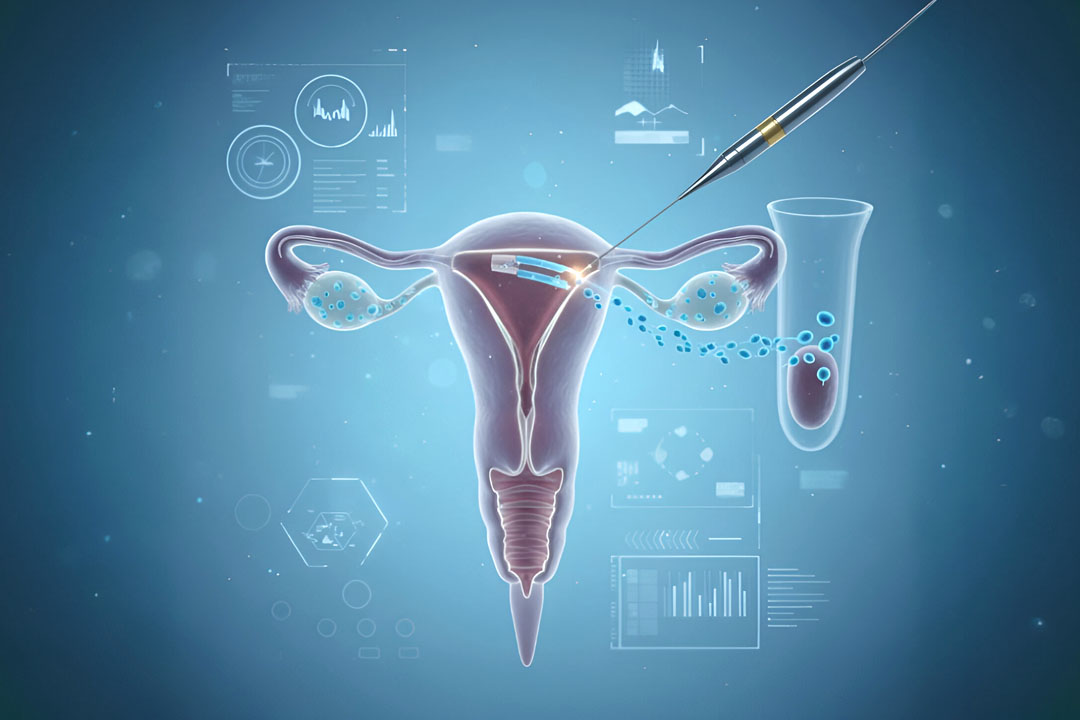
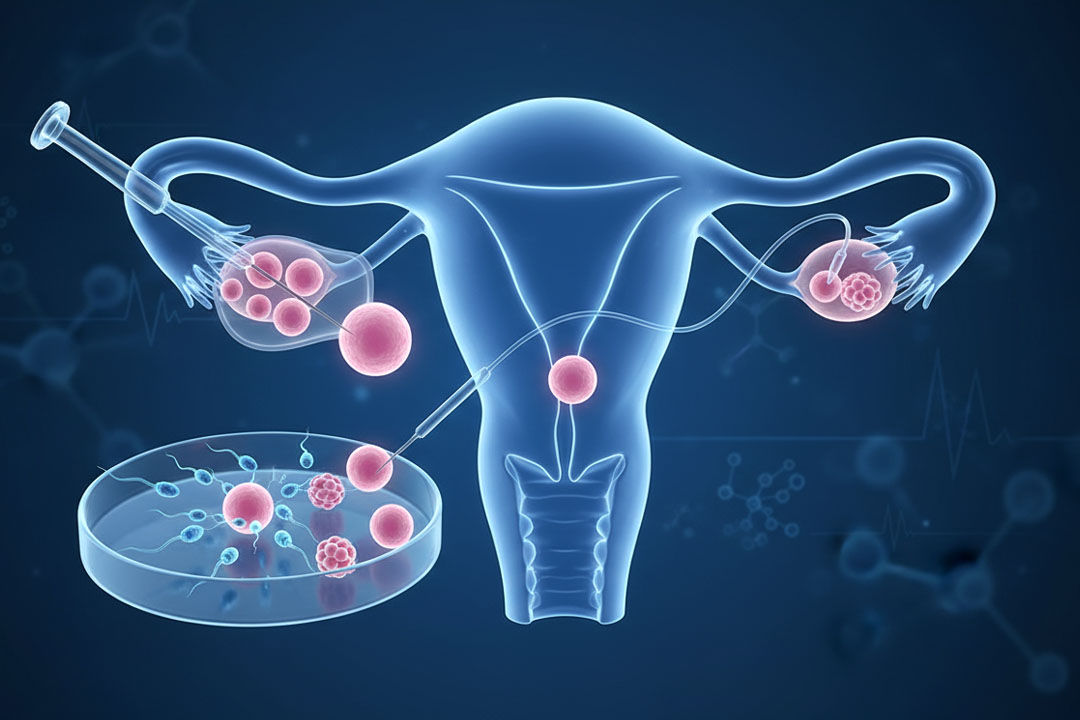
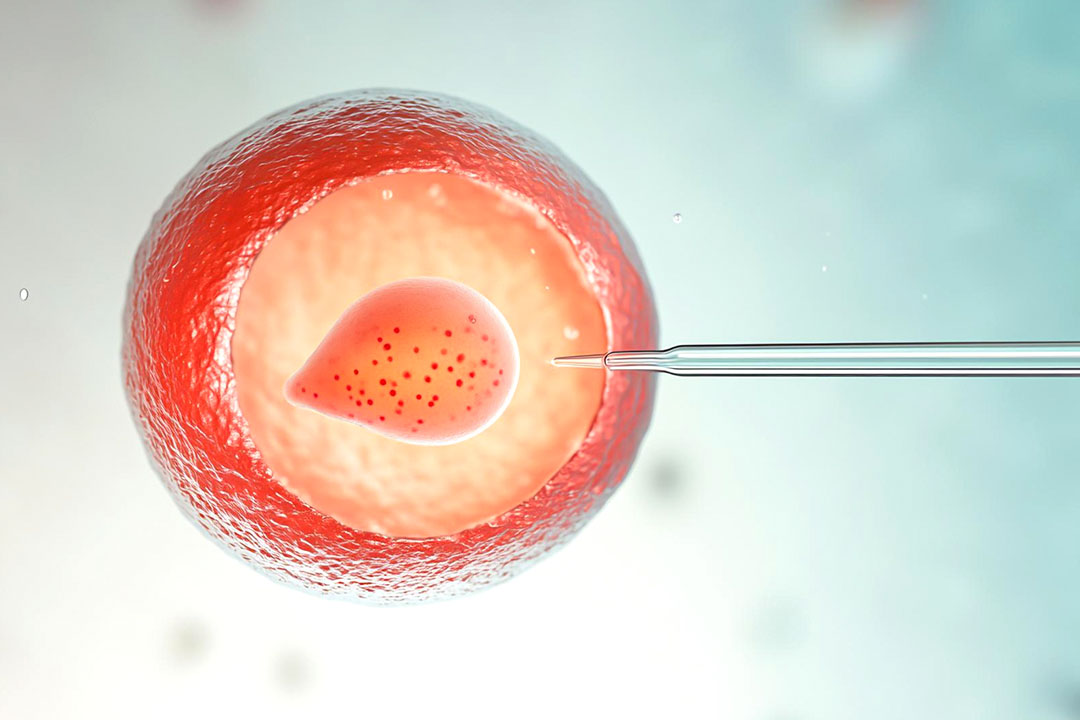
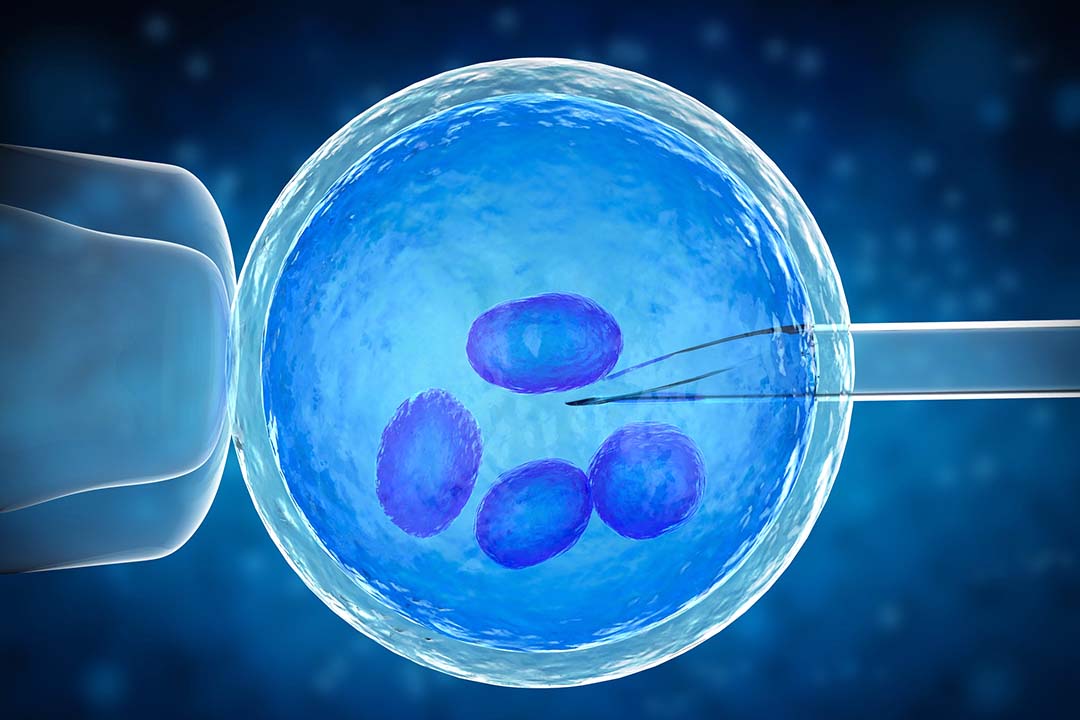
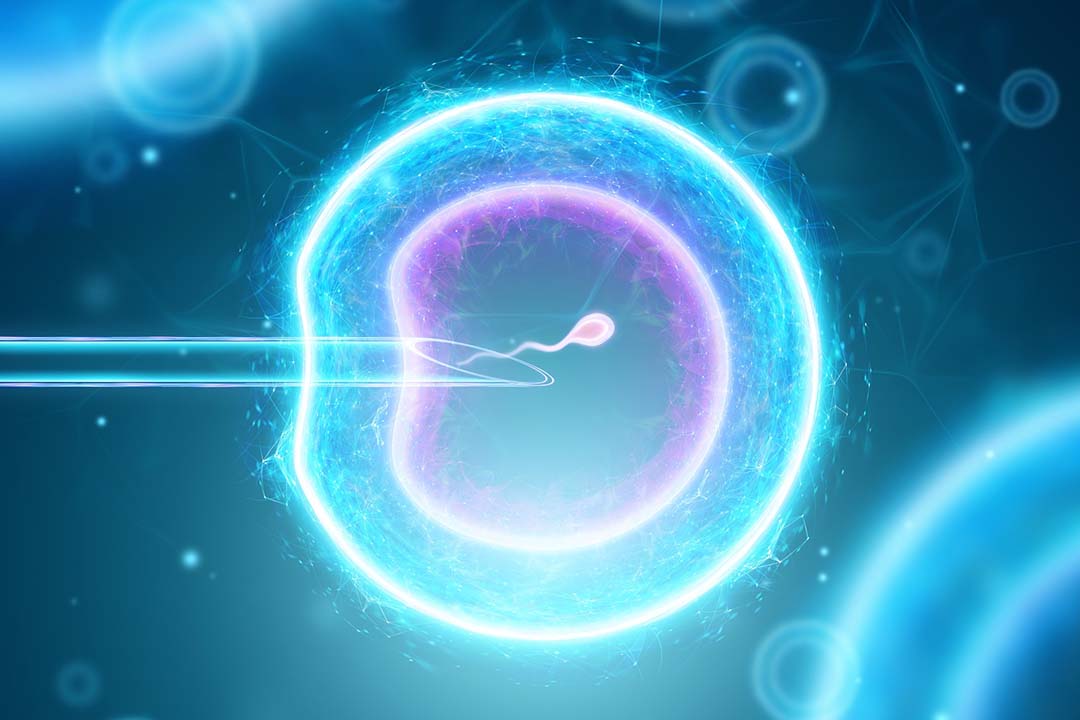
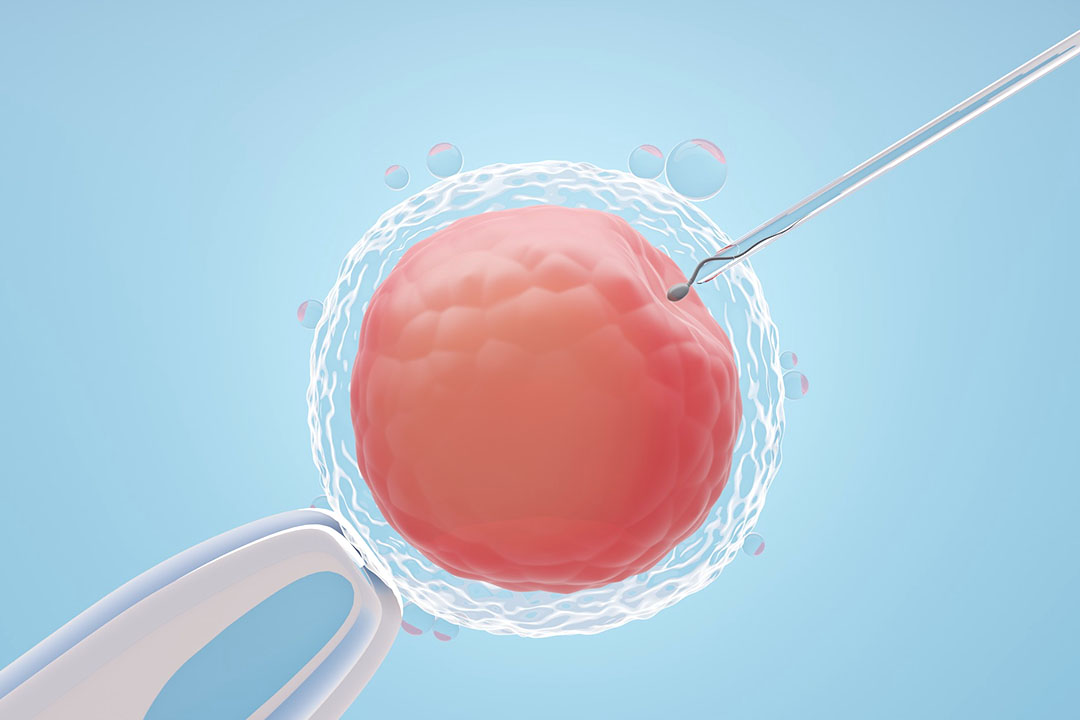
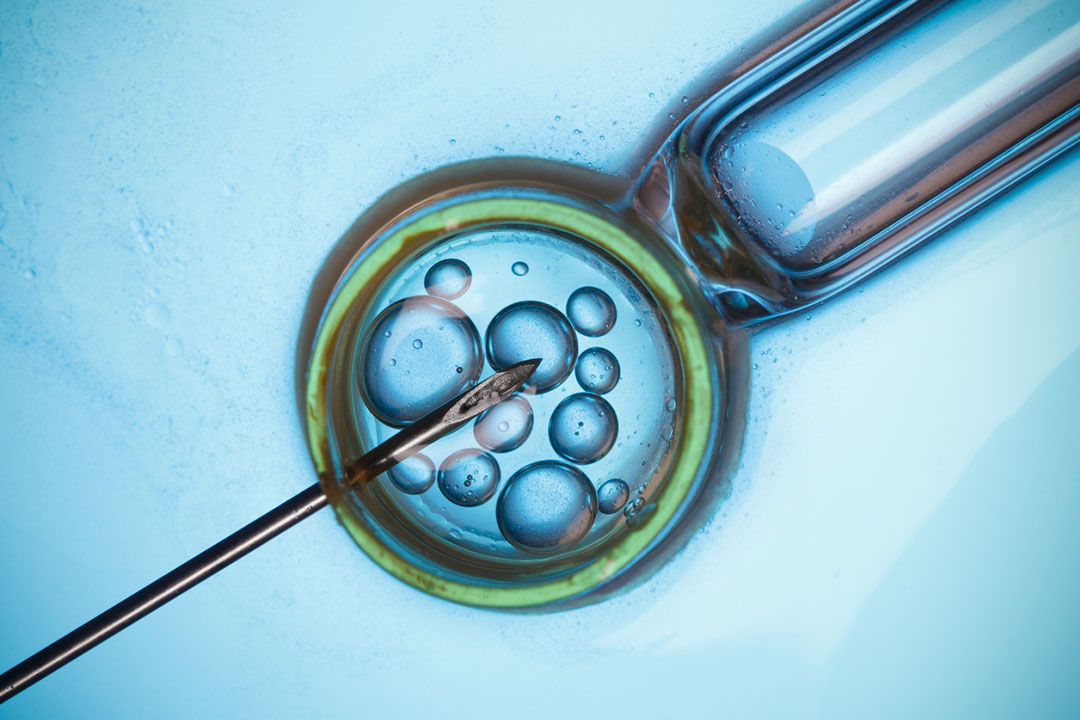
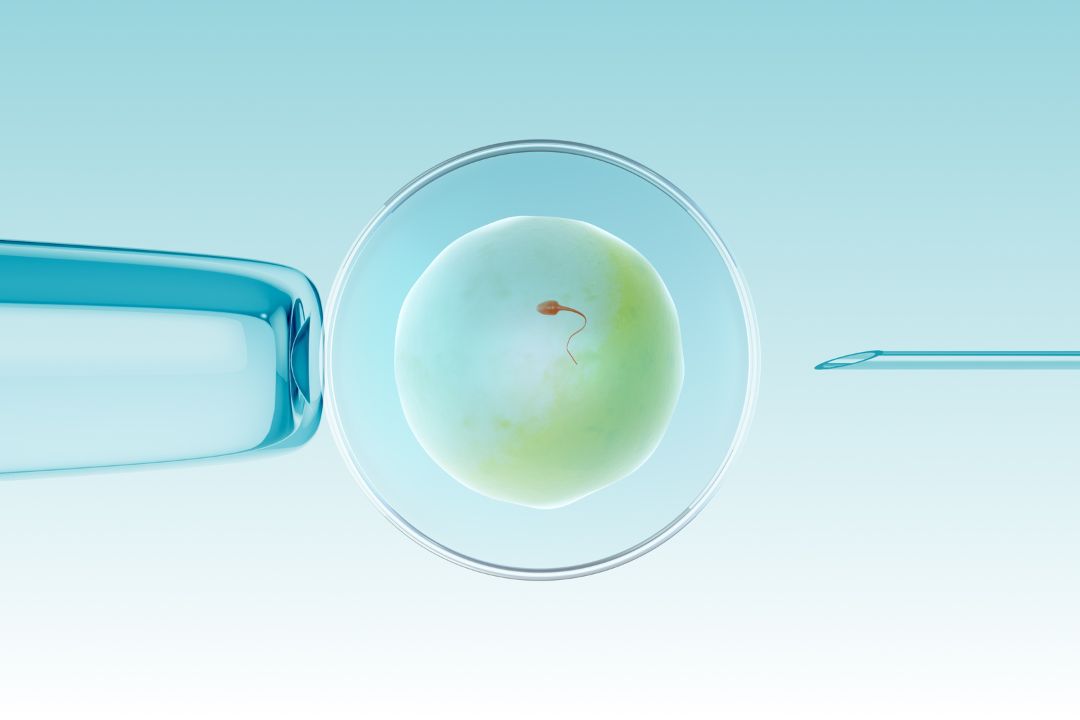
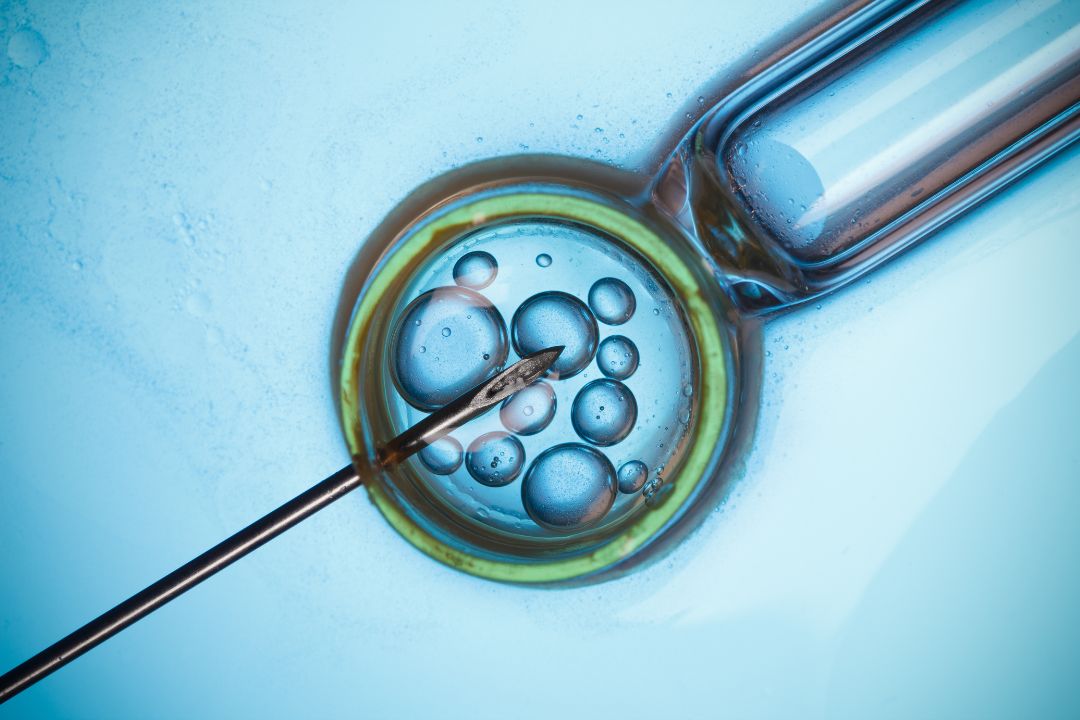
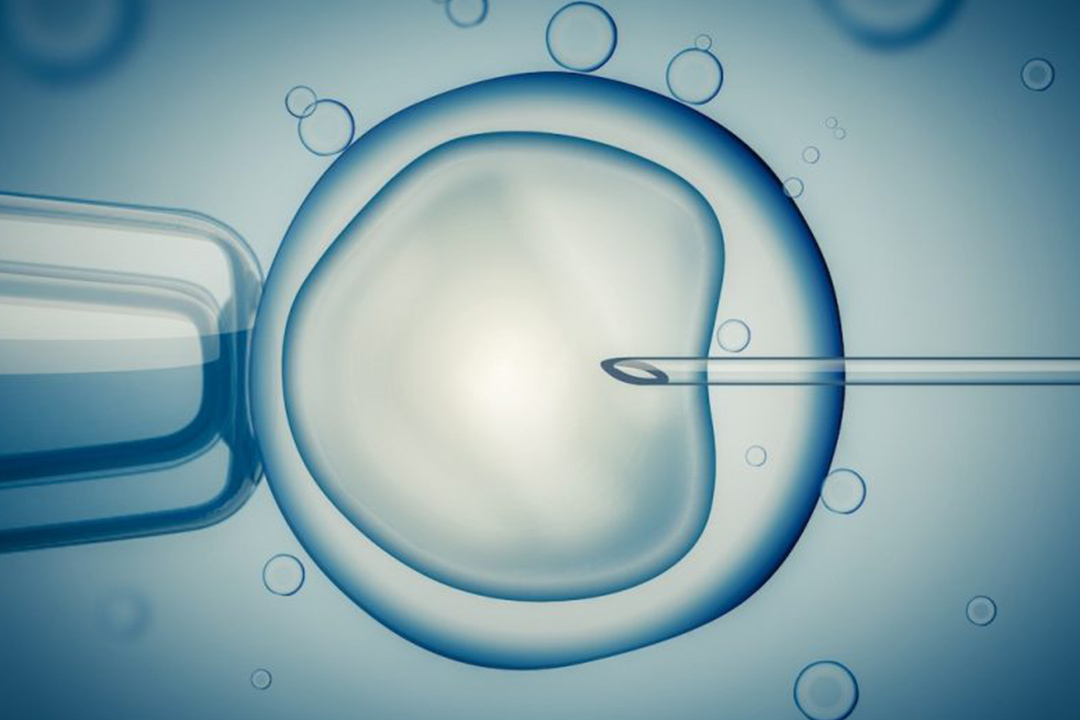
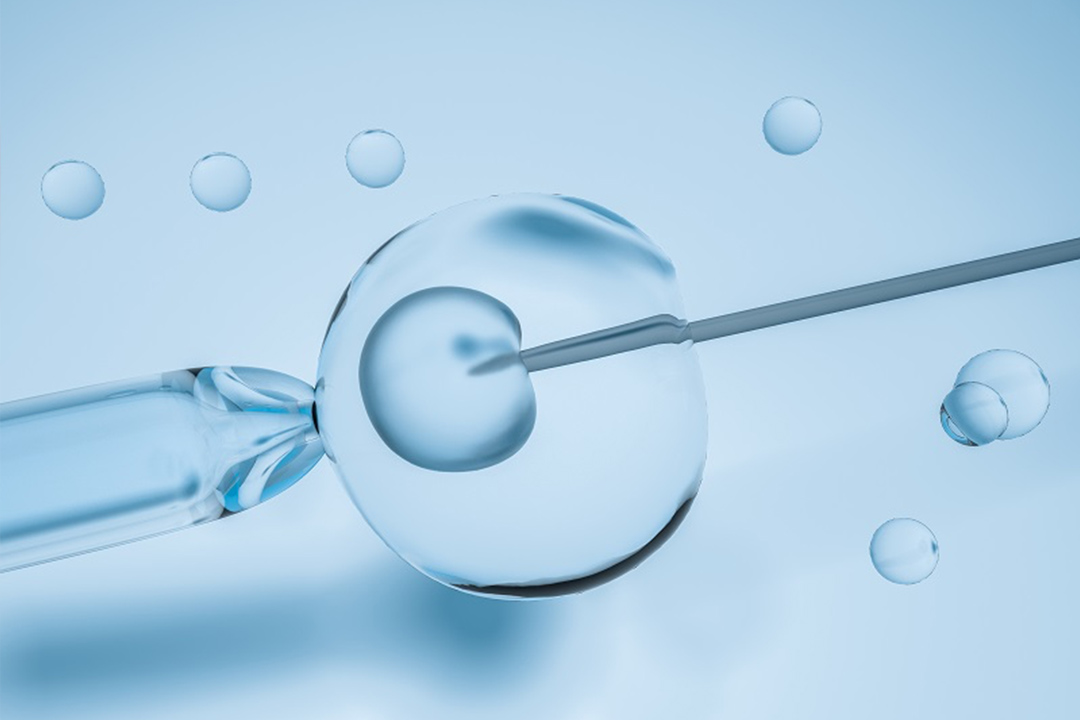
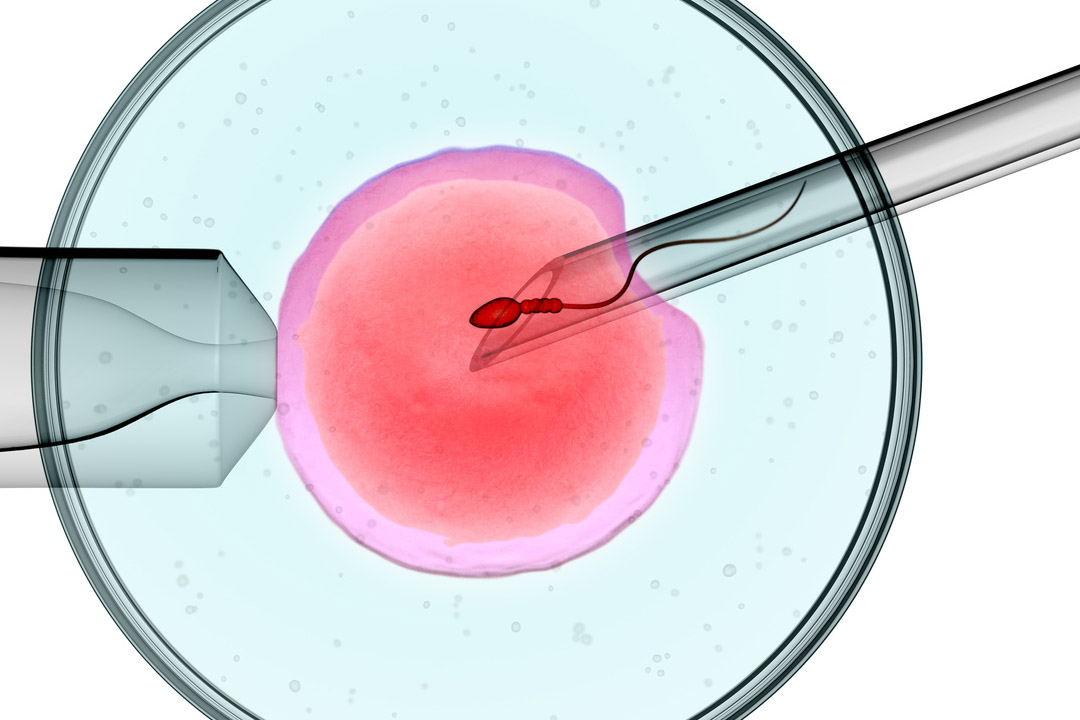
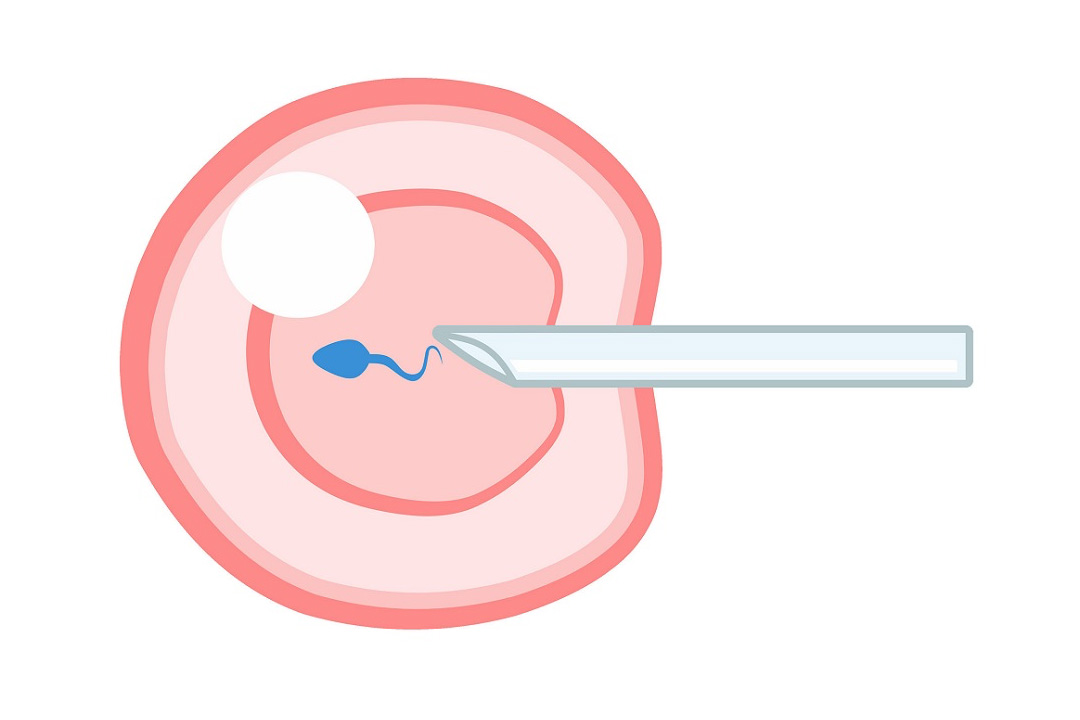
For many women with hydrosalpinx, IVF becomes the most effective option to achieve pregnancy. IVF bypasses the fallopian tubes by fertilizing the egg outside the body and placing the embryo directly into the uterus.
However, if hydrosalpinx is present, the toxic fluid may reduce implantation chances. That is why doctors often recommend treating or removing the affected tube before IVF.
IVF cost in India can vary widely depending on the city, clinic, and individual needs, but on average it may range from INR 1,00,000 to INR 2,50,000 per cycle, excluding medicines and additional procedures.
Frequently Asked Questions
What is hydrosalpinx in simple words?
Hydrosalpinx is a condition where a fallopian tube gets blocked and fills with fluid, which can affect fertility.
Can I get pregnant naturally with hydrosalpinx?
If only one tube is affected and the other is healthy, natural pregnancy may still be possible. With both tubes blocked, natural conception becomes very difficult.
Is hydrosalpinx dangerous?
Hydrosalpinx itself is not life-threatening, but it can increase the risk of ectopic pregnancy and reduce fertility if left untreated.
Can hydrosalpinx be seen on ultrasound?
Yes, hydrosalpinx ultrasound or hydrosalpinx USG may show swollen, fluid-filled tubes, especially in moderate to severe cases.
I am 30, is IVF for me if I have hydrosalpinx?
Yes, many women around 30 with hydrosalpinx choose IVF after treating the affected tube. Age is actually a favorable factor for IVF success.
What is the best hydrosalpinx treatment?
There is no one-size-fits-all answer. Surgical removal or blocking of the tube followed by IVF is often recommended for severe cases, while mild cases may be managed differently.
Can hydrosalpinx come back after surgery?
If the damaged tube is removed, it usually does not return. However, if only opened, there is a chance of re-blockage.
Does hydrosalpinx cause weight gain?
No, hydrosalpinx does not directly cause weight gain, though abdominal discomfort may give that impression.
Conclusion
Hydrosalpinx is a common but often silent condition that can have a big impact on a woman’s fertility. Being aware of the definition, causes, symptoms, and available treatments for hydrosalpinx helps you to act fast.
Even while the diagnosis might be concerning, there are effective treatments available, and many women who get the right care have healthy pregnancies. Early assessment and treatment might be crucial if you notice any signs or are having trouble getting pregnant.
About Us
AKsigen IVF is a premier center for advanced fertility treatments, with renowned fertility experts on our team. Specializing in IVF, ICSI, egg freezing, and other cutting-edge reproductive technologies, AKsigen IVF is committed to helping couples achieve their dream of parenthood. With personalized care and a patient-first approach, AKsigen IVF provides comprehensive fertility solutions under one roof.