Benefits of Semen Retention: Myths, Facts & Health Effects
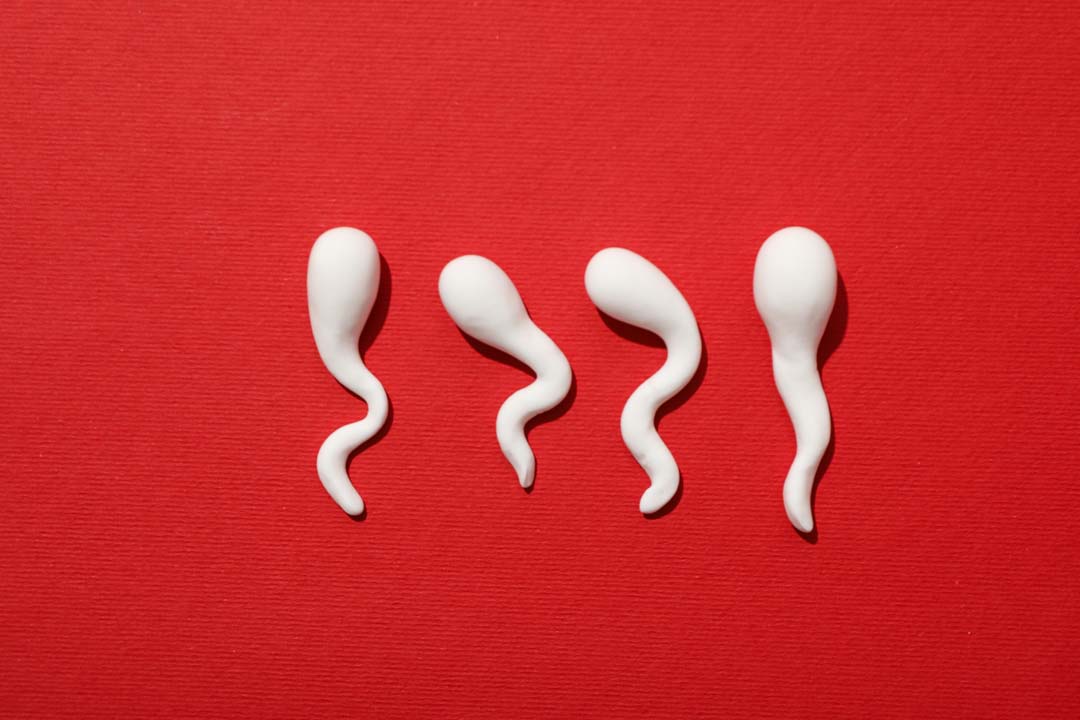
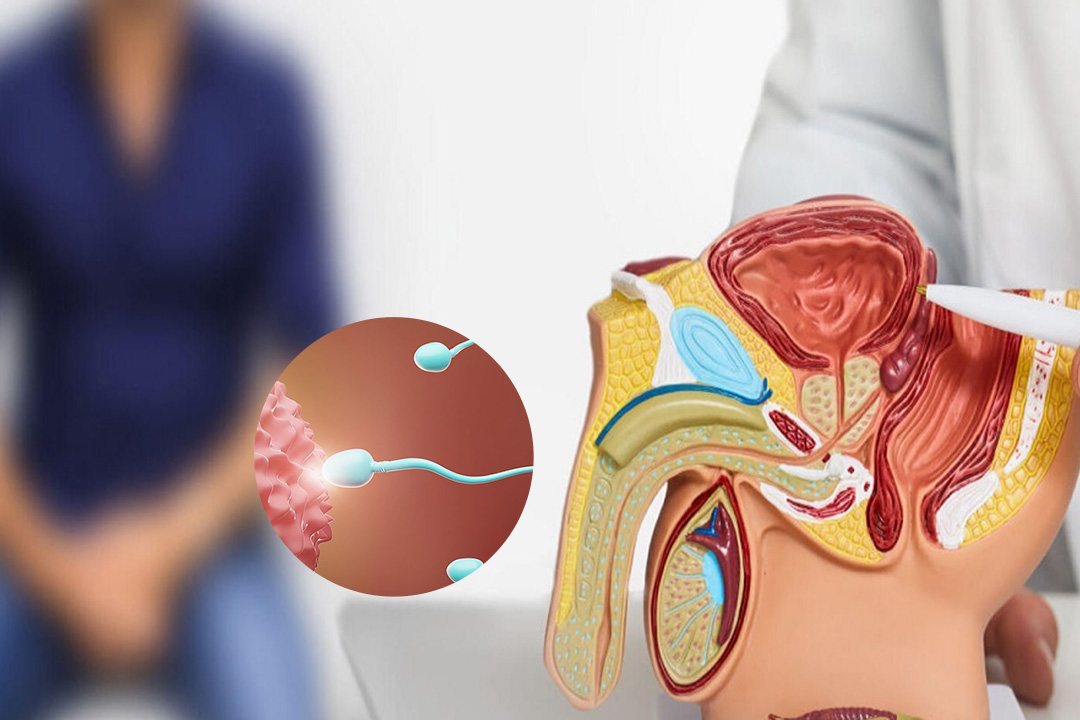
Semen retention is a practice that has gained attention in recent years as more people explore ways to improve focus, energy levels and overall well-being. At its core, semen retention refers to intentionally avoiding ejaculation for a certain period of time. Some people follow it for short durations while others integrate it into their lifestyle as part of self-discipline or mindfulness practices.
Historically, this concept appears in several traditional systems that emphasise body awareness and controlled use of energy. In modern times, it has found a place among individuals who are interested in mental clarity, emotional balance and physical performance.
Semen retention, like the majority of wellness practices, varies from person to person. You can determine whether it is something to look into in a fair and educated manner by being aware of its potential advantages and disadvantages.
What Is Semen Retention?
Semen retention involves choosing not to ejaculate either temporarily or for extended periods. This does not necessarily mean avoiding intimacy or arousal altogether. Some people practise it by limiting masturbation while remaining sexually active with control. Others follow it as part of celibacy or spiritual discipline.
The idea behind semen retention is that ejaculation uses physical and mental resources. By delaying or avoiding it, individuals believe the body can redirect that energy toward other functions such as physical strength, concentration and emotional regulation.
From a medical perspective, ejaculation is a normal bodily process. Retention is therefore a personal choice rather than a medical requirement.
Why Has Semen Retention Become Popular?
Interest in semen retention has increased alongside broader discussions about self-control, mental optimisation, and lifestyle discipline. Practices that encourage restraint and awareness often appeal to those seeking structure and balance.
Online discussions, fitness communities and mindfulness spaces often link semen retention with improved productivity and emotional stability. While not all claims have strong scientific backing, the growing popularity reflects a shift toward intentional living and better control over impulses. Benefits of semen retentions include:
Higher Energy Levels
Many people report feeling more energetic during periods of semen retention. Ejaculation involves muscle activity, hormonal changes, and nutrient use. Some individuals feel temporarily tired afterward. By avoiding frequent ejaculation, they believe their energy levels remain steadier throughout the day.
Better sleep, fewer late-night habits and increased self-control might all contribute to this apparent boost in energy. Reducing obsessive behaviors frequently results in increased stamina and less mental exhaustion. One of the most often mentioned advantages is more energy each day, however this experience differs from person to person.
Improved Focus and Mental Clarity
Semen retention often requires conscious effort and restraint. This process can sharpen awareness and improve attention control. Many practitioners say they experience less mental fog and fewer distractions during retention periods.
The benefit may come less from retention itself and more from habit change. Reducing compulsive sexual behaviour can free up mental space. People often feel more present during work, conversations and problem-solving. This can lead to better organisation and improved productivity in daily tasks.
Better Emotional Regulation
Emotional balance is another area where some people notice changes. Semen retention encourages awareness of urges rather than acting on them immediately. This can help build emotional resilience and patience.
People may have better emotional stability and less mood swings if they learn how to stop and redirect their attention. Some claim to feel more composed and in control of their emotions.
Increased Self-Confidence
Practising semen retention often strengthens a sense of self-discipline. Successfully maintaining control over impulses can boost self-confidence and self-respect. Many individuals feel more confident in social settings and decision-making when they believe they have better command over their habits.
Better Physical Stamina
Some athletes and fitness enthusiasts claim that semen retention helps them feel more physically capable. They report improved endurance, faster recovery, and better coordination during training.
This benefit may stem from increased focus and motivation rather than physical changes alone. When individuals feel mentally strong and disciplined, they often perform better in physical activities. Reduced fatigue from better sleep and routine stability may also play a role.
Reduced Anxiety and Stress
Semen retention can encourage mindfulness and intentional behaviour. By breaking patterns of compulsive habits, some people experience reduced anxiety. They feel more in control of their actions and thoughts which can ease mental tension.
Improved self-image and emotional regulation may also contribute to lower stress levels. However, retention should never feel forced. Excessive suppression without healthy outlets can increase frustration. Balance and self-awareness remain essential.
Does Semen Retention Increase Testosterone?
Testosterone levels fluctuate naturally in the body. Some short-term studies suggest that testosterone may rise slightly after brief periods of abstinence. However, long-term increases from semen retention alone are not clearly proven.
Many men still report feeling stronger or more motivated during retention. This may result from psychological factors, better sleep, or improved lifestyle habits rather than direct hormonal changes. While testosterone plays an important role in energy and muscle health, semen retention should not be viewed as a guaranteed method to alter hormone levels.
Possible Effects on Sexual Performance
Some men report improved sexual control after practising semen retention. Delaying ejaculation intentionally may help those who struggle with early climax. Increased awareness of arousal patterns can improve intimacy and communication with a partner.
Better sexual performance is not guaranteed and experiences vary widely. Open communication and realistic expectations remain important.
Are There Any Risks or Limitations?
Semen retention is not suitable for everyone. Some individuals may experience frustration, mood changes or discomfort if they suppress urges without healthy coping strategies. Occasional night emissions are normal and not harmful.
There is limited scientific evidence supporting many long-term claims. Retention should never be treated as a moral obligation or competition. Anyone experiencing pain, anxiety or sexual dysfunction should seek medical advice.
Tips for Practising Semen Retention Safely
You can practice semen retention in a few different ways, depending on your goals and lifestyle:
- Abstinence: Refrain from all sexual activity, including masturbation and partnered sex, for a set period of time.
- Edging: Engage in sexual stimulation to the point just before orgasm, and then stop or slow down until the intense urge to ejaculate passes. This helps build control over your ejaculatory response.
- Non-ejaculatory orgasm: This advanced technique, sometimes associated with tantric or Taoist practices, involves learning to have an orgasm without the physical expulsion of semen. This often requires significant pelvic muscle control developed through exercises like Kegels.
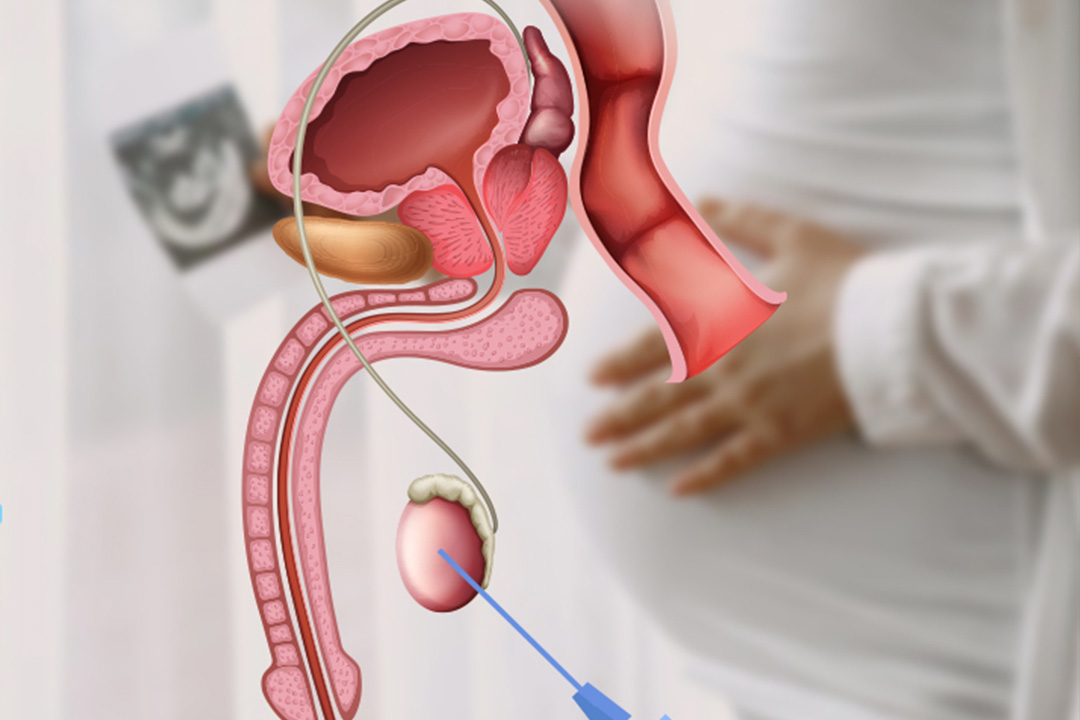
- Perineum pressure: As you approach the point of no return, apply firm pressure to the area between the anus and the scrotum (perineum). This can cause retrograde ejaculation, where semen is diverted into the bladder instead of out of the penis. This method does not prevent orgasm but is a method of retaining the semen within the body.
Approach semen retention gradually and mindfully. Start with short periods rather than long commitments. Physical exercise, creative work and relaxation techniques can help redirect energy. Avoid guilt or self-judgment if goals are not met. Progress matters more than perfection.
Frequently Asked Questions
How long does it take to notice benefits?
Some people notice changes within a few days while others take weeks. The timeline varies depending on lifestyle and mindset.
Is semen retention healthy?
It can be safe for many individuals when practised moderately. It should not cause distress or interfere with daily functioning.
Can semen retention improve concentration?
Many people report better focus due to increased self-control and reduced distractions.
Does semen retention affect fertility?
Short-term retention does not harm fertility. Long-term concerns should be discussed with a healthcare professional.
Are there side effects?
Possible side effects include frustration, mood changes, or discomfort if not practised mindfully.
Conclusion
A wellness technique that appeals to those looking for balance, discipline and clarity is semen retention. Many people report subjective advantages relating to energy, attention and emotional control, despite the lack of scientific proof. It necessitates self-awareness and balance, just like any lifestyle decision.
There isn't a single strategy that suits everyone. Those who are interested in semen retention should pay attention to their bodies, have healthy energy sources, and consult a doctor if they have any issues.
About Us
AKsigen IVF is a premier center for advanced fertility treatments, with renowned fertility experts on our team. Specializing in IVF, ICSI, egg freezing, and other cutting-edge reproductive technologies, AKsigen IVF is committed to helping couples achieve their dream of parenthood. With personalized care and a patient-first approach, AKsigen IVF provides comprehensive fertility solutions under one roof.