Ovarian Hyperstimulation Syndrome Symptoms: Early to Severe Signs
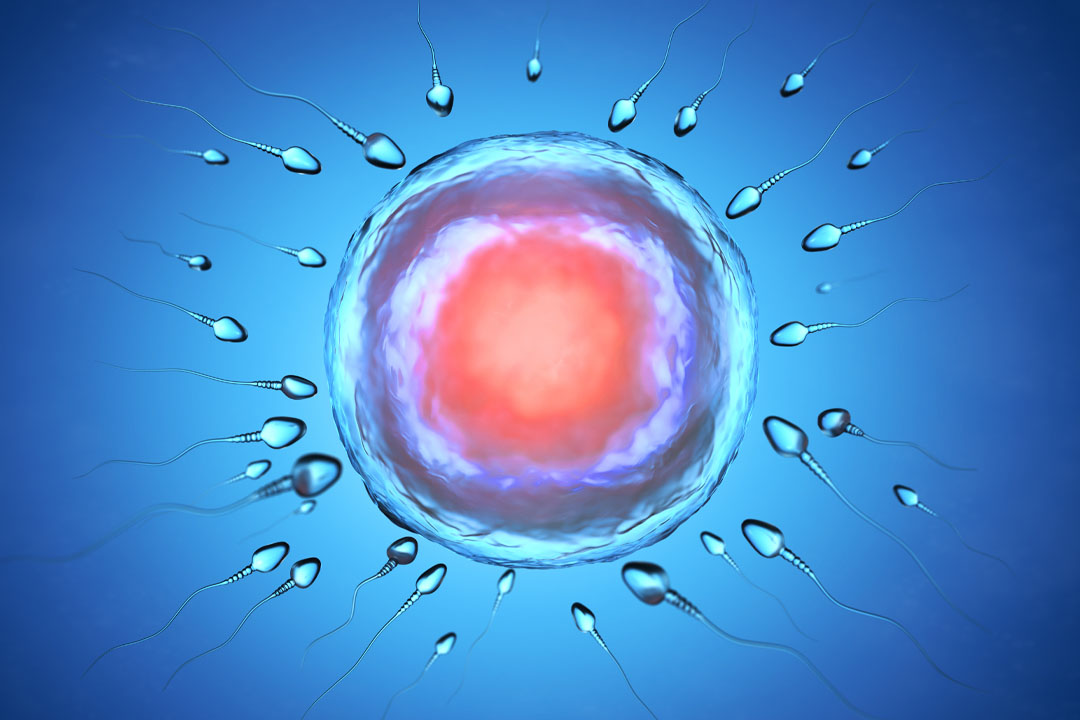
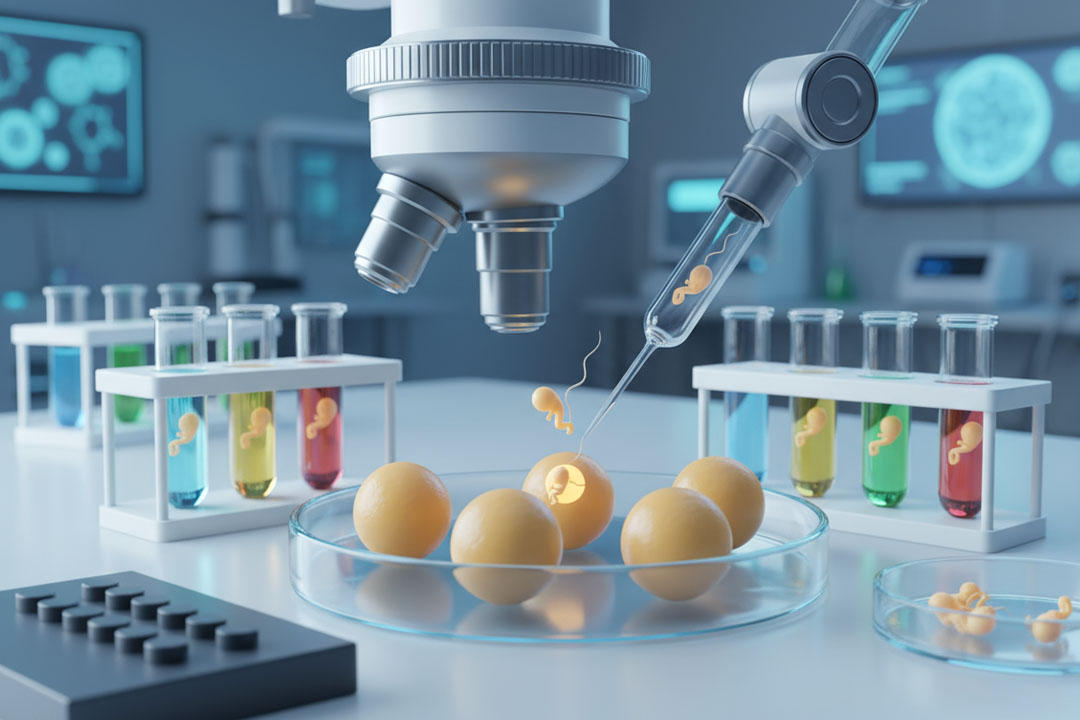
Modern fertility treatments have helped many people achieve pregnancy, but they can sometimes come with side effects that deserve attention. One such condition is ovarian hyperstimulation syndrome, often referred to as OHSS. It usually develops as a reaction to fertility medications that stimulate the ovaries to produce multiple eggs.
OHSS does not affect everyone taking fertility treatment, but awareness is important for those planning or already in treatment cycles. The condition ranges from mild bloating to severe fluid buildup in the abdomen and chest.
Patients can seek help at the right time if they are aware of what is and is not common. This article provides a clear and simple explanation of the symptoms of ovarian hyperstimulation syndrome, explains why it occurs, provides available treatments and more.
What Is Ovarian Hyperstimulation Syndrome?
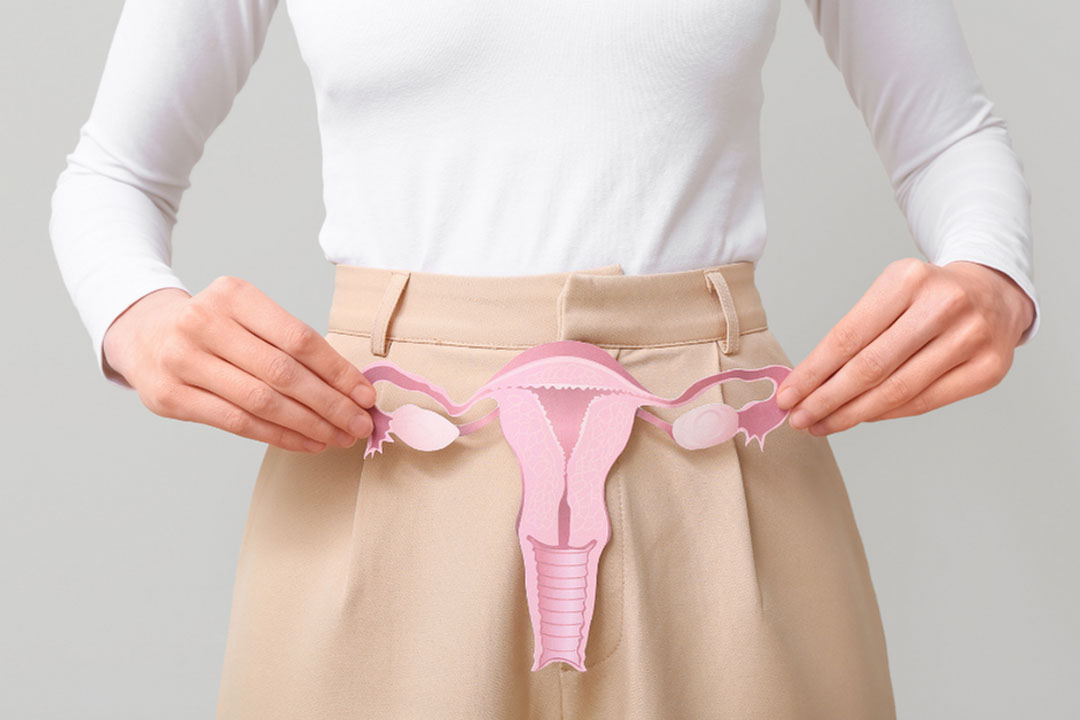
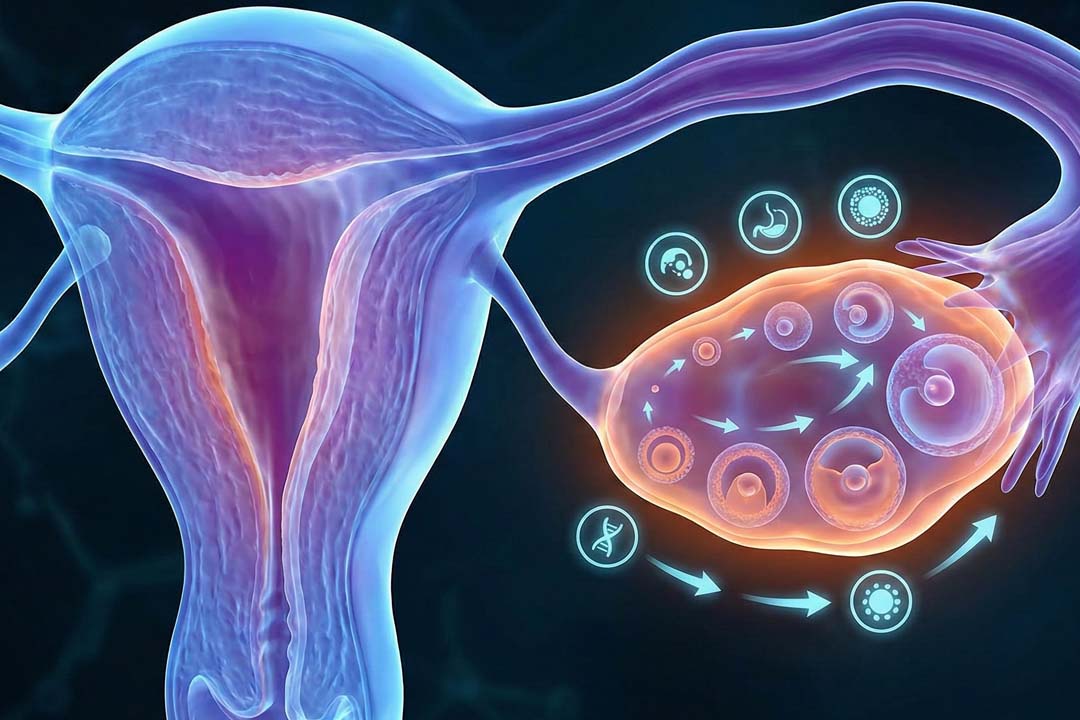
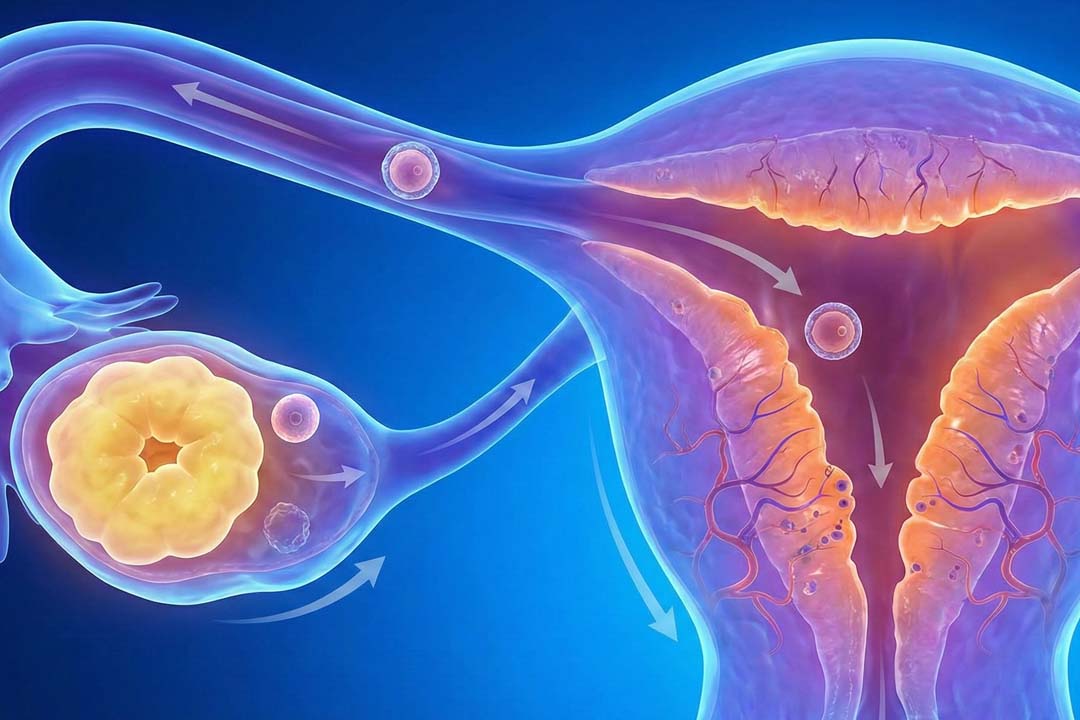
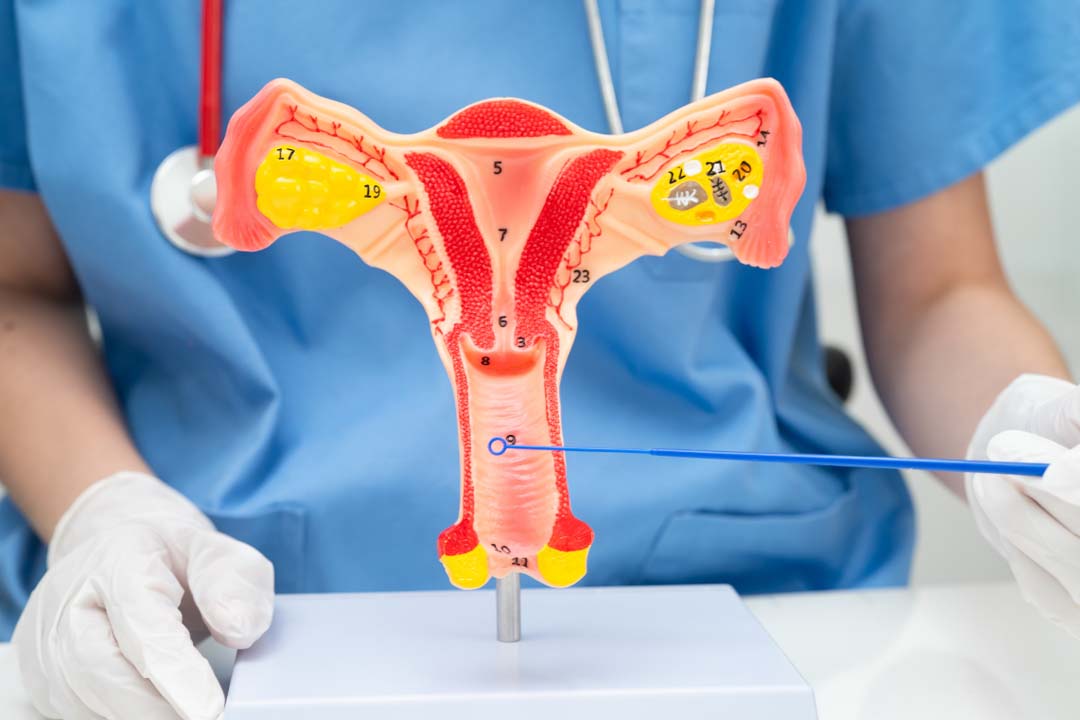
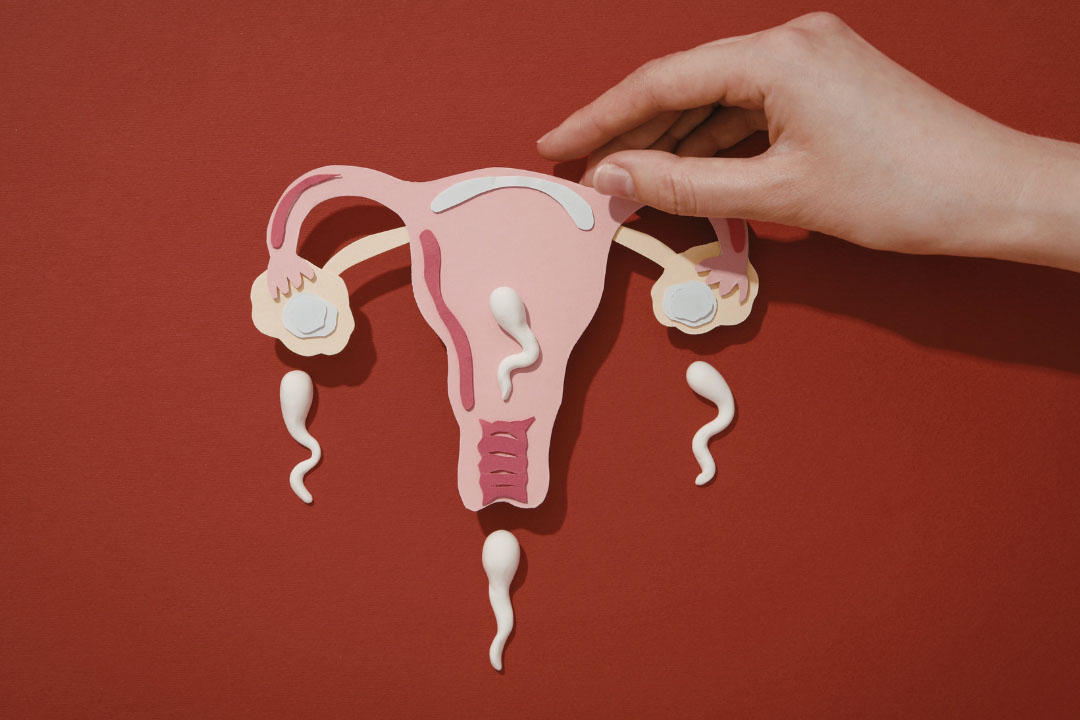
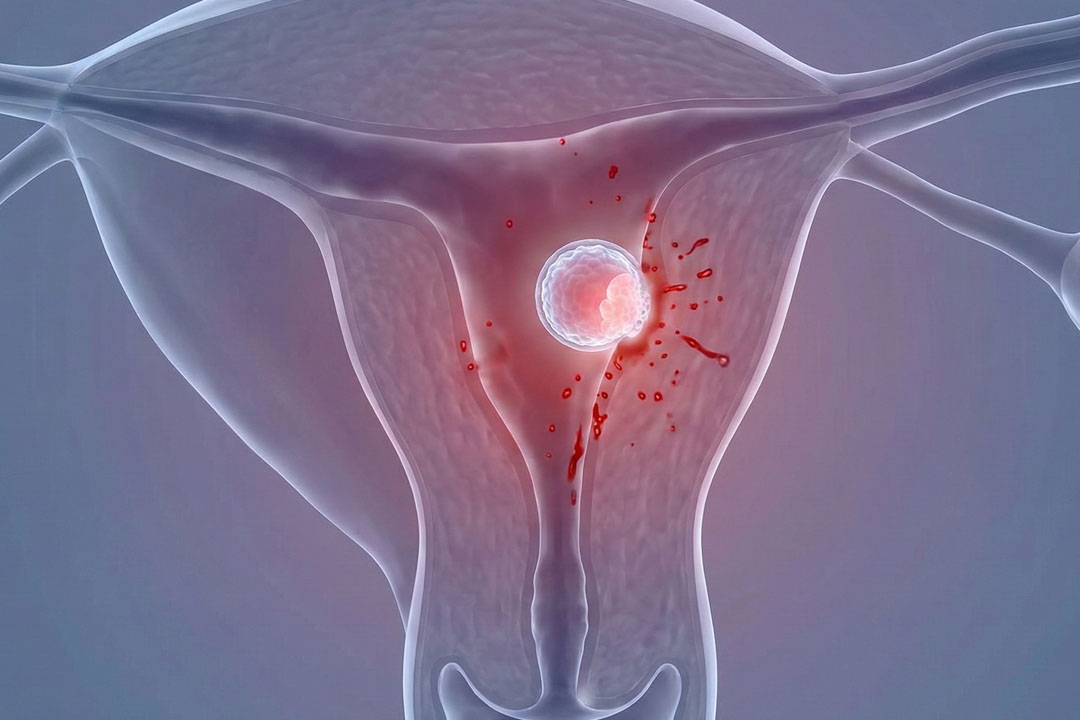
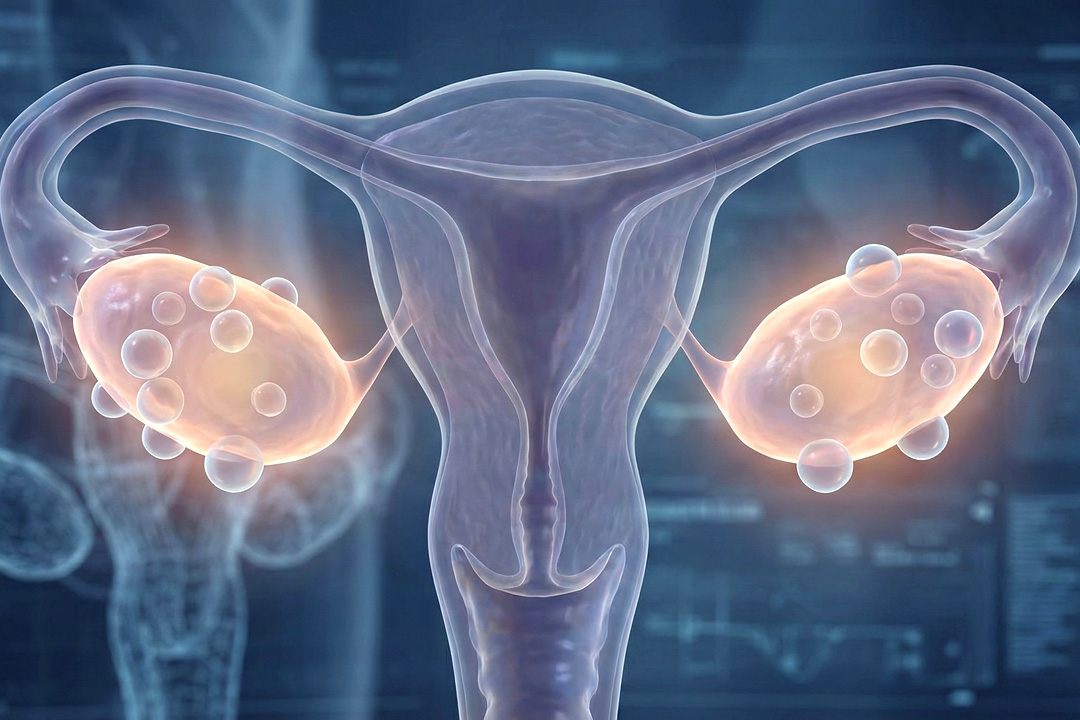
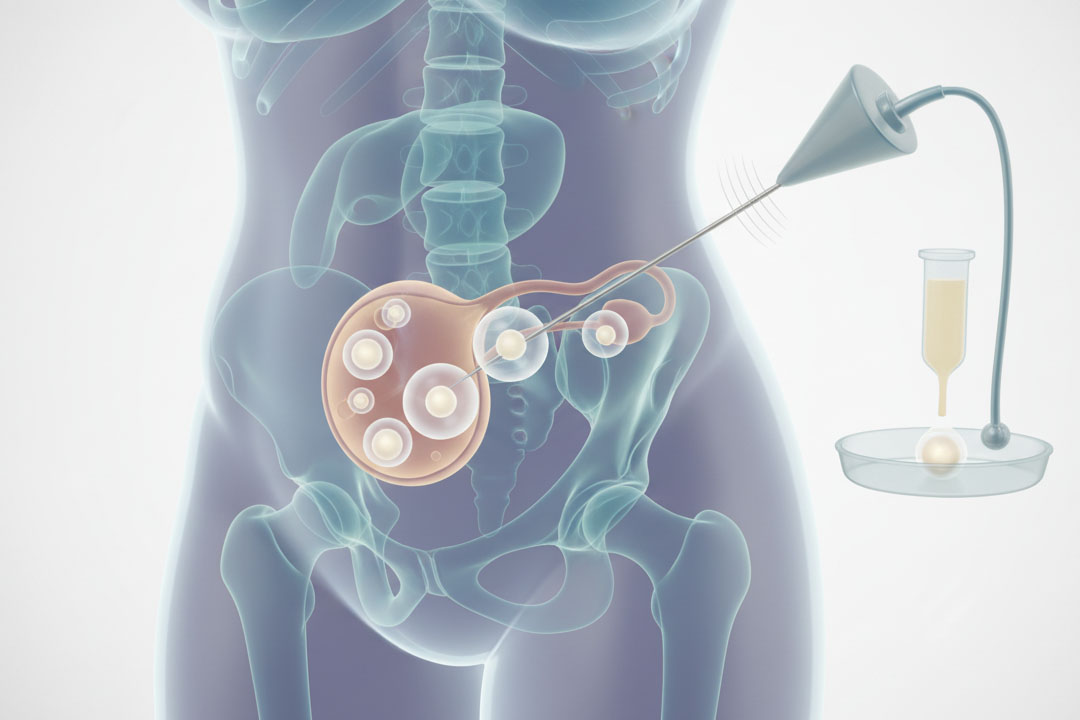
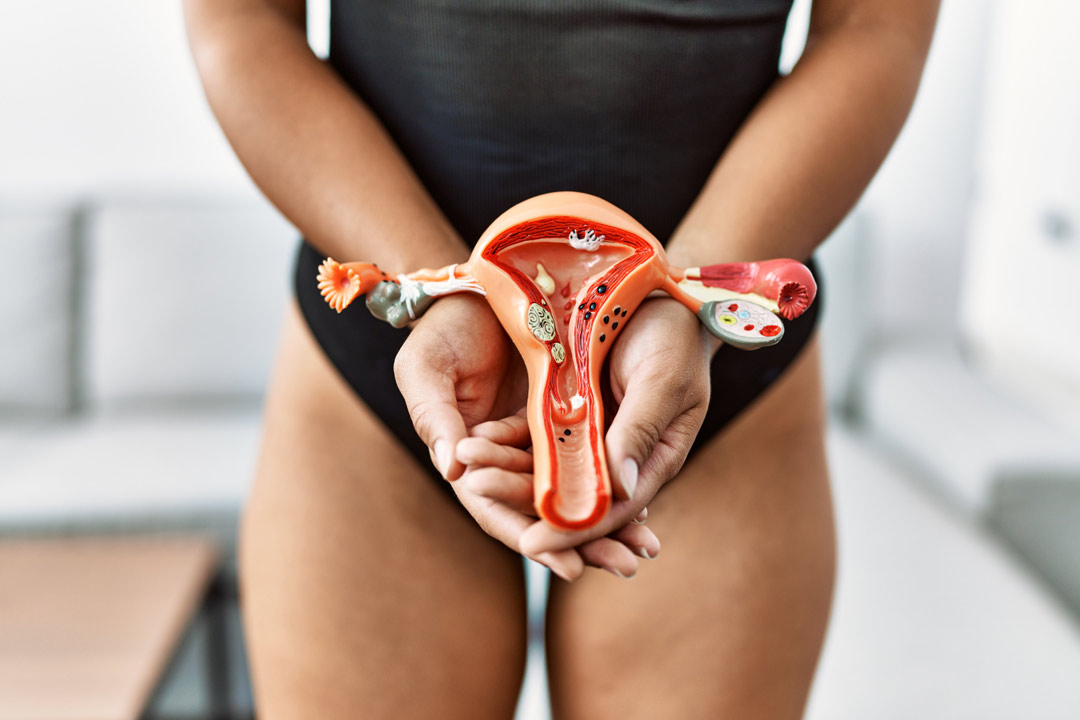
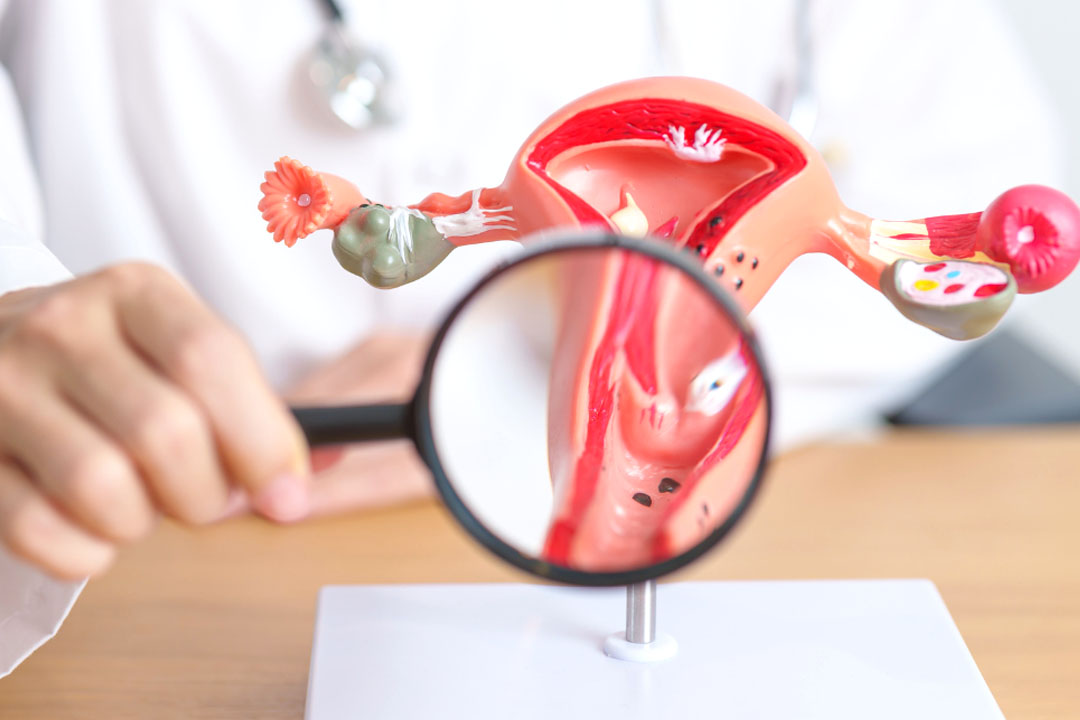
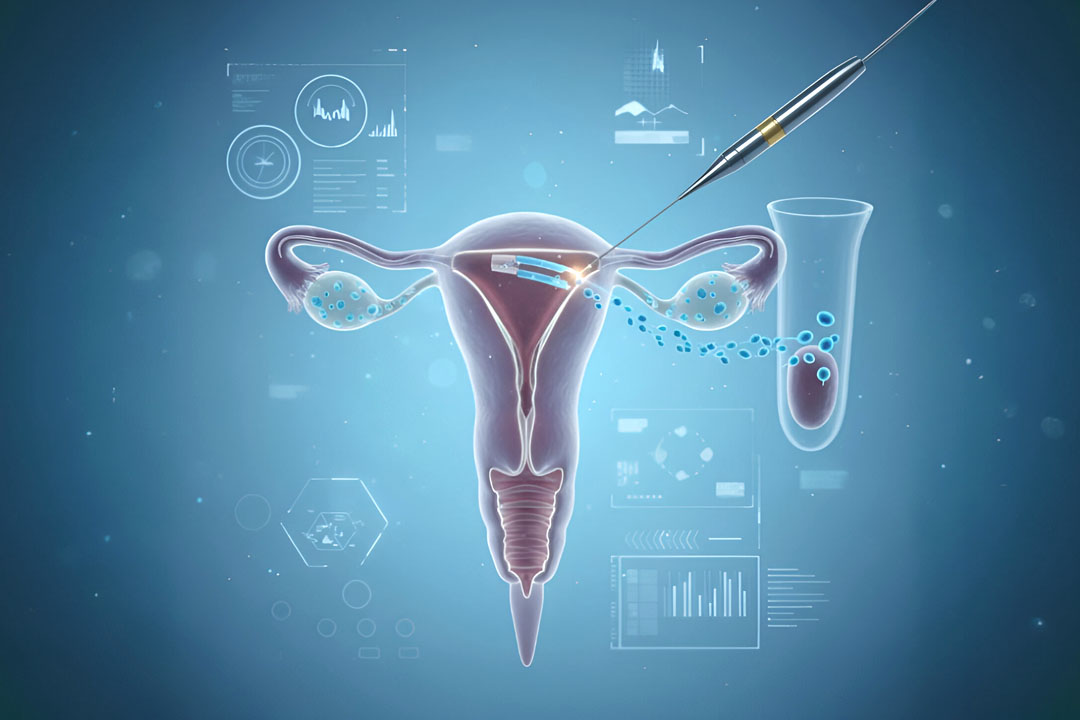
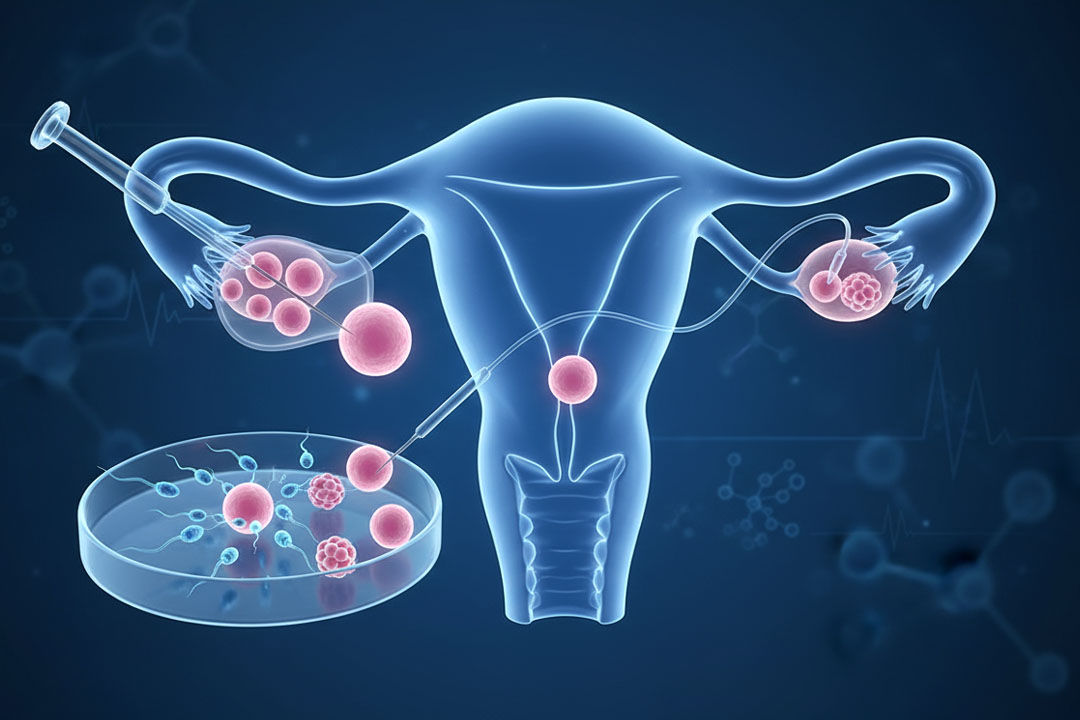
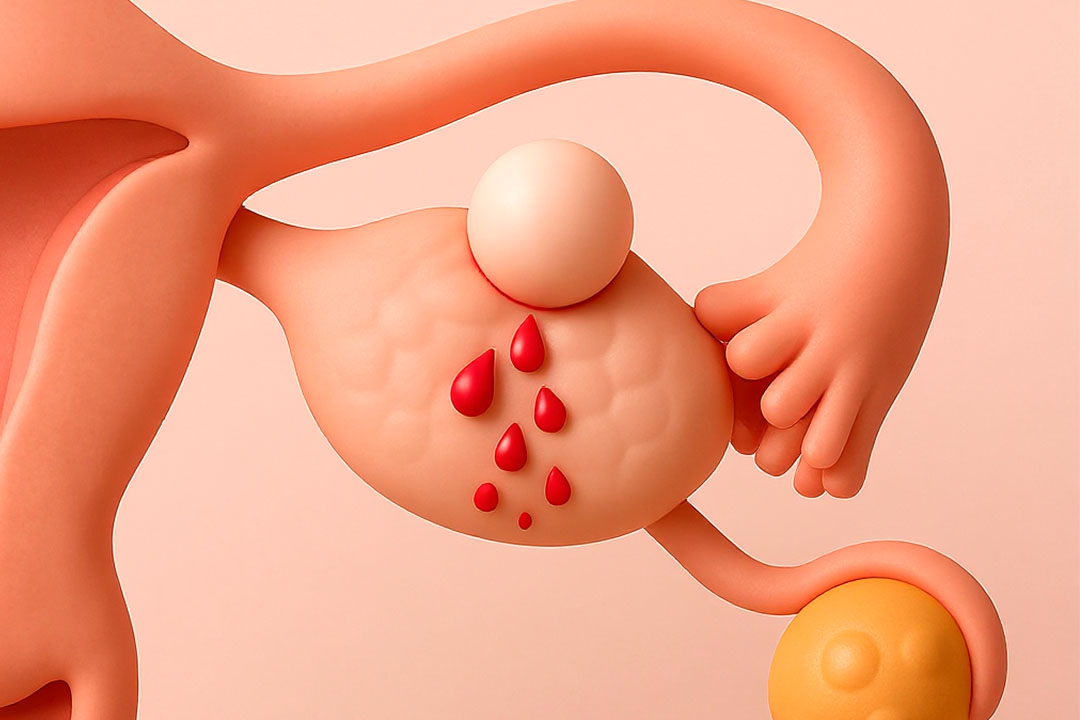
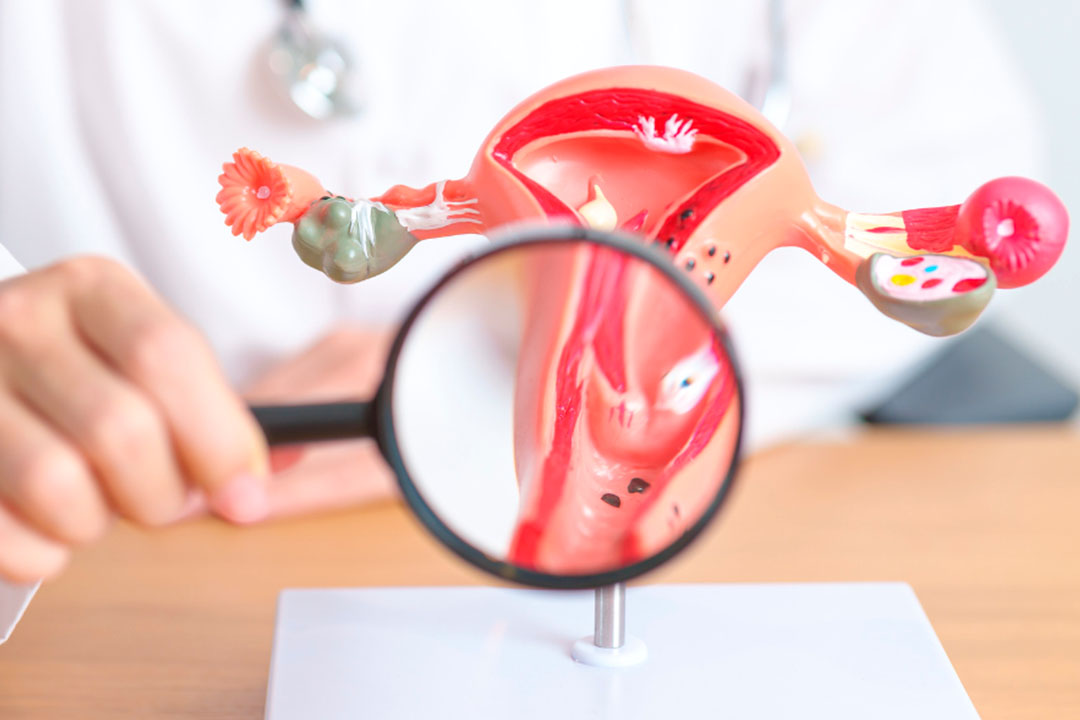
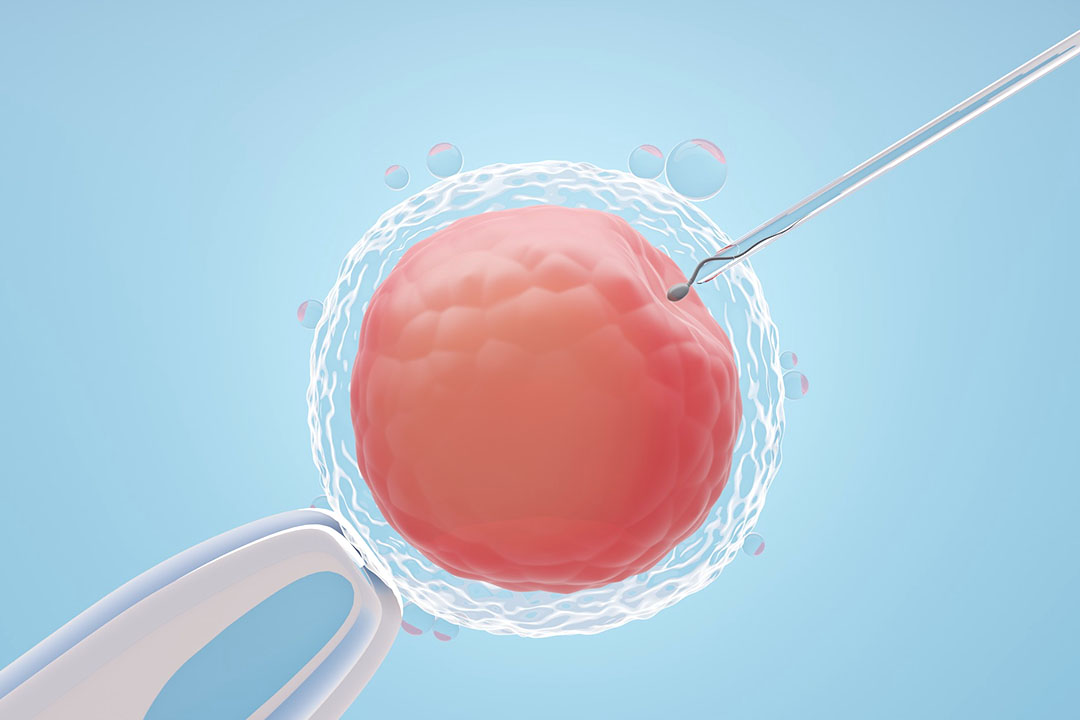
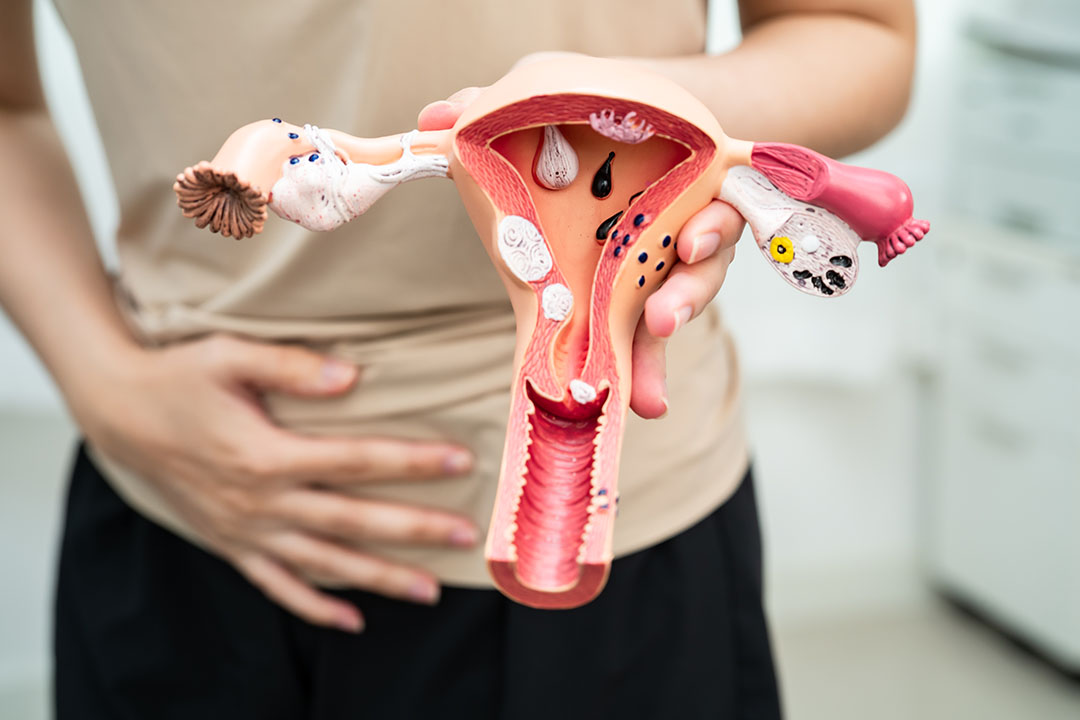
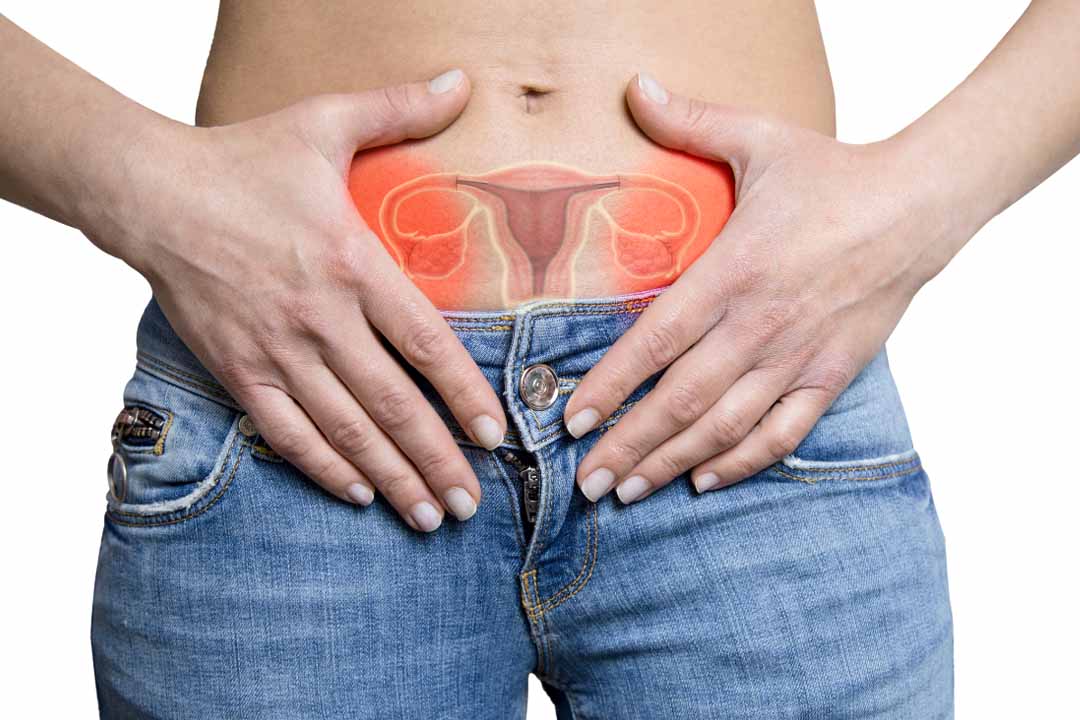
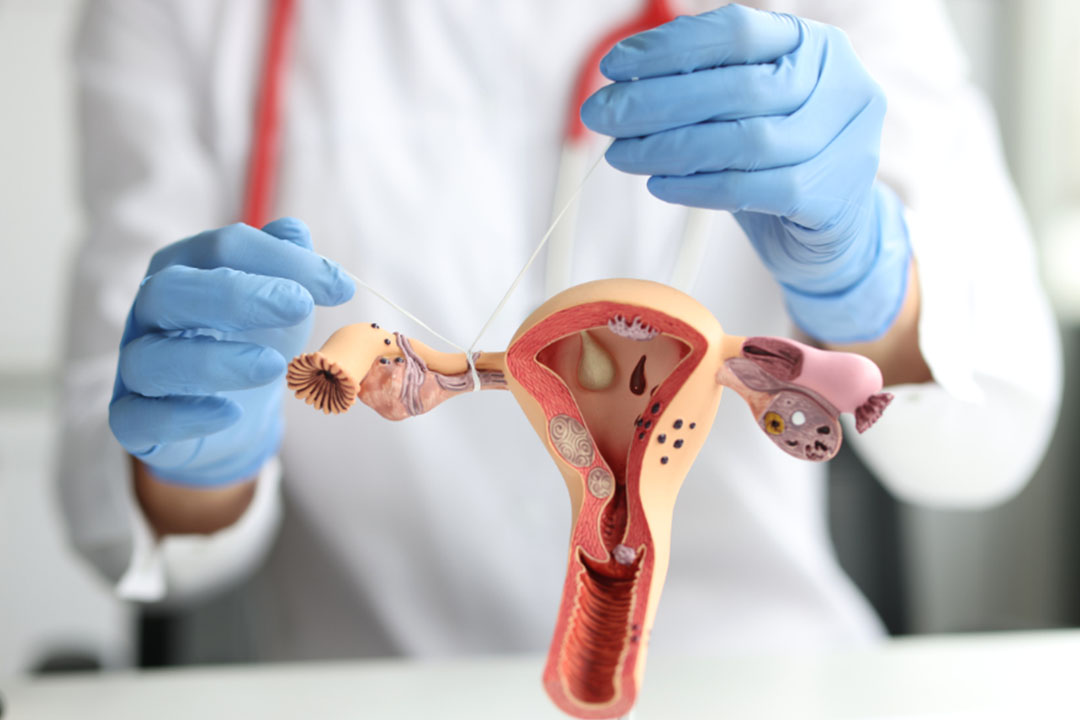
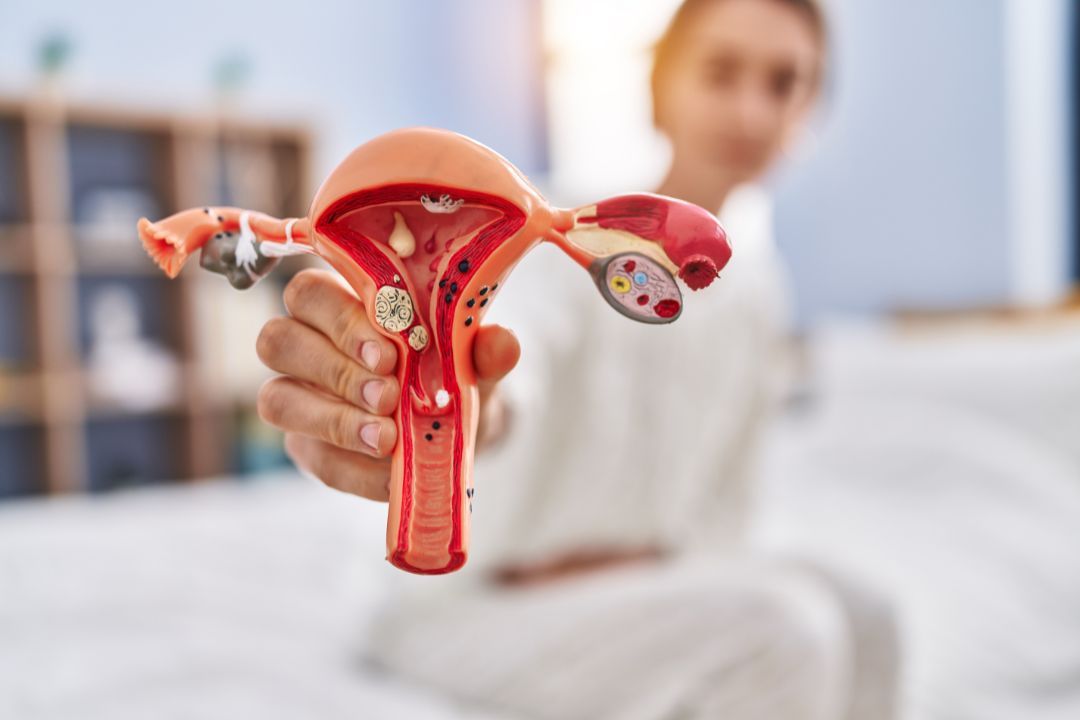
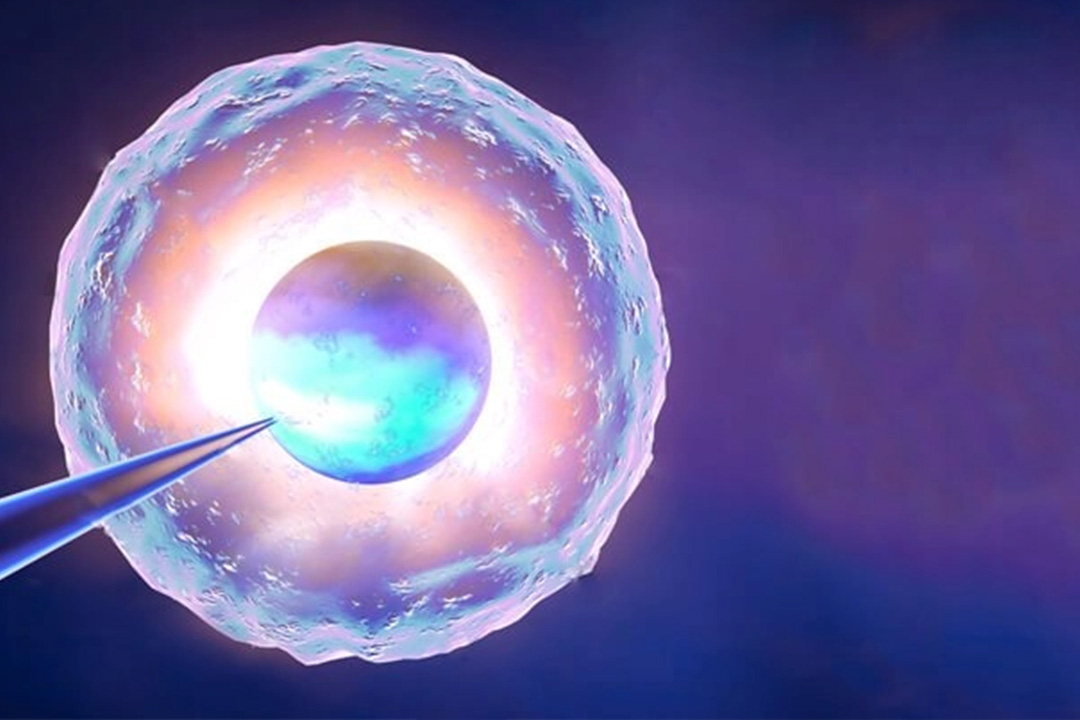
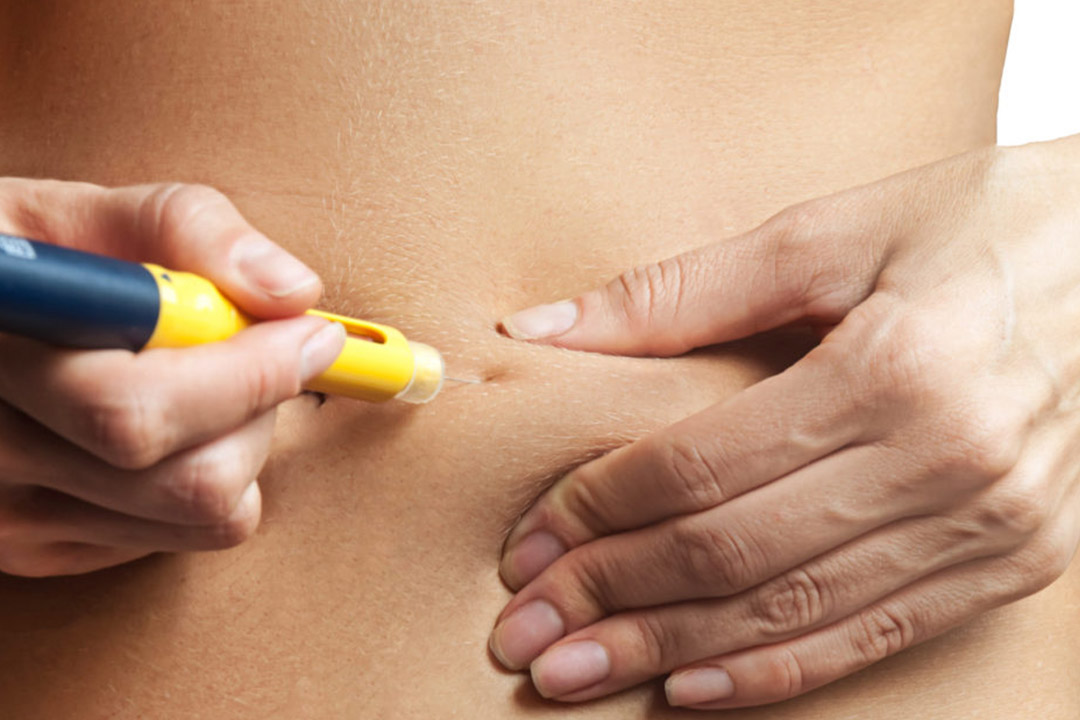
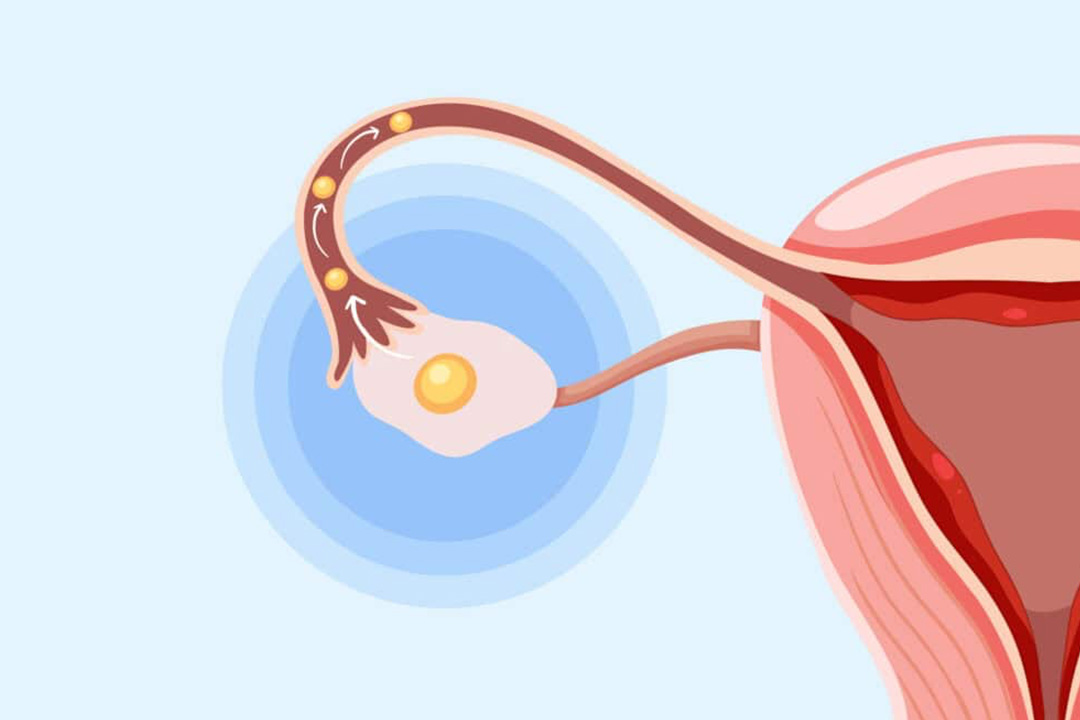
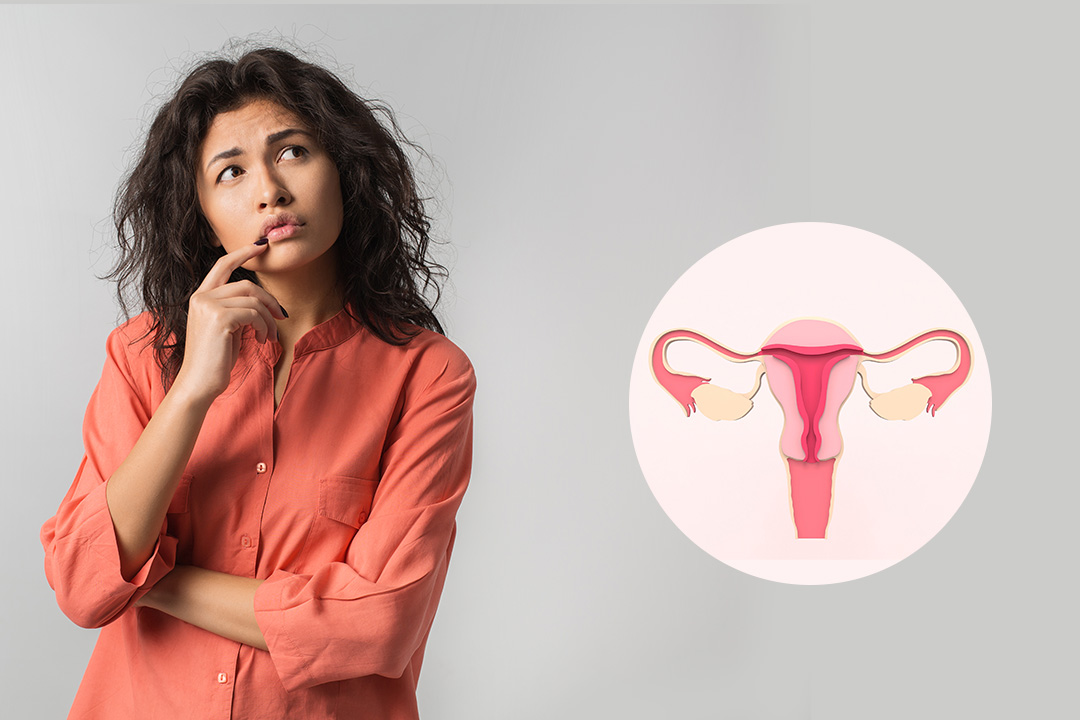
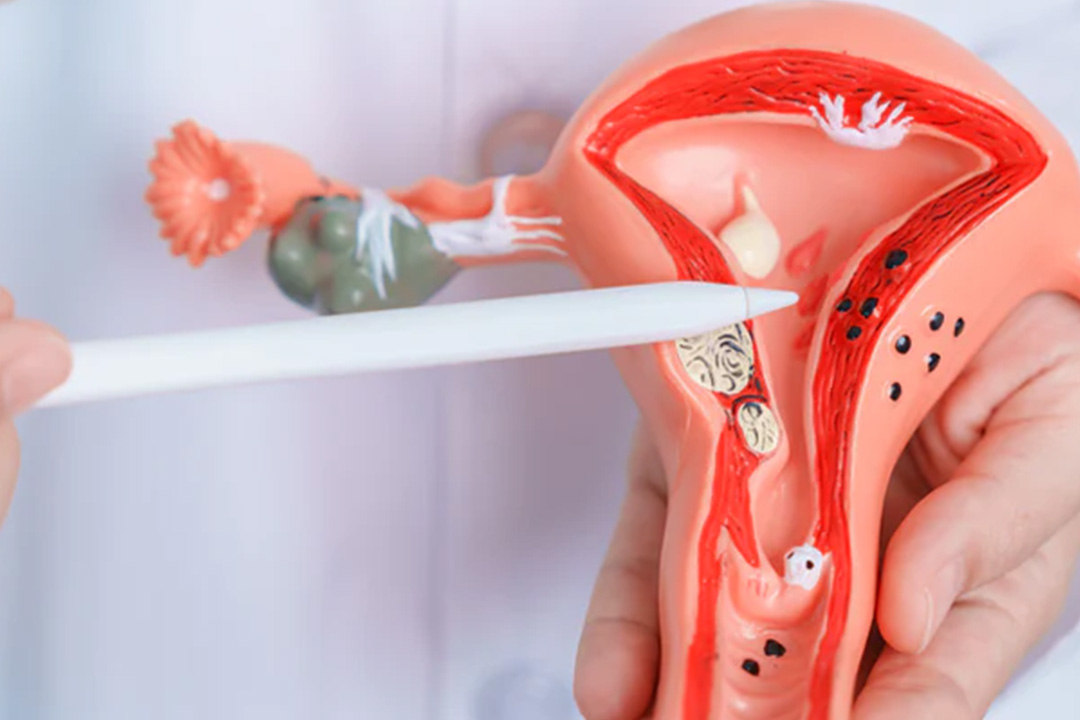
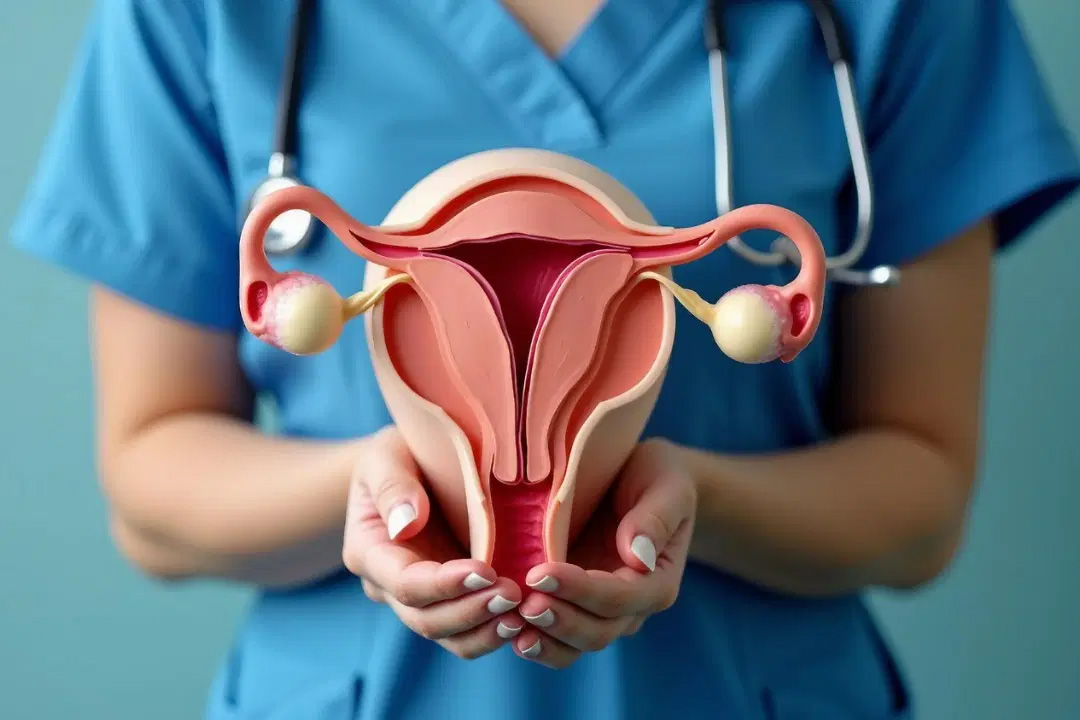
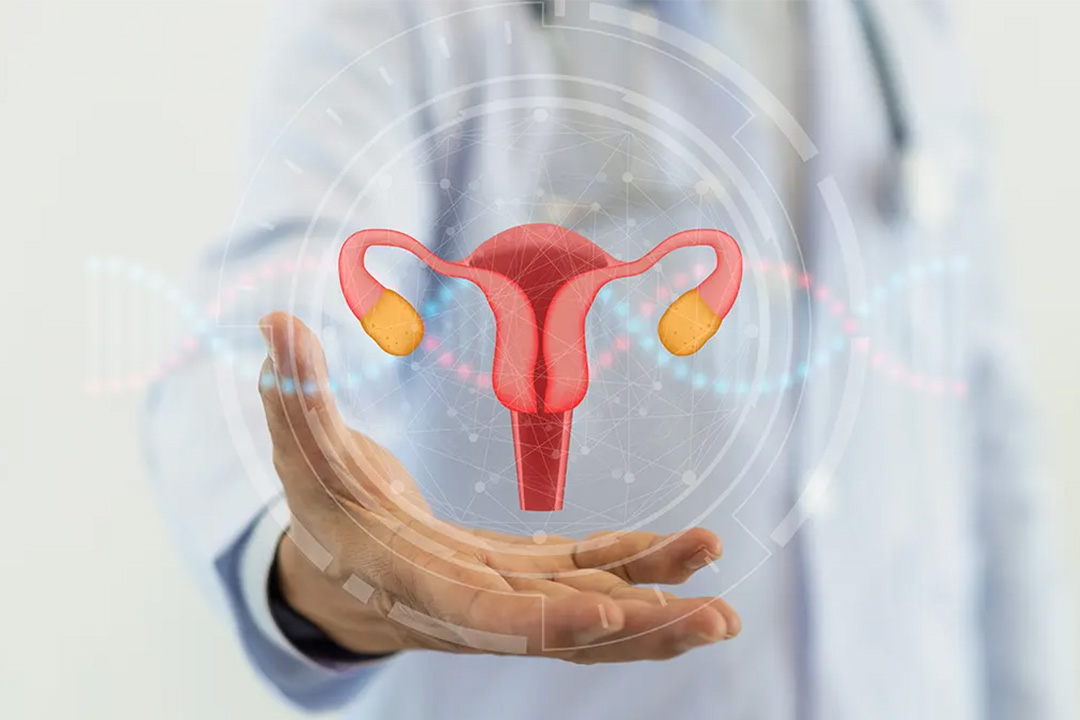
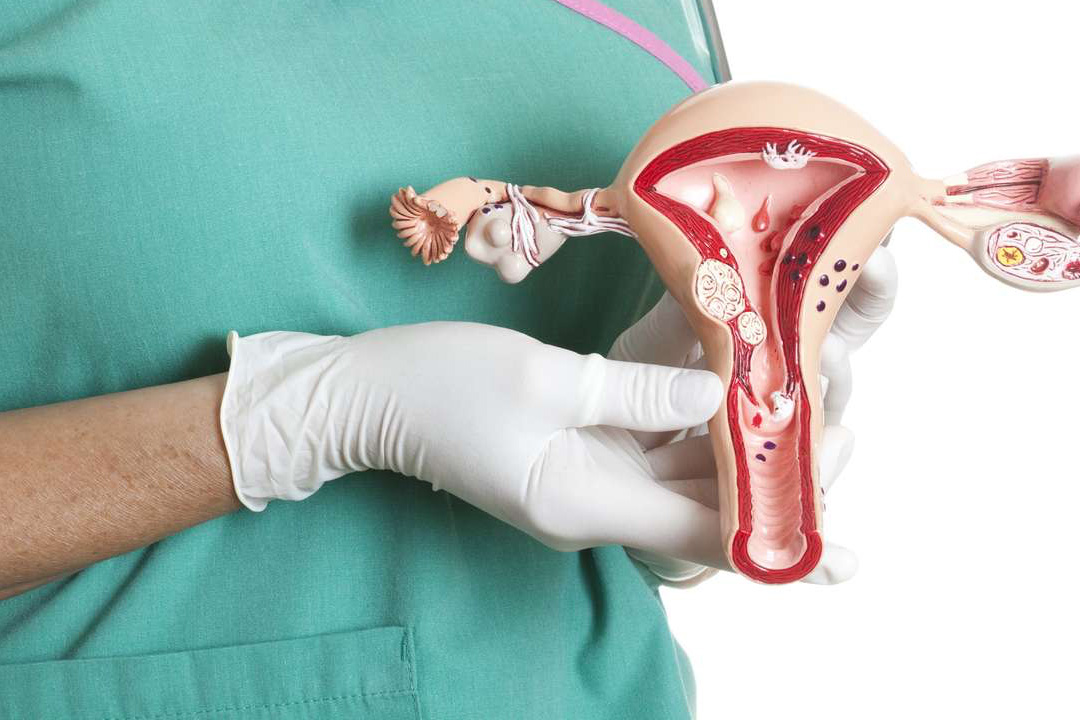
Ovarian hyperstimulation syndrome is a condition where the ovaries respond too strongly to fertility medications, especially injectable hormones used during assisted reproductive treatments. These medications encourage the ovaries to mature multiple follicles at once. In OHSS, the ovaries become enlarged and start leaking fluid into the surrounding tissues.
This fluid shift causes swelling, pain and other symptoms throughout the body. OHSS usually appears after ovulation is triggered or after egg retrieval. In some cases, symptoms worsen if pregnancy occurs because hormone levels remain high. Most people experience mild symptoms, but moderate to severe OHSS requires close monitoring and sometimes medical treatment.
Why Does Ovarian Hyperstimulation Syndrome Occur?
Ovarian hyperstimulation syndrome occurs due to an exaggerated ovarian response to fertility hormones. The medications increase levels of substances that make blood vessels more permeable. As a result, fluid moves out of the bloodstream and into the abdomen and other spaces.
Several factors increase the risk. These include young age, low body weight, polycystic ovary syndrome, high estrogen levels during treatment and a large number of developing follicles. Previous episodes of OHSS also raise the chances of recurrence. While doctors aim to balance effectiveness with safety, the body’s response can vary from person to person.
Common Ovarian Hyperstimulation Syndrome Symptoms
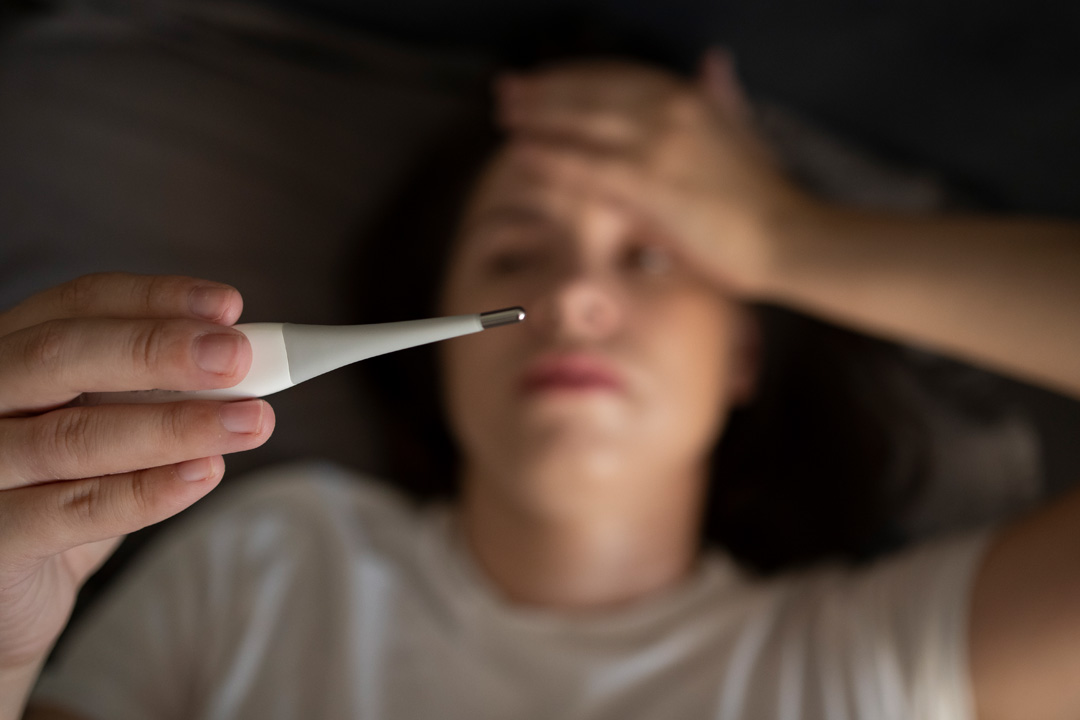
Symptoms of OHSS usually appear within a week after ovulation induction or egg retrieval. The intensity can vary widely.
Mild Symptoms
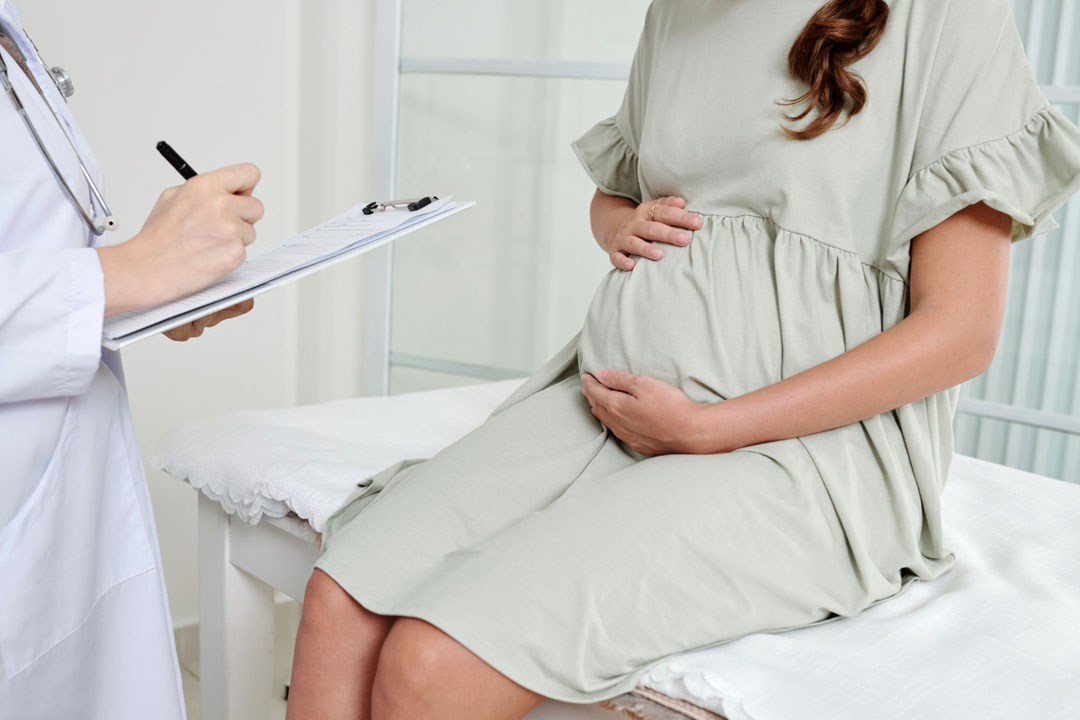
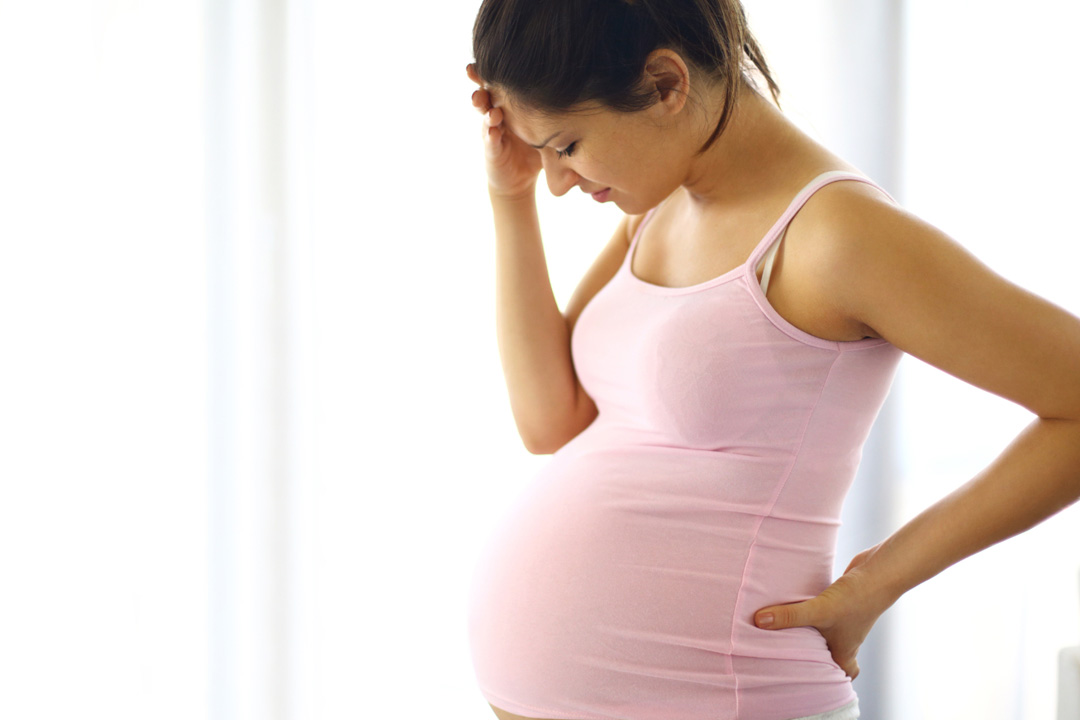
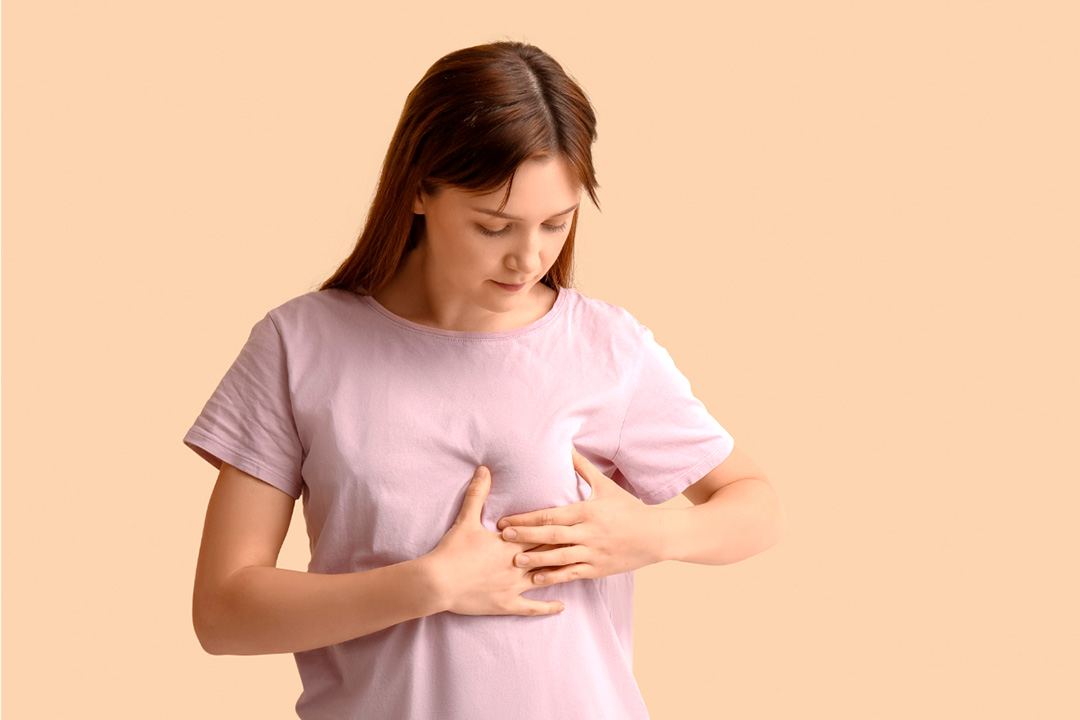
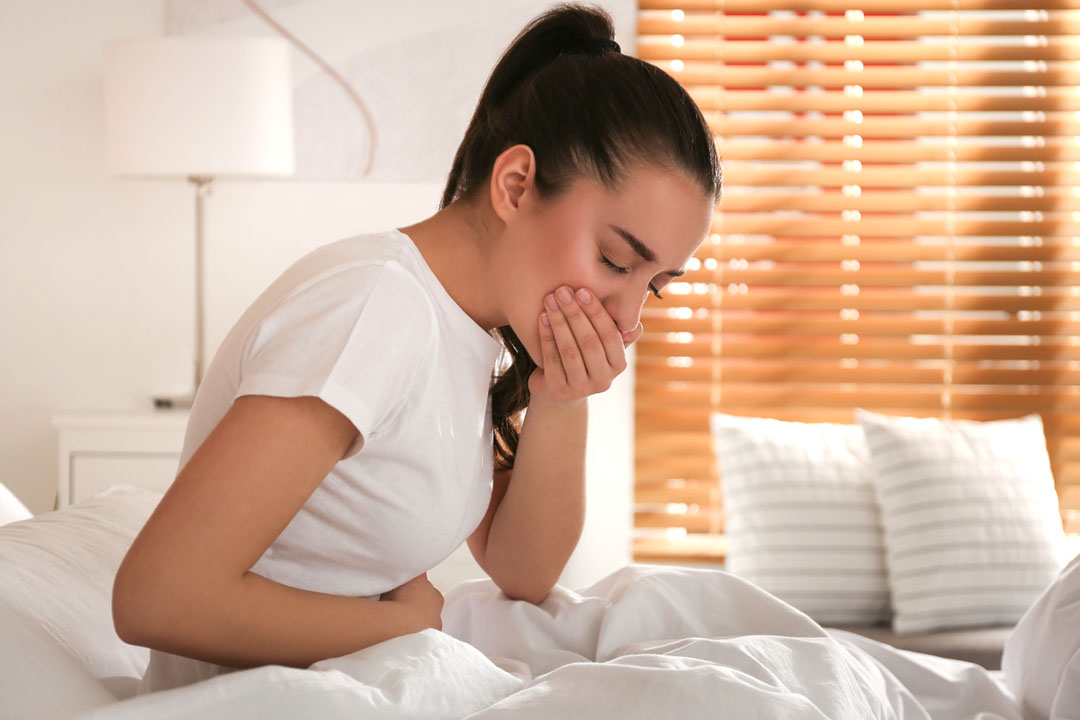
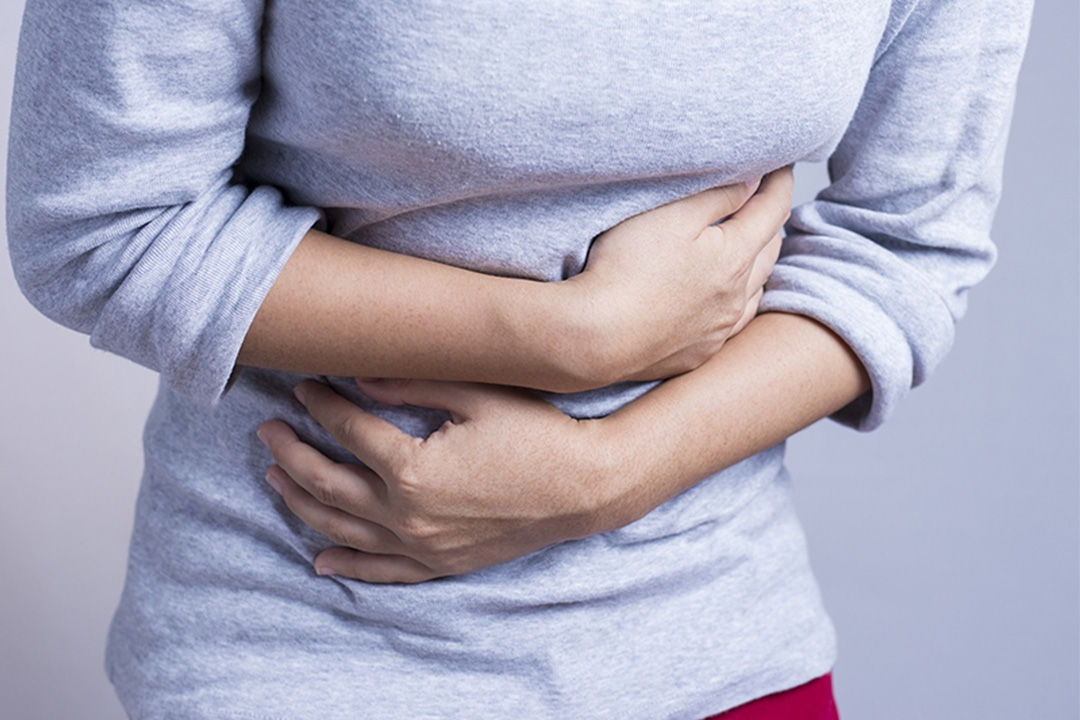
Mild OHSS is the most common form and often resolves without intervention. Symptoms may include abdominal bloating, mild abdominal pain, nausea, breast tenderness and slight weight gain. The ovaries may feel enlarged but daily activities remain manageable.
Moderate Symptoms
Moderate OHSS causes more noticeable discomfort. People may experience persistent abdominal pain, increased bloating, vomiting, diarrhea and rapid weight gain due to fluid retention. The abdomen may feel tight and uncomfortable. Medical evaluation becomes important at this stage.
Severe Symptoms
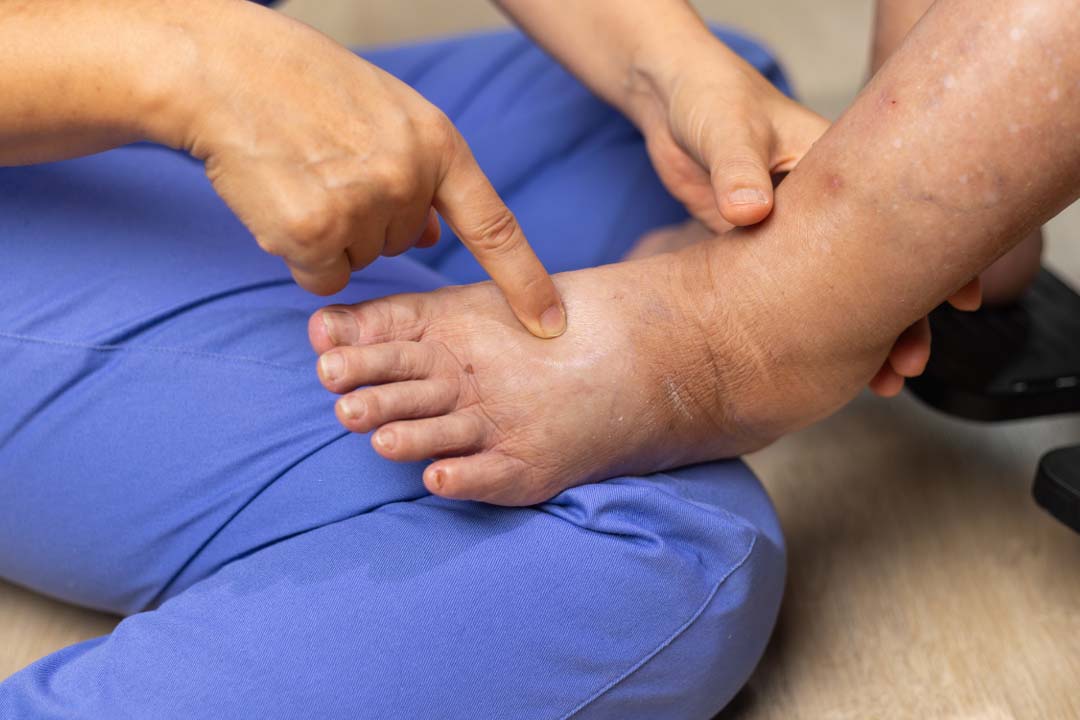
Severe OHSS is rare but serious. Symptoms include severe abdominal pain, difficulty breathing, reduced urine output, dark urine, sudden weight gain of more than two kilograms in a short time and swelling in the legs or chest. Blood thickening and electrolyte imbalance can occur. Immediate medical care is essential in such cases.
How Do Symptoms Change Over Time?
OHSS symptoms often follow a predictable pattern. In non pregnant cycles, symptoms usually peak within seven to ten days and then gradually improve as hormone levels fall. In cycles where pregnancy occurs, symptoms may last longer or worsen because pregnancy hormones continue to stimulate the ovaries.
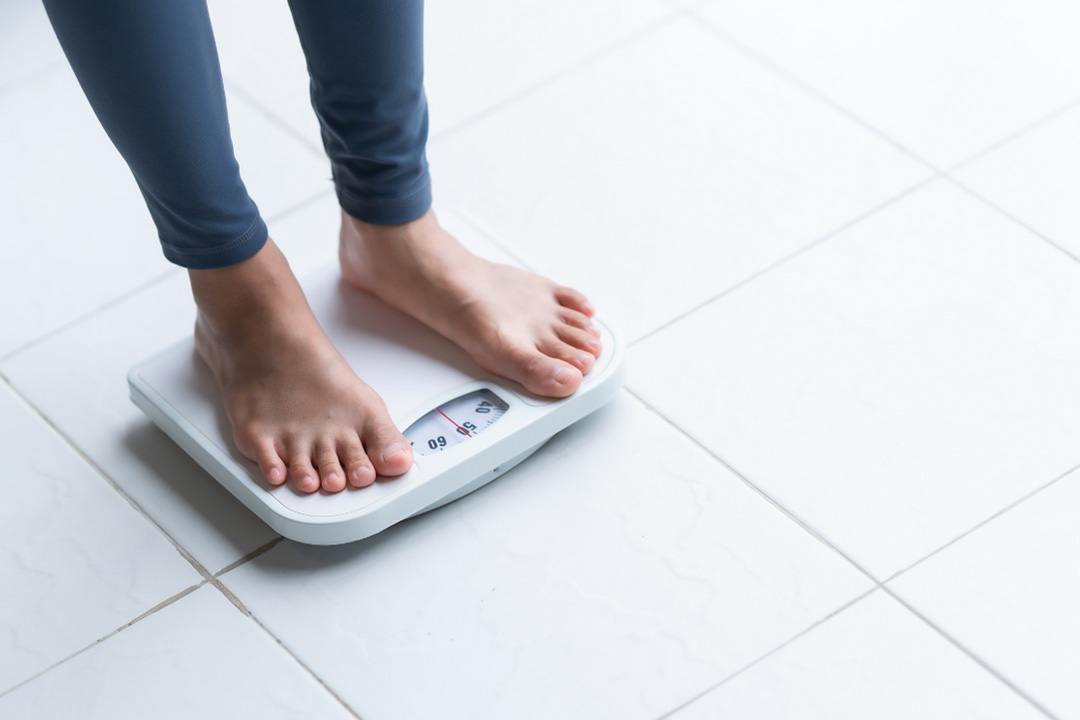
Monitoring symptoms daily helps detect changes early. Tracking weight, abdominal girth and urine output provides useful warning signs. Any sudden worsening should never be ignored.
How Is Ovarian Hyperstimulation Syndrome Diagnosed?
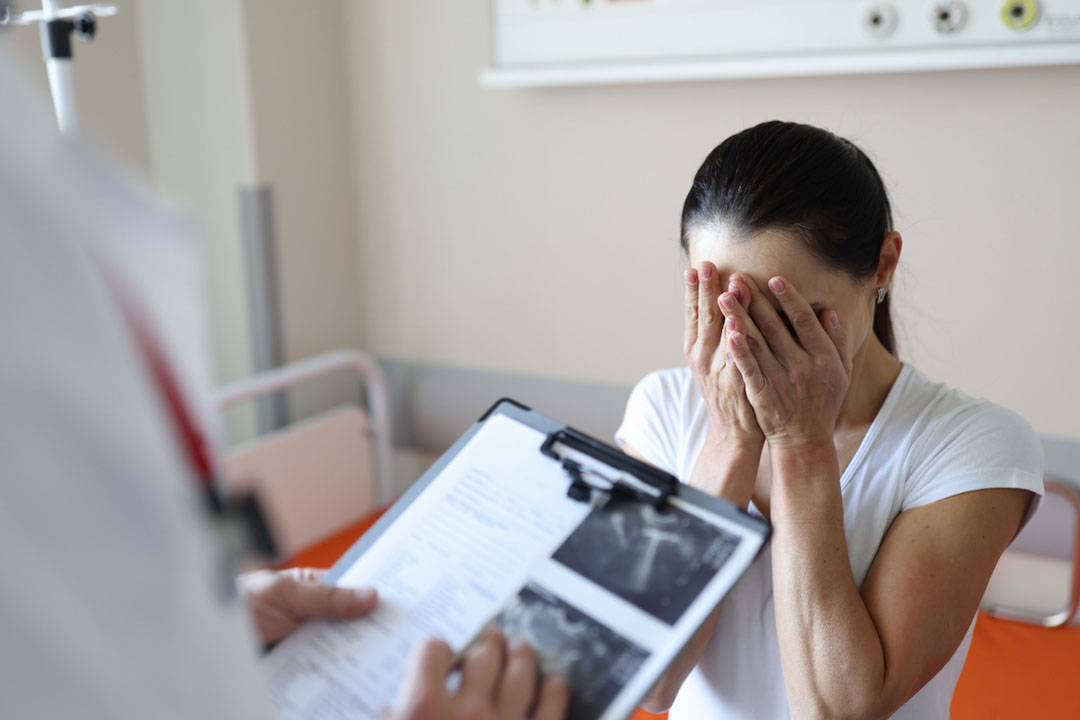
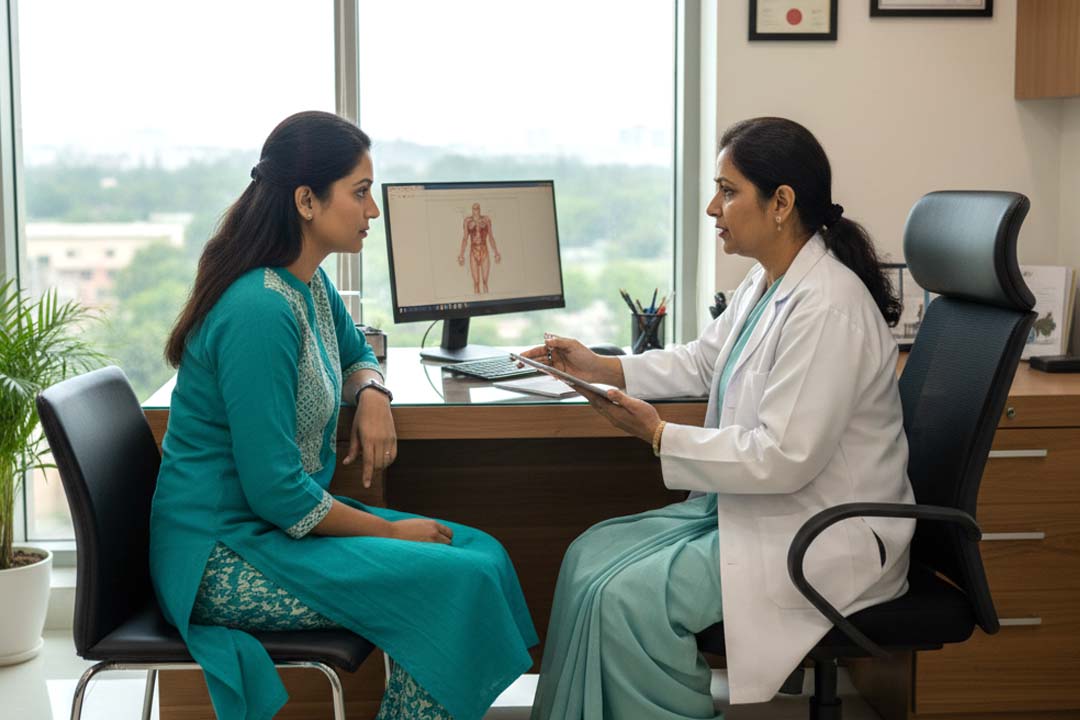
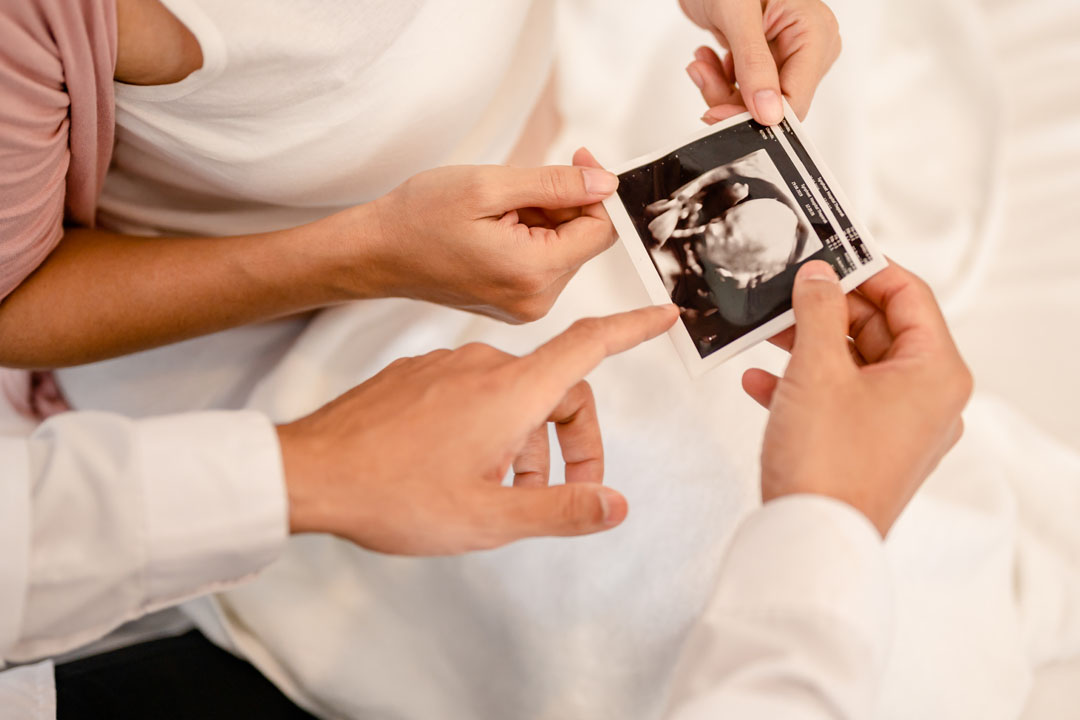
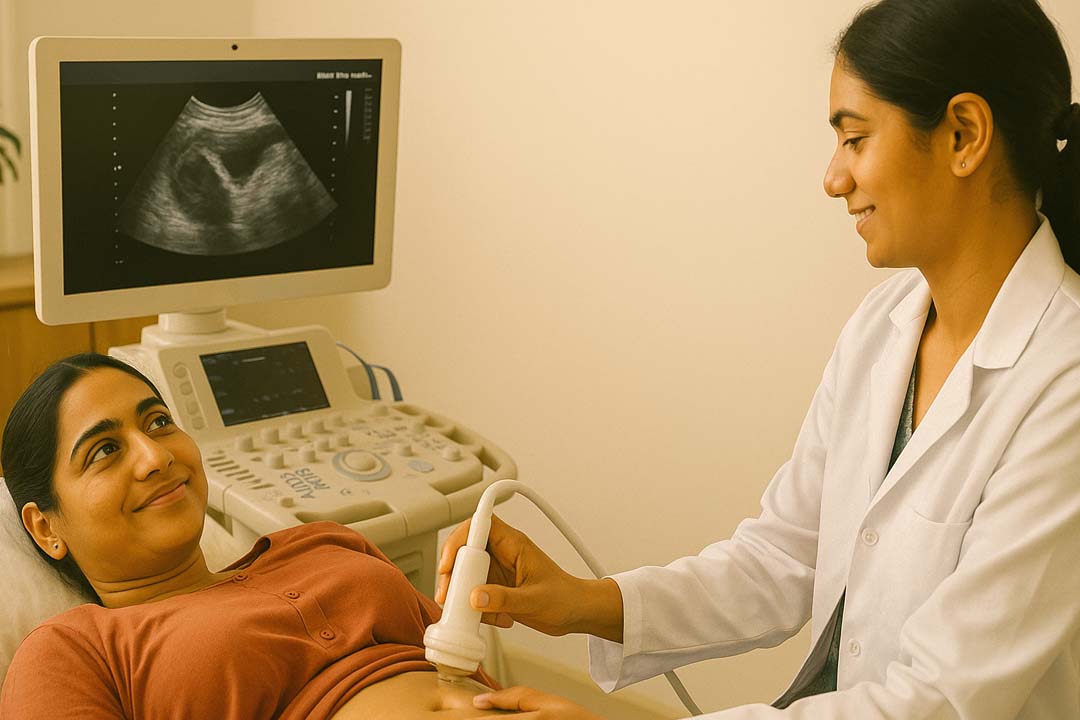
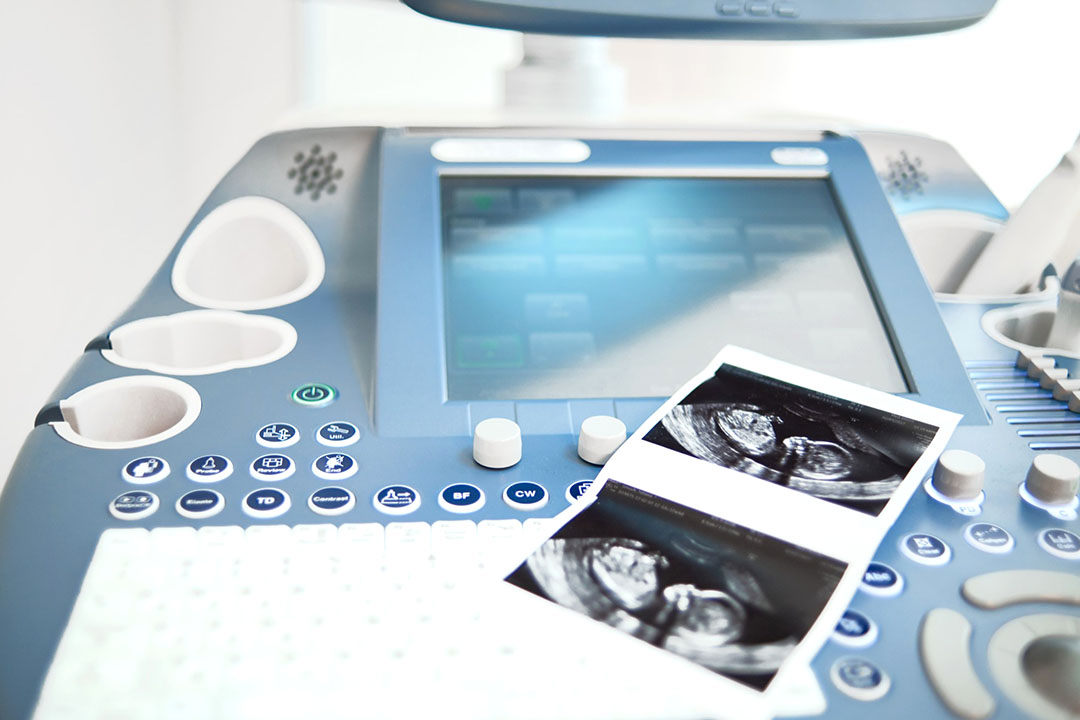
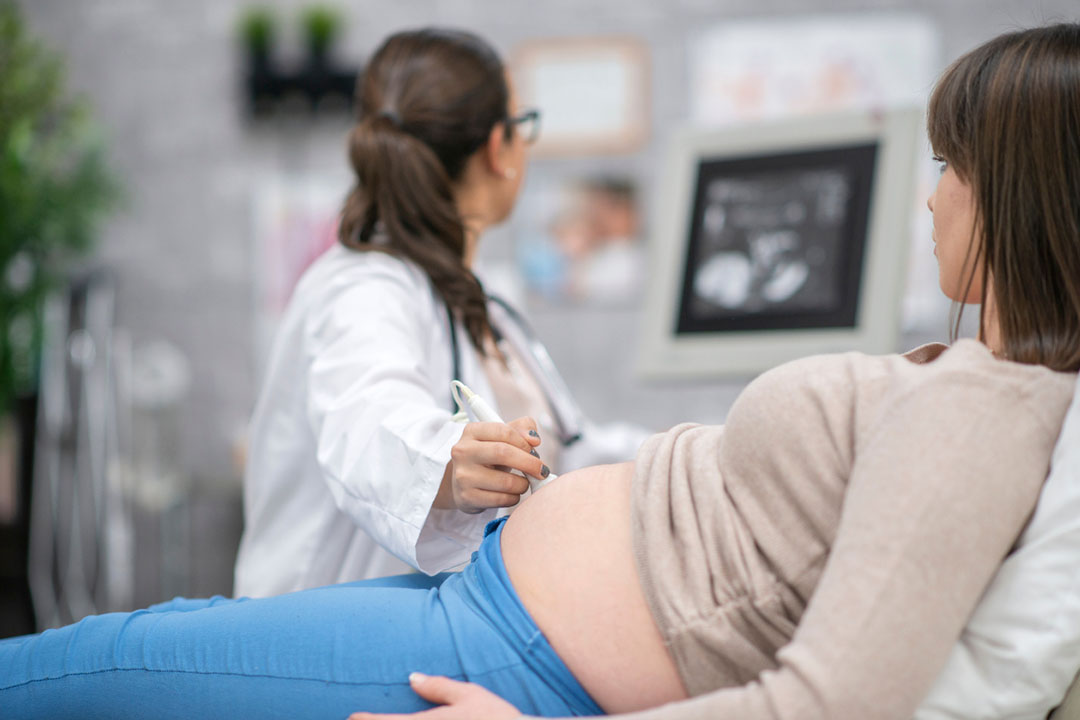
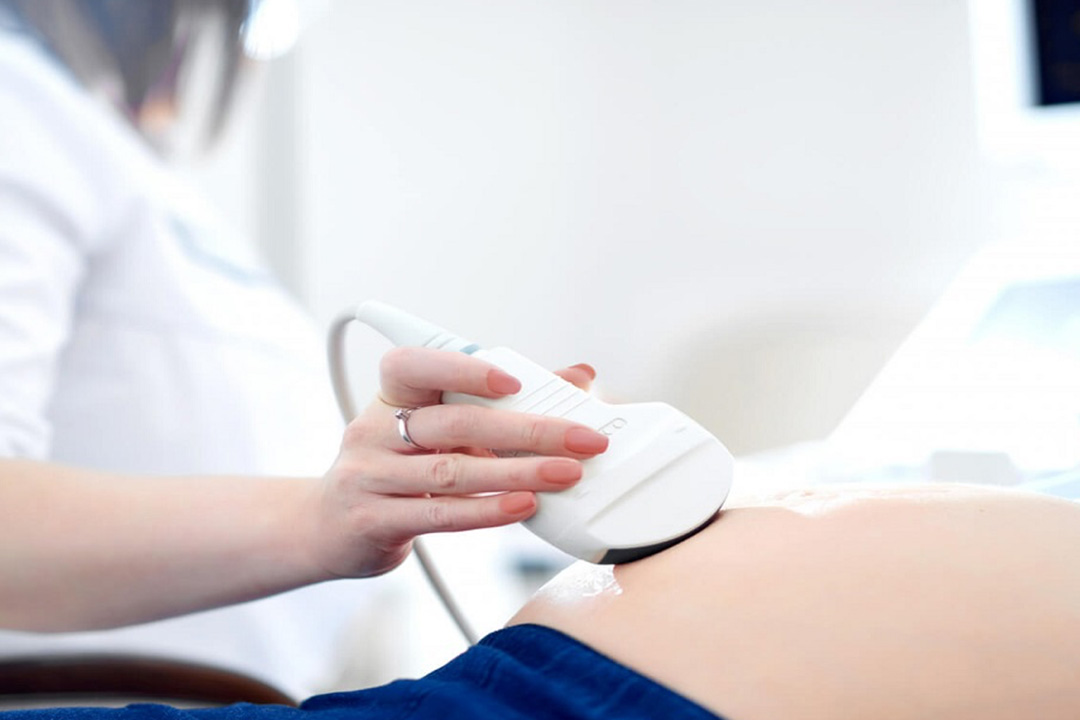
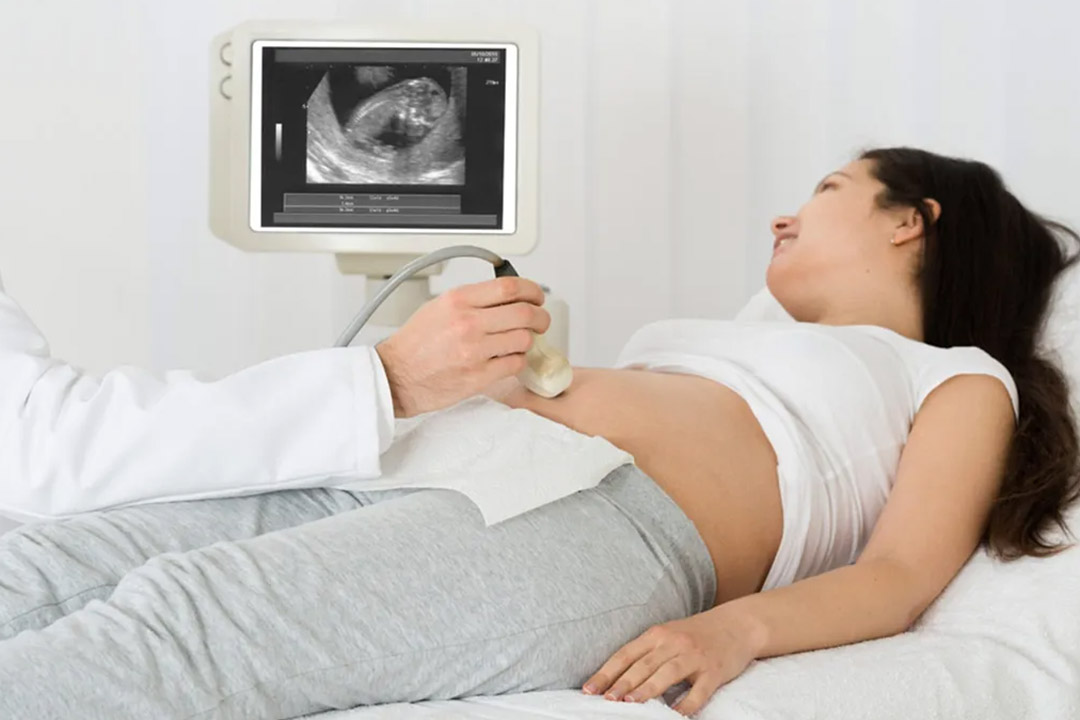
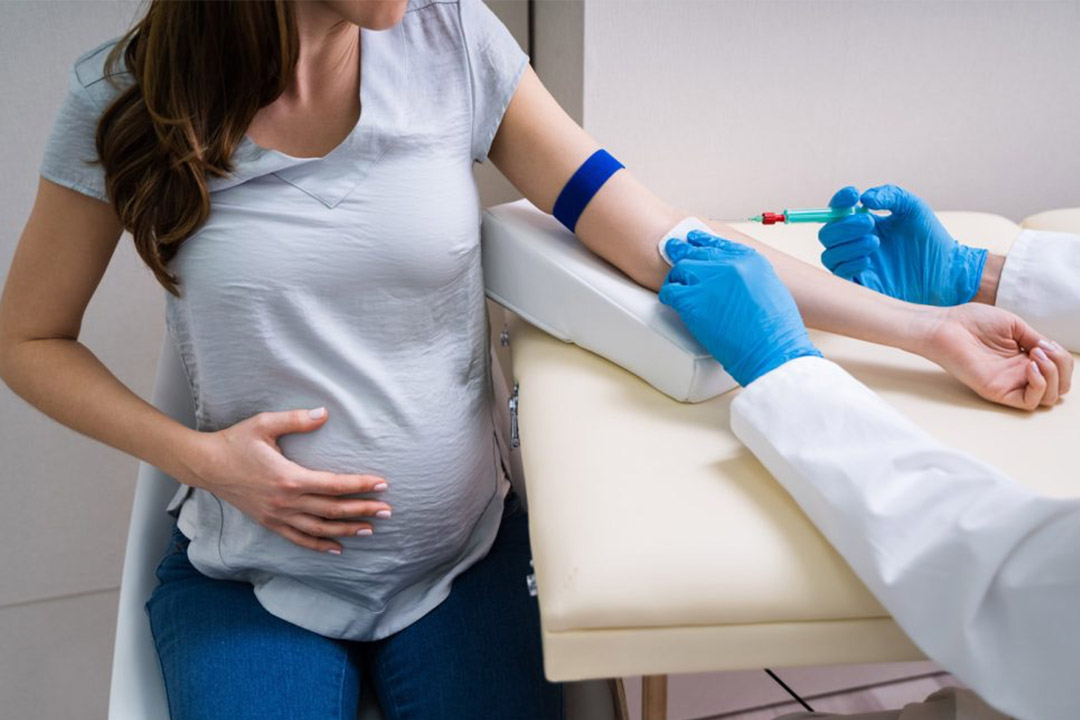
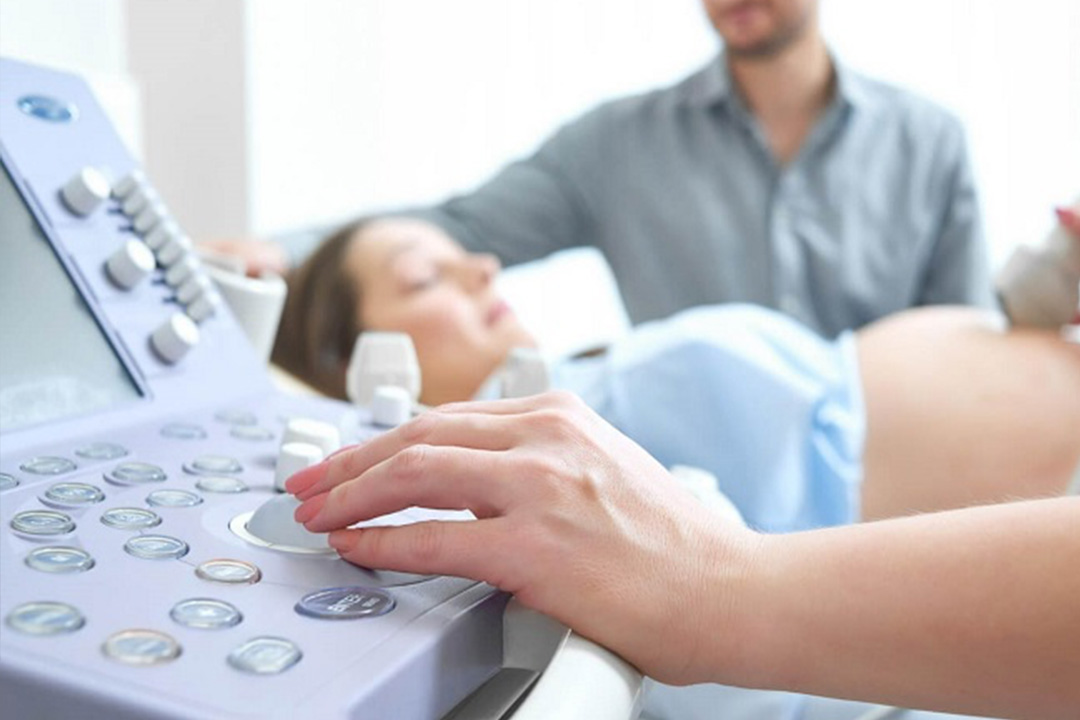
Diagnosis depends on symptoms, physical examination and ultrasound findings. Ultrasound helps assess ovarian size and fluid accumulation in the abdomen. Blood tests may check kidney function, electrolyte levels and blood concentration.
Doctors classify OHSS as mild, moderate or severe based on clinical findings. Early diagnosis helps prevent complications and guides the treatment approach.
Treatment Options for Ovarian Hyperstimulation Syndrome
Treatment depends on the severity of symptoms and whether pregnancy has occurred. Most mild cases can be managed at home, while severe cases may require hospital care.
1. Home Management for Mild Cases
Mild OHSS often improves with rest and simple measures. Patients are advised to drink fluids containing electrolytes, avoid strenuous activity and monitor symptoms closely. Pain relief may be recommended using safe medications. Regular follow ups help ensure symptoms are resolving.
2. Medical Management for Moderate Cases
Moderate OHSS may require outpatient medical care. Doctors may recommend medications to reduce fluid buildup and prevent blood clots. Frequent monitoring of weight, urine output and blood tests becomes important. Fluid intake is carefully balanced to avoid dehydration or overload.
3. Hospital Treatment for Severe Cases
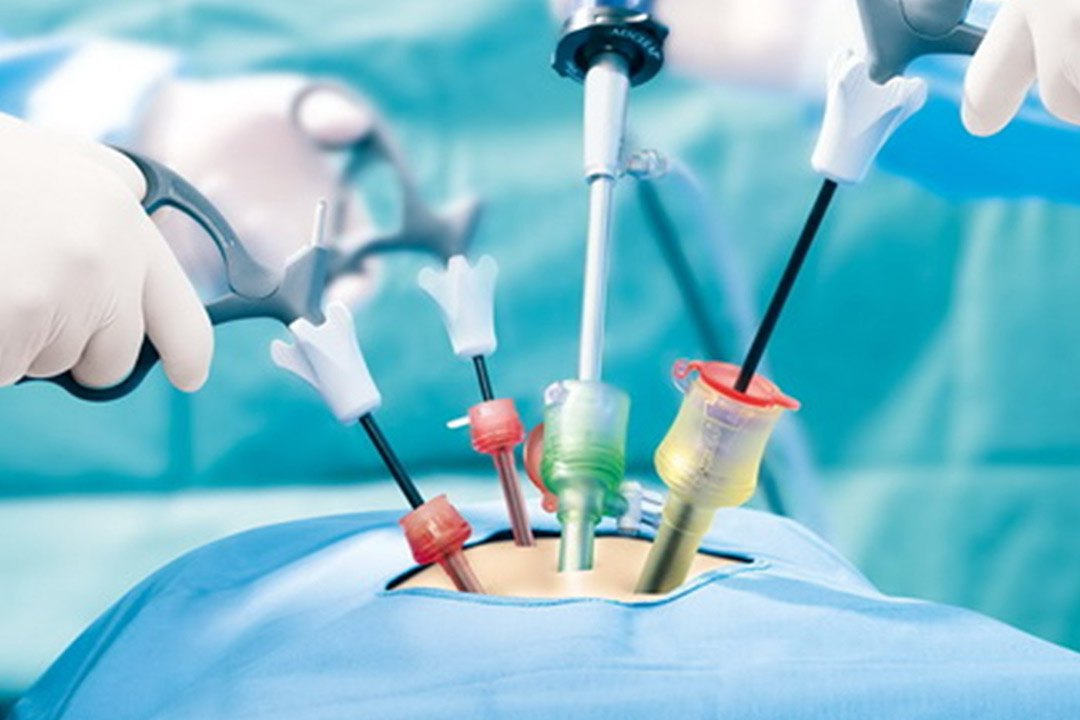
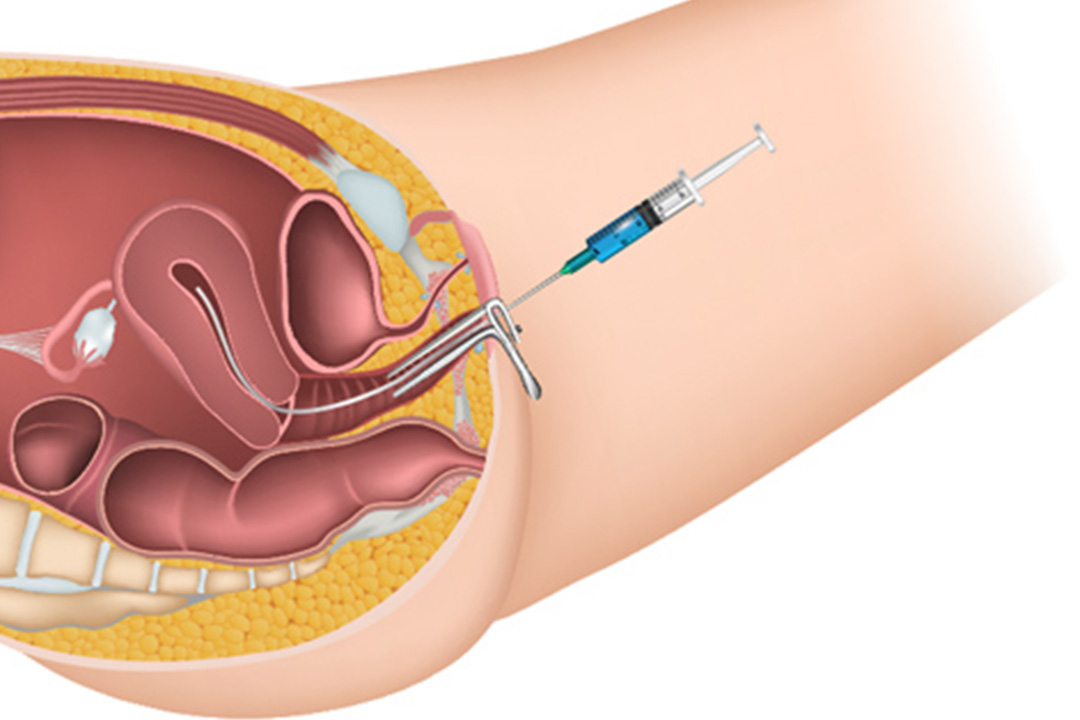
Severe OHSS requires hospitalization. Treatment may include intravenous fluids, blood thinning injections and medications to control nausea and pain. In some cases, fluid may be drained from the abdomen to relieve pressure. Close monitoring prevents complications such as kidney failure or breathing difficulties.
Cost of Ovarian Hyperstimulation Syndrome Treatment in India
Based on 2025–2026 data, the treatment for Ovarian Hyperstimulation Syndrome (OHSS) in India is rarely stated as a standalone package, as it is a complication of IVF that is typically managed within the overall fertility treatment cost or as an add-on expense at specialized centers.
The cost of managing complications like OHSS, which can involve extra ultrasounds, blood tests, medication adjustments, or in severe cases, hospital admission for fluid aspiration, can range from ₹20,000 to over ₹1,00,000+, depending on the severity.
Key Cost Factors for OHSS Treatment:
- Mild to Moderate Cases: Managed with oral medication, extra monitoring, and, in some cases, "freeze-all" (embryo freezing) to allow ovaries to recover, which may add moderate, short-term costs.
- Severe Cases: May require hospitalization for intravenous fluids and ultrasound-guided paracentesis (fluid removal) to relieve abdominal pressure, increasing costs significantly.
- Preventive Measures: Many clinics now use GnRH agonist triggers instead of hCG for high-risk patients to prevent OHSS, which is generally included in the IVF package.
Can Ovarian Hyperstimulation Syndrome Be Prevented?
Complete prevention is not always possible, but risk can be reduced. Fertility specialists adjust medication doses based on individual risk factors. Lower dose protocols, alternative trigger injections and freezing embryos instead of immediate transfer are commonly used strategies.
Careful monitoring during stimulation cycles helps detect early warning signs. Patients should always report symptoms promptly rather than waiting for them to worsen.
Does OHSS Affect Fertility Outcomes?
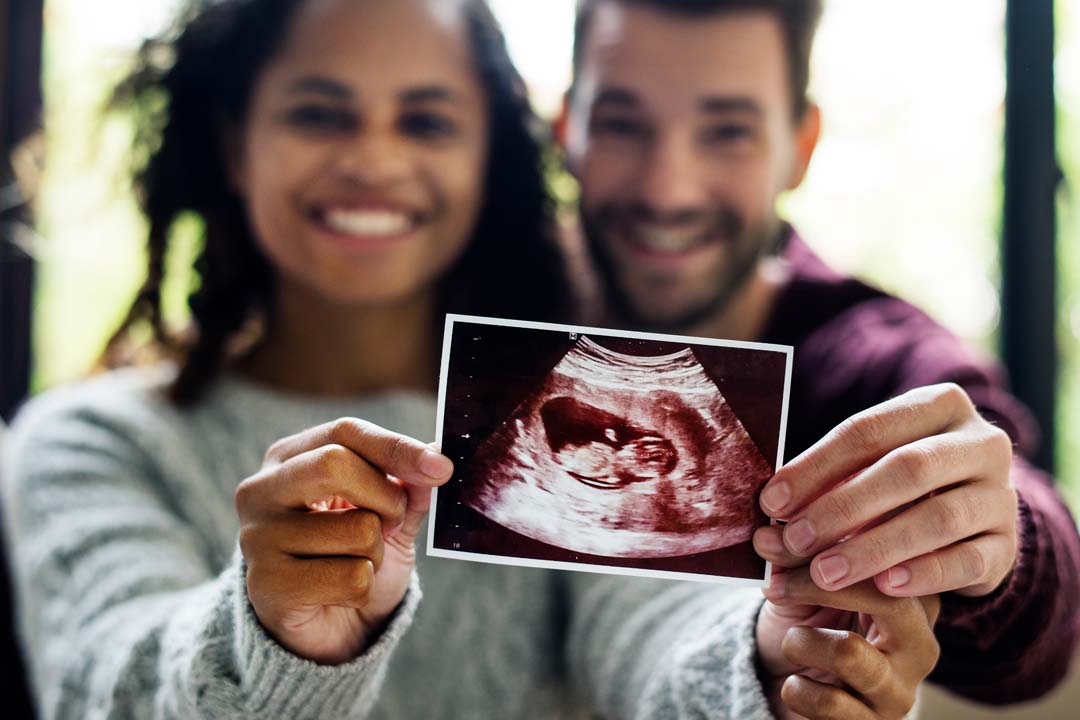
In most cases, OHSS does not cause long term damage to fertility. The ovaries usually return to normal size within a few weeks. Many people go on to have successful pregnancies in later cycles.
However, severe untreated OHSS can lead to complications that may temporarily affect health. Early detection and proper management protect both short term wellbeing and future fertility.
When Should You Seek Immediate Medical Help?
Medical help should be sought immediately if symptoms worsen rapidly. Warning signs include severe abdominal pain, breathlessness, fainting, very low urine output, chest pain or sudden swelling. These signs indicate severe OHSS and require urgent care.
Frequently Asked Questions
What are the earliest symptoms of ovarian hyperstimulation syndrome?
The earliest symptoms usually include abdominal bloating, mild pelvic discomfort and nausea. These often appear a few days after ovulation triggers or egg retrieval and should be monitored closely.
Is ovarian hyperstimulation syndrome dangerous?
Most cases are mild and not dangerous. Severe OHSS can become serious if left untreated, which is why early recognition and timely treatment are important.
How long does ovarian hyperstimulation syndrome last?
Mild cases usually resolve within one to two weeks. If pregnancy occurs, symptoms may last longer but still improve with proper care.
Can OHSS happen without IVF?
Yes, OHSS can occur with any fertility treatment that stimulates the ovaries, including ovulation induction for timed intercourse or intrauterine insemination.
Does drinking more water help OHSS?
Proper hydration helps, but excessive water intake without electrolytes can worsen imbalance. Balanced fluids are recommended rather than plain water alone.
I am 30, is IVF safe for me in terms of OHSS risk?
Age alone does not determine risk. Factors like ovarian reserve, hormone levels and medical history matter more. Careful monitoring makes IVF safe for most people.
Can OHSS affect pregnancy?
Mild OHSS usually does not affect pregnancy outcomes. Severe OHSS requires close monitoring but many pregnancies still progress normally with proper care.
Conclusion
Ovarian hyperstimulation syndrome is a known but manageable risk associated with fertility treatments. Recognizing symptoms early and understanding their progression helps reduce complications. Most cases remain mild and resolve with supportive care. Even when symptoms become moderate or severe, timely medical treatment leads to good recovery in most individuals.
About Us
AKsigen IVF is a premier center for advanced fertility treatments, with renowned fertility experts on our team. Specializing in IVF, ICSI, egg freezing, and other cutting-edge reproductive technologies, AKsigen IVF is committed to helping couples achieve their dream of parenthood. With personalized care and a patient-first approach, AKsigen IVF provides comprehensive fertility solutions under one roof.