
Women today are more aware of their reproductive health than ever before, yet many medical terms can still sound confusing and worrying.
One such phrase that often appears in ultrasound reports is “bilateral polycystic ovaries.” Hearing this for the first time can raise many questions about fertility, periods, weight, and long-term health.
Being aware of what it really means could help you feel less afraid and find the best care. In order to help you make educated decisions about your health, this article provides a clear and practical explanation of bilateral polycystic ovaries, including causes, symptoms, diagnosis, treatment, reproductive issues, and lifestyle advice.
What Does Bilateral Polycystic Ovaries Mean?
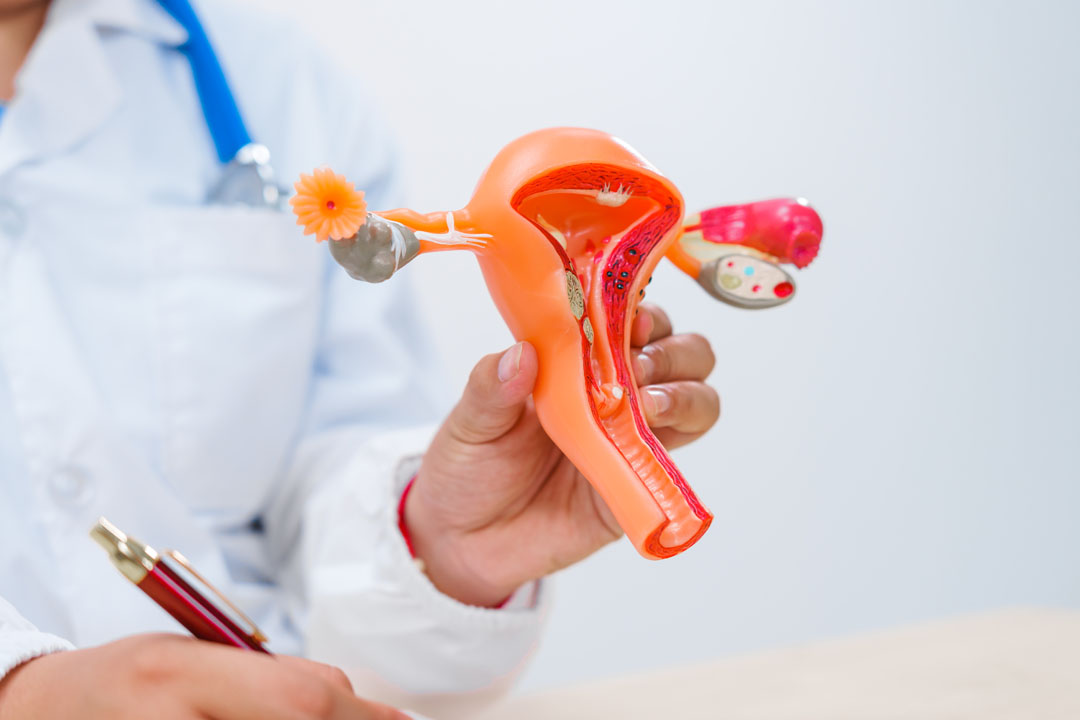
Bilateral polycystic ovaries means that both ovaries have multiple small fluid-filled sacs, often called follicles or cysts, seen on an ultrasound scan. The word “bilateral” simply means both sides.
These follicles are actually immature eggs that have not grown or released properly. When many such follicles line the ovaries, they give a typical “string of pearls” look on imaging.
This appearance is often associated with Polycystic Ovary Syndrome, or PCOS, but having polycystic-looking ovaries alone does not always mean you have PCOS.
Is Bilateral Polycystic Ovaries the Same as PCOS?
No, bilateral polycystic ovaries and PCOS are related but not identical.
PCOS is a hormonal condition diagnosed when at least two of the following are present:
- Irregular or absent periods
- Signs of high male hormones like acne or excess facial hair
- Polycystic ovaries seen on ultrasound
Some women may have polycystic ovaries on scan but regular cycles and no hormone issues. In such cases, they may not be diagnosed with PCOS.
So, bilateral polycystic ovaries describe an ultrasound finding, while PCOS is a broader clinical condition. The effect on periods depends on how much the hormones are disturbed.
Possible Causes of Bilateral Polycystic Ovaries
The main reason is hormonal imbalance, especially involving insulin and androgens, which are male-type hormones present in small amounts in women. Common factors include:
- Genetic tendency in families
- Insulin resistance, where the body does not use insulin well
- Imbalance in hormones that control ovulation
- Weight gain or obesity in some women
- Sedentary lifestyle and poor dietary habits
These factors interfere with normal egg development, leading to multiple small follicles in both ovaries.
Common Signs and Symptoms
Not every woman with bilateral polycystic ovaries will have symptoms. However, many experience features similar to PCOS, such as:
- Irregular, delayed, or missed periods
- Difficulty in getting pregnant
- Acne or oily skin
- Excess hair growth on face, chest, or abdomen
- Thinning of scalp hair
- Weight gain, especially around the waist
- Dark patches of skin on neck or underarms
- Mood changes or fatigue
How are Bilateral Polycystic Ovaries Diagnosed?
Diagnosis usually involves a mix of:
- Ultrasound scan: A pelvic ultrasound shows enlarged ovaries with many small follicles, often more than 12 in each ovary, or increased ovarian volume.
- Medical history: Questions about menstrual cycles, weight changes, acne, hair growth, and fertility.
- Blood tests: To check hormone levels, blood sugar, insulin, cholesterol, and sometimes thyroid function.
These tests help determine whether the finding is just polycystic ovaries or part of PCOS or another condition.
Can Bilateral Polycystic Ovaries Cause Infertility?
Bilateral polycystic ovaries can make it harder to conceive, mainly if ovulation is irregular. When eggs are not released monthly, predicting fertile days becomes difficult. However, the good news is:
- Many women conceive naturally with simple lifestyle changes.
- Others respond well to medicines that help induce ovulation.
- Assisted options like IUI or IVF can also help when needed.
Health Risks Linked to Bilateral Polycystic Ovaries
When associated with PCOS or metabolic issues, it may increase the risk of:
- Type 2 diabetes
- High blood pressure
- High cholesterol
- Heart disease later in life
- Thickening of the uterine lining due to irregular periods
- Anxiety or low mood
Treatment Options For Bilateral Polycystic Ovaries
There is no single cure, but treatment focuses on managing symptoms and reducing long-term risks.
1. Lifestyle changes
For many women, this is the first and most effective step:
- Balanced diet with whole grains, fruits, vegetables, and lean protein
- Limiting sugary and processed foods
- Regular exercise like brisk walking, yoga, or cycling
- Maintaining a healthy weight. Even a small weight loss of 5 to 10 percent can improve cycles and hormone balance.
2. Medicines for cycle regulation
Hormonal pills may be used to regularize periods and reduce acne or hair growth.
3. Insulin-sensitizing drugs
In women with insulin resistance, these can help improve ovulation and metabolic health.
4. Fertility treatment
Ovulation-inducing medicines are often tried first. If they do not work, advanced options like IUI or IVF may be considered.
Can Bilateral Polycystic Ovaries Go Away?
The ovarian appearance may change over time, especially with:
- Weight control
- Improved insulin sensitivity
- Regular ovulation
In some women, scans later show fewer follicles. However, the tendency can persist, so ongoing care is helpful.
Living with Bilateral Polycystic Ovaries
Having this condition does not mean your life will be limited. Many women lead healthy lives with simple adjustments:
- Eat at regular intervals to control blood sugar
- Stay physically active most days of the week
- Sleep well and manage stress
- Track menstrual cycles
- Go for regular health check-ups
Can Diet Really Make a Difference?
Yes, diet plays a big role. A low-glycemic diet helps keep blood sugar steady and may reduce insulin resistance. Helpful choices include:
- Whole grains instead of refined flour
- Fresh fruits instead of juices
- Plenty of vegetables
- Nuts and seeds in moderation
- Adequate water intake
- Avoid frequent sugary drinks, sweets, fried foods, and late-night heavy meals.
When Should You Seek Medical Advice?
You should consult a healthcare provider if you:
- Have very irregular or absent periods
- Are trying to conceive for over a year without success, or six months if above 35
- Notice rapid hair growth, severe acne, or hair loss
- Have sudden weight gain or dark skin patches
- Experience heavy or prolonged bleeding
Frequently Asked Questions
Yes, many women do. If ovulation is regular, natural conception is possible. If not, simple treatments can help.
IVF is not the first step for most women. Usually, lifestyle changes and ovulation medicines are tried first. IVF may be advised if other methods fail or if there are additional fertility issues.
IVF cost in India typically ranges from ₹1,20,000 to ₹2,50,000 per cycle, depending on tests, medicines, and procedures required. Costs may vary, so discussing a personalized plan is important.
Yes. Even modest weight loss can improve hormone balance, make periods more regular, and increase chances of ovulation.
No. The small follicles seen in polycystic ovaries are not cancerous and usually do not need surgery.
Yes, but in teenagers, ovaries can look polycystic naturally. Diagnosis of PCOS in young girls is done carefully, focusing more on symptoms than scan alone.
Conclusion
Bilateral polycystic ovaries may sound alarming, but for most women, it is a manageable condition. With awareness, healthy habits, and timely care, you can protect your fertility, balance your hormones, and reduce future health risks.
If you or someone you love has received this diagnosis, take it as a step toward understanding your body better and choosing a healthier path forward. Regular check-ups, patience, and self-care go a long way in living well with this condition.

About Us
AKsigen IVF is a premier center for advanced fertility treatments, with renowned fertility experts on our team. Specializing in IVF, ICSI, egg freezing, and other cutting-edge reproductive technologies, AKsigen IVF is committed to helping couples achieve their dream of parenthood. With personalized care and a patient-first approach, AKsigen IVF provides comprehensive fertility solutions under one roof.



 +91 86556 78747
 info@aksigenivf.com