Sperm Morphology: What Does It Mean and How Does It Affect Fertility?
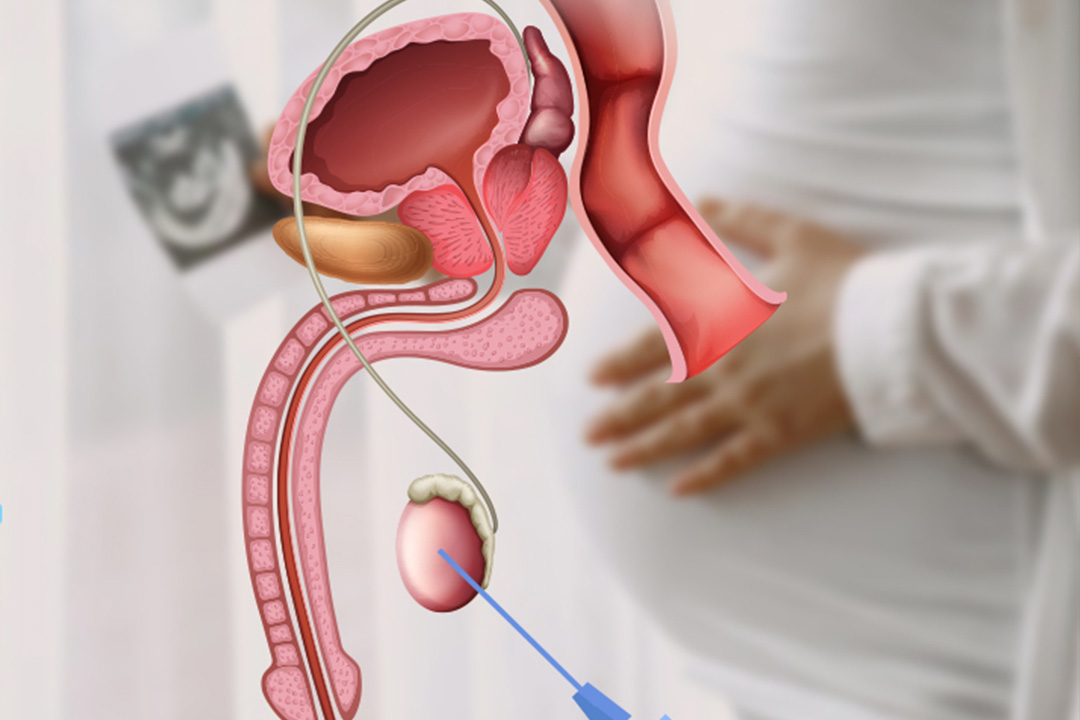
Male fertility is just as crucial as timing and general health when couples begin to plan for a child. Sperm morphology, which examines the form and structure of sperm, is a crucial component of a semen examination. Learning about sperm morphology can provide straightforward yet effective insights into fertility, despite the fact that it may sound complex.
The fact that even little variations in sperm shape might impact the sperm's ability to travel, reach, and fertilize an egg surprises a lot of men. The meaning of sperm morphology, the normal range, typical reasons for aberrant forms, and useful strategies to improve sperm health are all covered in this article.
What Is Sperm Morphology?
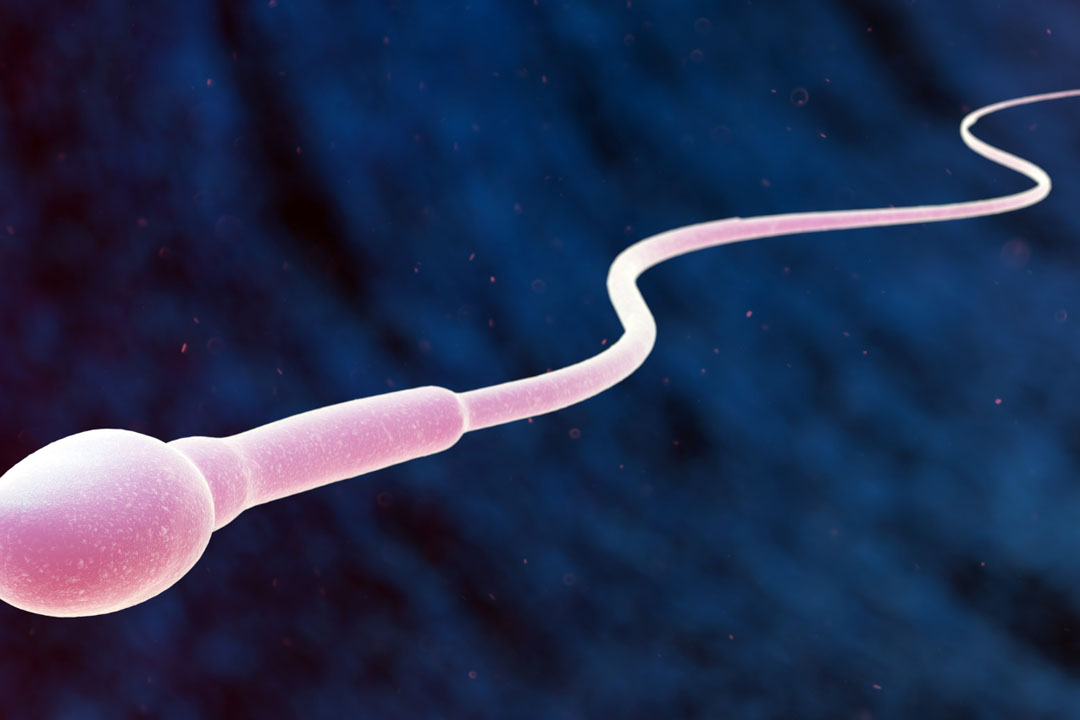
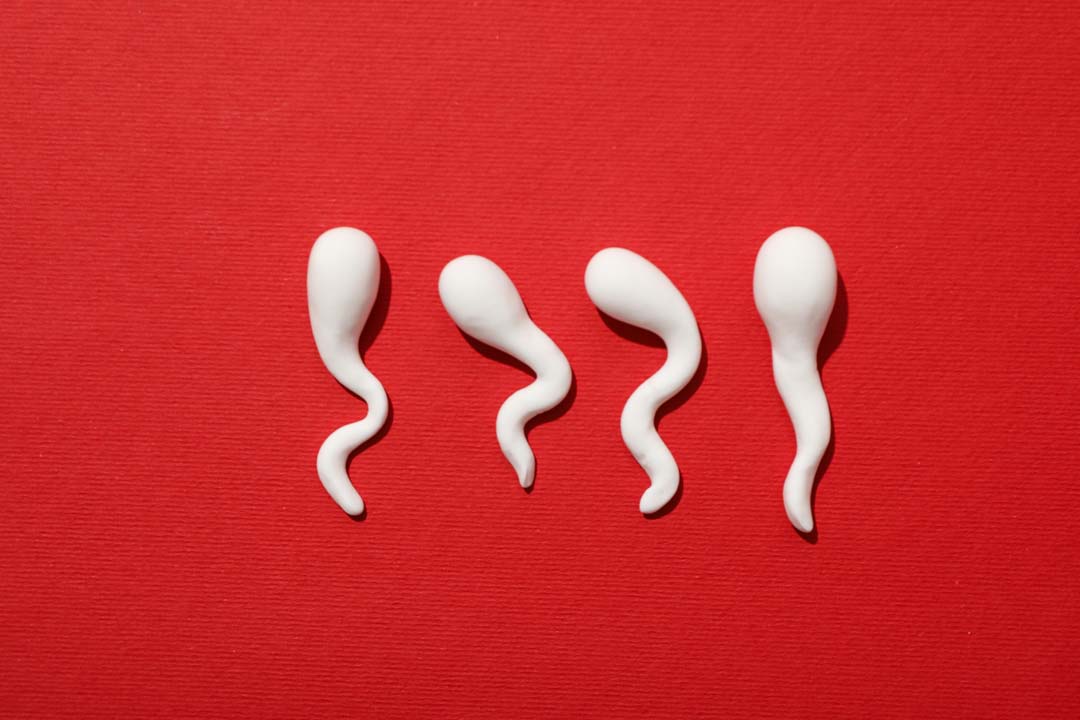
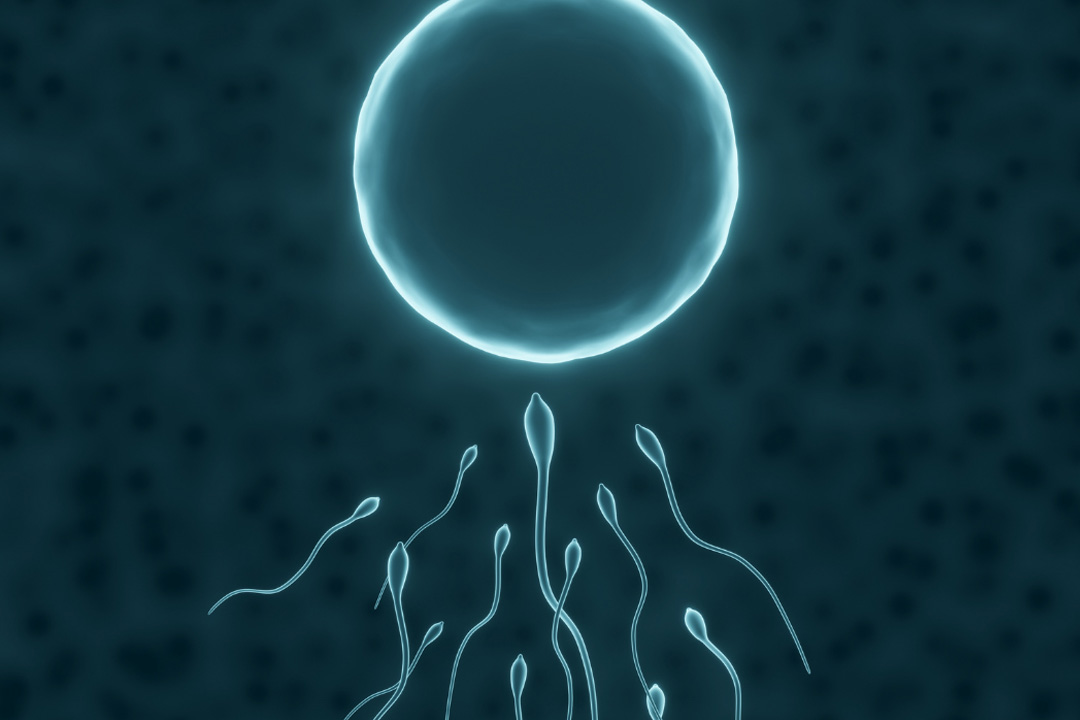
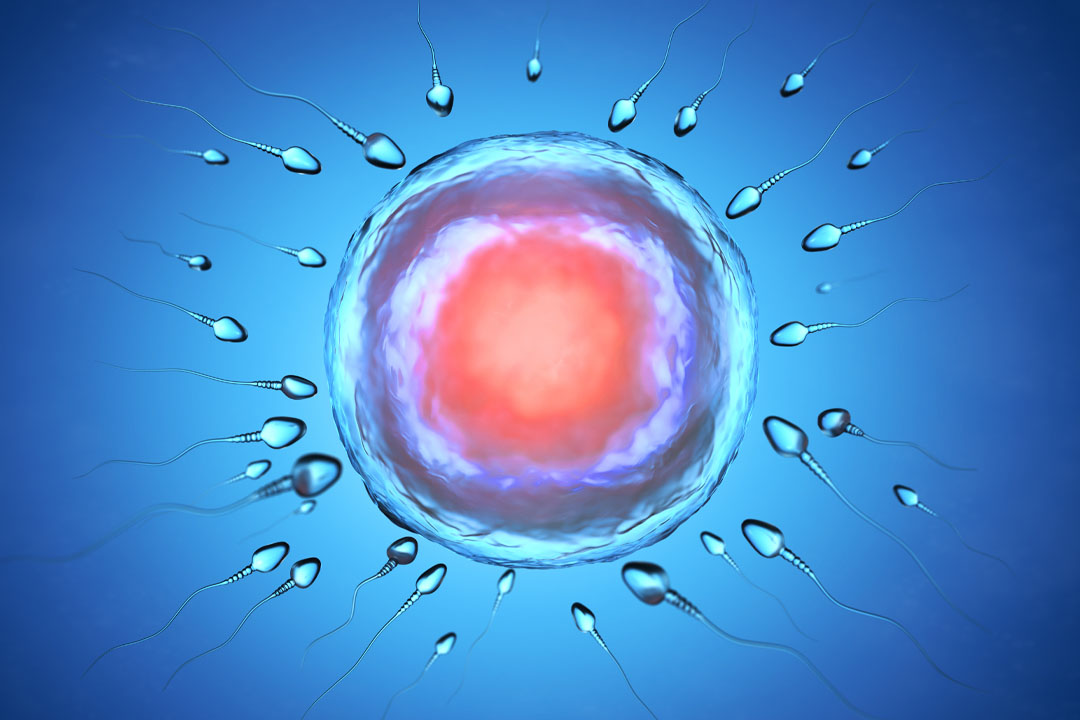
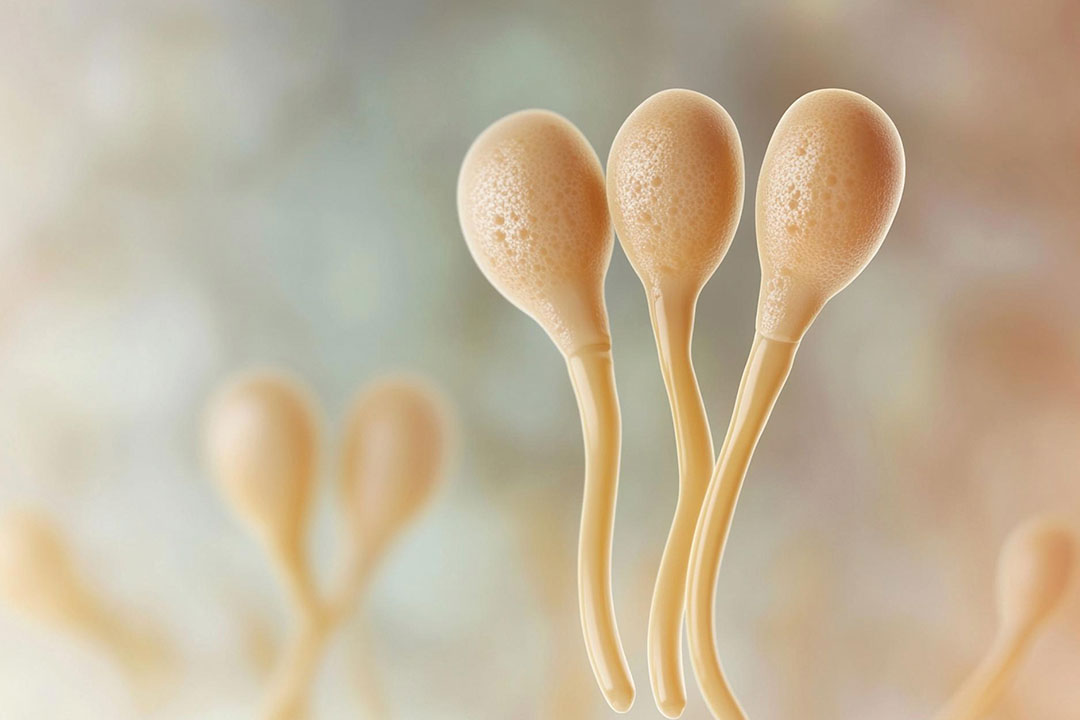
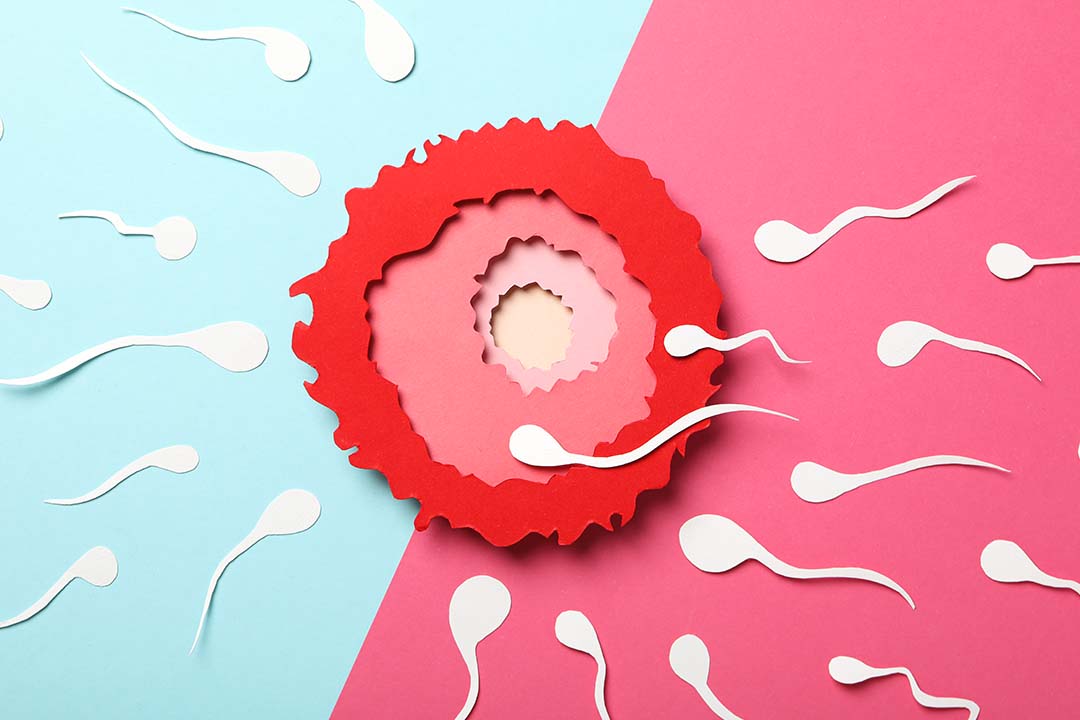
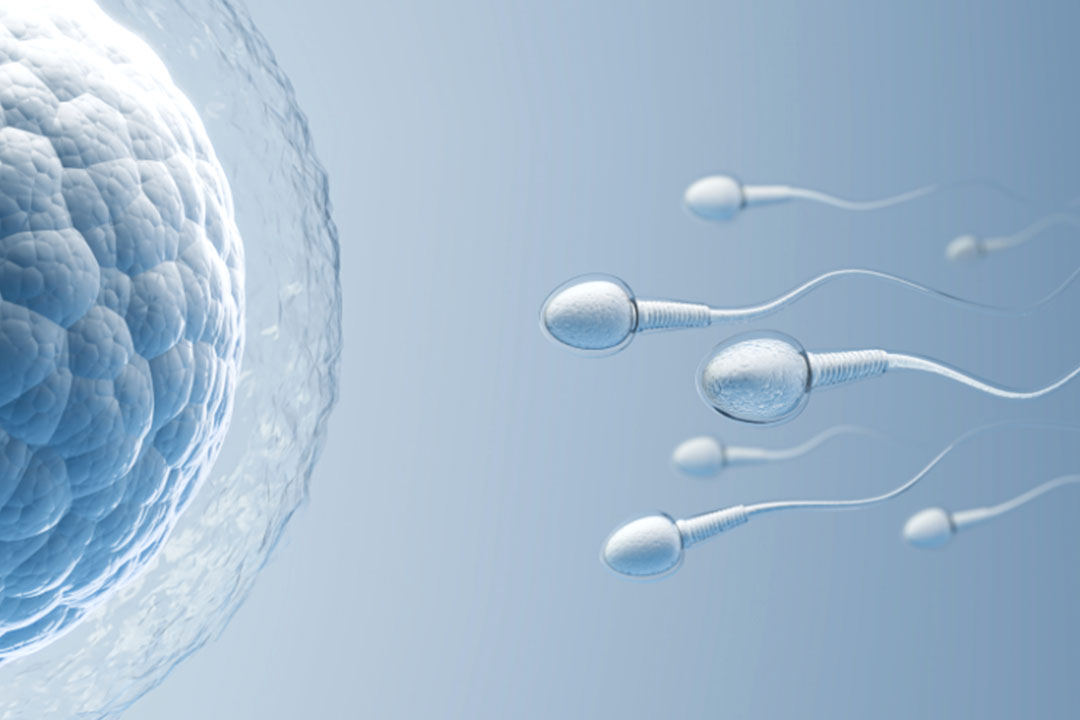
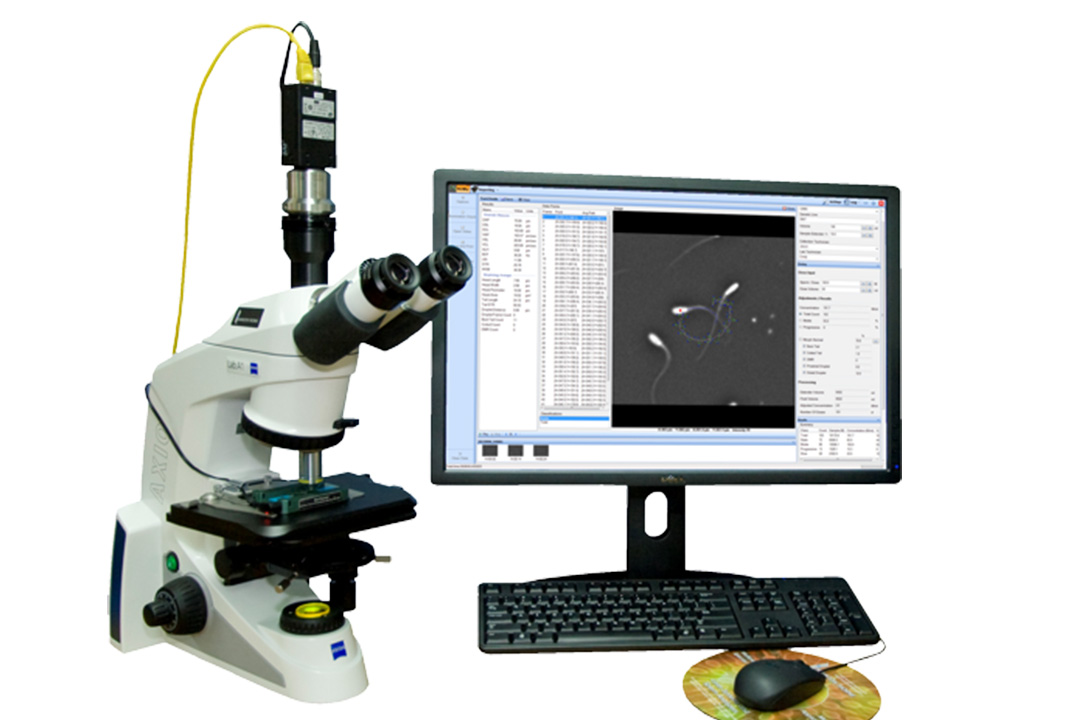
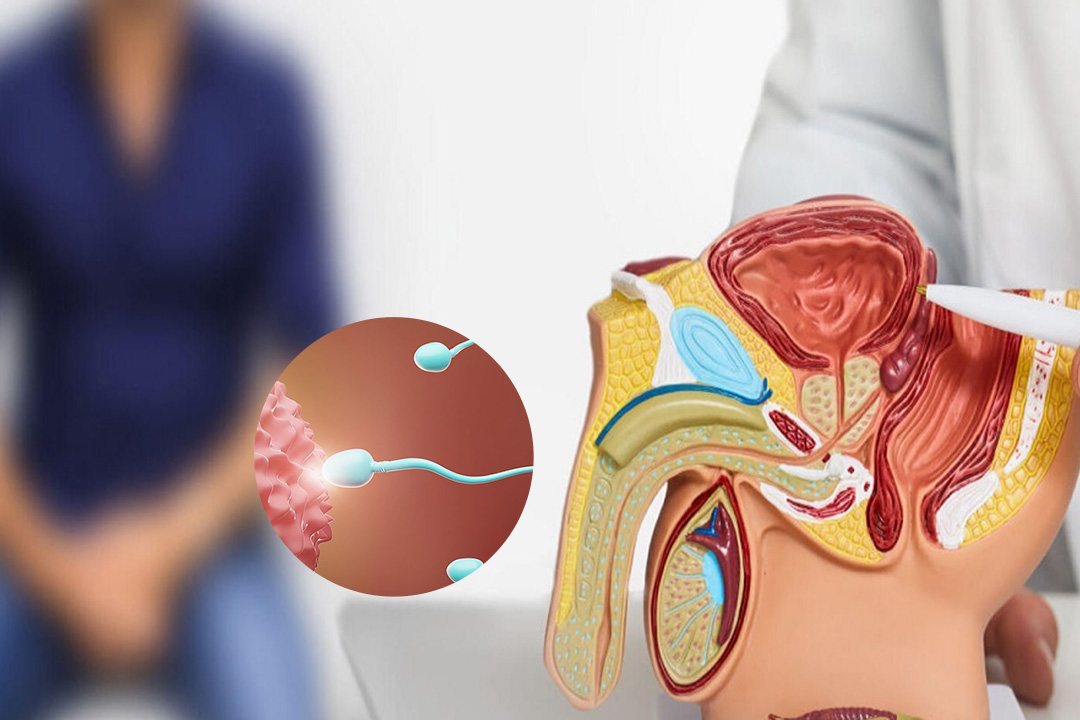
Sperm morphology refers to the size and shape of sperm cells. Under a microscope, healthy sperm have an oval head, a well-defined midpiece, and a long tail. This structure helps the sperm swim efficiently and penetrate the egg.
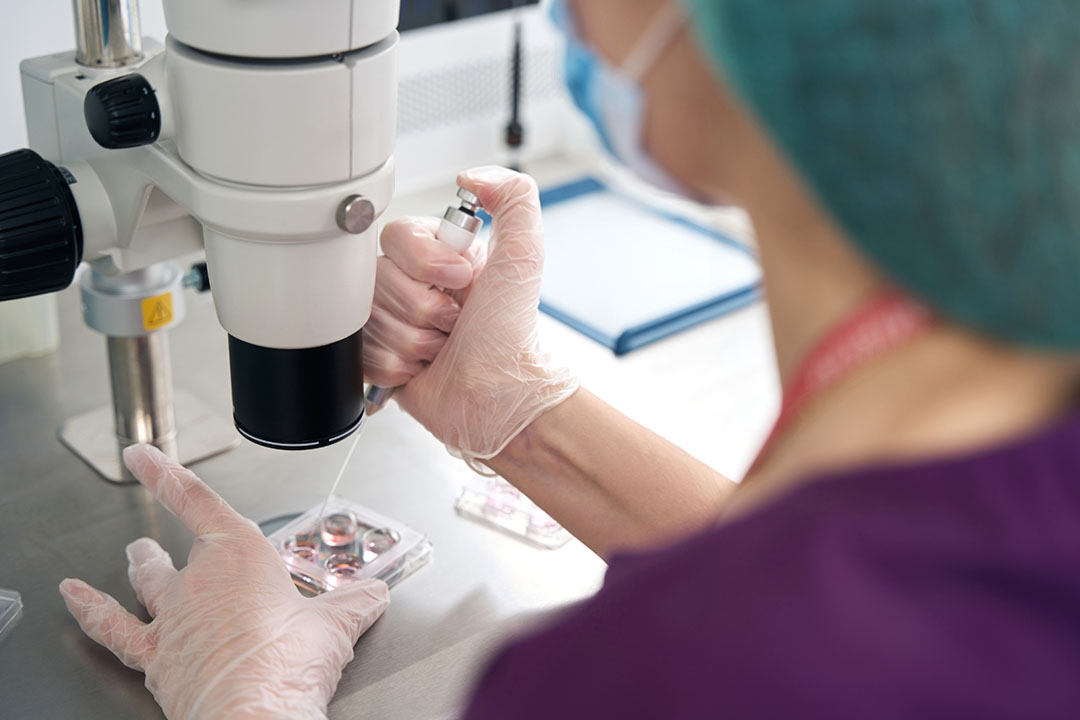
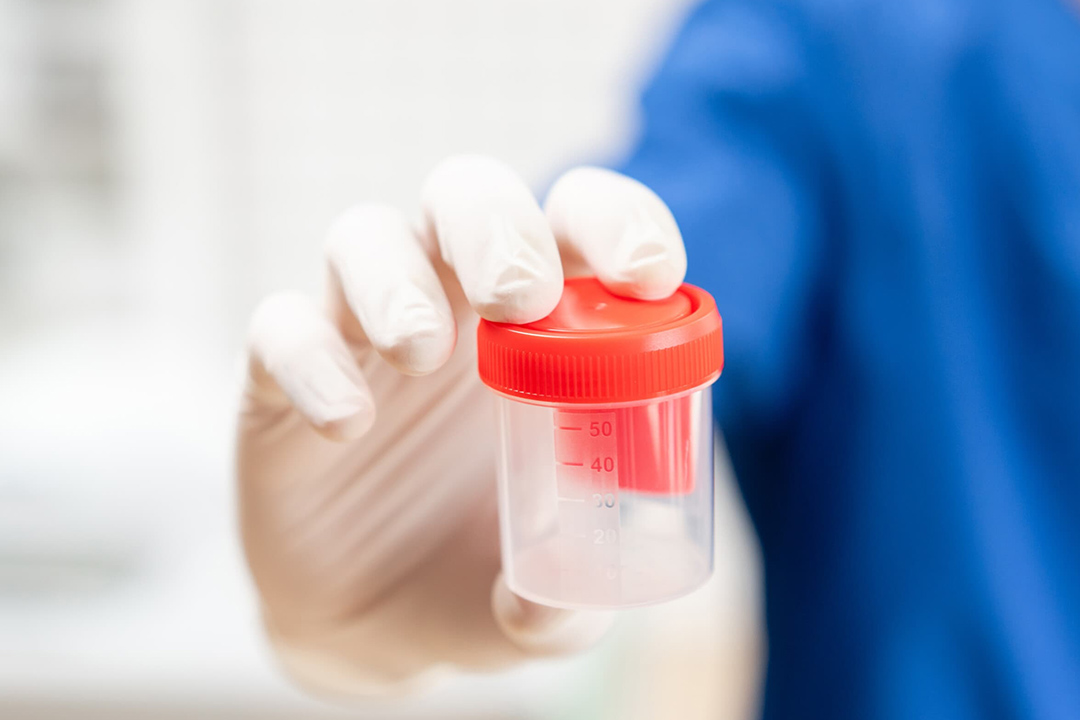
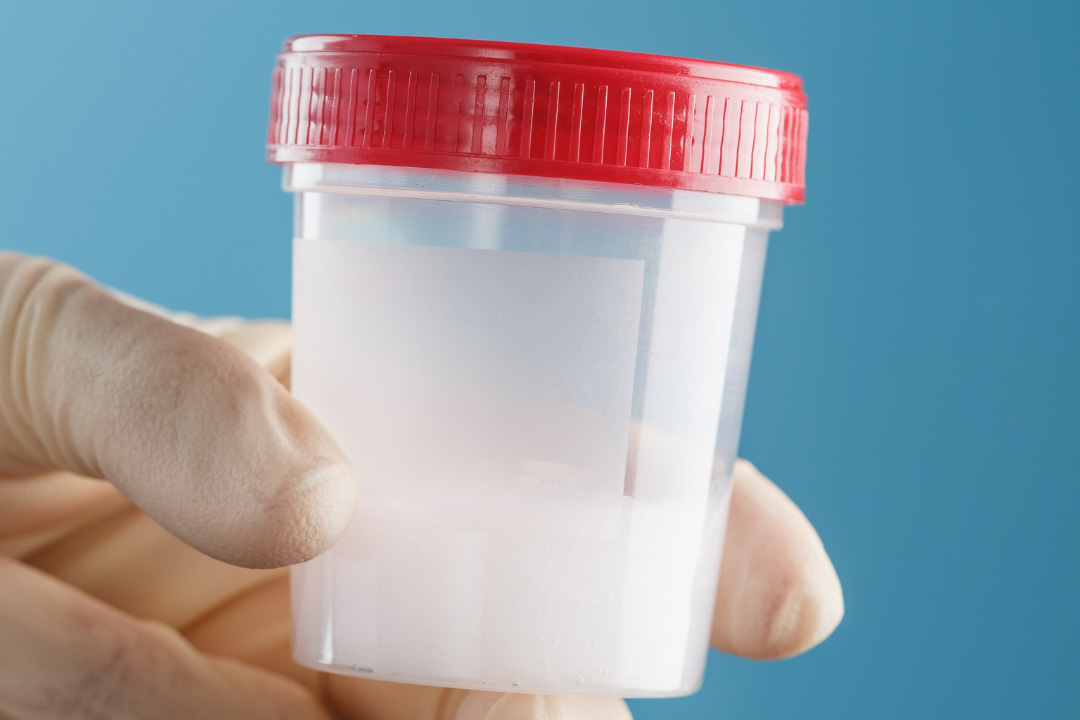
During a semen test, a lab checks a sample and calculates the percentage of sperm that look normal. Not all sperm in a sample will be perfectly shaped, and that is completely natural. What matters is whether enough healthy-looking sperm are present to support natural conception.
Sperm Morphology Normal Range Explained
The sperm morphology normal range is based on strict criteria used in modern labs. According to widely followed standards, normal sperm morphology is considered to be 4 percent or more normal forms.
This means:
- If at least 4 out of every 100 sperm have a normal shape, morphology is reported as normal.
- Less than 4 percent is called low or abnormal morphology, also known as teratozoospermia.
This may sound low, but even a small number of well-shaped sperm can be enough for pregnancy if other factors like count and movement are good.
What Is Considered Normal Sperm Morphology?
Normal sperm morphology means sperm that have:
- A smooth, oval head
- A midpiece that is not too thick or bent
- A long, straight tail
These features help sperm swim in a straight line and attach to the egg. Men with normal sperm morphology usually have a better chance of natural conception, especially if sperm count and motility are also healthy.
How Does Sperm Morphology Affect Fertility?
Sperm shape matters because it affects how sperm function. Abnormally shaped sperm may:
- Swim poorly or in circles
- Struggle to pass through cervical mucus
- Fail to attach to or penetrate the egg
Low morphology does not mean pregnancy is impossible, but it may reduce the chances, especially when combined with low count or poor movement. Some couples may conceive naturally, while others may need medical support depending on the overall semen report and female factors.
What Causes Abnormal Sperm Morphology?
The causes of abnormal sperm morphology can be varied. In many cases, more than one factor is involved. Common causes include:
Lifestyle factors
- Smoking and tobacco use Alcohol consumption
- Use of recreational drugs
- Poor diet and obesity
- Lack of sleep and high stress
- Heat exposure
- Frequent hot baths or saunas
- Tight underwear
- Long hours with laptops on the lap
Medical conditions- Varicocele, enlarged veins in the scrotum
- Infections in the reproductive tract
- Hormonal imbalance
- Chronic illnesses like diabetes
- Low levels of zinc, selenium, folate, or antioxidants
Environmental factors- Exposure to chemicals, pesticides, or heavy metals
- Air pollution
- Genetic factors
Can Abnormal Sperm Morphology Be Treated?
Yes, abnormal sperm morphology treatment depends on the cause and severity. In many cases, improving overall sperm health can lead to better morphology over time. Treatment options may include:
- Managing infections with medicines
- Treating varicocele if present
- Correcting hormonal problems
- Stopping smoking and alcohol
- Using supplements if advised
- Treating underlying medical conditions
Because sperm takes about 2 to 3 months to develop, improvements are usually seen after a few months of consistent care.
How to Improve Sperm Morphology Naturally
Many men ask how to improve sperm morphology without strong medical treatments. Simple lifestyle steps can make a big difference:
- Eat a balanced diet
Include fruits, vegetables, whole grains, nuts, seeds, eggs, fish, and lean meats. These provide antioxidants that protect sperm from damage. - Maintain a healthy weight
Excess weight can affect hormones and sperm production. - Exercise regularly
Moderate activity improves blood flow and hormone balance. Avoid extreme workouts. - Quit smoking and limit alcohol
These are strongly linked to poor sperm shape and DNA damage. - Reduce heat exposure
Wear loose cotton underwear and avoid long hot baths. - Manage stress and sleep well
Chronic stress and poor sleep can disrupt hormone levels. - Avoid toxins
Use protective gear if exposed to chemicals at work and avoid unnecessary contact with pollutants.
How to Increase Sperm Morphology Through Nutrition
If you are wondering how to increase sperm morphology through food and nutrients, focus on:
- Vitamin C and E for antioxidant support
- Zinc for sperm development
- Selenium for motility and shape
- Folate for DNA health
- Omega-3 fatty acids for cell structure
These nutrients are found in citrus fruits, berries, nuts, seeds, leafy greens, eggs, fish, and whole grains. Supplements may be suggested in some cases, but they should be taken only with medical guidance.
How to Correct Sperm Morphology With Medical Help
How to correct sperm morphology medically depends on the diagnosis. Doctors may suggest:
- Medicines for infections or inflammation
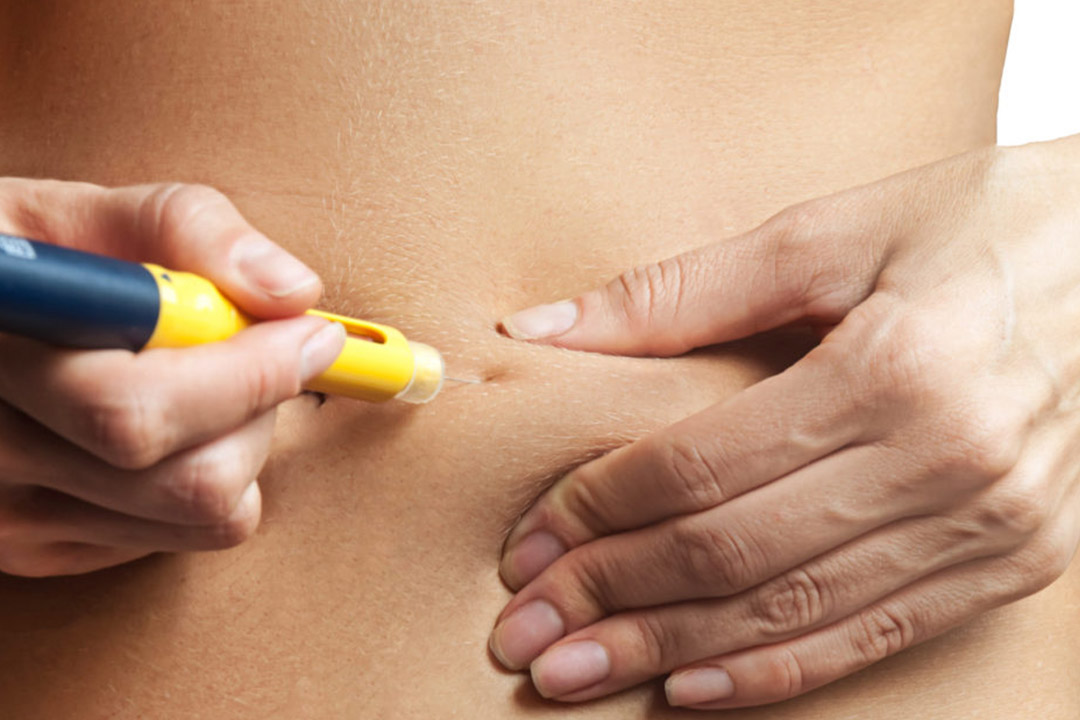
- Hormone therapy if levels are abnormal
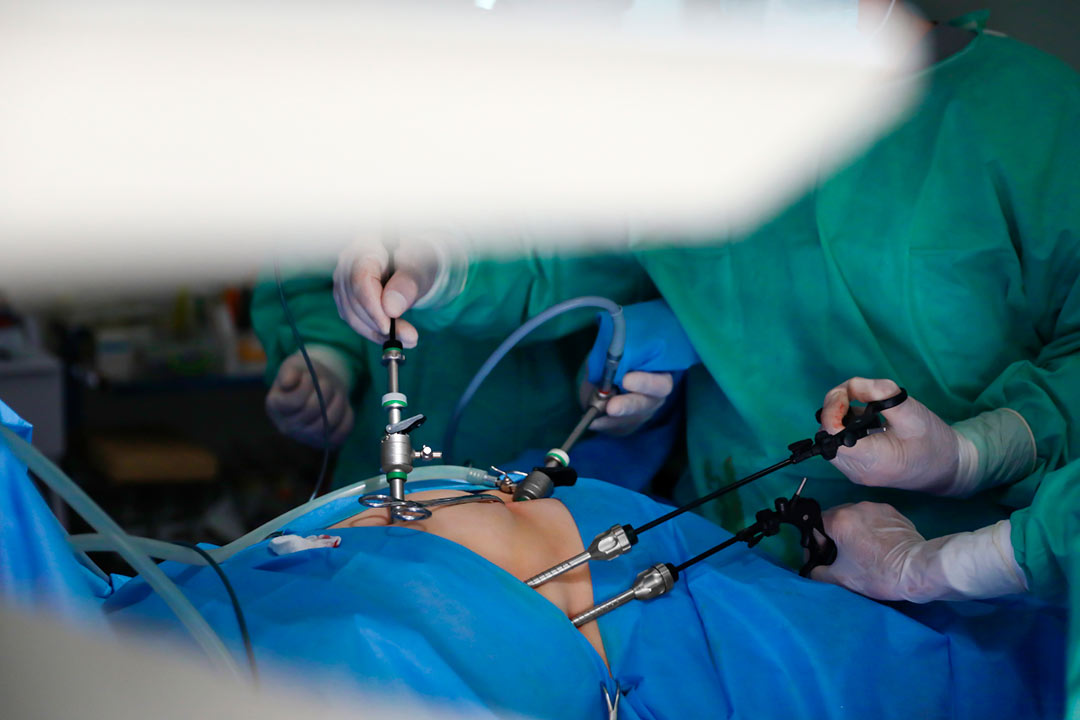
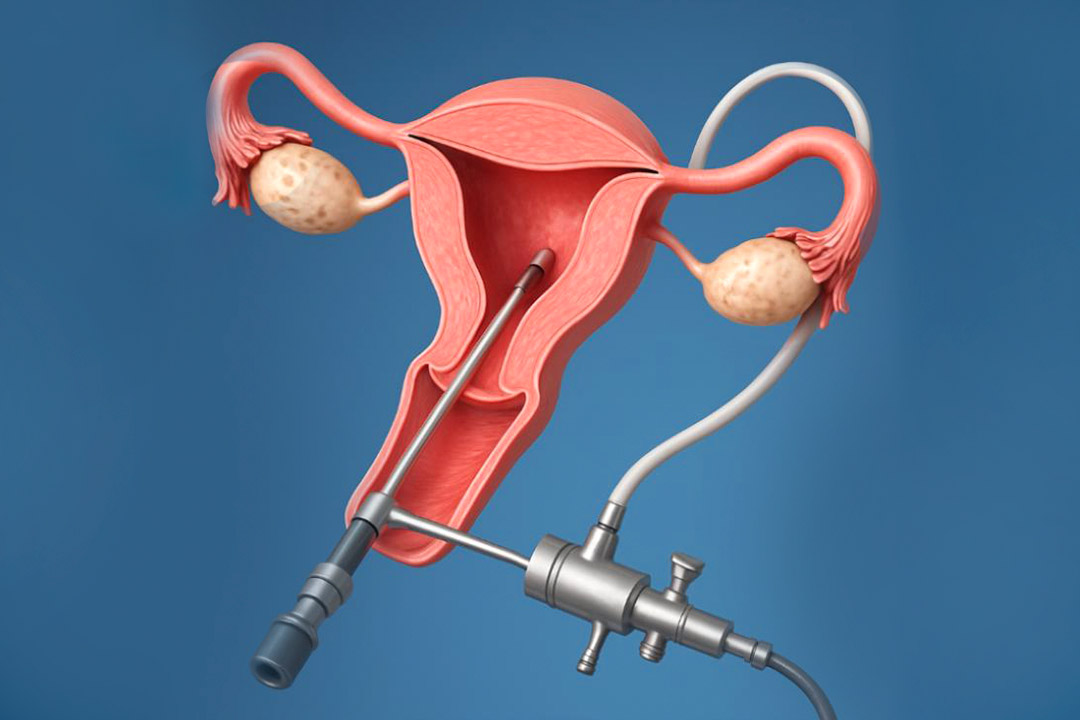
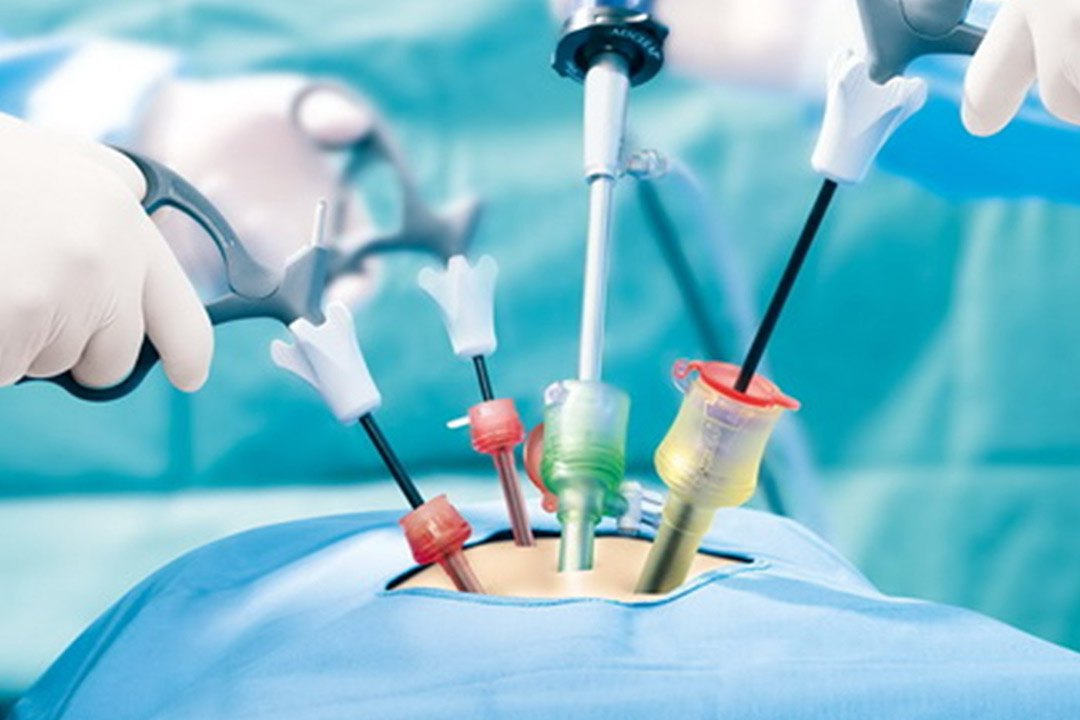
- Minor procedures for varicocele
- Antioxidant therapy in selected cases
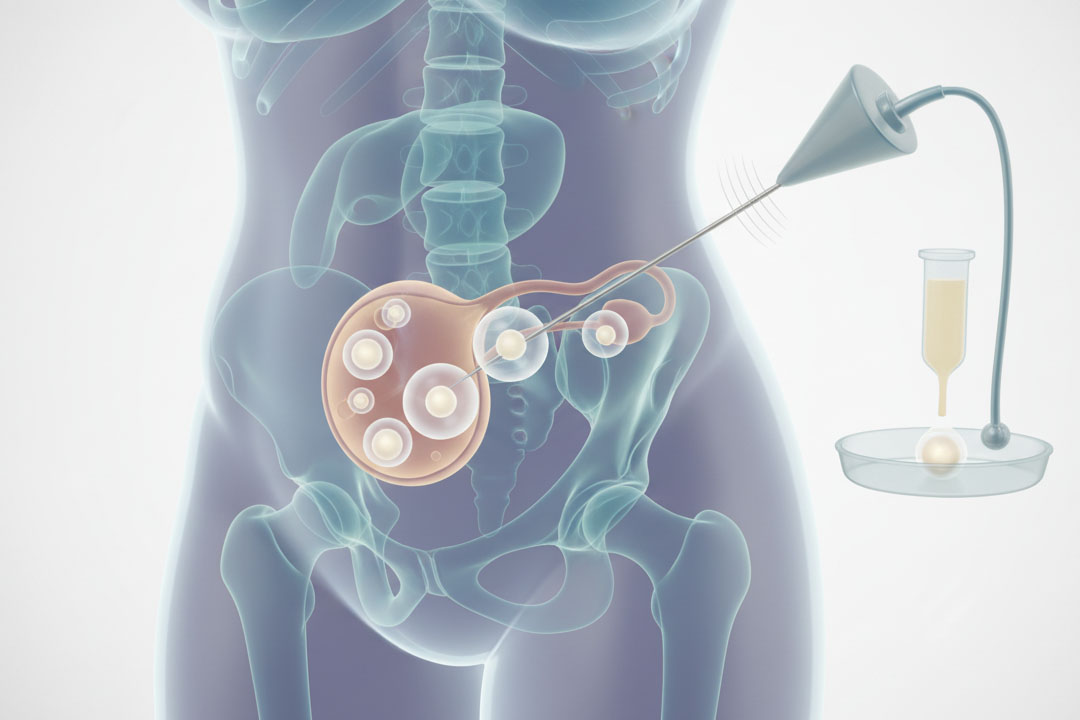
If morphology remains low despite treatment, assisted reproductive methods may be discussed.
Can You Get Pregnant With Low Sperm Morphology?
Yes, many couples conceive even when morphology is low, especially if sperm count and motility are normal. Pregnancy chances depend on the complete semen report and female fertility factors.
- Timed intercourse
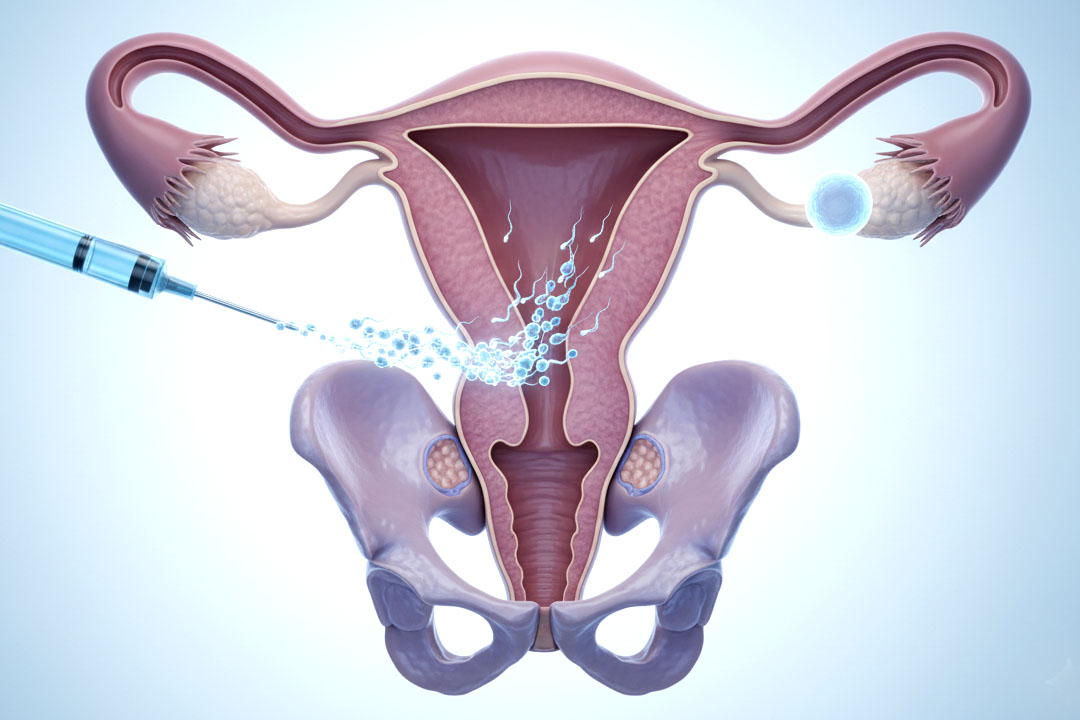
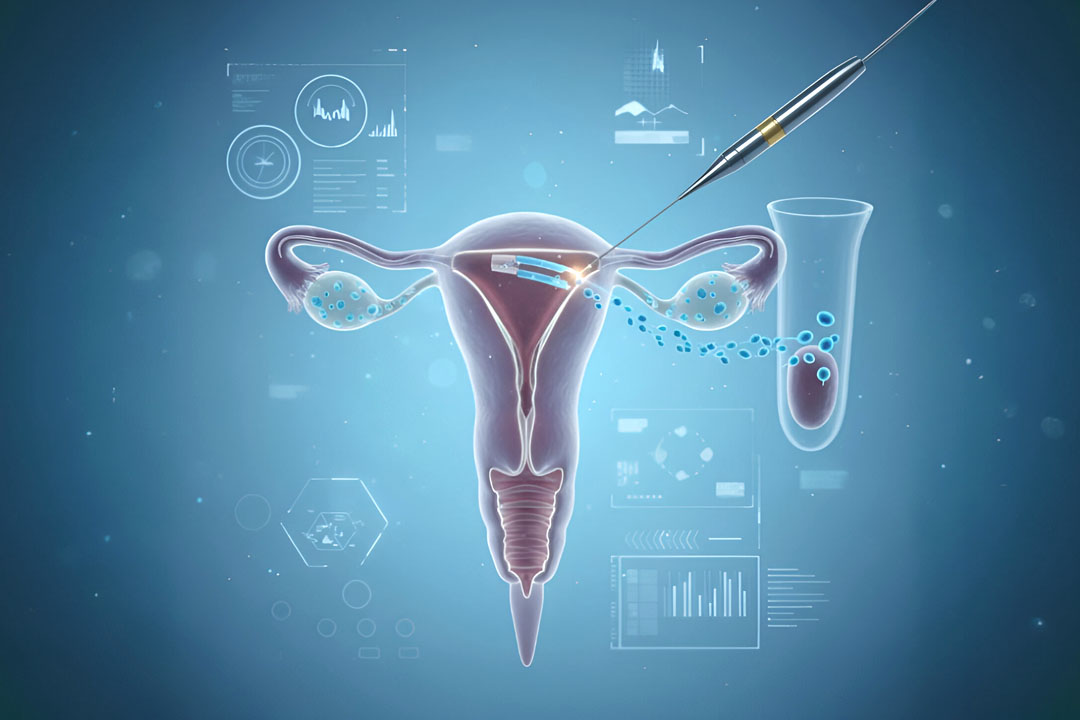
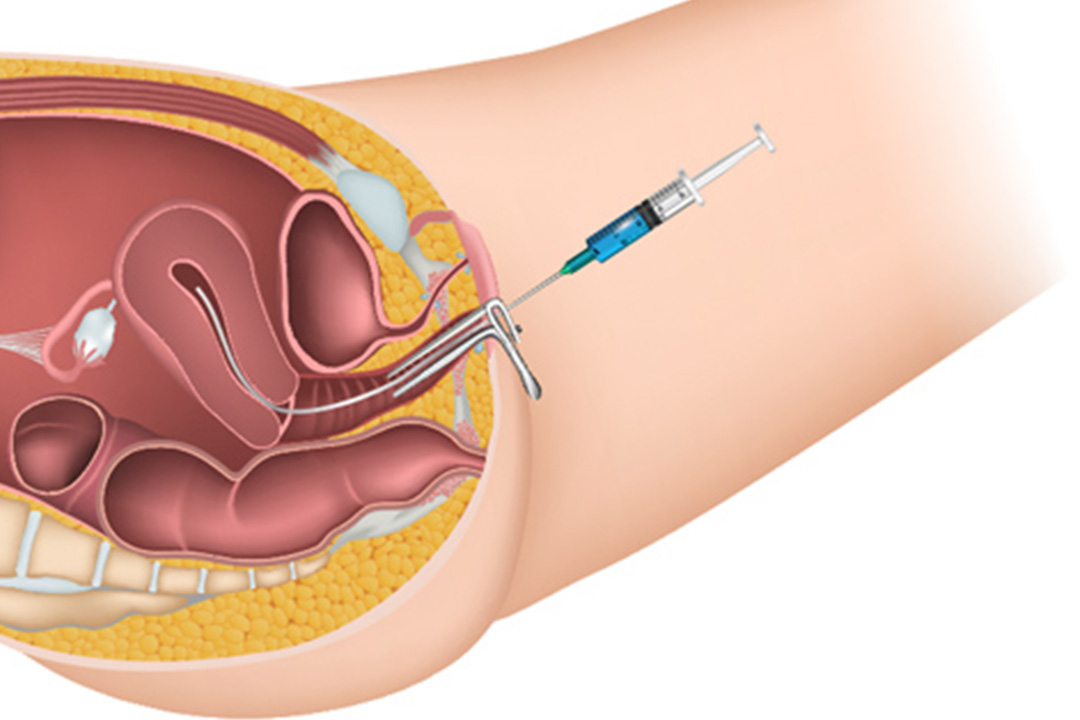
- Intrauterine insemination
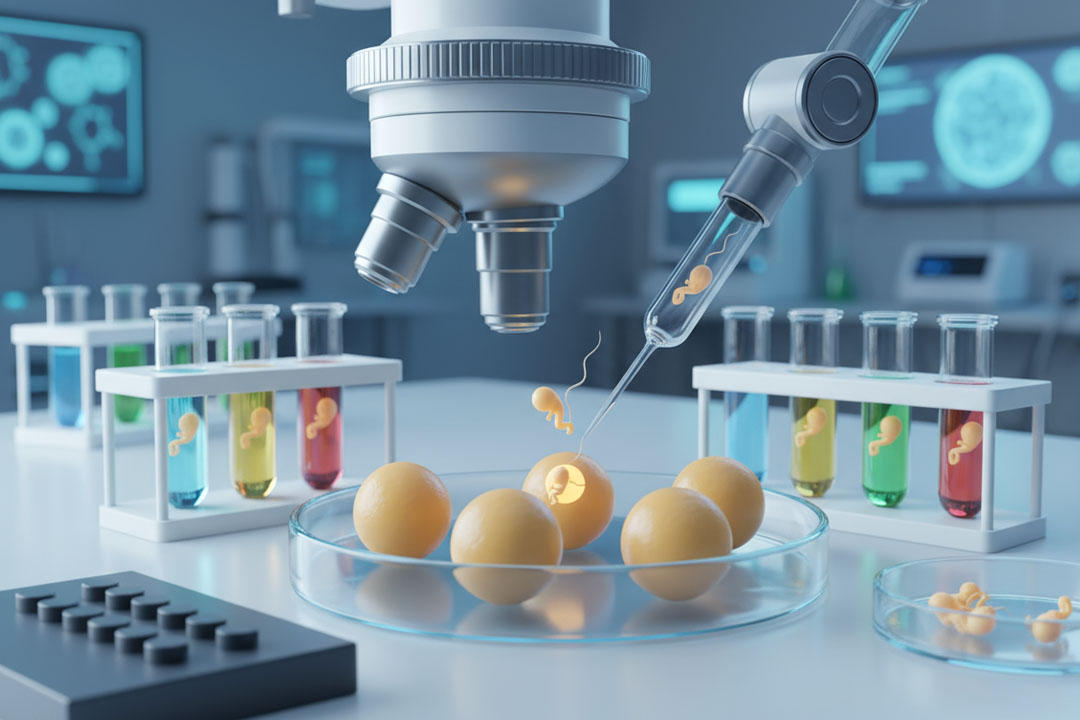
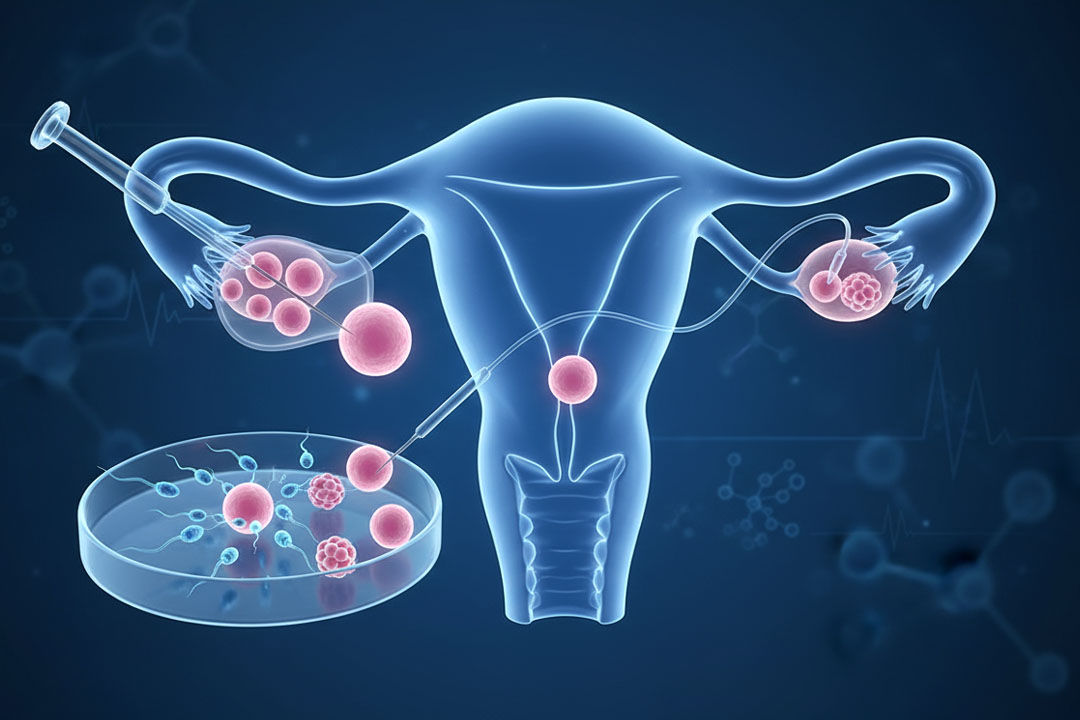
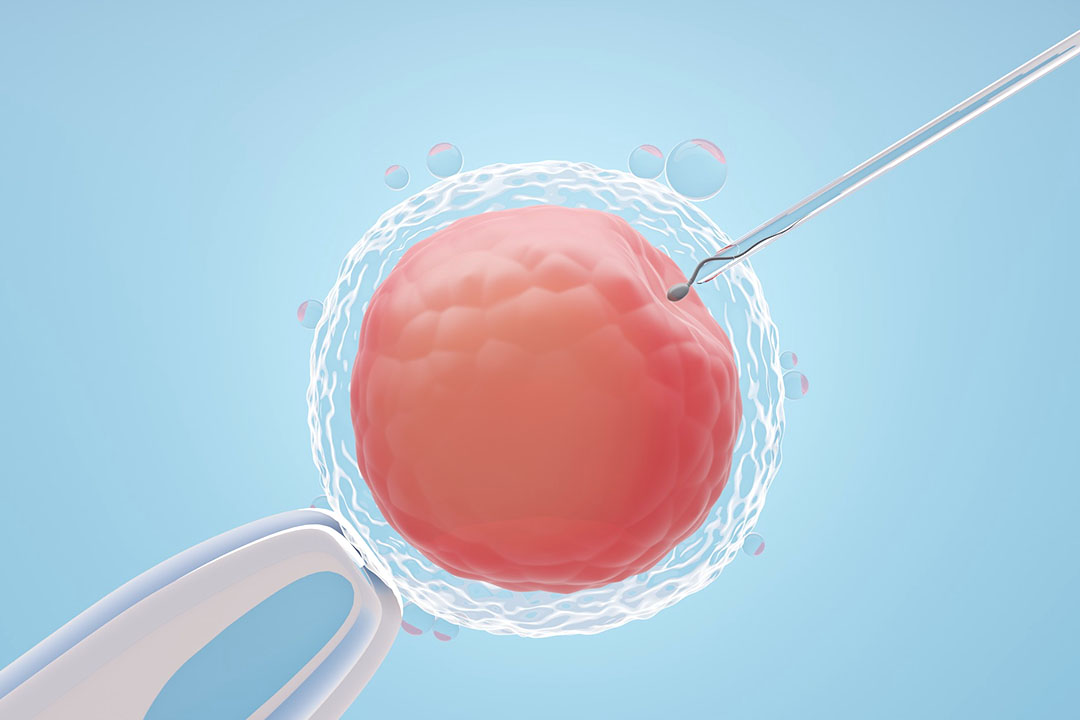
- In vitro fertilization
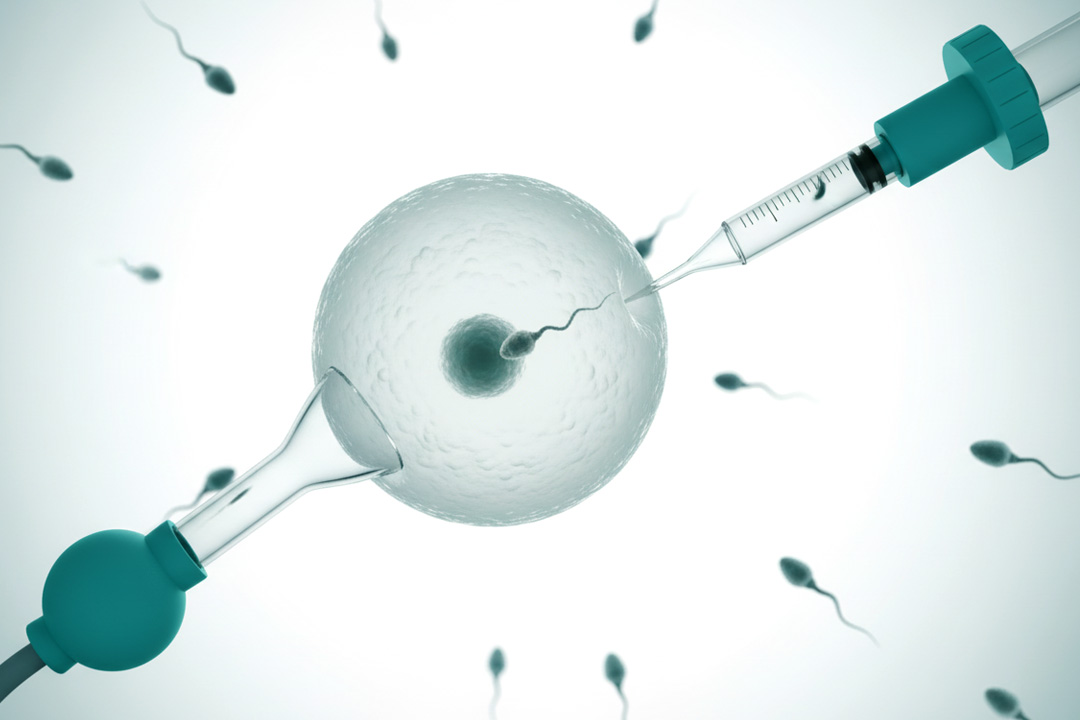
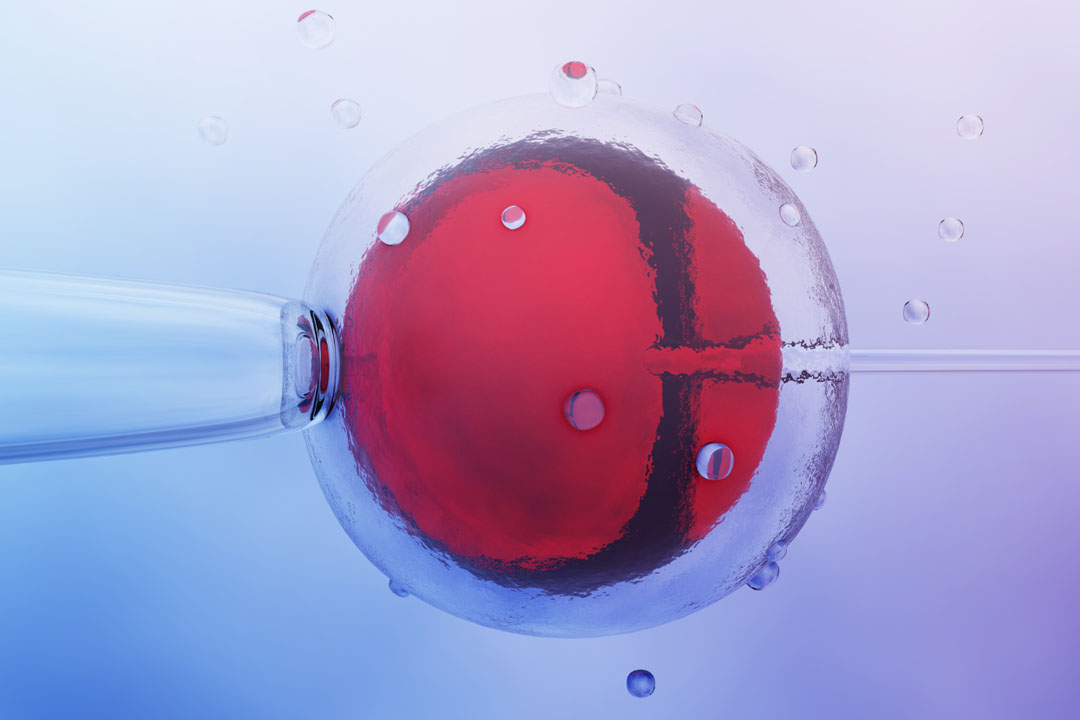
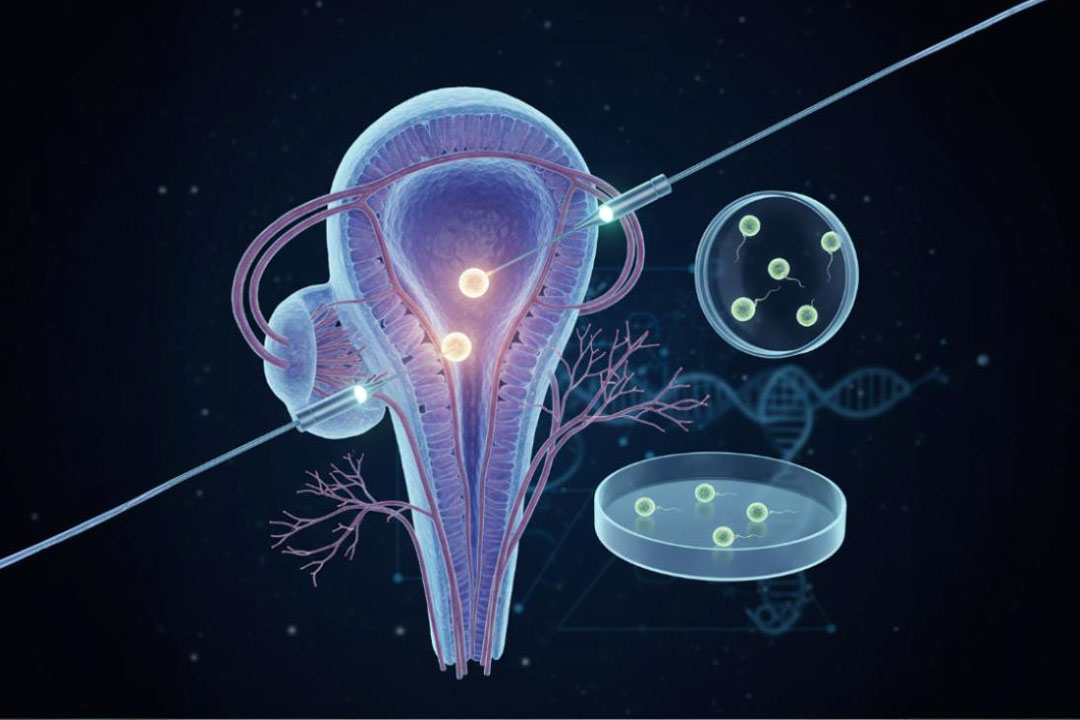
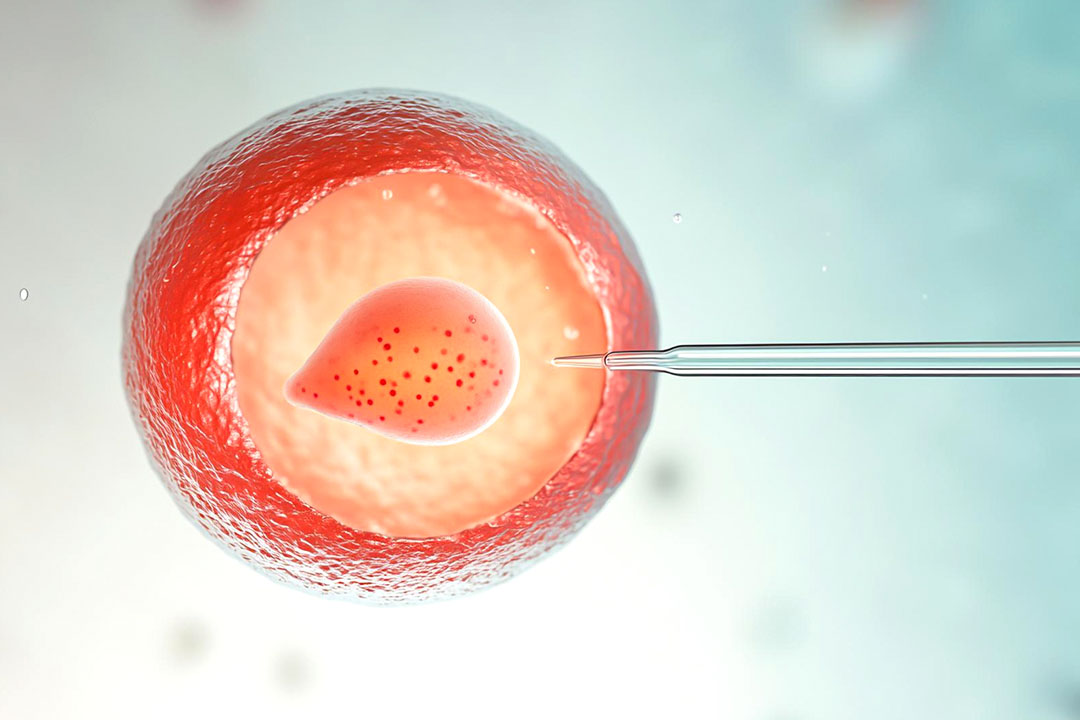
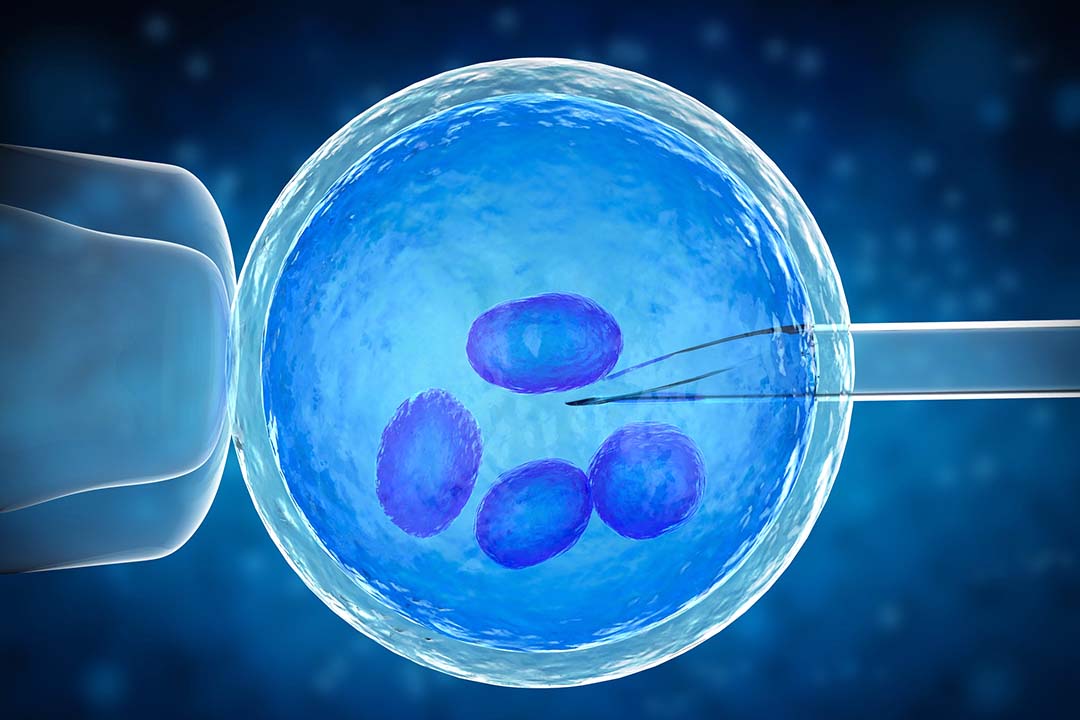
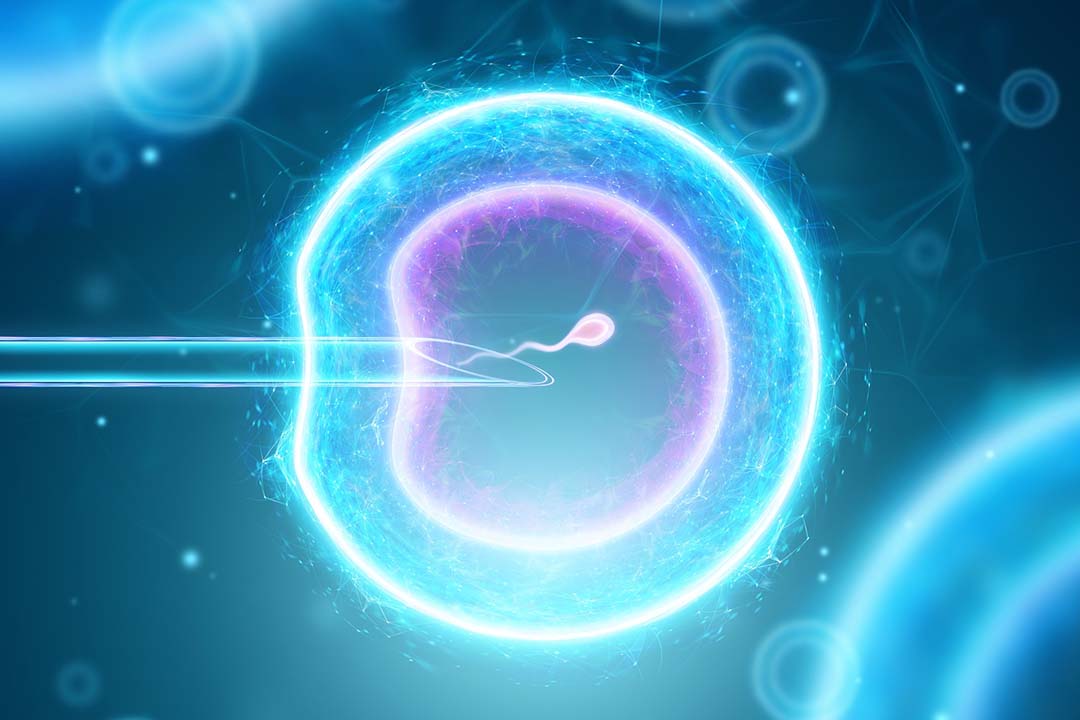
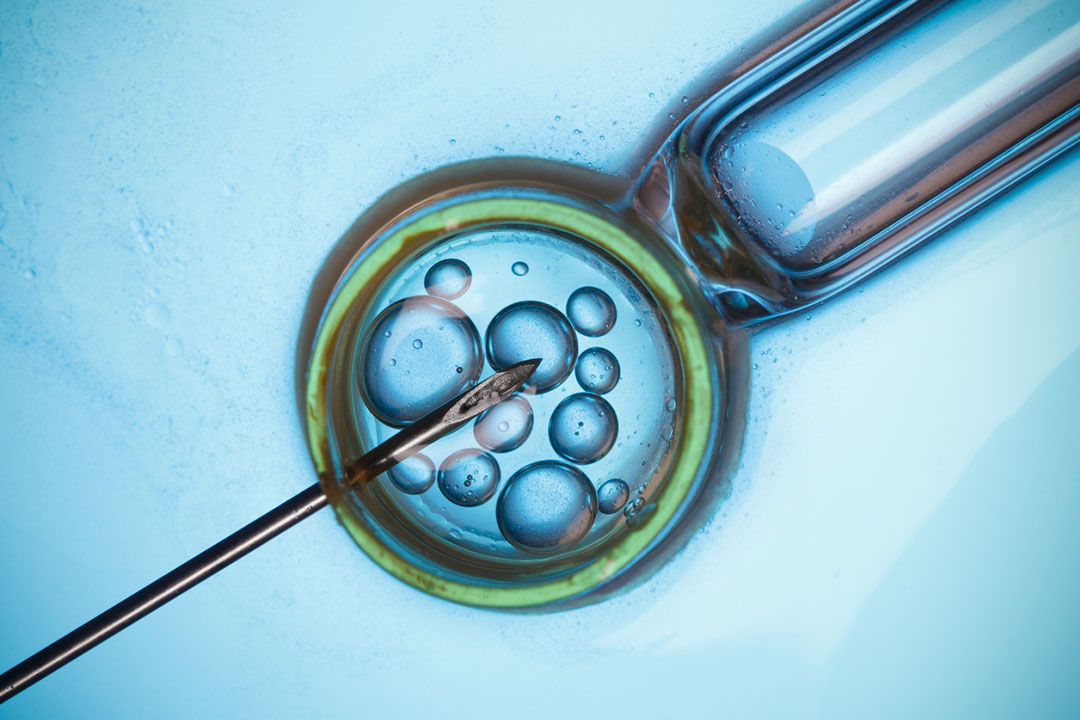
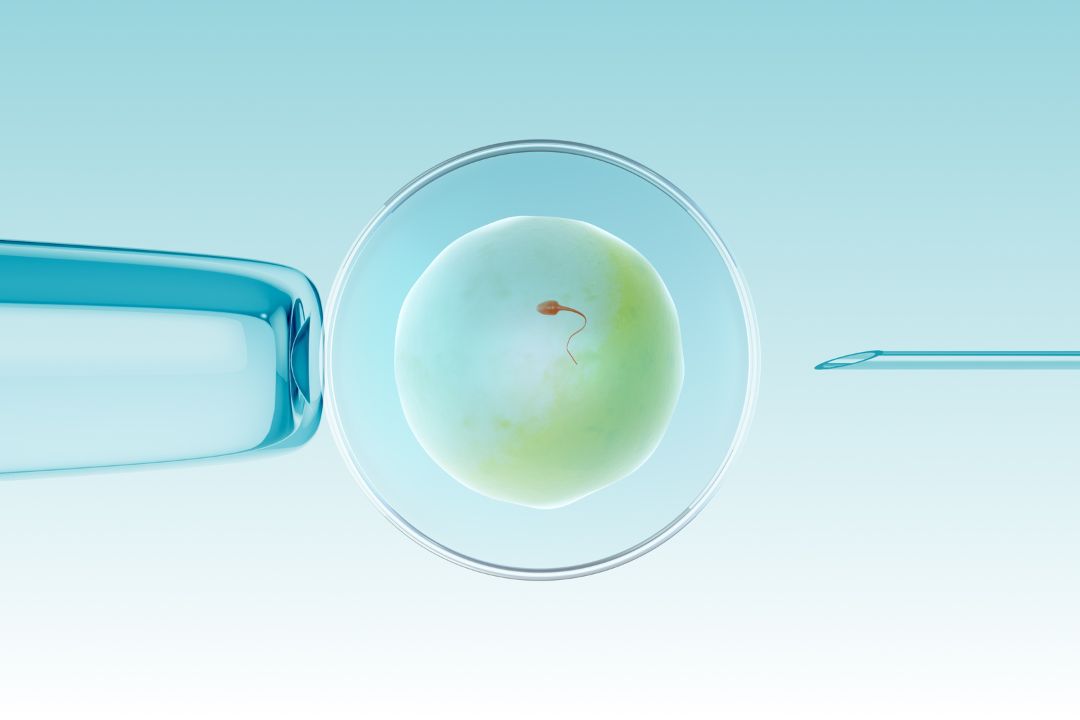
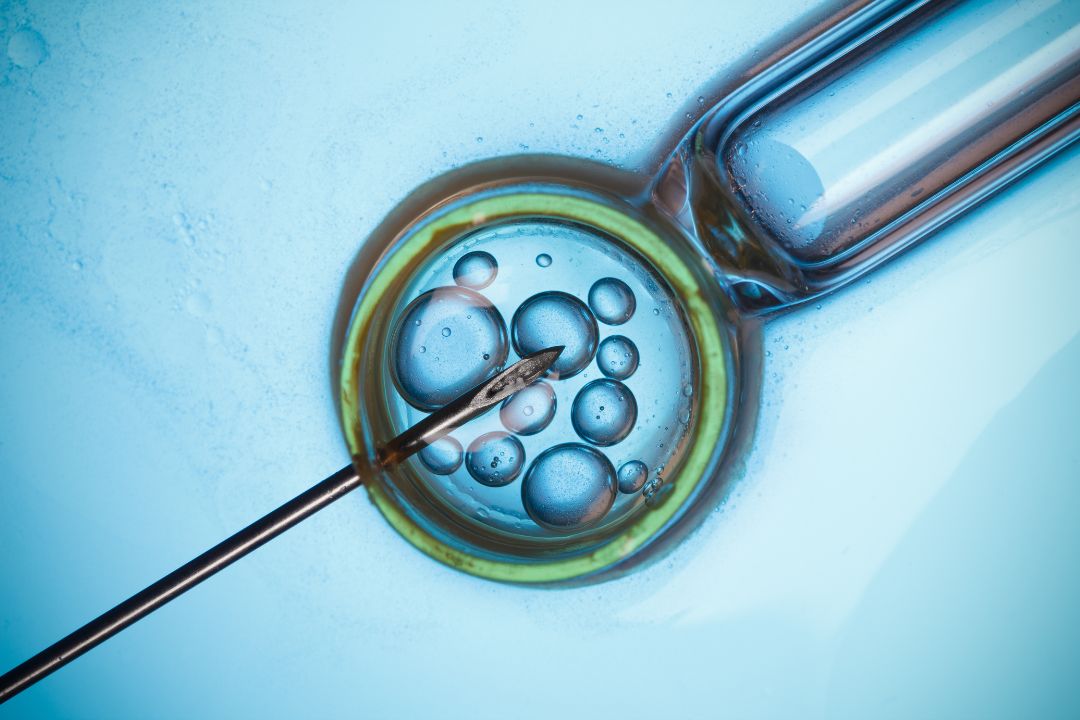
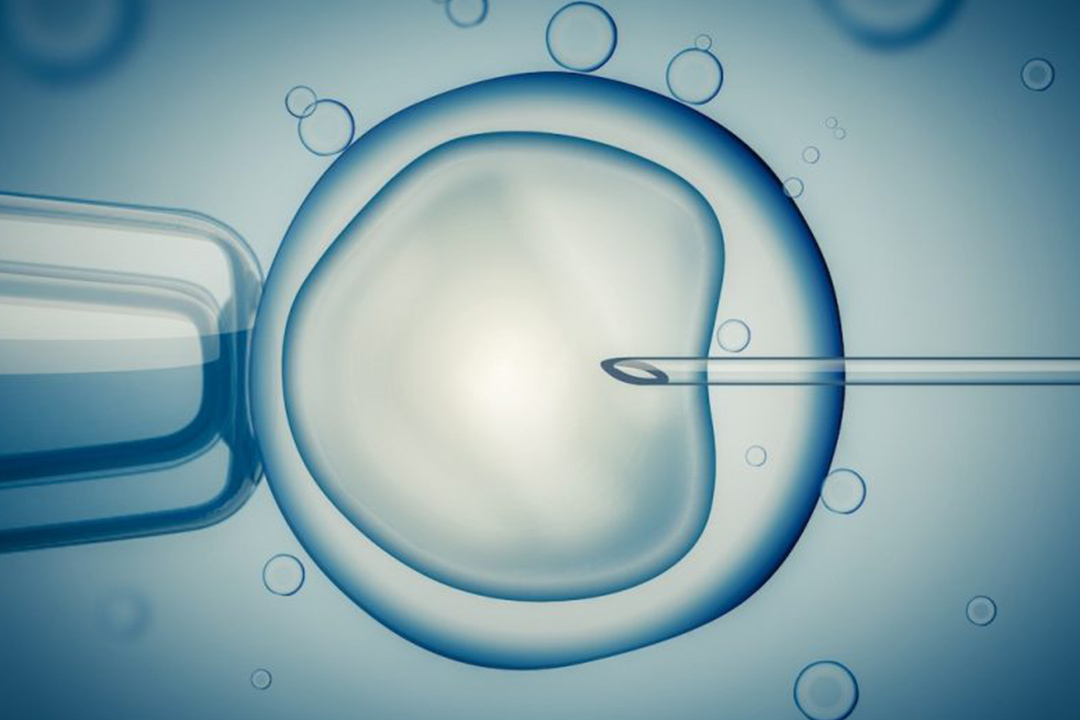
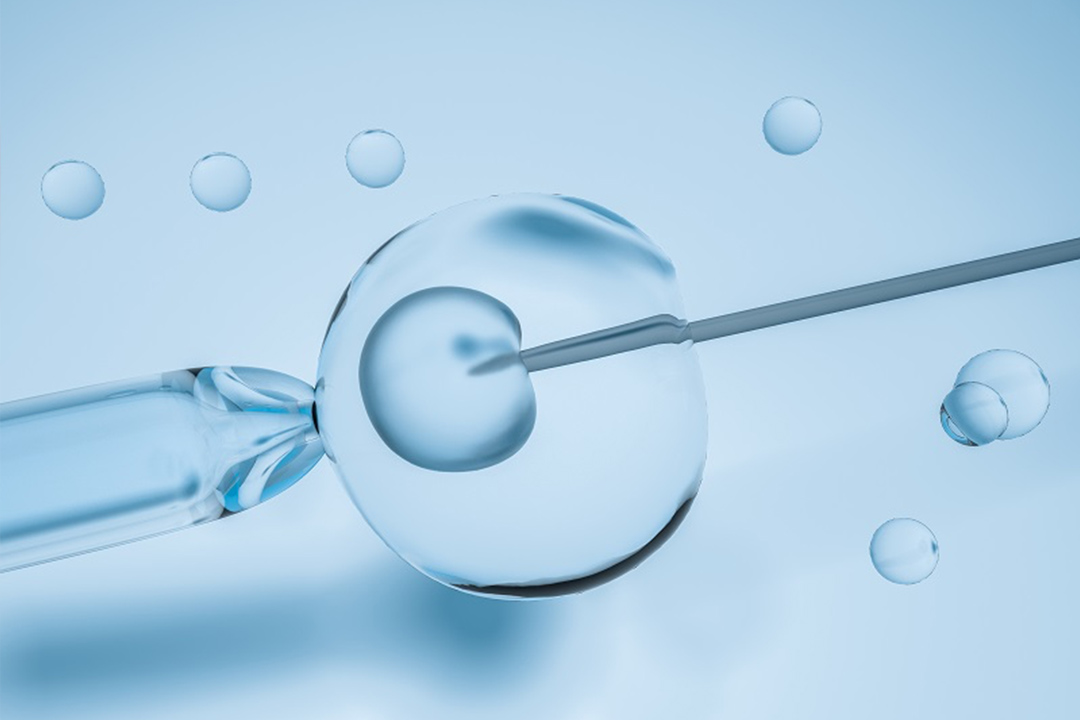
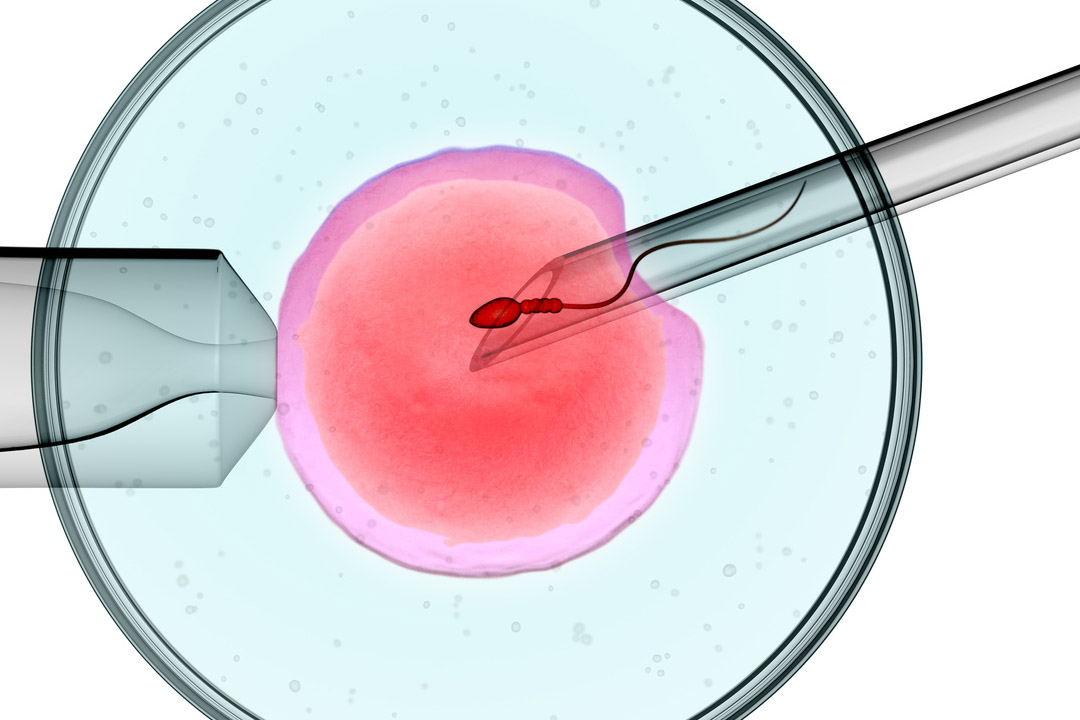
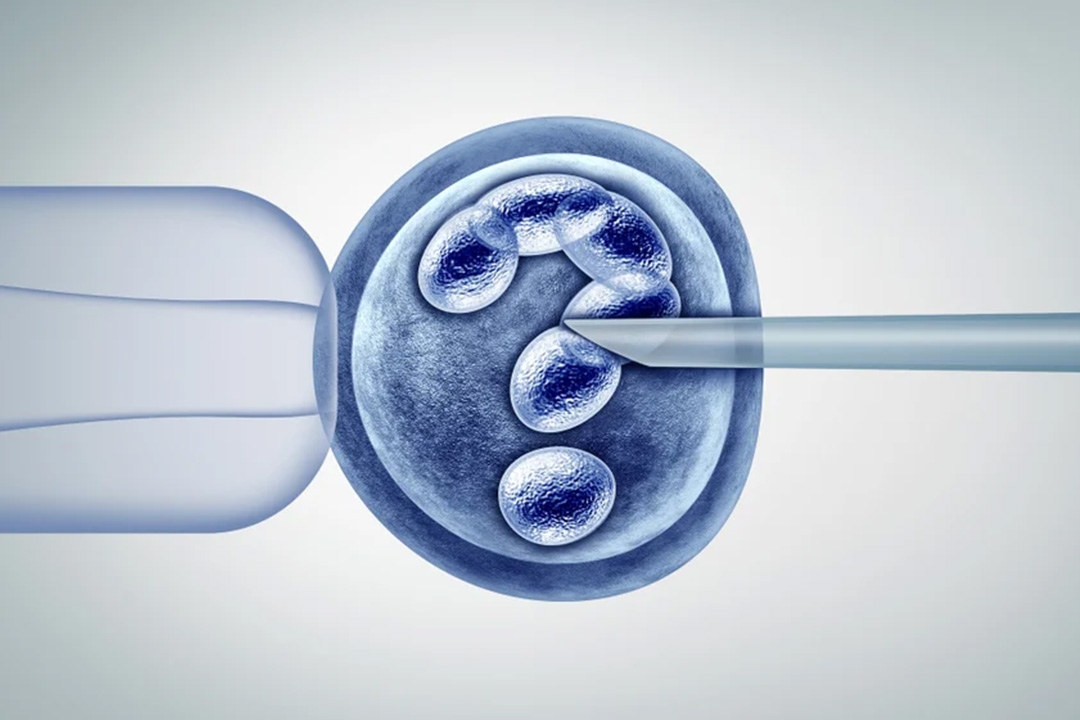
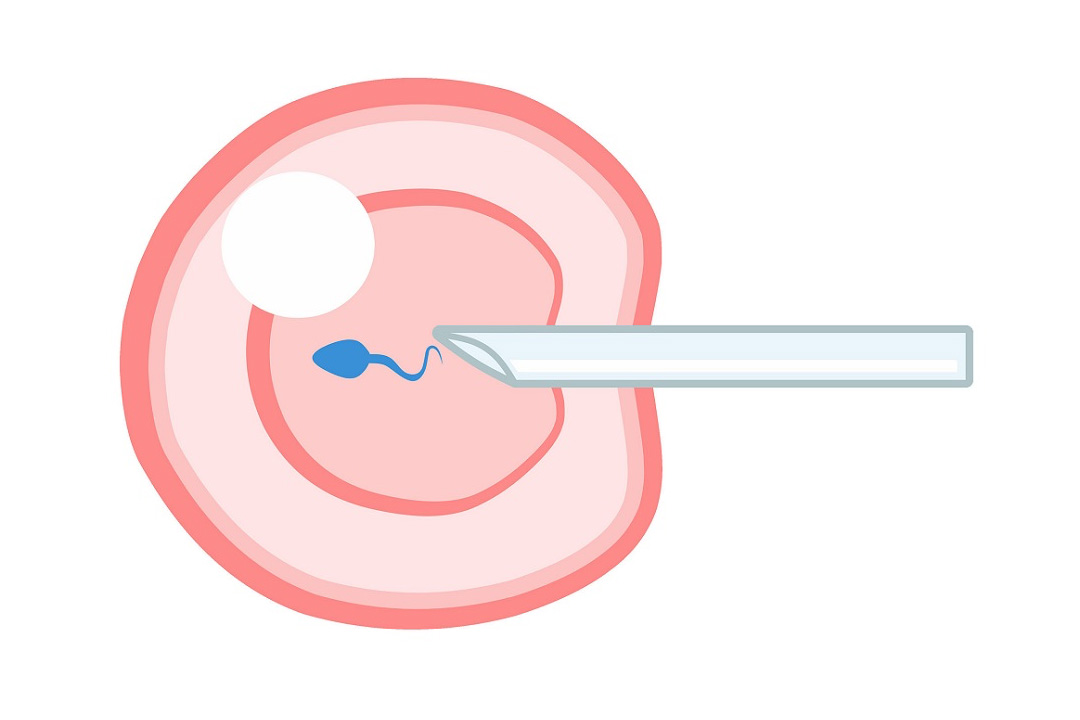
- Intracytoplasmic sperm injection
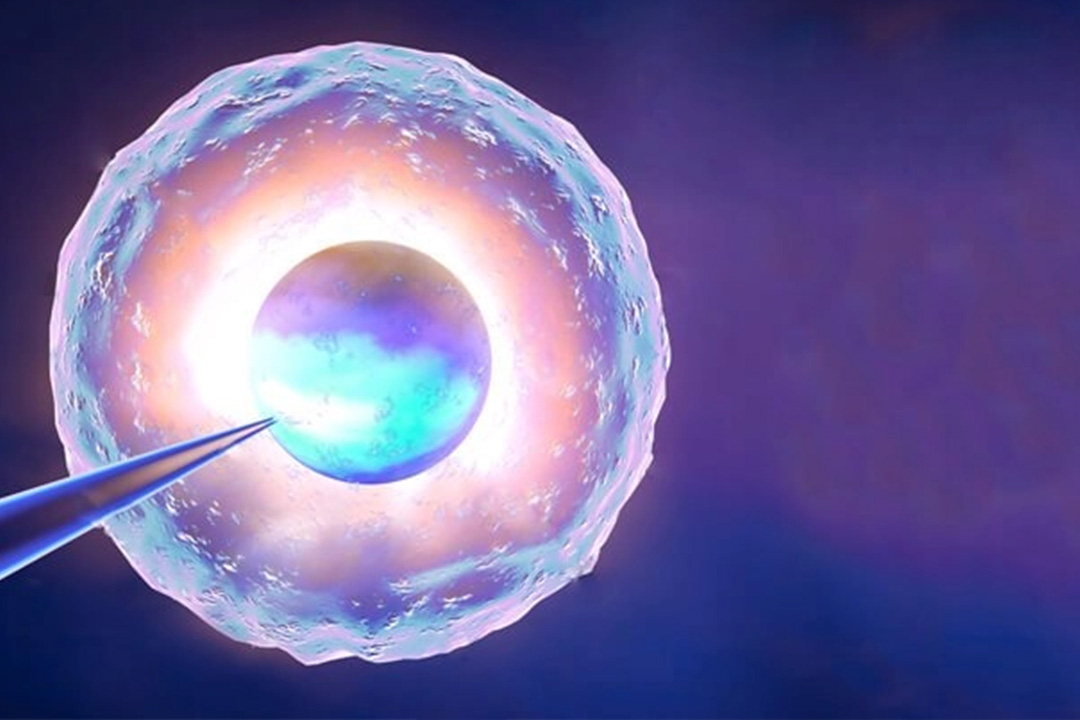
Note: ICSI is especially useful because a single healthy-looking sperm is selected and injected directly into the egg.
When Should You Seek Expert Advice?
You should consider evaluation if:
- You have been trying for a year without success, or six months if the female partner is over 35
- There is a history of infections, injury, or surgery
- You notice pain, swelling, or lumps in the scrotum
- You have known medical conditions affecting hormones
Early assessment can save time and guide the right plan. Sperm production takes around 70 to 90 days. So, any treatment or lifestyle change usually shows results after about three months. Patience and consistency are key.
Frequently Asked Questions
What is the normal sperm morphology percentage?
Normal sperm morphology is 4 percent or more normal forms based on strict criteria.
Can abnormal sperm morphology be reversed?
In many cases, yes. With lifestyle changes and treatment, morphology can improve over a few months.
How to improve sperm morphology fast?
There is no instant fix, but quitting smoking, eating well, reducing heat exposure, and managing stress can help improve results within three months.
What foods help increase sperm morphology?
Fruits, vegetables, nuts, seeds, eggs, fish, and whole grains rich in antioxidants and minerals support sperm health.
Does low sperm morphology mean IVF is needed?
Not always. Some couples conceive naturally or with simpler methods. IVF or ICSI is considered when other options fail or if multiple factors are present.
What is the cost of IVF in INR?
IVF treatment in India usually ranges from ₹1,20,000 to ₹2,50,000 per cycle, depending on tests, medicines, and procedures involved.
How many months should I try to improve sperm morphology before retesting?
Most experts suggest repeating the test after about three months of lifestyle changes or treatment.
Is low morphology alone a serious problem?
Low morphology alone may not be serious if count and movement are good. The full semen report gives a better picture.
Conclusion
Although sperm morphology plays a significant role in male fertility, it is not the only factor. Panic shouldn't be triggered by a poor morphological result. Many men can get pregnant, either spontaneously or with assistance, by improving the health of their sperm.
Easy actions like eating well, exercising frequently, abstaining from bad habits, and seeking prompt medical advice can have a significant impact. Comprehending your report and acting promptly might provide clarity and hope on the journey to parenting.
About Us
AKsigen IVF is a premier center for advanced fertility treatments, with renowned fertility experts on our team. Specializing in IVF, ICSI, egg freezing, and other cutting-edge reproductive technologies, AKsigen IVF is committed to helping couples achieve their dream of parenthood. With personalized care and a patient-first approach, AKsigen IVF provides comprehensive fertility solutions under one roof.