High Prolactin and Infertility: How It Could Affect Pregnancy
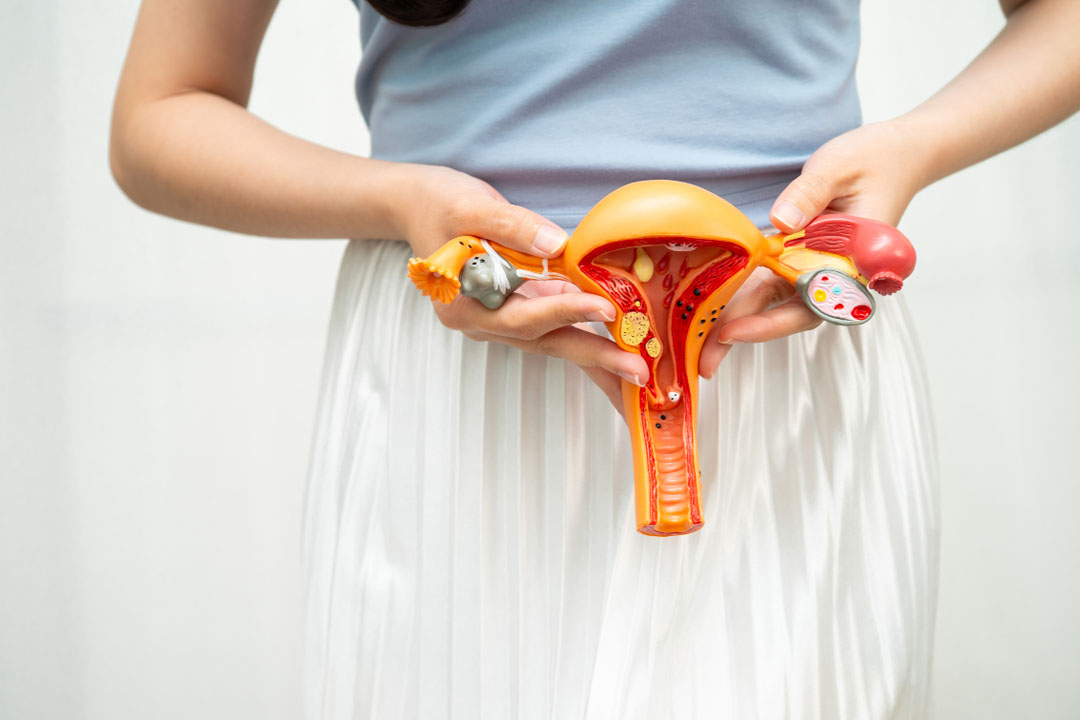
Hormones carefully regulate the majority of our bodies' functions, including growth, mood, metabolism, and reproduction. One such hormone is prolactin, which is well recognized for its function in lactation.
However, when prolactin levels grow over normal levels, they might discreetly interfere with menstrual cycles, ovulation, and conception. Many women who are trying to conceive are astonished to hear that high prolactin levels are associated with infertility.
This condition often goes unnoticed because the symptoms can be subtle, irregular, or confused with stress-related changes. Yet untreated high prolactin can delay pregnancy, cause irregular periods, and even lead to complications during conception.
The good news is that once detected, it is usually very manageable with proper medical care. In this article, we’ll explain how prolactin works, does high prolactin cause infertility, why it happens, symptoms to look for, and how it affects your chances of pregnancy.
Prolactin and Its Role in the Body
Prolactin is a hormone released by the pituitary gland, a small but powerful gland at the base of the brain. Its primary job is to stimulate breast milk production after childbirth.
However, prolactin also interacts with other reproductive hormones like estrogen, progesterone, FSH (Follicle Stimulating Hormone), and LH (Luteinizing Hormone).
In a healthy woman who is not pregnant or breastfeeding, prolactin levels remain within a specific range. When these levels rise unexpectedly, it can disrupt the balance of reproductive hormones, particularly those needed for ovulation.
Does High Prolactin Cause Infertility?
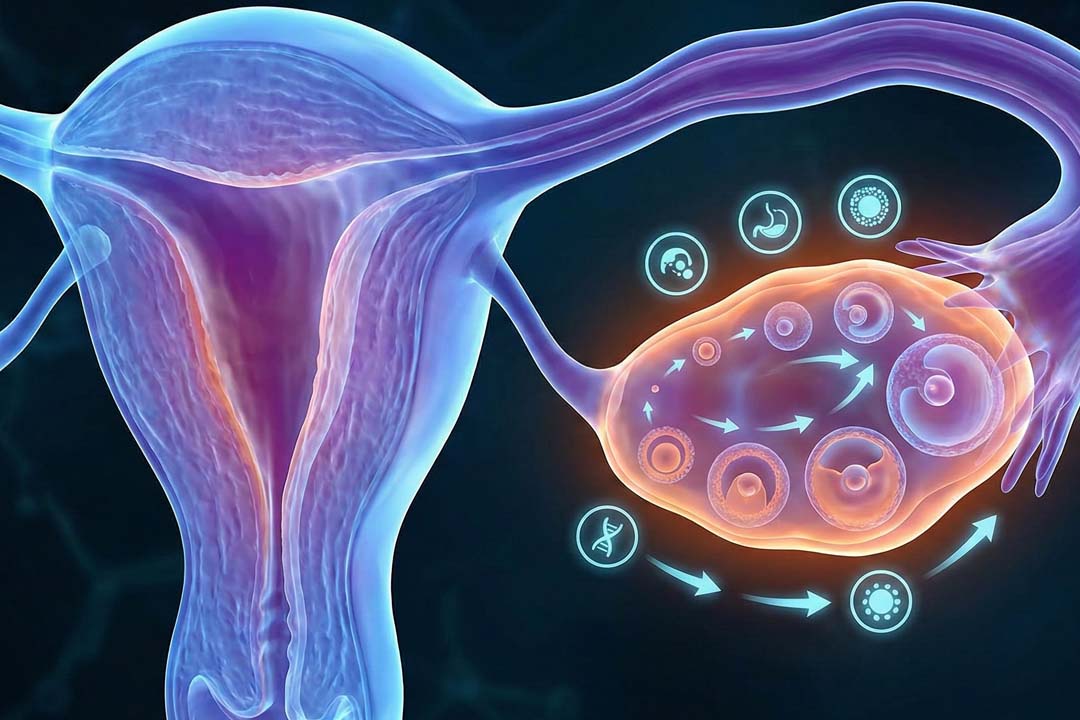
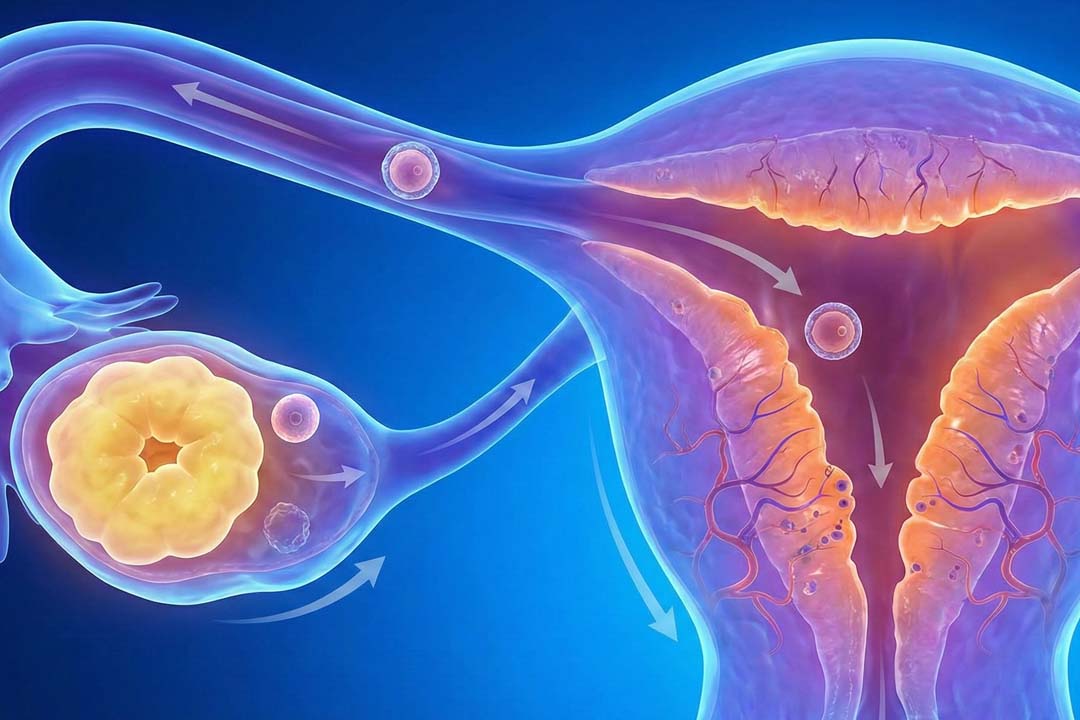
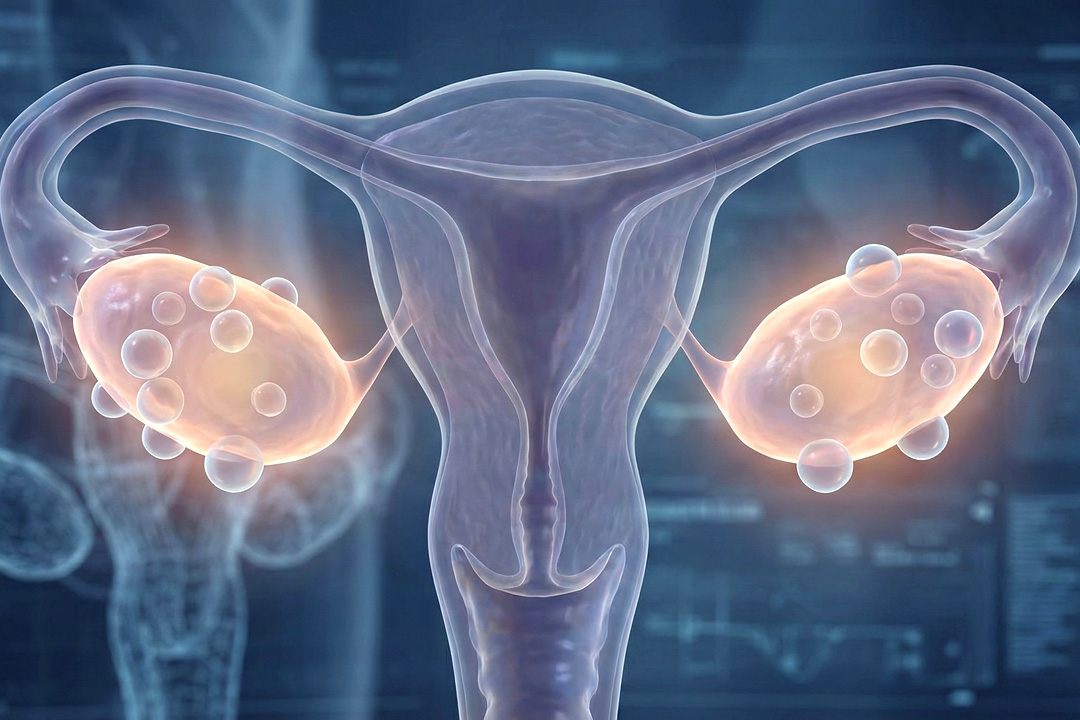
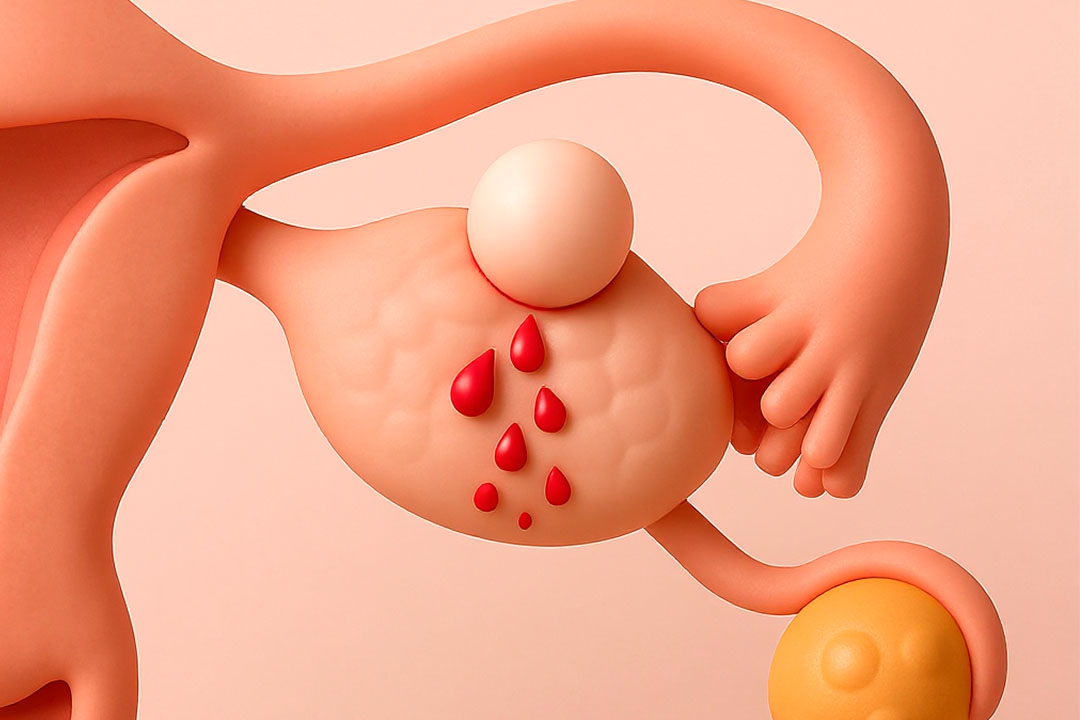
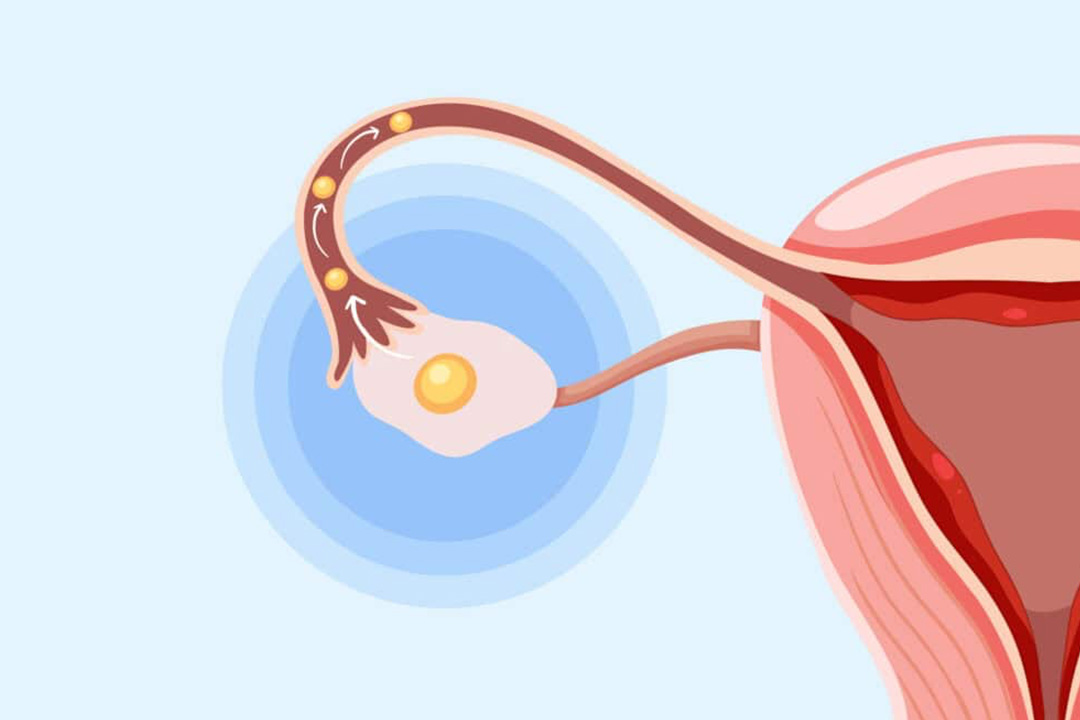
Yes, high prolactin can directly interfere with fertility by stopping or delaying ovulation. When prolactin levels rise beyond normal limits, the hormone suppresses the release of GnRH (Gonadotropin-Releasing Hormone), which in turn reduces FSH and LH. These two hormones are essential for the ovary to release an egg each month.
When ovulation does not happen regularly or stops completely, pregnancy becomes difficult. This is why many women with elevated prolactin experience:
- Irregular menstrual cycles
- Missed periods
- Difficulty tracking ovulation
- Reduced chances of natural conception
So when people ask if high prolactin levels cause infertility, the medical answer is clearly yes, especially when the condition remains untreated for long periods.
High Prolactin and Infertility: How Are They Connected?
The link between high prolactin and infertility lies in hormonal suppression. Elevated prolactin acts as a natural pregnancy-preventing mechanism in breastfeeding women. This prevents immediate repeat pregnancy after childbirth. However, when prolactin rises in non-pregnant women, the same protective mechanism becomes problematic.
Here’s how the disruption unfolds:
- High prolactin suppresses ovulation
- Ovulation becomes irregular or stops
- Progesterone production drops
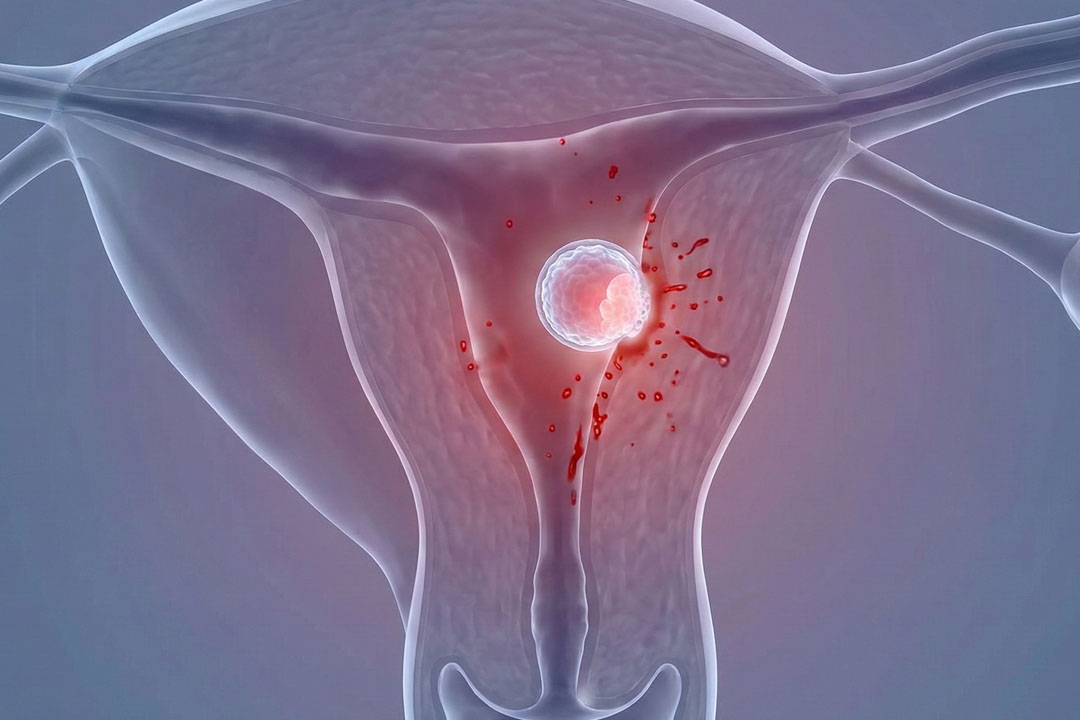
- The uterine lining may not prepare properly for implantation
- Pregnancy becomes difficult or delayed
This hormonal chain reaction explains why high prolactin levels and infertility are frequently diagnosed together during fertility testing.
Common Causes of High Prolactin Levels
High prolactin does not happen randomly. It usually has an underlying cause, which may be physical, hormonal, emotional, or medication-related.
1. Stress and Lifestyle Factors: Physical and emotional stress can temporarily raise prolactin. Poor sleep, heavy exercise, anxiety, and mental pressure can all contribute.
2. Thyroid Disorders: Low thyroid hormone levels often trigger high prolactin. This is one of the most common medical reasons for elevated prolactin.
3. Certain Medications: Some drugs for depression, blood pressure, nausea, and mental health conditions can raise prolactin levels.
4. Pituitary Gland Growth (Benign Tumors): Small, non-cancerous growths in the pituitary gland can cause excessive prolactin release.
5. Pregnancy and Breastfeeding: This is a normal cause and does not require treatment.
High Prolactin Levels in Women: Infertility Symptoms to Watch For
High prolactin levels in women infertility often show warning signs long before conception attempts begin. Unfortunately, many women ignore or normalize these symptoms. Common symptoms include:
- Irregular or absent periods
- Milky discharge from breasts (not related to pregnancy)
- Difficulty getting pregnant
- Vaginal dryness
- Reduced sexual desire
- Headaches or vision problems (in rare cases)
If you are experiencing any of these symptoms along with trouble conceiving, prolactin testing should be part of your hormone evaluation.
Can High Prolactin Levels Cause Infertility Even If Periods Are Regular?
Yes, even women with apparently normal periods can have ovulation disruption due to high prolactin. Menstrual bleeding alone does not guarantee proper ovulation. Some women bleed regularly without releasing an egg every month.
This is why fertility specialists often test prolactin even when cycles appear normal on the surface. Silent ovulation problems caused by high prolactin frequently go unnoticed without blood tests.
High Prolactin Causes Infertility: How It Affects Pregnancy Chances
High prolactin causes infertility mainly by blocking ovulation, but its effects don’t stop there. Even when ovulation occurs occasionally, other fertility-related issues may arise:
- Poor egg quality
- Weak uterine lining
- Low progesterone after ovulation
- Increased early pregnancy loss risk
These combined factors reduce the chances of successful implantation and ongoing pregnancy. That is why correcting prolactin levels is often a critical step before natural conception or fertility treatments.
How Is High Prolactin Diagnosed?
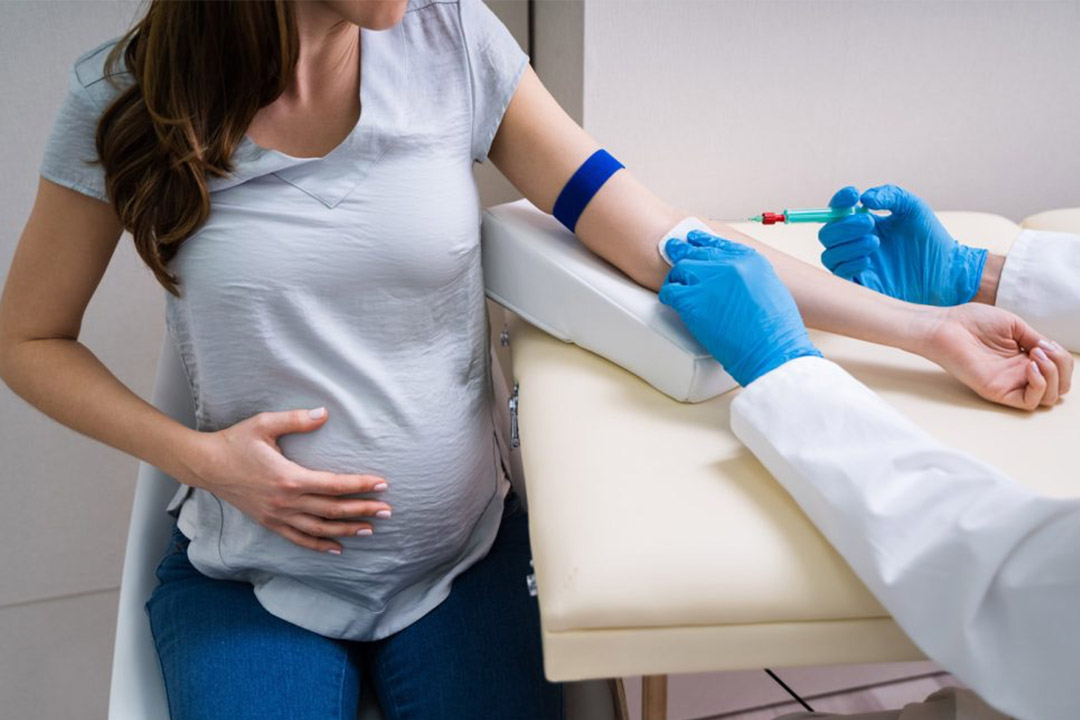
Diagnosis is usually simple and involves blood testing. A fasting blood test taken in the morning will measure prolactin levels accurately. Since stress can temporarily raise prolactin, doctors may repeat the test to confirm consistent elevation. Additional tests may include:
- Thyroid hormone testing
- MRI of the pituitary gland (only if needed)
- Other reproductive hormone panels
Early diagnosis leads to faster treatment and better reproductive outcomes.
Treatment Options for High Prolactin and Infertility
The good news is that high prolactin levels and infertility are highly treatable in most cases. Treatment depends on the underlying cause.
1. Medications: Specific medications help suppress prolactin production and restore ovulation in most women. Many women resume normal cycles within weeks to months.
2. Thyroid Balance: If thyroid imbalance is the root cause, thyroid medication alone may normalize prolactin without additional drugs.
3. Lifestyle Adjustments: Stress management, improved sleep, and reduced intense exercise may help in borderline elevation cases.
4. Monitoring and Follow-Up: Regular hormone monitoring ensures that prolactin remains controlled and ovulation resumes normally.
Most women regain fertility once prolactin stabilizes.
Can You Get Pregnant Naturally After Treating High Prolactin?
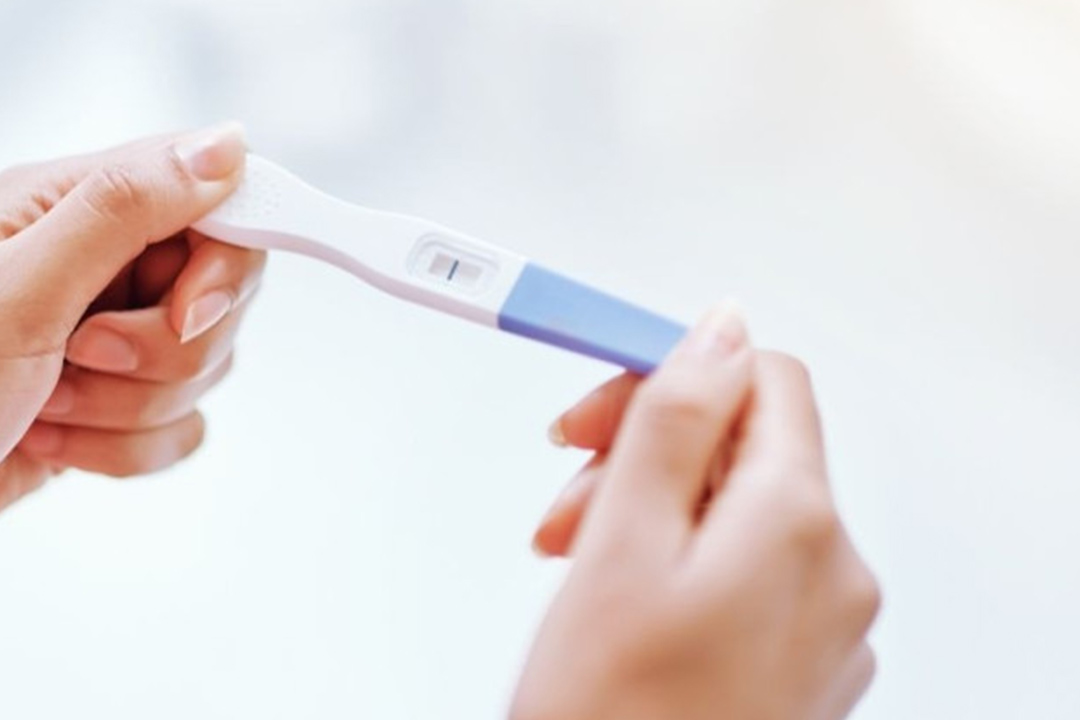
Yes, many women conceive naturally after treating high prolactin levels. Once ovulation resumes and hormone cycles normalize, pregnancy becomes possible without advanced treatments. However, the time to conception may depend on:
- Age
- Duration of high prolactin
- Presence of other fertility issues
- Overall reproductive health
Some women conceive within the first few months of treatment.
High Prolactin and Fertility Treatments
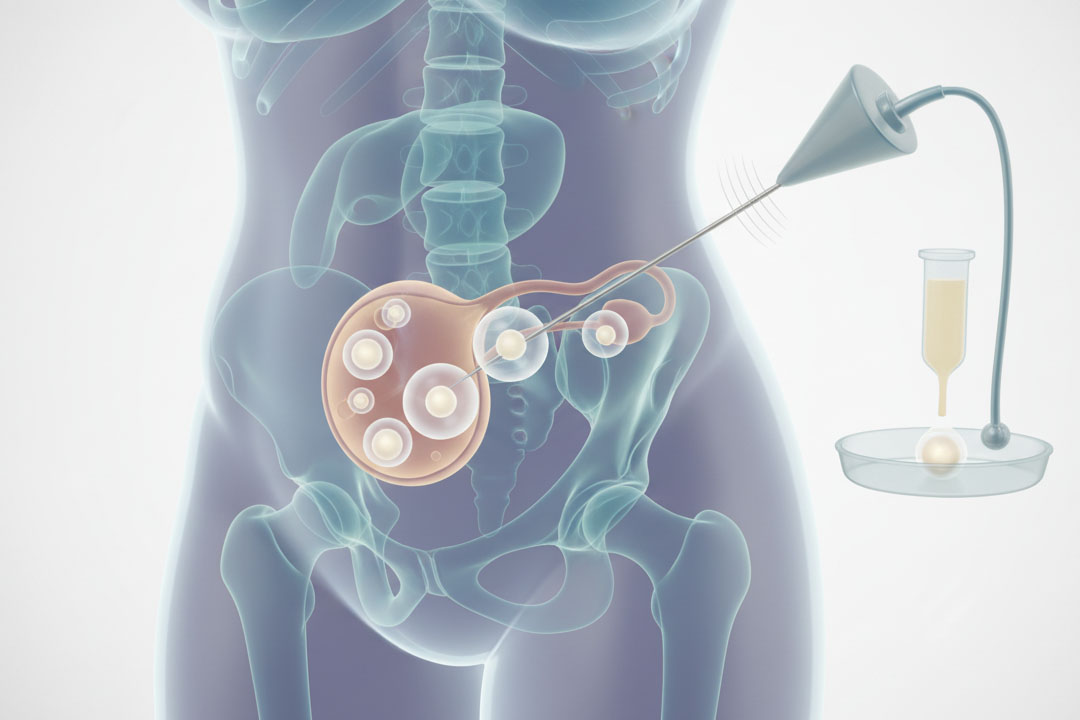
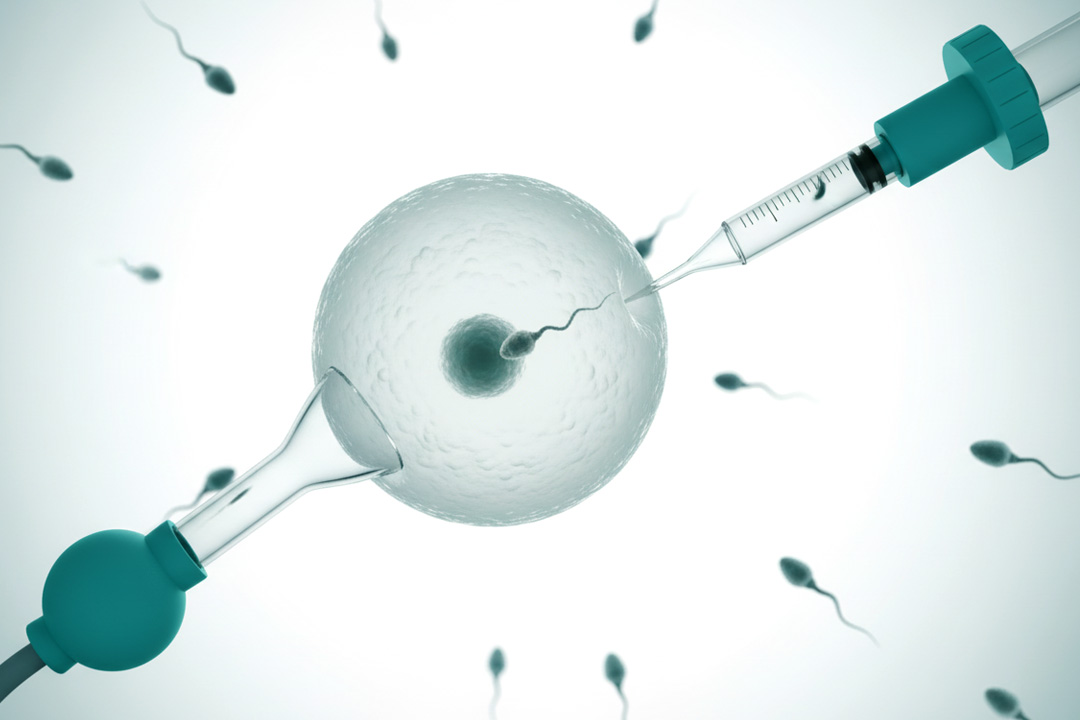
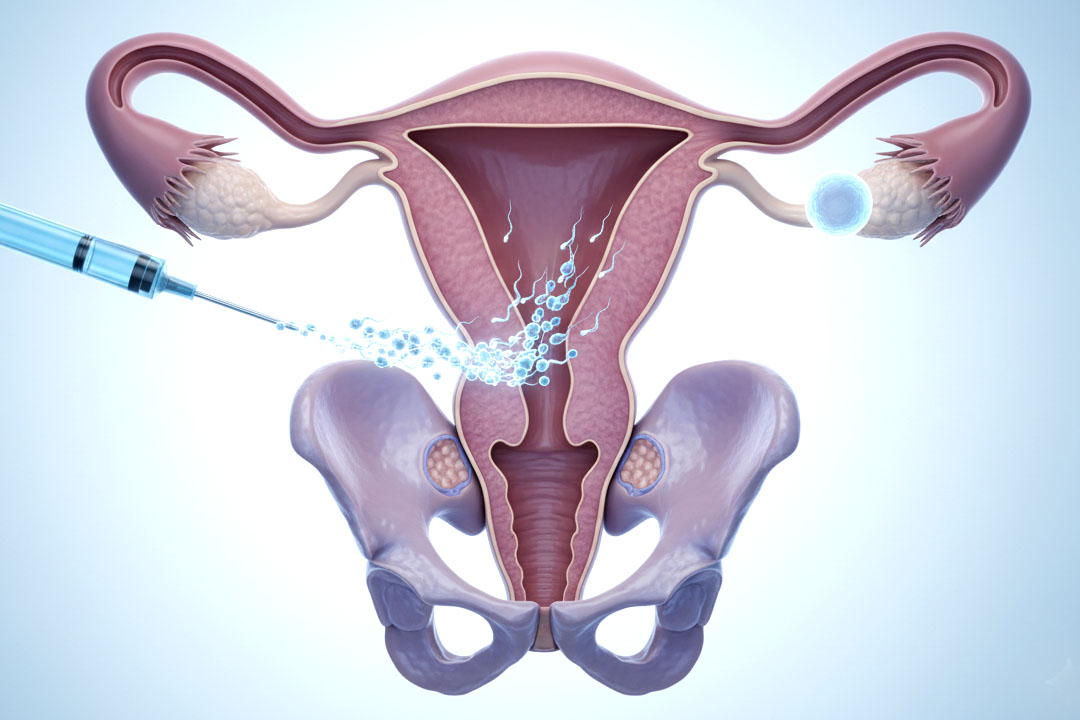
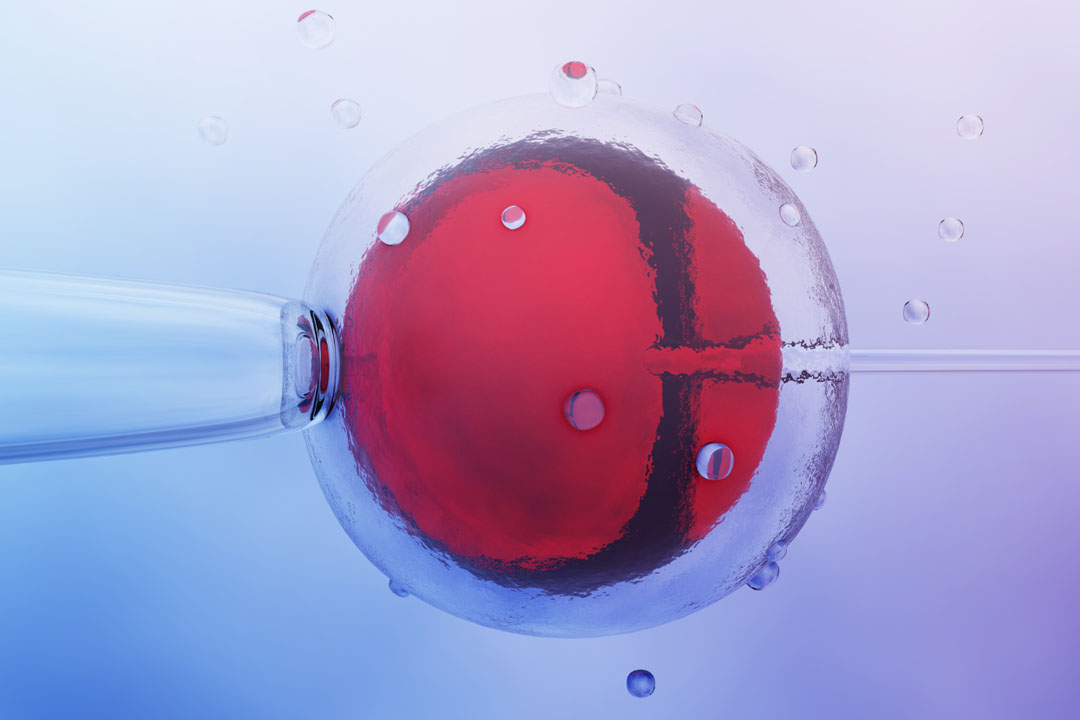
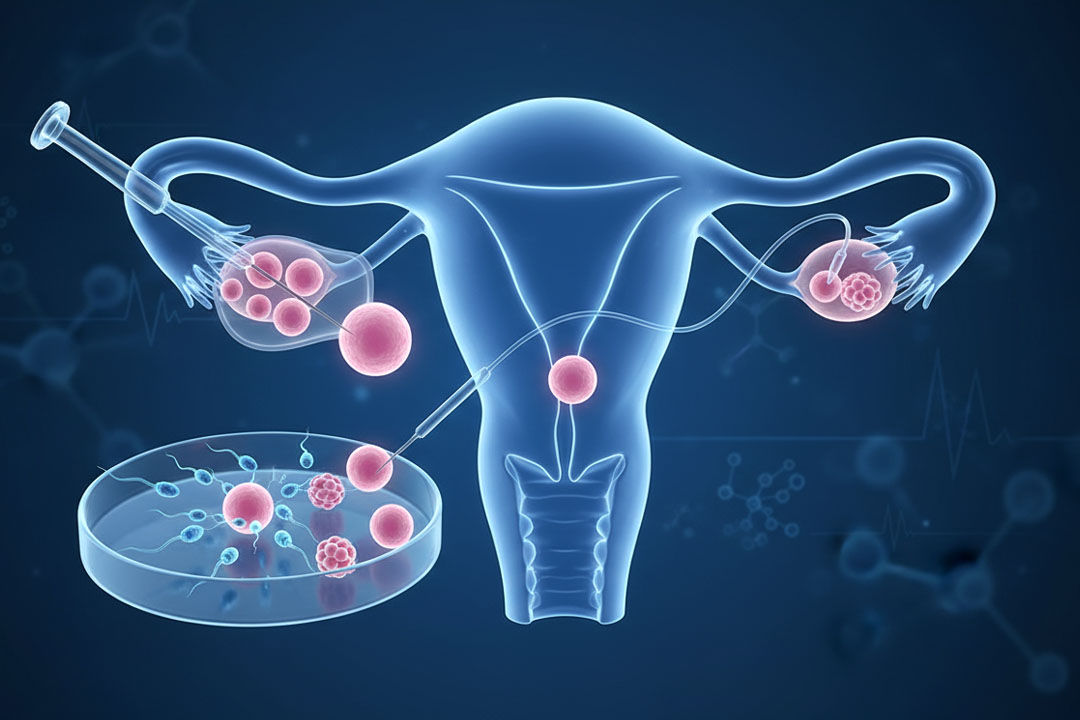
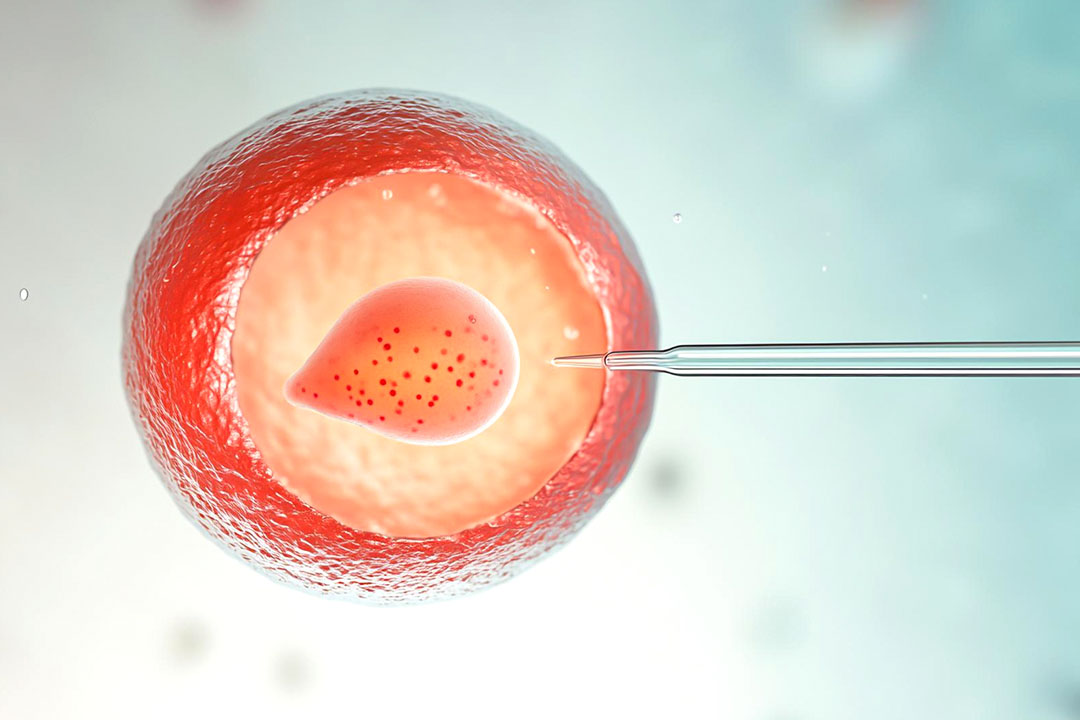
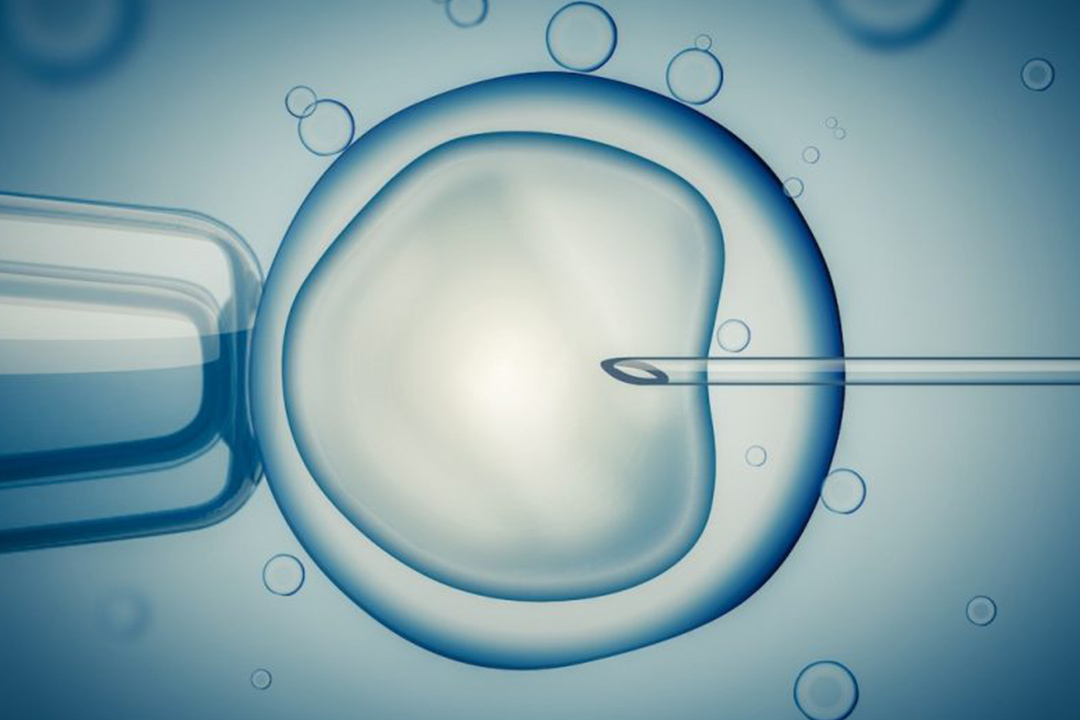
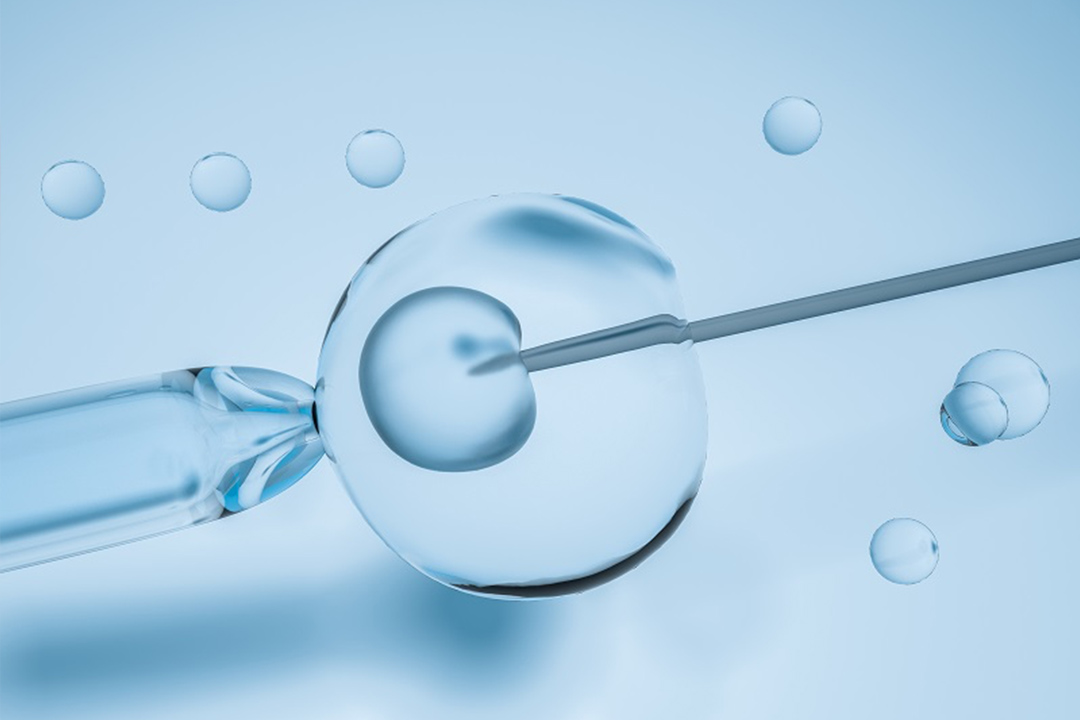
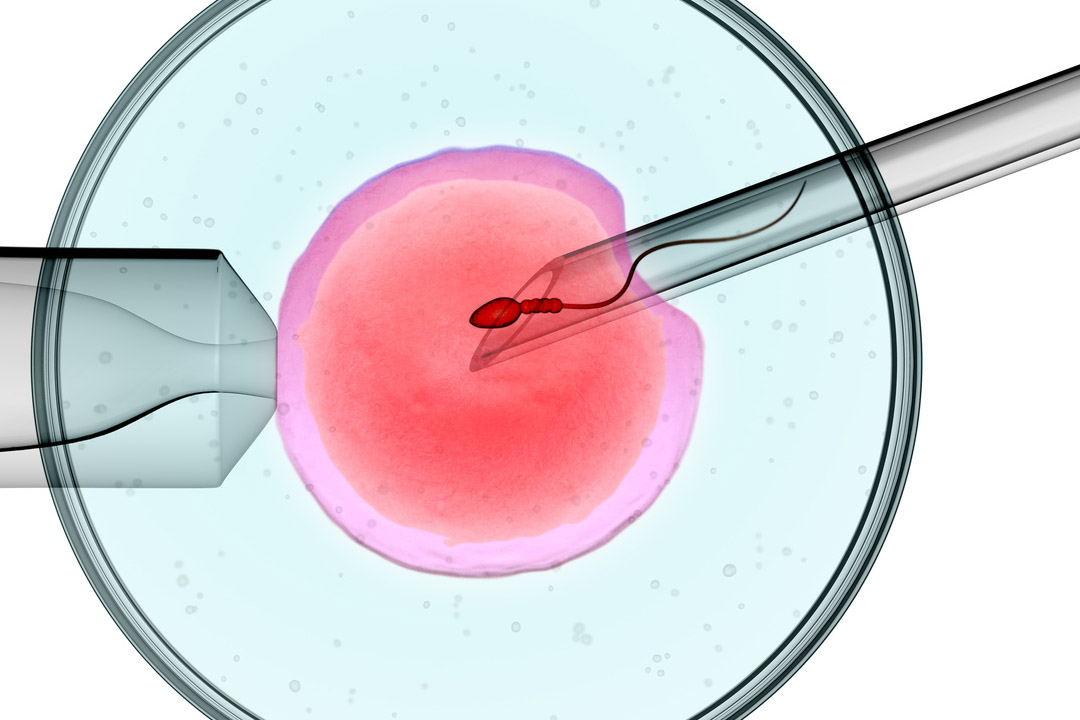
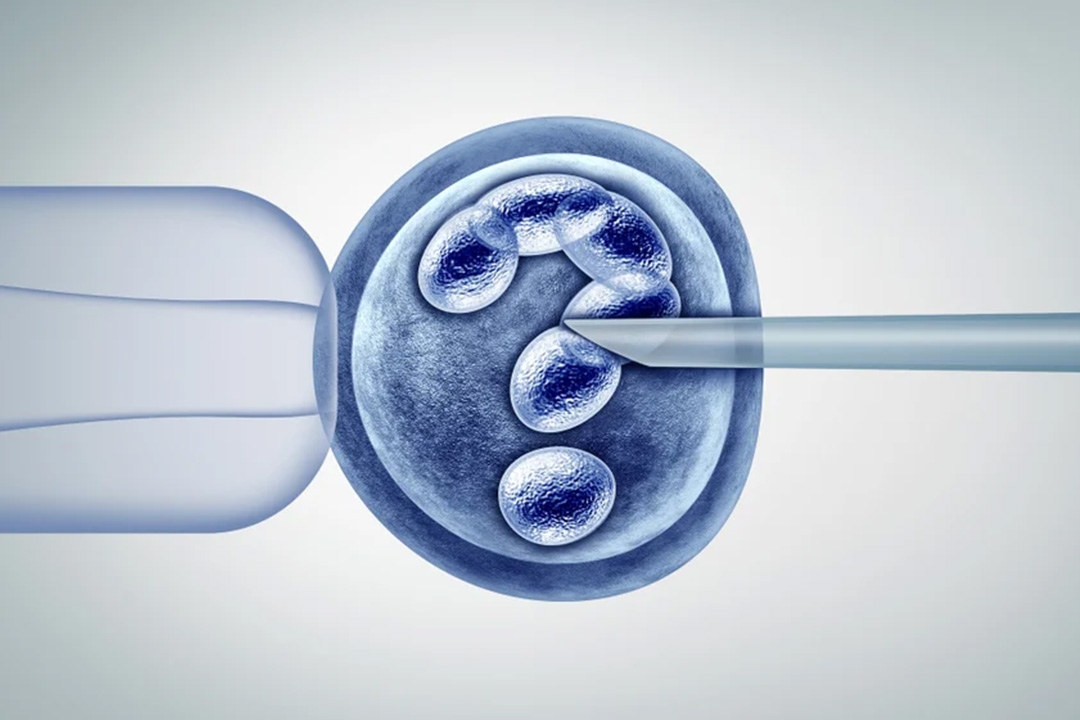
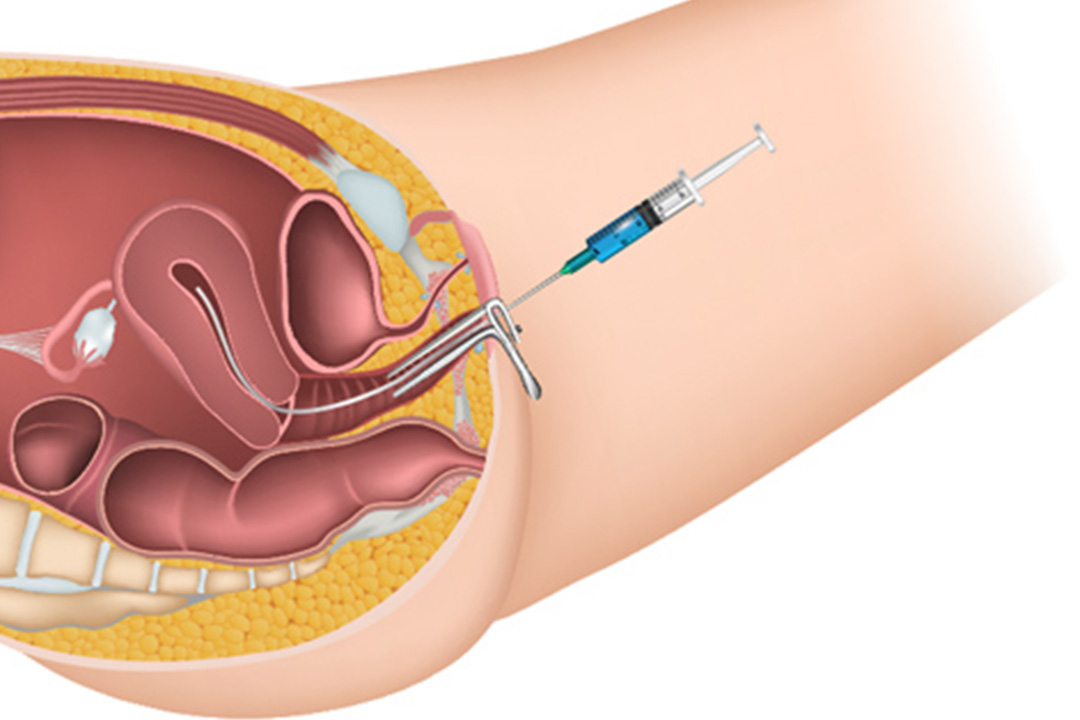
Fertility therapies may be explored if spontaneous conception is delayed despite prolactin correction. Ovulation-inducing medicines, intrauterine insemination (IUI), or assisted reproduction procedures such as IVF may aid in conception. High prolactin levels must always be reduced before beginning reproductive therapies, since uncontrolled prolactin might impair treatment success.
When Should You Get Tested for Prolactin?
You should consider prolactin testing if:
- You have irregular or missed periods
- You are trying to conceive for more than 6–12 months without success
- You notice unexplained breast discharge
- You have thyroid issues
- You experience unexplained headaches along with fertility problems
Early testing prevents years of delayed diagnosis.
Prevention and Long-Term Hormonal Health
While not all causes of high prolactin are preventable, a few habits support hormonal balance:
- Maintain healthy sleep cycles
- Reduce chronic stress
- Avoid self-medication
- Manage thyroid health actively
- Follow regular reproductive health check-ups
Balanced lifestyle habits often support overall fertility health alongside medical treatment.
Frequently Asked Questions
1. Does high prolactin always cause infertility?
Not always, but it significantly increases the risk. Some women with mildly elevated prolactin may still ovulate occasionally, but the chances of delayed conception remain high.
2. Can high prolactin levels cause infertility permanently?
In most cases, no. With timely diagnosis and treatment, prolactin-related infertility is usually reversible and highly treatable.
3. How long does it take to get pregnant after prolactin treatment?
Some women conceive within 2–3 months, while others may take 6–12 months depending on age and overall fertility health.
4. Is high prolactin common?
Yes, it is one of the most common hormone disorders found during infertility testing in women.
5. Does high prolactin affect only women?
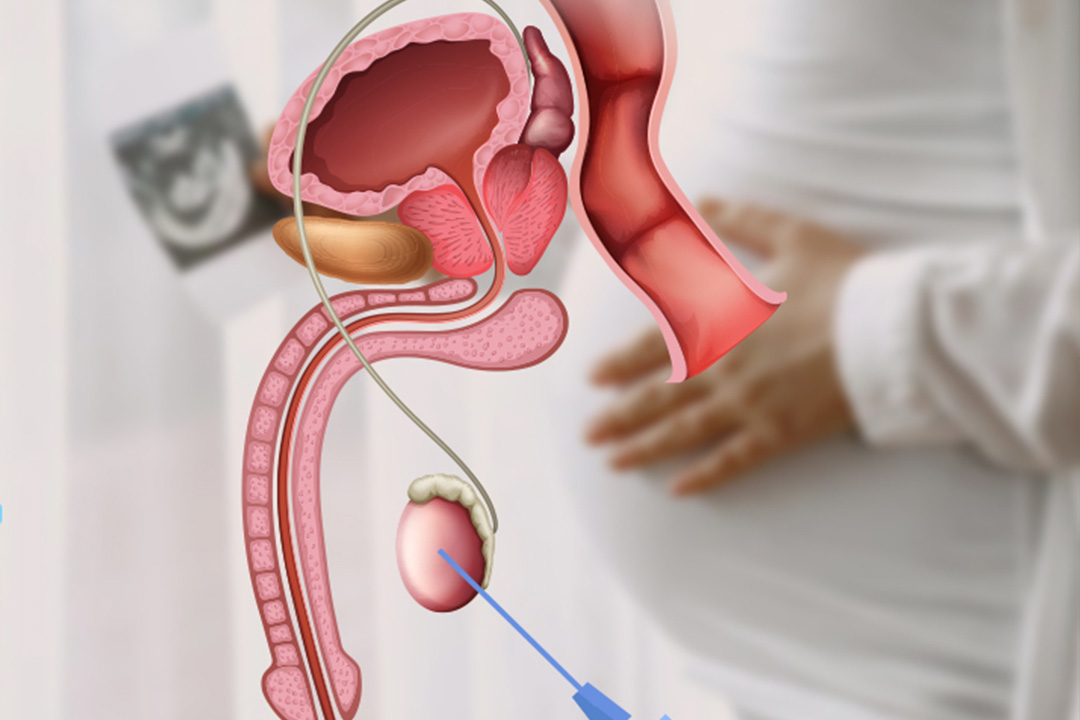
No. Men can also experience fertility issues due to high prolactin, including low testosterone and reduced sperm production.
6. What is the cost of prolactin testing in India?
Prolactin blood tests usually range between ₹300 to ₹800 depending on location and laboratory.
7. Can natural remedies lower prolactin?
Stress control, adequate sleep, and thyroid balance may help mild cases, but medical treatment is usually required for consistent results.
Conclusion
High prolactin and infertility are closely connected, but this condition is one of the most treatable hormonal causes of delayed pregnancy. Whether you are experiencing irregular periods, difficulty conceiving, or unexplained hormonal symptoms, prolactin testing may offer important answers. The key lies in early detection, correct diagnosis, and consistent treatment.
With proper medical guidance and emotional support, many women go on to conceive naturally and enjoy healthy pregnancies after correcting prolactin imbalance. If pregnancy has been delayed without a clear explanation, don’t overlook this powerful yet often misunderstood hormone.
About Us
AKsigen IVF is a premier center for advanced fertility treatments, with renowned fertility experts on our team. Specializing in IVF, ICSI, egg freezing, and other cutting-edge reproductive technologies, AKsigen IVF is committed to helping couples achieve their dream of parenthood. With personalized care and a patient-first approach, AKsigen IVF provides comprehensive fertility solutions under one roof.