Complete Guide to Treating a Small Uterus: Causes, Diagnosis, and Options

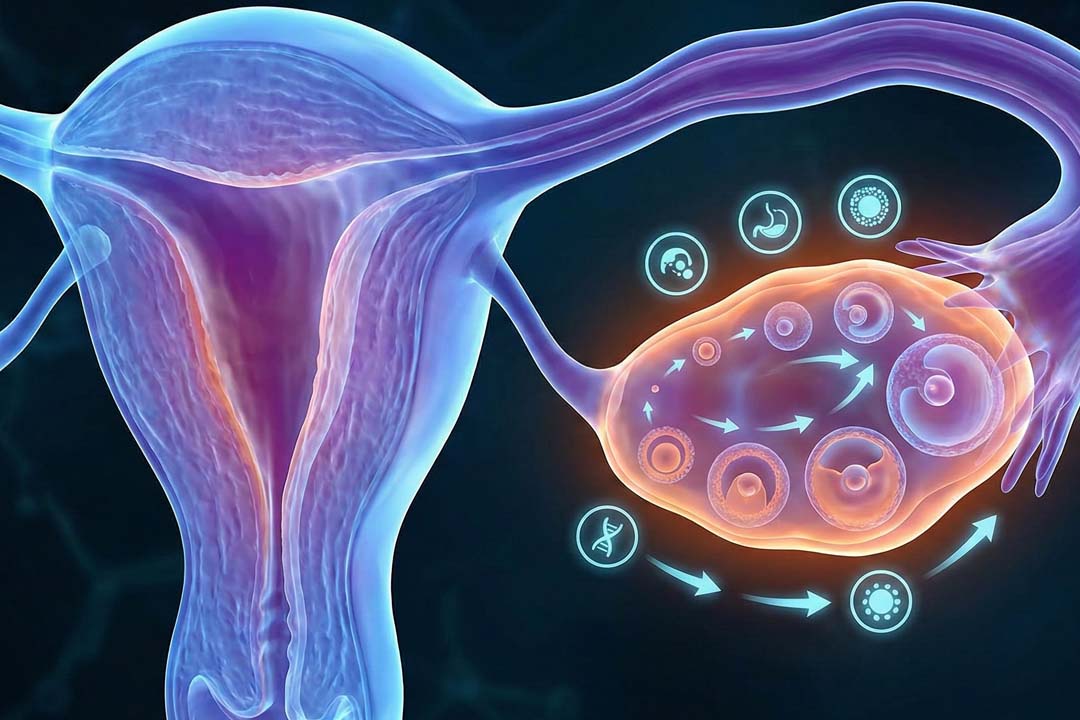
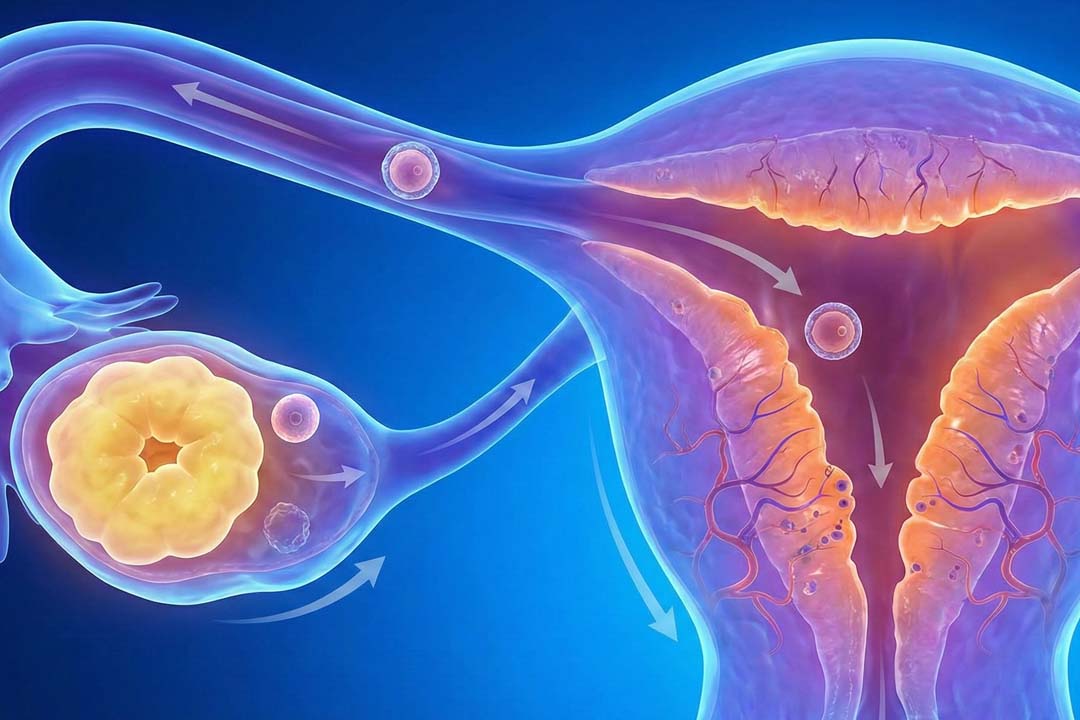
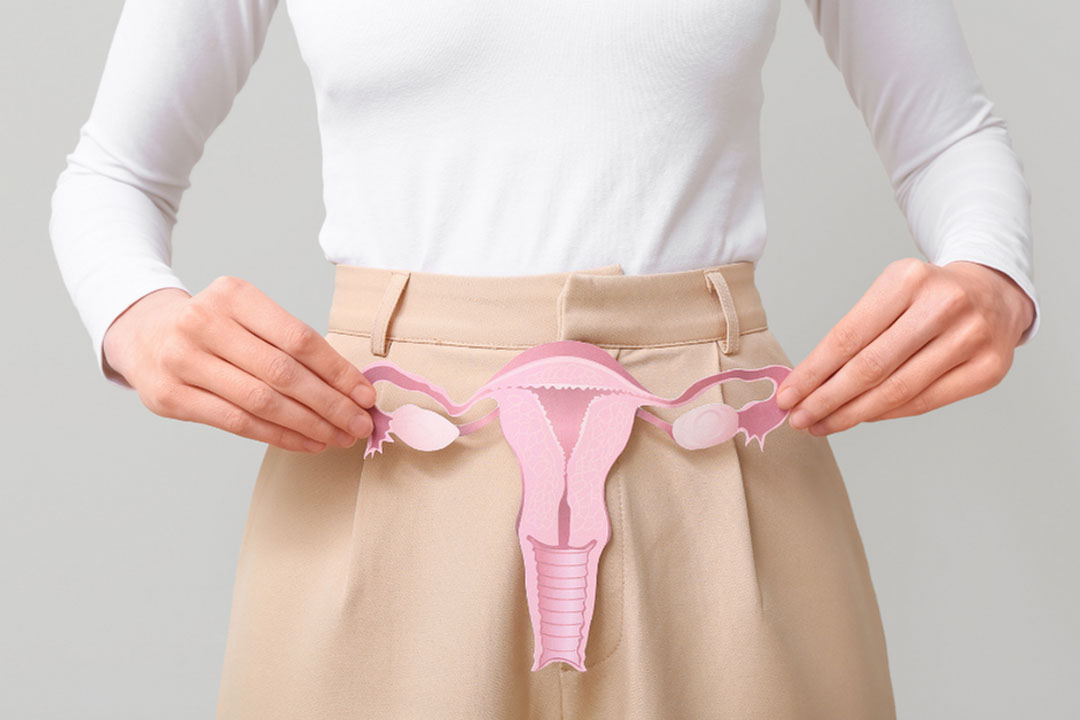
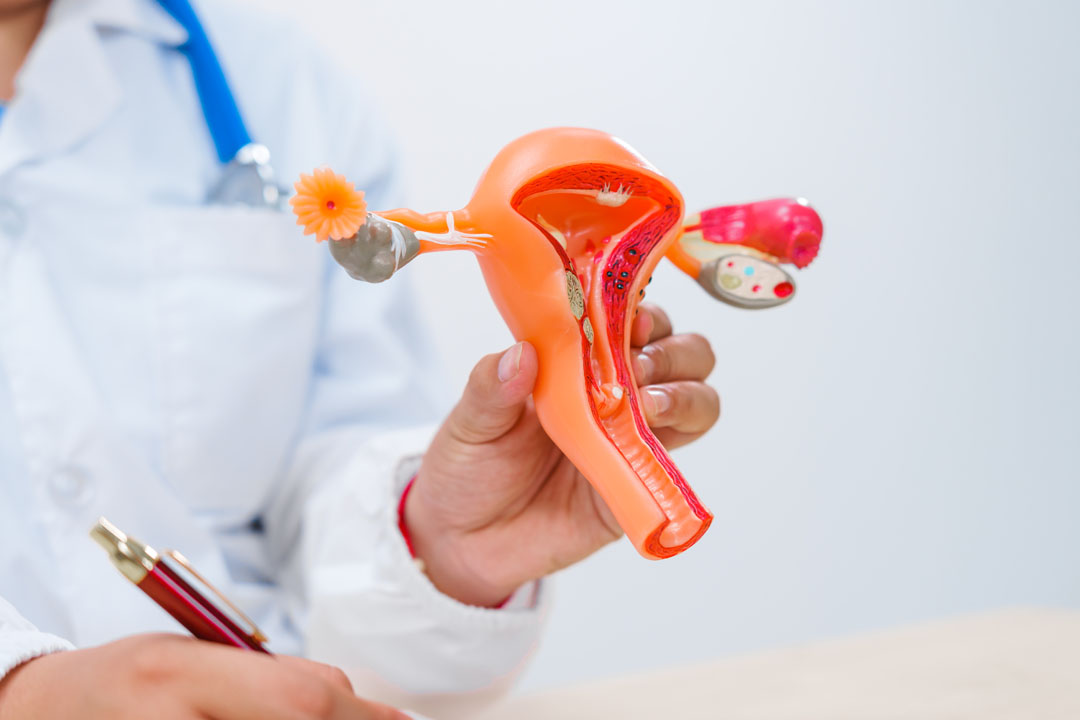
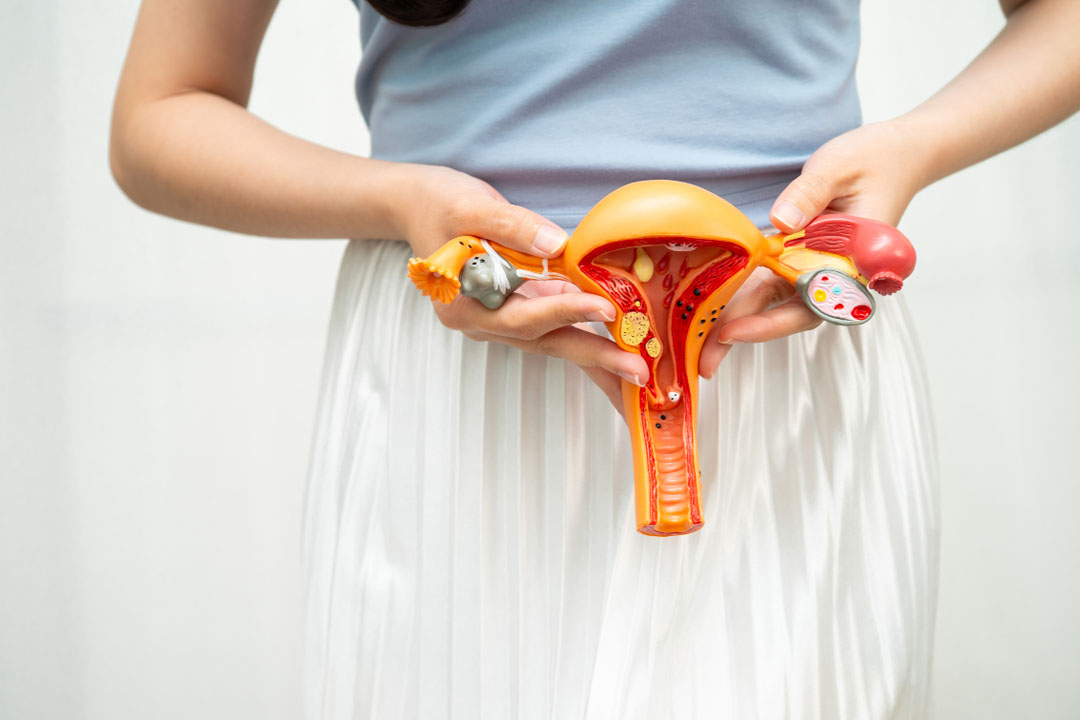
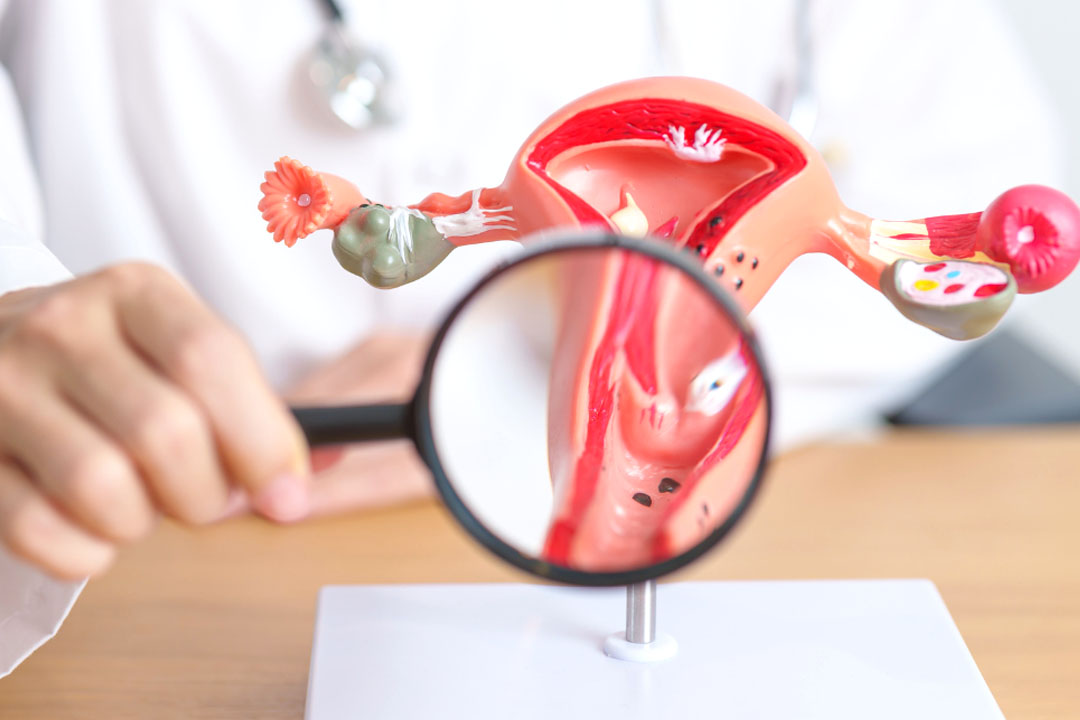
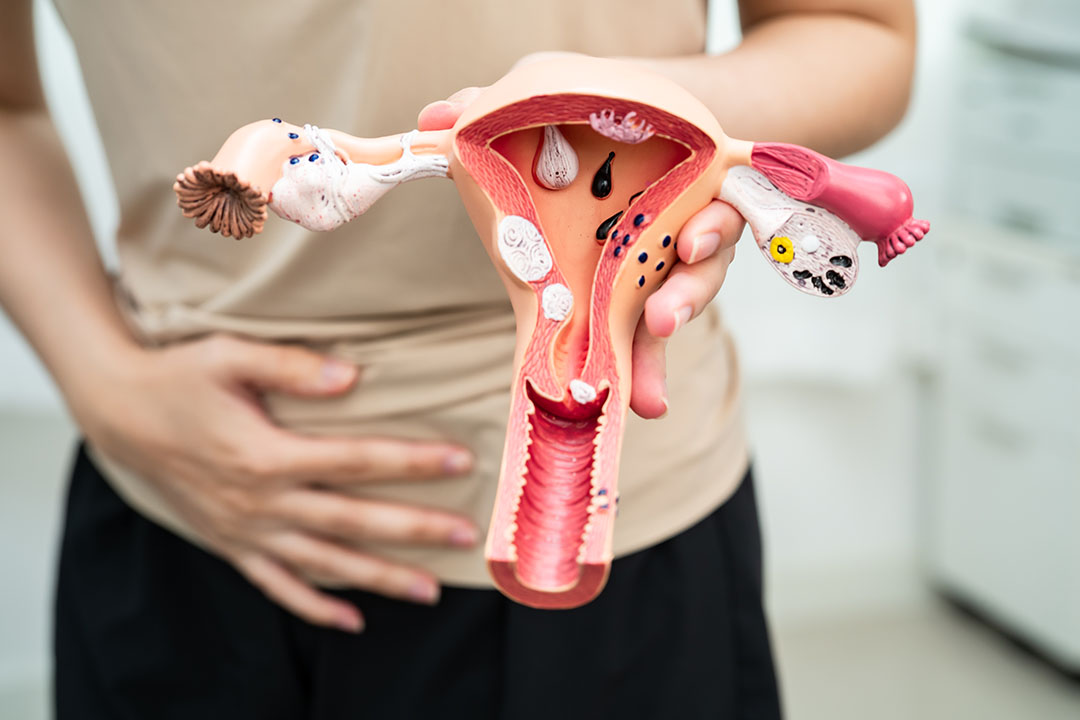
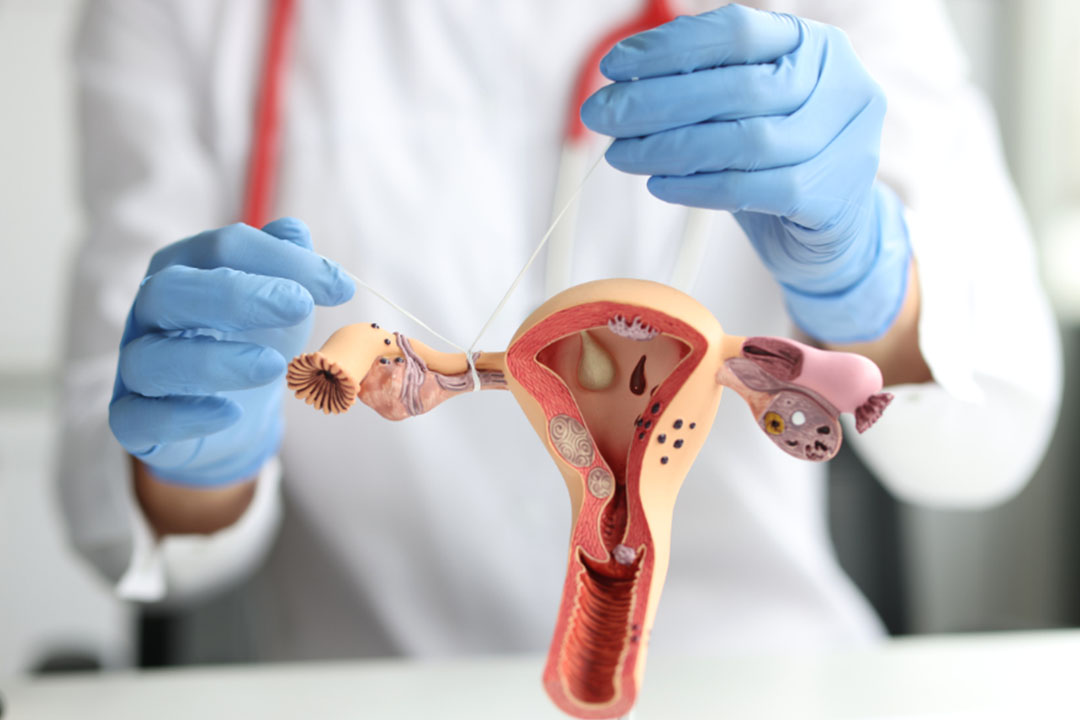
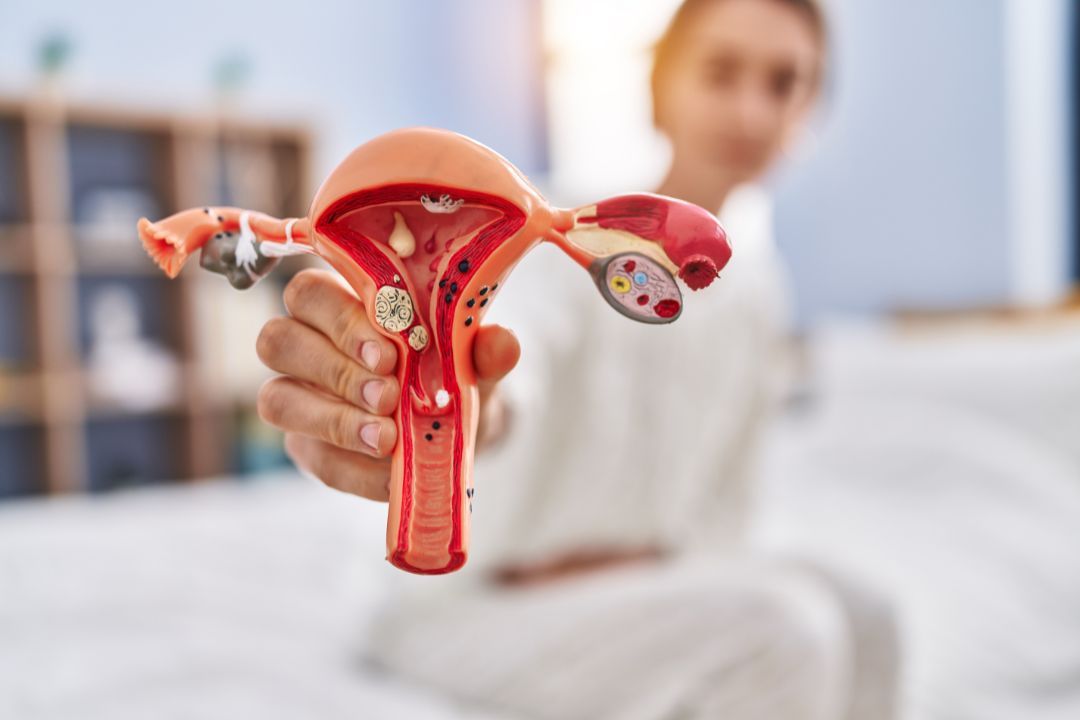
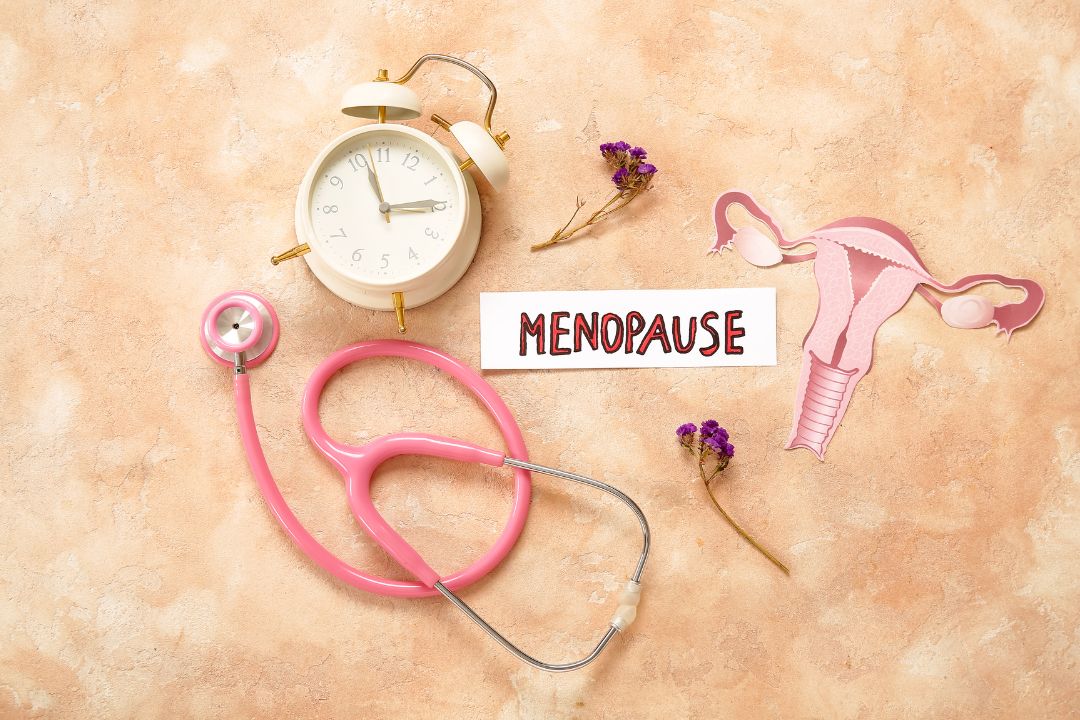
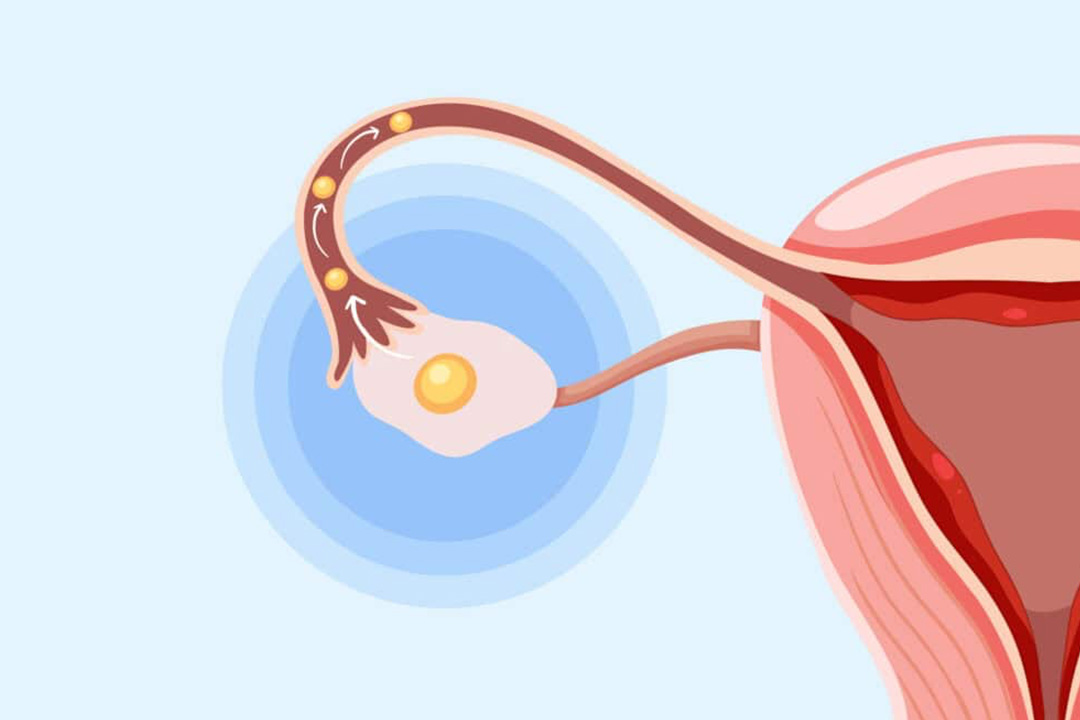
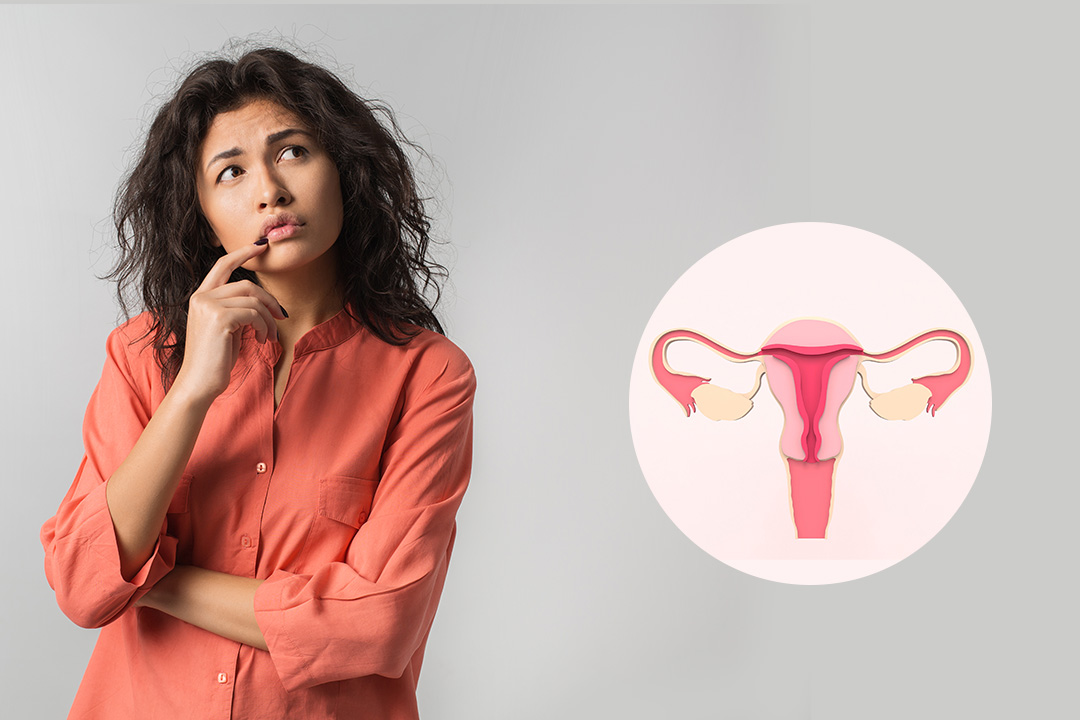
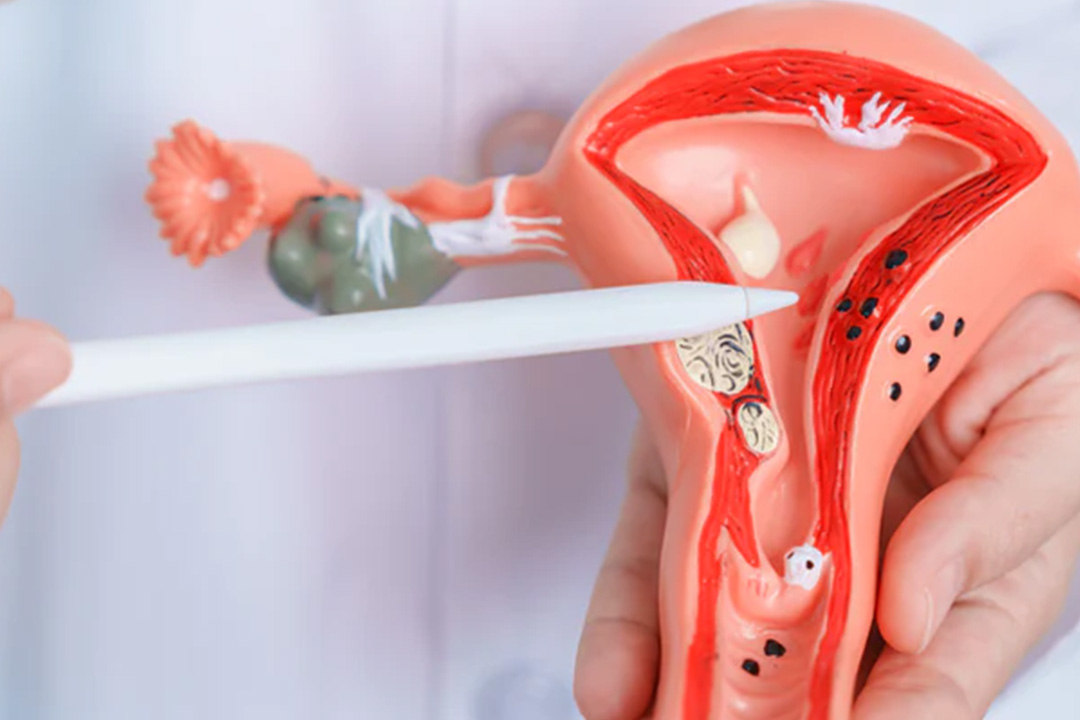
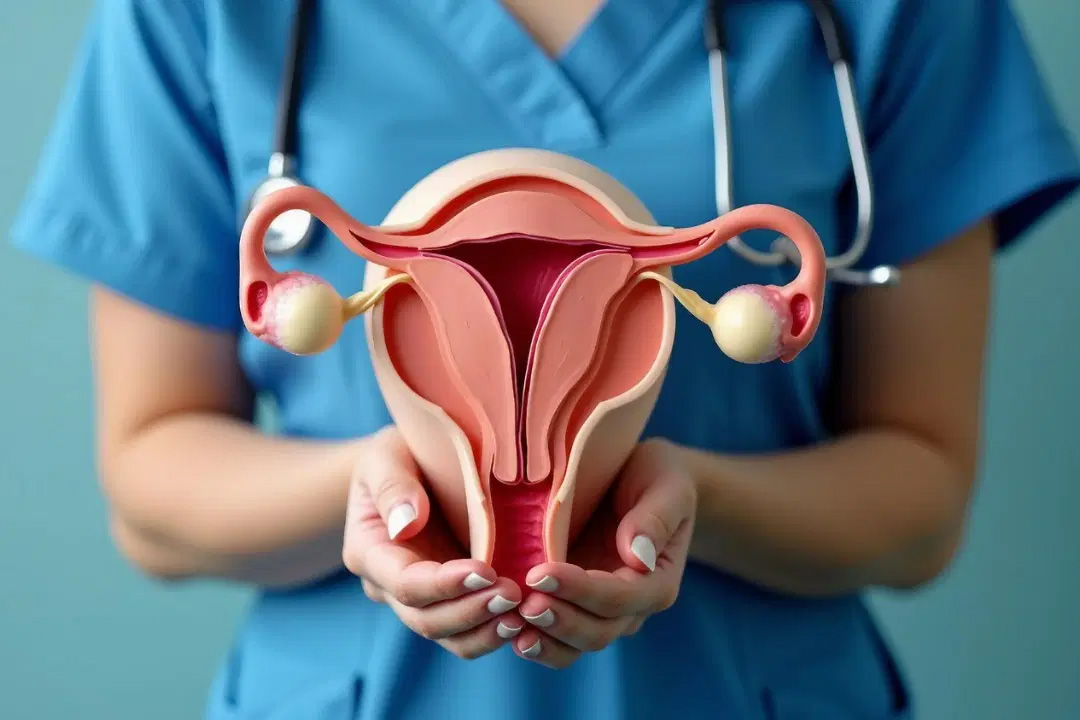
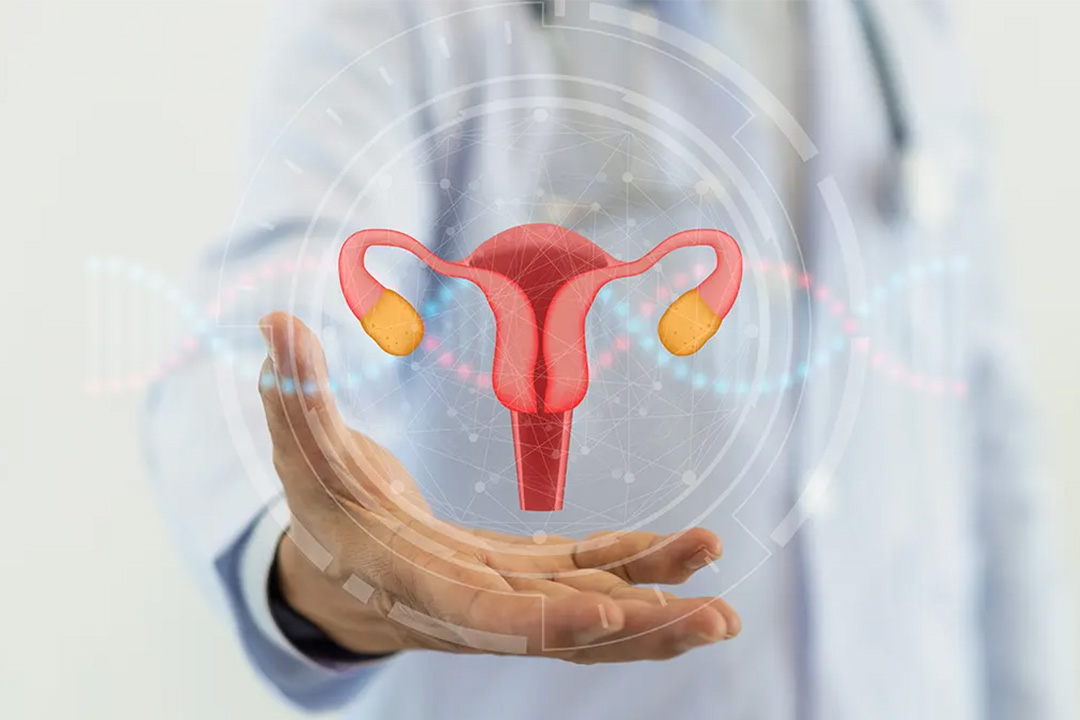
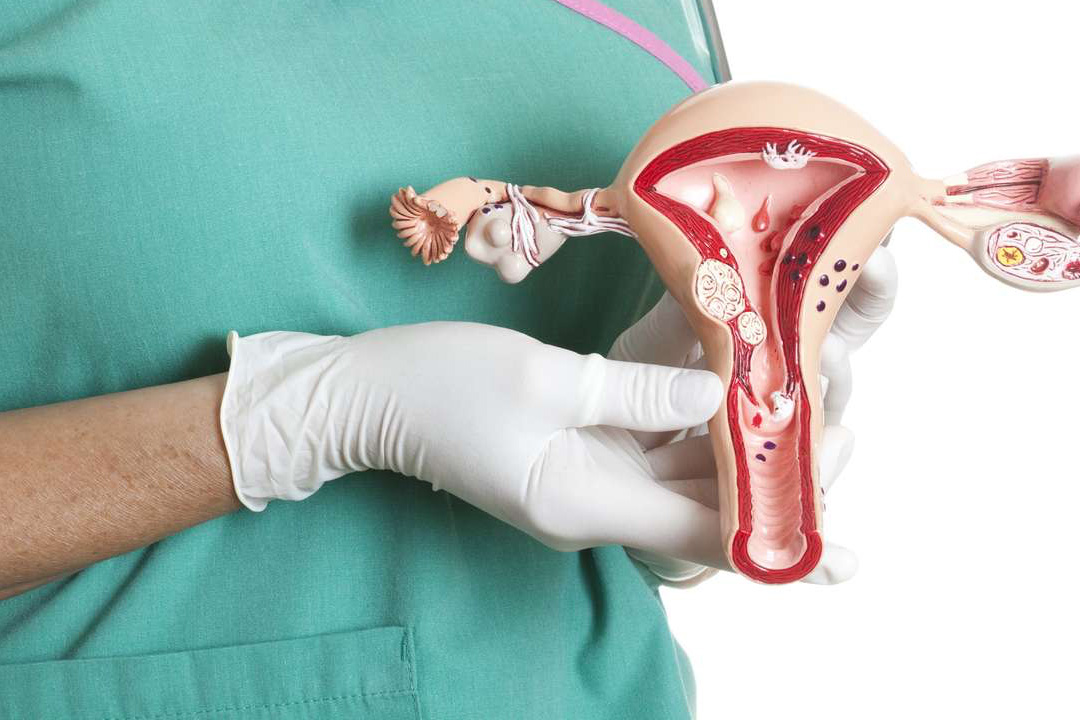
The uterus is extremely important to a woman's reproductive and hormonal health. It is a muscular, pear-shaped organ that facilitates menstruation, fertilization, implantation, and pregnancy. Beyond reproduction, a healthy uterus helps with hormonal balance, pelvic stability, and overall well-being.
Some women, however, may have a smaller uterus than expected for their age or stage of development. This disorder, also known as a small, hypoplastic, or undeveloped uterus, can cause irregular periods, reproductive problems, and difficulty maintaining a pregnancy.
A small uterus does not usually create noticeable symptoms, and many women learn about it only via imaging tests, fertility evaluations, or normal health check-ups. While it may seem concerning, a small uterus is tolerable, and many people with this problem go on to have perfectly healthy lives and children.
Treatment is generally determined by the underlying reason, and can range from hormonal assistance to assisted reproductive technology. Women with a tiny uterus can have a very good prognosis with early diagnosis, personalized therapy, and frequent monitoring.
This guide covers all you need to know about a tiny uterus, including its causes, symptoms, diagnosis, treatment choices, and long-term consequences.
What a Small Uterus?
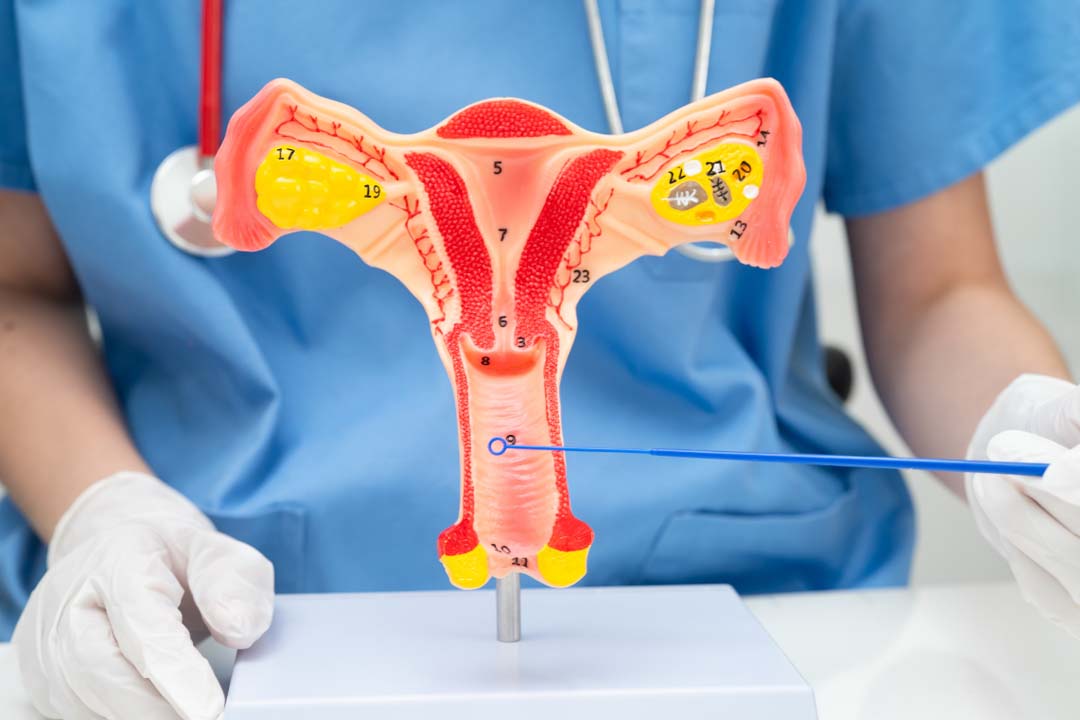
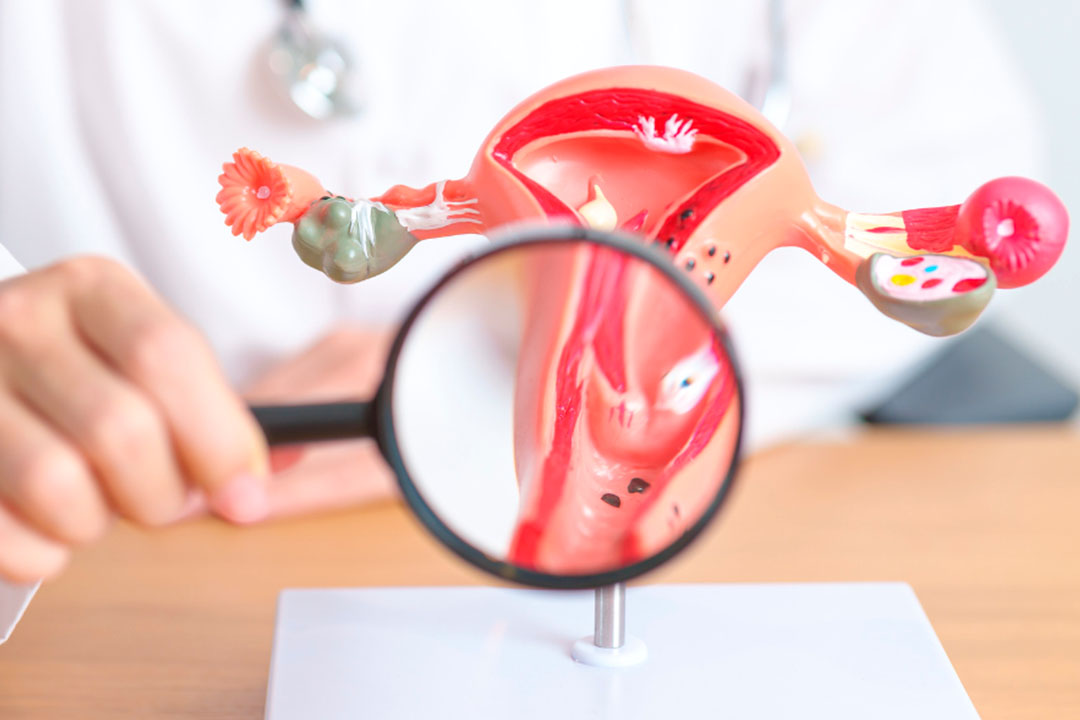
A small uterus refers to a uterus whose size is below the expected range for a woman’s age and developmental stage. In most adults, the average uterus measures around 7–8 cm in length, 4–5 cm in width, and 2–3 cm in thickness. A uterus significantly smaller than this may be termed hypoplastic.
The size alone does not determine reproductive outcomes. Some women with a mildly small uterus conceive naturally, while others may require medical assistance. The degree of under-development and the cause behind it are the key factors influencing treatment.
Common Causes Behind a Small Uterus
A small uterus usually develops due to factors that affect hormonal balance, genetic development, or growth during childhood or puberty.
1. Congenital Conditions:
Some women are born with reproductive tract anomalies that affect uterine size. Examples include:
- Turner syndrome, where one X chromosome is partially or completely missing.
- Müllerian duct anomalies, where the uterus does not form fully during fetal development.
2. Hormonal Deficiencies:
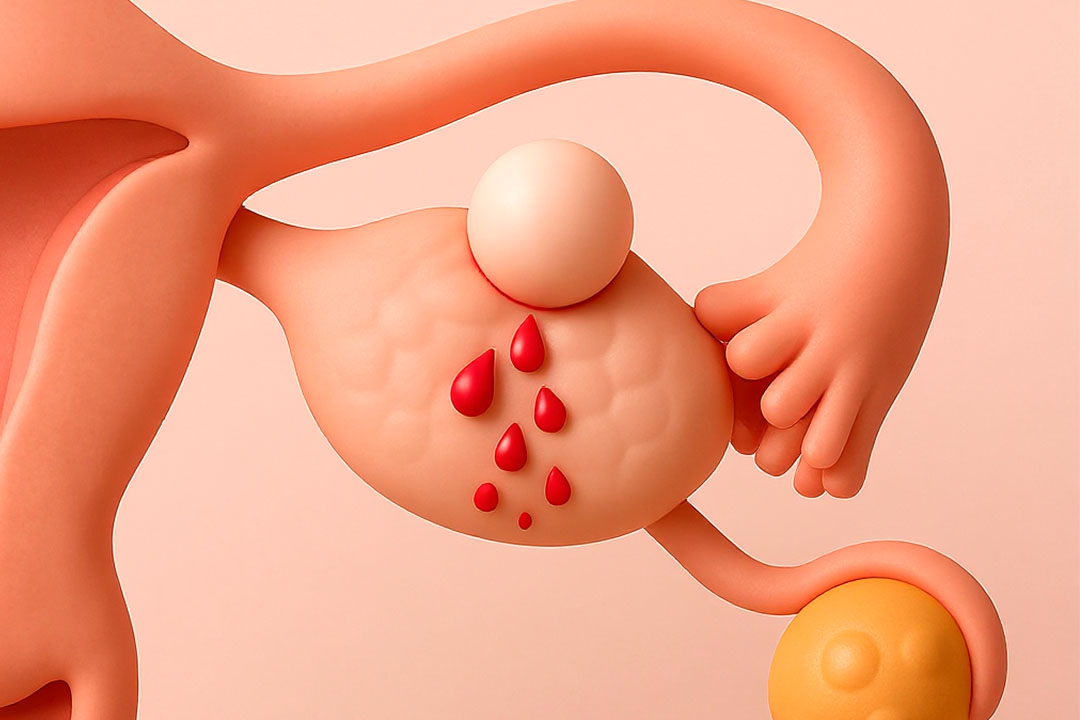
The uterus requires estrogen and other reproductive hormones to develop during puberty. Low hormone levels can hinder this growth and lead to a smaller uterus.
3. Childhood Medical Treatments:
Therapies such as radiation or certain chemotherapies may affect reproductive organ development.
4. Chronic Illness or Excessive Physical Stress:
Inadequate nutrition or extreme exercise during childhood can slow hormonal and physical maturation, which sometimes affects uterine development.
5. Genetic or Structural Variations:
Rarely, abnormalities in reproductive tract formation or specific genetic factors may contribute to a small uterus.
Small Uterus Symptoms
Many women with a small uterus have no noticeable symptoms. However, when symptoms appear, they may include:
- Irregular or infrequent periods
- Very light or absent menstruation
- Difficulty getting pregnant
- Recurrent miscarriages or early pregnancy loss
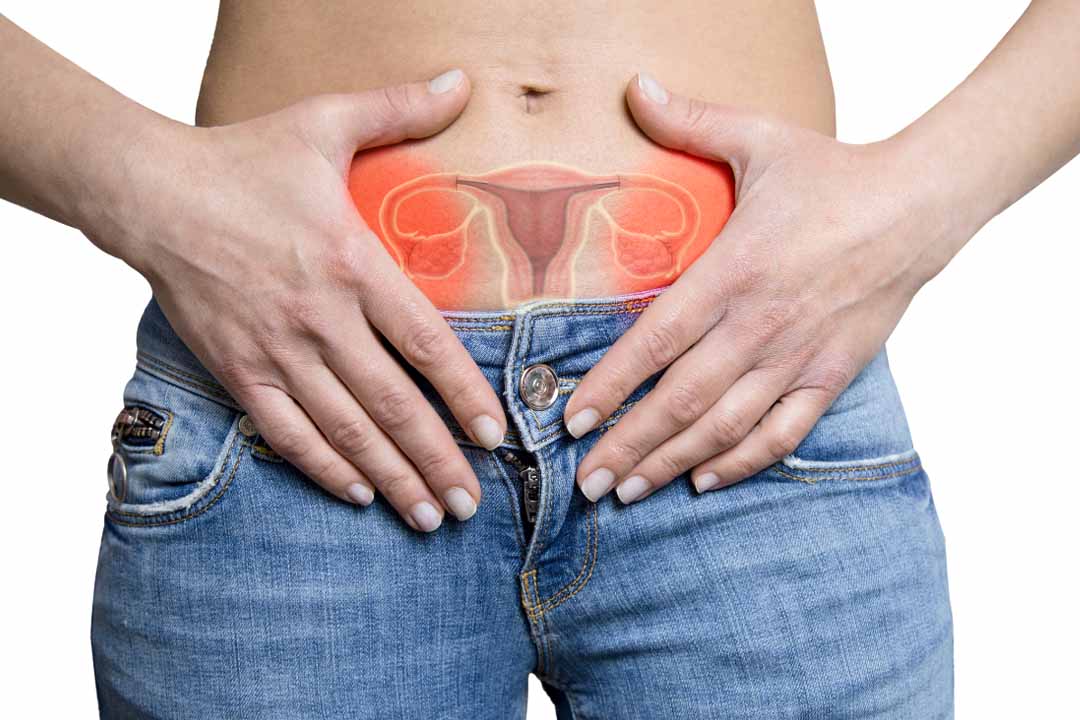
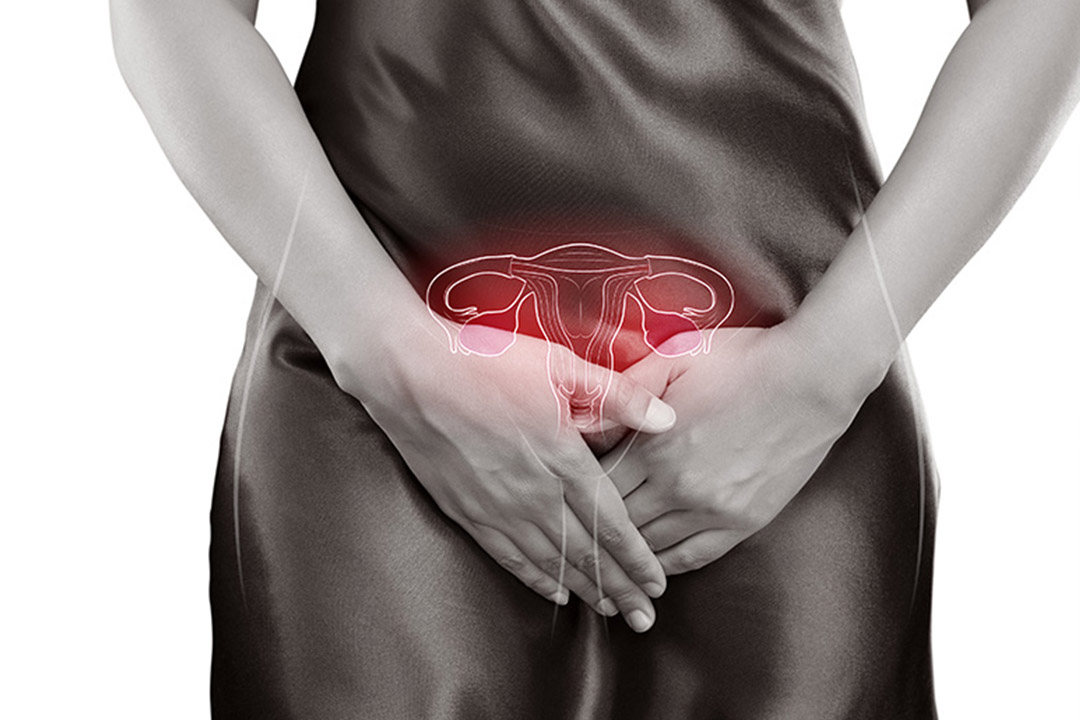
- Pelvic discomfort
The symptoms often depend on how underdeveloped the uterus is and whether the ovaries are functioning normally.
How hormonal therapy helps for Small Uterus
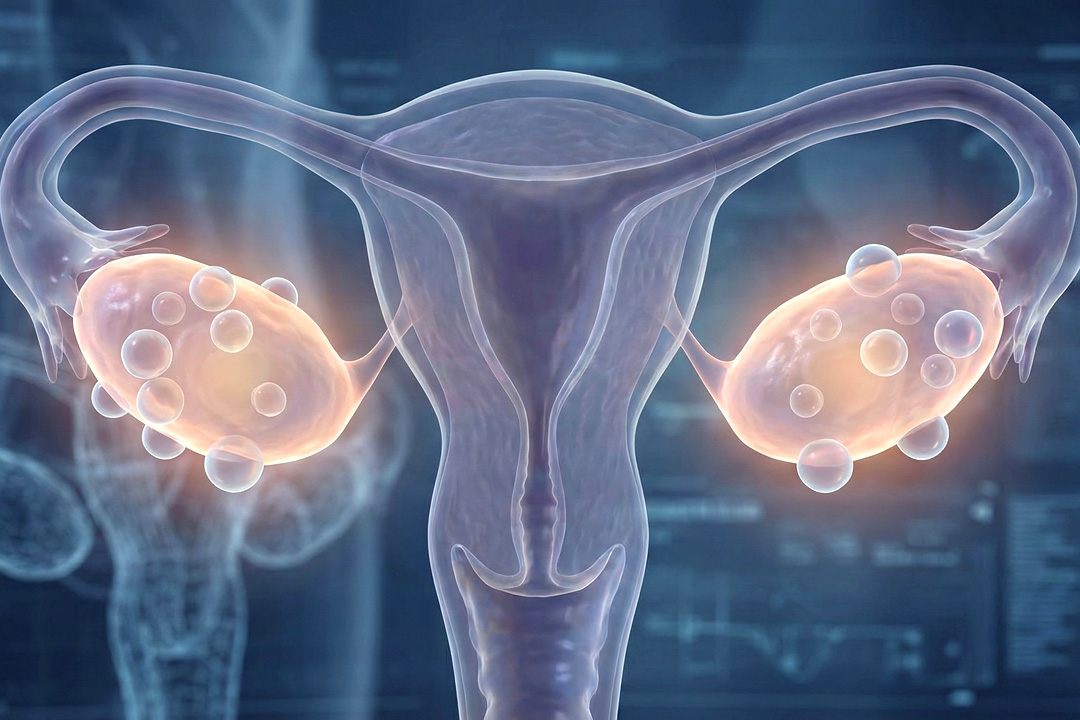
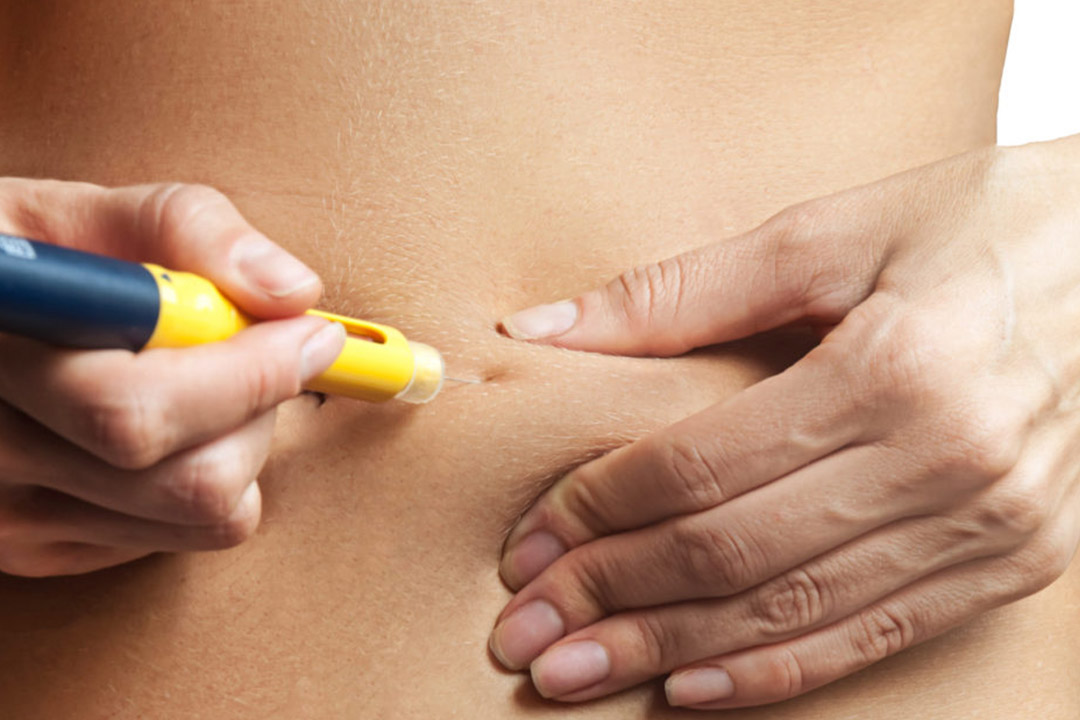
Estrogen and progesterone play a crucial role in uterine growth. When these hormones are replaced or supplemented under medical supervision, the uterus may increase in size and function more effectively.
Other supportive measures
- Balanced nutrition helps support hormonal function.
- Managing chronic conditions can improve overall reproductive health.
- Moderate exercise supports healthy hormone levels.
However, enlargement is most effective when treatment begins early. Congenital conditions may not respond as strongly, but treatment can still improve menstrual regularity and fertility outcomes.
Small Uterus and Pregnancy: What to Expect
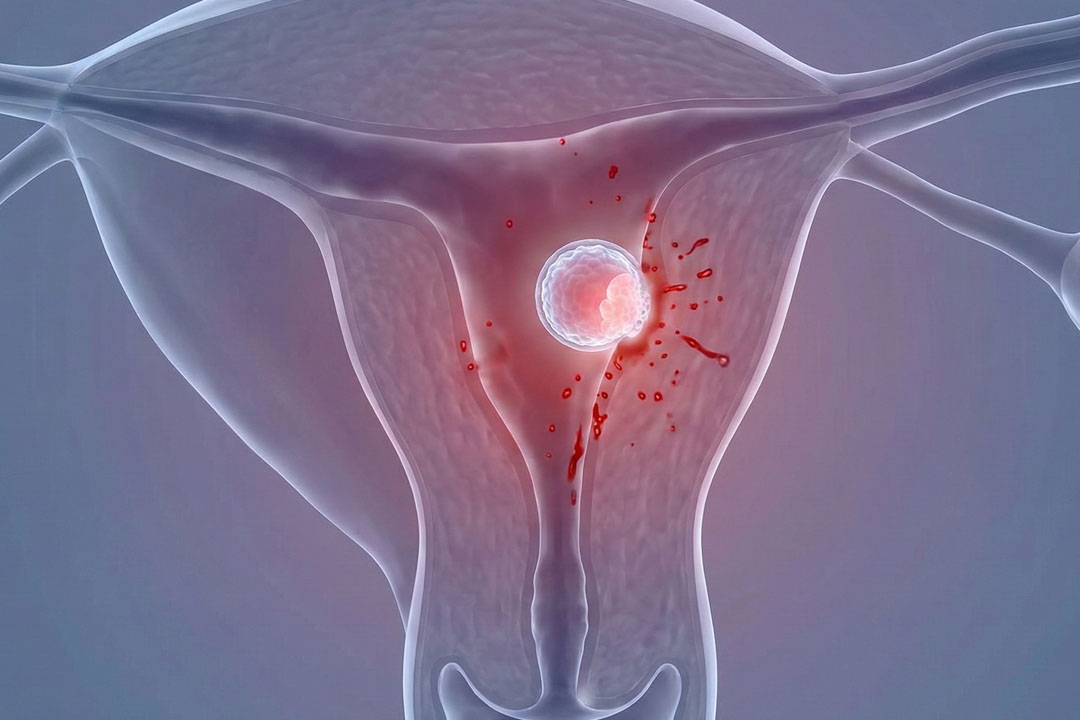
A small uterus does not automatically prevent pregnancy. Many women with mild uterine hypoplasia conceive naturally. However, certain challenges may arise, such as:
- Difficulty conceiving due to a thin uterine lining
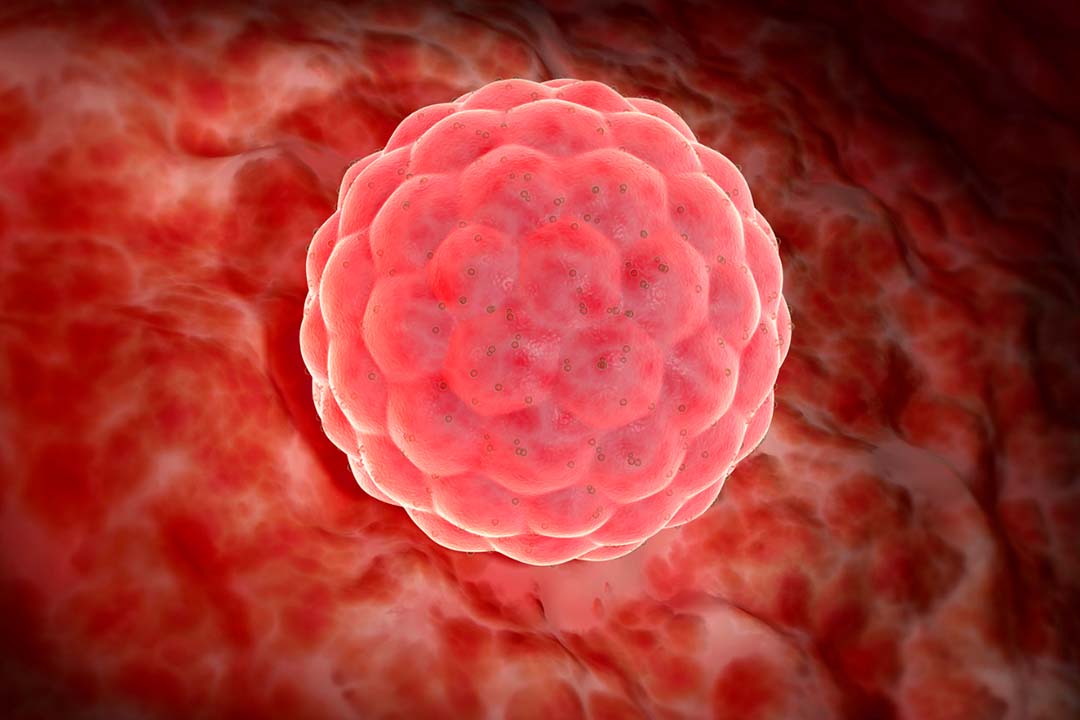
- Higher chance of miscarriage if implantation is inadequate
- Risk of preterm labour in some cases
With fertility support, hormonal treatment, and close monitoring during pregnancy, many women achieve healthy outcomes. Early prenatal care and regular ultrasound assessments become particularly important.
Possible Side Effects of Having a Small Uterus
Not every woman will experience complications, but the following are possible:
- Infertility or difficulty conceiving
- Irregular menstruation
- Lower estrogen levels, which may affect bone health
- Higher risk of early pregnancy loss
- Challenges sustaining embryo implantation
- Emotional stress related to delayed fertility
These effects depend heavily on the underlying cause and overall reproductive health. The good news is that many of these concerns can be managed with medical care.
Diagnosing a Small Uterus
A proper diagnosis requires a combination of tests:
1. Medical History and Physical Examination: A gynaecologist evaluates overall health, menstrual history, and any symptoms.
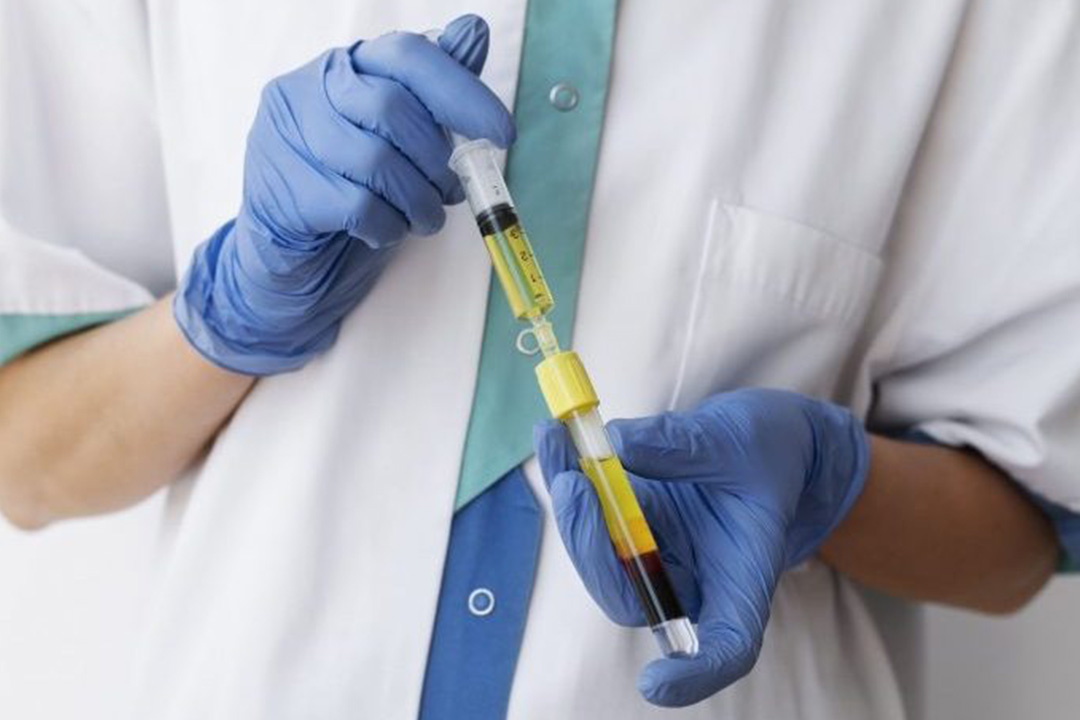
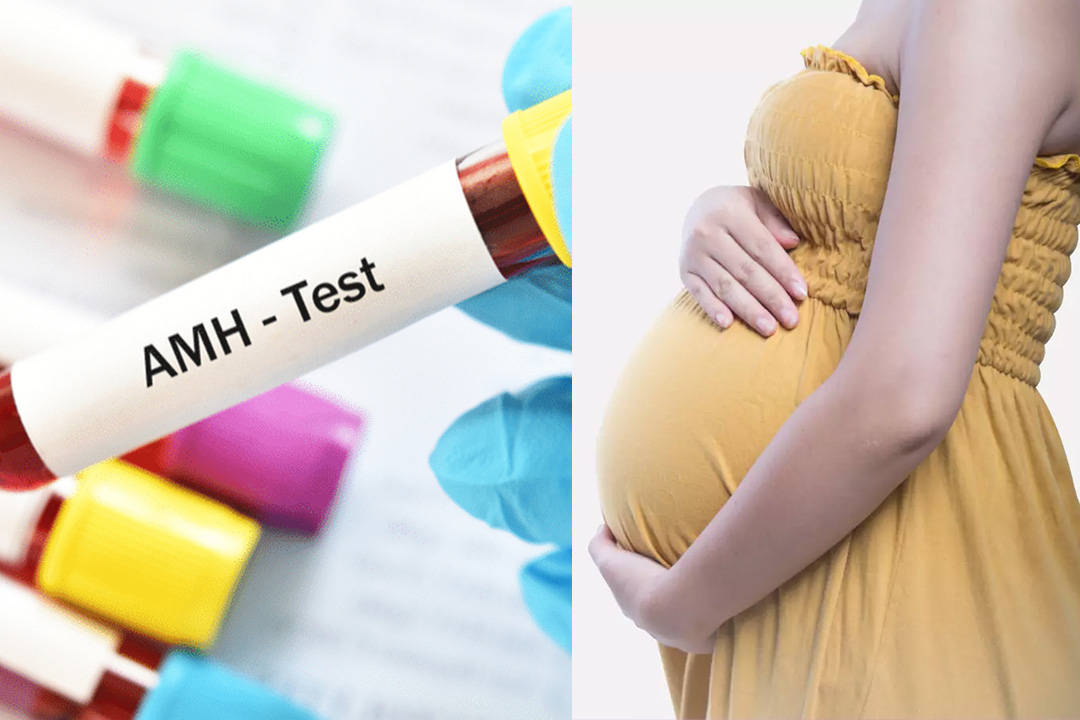
2. Hormone Testing
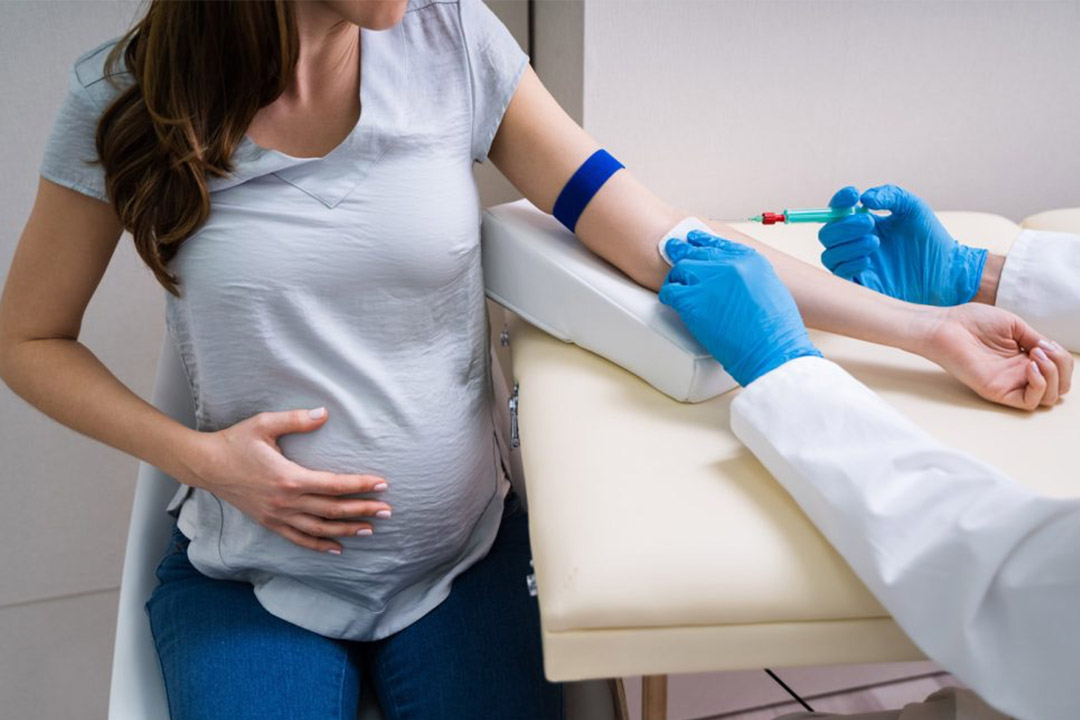
Blood tests help check levels of:
- Estrogen
- Follicle-stimulating hormone (FSH)
- Luteinizing hormone (LH)
- Thyroid hormones
These results can indicate whether hormones are contributing to uterine size.
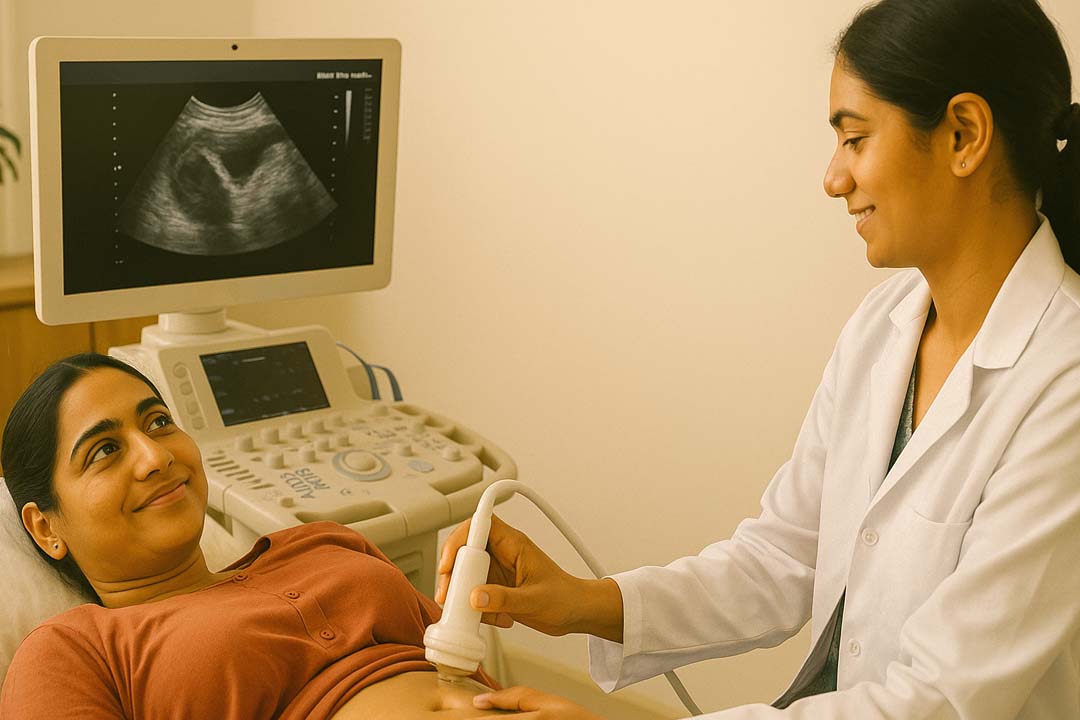
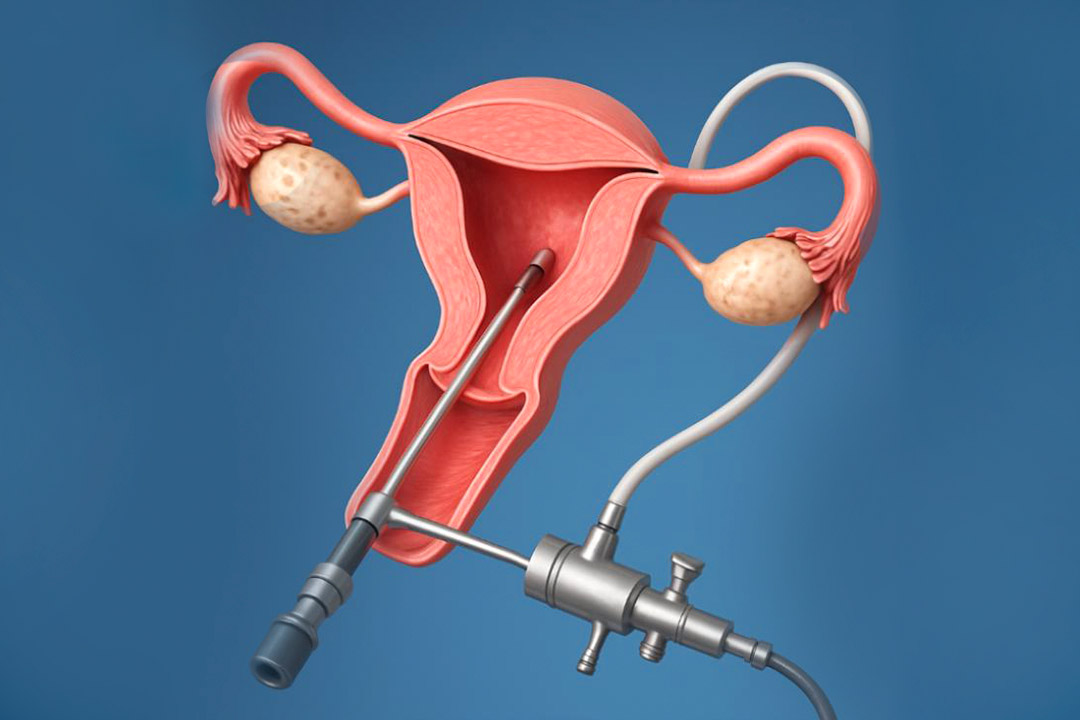
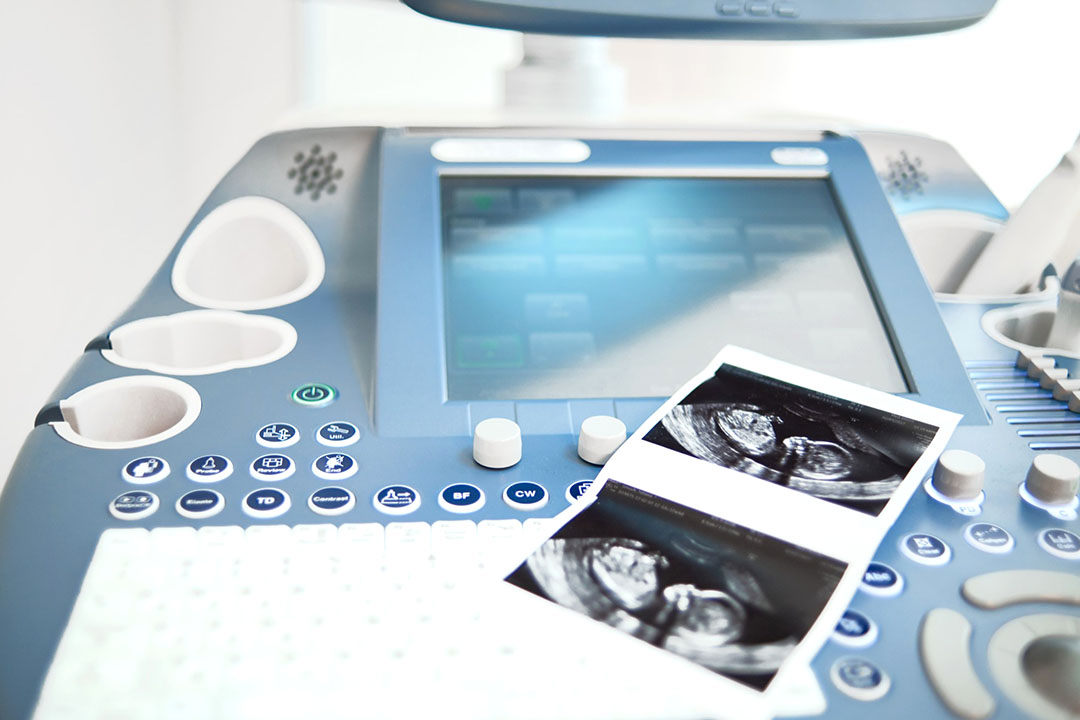
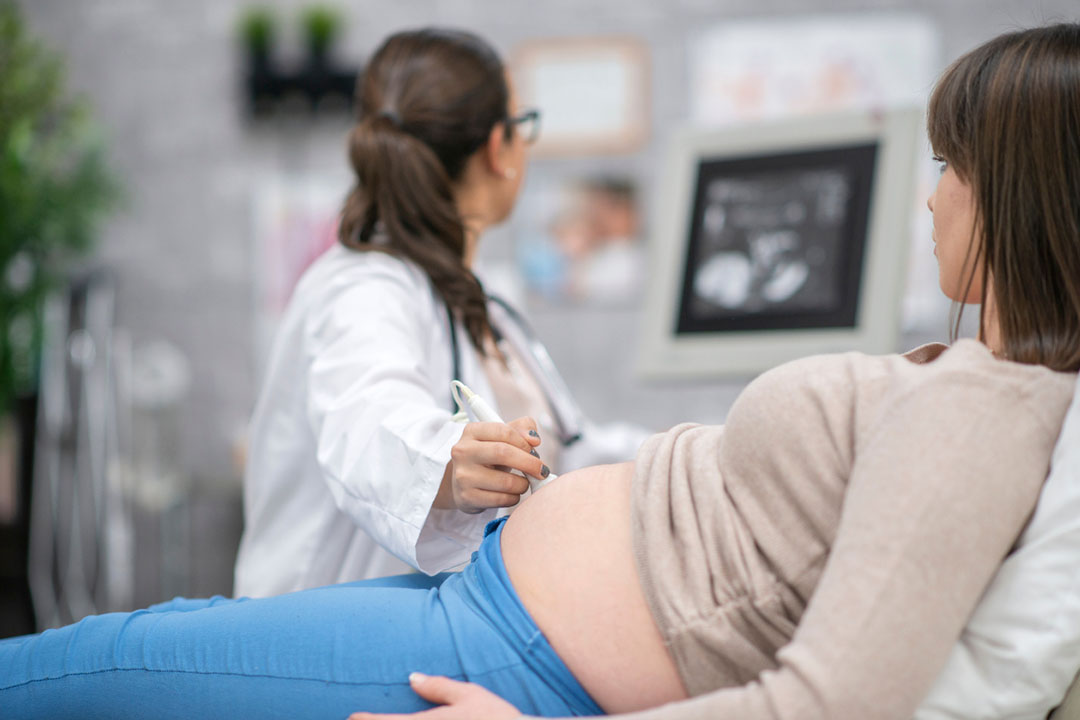
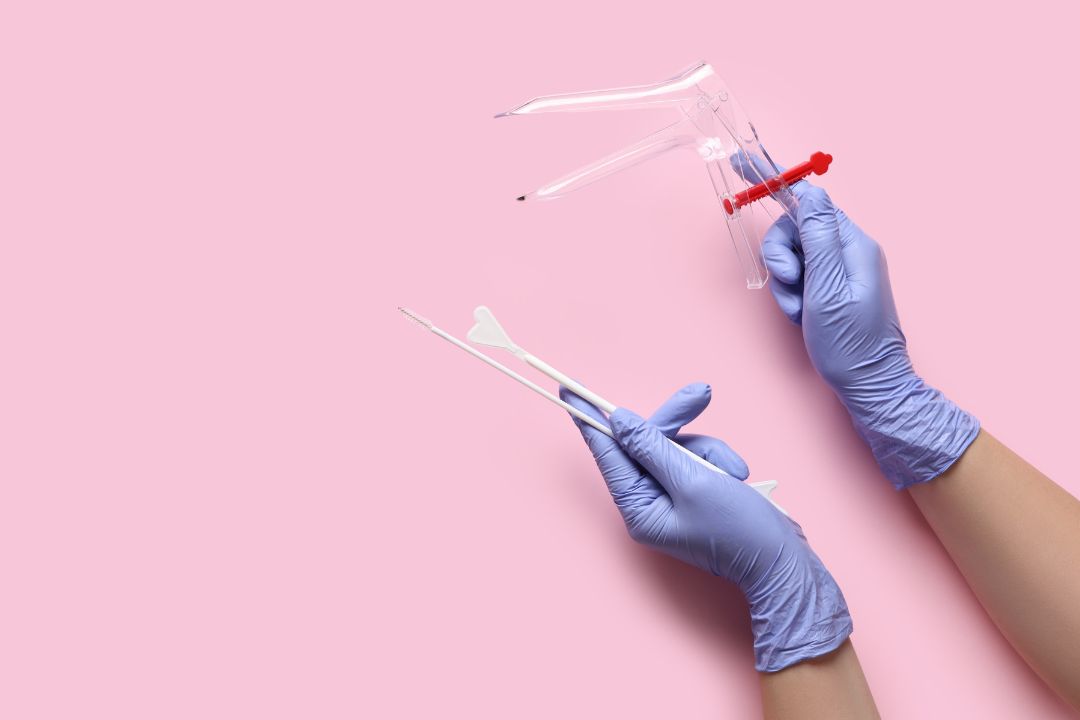
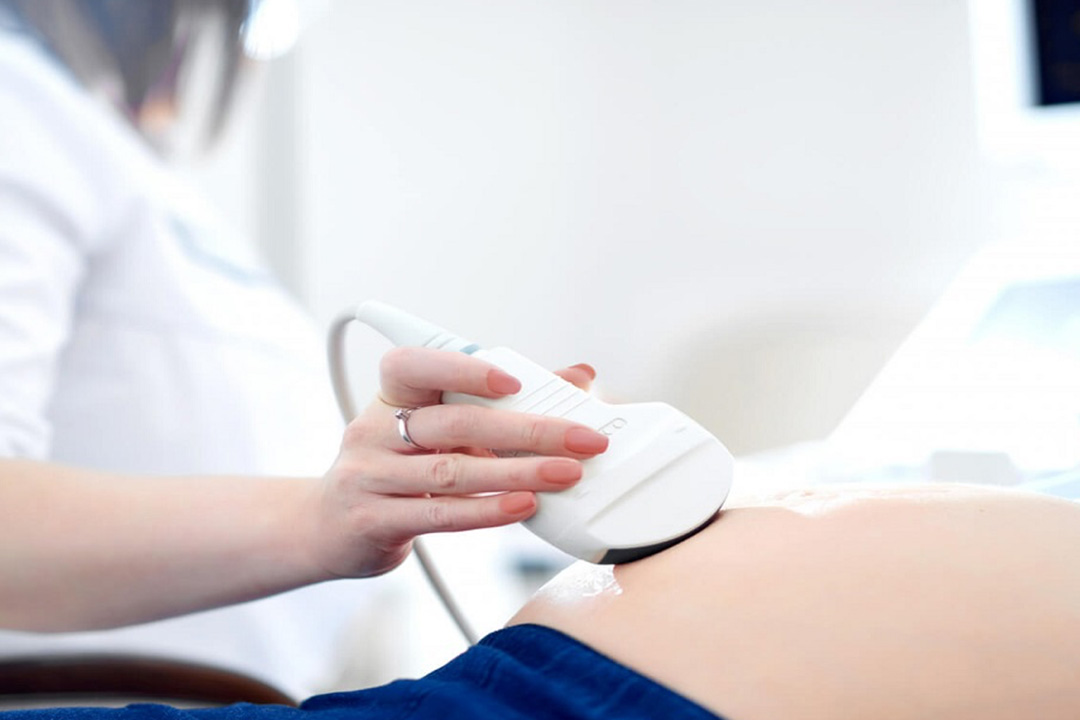
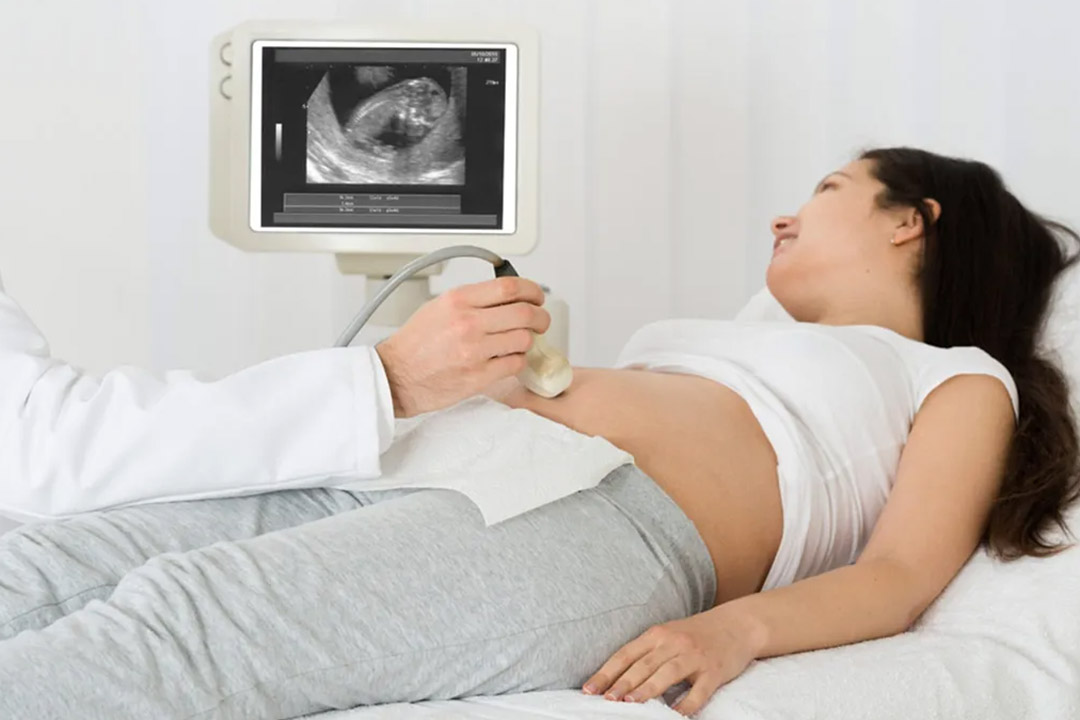
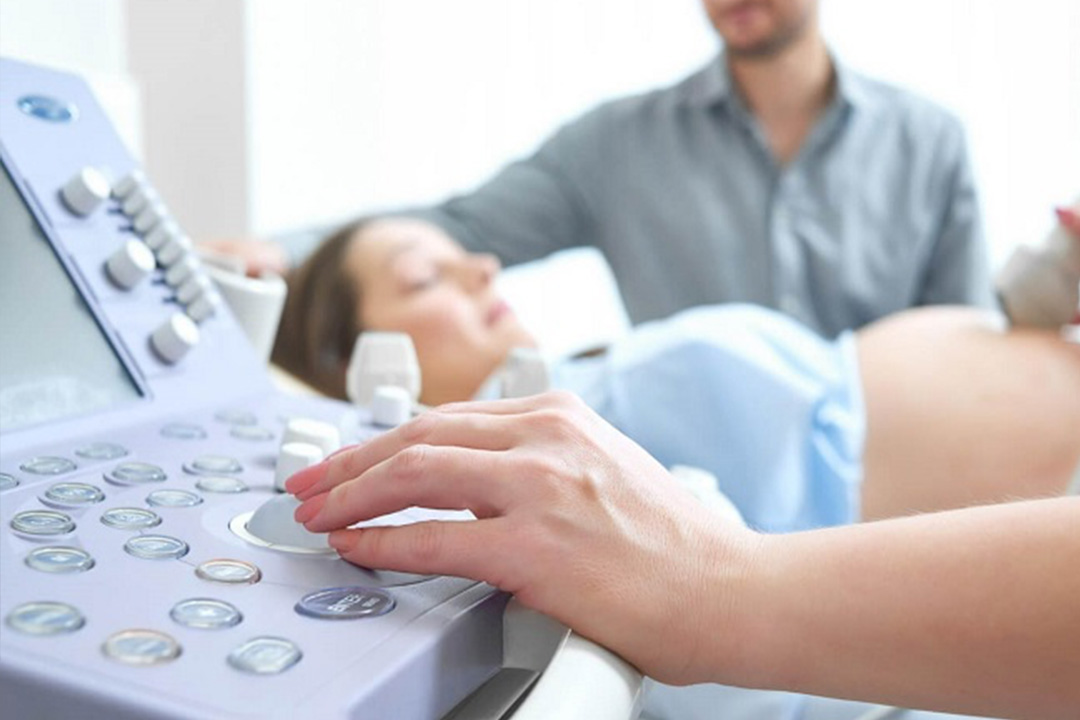
3. Pelvic Ultrasound: This is often the first imaging test used. It measures uterine length, width, and thickness and checks ovarian structure.
4. MRI: Used when detailed imaging is needed, especially for congenital anomalies.
5. Genetic Testing: Recommended when a congenital condition like Turner syndrome is suspected.
A comprehensive diagnosis helps decide the most effective treatment plan.
Treatment of a Small Uterus
Treatment depends entirely on the cause, the woman's age, and her reproductive goals.
1. Hormone Therapy
If the uterus is small due to low estrogen, hormone therapy is often the first line of treatment. This typically involves:
- Estrogen therapy to stimulate growth
- Progesterone to support normal menstrual cycles
Hormone therapy is usually safe when monitored and may significantly improve uterine size and function.
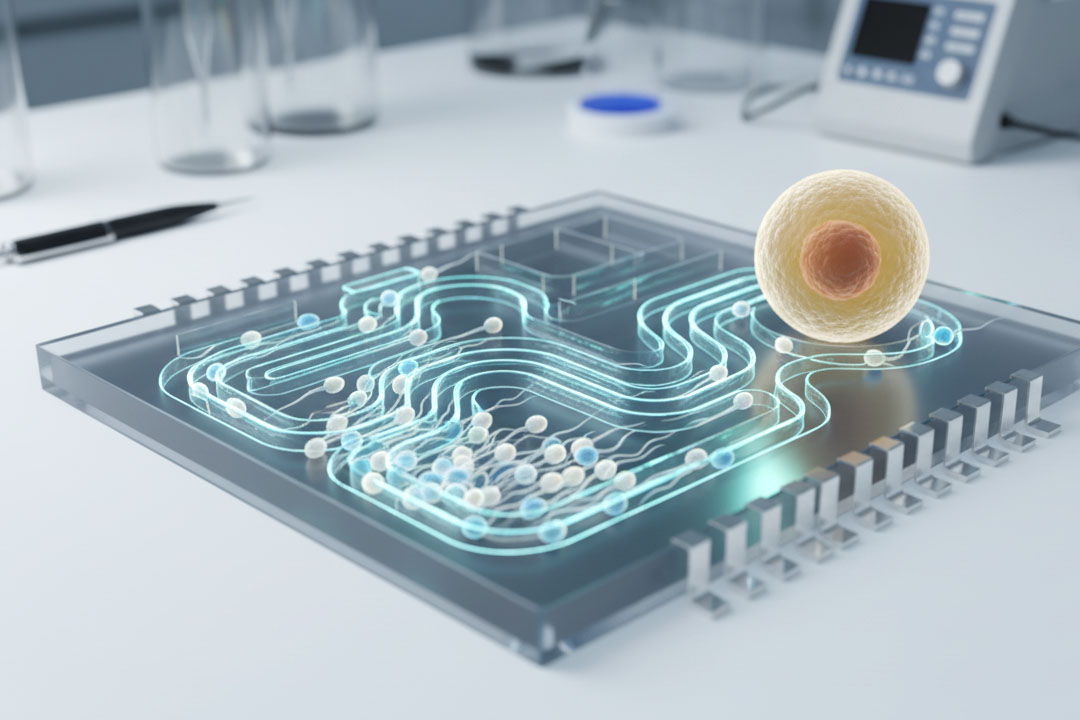
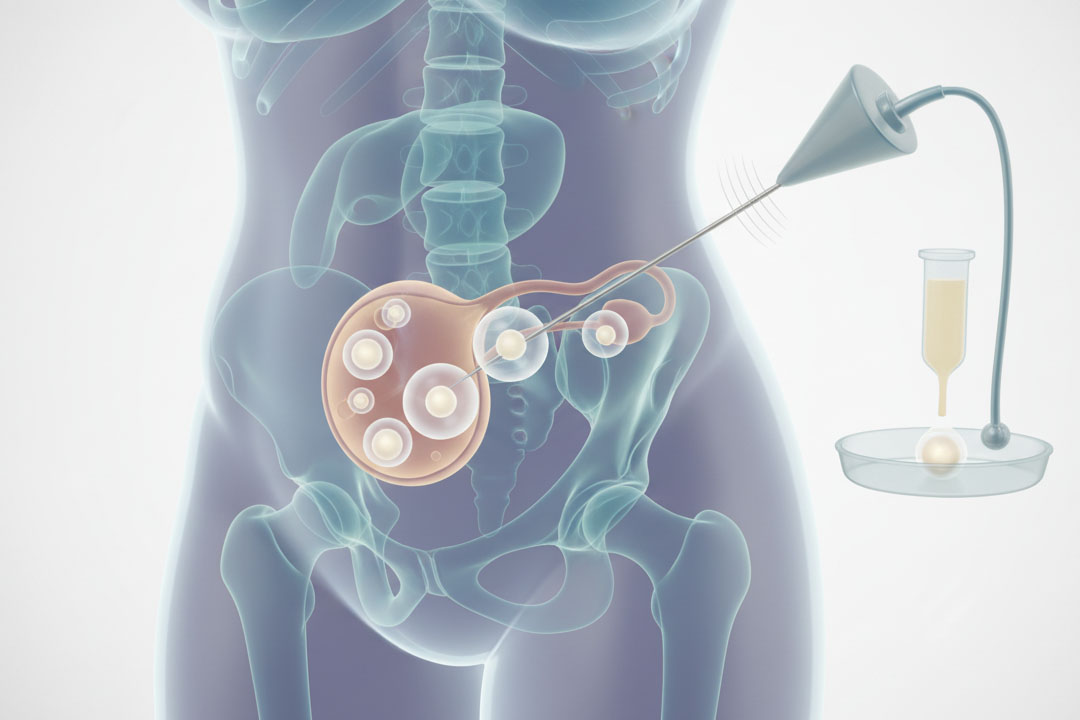
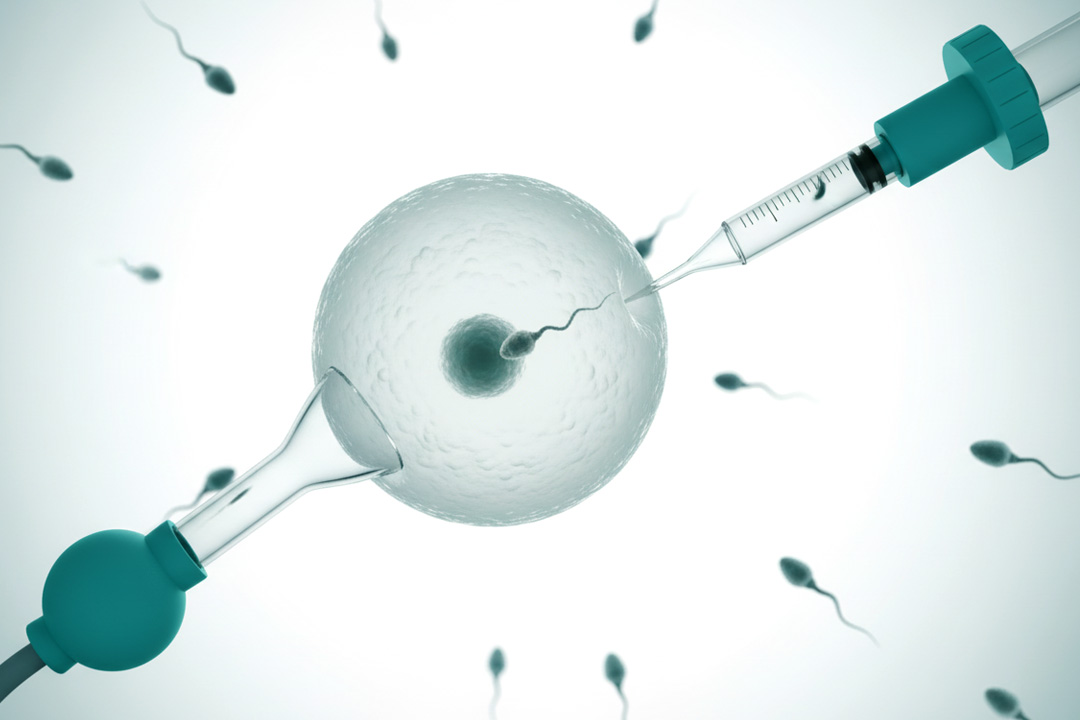
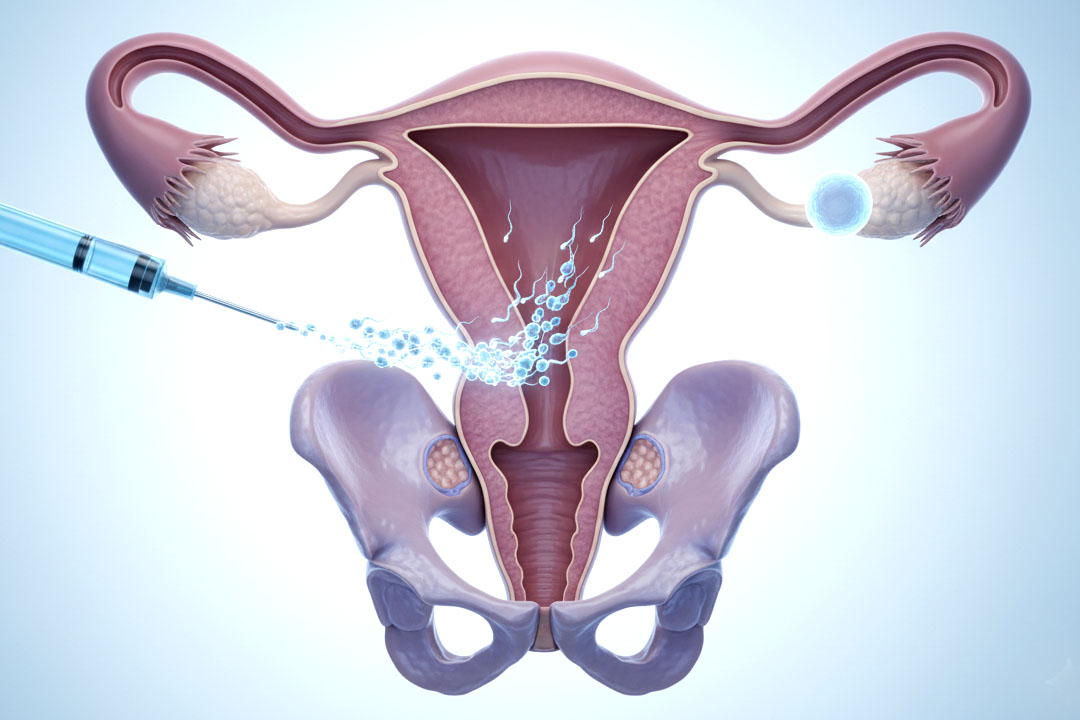
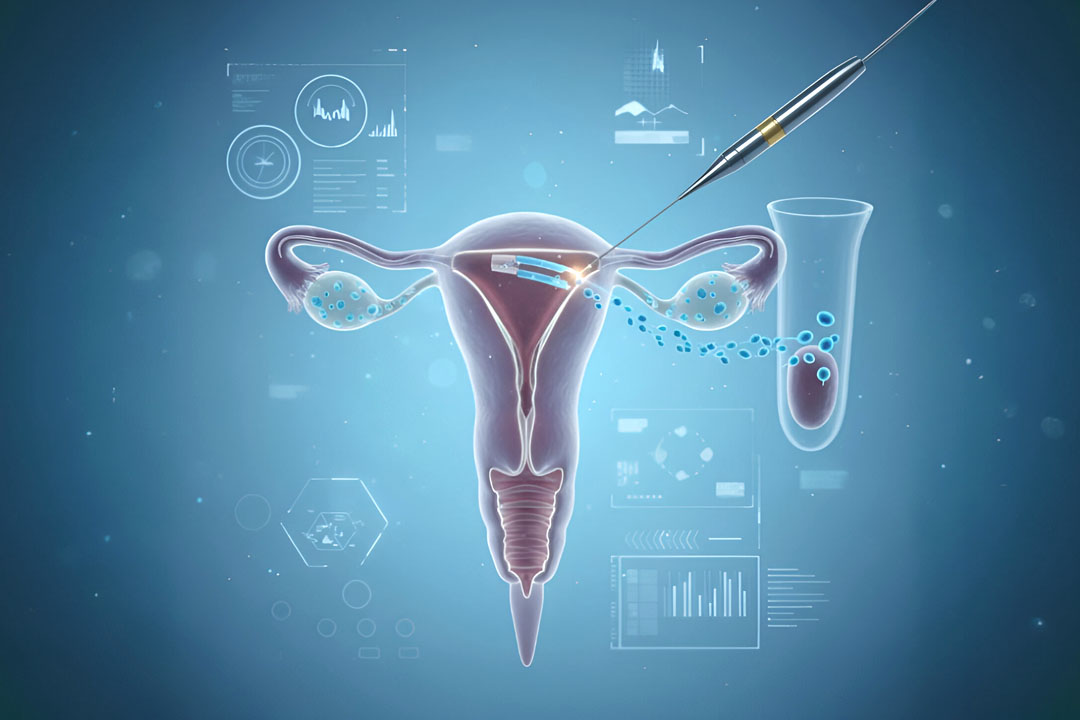
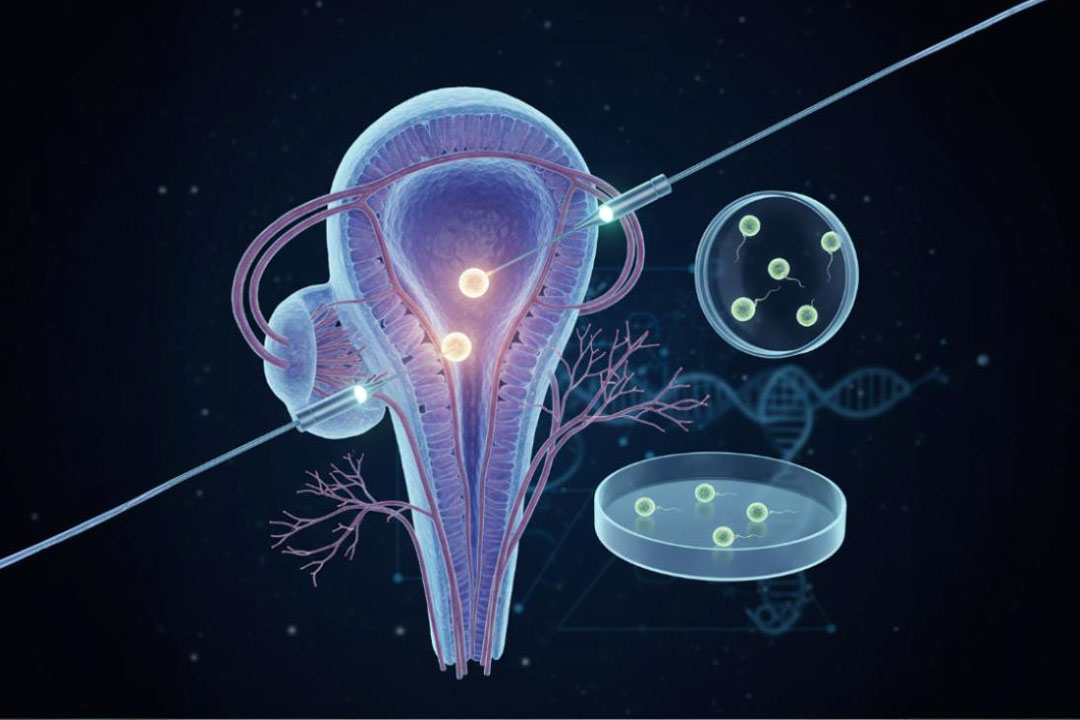
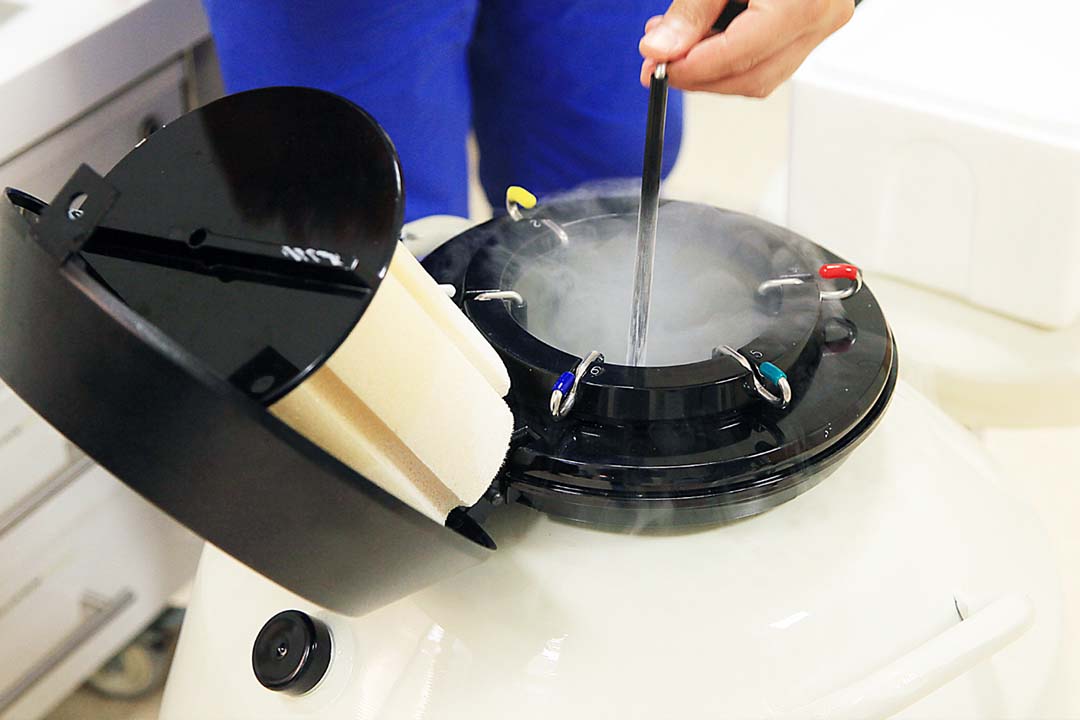
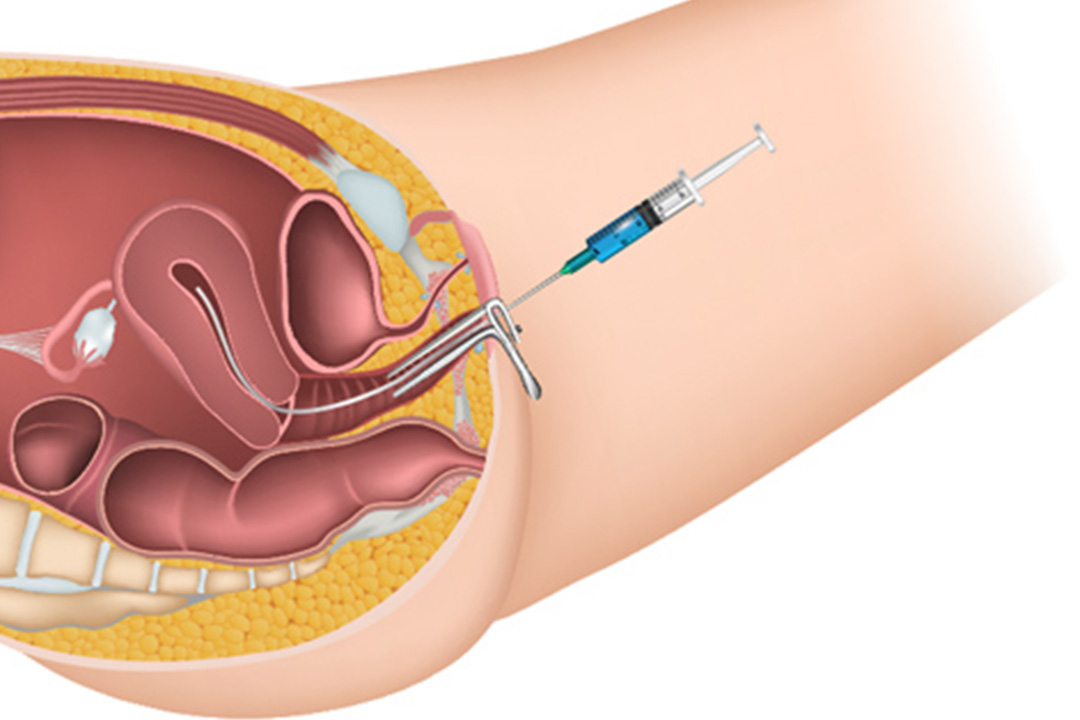
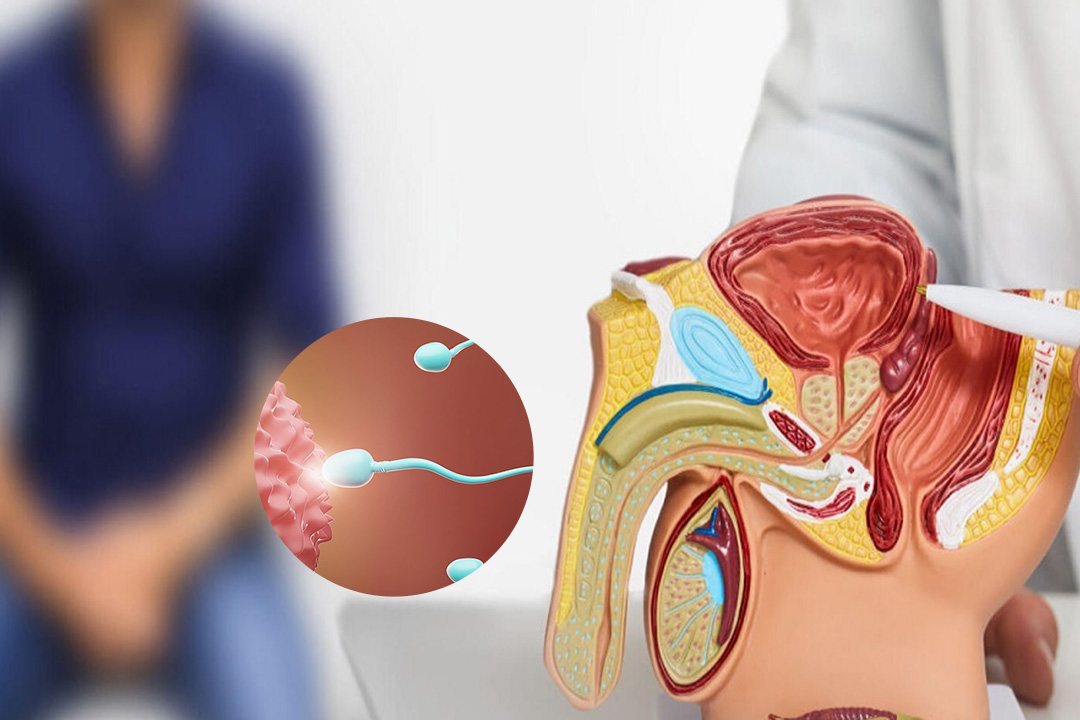
2. Fertility TreatmentsFor women trying to conceive, the following may be helpful:
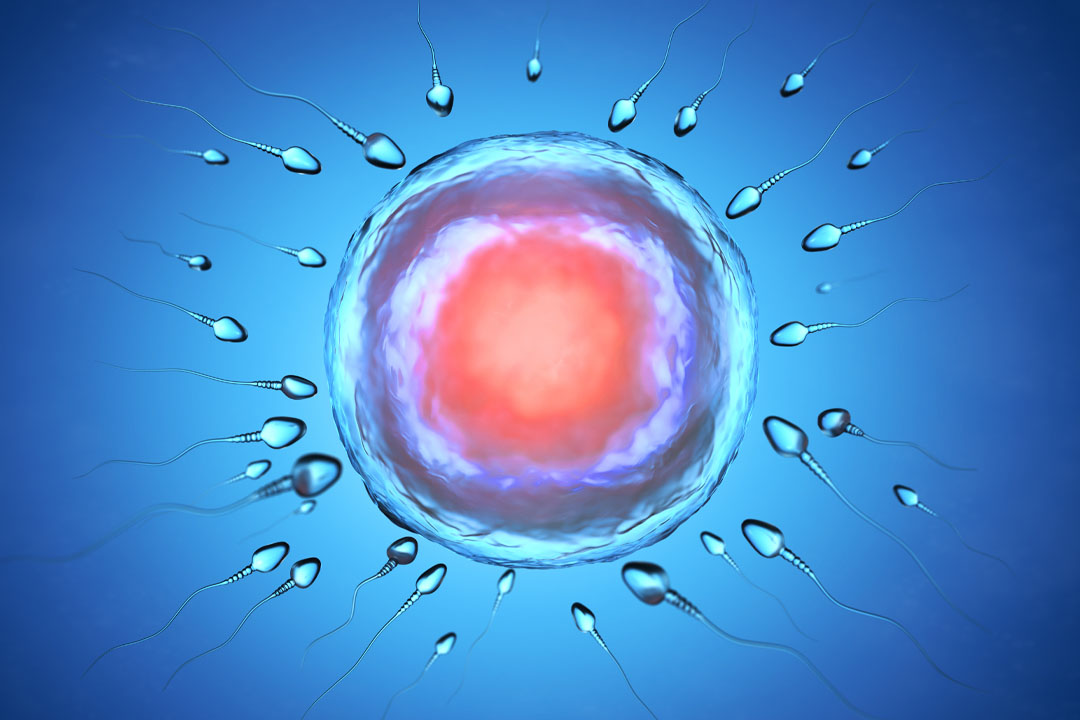
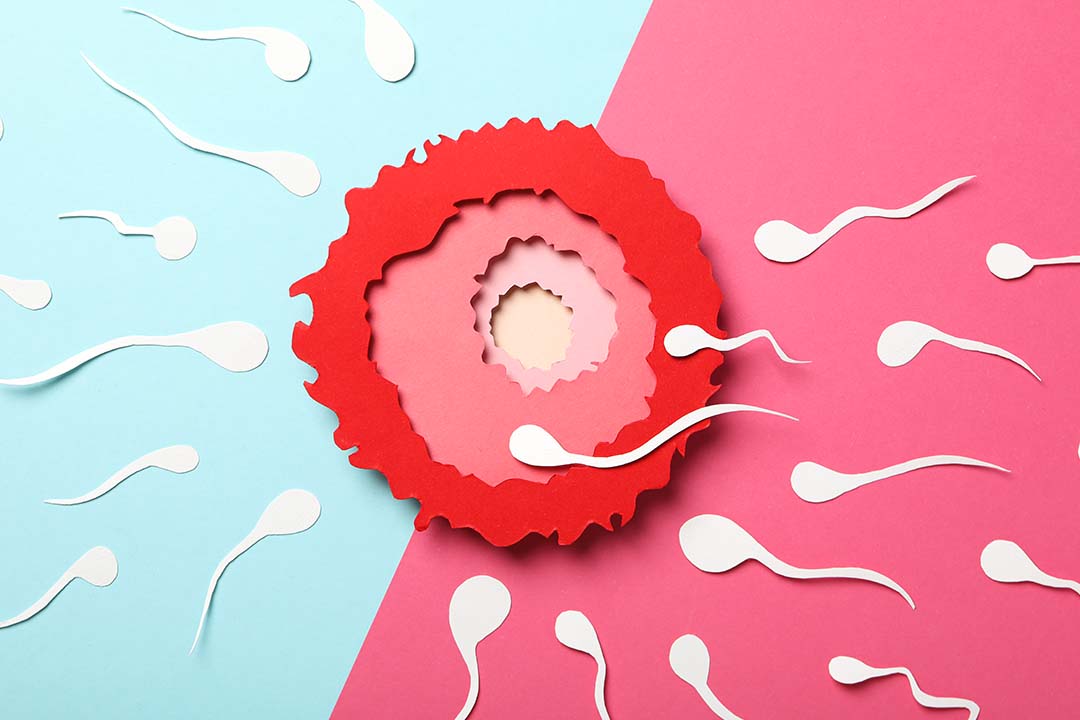
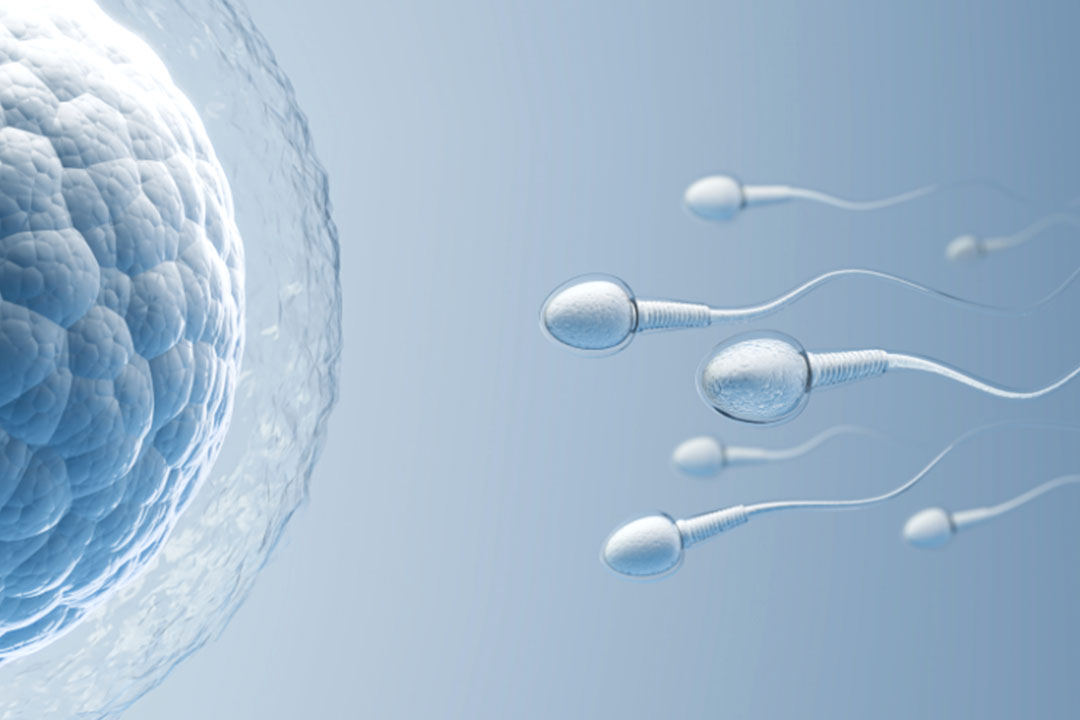
Helps place sperm closer to the egg and increases chances of fertilisation.
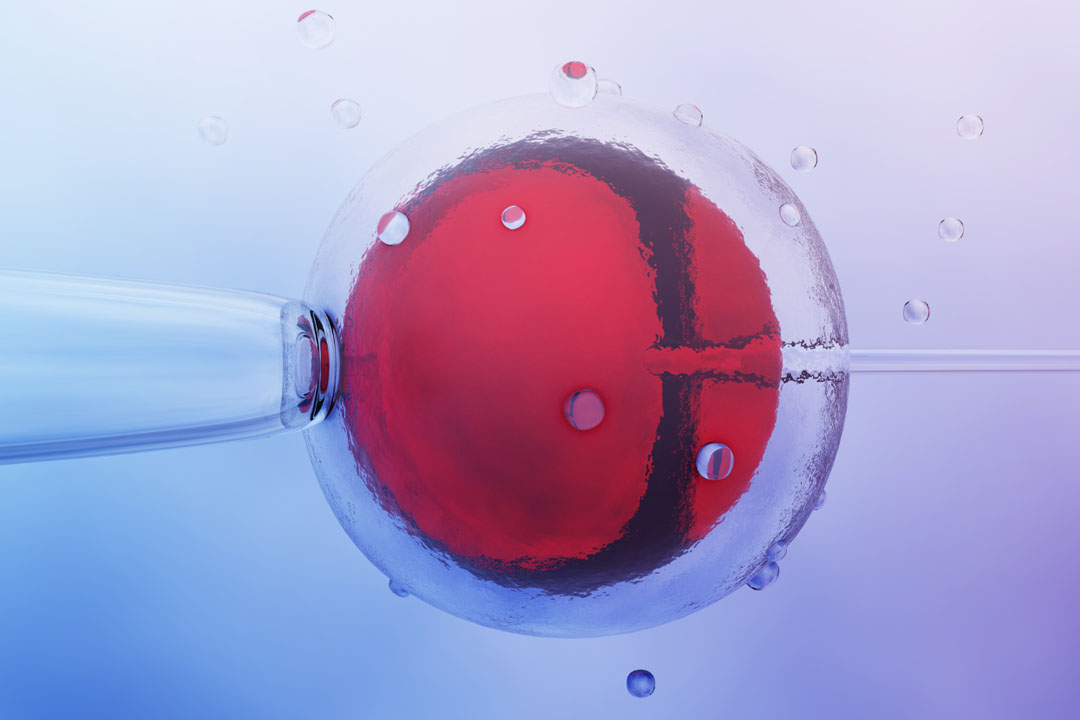
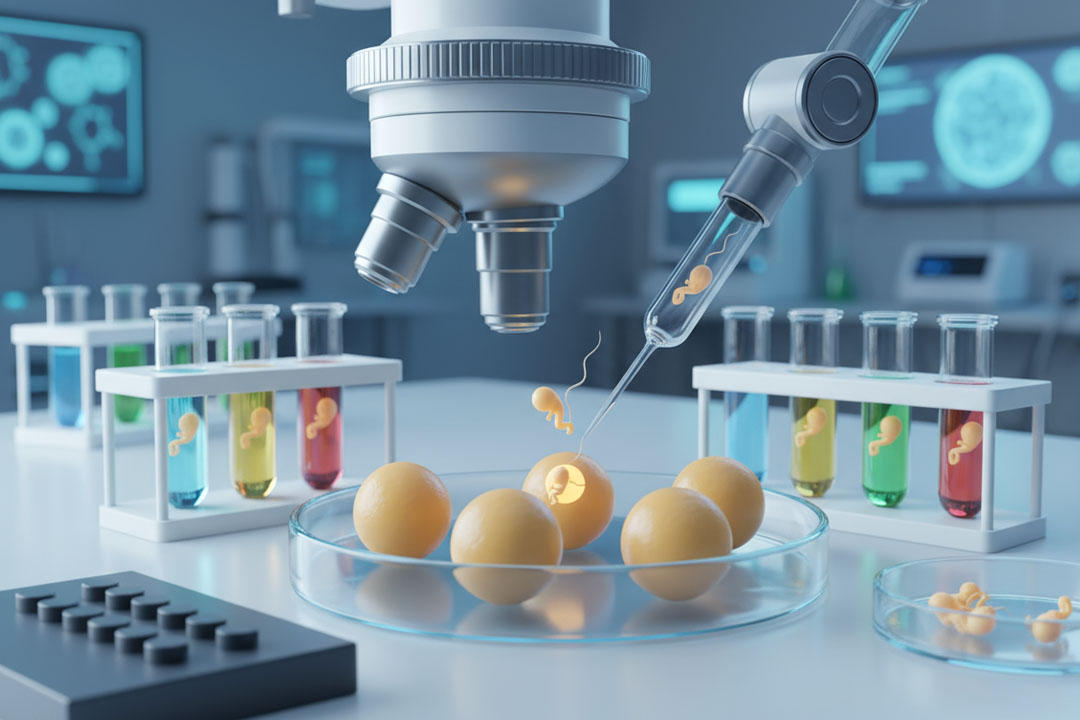
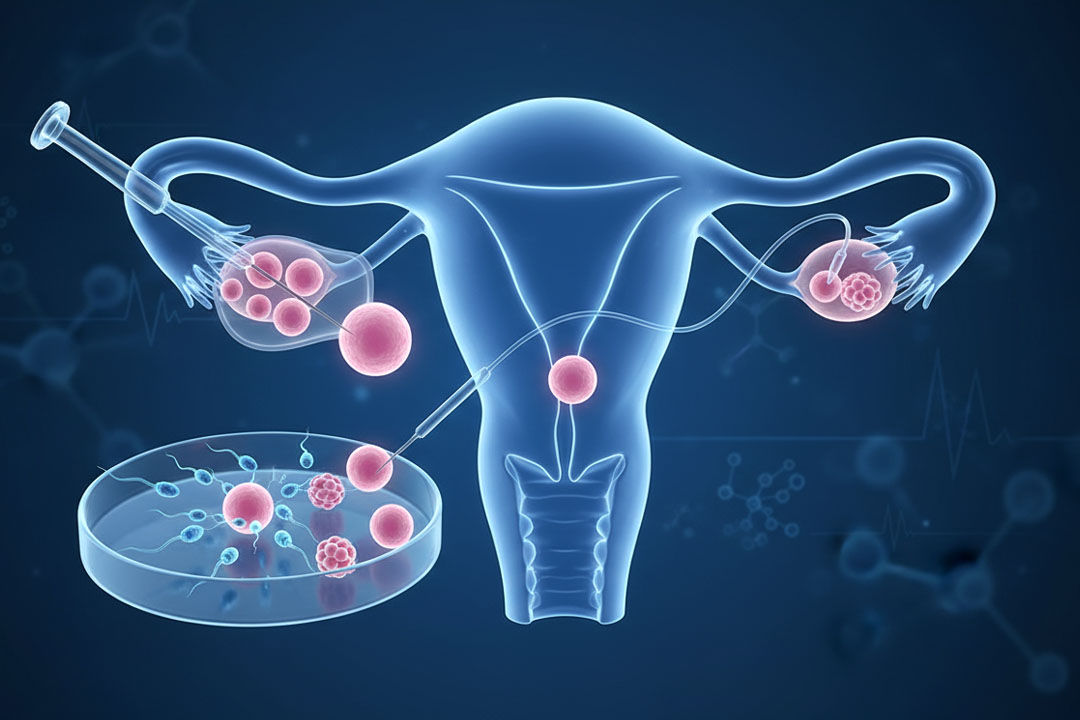
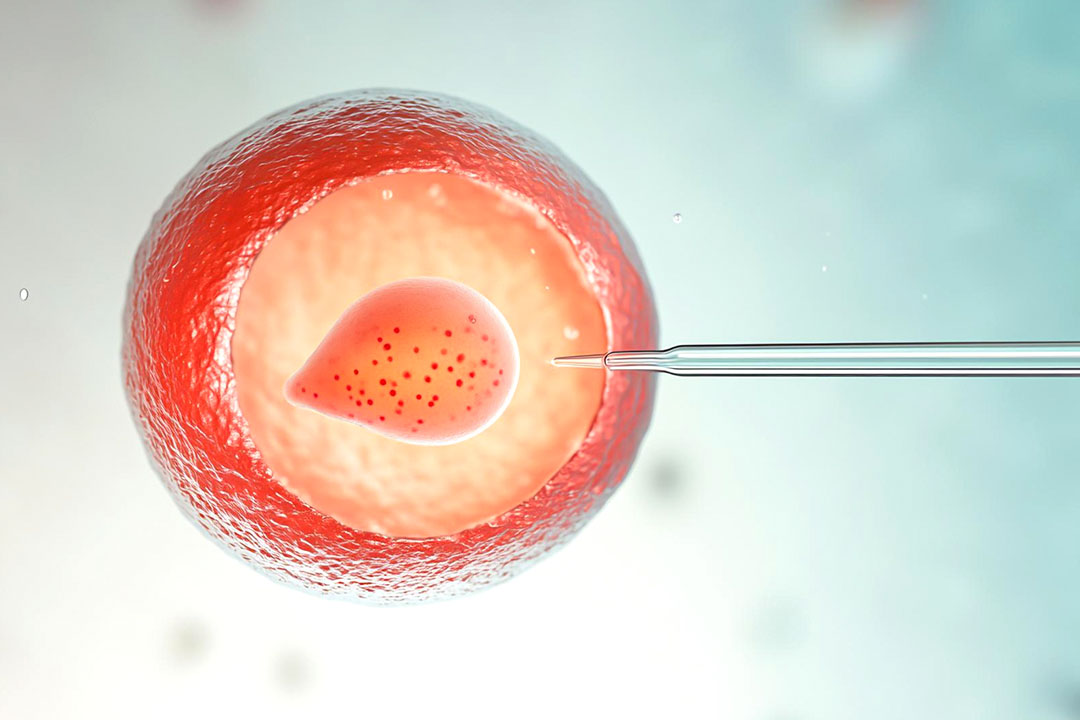
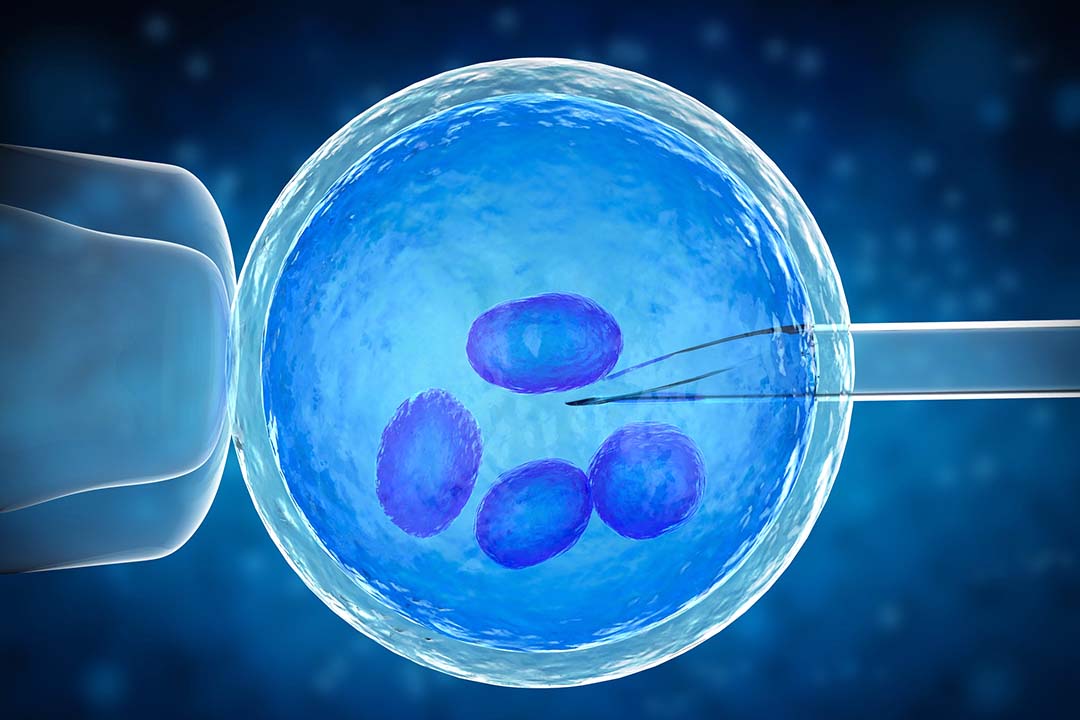
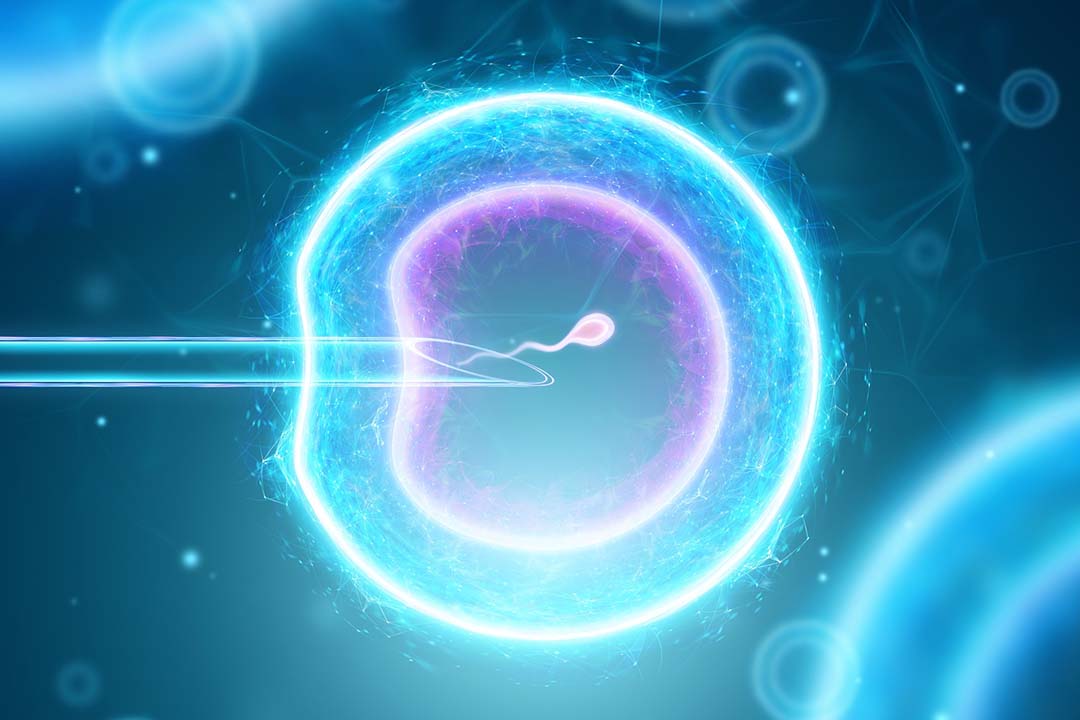
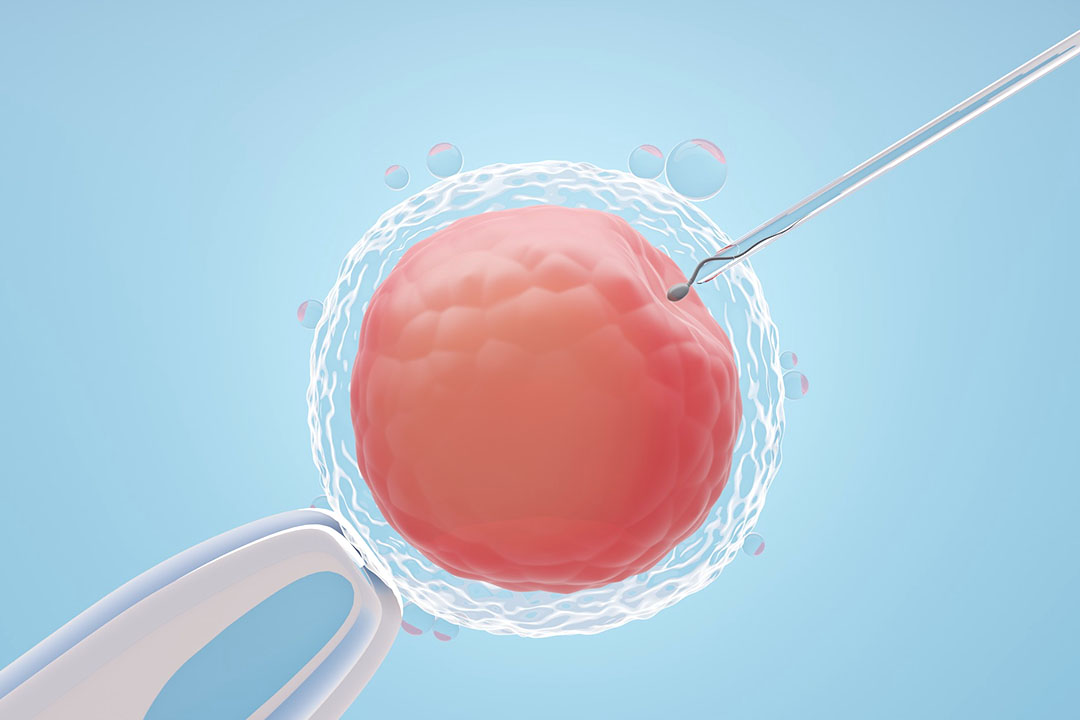
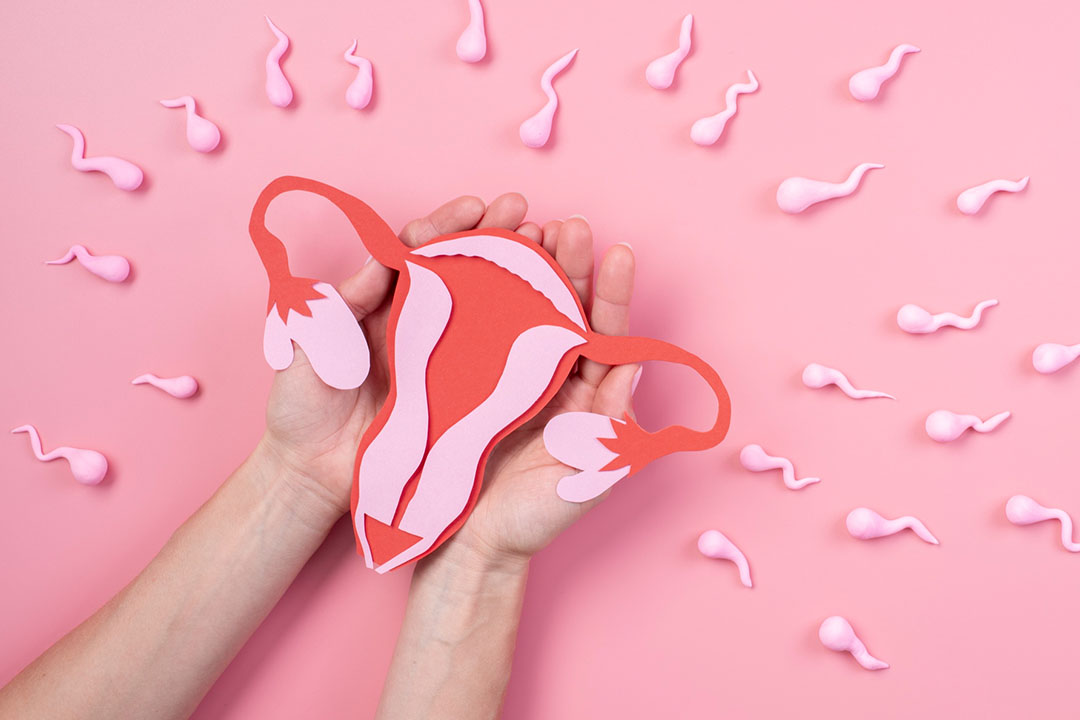
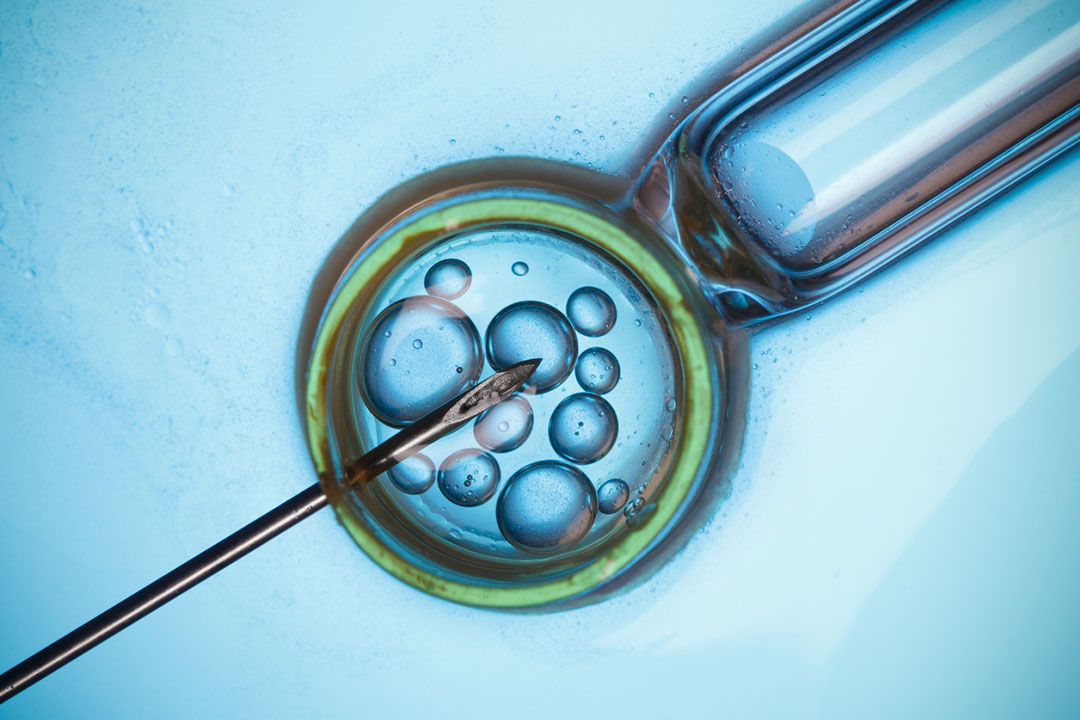
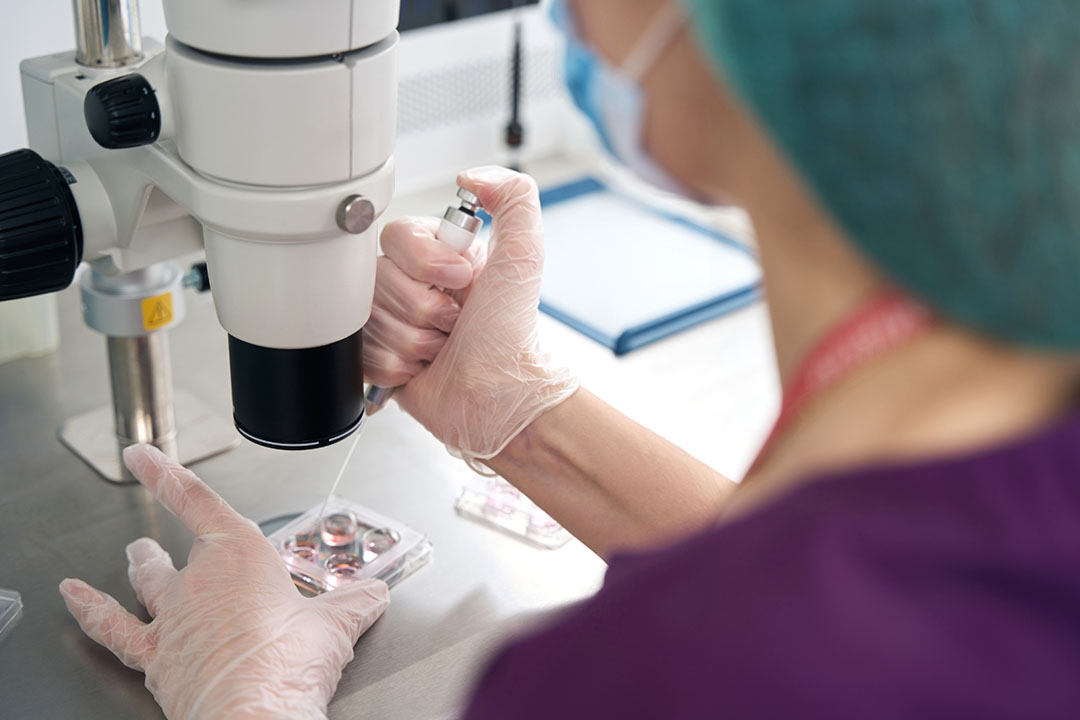
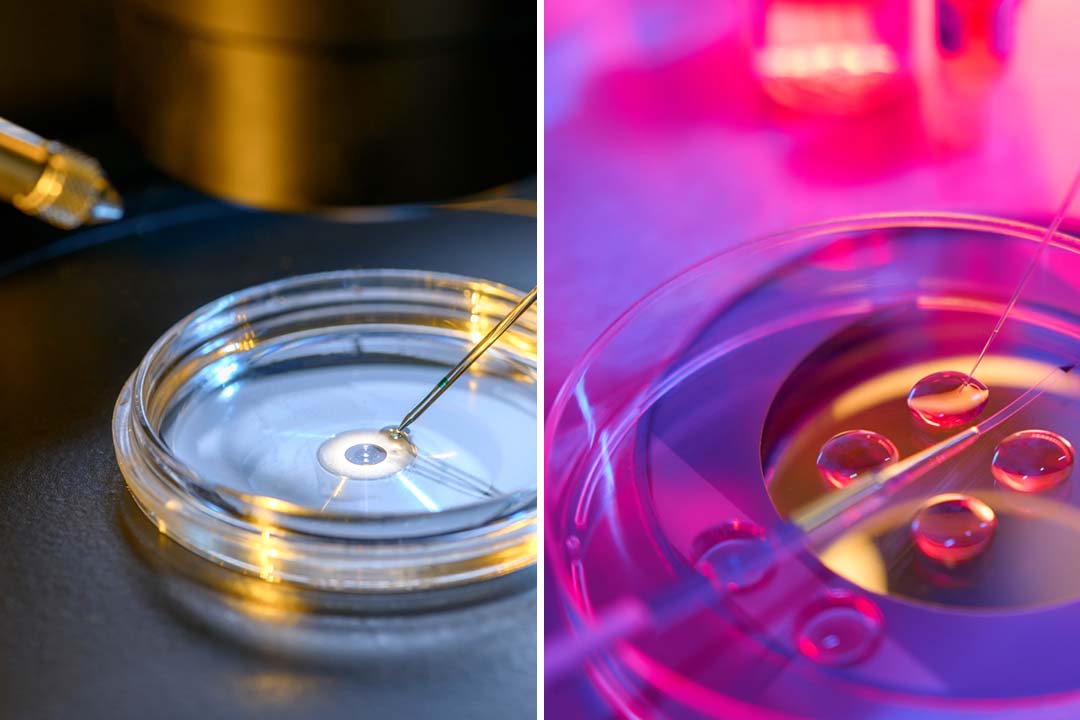
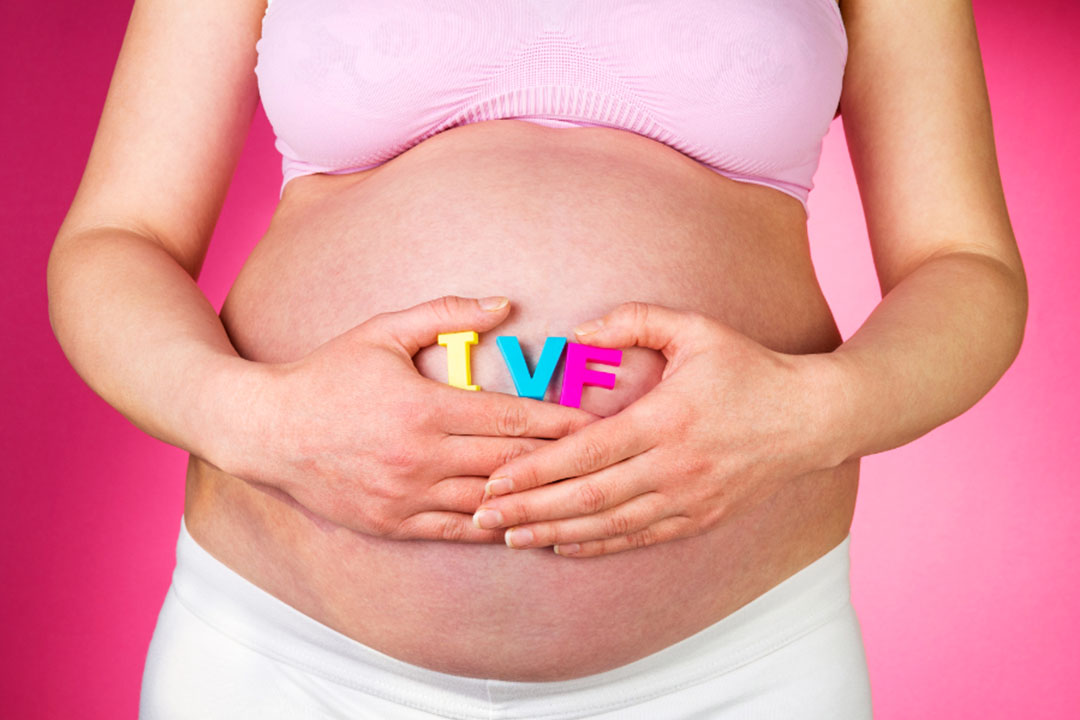
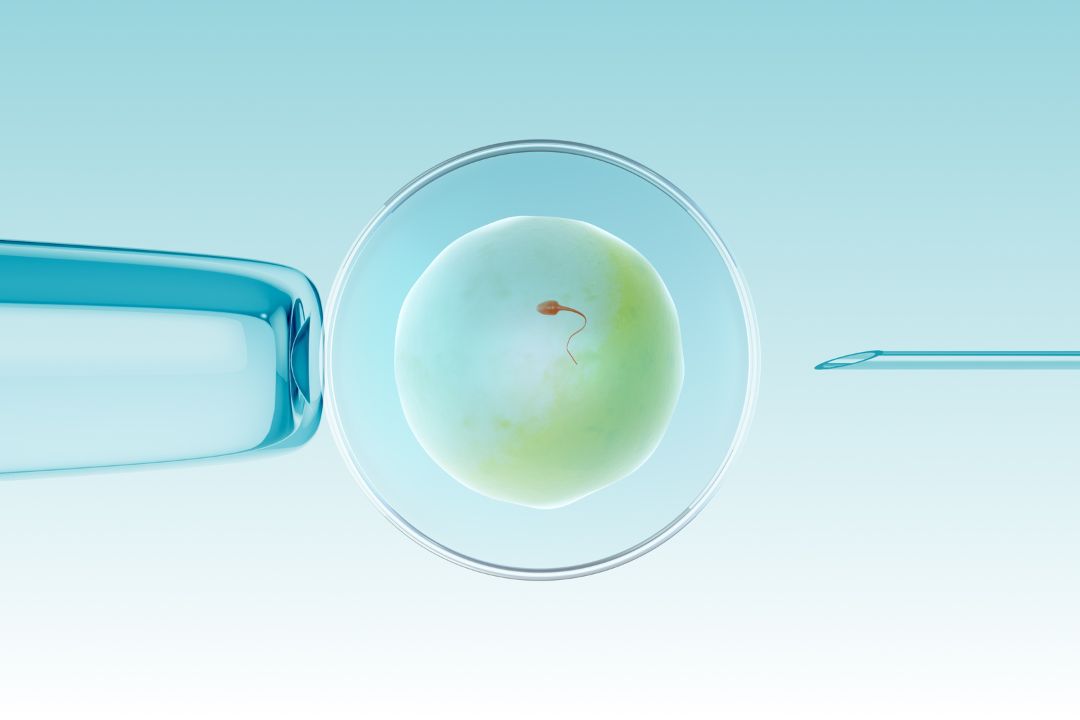
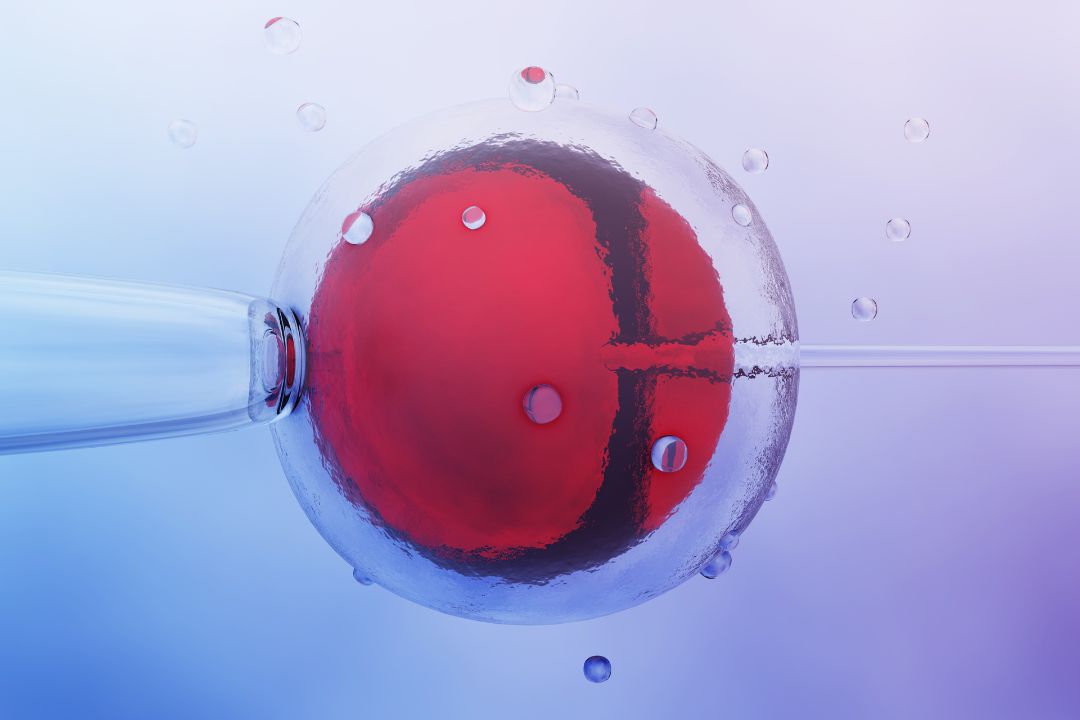
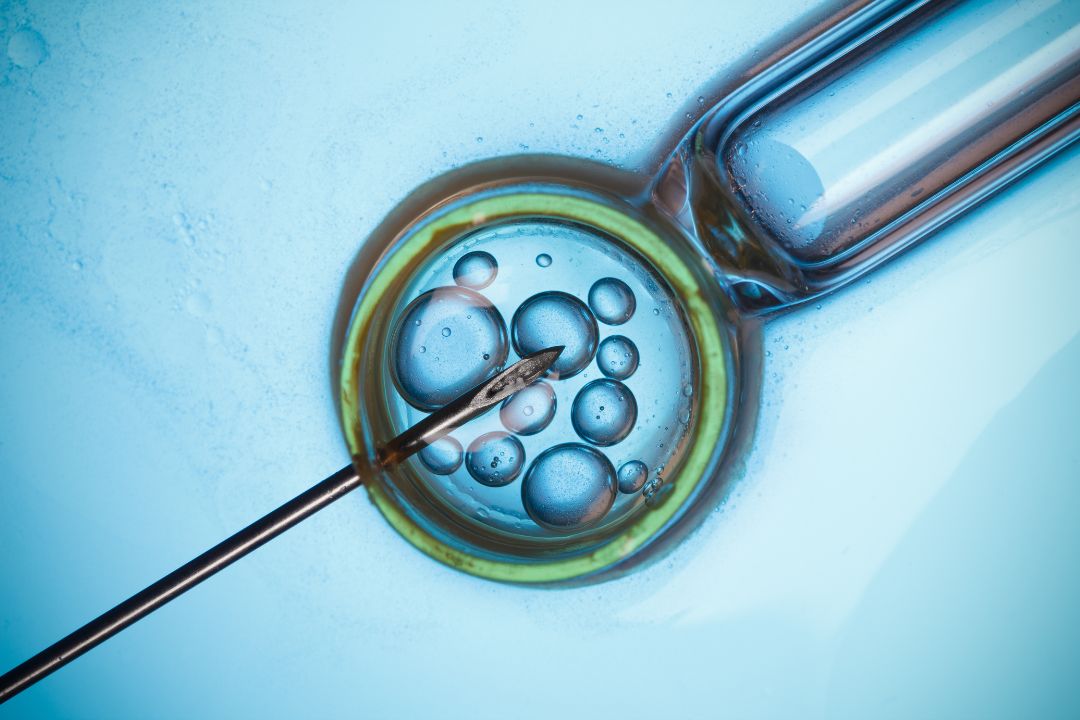
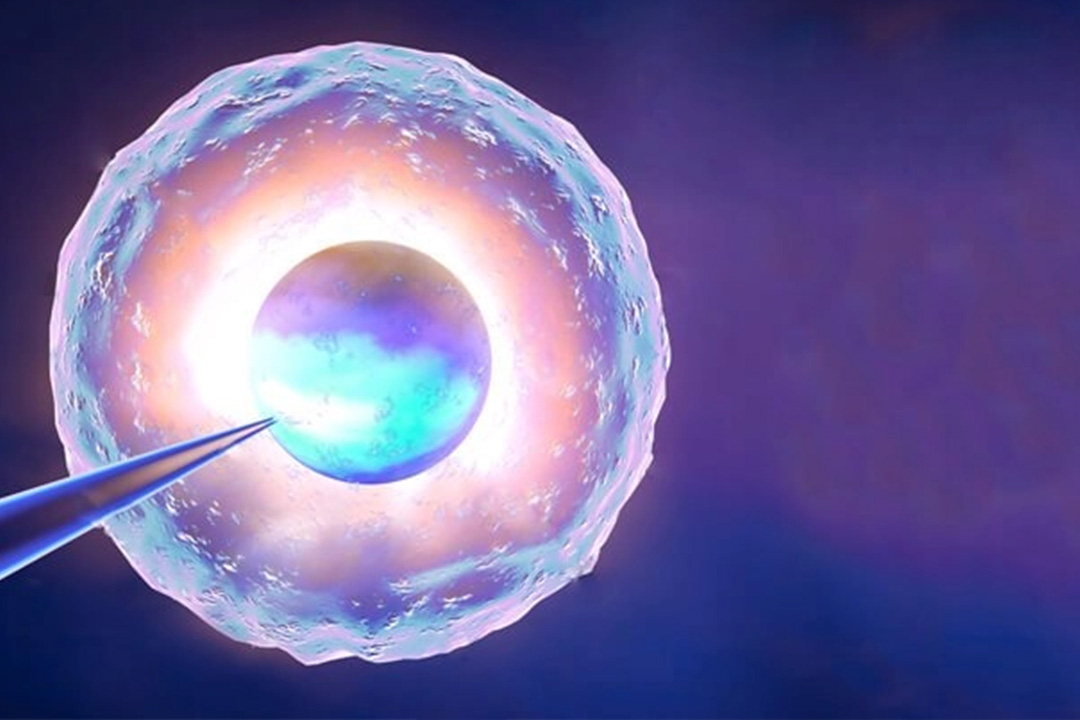
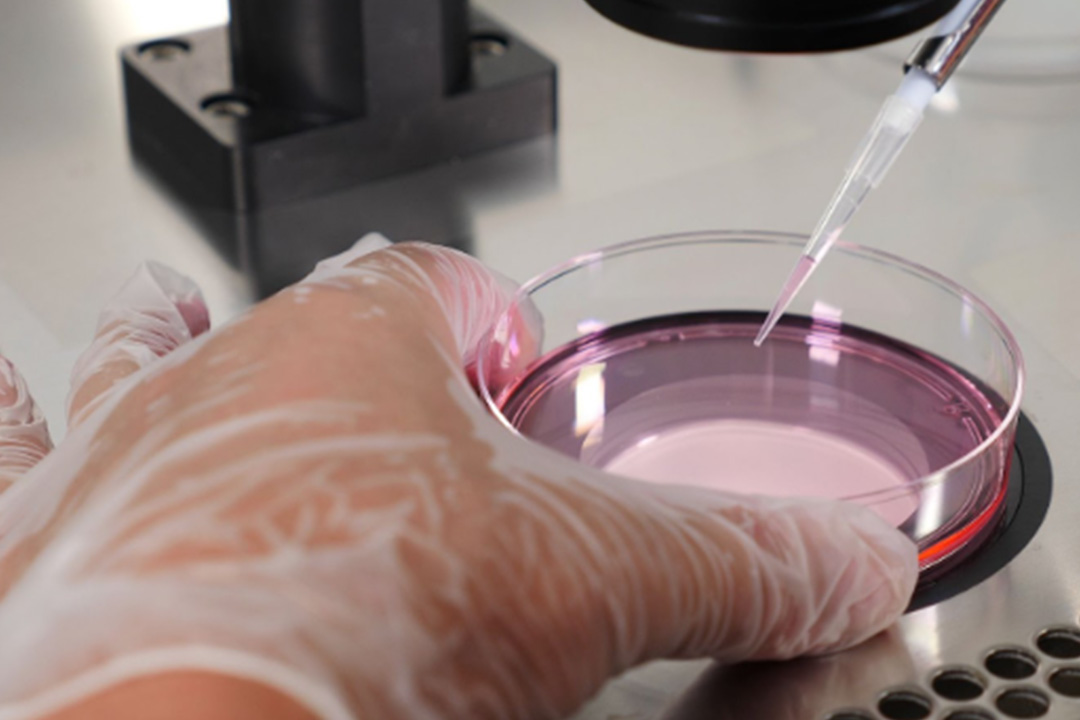
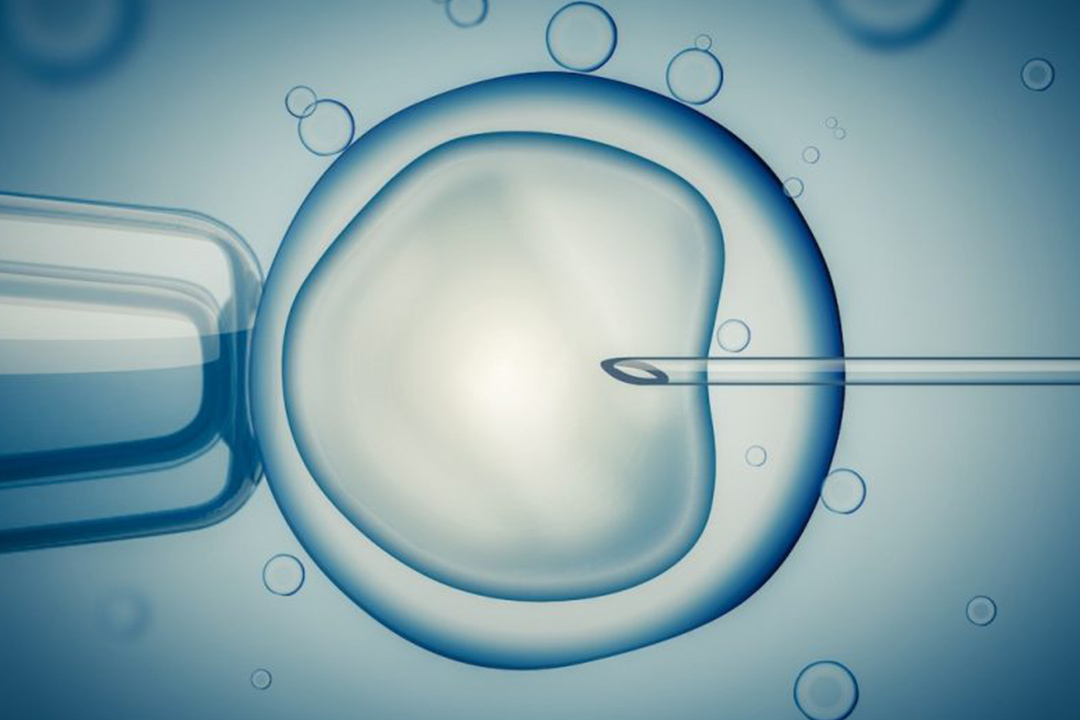
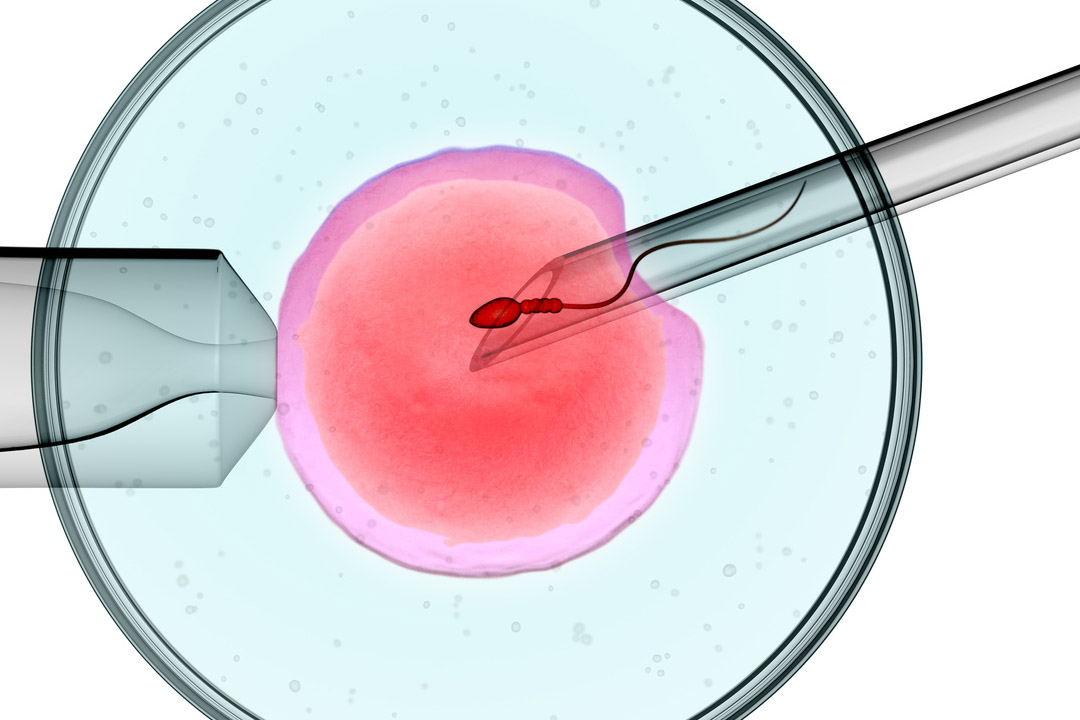
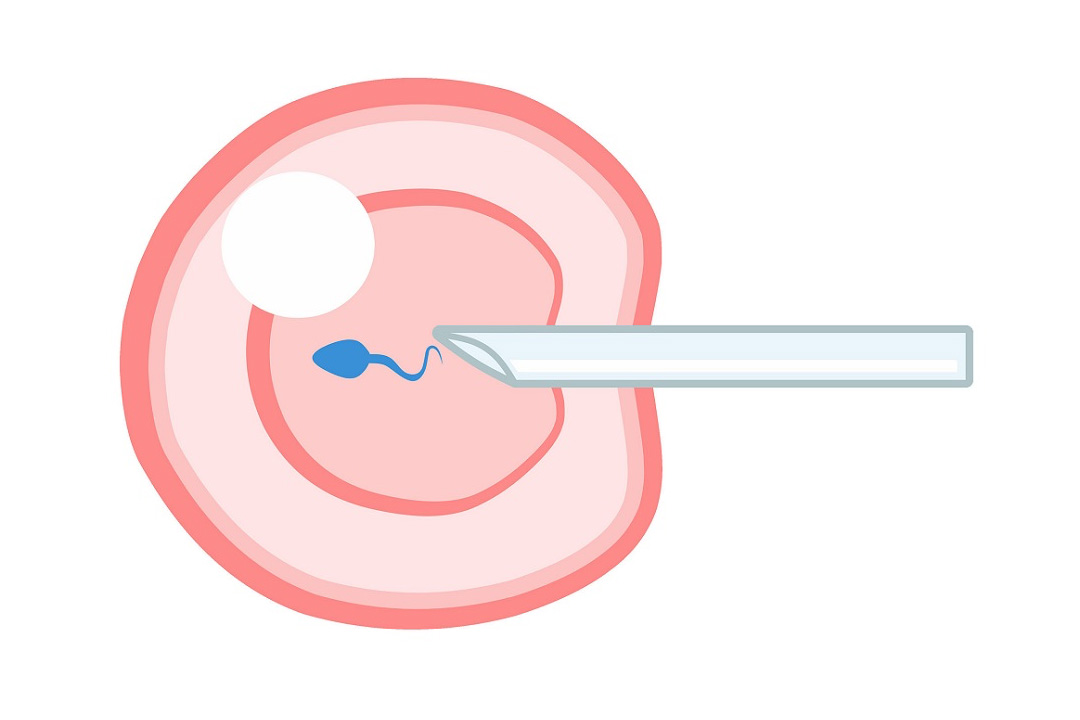
IVF can be a strong option for women who struggle with implantation, thin uterine lining, or recurrent miscarriage. With proper hormonal support, many women with a small uterus achieve successful outcomes
through IVF.
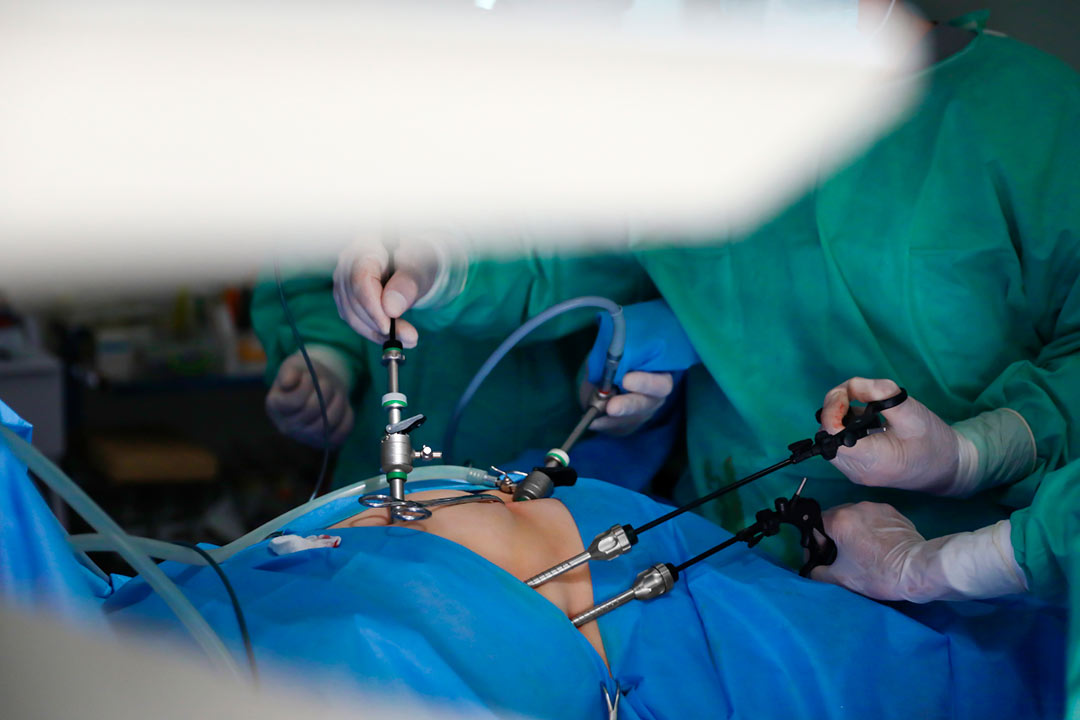
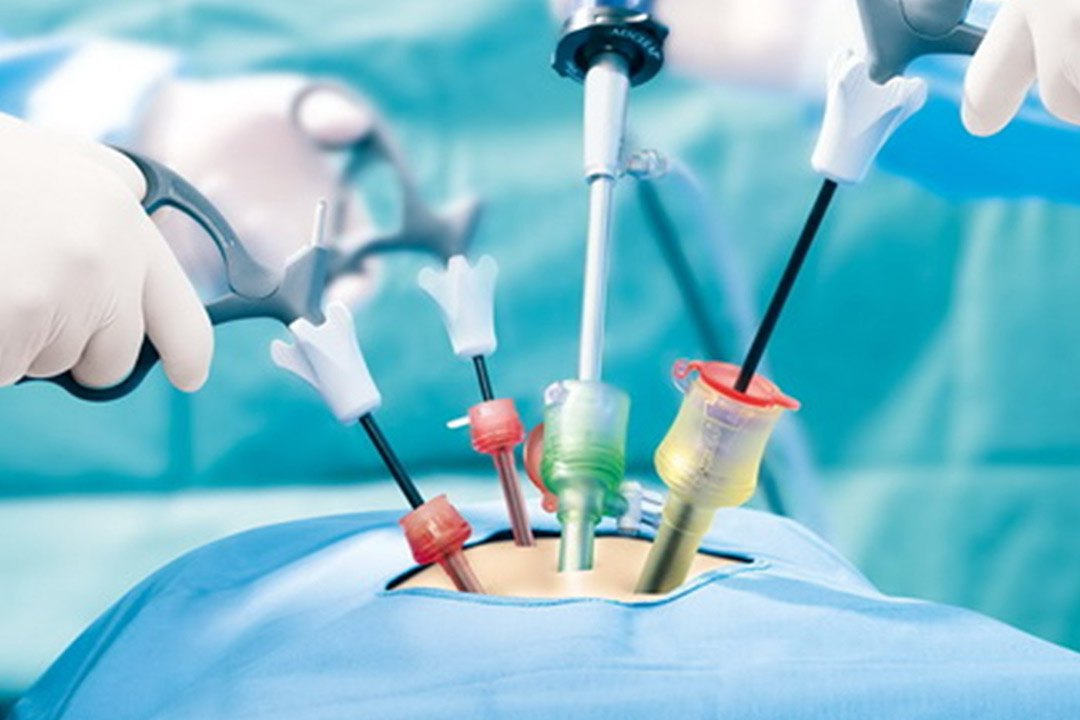
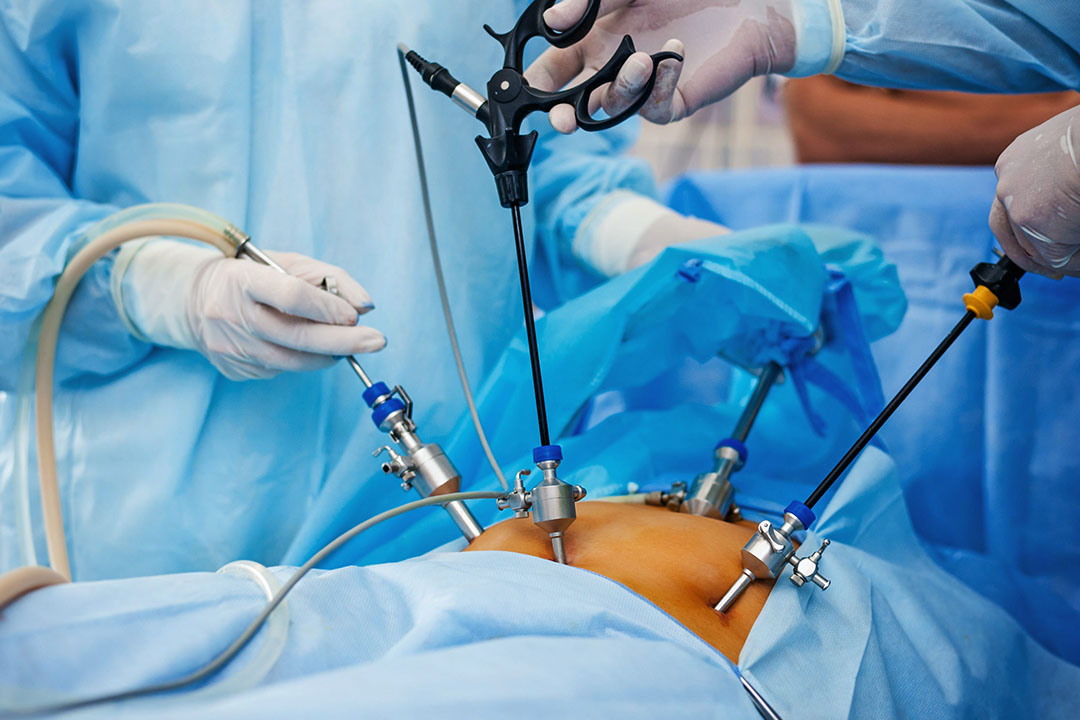
3. Surgery for Congenital AbnormalitiesIf the small uterus is due to a structural anomaly, some surgical procedures may be used to correct anatomical issues. This is reserved for specific conditions.
4. Lifestyle and Supportive MeasuresWhile lifestyle changes alone cannot enlarge the uterus, they support overall reproductive health:
- Adequate nutrition
- Healthy weight maintenance
- Stress reduction
- Avoiding smoking and excessive alcohol
- Moderate exercise
These measures enhance hormonal balance, which indirectly improves uterine function.
Frequently Asked Questions
Can a small uterus grow to a normal size?
Yes. Many women experience significant improvement with hormone therapy, especially if the cause is hormonal rather than congenital.
Does a small uterus mean I cannot get pregnant?
No. Many women with a small uterus conceive naturally. Others may benefit from fertility treatments such as ovulation induction or IVF.
What is the cost of IVF in India?
The cost generally ranges from ₹1,00,000 to ₹2,50,000 per IVF cycle, depending on medications, location, and individual requirements.
Is it dangerous to have a small uterus?
Not necessarily. Some women have no symptoms at all. But if fertility or menstrual issues arise, medical evaluation is important.
Can lifestyle changes help enlarge a small uterus?
Lifestyle changes cannot enlarge the uterus on their own, but they support hormonal balance and overall reproductive health.
Are there side effects of hormone therapy?
Side effects vary but may include mild bloating, breast tenderness, or mood changes. Regular monitoring helps ensure safety.
How do I know if I have a small uterus?
Diagnosis is made through pelvic ultrasound or MRI, often supported by hormone testing. Symptoms like irregular periods may be a clue.
Can a small uterus cause early miscarriage?
It can in some cases, especially if uterine lining development is affected. Treatments improve this significantly.
Conclusion
A small uterus may seem worrying, but it is a treatable issue with several choices. Understanding the underlying reason, seeking early diagnosis, and adhering to a personalized treatment plan enable most women to achieve hormonal balance, improved reproductive health, and even successful pregnancies. With proper direction and support, the small uterus will not limit your fertility or future.
The long-term outlook depends on what caused the uterus to be small and how early it is addressed. Many women respond well to hormone therapy and experience improved menstrual regularity and fertility.
About Us
AKsigen IVF is a premier center for advanced fertility treatments, with renowned fertility experts on our team. Specializing in IVF, ICSI, egg freezing, and other cutting-edge reproductive technologies, AKsigen IVF is committed to helping couples achieve their dream of parenthood. With personalized care and a patient-first approach, AKsigen IVF provides comprehensive fertility solutions under one roof.