Female Fertility Test: Types, Cost & When to Do It
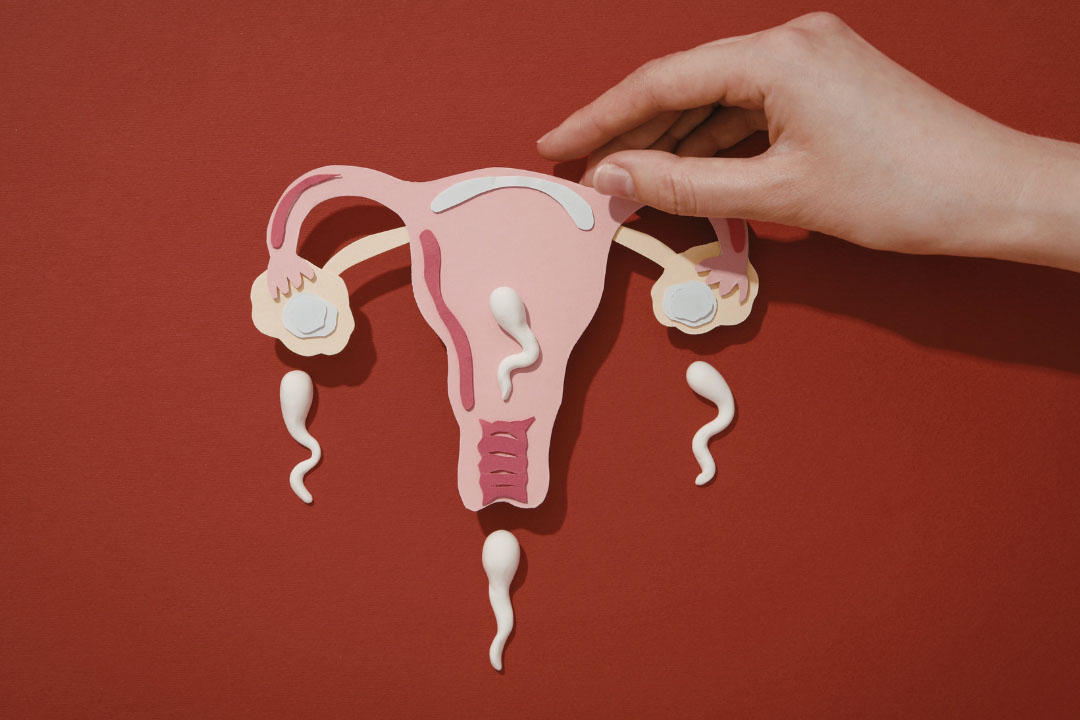
Planning a family often brings excitement along with questions and worries. Many women today want to understand their fertility status early so they can make better choices about their health and future.
A female fertility test helps assess how well the reproductive system is working and whether there may be challenges in conceiving. These tests do not predict the exact chance of pregnancy in a given month but they do provide useful insights into ovarian reserve, hormone balance and reproductive health.
Fertility testing is not only for women who are struggling to conceive. Women who want to delay pregnancy, those with irregular periods or those with medical conditions such as thyroid disorders or PCOS may also benefit from timely testing. The process usually involves blood tests, imaging studies and a review of medical history. When done early, fertility tests can guide lifestyle changes or treatment options that may improve the chances of conception.
What is a Female Fertility Test?
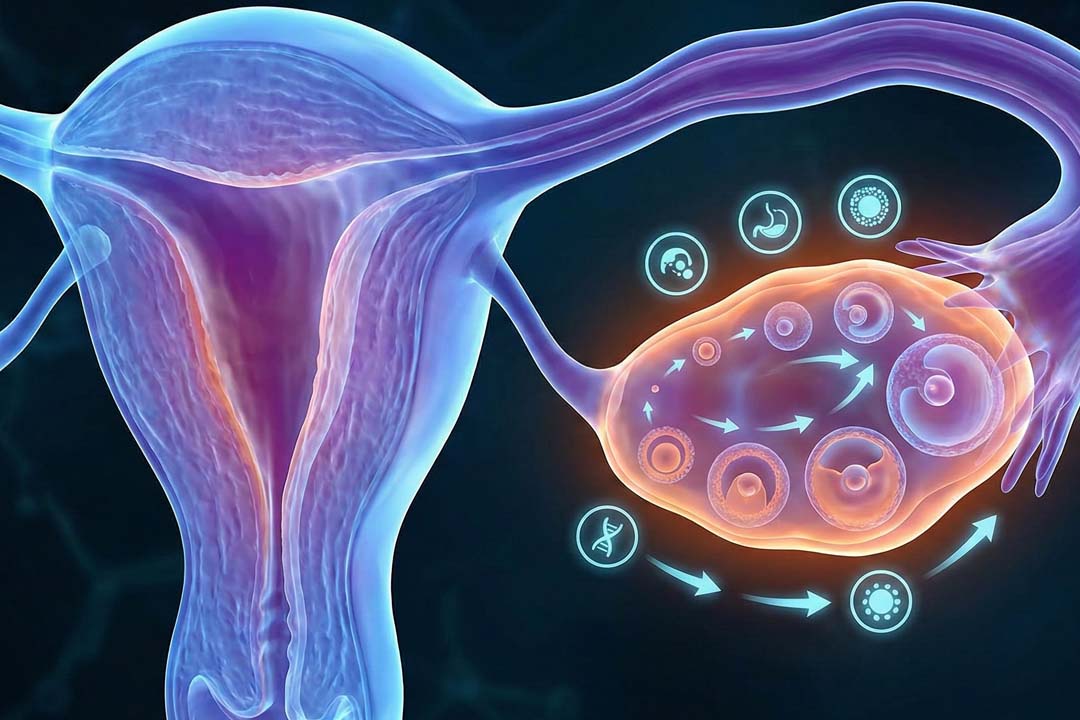
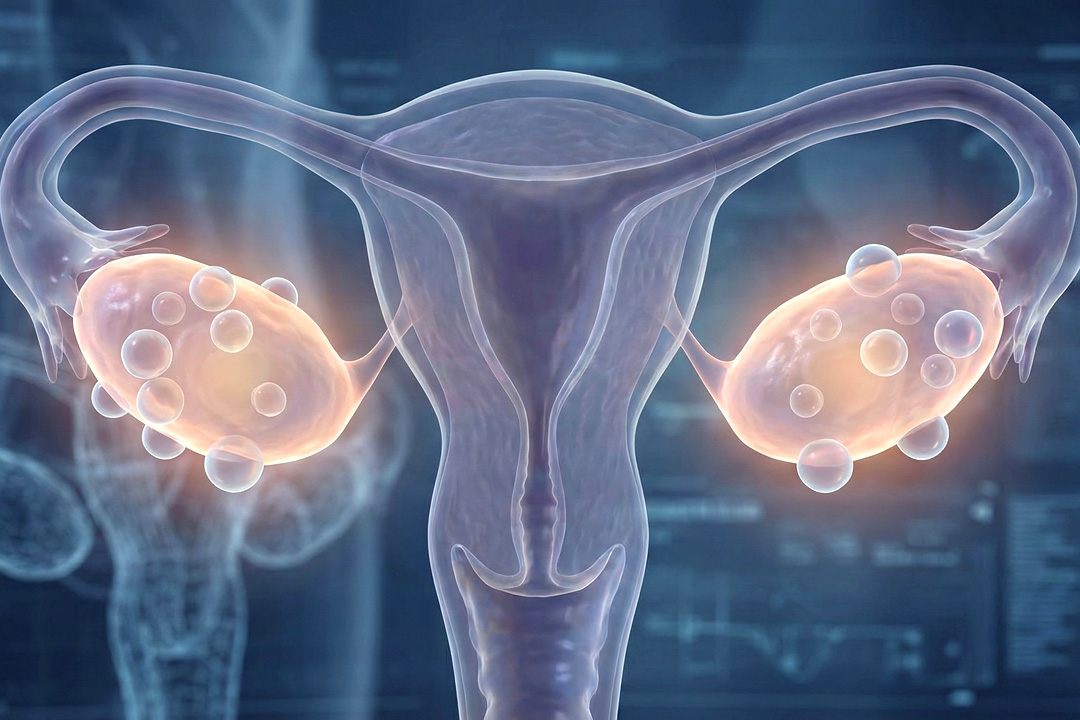
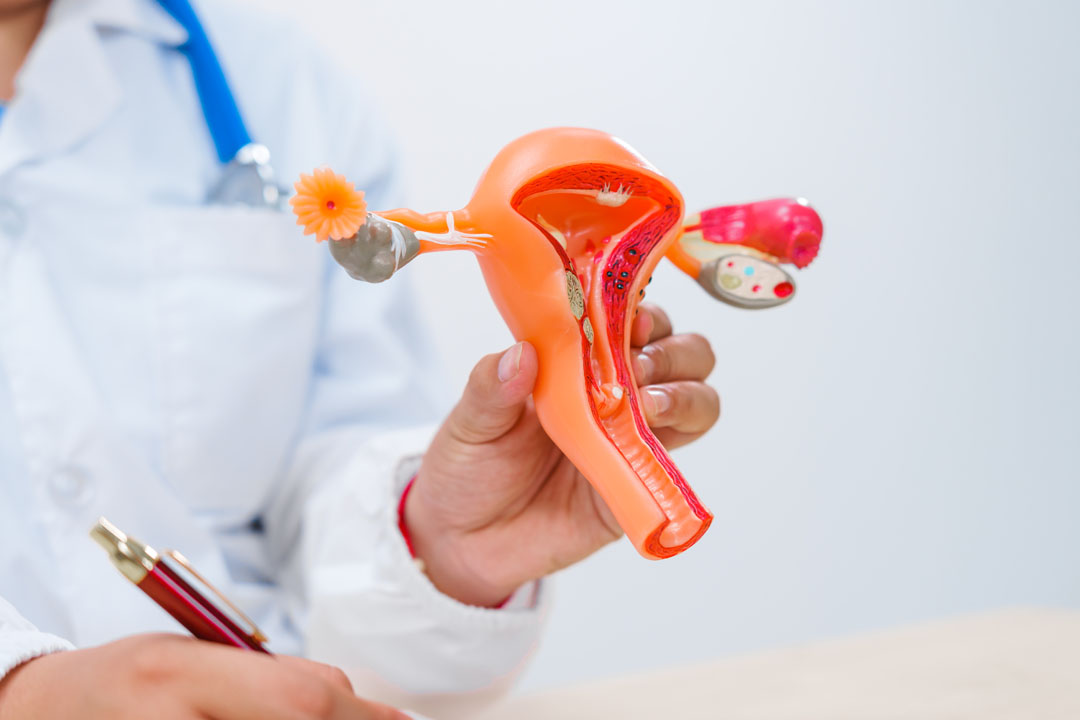
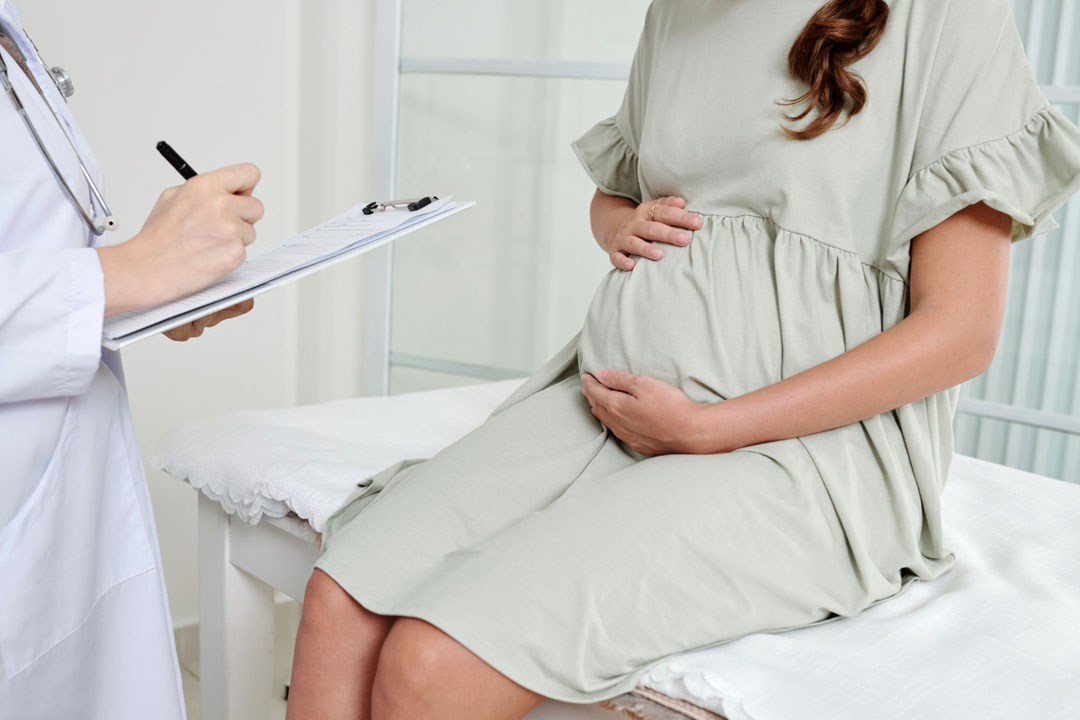
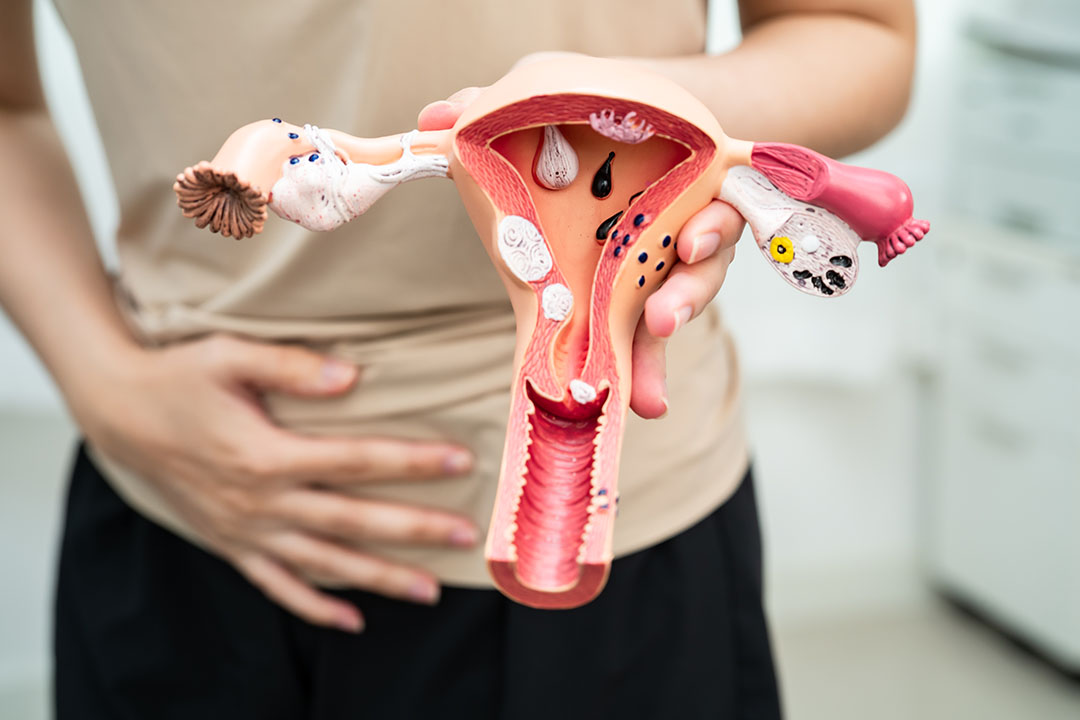
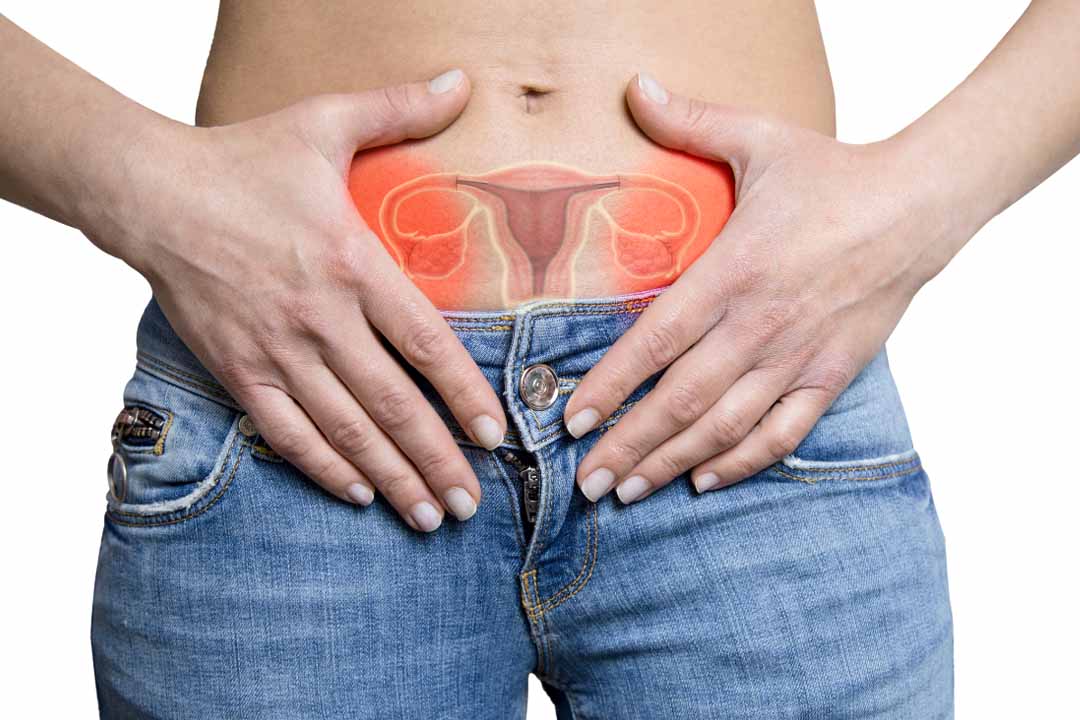
A female fertility test is a group of medical evaluations that assess a woman’s ability to conceive and carry a pregnancy. It looks at factors such as egg quantity, egg quality, hormone levels, ovulation patterns and the condition of the uterus and fallopian tubes. Doctors often recommend these tests when pregnancy does not occur after a year of regular unprotected intercourse or after six months if the woman is over 35.
These tests help identify common issues like ovulation problems, reduced ovarian reserve or structural abnormalities. They also help rule out problems so that couples do not lose valuable time guessing the cause of infertility.
When Should You Consider Fertility Testing?
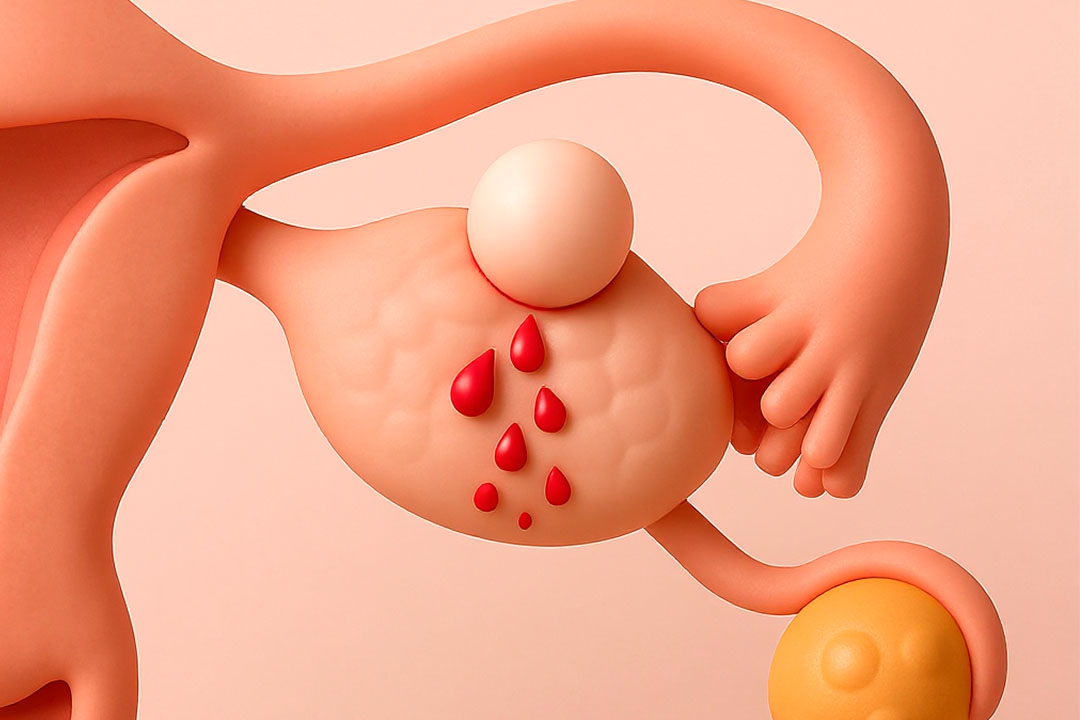
You should consider fertility testing if you have been trying to conceive without success for several months or if you have symptoms that suggest hormonal imbalance. Irregular periods, very painful periods or no periods at all often point to ovulation issues. A history of pelvic infections, endometriosis or ovarian surgery may also affect fertility.
Women who plan to postpone pregnancy for personal or professional reasons may choose fertility testing to understand their reproductive timeline. Early testing offers clarity and allows for proactive decisions such as egg freezing or lifestyle adjustments.
Common Female Fertility Tests Explained
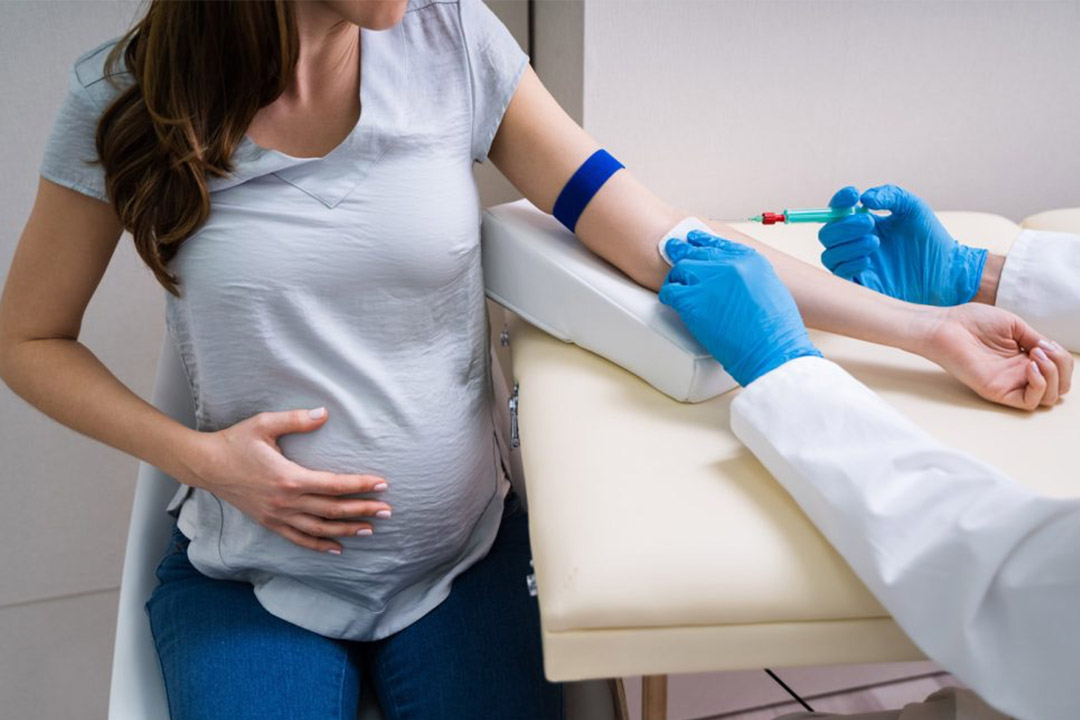
Hormone tests form the foundation of fertility evaluation. These blood tests usually take place on specific days of the menstrual cycle. Different hormone tests include:
1. AMH test
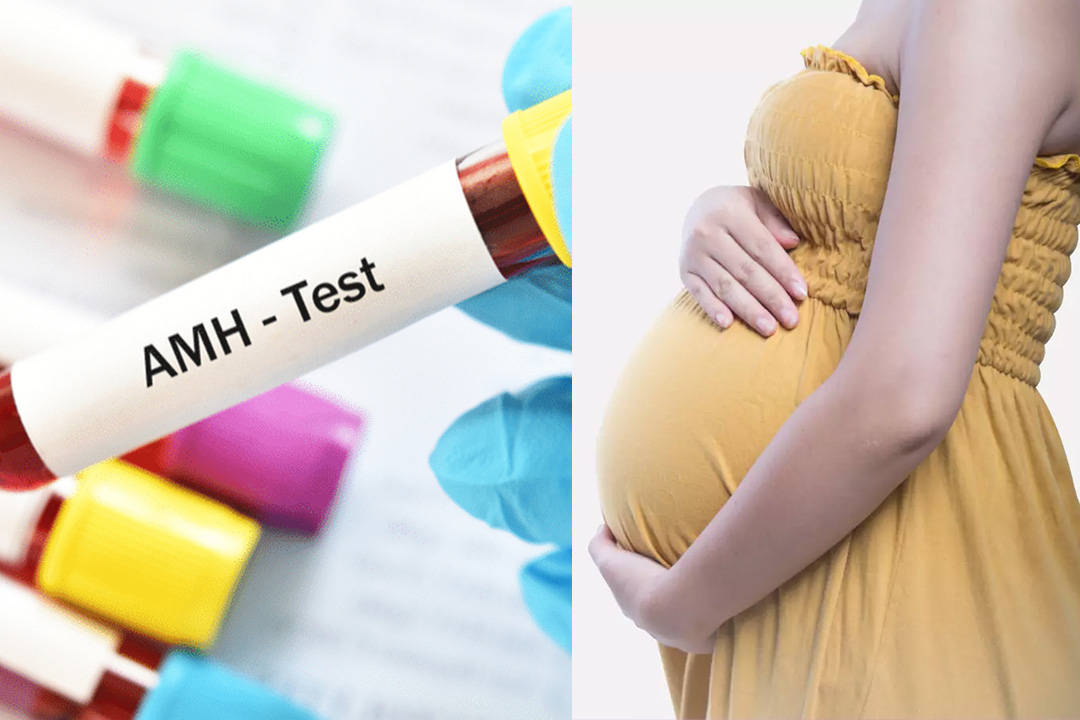
Anti-Müllerian Hormone reflects ovarian reserve which means the number of eggs remaining in the ovaries. Lower AMH levels suggest reduced egg quantity while higher levels may be seen in conditions like PCOS.
2. FSH and LH tests
Follicle-stimulating hormone and luteinizing hormone play a key role in egg development and ovulation. Doctors often check these levels on day 2 or 3 of the cycle. Elevated FSH may indicate reduced ovarian reserve.
3. Estradiol and progesterone tests
Estradiol supports egg maturation while progesterone confirms whether ovulation has occurred. These tests help assess cycle health and timing of ovulation.
4. Thyroid and prolactin tests
Thyroid imbalance and high prolactin levels can interfere with ovulation. Correcting these issues often restores fertility.
Ultrasound and imaging tests can also be used to look for any anomalies, for example:
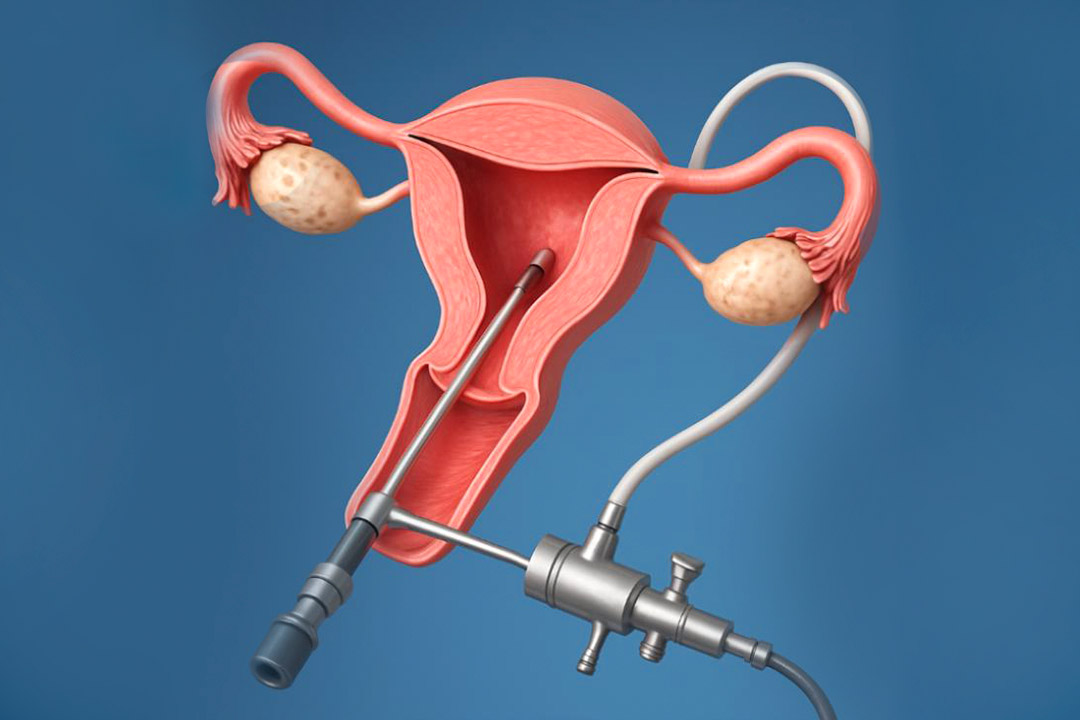
1. Transvaginal ultrasound
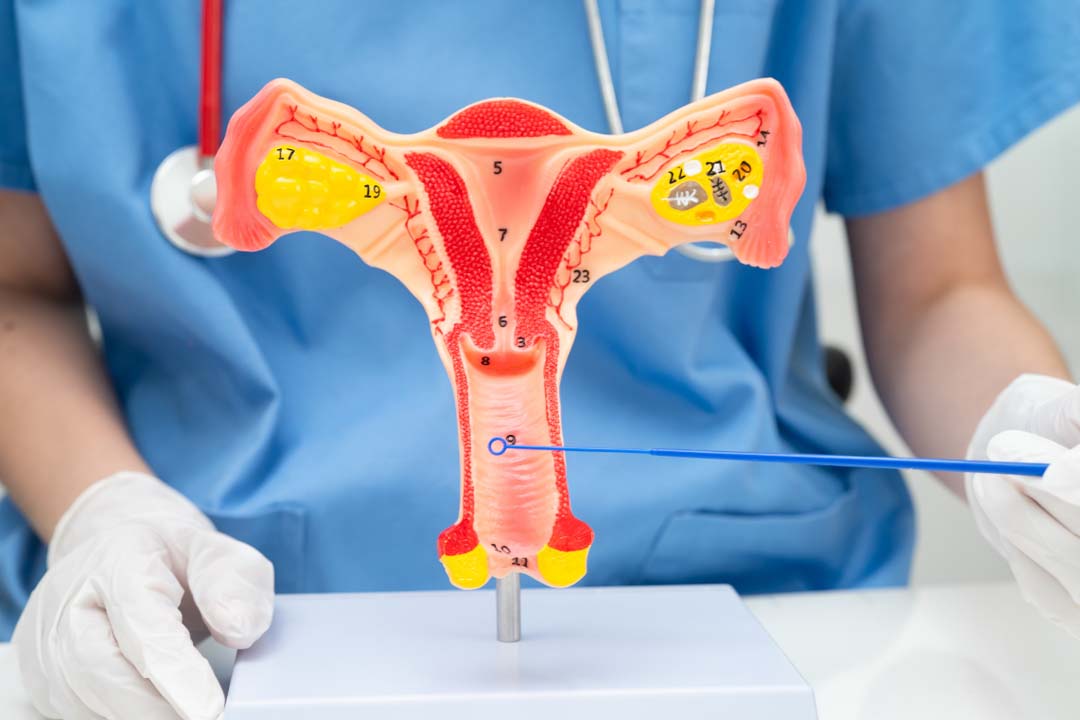
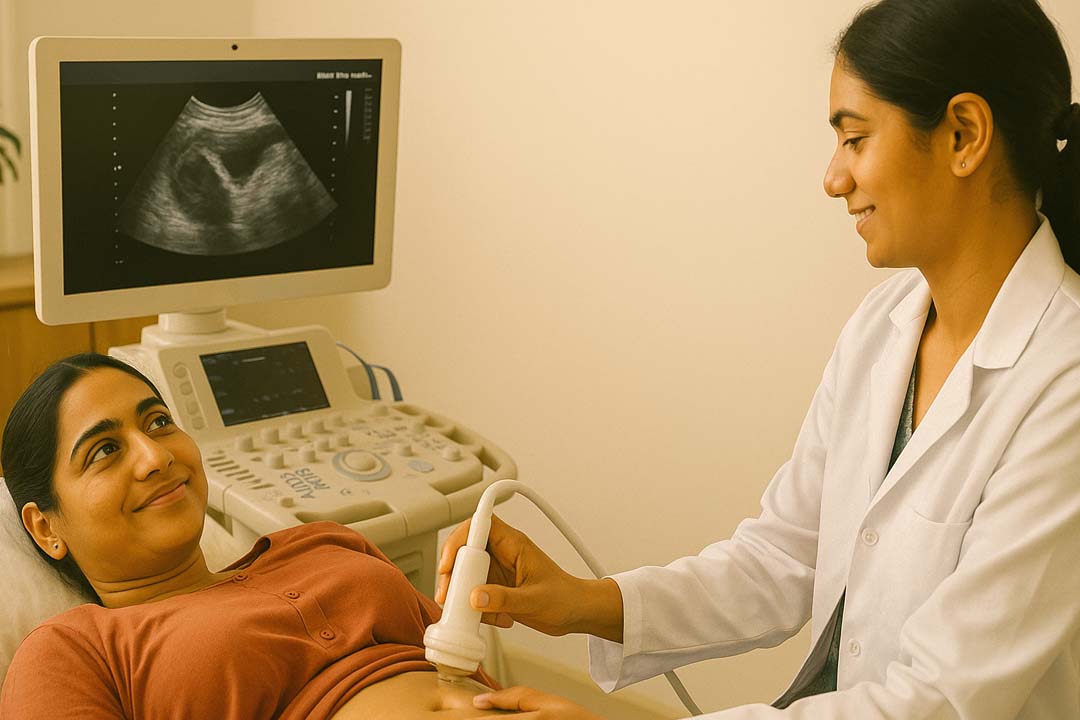
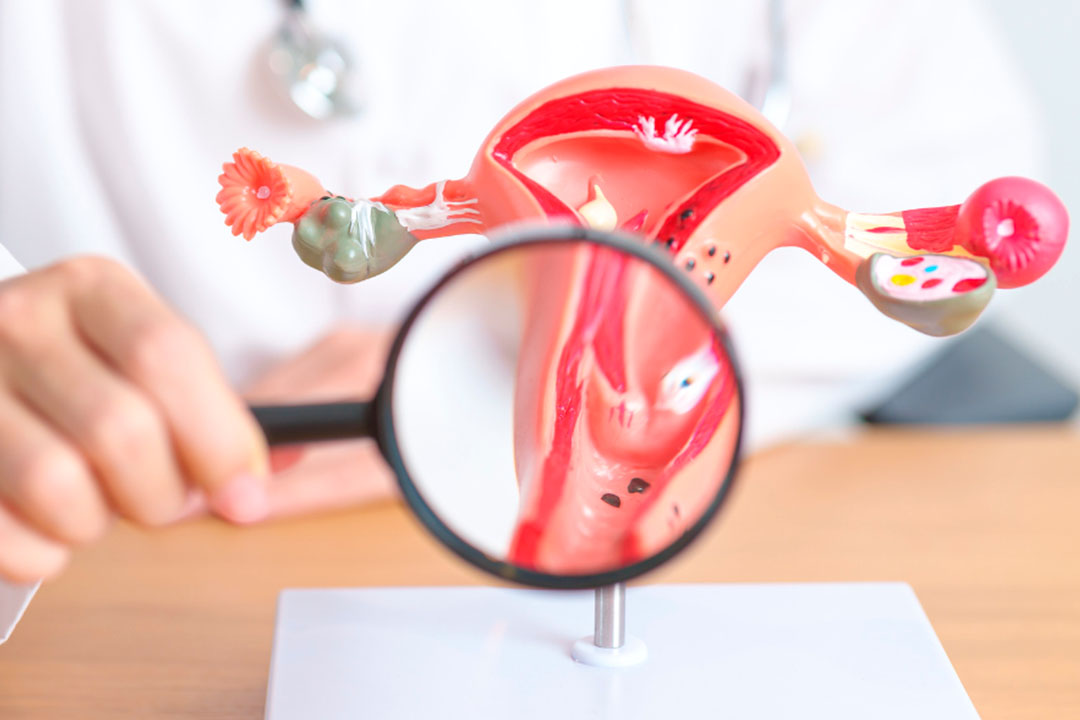
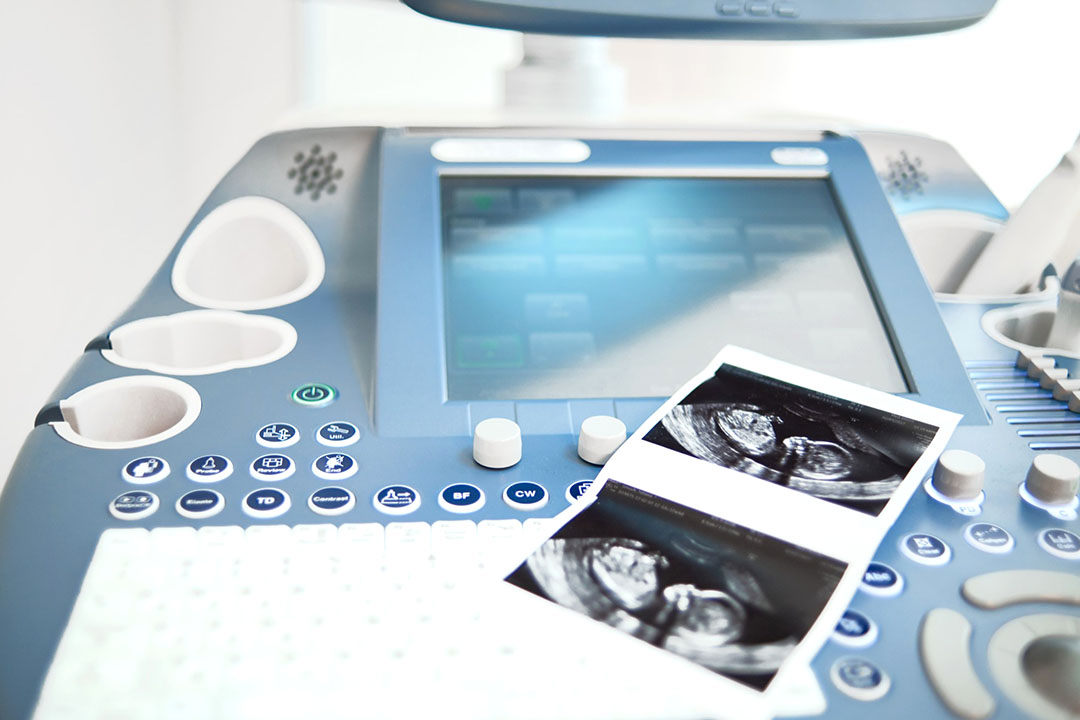
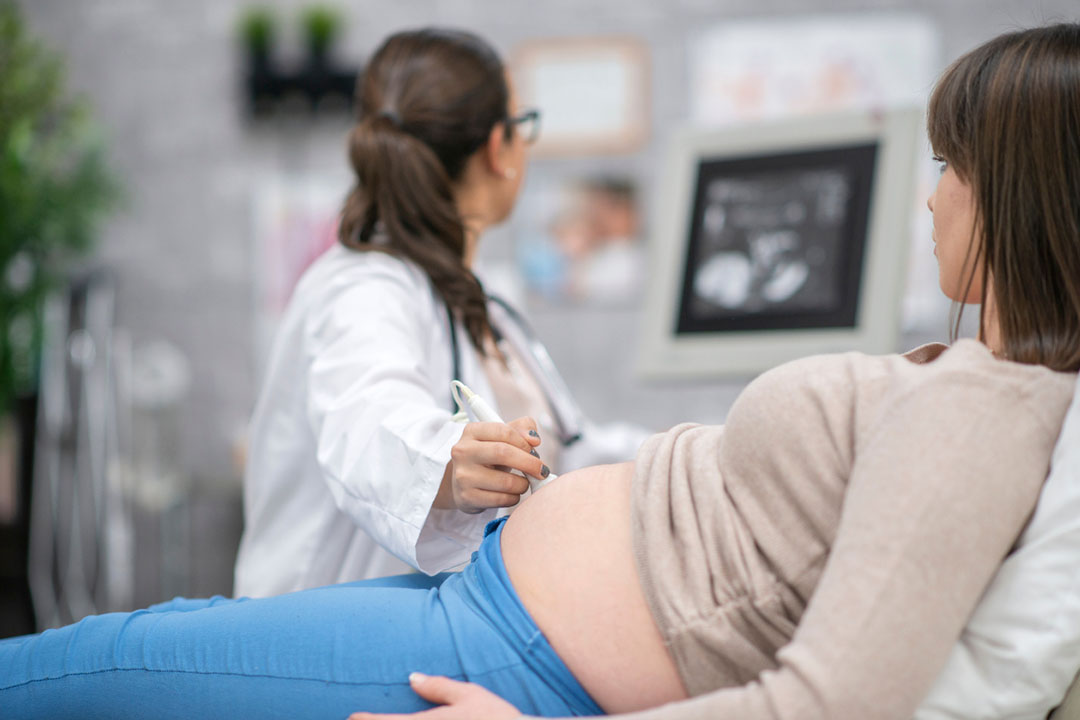
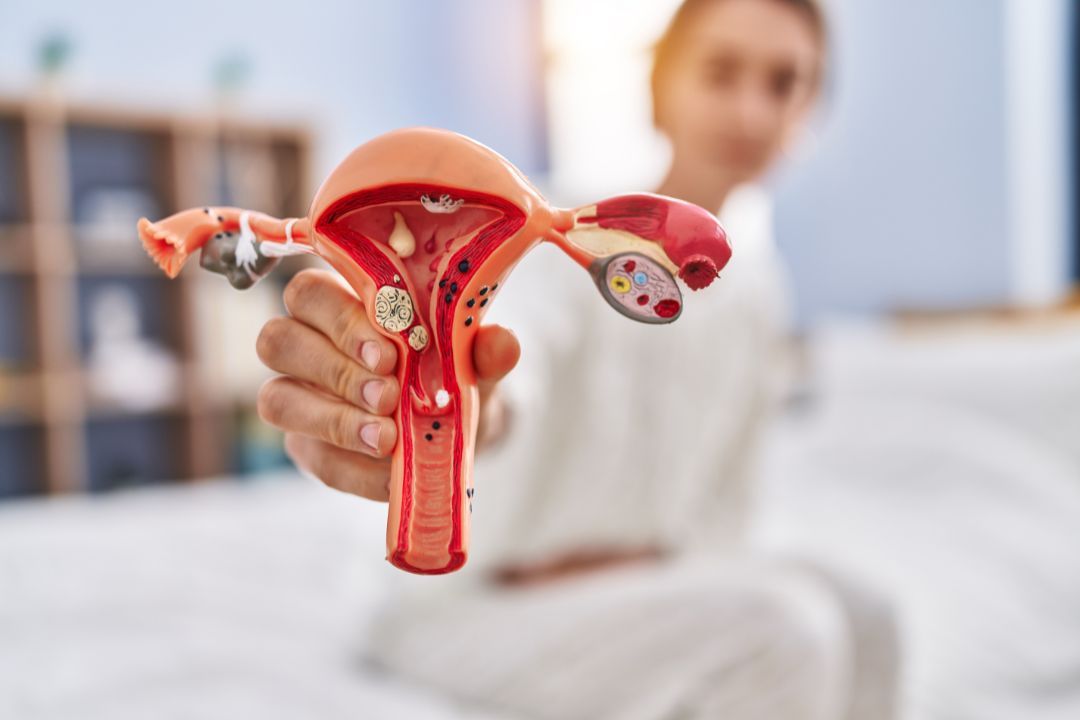
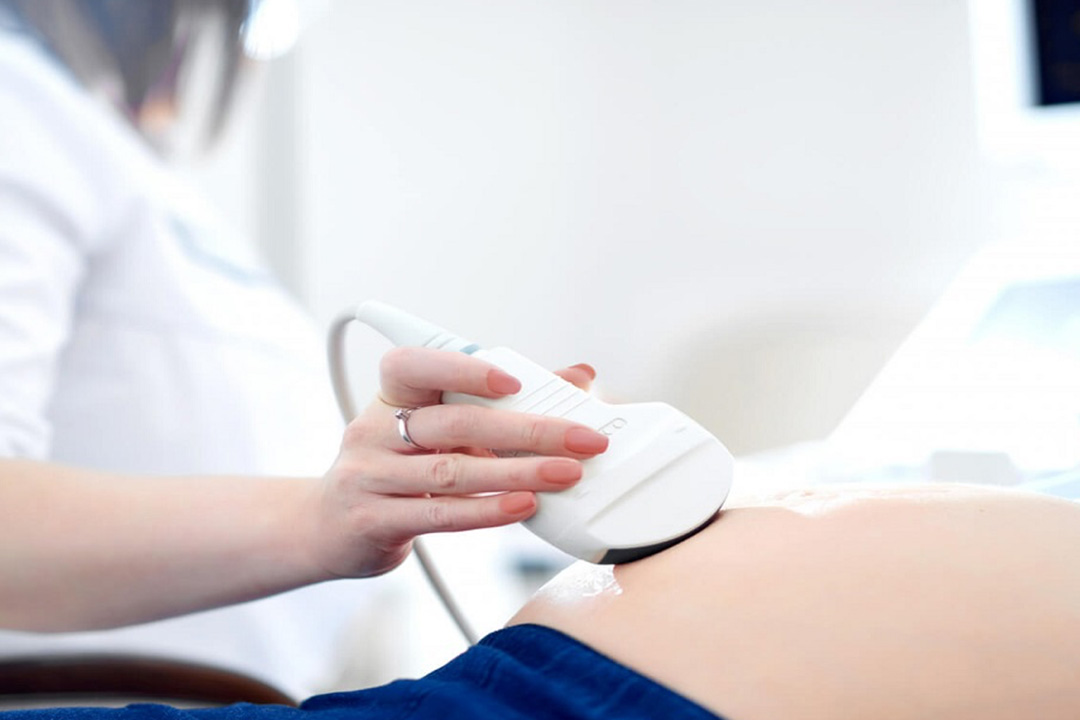
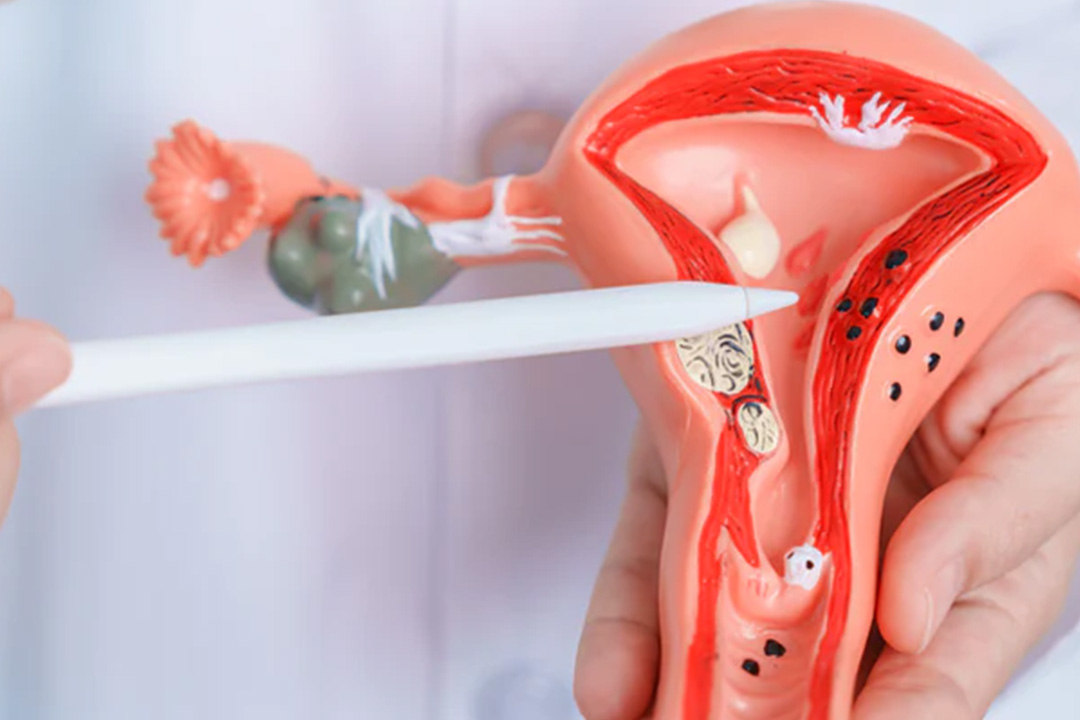
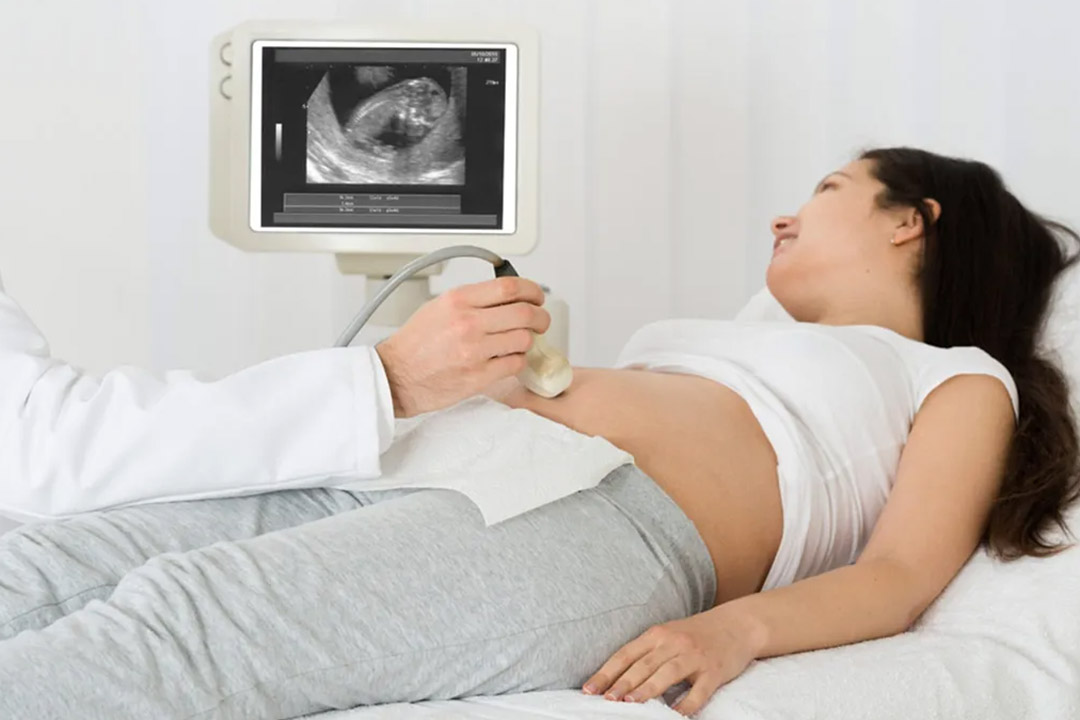
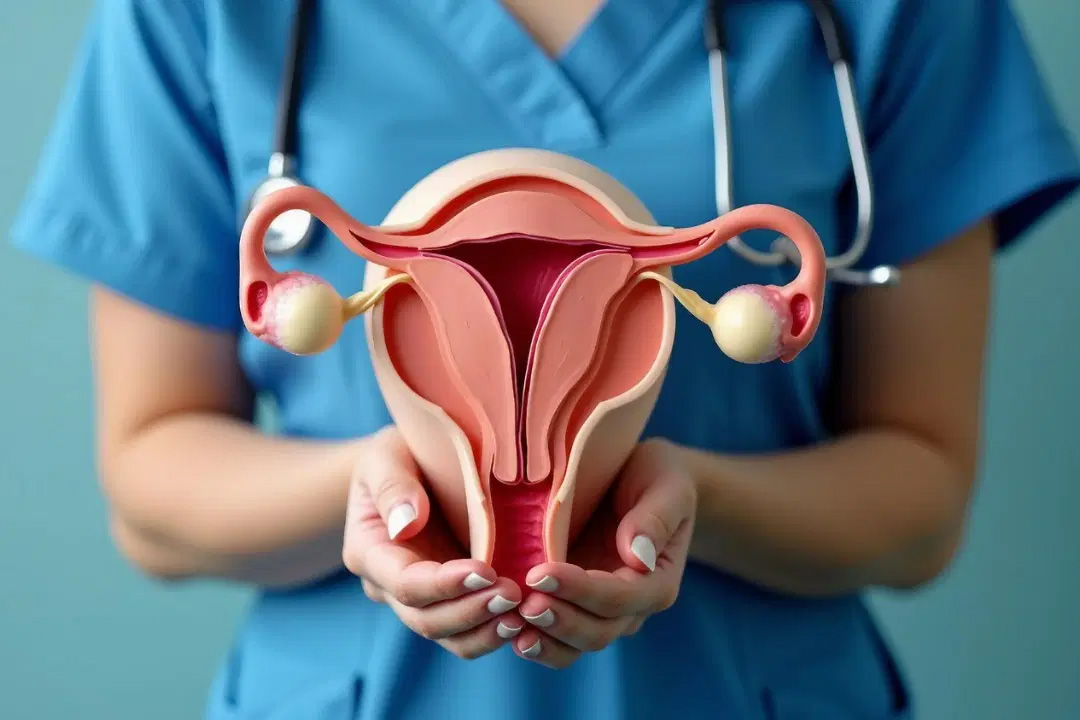
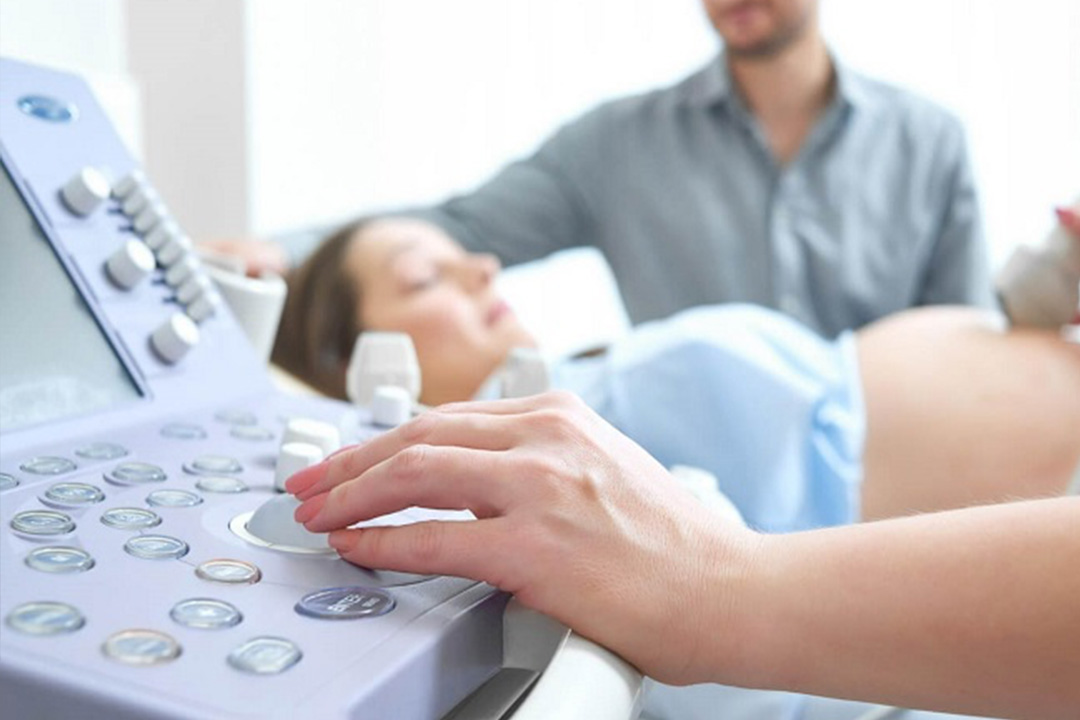
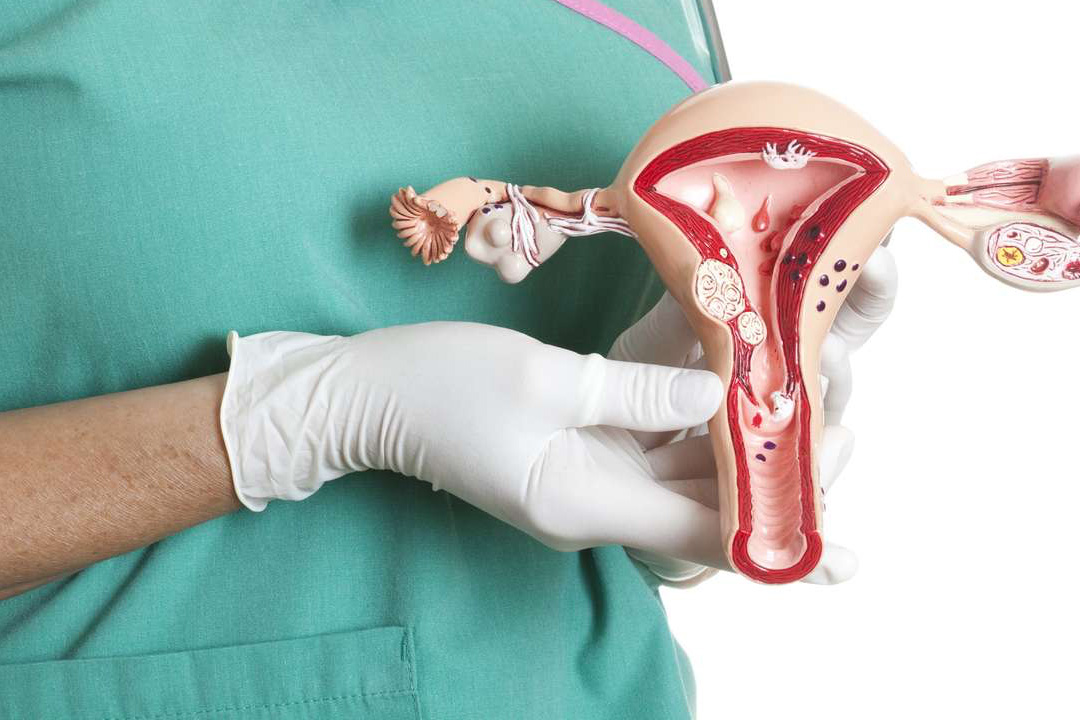
This imaging test allows doctors to examine the ovaries and uterus. It helps count antral follicles which gives an idea of egg reserve. It also detects fibroids, ovarian cysts or uterine shape issues.
2. Hysterosalpingography
This test checks whether the fallopian tubes are open. Blocked tubes prevent the egg and sperm from meeting. The test also shows the shape of the uterine cavity.
3. Ovulation tracking
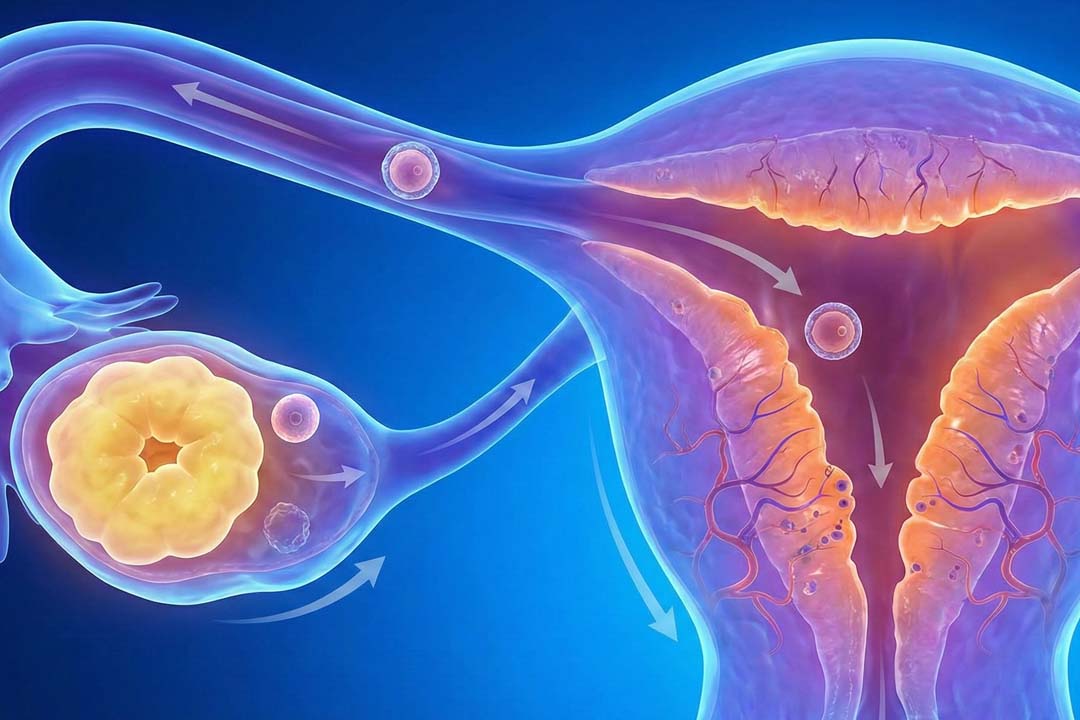
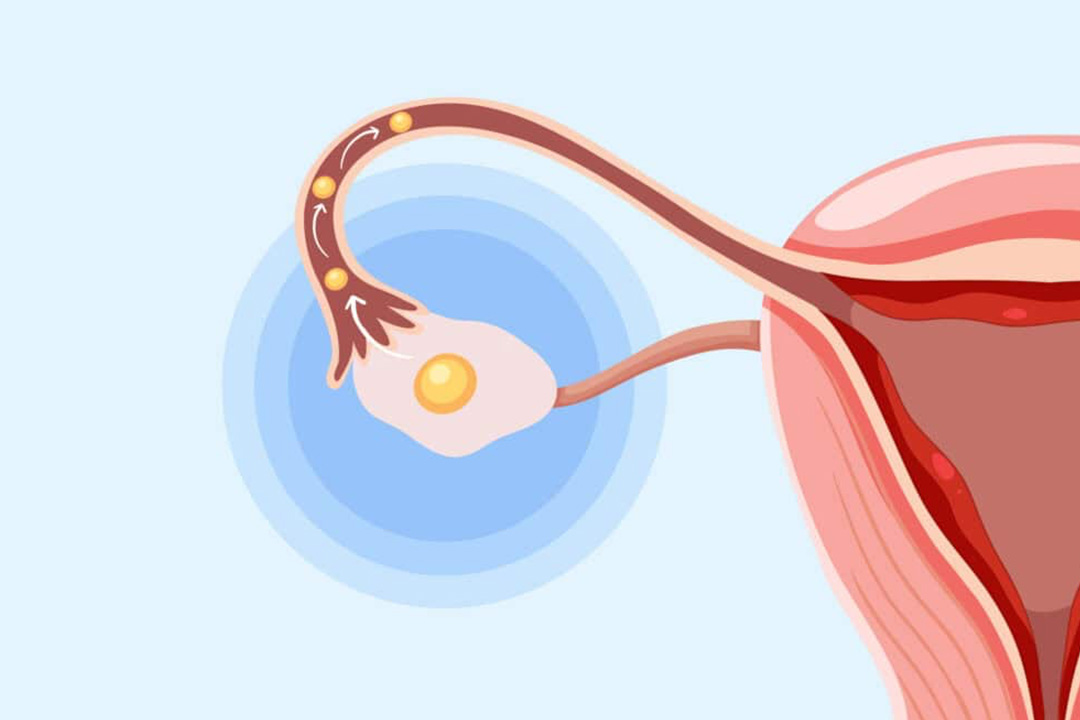
Ovulation tracking confirms whether the ovaries release an egg each cycle. Doctors may use ultrasound monitoring or blood tests to check progesterone levels after ovulation. At-home ovulation kits may also help but they do not replace medical testing.
Do Fertility Tests Tell You Everything?
Fertility tests provide valuable information but they do not guarantee pregnancy or infertility. A normal report does not mean conception will happen instantly and an abnormal result does not always mean pregnancy is impossible. Fertility depends on multiple factors including age, lifestyle and overall health. These tests act as a guide rather than a final verdict.
Interpreting fertility test results requires medical guidance. Low ovarian reserve does not mean zero chance of pregnancy but it may suggest limited time. Hormonal imbalances often respond well to treatment. Structural problems like fibroids or blocked tubes may require surgical or assisted reproductive approaches.
Treatment Options After Female Fertility Testing
Many fertility issues improve with simple lifestyle changes. Maintaining a healthy weight supports regular ovulation. Balanced nutrition rich in fruits, vegetables and whole grains supports hormone health.
Reducing stress and improving sleep also play an important role. Quitting smoking and limiting alcohol intake significantly improves fertility outcomes. Doctors may also suggest supplements such as folic acid, vitamin D or iron depending on individual needs.
Apart from lifestyle changes, treatment options inlucde:
1. Medications to support ovulation
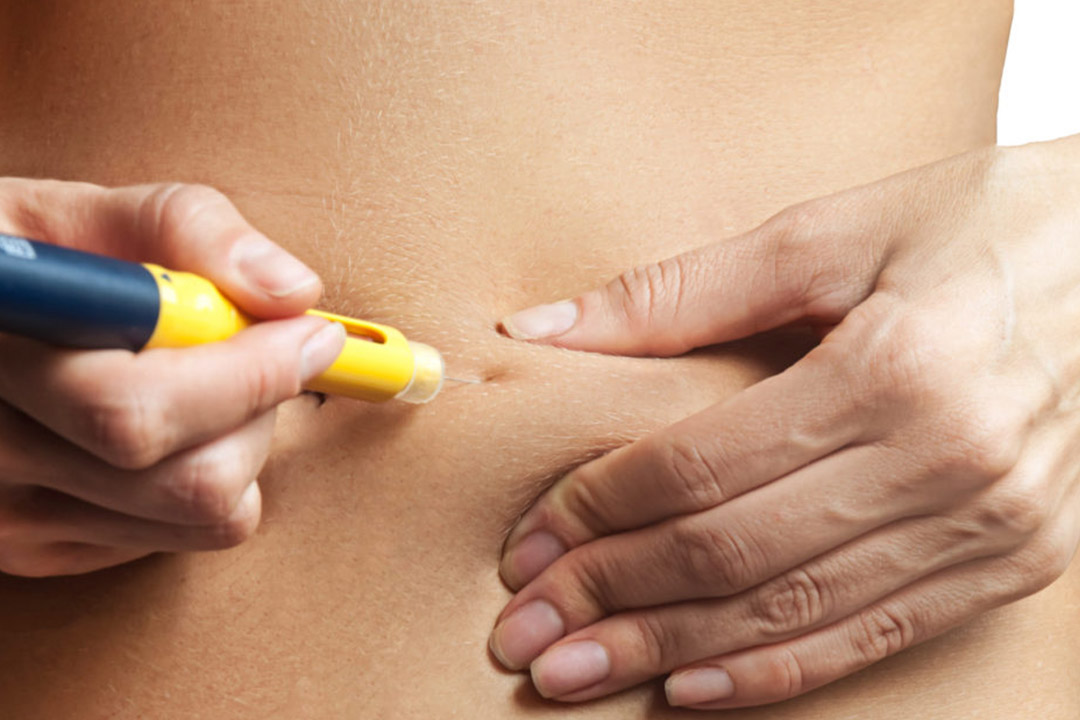
If tests show irregular or absent ovulation, doctors may prescribe medications that stimulate the ovaries to release eggs. These medicines help regulate the menstrual cycle and improve timing for conception. Careful monitoring ensures safety and effectiveness.
2. Hormone correction treatments
Thyroid disorders or elevated prolactin levels often respond well to medication. Once hormone levels normalize, ovulation may resume naturally and fertility improves.
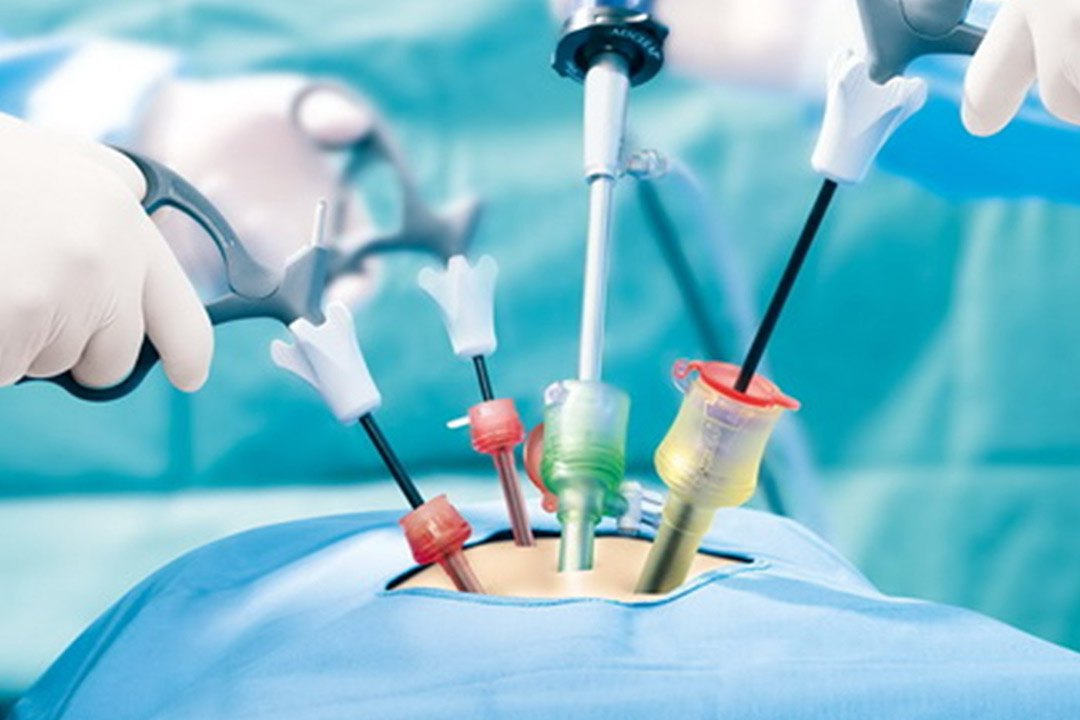
3. Surgical options
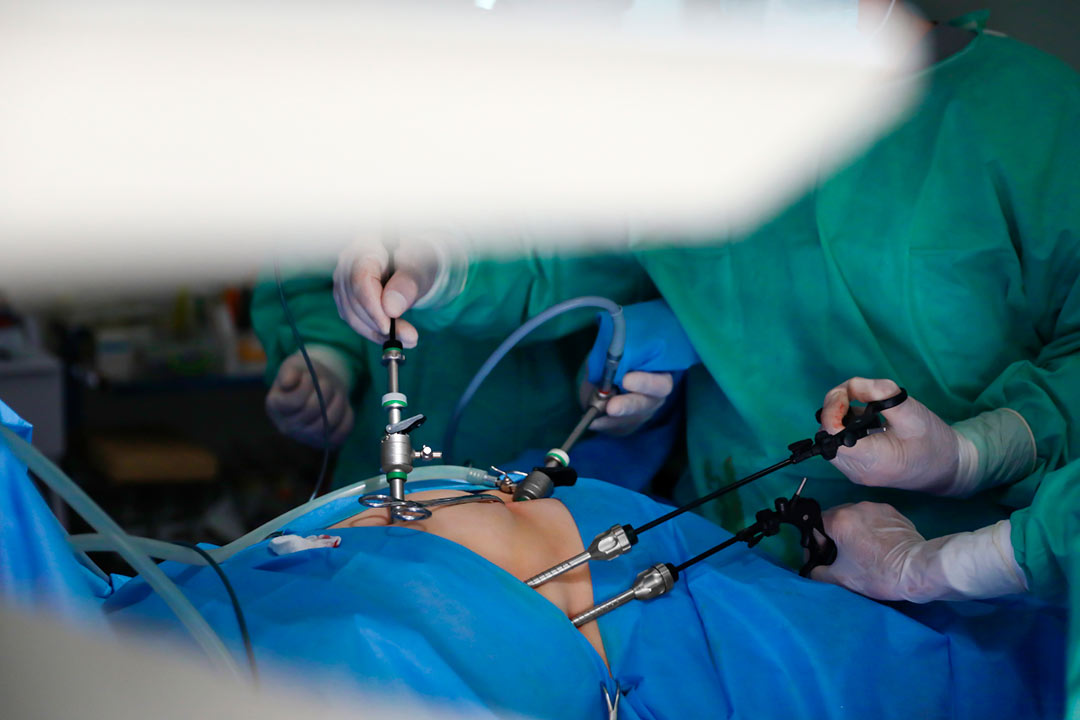
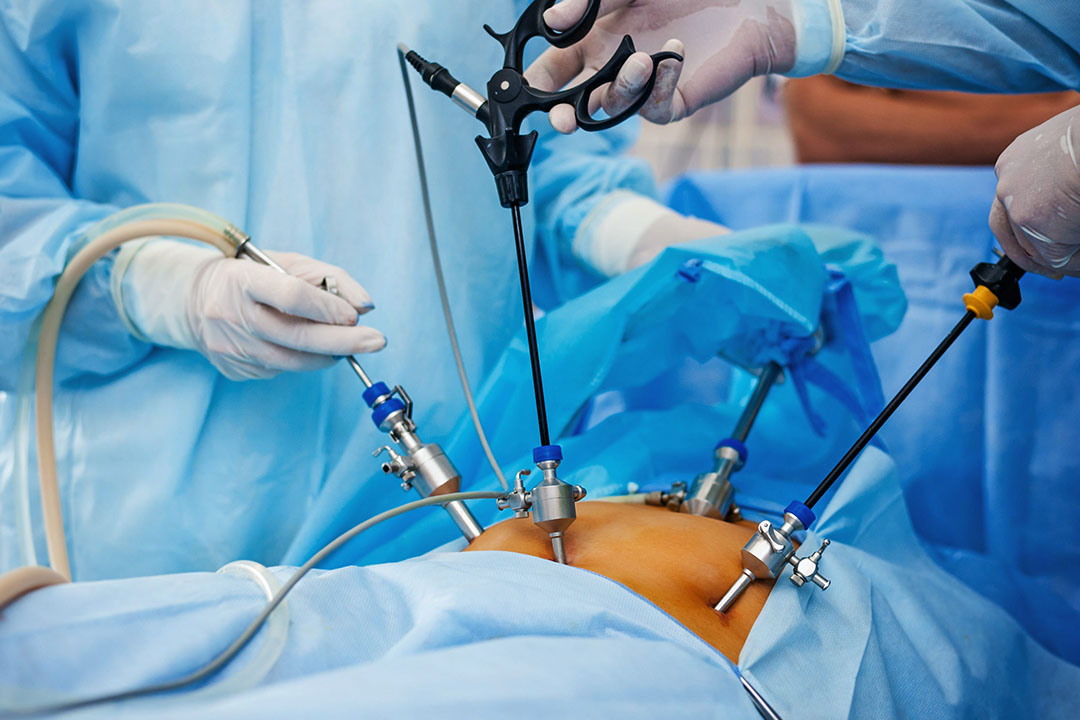
Structural issues such as fibroids, uterine polyps or endometriosis may require surgery. Treating these conditions can restore normal anatomy and improve the chance of pregnancy.
4. Assisted reproductive techniques
If simpler treatments do not work, assisted reproductive techniques may help.
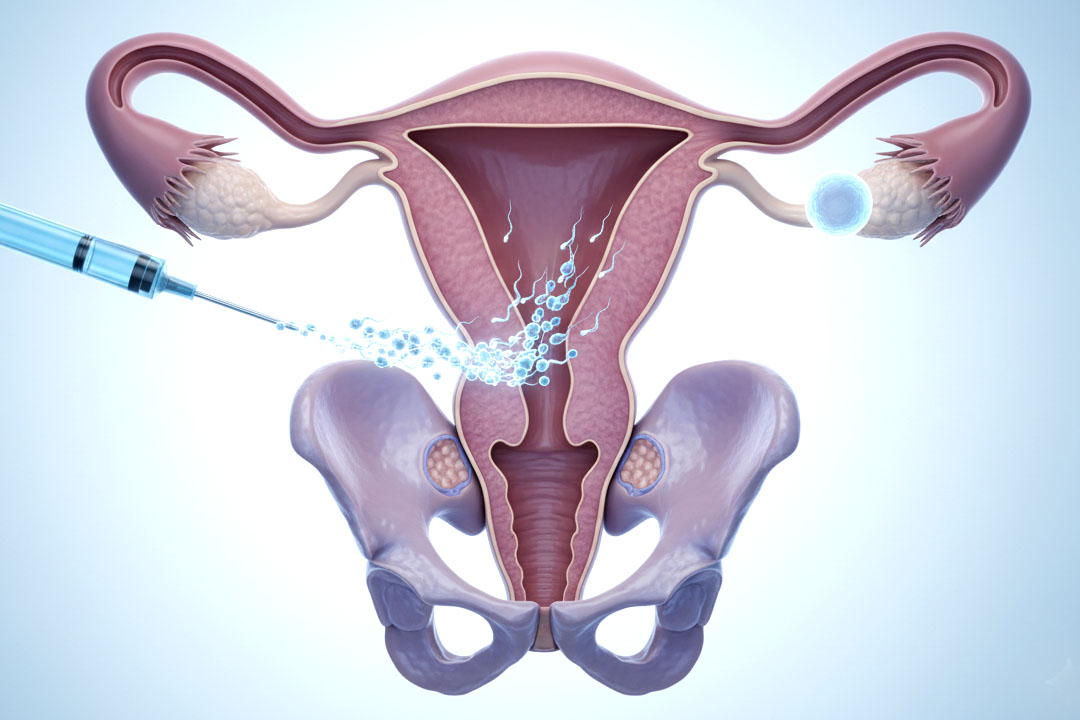
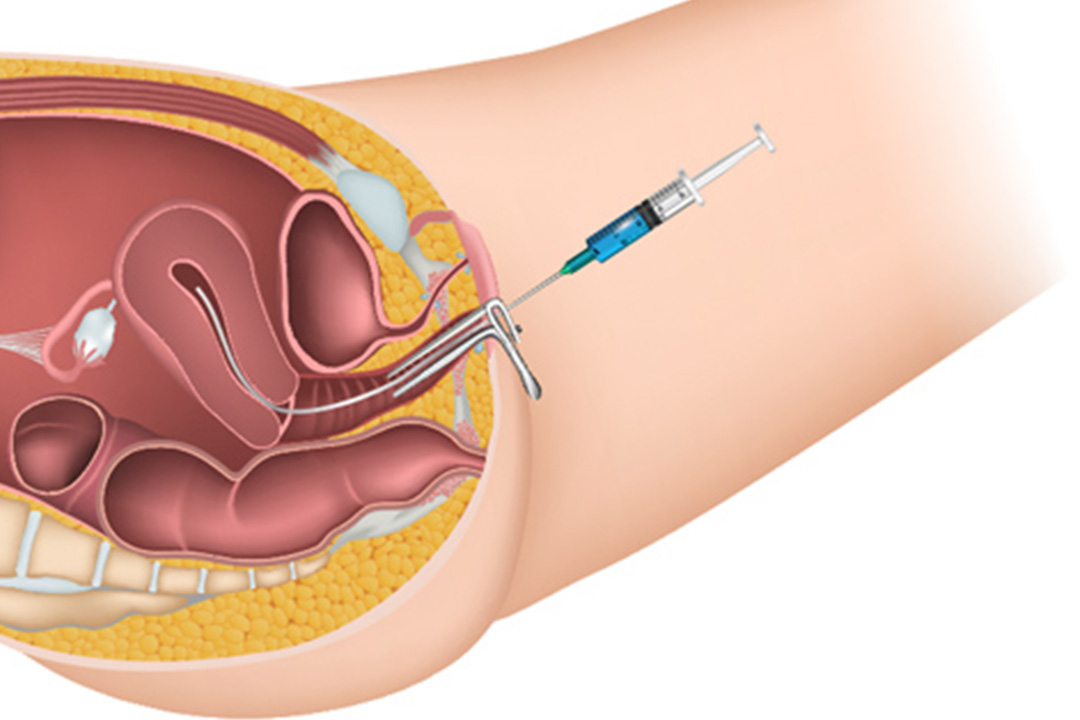
- Intrauterine insemination: This procedure places prepared sperm directly into the uterus during ovulation. It works best when tubes are open and ovulation occurs.
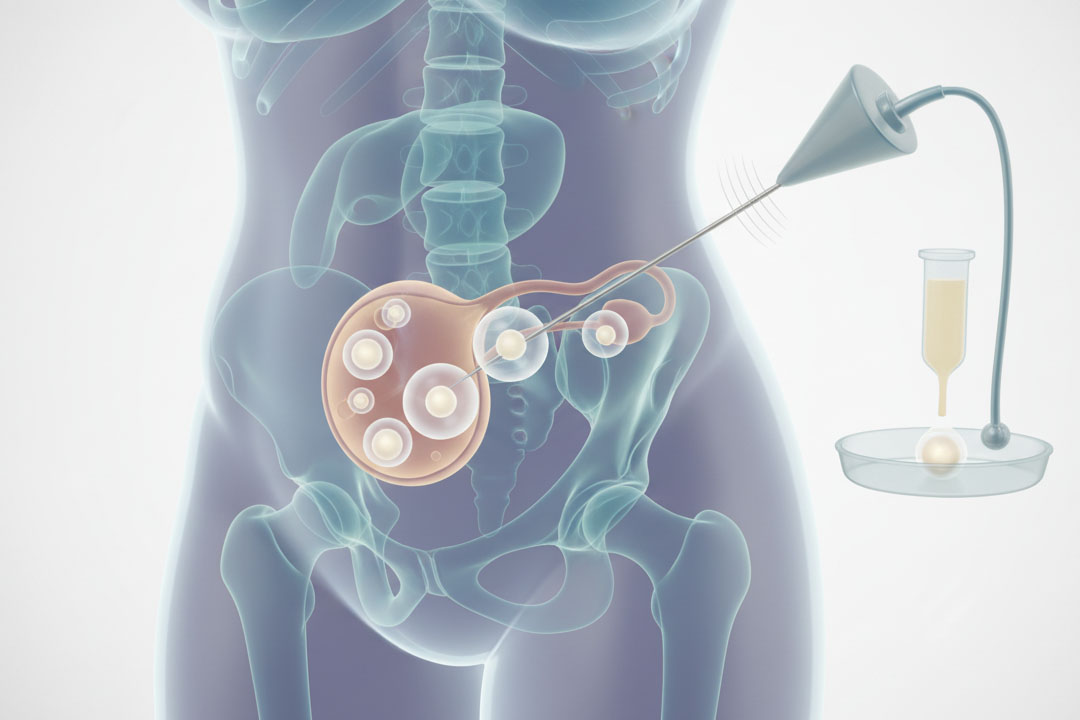
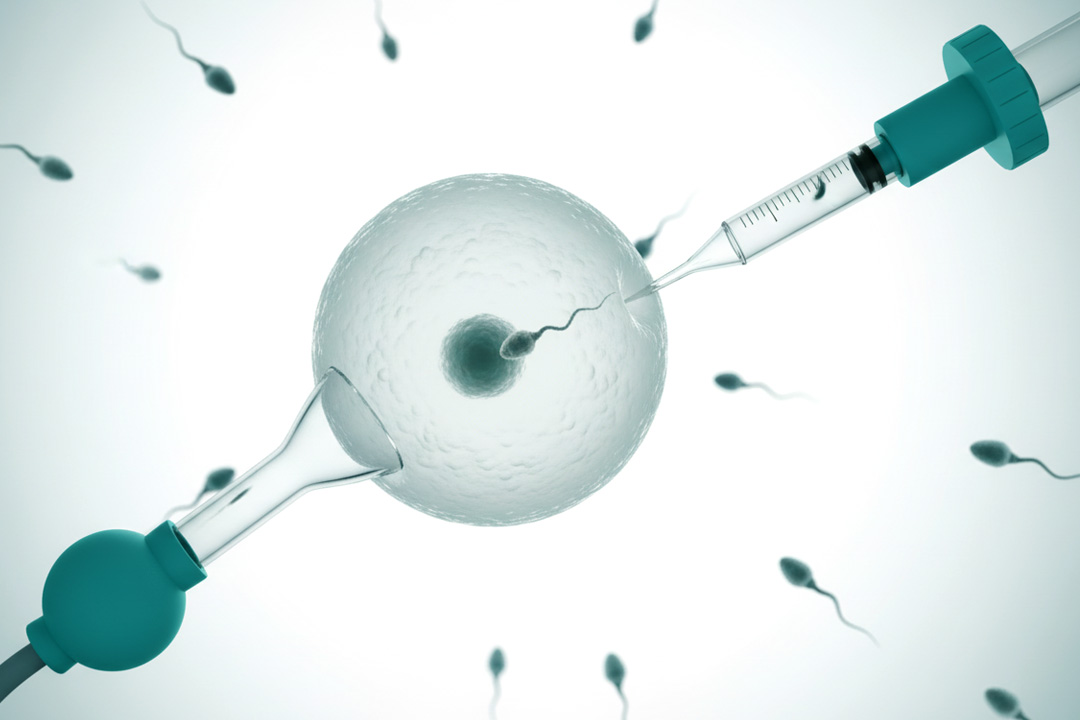
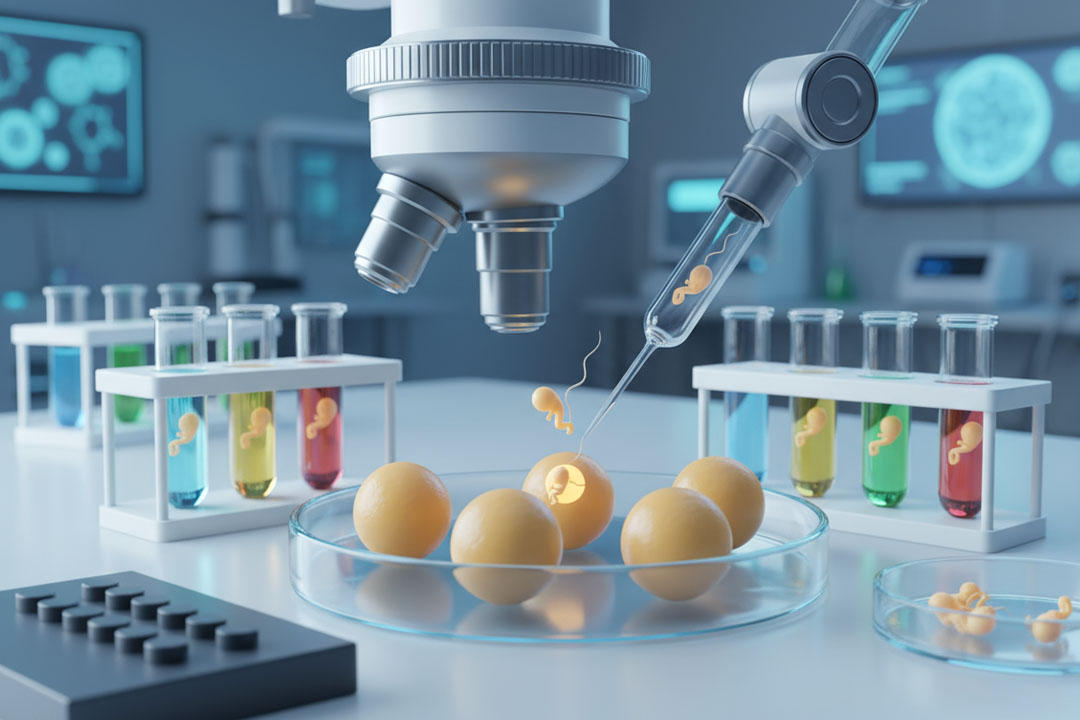
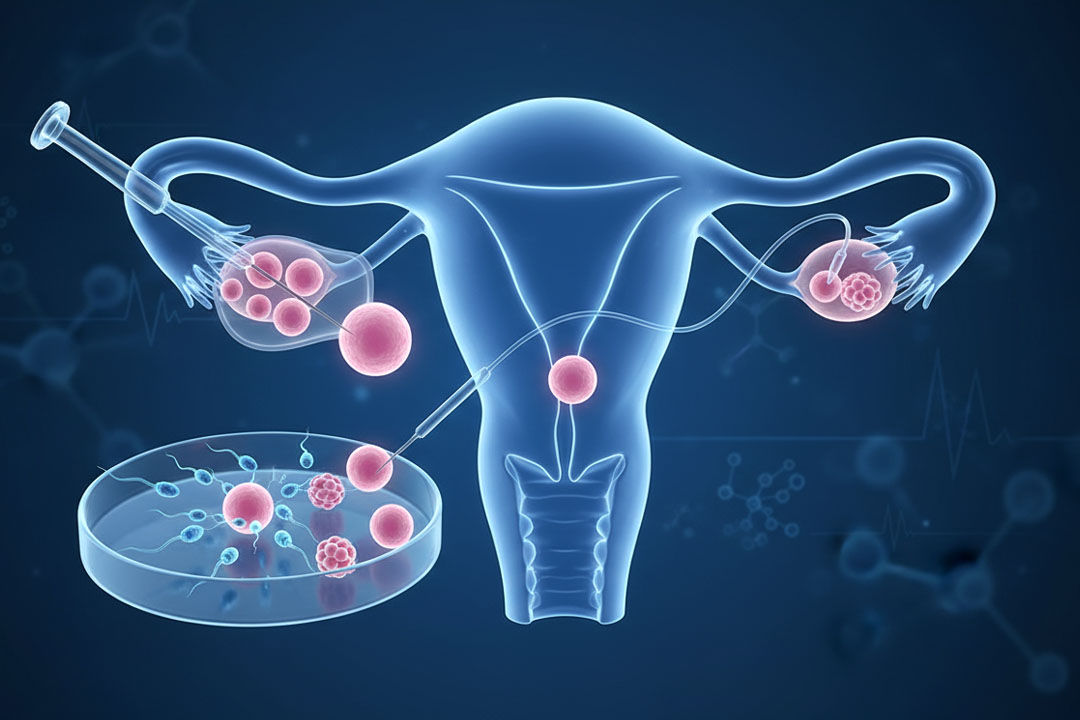
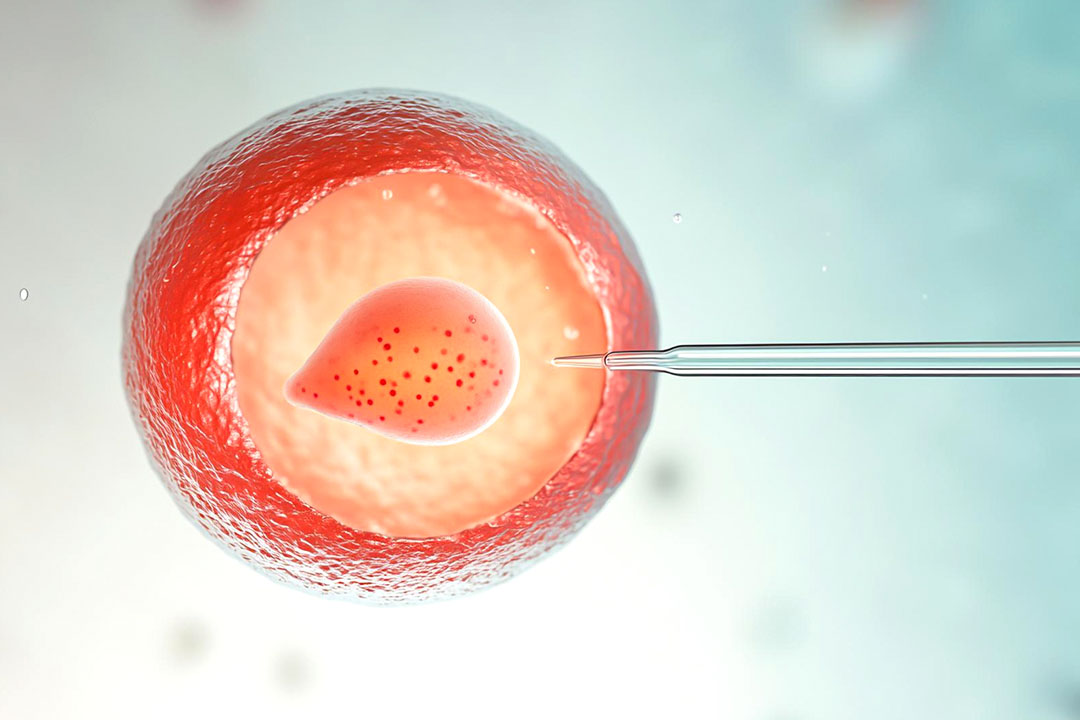
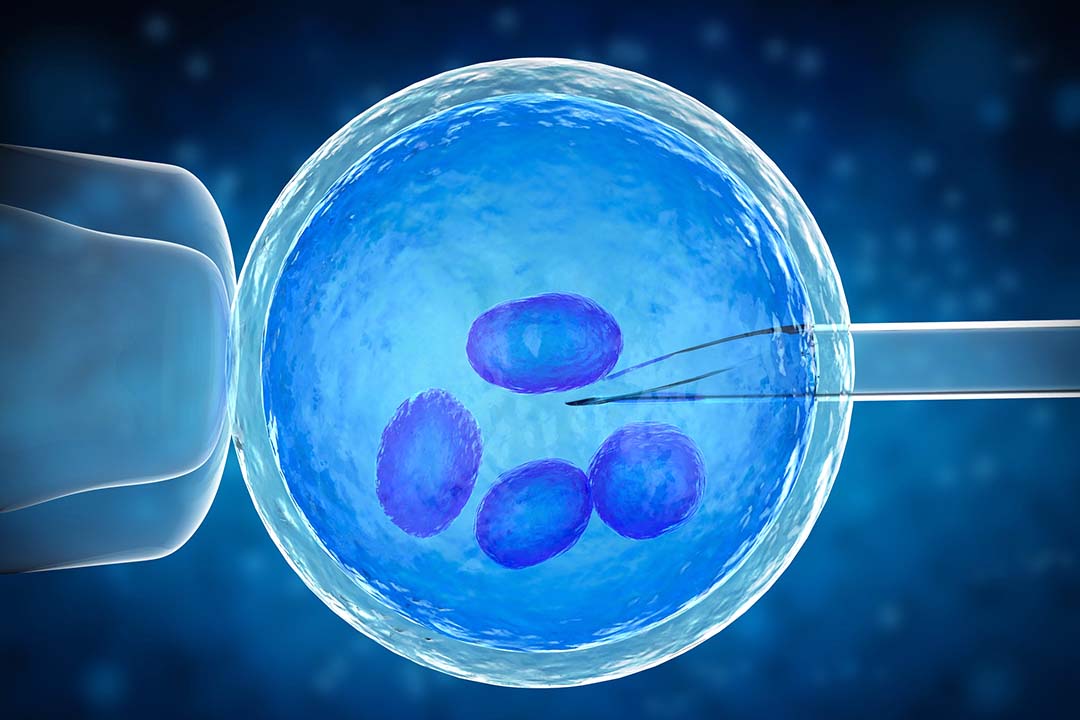
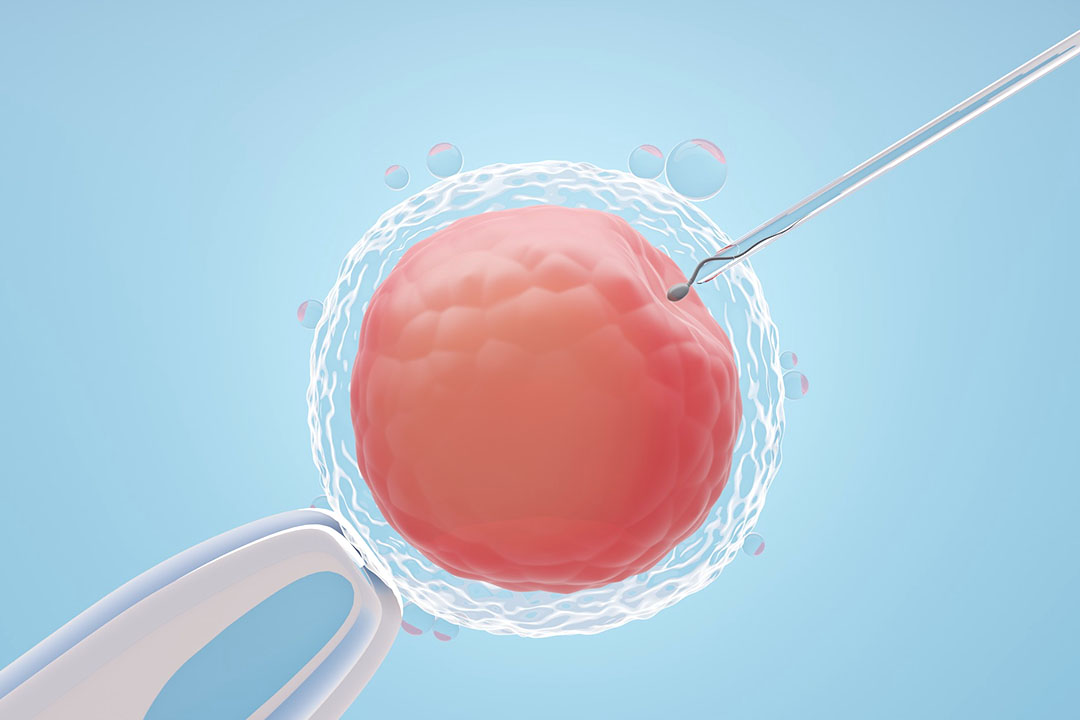
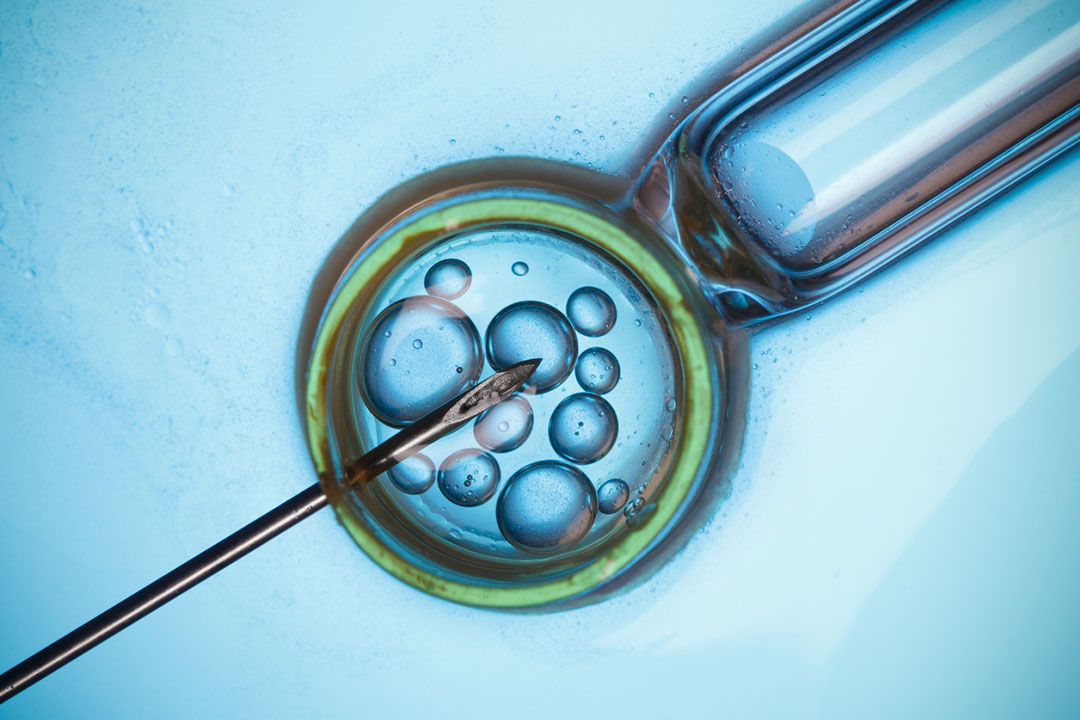
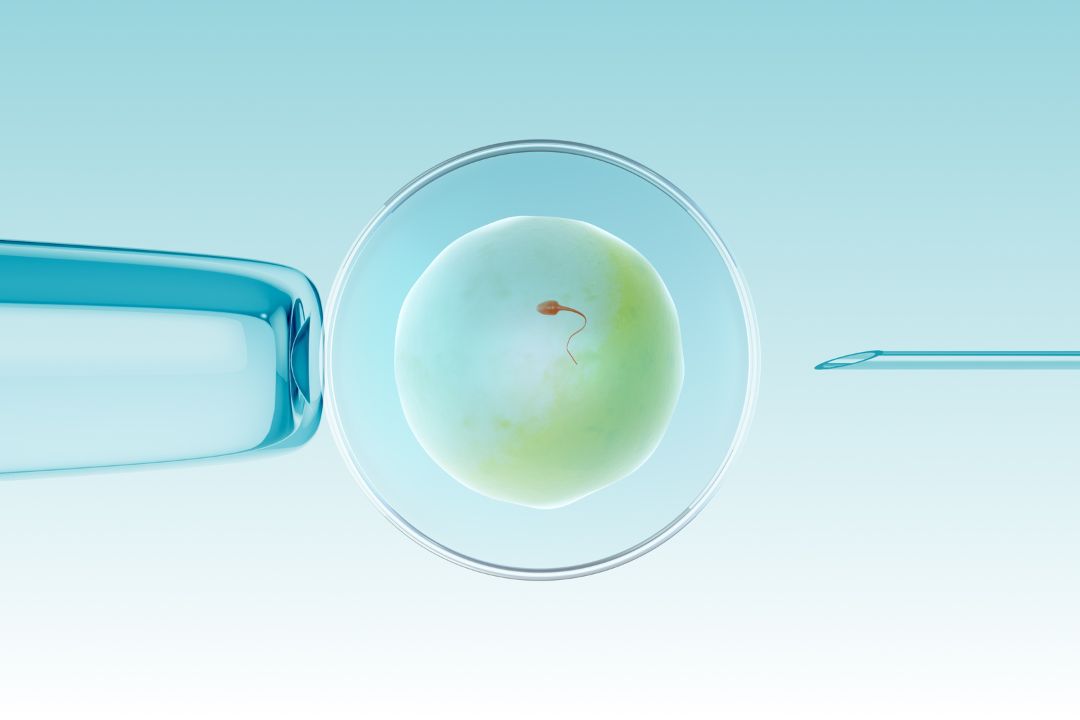
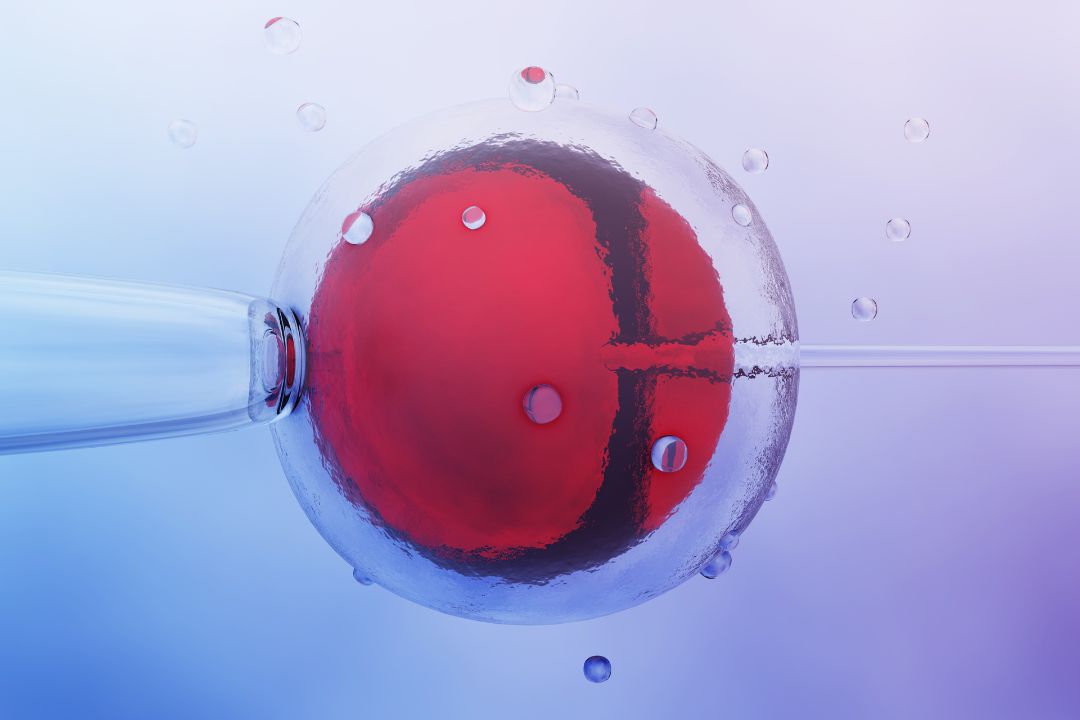
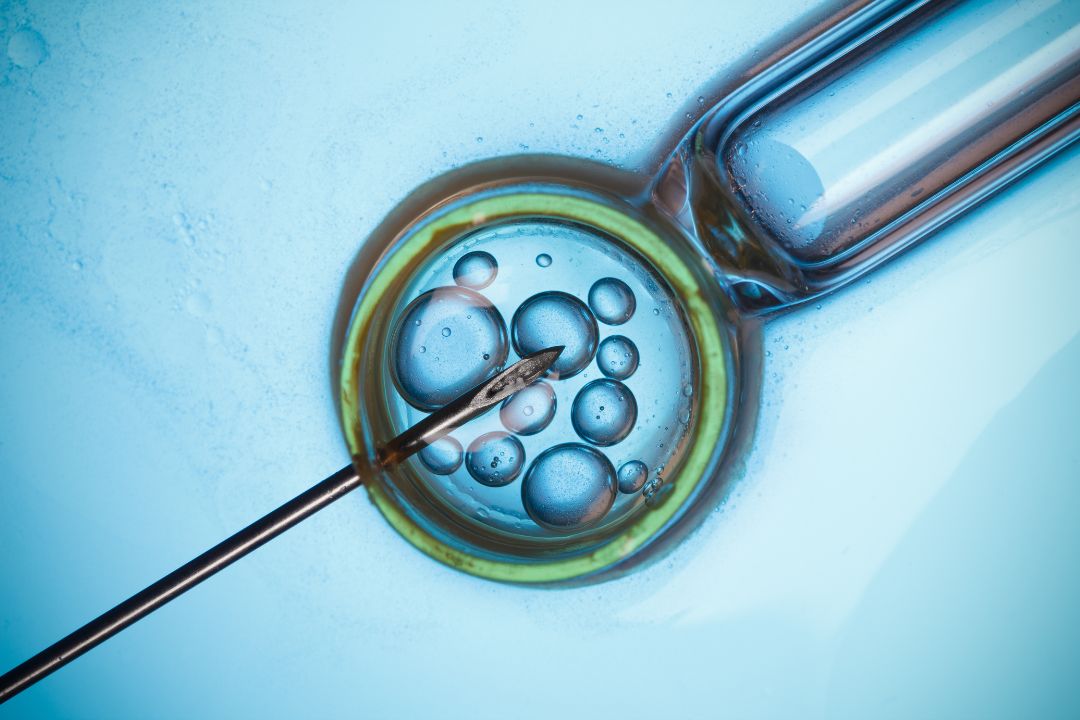
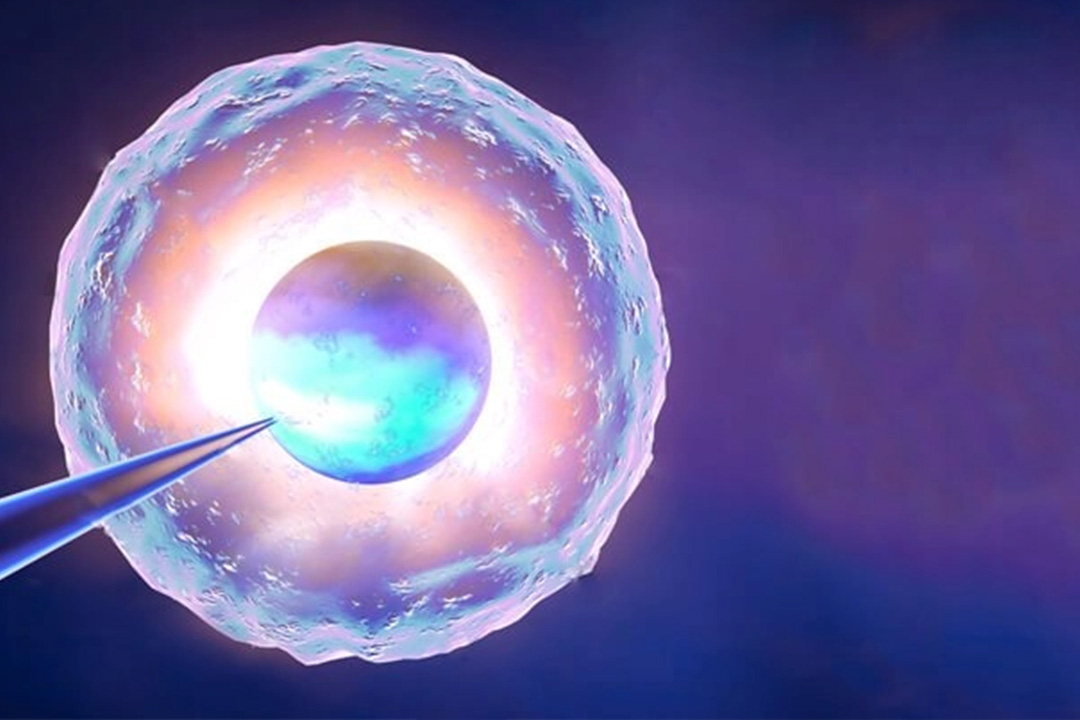
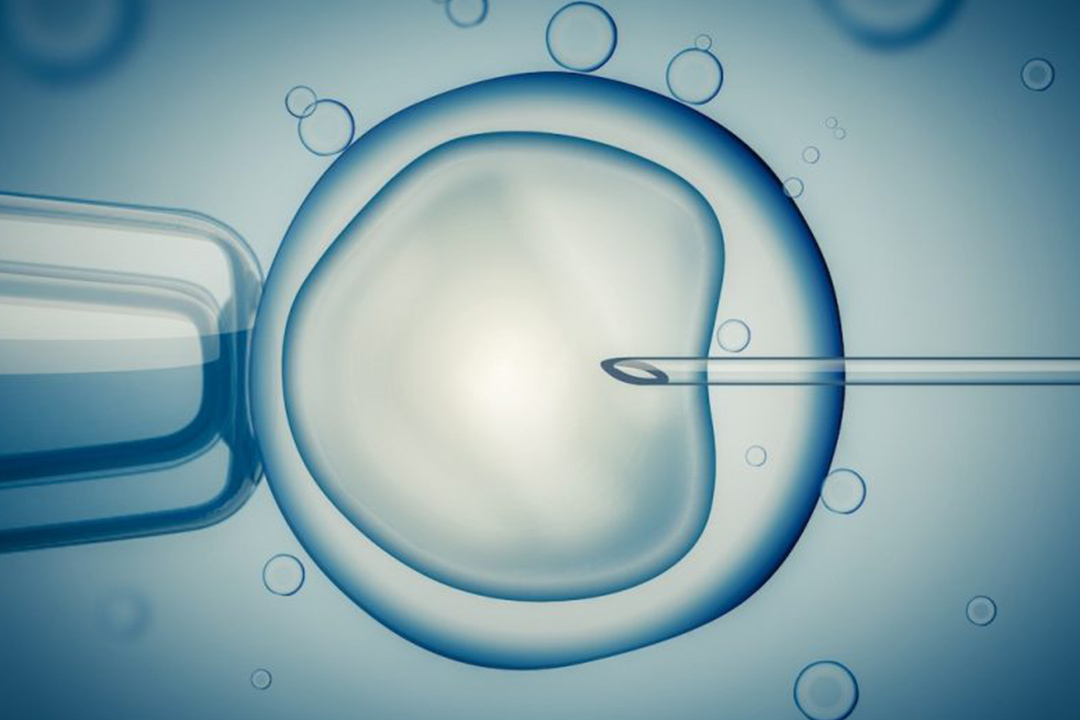
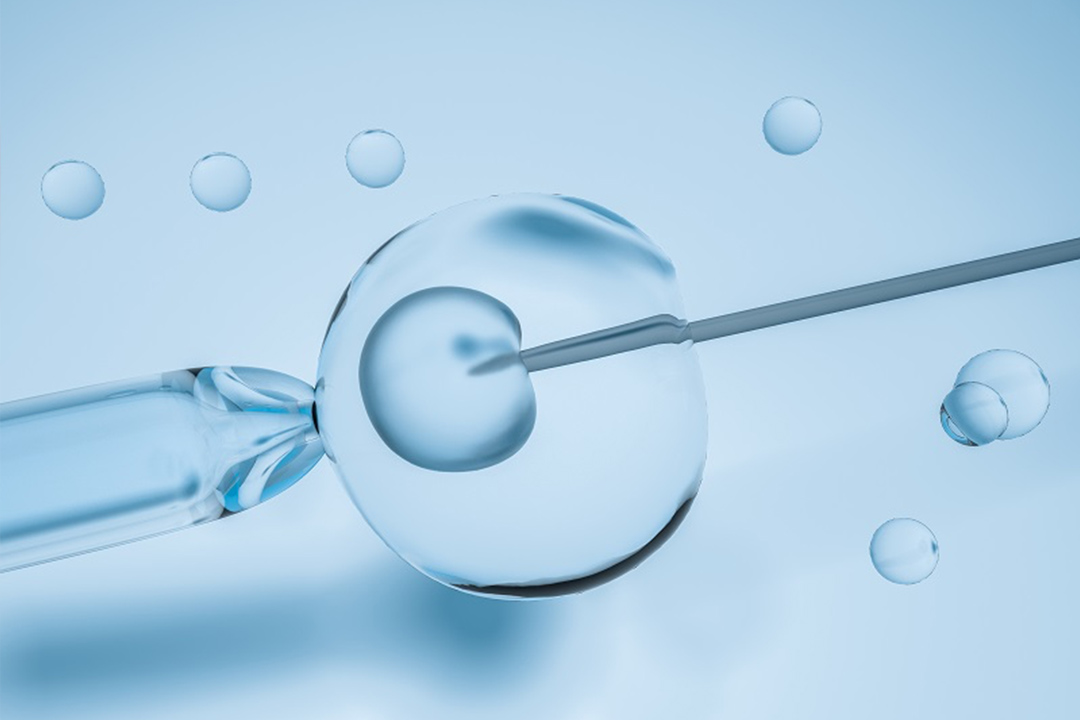
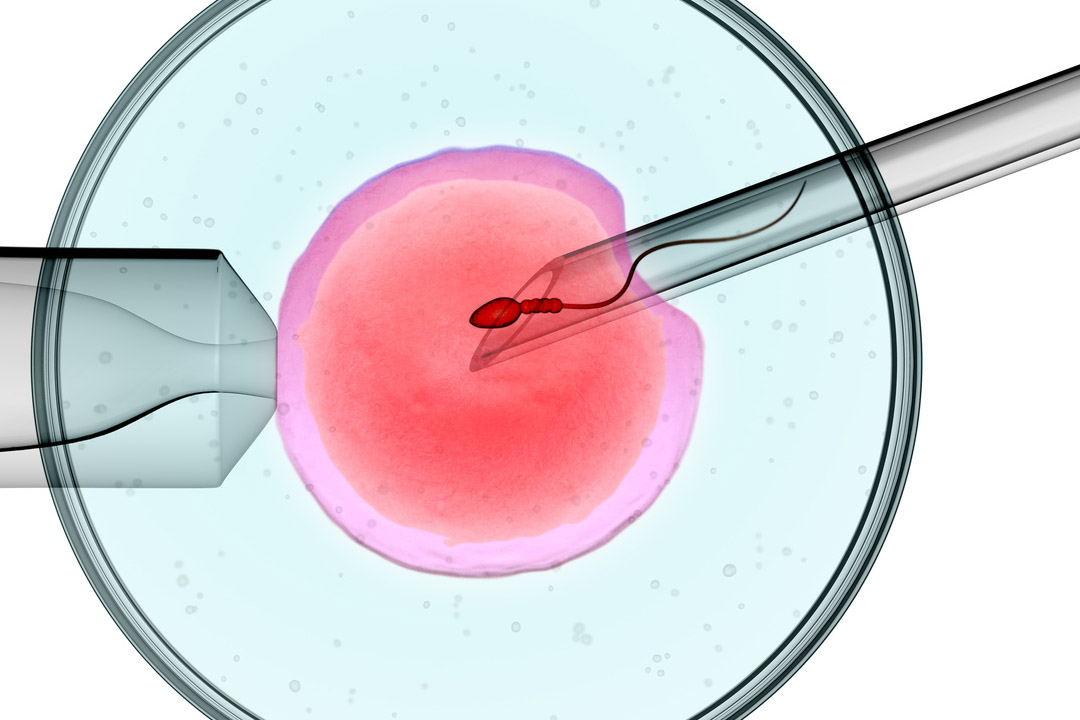
- In vitro fertilization: IVF involves fertilizing eggs outside the body and transferring embryos into the uterus. It helps overcome issues such as blocked tubes, severe ovulation problems or reduced ovarian reserve.
Female Fertility Testing and Age
Age remains one of the strongest factors affecting fertility. Egg quantity and quality naturally decline with age. Fertility tests help estimate ovarian reserve but they cannot reverse age-related changes. Early testing gives women the opportunity to plan ahead and explore options if needed.
Preparing for a Fertility Test
Preparation often involves scheduling tests on specific cycle days. Doctors may advise fasting for some blood tests. Sharing complete medical history including past surgeries or medications ensures accurate evaluation. Staying relaxed and informed helps the process go smoothly.
Frequently Asked Questions
Can fertility tests predict when I will get pregnant?
Fertility tests cannot predict the exact timing of pregnancy. They provide information about reproductive health and potential challenges.
Are fertility tests painful?
Most fertility tests involve blood samples or ultrasounds which cause minimal discomfort. Some imaging tests may cause mild cramping that resolves quickly.
How much does IVF cost in India?
IVF cost in India usually ranges from INR 1,20,000 to INR 2,50,000 per cycle. The final cost depends on medications, investigations and additional procedures if needed.
Can lifestyle changes really improve fertility?
Yes lifestyle changes often improve hormone balance and ovulation. While they may not solve every issue they significantly support overall fertility health.
Should I test fertility if I am not planning pregnancy now?
Testing fertility can help women understand their reproductive health and plan better for the future especially if they wish to delay pregnancy.
Conclusion
Female fertility testing empowers women with knowledge about their reproductive health. It helps identify potential concerns early and opens the door to timely treatment. While test results may feel intimidating they often provide clarity and direction.
With medical guidance, lifestyle support and appropriate treatment options many women achieve their goal of parenthood. Taking a proactive approach to fertility health can make the journey more informed and less stressful.
About Us
AKsigen IVF is a premier center for advanced fertility treatments, with renowned fertility experts on our team. Specializing in IVF, ICSI, egg freezing, and other cutting-edge reproductive technologies, AKsigen IVF is committed to helping couples achieve their dream of parenthood. With personalized care and a patient-first approach, AKsigen IVF provides comprehensive fertility solutions under one roof.